Mo-Mo-Paradise brings the Japanese shabu-shabu and sukiyaki format to the heart of Jakarta's premier retail and dining corridor at Plaza Indonesia Extension. The all-you-can-eat hotpot concept sits on Level 5 of one of Central Jakarta's most-visited addresses, making it a practical choice for shoppers and hotel guests moving through the Thamrin district. It occupies a well-defined niche in Jakarta's hotpot scene alongside Hai Di Lao and regional Chinese formats.
 Discover on Pearl
Pearl is the En Primeur Club membership app — saves, bookings, and concierge access live there. Same editors, same standards.
- Address
- Plaza Indonesia Extension Level 5 (Jl. M.H. Thamrin Kav. 28-30), Tanah Abang, Jakarta 10350
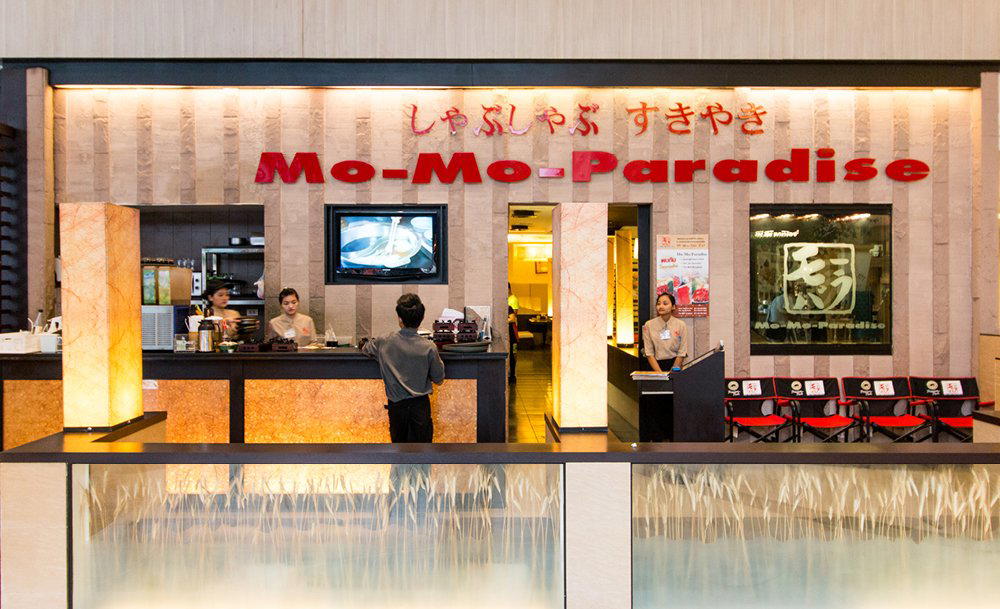
Hotpot on the Fifth Floor: What Plaza Indonesia's Dining Tier Tells You About Jakarta's Middle-Luxury Dining Scene
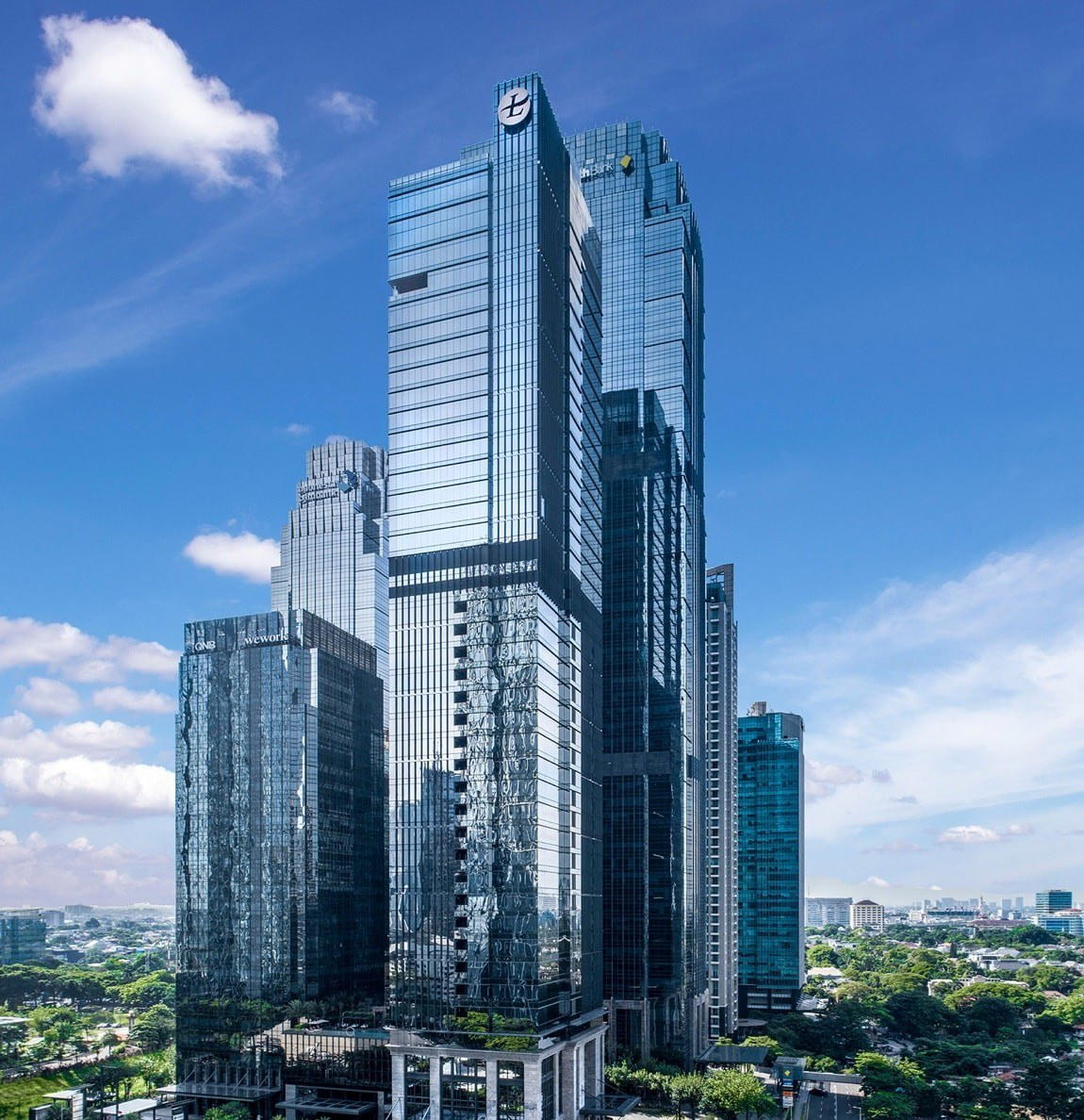
Jakarta's premium retail malls have long functioned as more than shopping destinations. In a city where traffic makes cross-district dining a genuine logistical commitment, the upper floors of complexes like Plaza Indonesia have quietly become the city's most dependable mid-luxury dining corridors. Level 5 of the Plaza Indonesia Extension, on Jalan M.H. Thamrin, concentrates a category of restaurants that serve hotel guests from the adjacent Grand Hyatt, office workers from the surrounding Sudirman-Thamrin spine, and families making a day of one of Central Jakarta's most-visited retail addresses. Mo-Mo-Paradise operates inside that specific gravitational pull, and understanding the location is the first step to understanding what the experience is built for. Mo-Mo-Paradise is a Japanese shabu-shabu and sukiyaki restaurant on Level 5 of Plaza Indonesia Extension in Jakarta, priced around USD 20 per person.
The Shabu-Shabu Format and Its Position in Jakarta's Hotpot Market
Jakarta's hotpot category has expanded considerably over the past decade. At one end, Sichuan-style operators like Chongqing Liuyishou Hotpot in South Jakarta and Hai Di Lao in Central Jakarta have introduced mainland Chinese communal formats with high-intensity broths and theatrical service. Mo-Mo-Paradise occupies a structurally different segment: the Japanese shabu-shabu and sukiyaki tradition, where thinly-sliced beef and pork move through lighter, more delicate broths, and the dipping sauces, typically ponzu and sesame-based, define the flavour profile rather than the broth itself.
That Japanese format carries its own logic. Shabu-shabu dining is predicated on restraint: quality of protein, precision of slice thickness, and the temperature discipline of the individual pot. When the model shifts to all-you-can-eat, as it does in the Mo-Mo-Paradise format, the proposition changes from ingredient showcase to accessible volume dining within a recognisable Japanese structure. That is a different promise from what you would find at the tightly edited counters of August in Jakarta, but it serves a distinct and large segment of the market.
Thamrin's Fifth Floor and What the Address Implies
The Plaza Indonesia Extension address on Jalan M.H. Thamrin (Kav. 28-30) is one of Central Jakarta's most commercially dense intersections. The Thamrin corridor connects the Sudirman business district to the older commercial heart of Menteng and Tanah Abang, and the Grand Hyatt tower integrated into the complex adds a consistent flow of international visitors to the domestic retail audience. Restaurants that anchor Level 5 of this complex are not neighbourhood destinations in the way that a standalone in Kemang or a low-key spot in Kecamatan Menteng, like Kita Restaurant and Bar, might be. They serve a captive, transient, and relatively high-footfall audience that values convenience alongside the dining experience itself.
That context matters for managing expectations. The atmosphere on arrival is shaped by the mall's open-floor retail energy rather than a dedicated dining entrance. You are stepping off an escalator into the restaurant, not walking a street-level approach. For some, that transition is seamless: the restaurant becomes a deliberate pause in a longer day. For others expecting the separation of a standalone venue, the integration with the retail floors is worth knowing in advance. Comparable formats elsewhere in the Indonesian archipelago, from the Bikini Restaurant Bali format in Badung to Jungle Fish Bali in Gianyar, operate in resort or semi-outdoor environments that carry a very different ambient register.
How Mo-Mo-Paradise Sits Against Jakarta's Broader Dining Field
Jakarta's restaurant scene covers an unusually wide range of format and price points. At the fine-dining and premium-casual end, venues like Bistecca and Aged + Butchered Jakarta focus on premium beef with sourcing specificity and a la carte pricing that positions the protein itself as the primary event. Neighbourhood stalwarts like Abunawas Restaurant in Kemang and bakery-café operators like Bakerzin Central Park address different day-parts and audience segments entirely. Mo-Mo-Paradise's all-you-can-eat shabu-shabu format sits in a separate bracket: communal, volume-oriented, and structured around a fixed-price logic that appeals to groups and families over solo diners or couples seeking a quiet meal.
That group-dining orientation is central to understanding the format's social function. Hotpot, whether Japanese or Chinese in origin, is fundamentally a shared-table activity. The pot is communal, the timing is collective, and the conversation runs alongside the cooking. Internationally, formats built on this model, from Korean jeongol to Taiwanese hot pot, have expanded aggressively in Asian-diaspora dining markets. In Jakarta, the format has a loyal and established audience. The comparison with venues like Hwang Fu Dimsum in Tangerang is instructive: both serve large-table, shared-food formats, but the hotpot format introduces a participatory cooking element that dimsum service does not.
For those charting broader Indonesian and regional dining options, our full Jakarta restaurants guide maps the city's dining across neighbourhoods and categories. Bali-based options with a different register entirely, like the Locavore NXT in Ubud, represent a contrasting mode of Indonesian dining that rewards comparison. Outside the archipelago, reference points at the opposite end of the formality scale include Le Bernardin in New York City and Atomix in New York City, both of which illustrate how differently a dining format can be constructed around the same fundamental act of cooking and eating at table.
Planning Your Visit
Mo-Mo-Paradise is located on Level 5 of Plaza Indonesia Extension, at Jalan M.H. Thamrin Kav. 28-30, Tanah Abang, Central Jakarta 10350. The mall is accessible by TransJakarta bus along the Thamrin corridor and is within walking distance of the Bundaran HI MRT station, making it one of the more transit-accessible restaurant addresses in the city centre. As a mall-integrated venue operating within retail hours, timing your visit to avoid peak weekend lunch or post-work weekday rushes is advisable. Group bookings at hotpot formats of this type typically benefit from arriving with a confirmed headcount, as table configuration around shared pots matters for the experience.
Cuisine Lens
Comparable venues nearby, for context on price, style, and recognition.
| Venue | Cuisine | Price | Awards | Notes |
|---|---|---|---|---|
| Mo-Mo-ParadiseThis venue — the venue you are viewing | Authentic Japanese Shabu-Shabu & Sukiyaki | $$$ | , | |
| Okuzono Japanese Dining | Modern Japanese Izakaya | $$$ | , | Selong |
| Gurēsu | Modern Japanese Omakase | $$ | , | Bangka |
| Sumibi Gandaria | Modern Japanese Robatayaki | $$$ | , | Kramat Pela |
| Kinsuke Ramen | Halal Japanese Ramen | $$ | , | Pondok Pinang |
| Seribu Rasa Menteng | Southeast Asian and Indonesian Seafood | $$$ | , | Gondangdia |
At a Glance
- Lively
- Modern
- Group Dining
- Family
- Casual Hangout
- Open Kitchen
- Sake Program
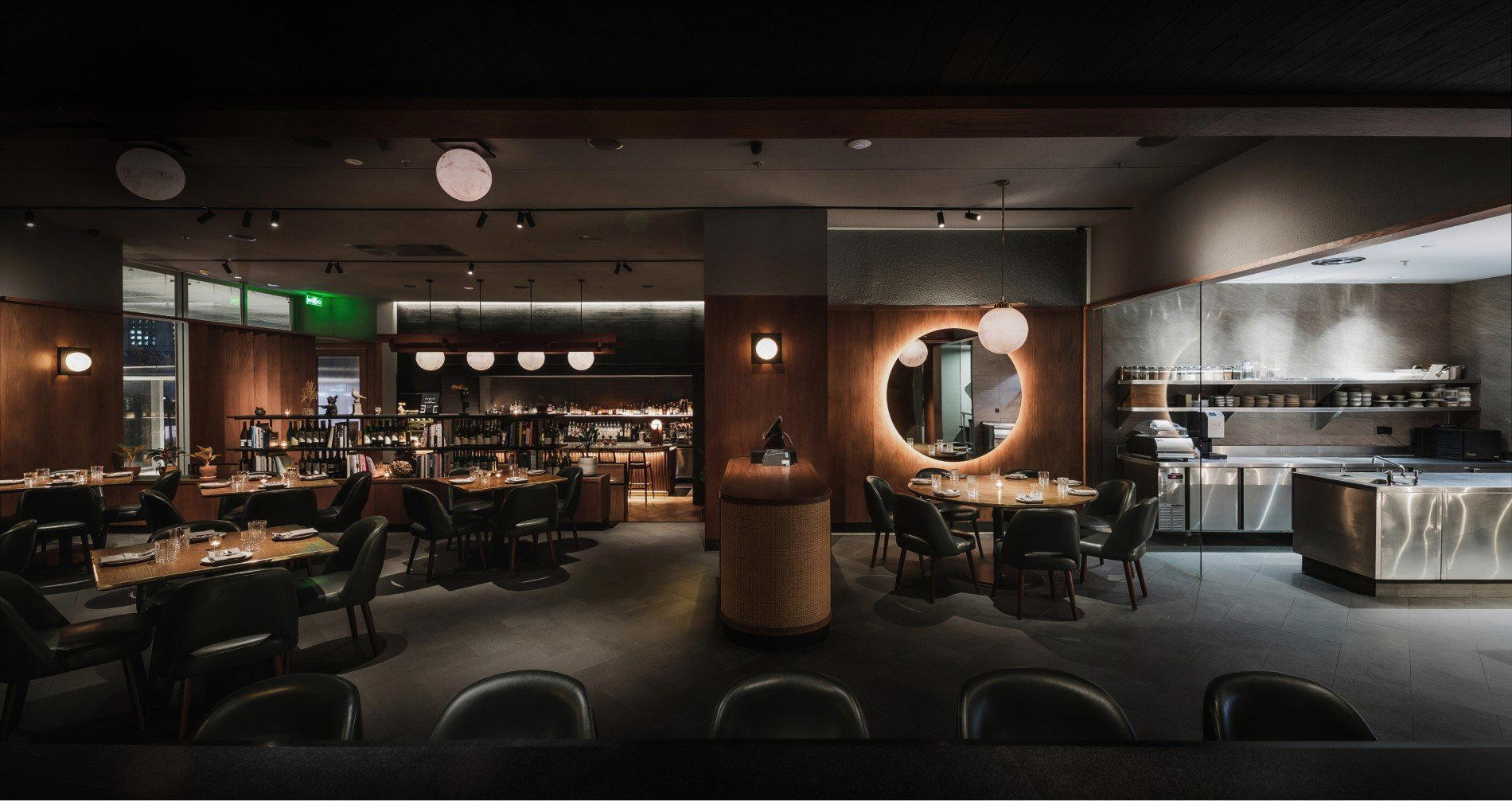
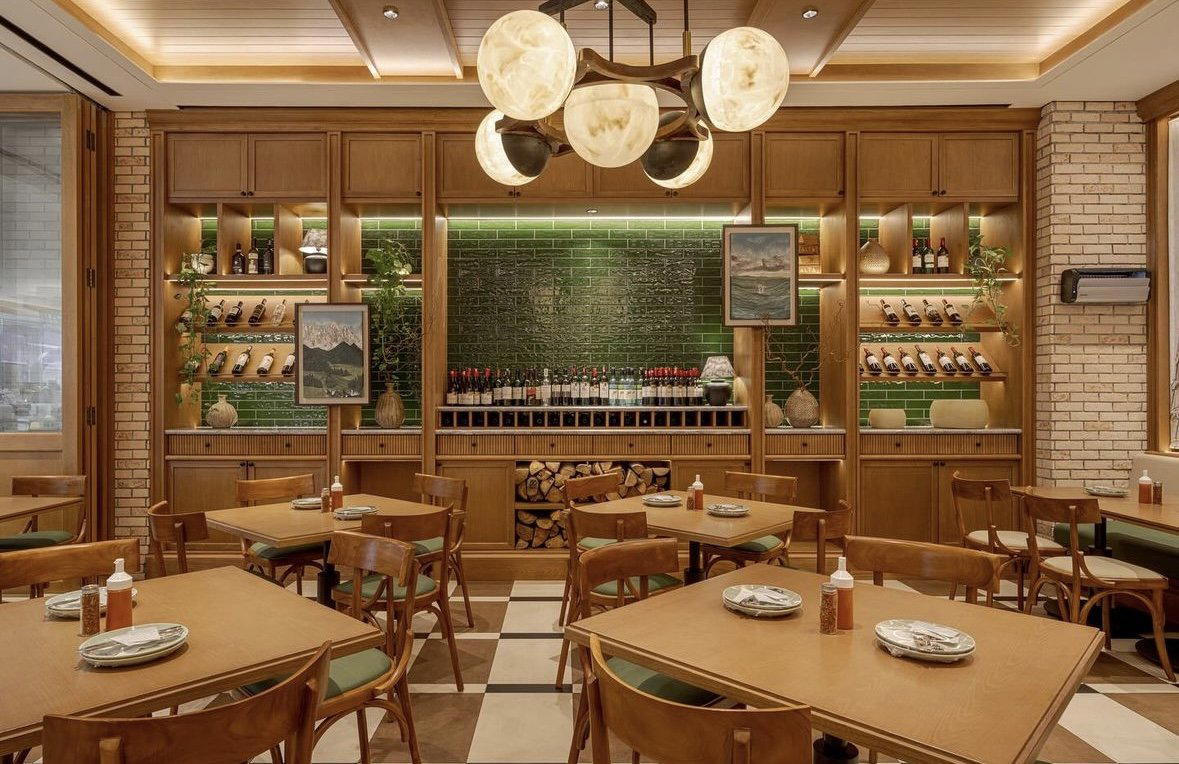
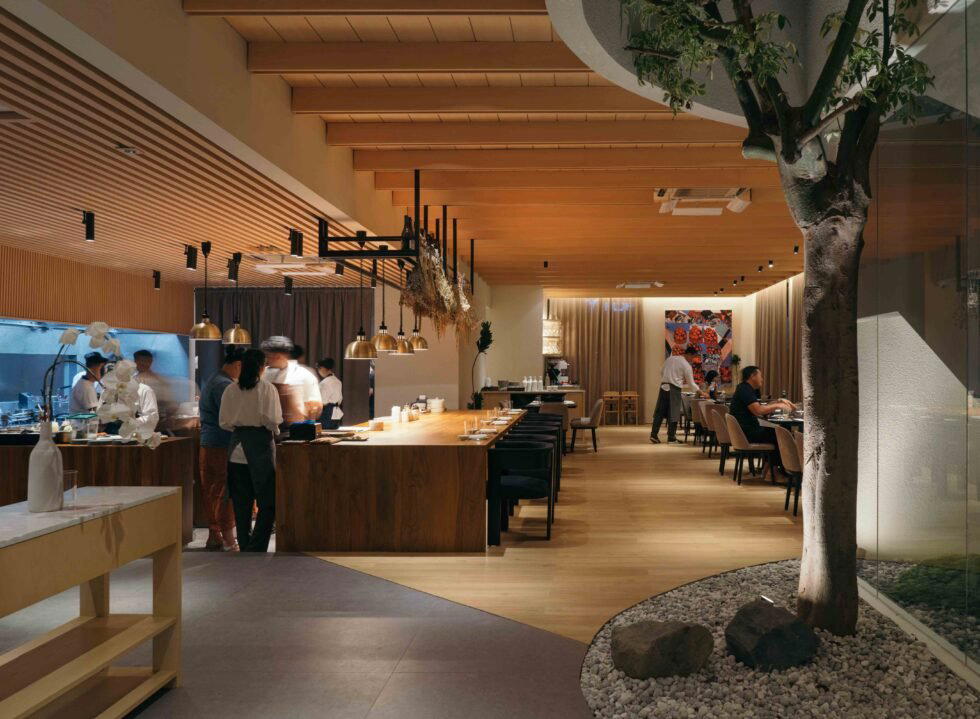
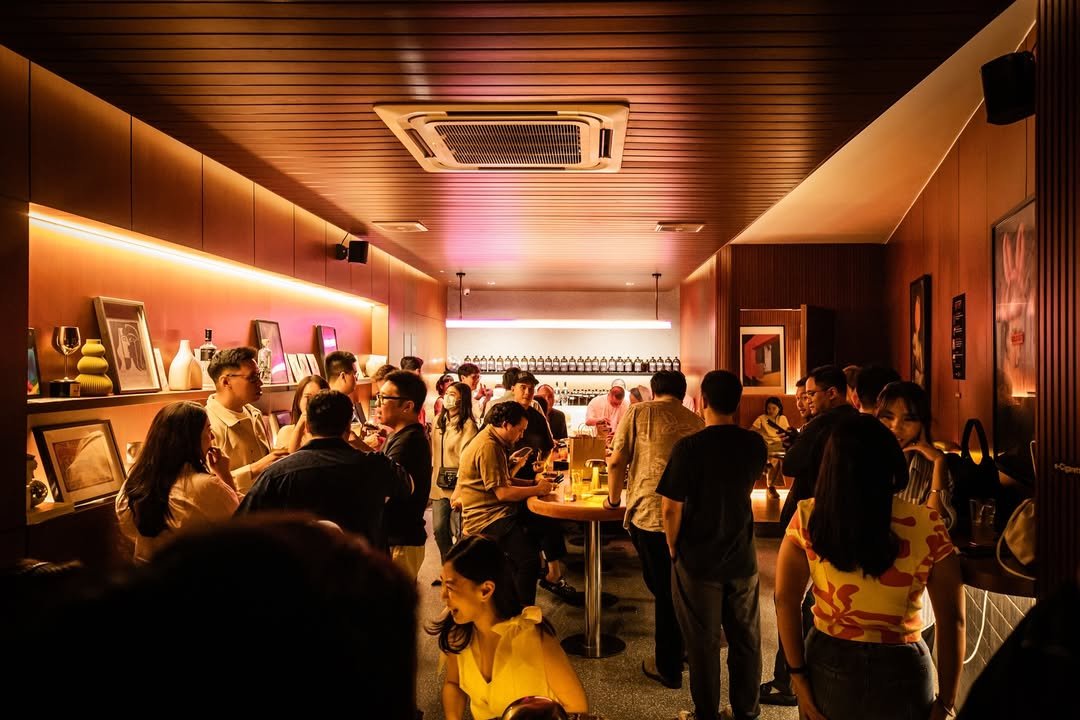
Casual and welcoming atmosphere suitable for groups and families, centered around shared hot pots with attentive table service.