Sushi Kawana occupies a quiet stretch of Jl. Melawai in Kebayoran Baru, one of South Jakarta's more considered dining corridors. The restaurant sits within the Japanese counter-dining tradition that has taken firm hold among Jakarta's serious eaters, where format and sourcing discipline matter more than spectacle. It draws a regular clientele for whom the omakase or à la carte sushi format represents a deliberate choice over the city's louder options.
Pearl is the En Primeur Club membership app — saves, bookings, and concierge access live there. Same editors, same standards.
- Address
- Jl. Melawai 9 No.18, RT.3/RW.1, Melawai, Kec. Kby. Baru, Kota Jakarta Selatan, Daerah Khusus Ibukota Jakarta 12160, Indonesia
- Phone
- +6262217220291
- Directions
- Get directions
 Saves & bookings on Pearl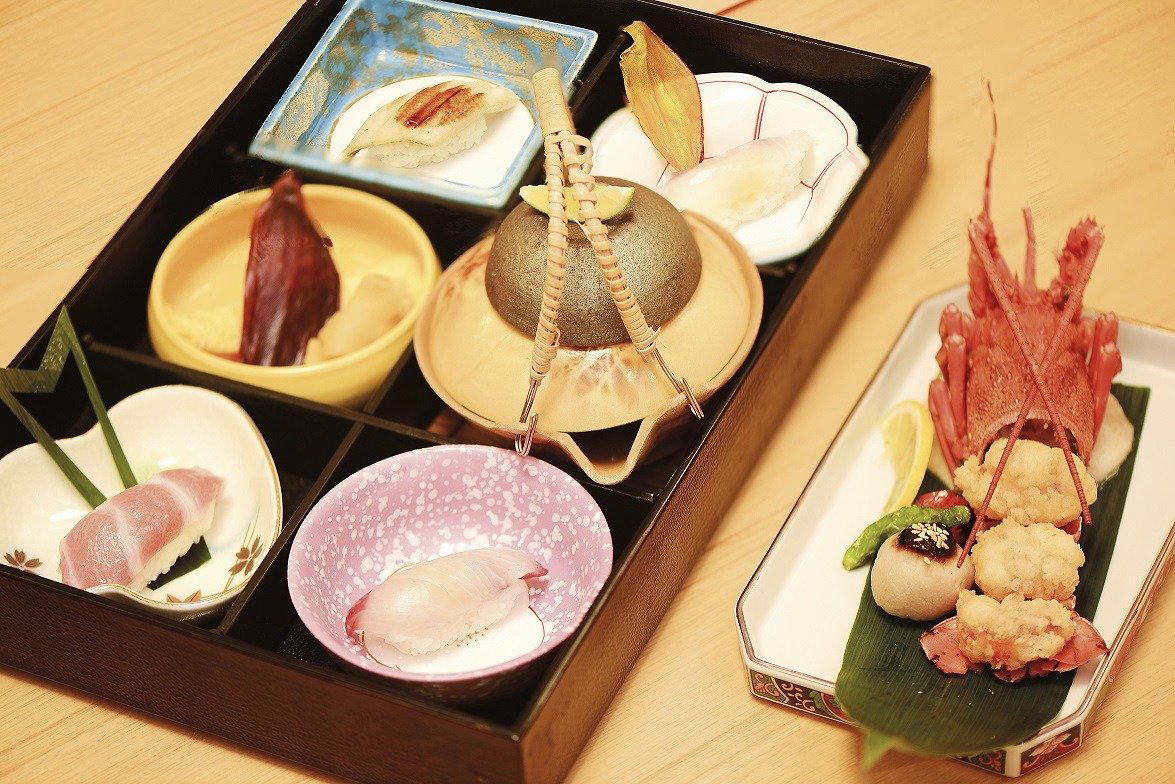
Counter Culture in Kebayoran Baru
Kebayoran Baru has accumulated more of the latter category than most Jakarta districts, and Jl. Melawai, where Sushi Kawana sits at No. 18, reflects that pattern. The street doesn't announce itself as a restaurant corridor, it requires a degree of intent from anyone arriving there, which self-selects for the kind of diner the format is built around.
Japanese counter dining in Jakarta has moved well beyond novelty. The city now supports a tier of sushi-focused rooms where the physical arrangement, counter seating, proximity to the kitchen, the choreography of service across a narrow bar, functions as the core proposition rather than a backdrop to something else. This is a format that travelled from Tokyo's Ginza and Shinjuku omakase counters, where eight to twelve seats and a single chef's progression define the entire experience. Jakarta's interpretation of that model varies in fidelity, but the underlying logic holds: the room is small, the sequence is set, and the counter is the architecture that makes the meal work.
The Space and What It Signals
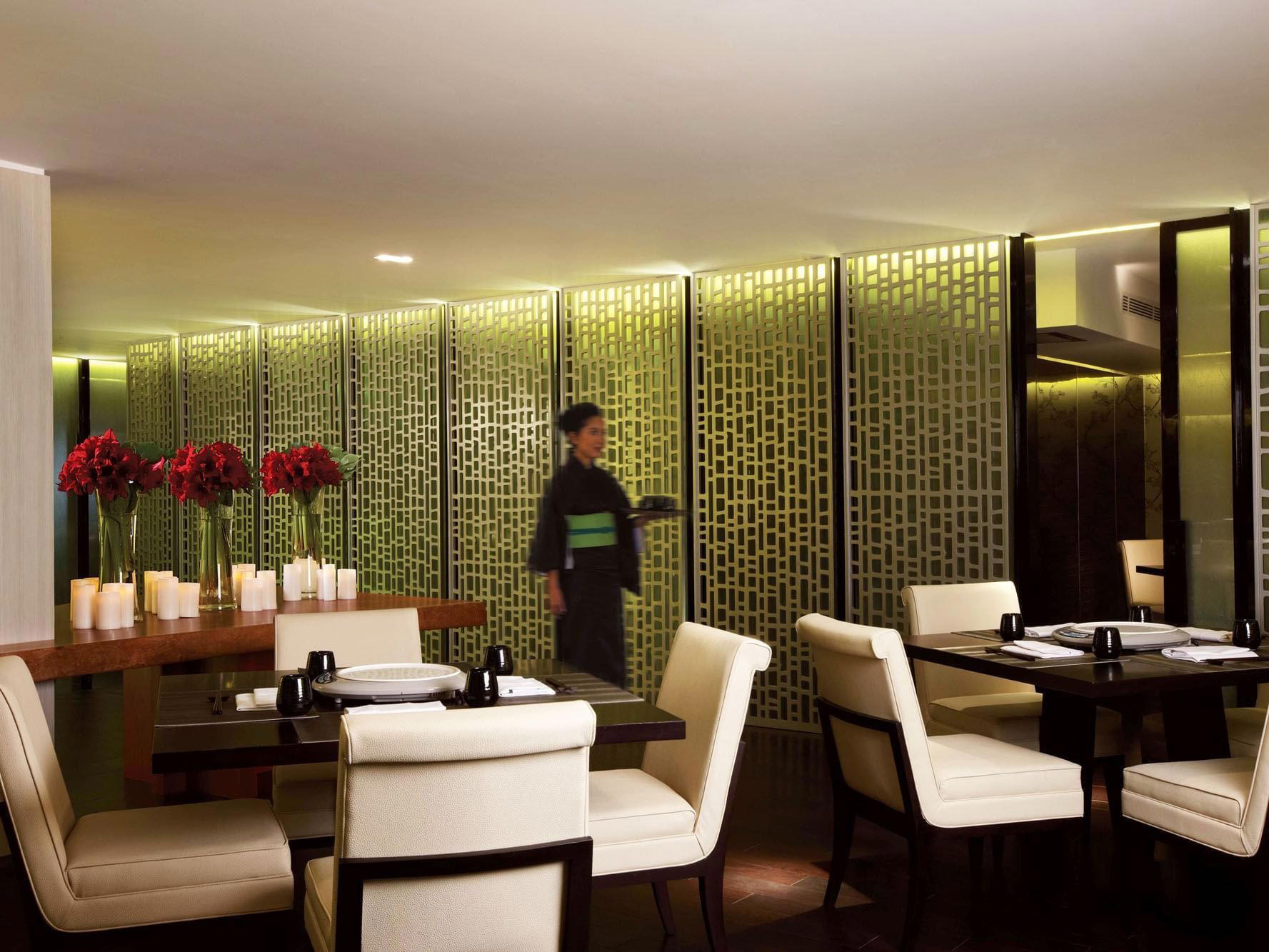
Counter-format sushi restaurants succeed or fail largely on the spatial logic of the room. The distance between guest and chef, the height and depth of the bar, the angle of the refrigerated display case, the acoustic quality of a space that must support quiet conversation without becoming sepulchral, these elements, when calibrated correctly, create the conditions for a meal that feels considered rather than processed. When they are wrong, the format exposes every flaw in sourcing and technique.
Kebayoran Baru's residential adjacency gives properties in this corridor a quieter physical register than venues in, say, SCBD or Sudirman. The neighbourhood's mid-century urban grain, lower-rise, tree-lined, with a residential character that persists despite commercial development, lends itself to the kind of contained, focused dining environment that Japanese counter formats require. Sushi Kawana's address on Jl. Melawai places it in this quieter register, away from the ambient noise that can undercut a precision-focused dining format.
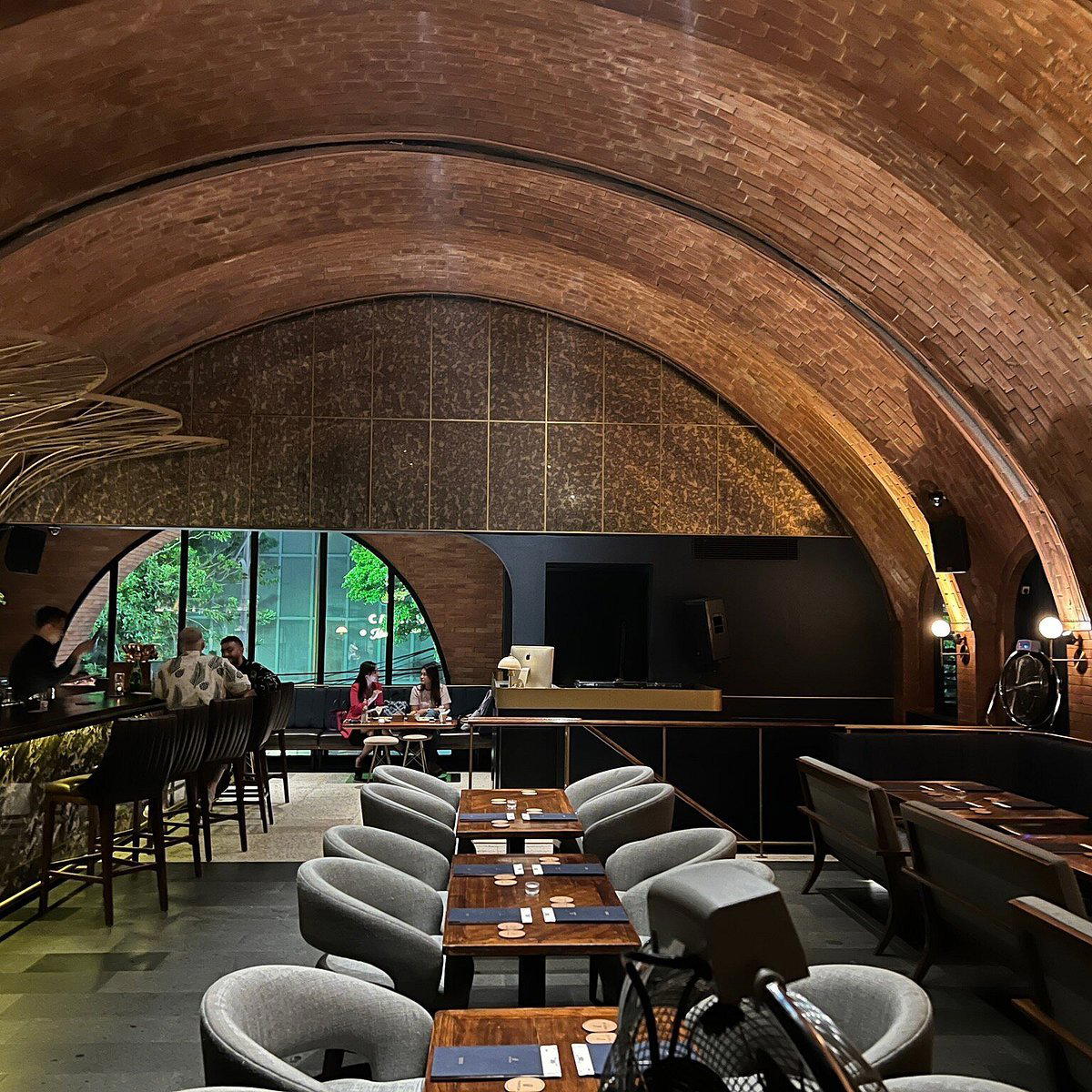
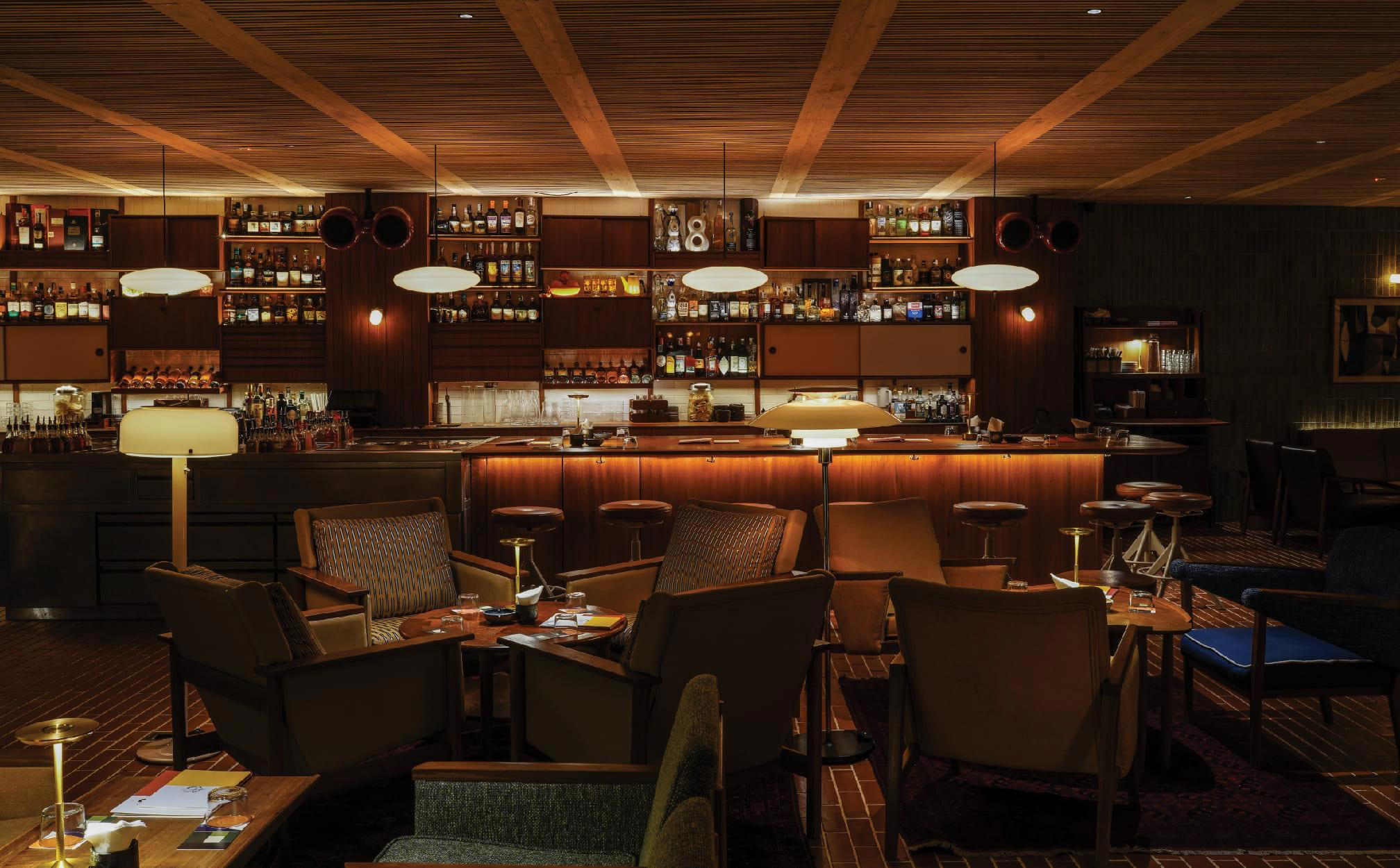
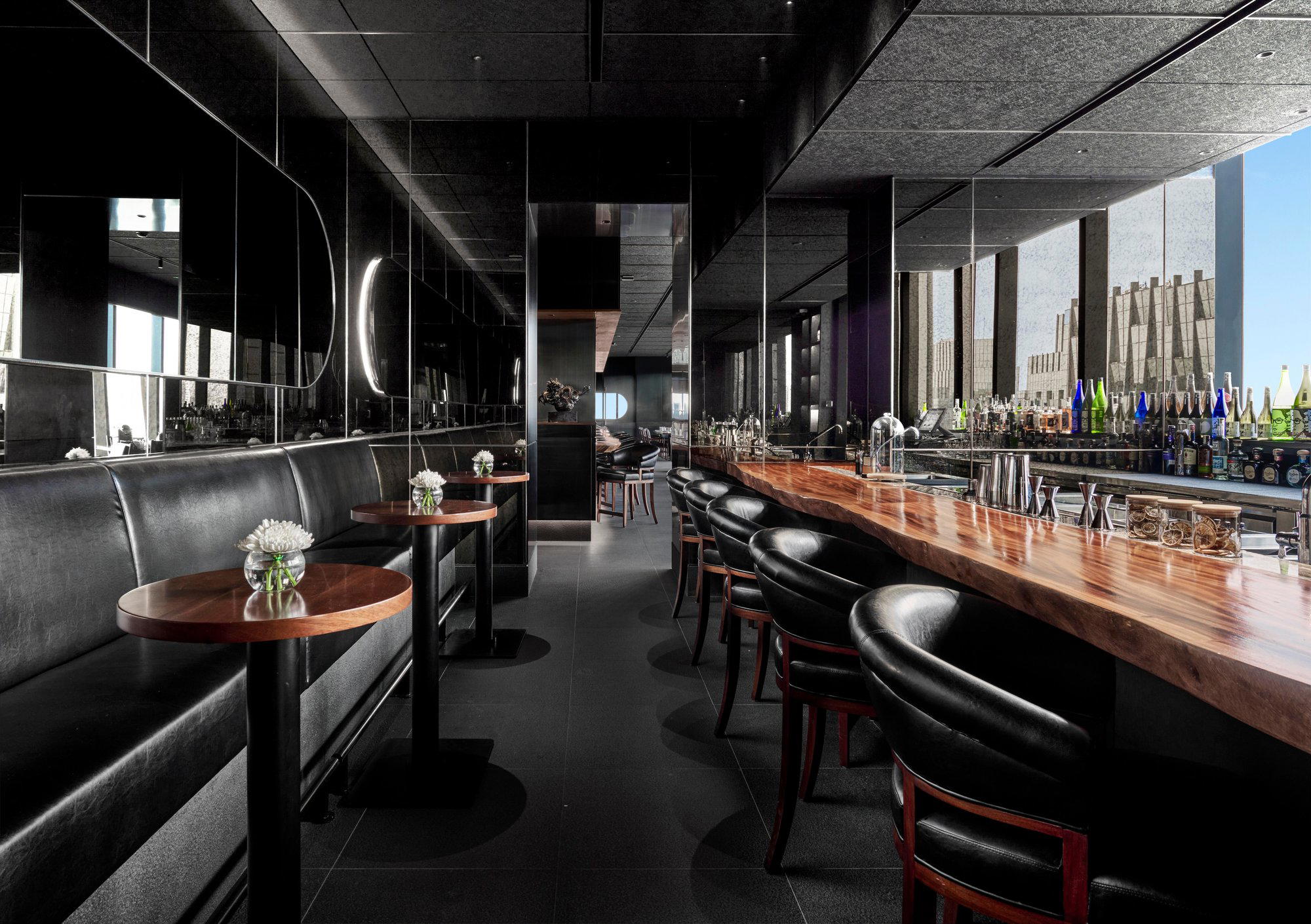
For comparison, consider how Jakarta's more design-forward counter venues have approached the spatial problem: minimalist joinery, warm timber surfaces, controlled lighting that focuses attention on the bar rather than the dining room perimeter. These are not decorative decisions, they are functional ones, shaping where the guest's attention lands and how the pacing of a counter meal is perceived. The physical container, in counter dining, is inseparable from the menu's logic.
Jakarta's Japanese Dining Tier
Jakarta's Japanese restaurant category spans an unusually wide range, from casual ramen shops and mall-based conveyor belt formats to serious counter operations sourcing directly from Japanese fish markets. The credibility markers that separate the upper tier from the middle are consistent across cities: sourcing provenance, counter-to-chef ratio, the presence of trained Japanese culinary lineage either in the kitchen or through direct supplier relationships, and a booking structure that signals demand beyond walk-in capacity.
The city's serious eaters have become increasingly calibrated in their reading of these signals. A restaurant that presents omakase on the menu without the sourcing depth or counter discipline to support it is quickly identified and discussed in the networks where Jakarta's food conversation actually happens, WhatsApp groups, private dining communities, the kind of word-of-mouth infrastructure that operates faster than any published review cycle. This makes the upper tier of Jakarta's Japanese dining more competitive and more legible than it might appear from the outside.
For reference, venues like August in Jakarta demonstrate how format discipline and spatial coherence can anchor a restaurant's reputation within a specific dining tier, even in a market as varied as Jakarta's. Similarly, Kita 喜多 Restaurant And Bar in Kecamatan Menteng represents the kind of focused, cuisine-specific proposition that Jakarta's more considered diners have increasingly moved toward. The comparison set for Sushi Kawana is not Jakarta's broader restaurant market, it is this smaller, format-disciplined cohort.
Outside Jakarta, the Indonesian dining scene has its own reference points for format and sourcing rigour. Locavore NXT in Ubud has established a benchmark for tasting-format dining in the archipelago, while Bali venues like Jungle Fish Bali in Gianyar demonstrate that serious ingredient sourcing is not exclusive to the capital. The broader Indonesian market, in other words, is raising its reference points, which makes the credibility signals at each individual venue more consequential.
The Neighbourhood Context
Kebayoran Baru functions as one of Jakarta's more liveable southern districts, with a dining scene that skews toward regular, neighbourhood-use restaurants rather than destination venues drawing from across the city. This is not a criticism, it reflects the district's residential density and the purchasing habits of its population, which leans toward established, trusted operators. For a format-driven Japanese restaurant, this neighbourhood dynamic can work in favour of the operator: the clientele is local enough to return frequently, and frequent return is the mechanism through which counter-format dining earns its reputation.
Other South Jakarta dining options in the EP Club coverage include Chongqing Liuyishou Hotpot in South Jakarta and Aged + Butchered Jakarta, which represent the protein-focused end of the district's dining options. The contrast is instructive: where those venues prioritise volume and bold flavour, counter-format sushi operates on compression and restraint. Both modes have loyal followings in Jakarta's dining community, and both are valid expressions of what the city's eating culture has become.
See our full Jakarta restaurants guide for broader coverage across the city's dining tiers and neighbourhoods. Additional context from venues like Bistecca, Abunawas Restaurant Kemang Branch, and Bakerzin Central Park illustrates the range of dining formats competing for the same South Jakarta audience. Internationally, the counter-dining tradition Sushi Kawana participates in has its most refined expressions at venues like Le Bernardin in New York City and Atomix in New York City, both of which demonstrate how format discipline and spatial intentionality translate into sustained critical and commercial recognition across different culinary traditions.
Planning Your Visit
The restaurant is located at Jl. Melawai 9 No. 18 in Kebayoran Baru, South Jakarta. The address sits within a district that is most comfortably reached by private vehicle or ride-hailing app; parking in the immediate area is limited but manageable for a counter-format venue with controlled seating capacity. Given the format, arrival at the reserved time rather than early or late is standard practice, counter meals have a sequenced pace that is disrupted by gaps in the guest roster. The restaurant's regular hours are Tuesday through Sunday from 12 to 10 PM, with Monday closed.
Booking and Cost Snapshot
Comparable venues nearby, for context on price, style, and recognition.
| Venue | Cuisine | Price | Notes |
|---|---|---|---|
| Sushi KawanaThis venue — the venue you are viewing | Melawai, Traditional Japanese Sushi | $$$$ | Not listed |
| Soichiro Steakhouse | Senayan, Irori Style Japanese Steakhouse | $$$$ | Not listed |
| Sushi Masa | Not listed | $$$ | Penjaringan, Premium Japanese Omakase & Sushi |
| Kinsuke Ramen | Pondok Pinang, Halal Japanese Ramen | $$ | Not listed |
| Okuzono Japanese Dining | Selong, Modern Japanese Izakaya | $$$ | Not listed |
| Namaaz Dining | Not listed | $$$$ | Petogogan, Indonesian Molecular Gastronomy |
At a Glance
- Intimate
- Cozy
- Date Night
- Special Occasion
- Chefs Counter
- Private Dining
- Sake Program
Current opening hours
- Monday
- Closed
- Tuesday
- 12–10 PM
- Wednesday
- 12–10 PM
- Thursday
- 12–10 PM
- Friday
- 12–10 PM
- Saturday
- 12–10 PM
- Sunday
- 12–10 PM
Hours can change for holidays and private events. Last verified .
Traditional Japanese atmosphere with tatami rooms, fresh fish displays at the counter, and an intimate, cozy dining experience.