Subarashii Pfauengarten occupies an address on Hartiggasse in central Graz, where the city's appetite for considered, European-rooted dining meets an intriguing cross-cultural name. With limited public booking data and a deliberately low profile, it sits in a tier of Graz restaurants that rewards planning over spontaneity. Visitors who do their homework before arriving consistently find the experience worth the preparation.
Pearl is the En Primeur Club membership app — saves, bookings, and concierge access live there. Same editors, same standards.
- Address
- Hartiggasse 4, 8010 Graz, Austria
- Phone
- +43316813249
- Website
- subarashii.at
- Directions
- Get directions
 Saves & bookings on Pearl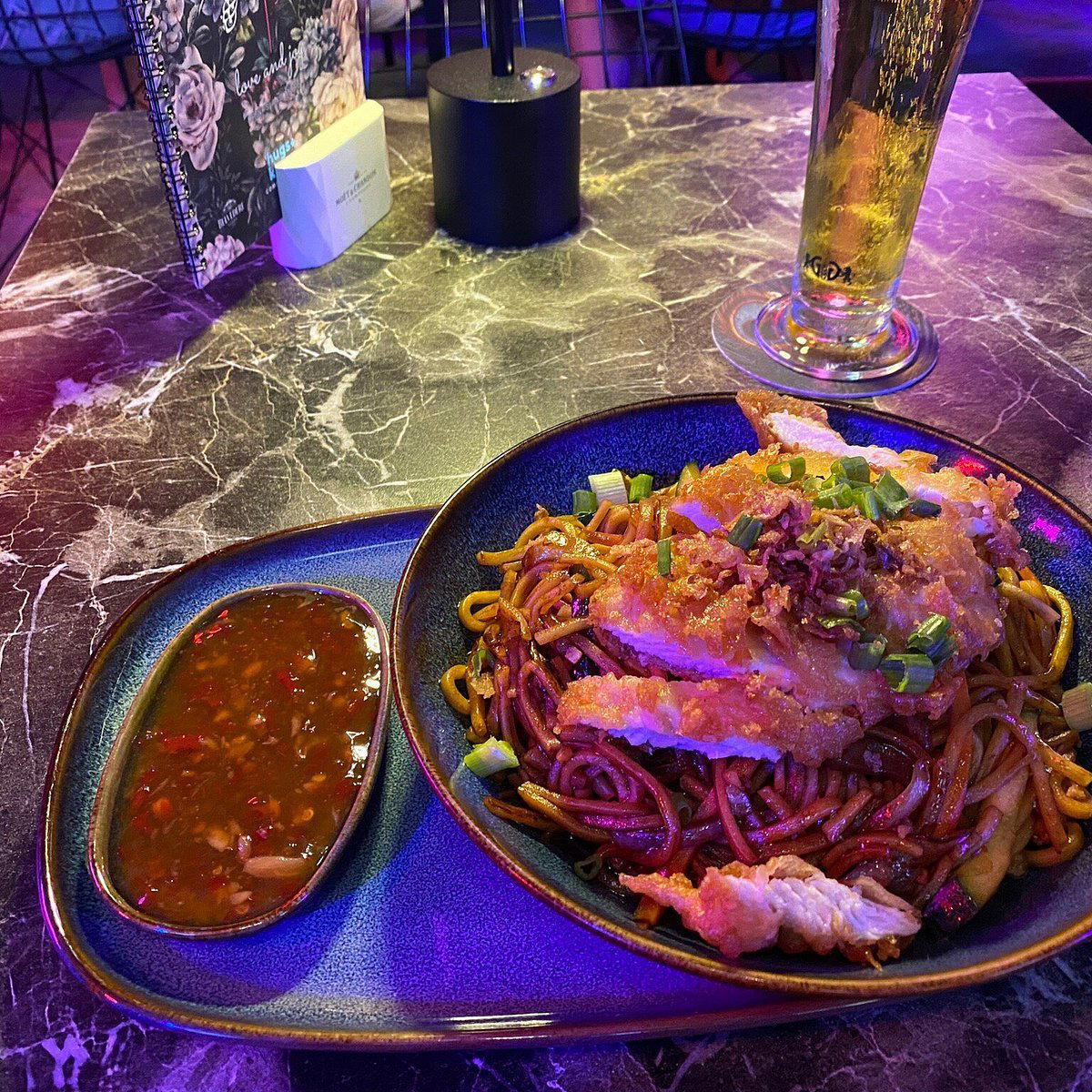
An Address That Asks Something of You First
Hartiggasse 4 sits inside Graz's compact inner city, within reasonable walking distance of the Hauptplatz and the Schlossberg, in a neighbourhood where Baroque facades and narrow lanes give way to a web of smaller dining rooms that rarely announce themselves to passing foot traffic. Subarashii Pfauengarten is substantially in this tradition. The name itself is a signal: the Japanese word subarashii (roughly, wonderful or notable) paired with the German Pfauengarten (peacock garden) suggests a cross-cultural sensibility that sets it apart from the more straightforwardly Styrian addresses nearby. Whether that duality extends into the kitchen or remains purely nominal is something a visit resolves better than any description.
Graz has developed one of Austria's more interesting mid-tier dining cultures, distinct from the Michelin-weighted formality of Vienna or the alpine-resort seasonality that shapes restaurants like Gourmetrestaurant Tannenhof in Sankt Anton am Arlberg or Griggeler Stuba in Lech. The city's dining scene rewards the kind of lateral research that sends you down a side street rather than toward the obvious hotel restaurant. Subarashii Pfauengarten sits precisely in that register.
The Booking Question, and Why It Matters Here
One practically useful thing to know about Subarashii Pfauengarten is that reservations are recommended. Reservations are recommended, and the restaurant is open daily. It is a compact inner-city restaurant with a casual dress code and modern Japanese-Asian sushi and bowls on the menu. The implication for anyone planning around this address specifically: build in contingency. Arriving in Graz without a confirmed table and expecting to slot in on the strength of showing up is the kind of optimism that works more reliably at a casual Gasthaus than at a room with a following.
Reservations are recommended. Graz's inner city is compact enough that a short detour to Hartiggasse during daylight hours can yield opening hours posted at the door, which remains one of the more reliable methods for independently operated rooms in the city. Compare this to the planning logic for highly documented Austrian venues, where reservation windows are precisely communicated: Steirereck im Stadtpark in Vienna and Ikarus in Salzburg both publish clear booking protocols. Subarashii Pfauengarten operates on different terms, and that opacity is itself information about what kind of experience it offers.
Where It Sits in Graz's Dining Spectrum
Graz's restaurant scene has split in recognisable ways over the past decade. On one side, a cluster of creative, higher-investment rooms has pushed toward international reference points: Artis (Creative) operates at the €€€€ tier, positioning itself against a comparable set that includes the more ambitious Austrian rooms. On the other, a steadily strong cohort of regional and farm-to-table addresses holds the middle ground, with places like the Kehlberghof (seasonal Styrian, €€€) and Restaurant Scheucher (farm to table, €€) demonstrating that the city's culinary identity remains rooted in Styrian produce even as formats modernise.
The restaurant's exact positioning within this map is not fully documented, but its address and name suggest a room that is not trying to compete with the city's most formal tables. It sits closer in spirit to the independently operated rooms that give Graz much of its dining character: places like Adelphia and Arravané, which occupy the space between casual neighbourhood dining and the more produced formality of a tasting-menu destination. For readers used to navigating Vienna's or New York's more legible hierarchies, including rooms like Atomix in New York City, Graz operates on a smaller, more personal scale where category signals matter less than the specific room you're in.
The Cross-Cultural Register and What It Suggests
The bilingual naming convention is not purely cosmetic in the Austrian context. Graz has a meaningful international student and academic population, and its food culture reflects this with a broader range of international registers than the city's size might suggest. Restaurants that blend European and non-European reference points have found an audience here that did not exist in the same form twenty years ago. The restaurant name positions the room inside this tendency, and visitors approaching it should hold open the possibility that the menu operates in a similarly hybrid register, even if the specifics cannot be confirmed without a visit or direct inquiry.
For comparison, the cross-cultural cooking tradition is well-established at the higher end of Austrian dining: Kräuterreich by Vitus Winkler in Sankt Veit im Pongau and Obauer in Werfen both demonstrate that regional Austrian identity and broader culinary influences can coexist productively. At the Graz level, Aiola im Schloss and aiola upstairs show how setting and format can carry as much meaning as cuisine classification alone.
Seasonal Timing and the Graz Calendar
Graz dining generally peaks in the spring and autumn months, when the city's market and festival calendar draws visitors and the weather makes the inner city's outdoor terraces and courtyard spaces usable. Summer sees strong tourist footfall but also some closures for holiday periods among smaller owner-operated rooms. Winter brings the Christmas market crowds and a shift toward the heavier, warming Styrian repertoire. If the restaurant operates a seasonal menu or reduced schedule, these are the rhythms it almost certainly moves within, consistent with how independently run rooms in the city tend to manage their calendars.
For visitors building a Graz itinerary with dining as a priority, the restaurant sits at about $25 per person. The full picture of what the city offers is in our full Graz restaurants guide, which maps the scene from casual Styrian to the more produced end of the spectrum.
Planning Essentials
The address is Hartiggasse 4, 8010 Graz, in the central inner city, accessible on foot from the Hauptplatz within a few minutes. Reservations are recommended. Building this address into an itinerary that includes confirmed reservations elsewhere is the sensible approach, so that an unexpected closure or limited capacity does not compromise a wider Graz dining plan. For context on what the broader Austrian dining tier looks like at the confirmed end of the spectrum, Landhaus Bacher in Mautern an der Donau, Döllerer in Golling an der Salzach, Ois in Neufelden, and Restaurant 141 by Joachim Jaud in Mieming all operate with clearly published booking protocols. At the international end, Le Bernardin in New York City represents the kind of institutional booking structure that sits at the opposite end of the planning spectrum from a room like Subarashii Pfauengarten. Both are worth understanding as you calibrate expectations.
Nearby-ish Comparables
Comparable venues nearby, for context on price, style, and recognition.
| Venue | Cuisine | Price | Notes |
|---|---|---|---|
| Subarashii PfauengartenThis venue — the venue you are viewing | Modern Japanese-Asian Sushi & Bowls | $$ | Not listed |
| Ramen Makotoya | Authentic Japanese Ramen | $$ | Innere Stadt |
| Der Steirer | Traditional Styrian Cuisine | $$ | Gries |
| Toshi | Modern Japanese Sushi | $$$ | Gries |
| Noonbar | Modern Japanese Tapas & Ramen | $$ | Geidorf |
| Kaoo Riverside | Modern Asian All-You-Can-Eat À La Carte | $$ | Innere Stadt |
At a Glance
- Modern
- Trendy
- Elegant
- Sophisticated
- Casual Hangout
- Group Dining
- Date Night
- Garden
- Design Destination
- Open Kitchen
- Craft Cocktails
- Garden
Current opening hours
- Monday
- 11 AM–12 AM
- Tuesday
- 11 AM–12 AM
- Wednesday
- 11 AM–12 AM
- Thursday
- 11 AM–12 AM
- Friday
- 11 AM–12 AM
- Saturday
- 11 AM–12 AM
- Sunday
- 11 AM–11 PM
Hours can change for holidays and private events. Last verified .
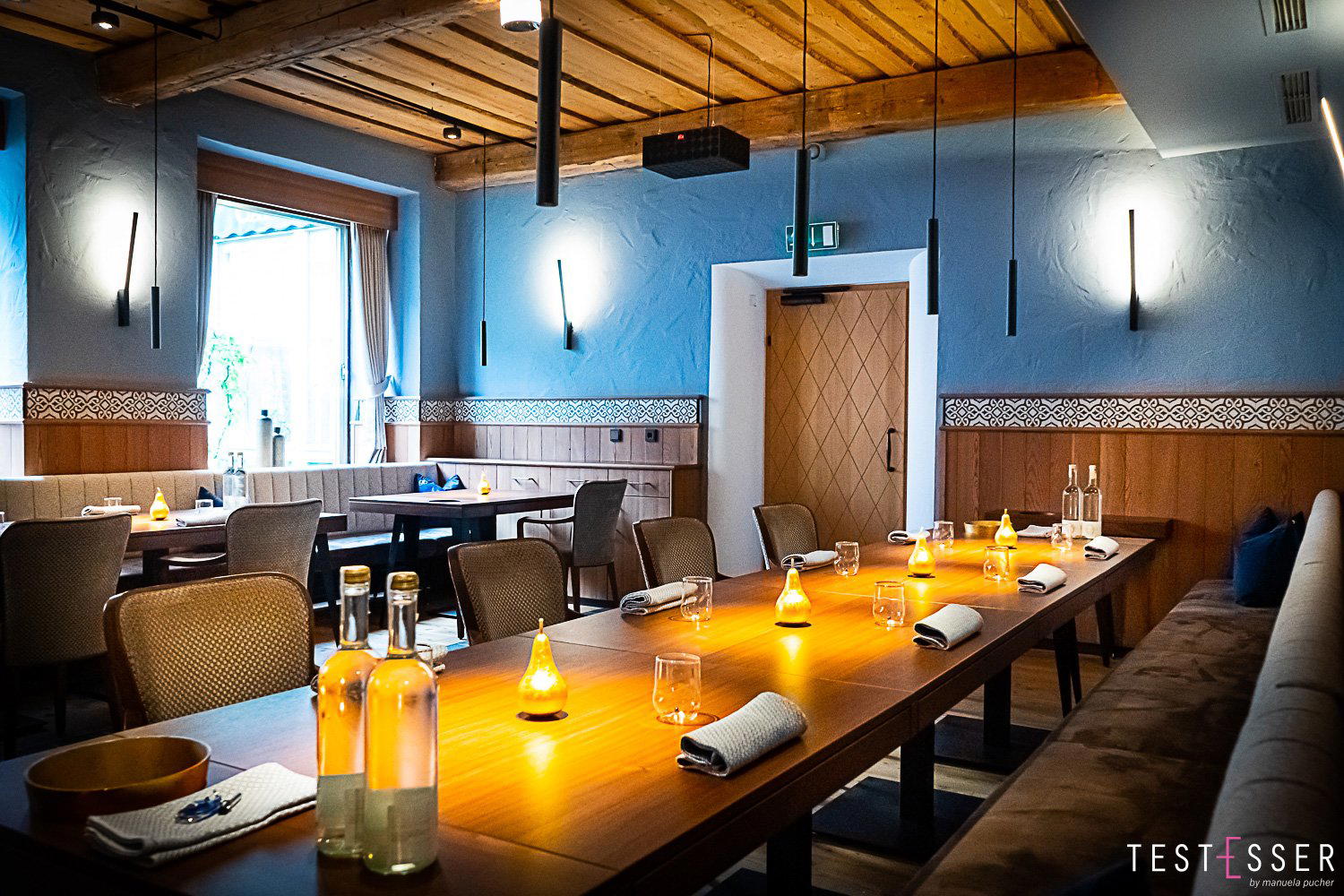
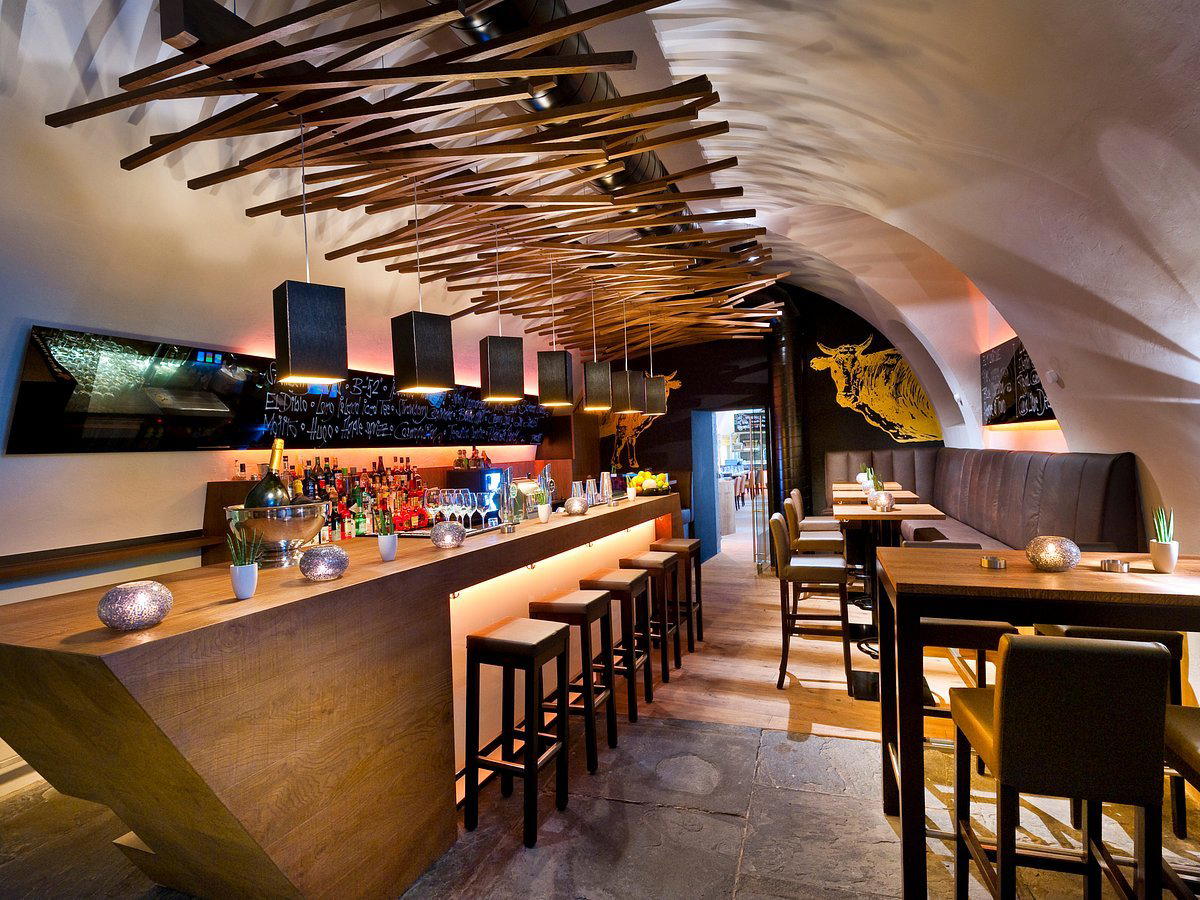
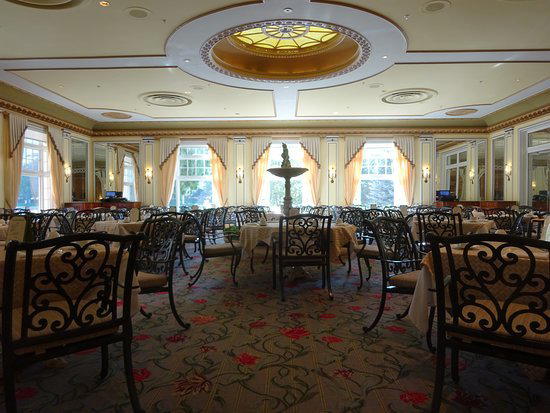
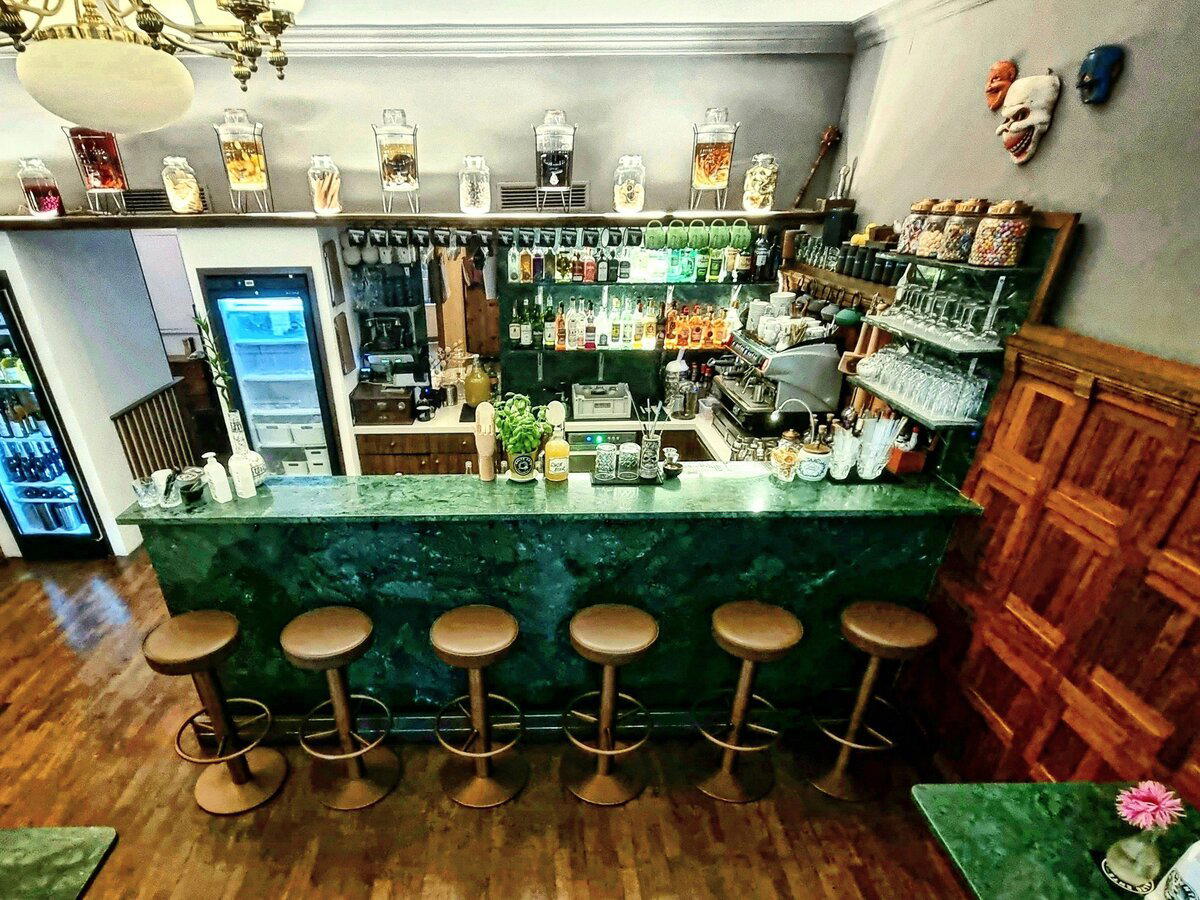
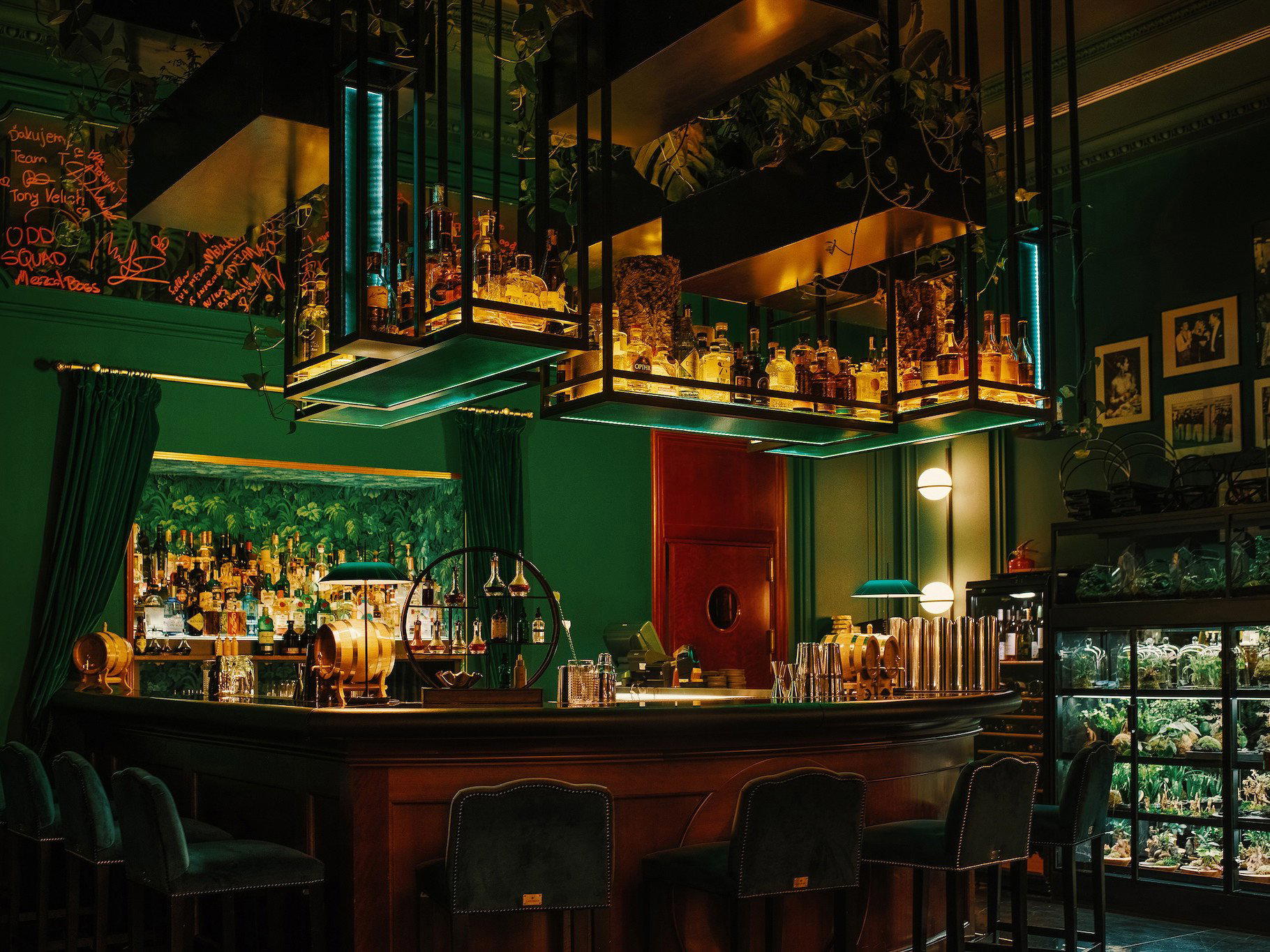
Moody and contemporary with dark tones, soft ambient lighting, and distinctive hanging floral ceiling installations; outdoor seating area features plants, flowers, and heat lamps creating an inviting atmosphere even on cooler evenings.