Our verdict
Oscar occupies a considered position in the 16th arrondissement's dining scene, where the neighbourhood's long-standing appetite for polished French cooking meets a quieter, less trafficked corner of the Right Bank. Sitting on Rue de Chaillot, it draws a local crowd that values discretion over spectacle, a different register from the trophy-table dining of the nearby Champs-Élysées corridor.

Pearl is the En Primeur Club membership app, where members save venues, book tables and use the concierge.
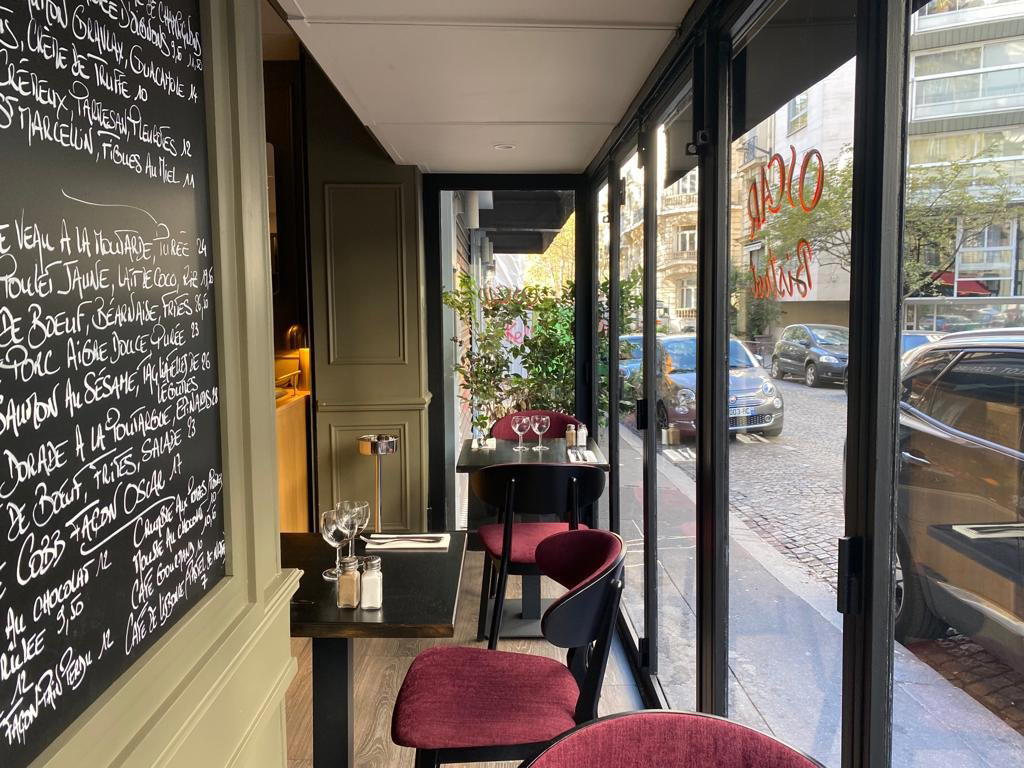
The 16th Arrondissement and the Case for Neighbourhood Seriousness
Paris's 16th arrondissement is not where the city's loudest restaurant moments happen. It is, instead, where a specific kind of long-haul dining seriousness has always had a home: residents who eat well by habit rather than occasion, tables where the cuisine earns attention without requiring a press campaign to do so. Rue de Chaillot, where Oscar is addressed at number 6, sits within that quieter orbit, close enough to the Trocadéro and the Seine to benefit from some of the city's most composed urban geometry, far enough from the 8th's trophy-table concentration to attract a different kind of diner. For context on how that 8th-arrondissement gravity shapes the rest of Paris's high-end dining options, Le Cinq at the Four Seasons Hôtel George V and Alléno Paris au Pavillon Ledoyen represent the grand formal tier that the 16th largely sidesteps.
That sidestepping is not a deficit. It is, for a certain kind of Paris dining, precisely the point.
Ingredient Sourcing and What It Signals About French Cooking Today
The question of where food comes from has become one of the most clarifying lenses in contemporary French dining. At the top of the market, sourcing is no longer just a supply-chain decision, it is an editorial position. Restaurants working with named farms, specific coastal producers, or seasonal calendars tied to particular growing regions are making an argument about what French cuisine means at this moment: that it is defined less by classical technique applied uniformly and more by the quality and specificity of the raw material the technique is applied to.
This is the tradition that runs through the provincial reference points of contemporary French cooking. Bras in Laguiole built its entire culinary identity around the Aubrac plateau's flora and seasonal rhythms. Mirazur in Menton anchors its menu to what its own gardens and the immediate Ligurian-bordering coastline produce. Flocons de Sel in Megève does something similar with Alpine terroir. Even in Paris proper, the sourcing argument has become a competitive differentiator: Arpège, through its biodynamic kitchen garden, made provenance central to what three-Michelin-star cooking could look like in an urban setting.
Oscar, on Rue de Chaillot, operates within this broader shift. The 16th is not a market-district neighbourhood, that density belongs to the Marais or the area around Aligre in the 12th, but proximity to the city's supply networks means a Paris kitchen at this address has access to the same sourcing relationships that define serious French cooking elsewhere in the capital. The critical question for any restaurant in this tier is whether those relationships translate into the plate in ways that are actually legible to the diner, or whether they remain a background operational choice with no meaningful expression in the food. Paris's better neighbourhood restaurants have increasingly answered that question affirmatively, and the 16th's quieter dining rooms are among the spaces where that work gets done without the performance overhead of the more celebrated addresses.
Where Oscar Sits in the Competitive Frame
The high-end Paris dining market has a well-understood hierarchy. At the apex sit multi-starred addresses with international profiles: L'Ambroisie on the Place des Vosges, Kei in the 1st, Arpège in the 7th. Below that tier, and often overlooked by visitors whose research is driven by international rankings, sits a substantial middle category: restaurants that serve serious cooking in quieter rooms to a predominantly local clientele, priced and paced for regulars rather than occasion diners.
Oscar's address in the 16th puts it in that second category. The neighbourhood's relationship with dining is one of sustained, low-spectacle quality, the kind of eating that does not generate much international press but sustains a consistent professional kitchen year after year. For comparison, the provincial equivalent of this dynamic plays out at places like Auberge de l'Ill in Illhaeusern or Au Crocodile in Strasbourg: restaurants that hold serious reputations within their local contexts without necessarily commanding the global search traffic of the capital's most-booked addresses.
Internationally, the parallel is clear too. The same distinction between press-saturated destination dining and consistent neighbourhood seriousness operates in New York, where Le Bernardin occupies a different category than a technically serious but quieter room like Atomix. Paris's 16th arrondissement is, in that framing, one of the city's quiet-serious zones.
The French Provincial Connection
One thread worth tracking in Paris dining is how provincial cooking traditions travel to the capital and what they retain or lose in transit. The most direct versions of that transfer happen at restaurants where the kitchen has explicit ties to a specific region's producers or techniques. Troisgros in Ouches, Auberge du Vieux Puits in Fontjoncouse, and Paul Bocuse's Auberge du Pont de Collonges all represent cooking that is inseparable from a specific place. Paris restaurants working in a similar spirit, drawing on sourcing relationships with named regions rather than anonymous wholesale supply, are making a comparable argument in a different context. Assiette Champenoise in Reims and AM par Alexandre Mazzia in Marseille demonstrate how regional particularity can define a restaurant's identity even outside the capital. Oscar's position on Rue de Chaillot places it within a city that is increasingly aware of this tension between Paris-as-destination and Paris-as-node-in-a-national-food-network.
Planning a Visit
Oscar is at 6 Rue de Chaillot in the 16th arrondissement. The address is a short walk from the Iéna or Alma-Marceau metro stations, putting it within the residential and embassy quarter that defines this part of the Right Bank. For visitors building a Paris dining itinerary around this part of the city, the 16th's restaurant pace is calmer than the 8th's, tables are less likely to require months of advance planning, and the dining room atmosphere tends toward the unhurried. For broader context on where Oscar sits within the capital's full dining options, our full Paris restaurants guide maps the city's major culinary tiers and neighbourhoods.
Frequently asked questions
Where exactly is Oscar?
Oscar is located at 6 Rue de Chaillot 16e, 75116 Paris, France, Paris.
Is Oscar a good option for a business dinner in Paris's 16th arrondissement?
The 16th arrondissement has a long-standing reputation as one of Paris's preferred addresses for professional and diplomatic meals, built on rooms that favour quiet over visibility. Oscar at 6 Rue de Chaillot sits within walking distance of the Iéna and Alma-Marceau metro stations, making it accessible from central Paris without the foot traffic that surrounds more centrally located addresses. For a dinner where the conversation matters as much as the food, the neighbourhood itself reinforces the case.
What should I order at Oscar?
The most reliable approach at any serious French address in Paris is to ask what arrived from suppliers that morning. Oscar's location in the 16th arrondissement places it in a neighbourhood where kitchens tend to build menus around seasonal availability rather than fixed signatures. At the time of your visit, orienting around the kitchen's current market sourcing will give you the clearest picture of what the restaurant does well.
How far ahead should I plan for Oscar?
Oscar sits at 6 Rue de Chaillot in a part of Paris where the dining room tends to serve a loyal local and professional clientele rather than the tourist-driven demand that keeps the most-booked central addresses fully subscribed months out. A week or two of lead time is a reasonable starting point, though Friday and Saturday evenings in any serious Paris neighbourhood restaurant warrant earlier contact. Confirm directly with the restaurant for current availability.
What's the defining dish or idea at Oscar?
In Paris's current dining moment, the clearest statement a restaurant makes is through how it handles ingredient sourcing and what regional tradition it draws on. Oscar's position in the 16th arrondissement connects it to a tradition of cooking that prioritises discretion and craft over spectacle. The defining idea is less about a single dish and more about the coherence between what the kitchen sources and how it prepares it within a French provincial framework.
A Lean Comparison
Comparable venues nearby, for context on price, style, and recognition.
| Venue | Cuisine | Price | Notes |
|---|---|---|---|
| OscarThis venue (the venue you are viewing) | Traditional French Bistro | $30–50 | Not listed |
| Biche | Classic French Bistro | $30–50 | 8th arrondissement, Classic French Bistro |
| Mon Loup | Cozy French Bistro | $20–30 | Batignolles, Cozy French Bistro |
| Afaria | French Bistro with Basque Influences | $50–100 | 15th Arrondissement (Vaugirard), French Bistro with Basque Influences |
| La Gorgée | Traditional French Bistro | $30–50 | 6th arrondissement, Traditional French Bistro |
| L'Artiste | Traditional French Bistro | $20–30 | Montmartre, Traditional French Bistro |
Continue exploring
More in Paris
Restaurants in Paris
All restaurants in Paris →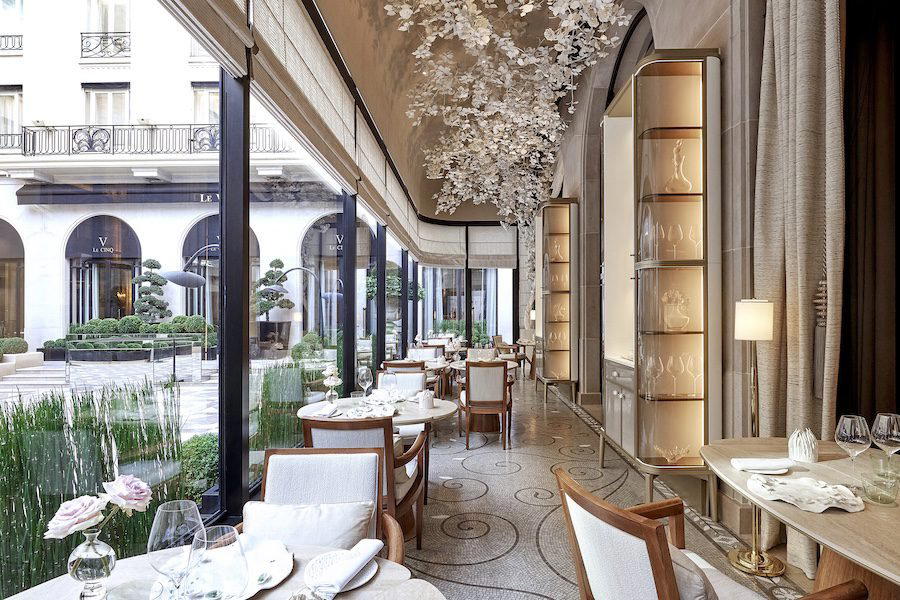
Bars in Paris
All bars in Paris →
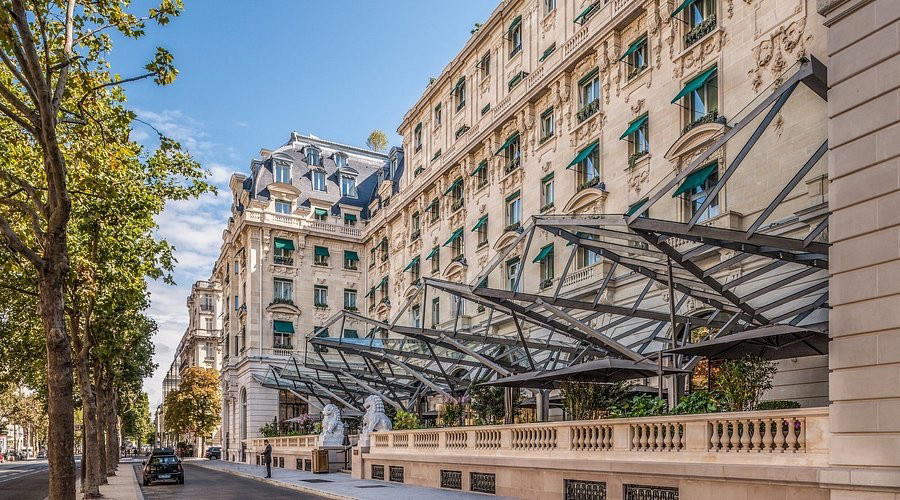
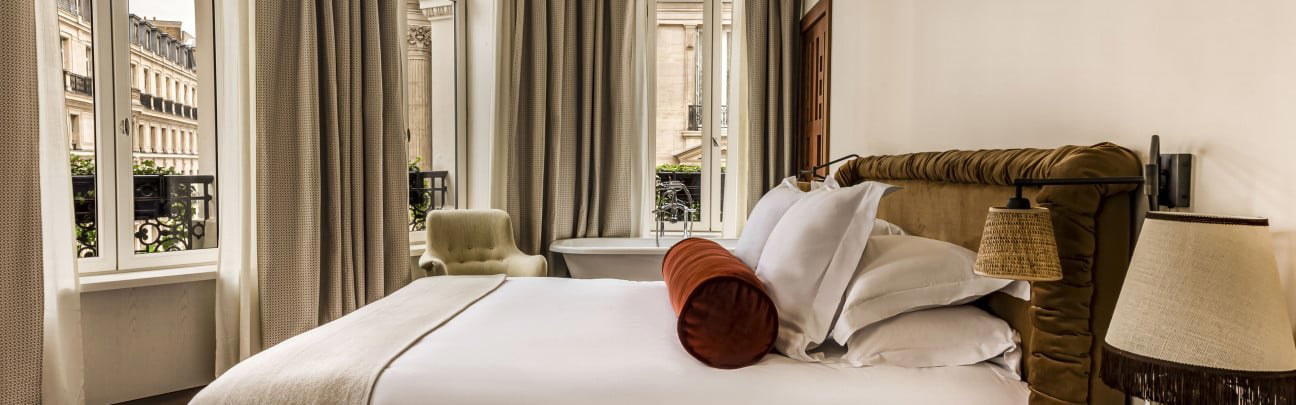
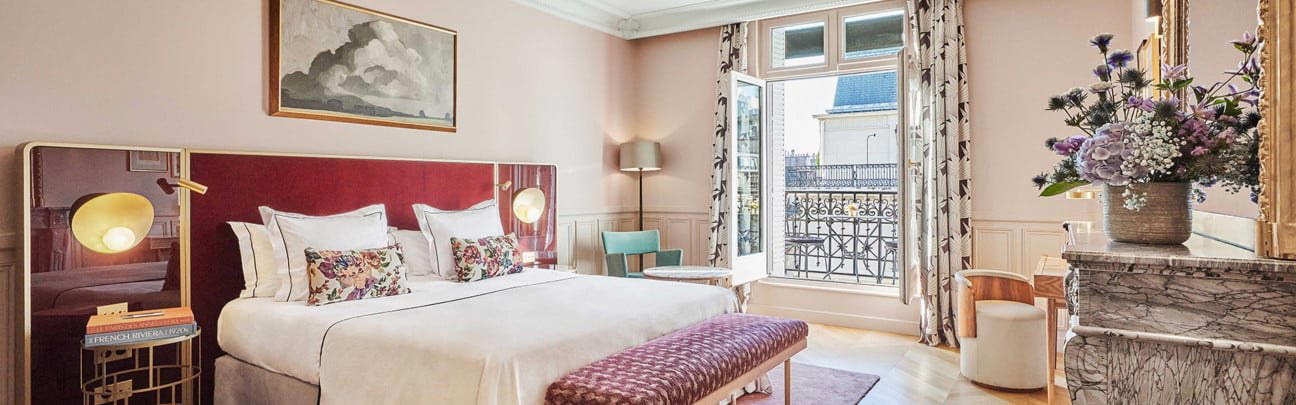

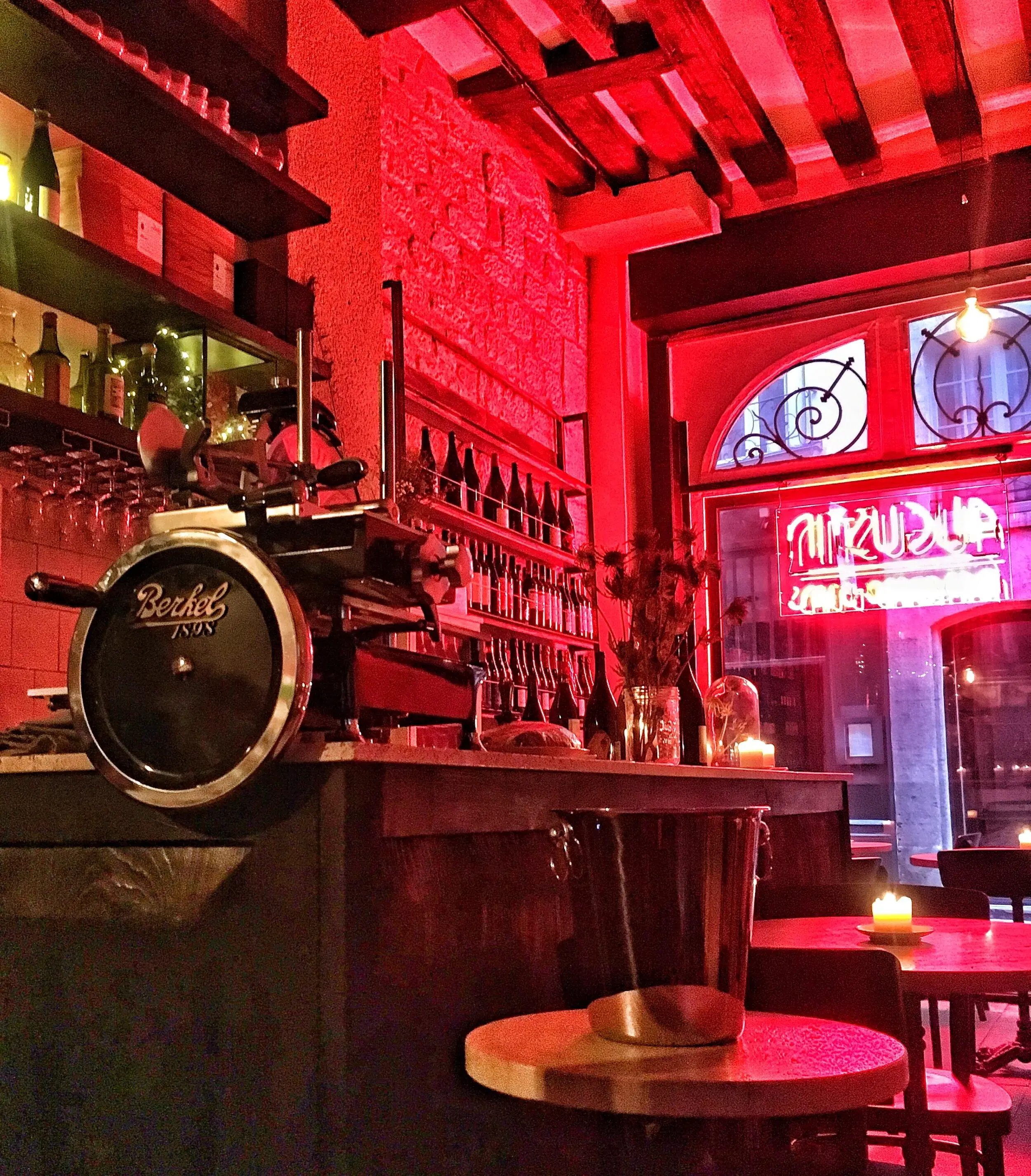
Details
- Cozy
- Classic
- Elegant
- Business Dinner
- Date Night
- Casual Hangout
- Craft Cocktails
- A La Carte
- Vegetarian Friendly
Current opening hours
- Monday
- 12–2:30 PM, 7–10:15 PM
- Tuesday
- 12–2:30 PM, 7–10:15 PM
- Wednesday
- 12–2:30 PM, 7–10:15 PM
- Thursday
- 12–2:30 PM, 7–10:15 PM
- Friday
- 12–2:30 PM, 7–10:15 PM
- Saturday
- 7–10:15 PM
- Sunday
- Closed
Hours can change for holidays and private events. Hours as of .
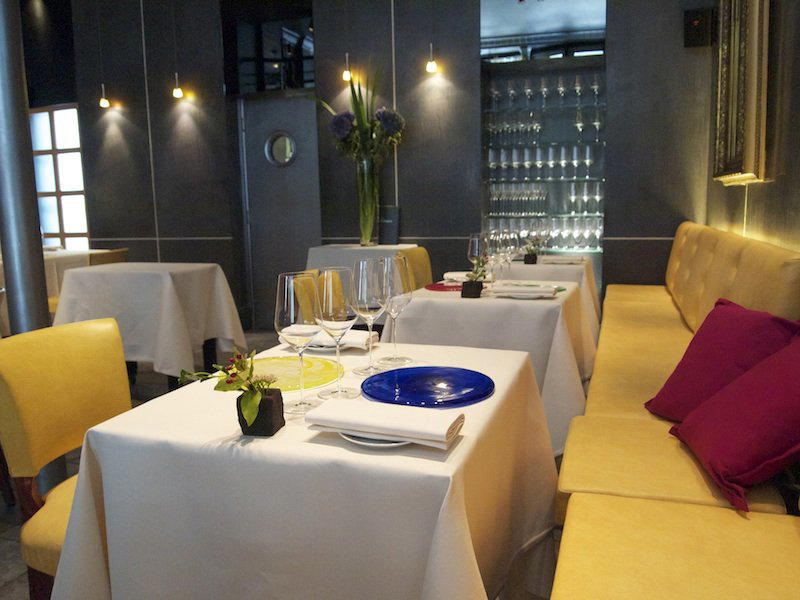
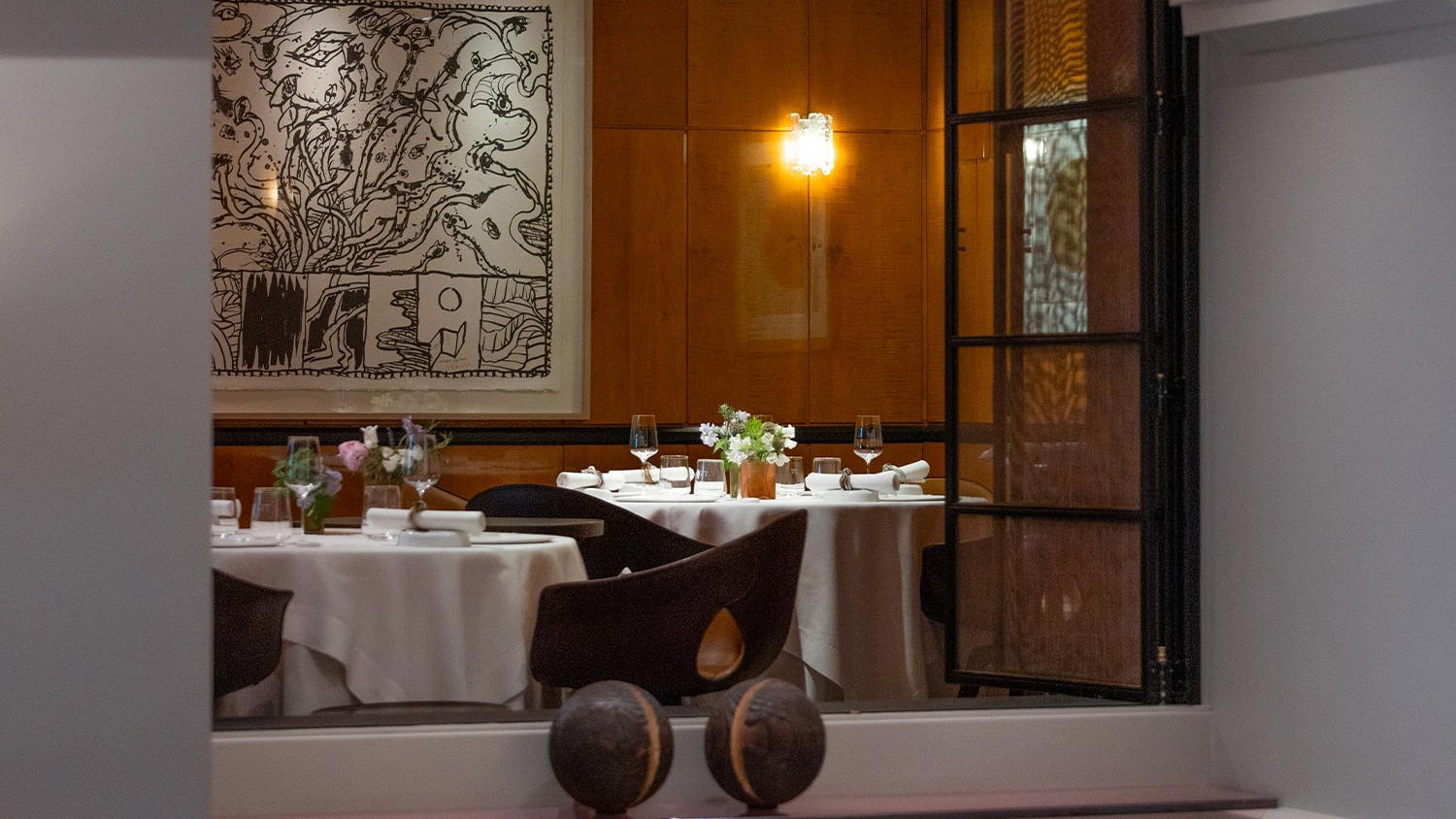
Warm, polished, and cosy atmosphere.