La Piscine occupies a quiet address in the 18th arrondissement, where the Montmartre dining scene operates at a different register from the grand boulevard restaurants to the south. The address at 33 Rue Boinod places it in one of Paris's most neighbourhood-rooted quartiers, where sustainability-conscious dining and local sourcing have found a receptive audience well outside the formal fine-dining circuit.
Pearl is the En Primeur Club membership app — saves, bookings, and concierge access live there. Same editors, same standards.
- Address
- 33 Rue Boinod, 75018 Paris, France
- Phone
- +33986782525
- Website
- lapiscineparis18.com
- Directions
- Get directions
 Saves & bookings on Pearl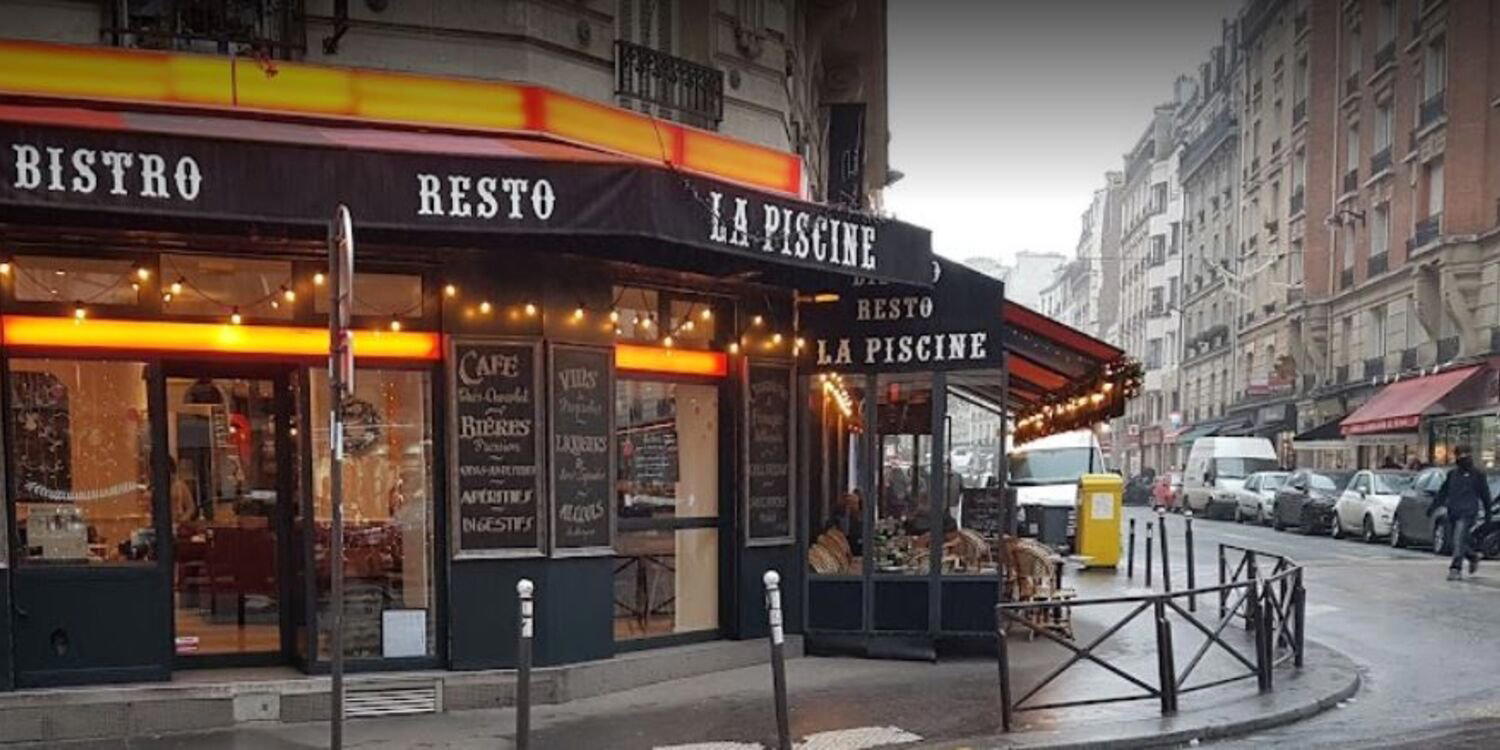
The 18th Arrondissement and the Shift Toward Conscious Dining
Paris has long maintained two parallel dining cultures: the formal temple restaurants of the 8th and 1st arrondissements, where addresses like Alléno Paris au Pavillon Ledoyen and Le Cinq at the Four Seasons Hôtel George V anchor a tradition of technical opulence, and the neighbourhood-rooted restaurants of the outer arrondissements, where the agenda is quieter and the sourcing conversation tends to run deeper. La Piscine is a French Bistro at 33 Rue Boinod, 75018 Paris, France, with a €€ price tier. It sits in that second current. Montmartre and its surrounding streets have drawn a dining cohort that is less interested in the choreography of classical French service and more focused on what arrives on the plate and where it came from.
That shift is not distinctive to Paris. Across France, a generation of restaurants has recalibrated around environmental accountability. Bras in Laguiole built its identity around the Aubrac plateau's flora and a near-total dependence on the immediate region. Mirazur in Menton operates its own gardens, with the kitchen's daily output shaped by what those gardens produce. These are not marginal gestures; they represent a structural reorientation of what a serious restaurant owes its surroundings. La Piscine operates in the urban Parisian version of that conversation, where the constraints are different but the intent is comparable.
What the Address Signals
Rue Boinod is not a dining destination in the way that the streets around Arpège or L'Ambroisie are dining destinations. Those addresses carry institutional weight accumulated over decades. A restaurant on Rue Boinod earns its audience through a different mechanism: word of mouth, alignment with neighbourhood values, and a proposition that resonates with the people who already live and eat in the 18th. That is a harder proposition in some respects, and a more honest one in others. There is no ambient prestige to borrow from the street.
The 18th arrondissement has a documented history of absorbing and sustaining independent food culture. The market at Rue Damrémont, the fromageries and small producers clustered around Montmartre's lower slopes, and the broader Goutte d'Or market tradition all reflect a neighbourhood that takes its food seriously at a granular, daily level. A restaurant operating on those streets inherits that context whether or not it pursues it deliberately.
The Sustainability Framework in Urban French Dining
The sustainability conversation in French fine dining has matured significantly since the early 2000s. What began as a sourcing preference has become, for a cohort of serious operators, a near-complete structural commitment. Flocons de Sel in Megève built its mountain kitchen around alpine producers in a way that shaped the menu rather than merely informing it. Auberge du Vieux Puits in Fontjoncouse draws from the Corbières with a specificity that makes the region's terroir legible through the plate. Urban restaurants face the additional complexity of supply chain opacity and the difficulty of verifying provenance claims when you are not adjacent to your producers.
In Paris specifically, the restaurants that have made this framework credible tend to operate with small, focused menus that change frequently, short supplier lists with named farms and producers, and a willingness to work with secondary cuts and seasonal vegetables rather than defaulting to premium protein as the anchor of every course. That discipline appears at different price points across the city: from the natural wine bars of the 11th to the more formal addresses in the 6th. The 18th has its own version of this discipline, shaped by a neighbourhood that has historically valued thrift and directness over ceremony.
For comparative context, the approach differs significantly from the grand-scale French kitchens: Paul Bocuse's Auberge du Pont de Collonges and Assiette Champenoise in Reims operate within classical frameworks where sourcing is important but secondary to technical execution and heritage. The sustainability-led restaurants occupy a different register, where the sourcing decision is the technical decision. At the international level, Le Bernardin in New York has invested heavily in sustainable seafood certification, and Atomix in New York foregrounds Korean agricultural heritage with a rigour that parallels what the leading French terroir-driven kitchens are doing. These are different cultural expressions of the same underlying shift.
Placing La Piscine in the Paris Dining Scene
The Paris restaurants that earn sustained attention from a sustainability-oriented audience tend to share certain characteristics: a format that fits the neighbourhood scale rather than importing a grand-restaurant grammar, a menu that is readable in under two minutes, and a price point that keeps the restaurant accessible to the people who live nearby. Kei in the 1st operates at the opposite end of the formality spectrum, with a €€€€ price tier and a Japanese-French fusion approach that appeals to a global clientele. The 18th, by contrast, rewards restaurants that feel like they belong to the street rather than existing above it.
Internationally trained kitchens that have planted themselves in less obvious Parisian postcodes include references across French regional fine dining: Auberge de l'Ill in Illhaeusern and Troisgros in Ouches built their reputations against local landscapes rather than urban prestige. AM par Alexandre Mazzia in Marseille and Au Crocodile in Strasbourg demonstrate that particularly consequential French restaurant conversations are not confined to Paris. The restaurant's Montmartre address follows that logic at the neighbourhood level: the leading version of what a place can be is often shaped by where it actually is, not where it might aspire to be.
Planning Your Visit
Address: 33 Rue Boinod, 75018 Paris, France. Arrondissement: 18th, in the Montmartre quarter, accessible via the Lamarck-Caulaincourt or Simplon metro stations. Reservations: recommended. Dress: Neighbourhood restaurants in this part of the 18th trend toward relaxed; smart-casual is appropriate and formal dress is not expected. Budget: about $25 per person. Timing: The 18th arrondissement sees its heaviest foot traffic on weekends, particularly around the Montmartre tourist corridor; Rue Boinod itself is quieter, making midweek lunches a lower-friction option for first visits.
Awards and Standing
Comparable venues nearby, for context on price, style, and recognition.
| Venue | Cuisine | Price | Notes |
|---|---|---|---|
| La PiscineThis venue — the venue you are viewing | French Bistro | $$ | Not listed |
| CUISINE | Modern French-Italian Small Plates | $$ | 9th Arr. |
| Chez Minnà | Corsican Bistro | $$ | 10th Arr. - Entrepôt |
| Chez Gladines Saint Germain | Basque Bistro | $$ | Quartier Latin |
| Galinette Bistrot | French Bistro | $$ | 8ème arrondissement |
| Café Moco | Healthy French Brunch Café | $$ | 11th Arr. |
Continue exploring
More in Paris
Restaurants in Paris
Browse all →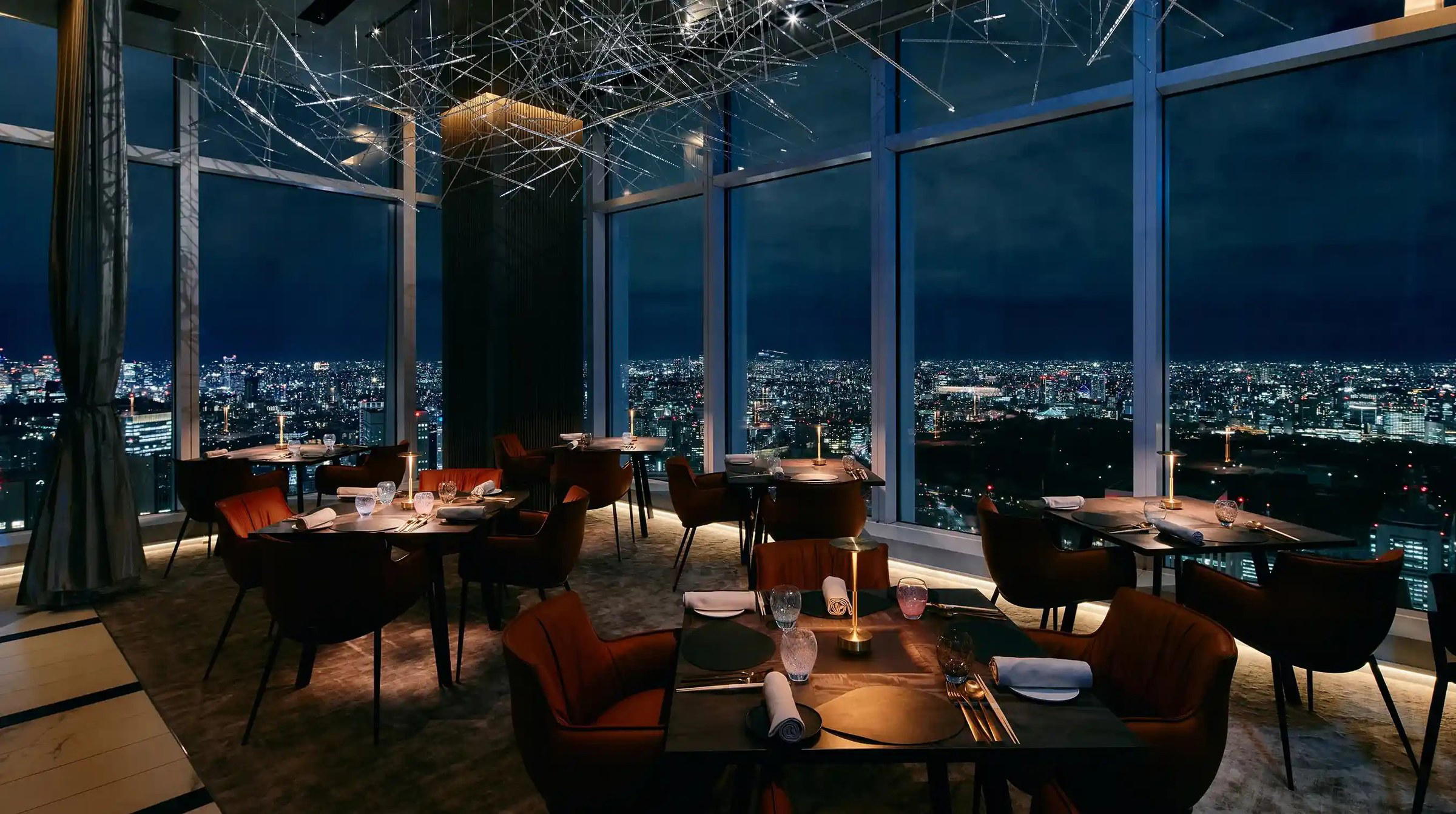
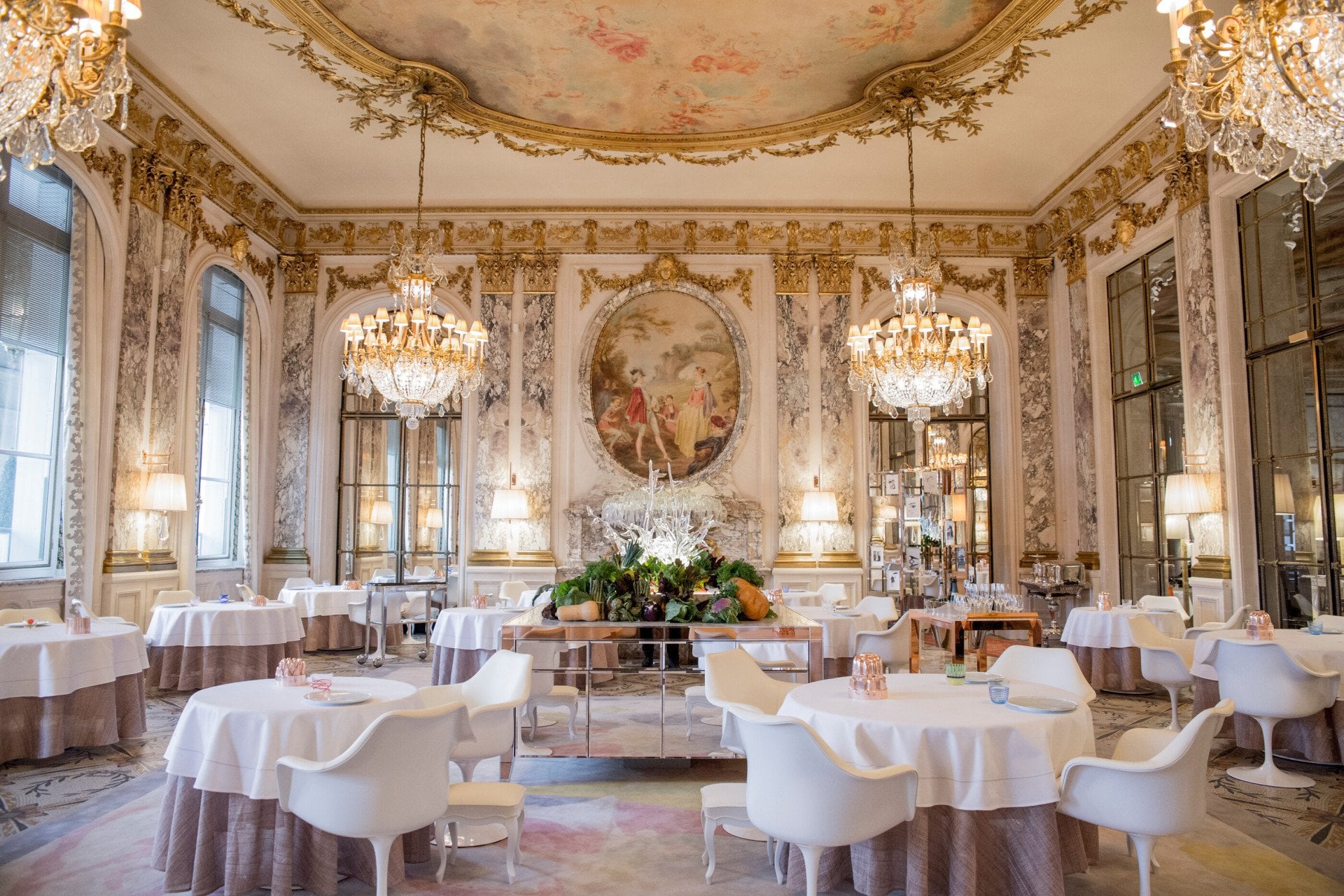
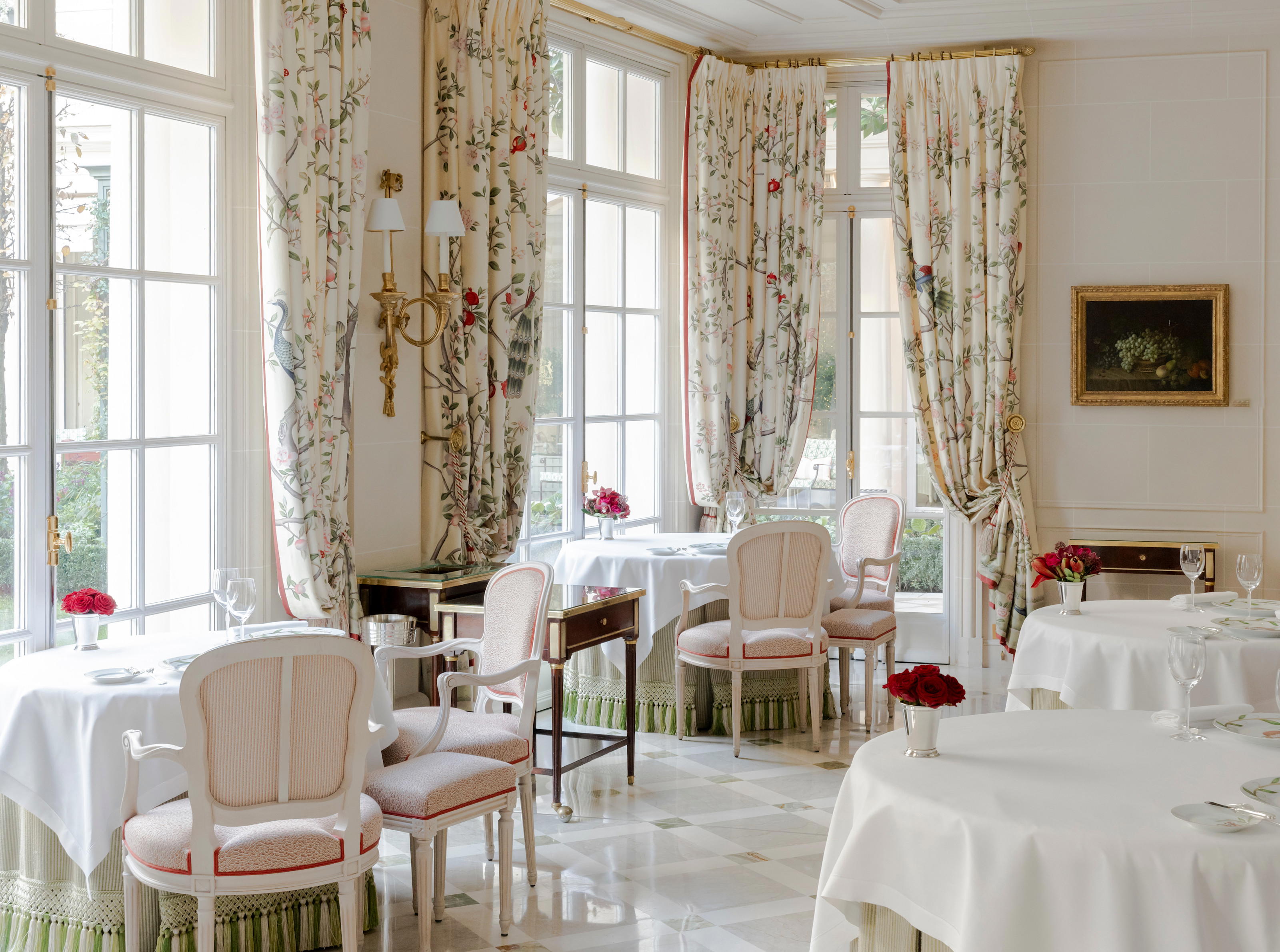
Hotels in Paris
Browse all →

Wineries in Paris
Browse all →
At a Glance
- Cozy
- Lively
- Casual Hangout
- Brunch
- Family
- Terrace
- Street Scene
Current opening hours
- Monday
- 8 AM–2 AM
- Tuesday
- 8 AM–2 AM
- Wednesday
- 8 AM–2 AM
- Thursday
- 8 AM–2 AM
- Friday
- 8 AM–2 AM
- Saturday
- 9 AM–2 AM
- Sunday
- Closed
Hours can change for holidays and private events. Last verified .
Relaxed and welcoming atmosphere ideal for watching the world go by from outdoor seating, with friendly service.