Fichon sits at 98 Rue Marcadet in Paris's 18th arrondissement, a neighbourhood whose dining scene has shifted considerably over the past decade as chefs have moved north from the traditional centres of Parisian gastronomy.
Pearl is the En Primeur Club membership app — saves, bookings, and concierge access live there. Same editors, same standards.
- Address
- 98 Rue Marcadet, 75018 Paris, France
- Phone
- +33970945214
- Website
- fichon.fr
- Directions
- Get directions
 Saves & bookings on Pearl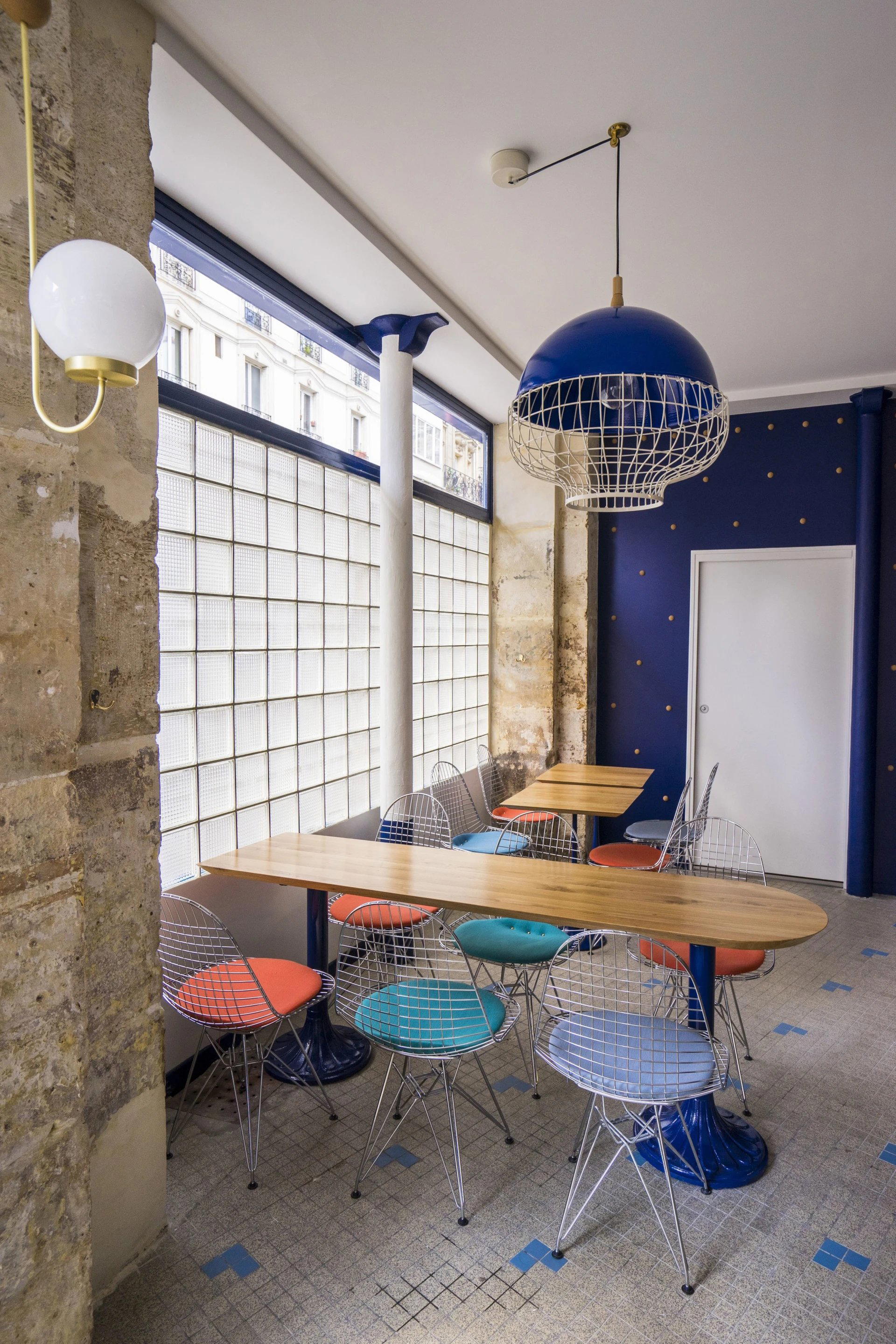
The 18th Arrondissement and the Northward Pull of Parisian Dining
Paris has long organised its fine dining gravity around a handful of fixed points: the 8th arrondissement's grand avenues, the Left Bank's institutional addresses, the Palais-Royal's quiet courtyards. That map has been redrawn gradually over the past fifteen years, with chefs and restaurateurs finding space, lower rents, and a more local clientele in the northern arrondissements. The 18th, anchored by Montmartre but extending well beyond the tourist precincts into working neighbourhoods like the Goutte d'Or and the streets around Rue Marcadet, has attracted a wave of serious cooking that sits apart from the established €€€€ tier represented by addresses like Alléno Paris au Pavillon Ledoyen, L'Ambroisie, or Le Cinq at the Four Seasons Hôtel George V.
Fichon, at 98 Rue Marcadet in the 18th, sits within this northward shift. The address places it squarely in a part of the city where the dining proposition is shaped less by grand room theatrics and more by what arrives on the plate and where it came from.
Sourcing as the Central Argument
French gastronomy's most enduring claim has always been about provenance. The logic that drives three-star ambition at houses like Arpège, where Alain Passard's kitchen garden in the Sarthe anchors the entire menu, or the mountain-sourced precision of Flocons de Sel in Megève, applies equally to smaller neighbourhood addresses. The question that matters for any serious restaurant in 2024 is not simply whether it sources well, but whether the sourcing logic is visible in the cooking and communicated clearly to the diner.
France's tradition of producer-linked restaurants runs deep. Bras in Laguiole built its identity around the Aubrac plateau's flora and fauna. Auberge de l'Ill in Illhaeusern has drawn on Alsatian producers across generations. Even Paul Bocuse's Auberge du Pont de Collonges in Collonges-au-Mont-d'Or maintained its relationship with Lyon's market network as a point of institutional pride. Closer to the coast, Mirazur in Menton built a World's 50 Best-ranked identity around its own terraced gardens and a hyper-local Mediterranean philosophy. The 18th arrondissement's restaurants that take sourcing seriously operate within this long tradition, even when they do so at a smaller scale and without the press coverage that accompanies destination addresses.
For a restaurant on Rue Marcadet, the practical sourcing conversation connects to markets and suppliers that serve the northern city: the Marché de la Chapelle, the organic networks that have expanded through Île-de-France's agricultural belt, and the regional producers who supply Paris's more independent kitchens. This is the supply chain that separates restaurants oriented around cooking from those oriented around spectacle.
Where Fichon Sits in the Paris Dining Tier
Paris's restaurant spectrum runs from the palatial formality of addresses like Kei, which bridges French technique and Japanese precision in the 1st arrondissement, through mid-market bistros and natural wine bars, down to the neighbourhood canteen. Fichon's positioning within that range is not fully documented in available public sources. Price range, seat count, and formal awards data are not on record here, which places it in a category of restaurants that function primarily through local reputation and word-of-mouth rather than through the international awards infrastructure that defines addresses at the top of the market.
That is not a weakness. Some of the most consequential cooking in any city happens at addresses that sit outside the Michelin orbit or the 50 Best algorithm. Troisgros in Ouches built its three-star standing across decades; Auberge du Vieux Puits in Fontjoncouse holds two stars in a village most Parisians cannot locate on a map. Awards signal one kind of quality. Neighbourhood regularity, sourcing discipline, and consistent execution signal another.
For comparison, the Paris addresses at the formal top end of the market, including Alléno Paris and L'Ambroisie, operate in a price tier and booking environment that requires planning months in advance, formal dress, and a significant financial commitment per head. The 18th arrondissement's more accessible addresses, by contrast, tend to operate on shorter booking windows and more relaxed formats. Whether Fichon follows that pattern cannot be confirmed from available data, but the address and neighbourhood context suggest it.
Planning a Visit
Fichon is at 98 Rue Marcadet, 75018 Paris. The 18th arrondissement is served by several Metro lines: Jules Joffrin (lines 12) and Marcadet-Poissonniers (lines 4 and 12) are both within walking distance of this address, making it direct to reach from central Paris without a taxi. Phone and website details are not currently confirmed in available records, so the most reliable approach is to check recent French dining platforms or pass by in person to confirm current service hours and booking arrangements. This is not unusual for smaller Parisian neighbourhood addresses that operate with limited online presence. For broader orientation on eating in the city, our full Paris restaurants guide covers the range from grand institution to neighbourhood table across all arrondissements.
For those building a Paris itinerary that balances the established and the emerging, pairing a meal in the 18th with a more formally documented address elsewhere in the city gives a more complete picture of where Parisian cooking is now. The contrast between the grand-room experience at Le Cinq or the creative ambition at Arpège and what the northern arrondissements are building is genuinely instructive. For international reference points, the sourcing-led philosophy that underpins the best of this tier connects to what Le Bernardin in New York does with fish provenance, or what Lazy Bear in San Francisco does with its producer network, scaled to a neighbourhood rather than a destination format. Georges Blanc in Vonnas and Les Prés d'Eugénie in Eugénie-les-Bains represent the French tradition of anchoring serious cooking to a specific territory, a logic that smaller urban addresses interpret in their own way. La Table du Castellet in Le Castellet applies similar principles in Provence.
How Fichon Paris compares with similar nearby venues.
| Venue | Cuisine | Price |
|---|---|---|
| Fana | Modern Cuisine | €€ |



At a Glance
- Cozy
- Trendy
- Intimate
- Date Night
- Casual Hangout
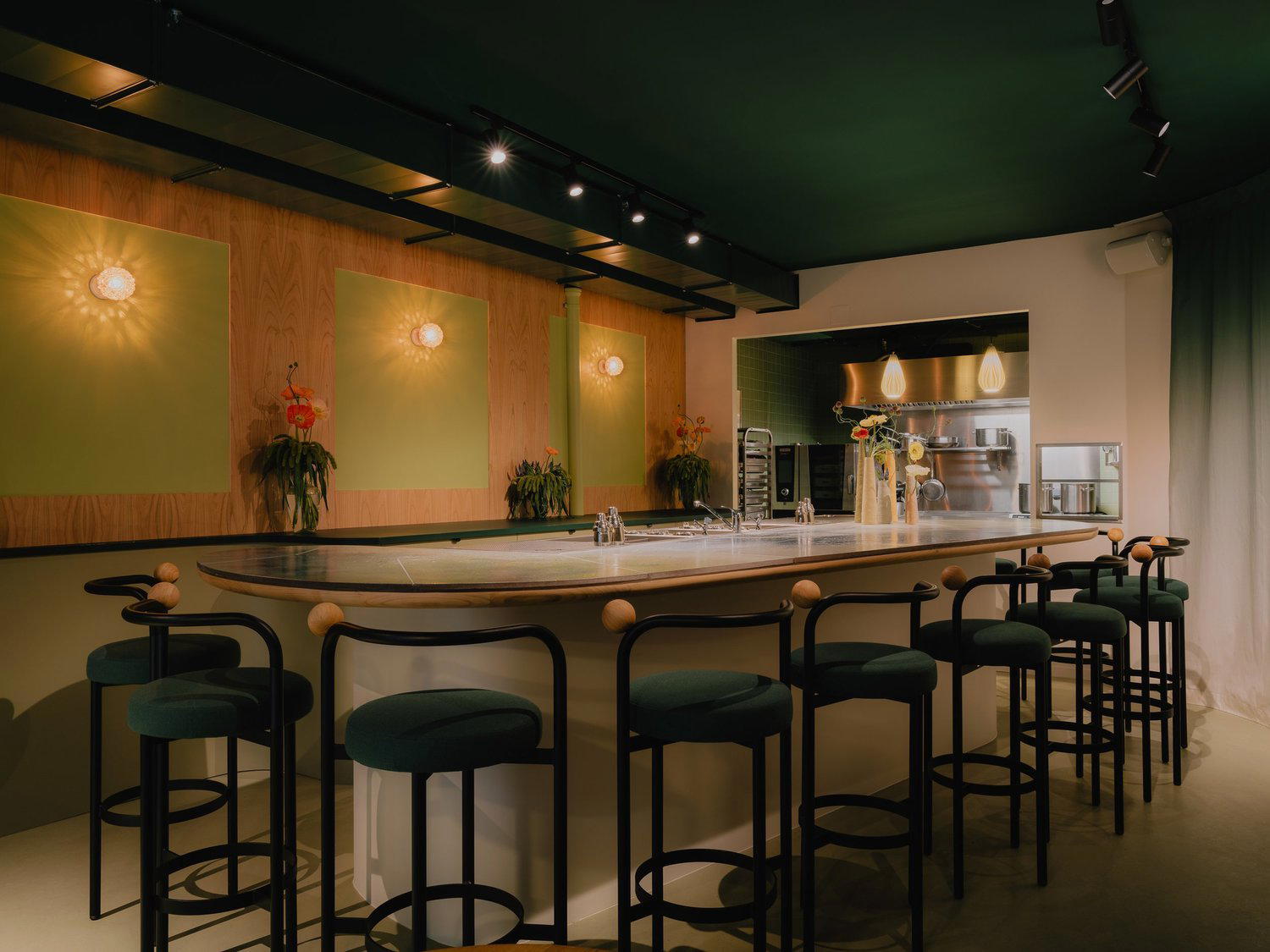
- Open Kitchen
- Extensive Wine List
Current opening hours
- Monday
- Closed
- Tuesday
- 12:30–2:15 PM, 7:30–10:30 PM
- Wednesday
- 12:30–2:15 PM, 7:30–10:30 PM
- Thursday
- 12:30–2:15 PM, 7:30–10:30 PM
- Friday
- 12:30–2:15 PM, 7:30–10:30 PM
- Saturday
- 12:30–2:15 PM, 7:30–10:30 PM
- Sunday
- Closed
Hours can change for holidays and private events. Last verified .
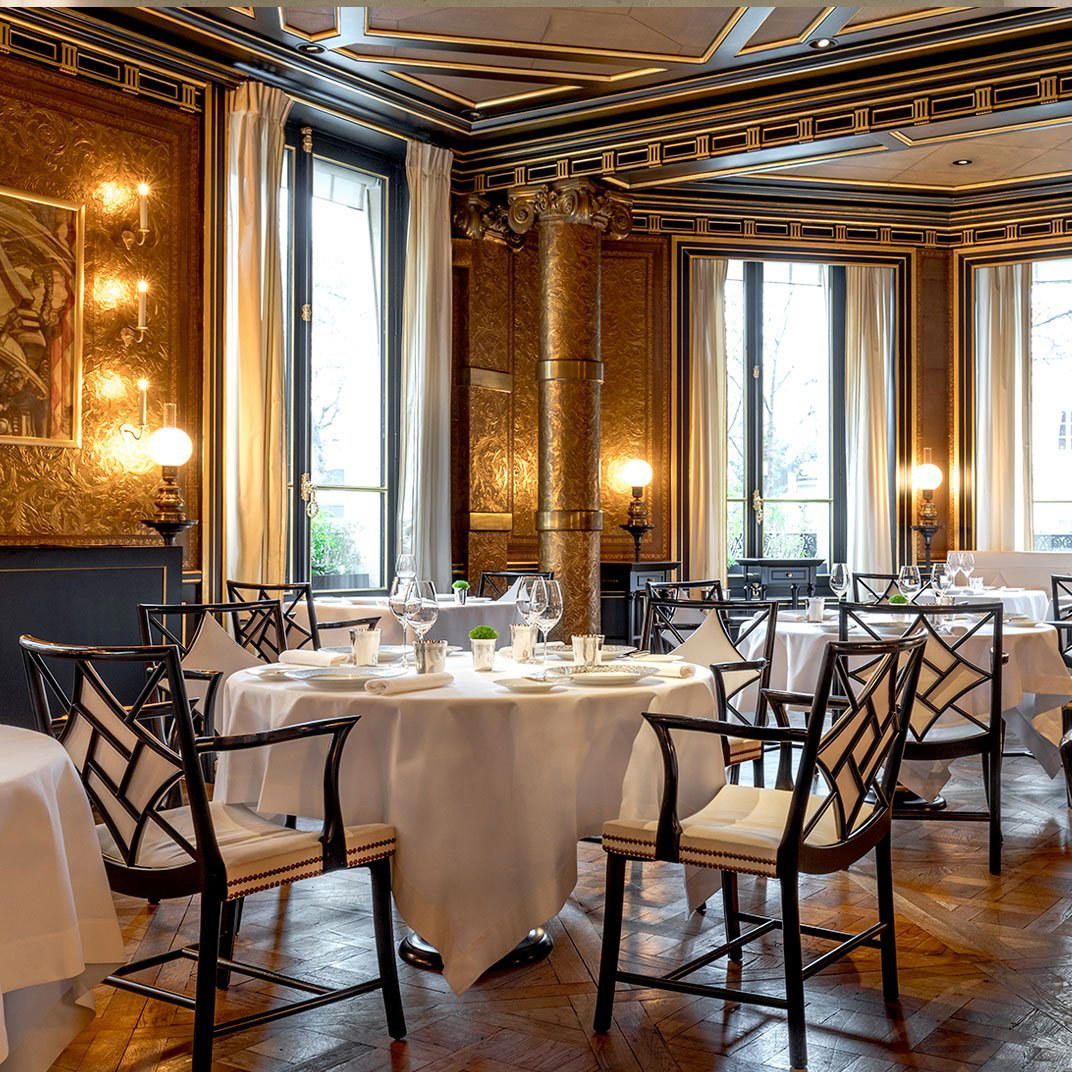
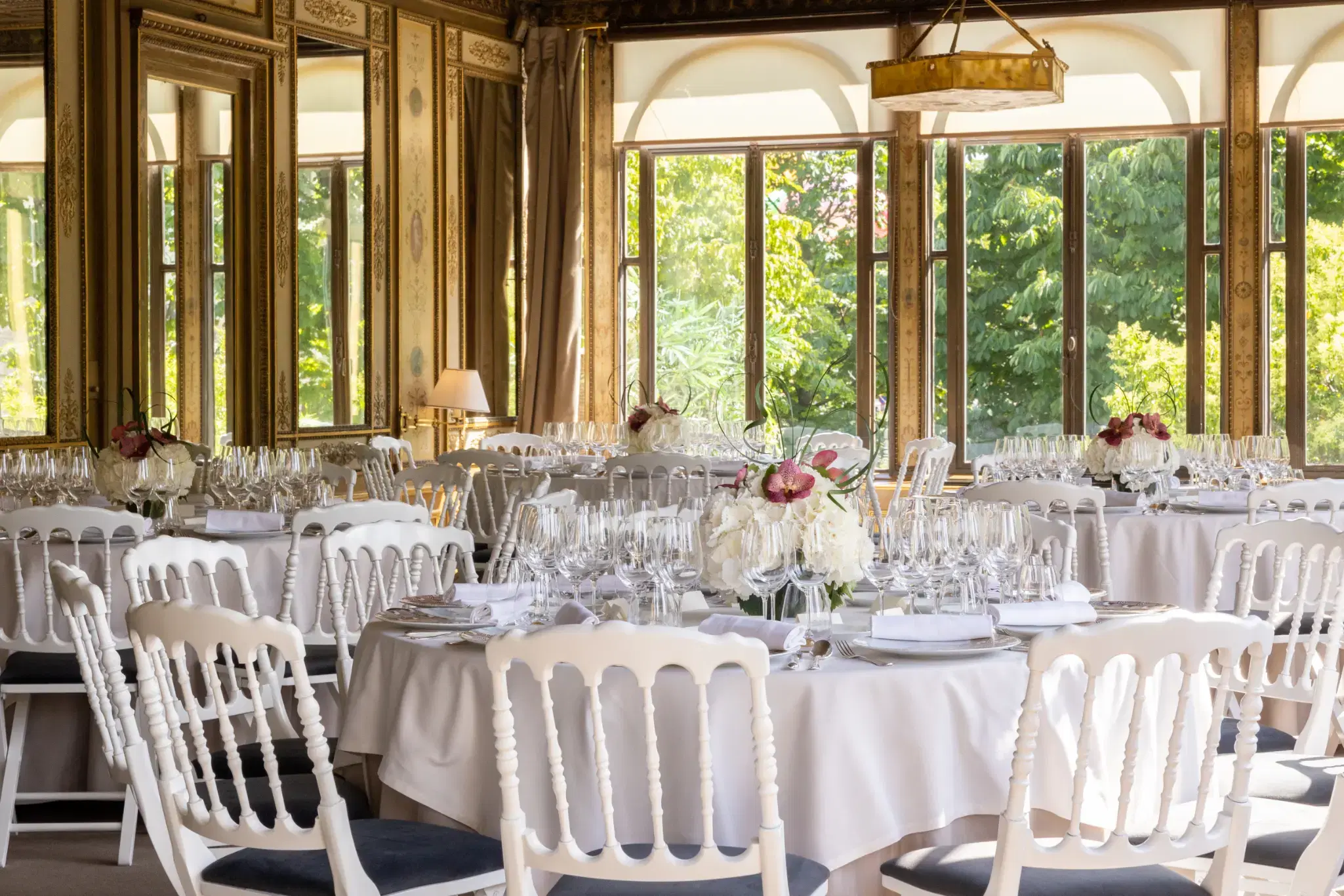
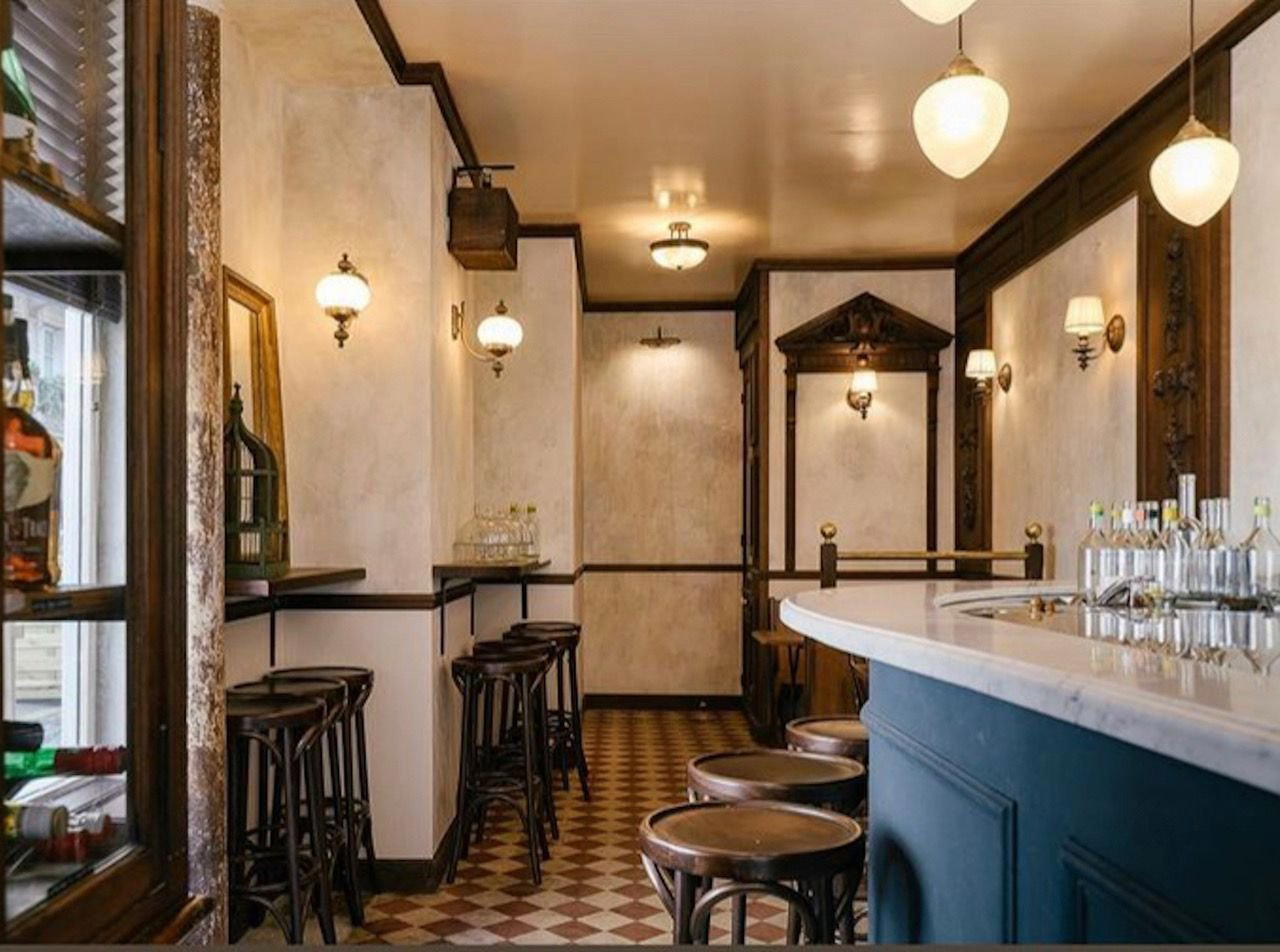
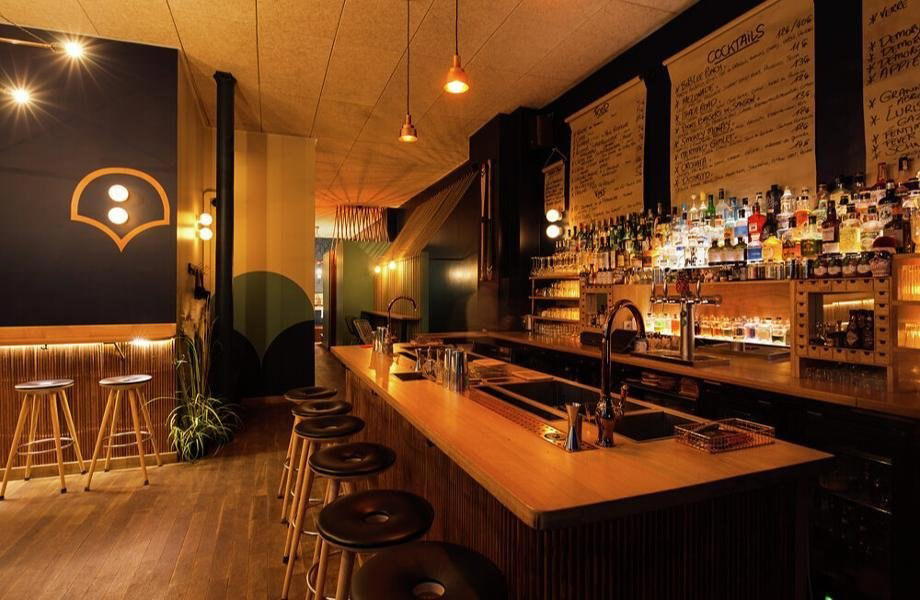
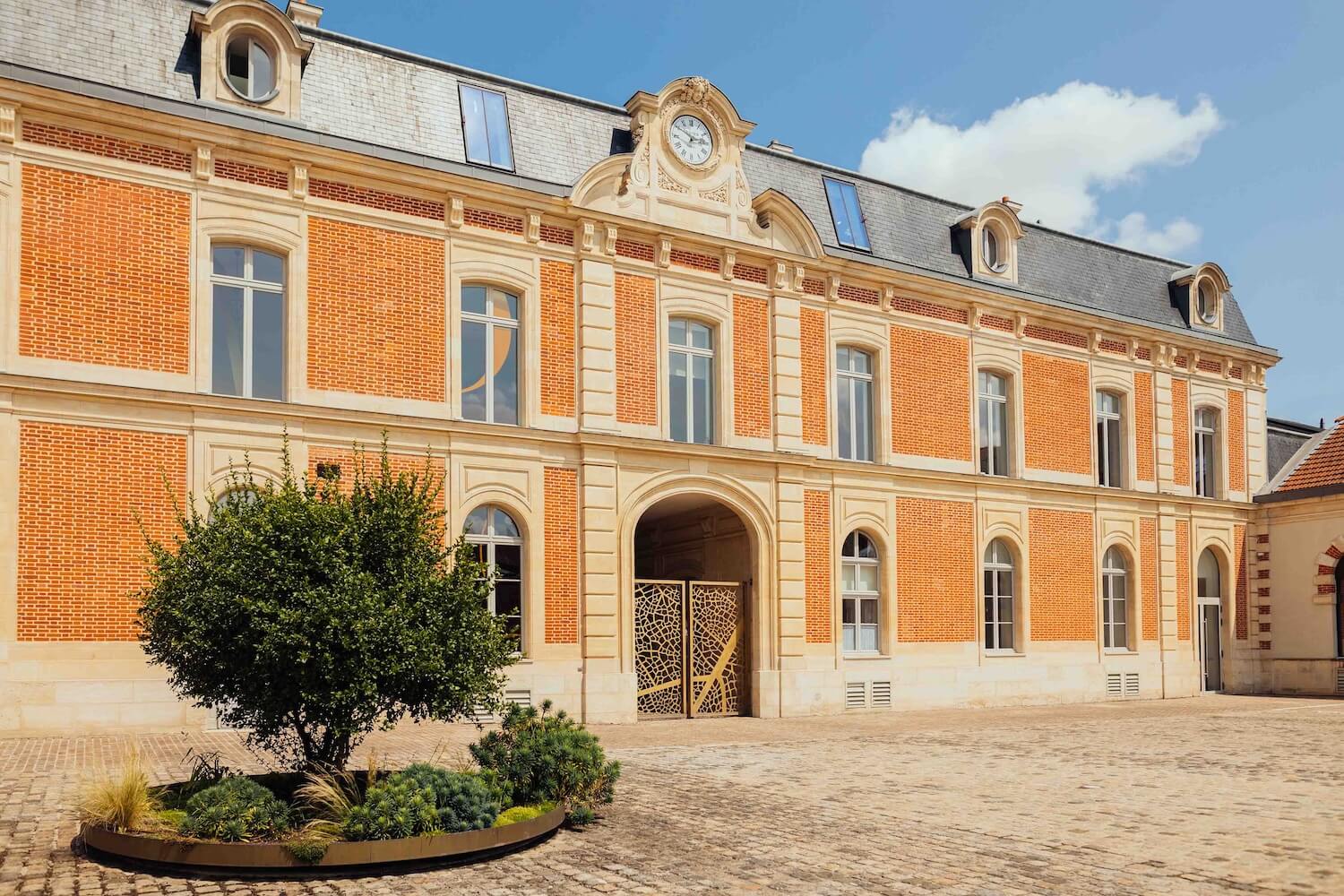
Charming space with exposed stone walls, tortoiseshell earthenware, colorful cushions, and a casual yet elegant atmosphere.
Know Before You Go
- Getting there
- 98 Rue Marcadet, 75018 Paris, France