Our verdict
Figlmüller on Bäckerstraße is Vienna's definitive address for the Wiener Schnitzel, drawing three generations of loyal regulars and first-time visitors alike to its First District courtyard setting. The kitchen operates within a tradition that predates most of the city's Michelin-starred establishments, and the crowd reflects that broad authority. Book ahead, walk-ins at peak hours rarely find a seat.

Pearl is the En Primeur Club membership app, where members save venues, book tables and use the concierge.

The menu
What to order
- Figlmüller Schnitzel
- Wiener Schnitzel vom Kalb
- Wiener Tafelspitz
- Kaiserschmarrn
The Courtyard Table and the Long Habit of Returning
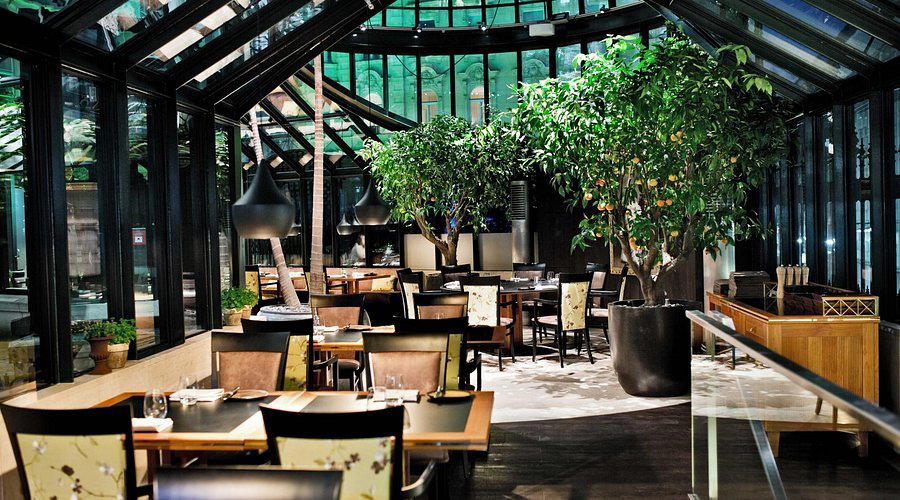
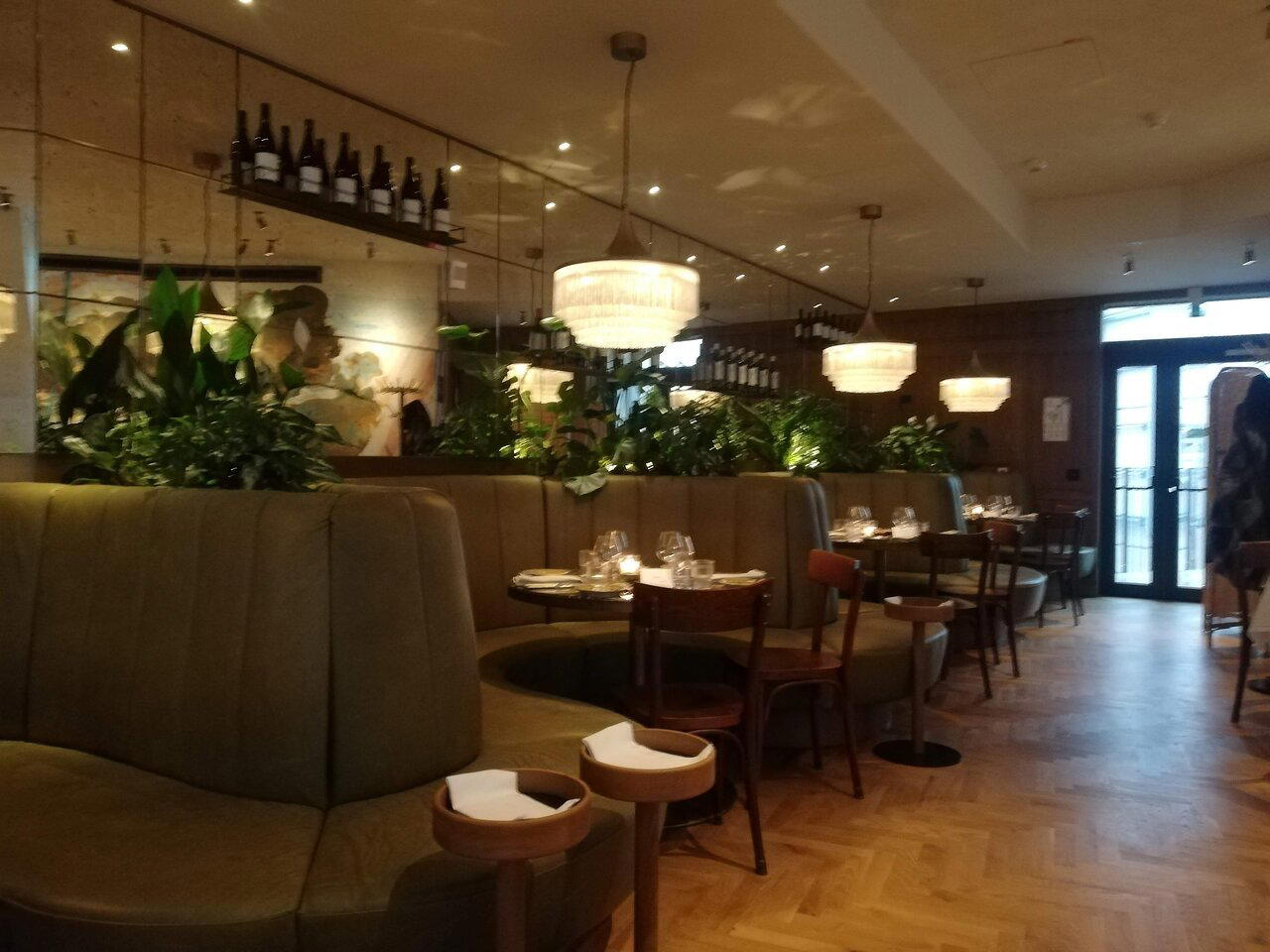
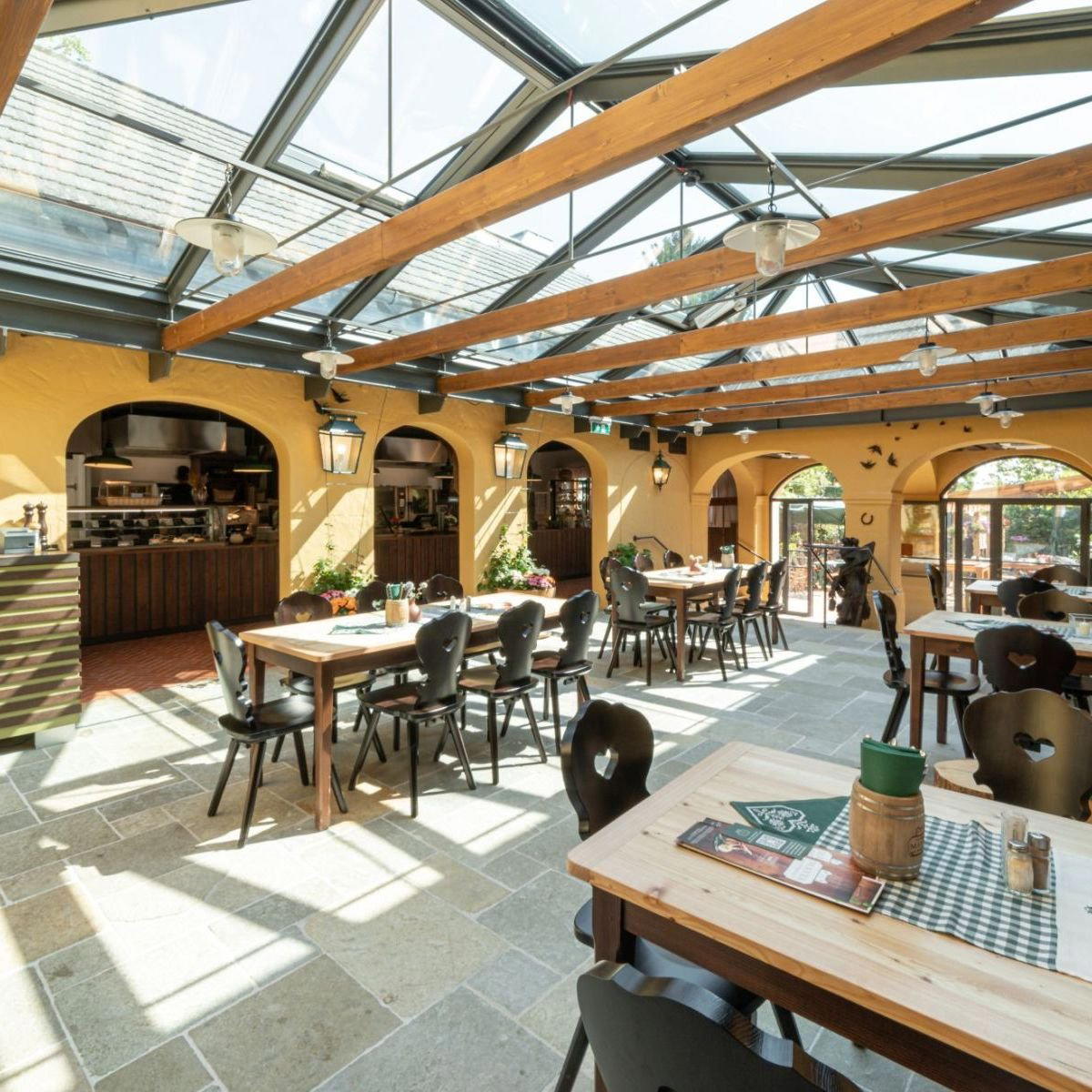
There is a particular type of Viennese dining institution that does not need to reinvent itself season by season. Figlmüller on Bäckerstraße, tucked into a narrow lane off the Stephansdom quarter of the First District, belongs to that category. The room, or rather, the succession of rooms and the covered courtyard behind them, operates at the intersection of tourist destination and neighbourhood fixture, a balance few restaurants in any city manage for long. What keeps the regulars coming back is not novelty. It is precision in a format they have already decided to trust.
The Bäckerstraße address is distinct from Figlmüller's older Wollzeile location a few blocks away, though both carry the same family name and kitchen philosophy. The First District around Bäckerstraße sits within easy walking distance of the Stadtpark, where Steirereck im Stadtpark operates at the other end of Vienna's restaurant hierarchy, tasting menus, seasonal precision, and creative Modern Austrian cooking that bears no resemblance to what Figlmüller does. That contrast is worth holding in mind: Vienna's dining scene encompasses both registers, and each has its own logic of excellence.
What the Regulars Know
The unwritten curriculum of a Figlmüller regular is short but specific. The Wiener Schnitzel here is the reference point against which much of the rest of Vienna's schnitzel output is quietly measured. It arrives large, in the tradition of Viennese establishments that treat portion scale as a form of hospitality, pan-fried in clarified butter rather than oil, with a crust that blisters and separates from the veal in the way that defines the dish when it is executed correctly. Regulars know to order it without addition or modification. A squeeze of lemon. Nothing more.
This is the kind of institutional knowledge that does not appear on a menu but circulates through the tables. The same logic applies to the wine list, which leans into Austrian producers in the way that dining rooms at this price point across the country tend to: Grüner Veltliner from the Wachau and Niederösterreich, Riesling from the Kamptal. The pairing is not complicated, and it is not supposed to be. This is not the register of Konstantin Filippou or Mraz & Sohn, where wine programs function as an extension of a chef's creative argument. Here the wine serves the meal, which is itself the point.
Vienna's broader fine-dining cohort, including Amador and the neighbourhood-scale precision of Doubek, operates in a different register entirely. Figlmüller does not compete with those rooms. It occupies a separate tier: established Viennese Bürgerküche at the point where tradition and tourist appetite meet without either side feeling short-changed.
The Scene Around the Table
The dining room at Bäckerstraße draws a recognisable cross-section of the city: older Viennese couples who have been coming since the room looked different, business lunches that do not require a reservation for a private room, and visitors from outside Austria who have done enough research to arrive with specific intent. That last group matters, because the level of preparation they bring tends to raise the room's overall seriousness. The traveller who arrives having read about the schnitzel tradition is a different diner from one who arrived at random, and Figlmüller's regulars have made peace with sharing the room with both.
Across Austria more broadly, the restaurants operating within serious classical or regional traditions, Döllerer in Golling an der Salzach, Landhaus Bacher in Mautern an der Donau, Obauer in Werfen, tend to frame Austrian cuisine through its regional ingredients and contemporary technique. Figlmüller operates from a different premise: that one dish, done at a high level of consistency over many decades, is its own sufficient argument. The schnitzel tradition it represents has equivalents across the country, but the Vienna address, the First District location, and the institutional weight of the name place it in a distinct position within that broader conversation.
For context on how this sits within the mountain-region fine-dining circuit of Austria, venues such as Gourmetrestaurant Tannenhof in Sankt Anton am Arlberg, Stüva in Ischgl, Kräuterreich by Vitus Winkler in Sankt Veit im Pongau, and Restaurant 141 by Joachim Jaud in Mieming are working with entirely different vocabularies. So are the wine-country rooms of Taubenkobel in Schützen am Gebirge. Figlmüller on Bäckerstraße is not in conversation with any of them. It is doing something older, narrower, and more specific.
The same holds internationally. When EP Club covers technically demanding tasting-format restaurants such as Le Bernardin in New York City or community-table formats like Lazy Bear in San Francisco, those venues are structured around a kitchen's expressive ambition. Figlmüller's structure is the inverse: it narrows the ambition deliberately, then executes within that narrowed frame at a level that has sustained a loyal clientele across generations. There is also a restaurant called Ois in Neufelden doing quieter regional work in Upper Austria, and Schwarzer Adler in Hall in Tirol carrying a classical Tyrolean register. Both demonstrate how Austria's culinary identity fragments across regional lines, and why the Vienna institutions, with their Bürgerküche inheritance, function as a counterweight to the alpine and wine-region scenes.
Practical Notes for Planning Your Visit
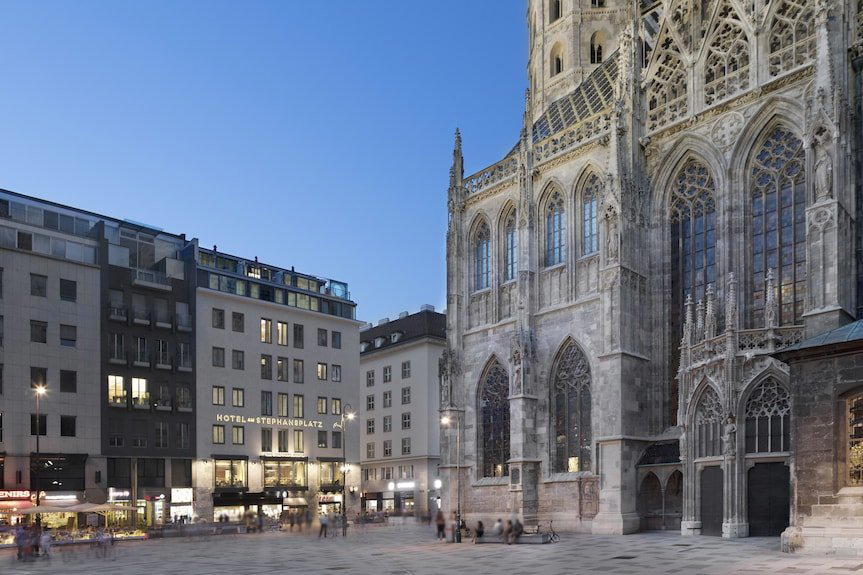
Bäckerstraße 6 sits in the First District, within the historic core of Vienna and walkable from the Stephansplatz U-Bahn station in under five minutes. The room fills quickly from midday through early evening, and tables at peak hours are not reliably available for walk-ins. Booking in advance is the practical choice. The format is à la carte, the service is experienced and unhurried in the way of long-established Viennese rooms, and the meal does not require the planning that tasting-menu restaurants demand. For the full picture of where Figlmüller sits within the city's broader dining offer, the EP Club Vienna restaurants guide maps the scene from traditional Beisl to Michelin-starred tasting rooms.
Frequently asked questions
Would Figlmüller – Restaurant Bäckerstraße be comfortable with kids?
Figlmüller Bäckerstraße is a straightforward fit for families with older children who can sit through a proper sit-down meal. The food is approachable, Wiener Schnitzel needs no explanation to a ten-year-old, and the First District location at Bäckerstraße 6 is easy to reach on foot from Stephansplatz. Very young children may find the pace and room more suited to adults, but the restaurant is not precious about its clientele.
How would you describe the vibe at Figlmüller – Restaurant Bäckerstraße?
The room draws a cross-section that is specific to long-established Viennese institutions: older regulars who have been coming for decades alongside visitors who know what they are looking for before they sit down. It is convivial rather than hushed, with the kind of ambient noise that comes from tables that are actually full. The Bäckerstraße address, inside the First District's historic core, reinforces the sense that nothing here needs to prove itself.
How does Figlmüller Bäckerstraße differ from the Wollzeile location?
Figlmüller operates two addresses in the First District: the Wollzeile original and this Bäckerstraße room, both within walking distance of Stephansplatz. Bäckerstraße tends to draw a slightly more local, less tourist-concentrated crowd, and the courtyard seating configuration gives the space a character that differs from the Wollzeile interior. Both kitchens share the same schnitzel tradition, so the distinction is primarily one of atmosphere and booking availability rather than cuisine.
What's the best thing to order at Figlmüller – Restaurant Bäckerstraße?
The Wiener Schnitzel is the reason to come, and it functions as the reference point against which much of the rest of Vienna's schnitzel scene gets measured. Regulars do not spend time deliberating the menu. Order the schnitzel, and let everything else follow from there.
What's Figlmüller – Restaurant Bäckerstraße's location?
Figlmüller – Restaurant Bäckerstraße is located at Bäckerstraße 6, 1010 Wien, Austria, Vienna.
Budget and Context
| Venue | Cuisine | Price | Awards | Notes |
|---|---|---|---|---|
| Figlmüller – Restaurant BäckerstraßeThis venue (the venue you are viewing) | Traditional Viennese Cuisine | $30–50 | Not listed | Not listed |
| Steirereck im Stadtpark | Modern Austrian Fine Dining | $200–300 | 3 Michelin Stars · World's 50 Best #33 | Creative |
| Konstantin Filippou | Modern Fish-Led Fine Dining | $200–300 | 2 Michelin Stars · La Liste Top Restaurants | Modern European, Modern Cuisine |
| Mraz & Sohn | Contemporary Austrian Fusion | $150–200 | 2 Michelin Stars · La Liste Top Restaurants | Modern Austrian, Creative |
| Silvio Nickol Gourmet Restaurant | Modern Austrian Fine Dining | $300–500 | 2 Michelin Stars · La Liste Top Restaurants | Modern Cuisine |
| APRON | Modern Austrian Fine Dining | $150–200 | 1 Michelin Star · Falstaff Restaurant - 95 Falstaff Points | Austrian, Creative |