Steiners
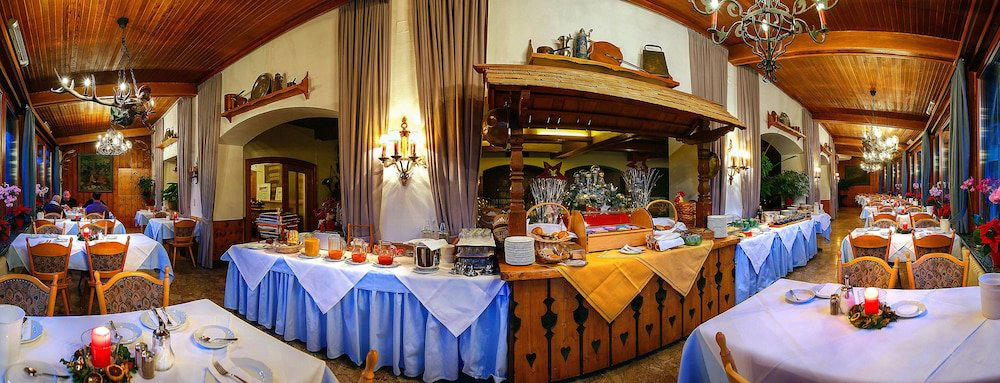
Steiners pairs Alpenländische Küche mit mediterranem Flair with pizza and salads, an extensive wine list, and mountain views for lunch or dinner in Eben im Pongau.
Pearl is the En Primeur Club membership app — saves, bookings, and concierge access live there. Same editors, same standards.
- Address
- Hauptstraße 108, 5531 Eben im Pongau, Austria
- Phone
- +434364588398
- Website
- steiners.at
- Directions
- Get directions
 Saves & bookings on Pearl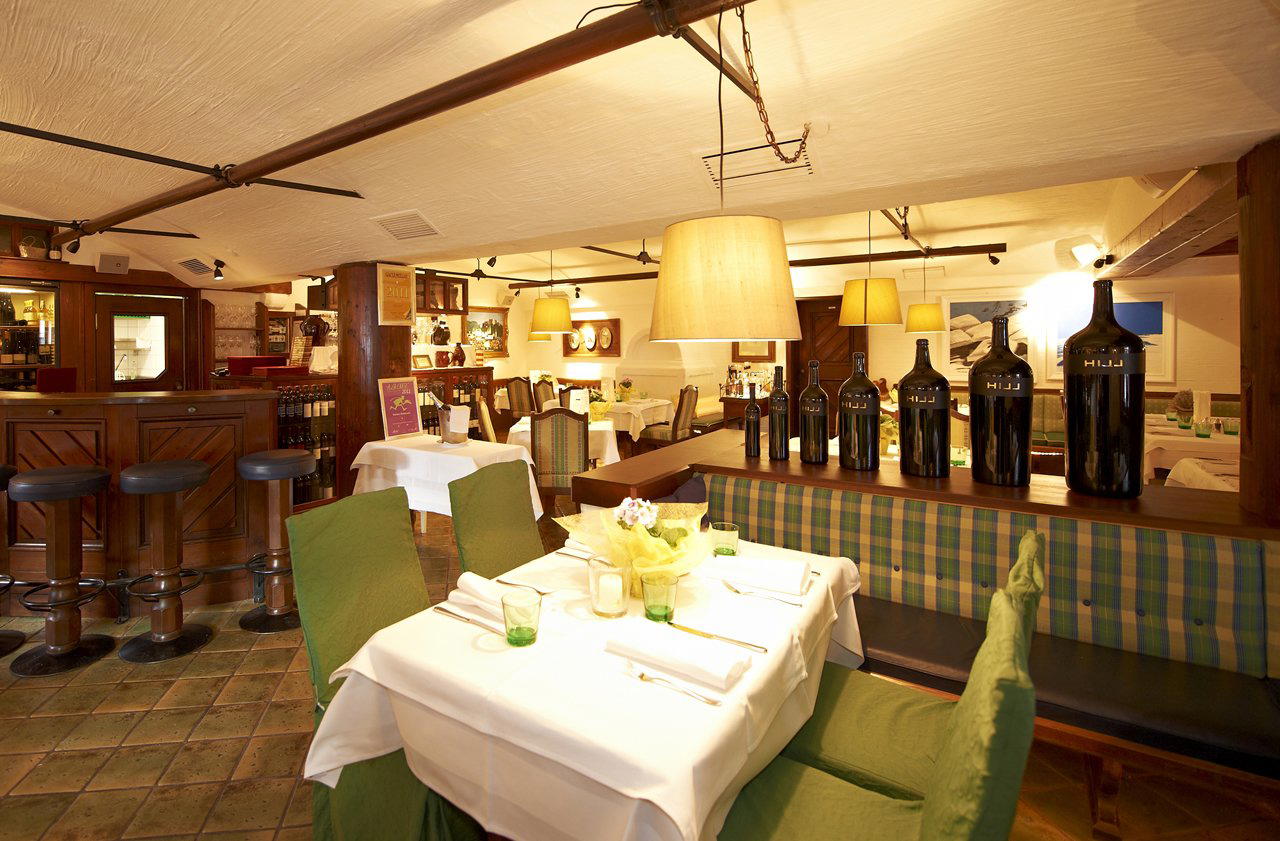
Pongau Cooking, Grounded in Its Landscape
Eben im Pongau sits in the Salzach valley between the ski terrain of Ski amadé and the quieter agricultural slopes that feed the region's kitchens. It is a working Austrian market town rather than a resort showpiece, and the restaurants that hold ground here do so through consistent craft rather than seasonal tourist traffic. Steiners, at Hauptstraße 108, occupies the main artery of that town, a position that signals a local institution rather than a destination built around passing visitors. Approaching along the Hauptstraße, the setting is resolutely Austrian: mid-valley, mountain-framed, with the kind of address that earns its place through neighbourhood trust rather than scenographic design.
For context on where Eben im Pongau sits within the broader Salzburg-region dining picture, see our full Eben Im Pongau restaurants guide.
Where the Food Comes From
The Pongau has a specific agricultural identity that distinguishes it from the more fashionable Salzkammergut or the Styrian wine country. High-altitude meadow farming produces dairy and beef of a quality that rarely needs to travel far to reach a capable kitchen. The region's foraging calendar, alpine herbs, wild mushrooms, summer berries, supplements what the valley farms provide. Across the credible Austrian alpine kitchen tradition, from Obauer in Werfen (roughly 20 kilometres north along the Salzach) to Döllerer in Golling an der Salzach, the sourcing argument is the same: proximity to ingredient origin is the structural advantage that alpine restaurants press against urban competitors. Steiners operates within that same regional logic.
Austrian fine dining has, over the past two decades, bifurcated into two recognisable modes. The first is the urban creative kitchen, represented at its apex by Steirereck im Stadtpark in Vienna, where seasonal Austrian produce is transformed through technique into something closer to contemporary European cuisine. The second is the alpine Gasthof tradition, where sourcing provenance and regional recipe continuity carry equal weight with refinement. Steiners sits in that alpine Gasthof corridor, a mode of cooking that Kräuterreich by Vitus Winkler in Sankt Veit im Pongau, just a short drive north, has taken in an explicitly herb-led direction. The Pongau, in other words, has several distinct expressions of this regional approach within a compact area.
The Austrian Alpine Dining Tradition
To understand Steiners' position, it helps to understand what distinguishes Pongau-area cooking from the more internationally cited Austrian kitchens. At Ikarus in Salzburg, the format invites a rotating roster of international guest chefs, which makes it a fundamentally different project, cosmopolitan rather than rooted. At Landhaus Bacher in Mautern an der Donau, a Wachau-valley context shapes the cooking toward wine-region cuisine. The Pongau table, by contrast, is shaped by altitude and the farming calendar that altitude imposes. Short growing seasons, long winters, and a strong tradition of preservation, curing, pickling, fermenting, give the regional cuisine its character. These are not stylistic choices but environmental facts that good kitchens in this corridor translate into menu logic.
That regional pattern extends across the Austrian alpine arc. Gourmetrestaurant Tannenhof in Sankt Anton am Arlberg and Griggeler Stuba in Lech press alpine sourcing through a more formal fine-dining filter, while Stüva in Ischgl layers it with resort-market expectations. Each of these represents a variation on the same foundational argument: that mountain kitchens have an intrinsic sourcing advantage that urban restaurants must compensate for through technique and import logistics. Steiners, in Eben im Pongau, works within proximity to that raw material.
A Town-Centre Table in the Salzach Valley
Eben im Pongau is not a culinary destination in the way that Werfen is, where Obauer has made the town a deliberate detour for serious Austrian food travellers. Eben functions instead as a service town for the surrounding ski and hiking areas, which means a restaurant on the Hauptstraße serves a genuinely mixed clientele: local families, regional workers, and occasional visitors passing through the valley. That civic function shapes the atmosphere considerably. Expect the room to feel more embedded in local life than polished for outside scrutiny, a quality that can be a significant asset for a traveller fatigued by the performance register of higher-profile alpine dining.
Comparable in this respect is the dynamic at Schwarzer Adler in Hall in Tirol, another town-centre Austrian address that earns its standing through consistency with local diners rather than destination-restaurant positioning. The contrast with places like Taubenkobel in Schützen am Gebirge or Atelier Fischer in Sankt Gilgen, both of which operate in a more self-consciously destination mode, is instructive. Steiners is neither aspirational in its marketing nor modest in its ambitions; it is simply doing a specific regional job in a specific place.
For readers arriving from international comparison points, it is worth noting how distinct this tier of alpine Austrian cooking is from even particularly rigorously sourced metropolitan restaurants. Le Bernardin in New York City and Atomix in New York City operate with notable ingredient programmes, but their sourcing chains are necessarily complex and global. The Pongau alpine kitchen's structural advantage is simply the shortness of that chain, meadow to kitchen with minimal intermediary.
Planning a Visit
Eben im Pongau is accessible by rail on the Salzburg-Bischofshofen line, with the town's station a walkable distance from the Hauptstraße. Visitors using the Ski amadé area during winter will find Steiners a logical dinner option between ski days, while summer hikers in the surrounding mountains arrive in the quieter shoulder season. Similarly, for pricing expectations, the mid-valley Austrian Gasthof tier in this area generally sits below the formal fine-dining tier represented by Obauer or Döllerer, though exact figures require direct confirmation.
Readers with deeper interest in the Salzburg-region dining scene will find useful further context at Ois in Neufelden, Restaurant 141 by Joachim Jaud in Mieming, and Artis in Graz, each a different expression of the Austrian regional cooking tradition.
Comparable Spots, Quickly
Comparable venues nearby, for context on price, style, and recognition.
| Venue | Cuisine | Price | Notes |
|---|---|---|---|
| SteinersThis venue — the venue you are viewing | Alpenländische Küche mit mediterranem Flair | $$$ | Not listed |
| Linde | Austrian Classics with International Specialties | $$$ | Maria Wörth |
| KOLLER+KOLLER am Waagplatz | Traditional Austrian with International Influences | $$$ | Altstadt |
| JOHANN GENUSSraum | Modern Styrian Austrian | $$$ | Hauptplatz |
| Brandauers Villen | Regional Austrian with International Influences | $$$ | Strobl |
| Hotel Bismarck | Austrian Gourmet Healthy Cuisine | $$$ | Bad Hofgastein |
Continue exploring
More in Eben Im Pongau
Restaurants in Eben Im Pongau
Browse all →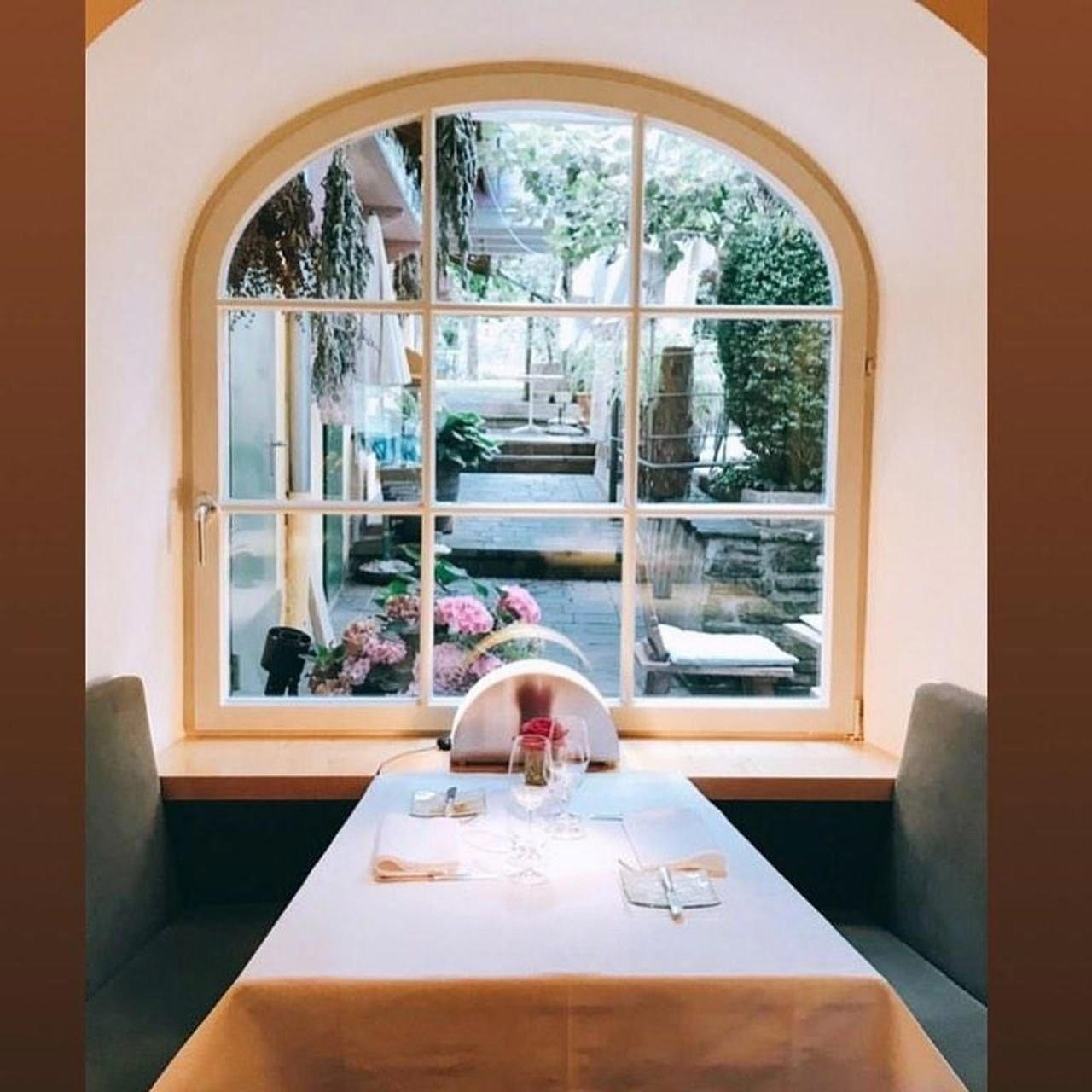
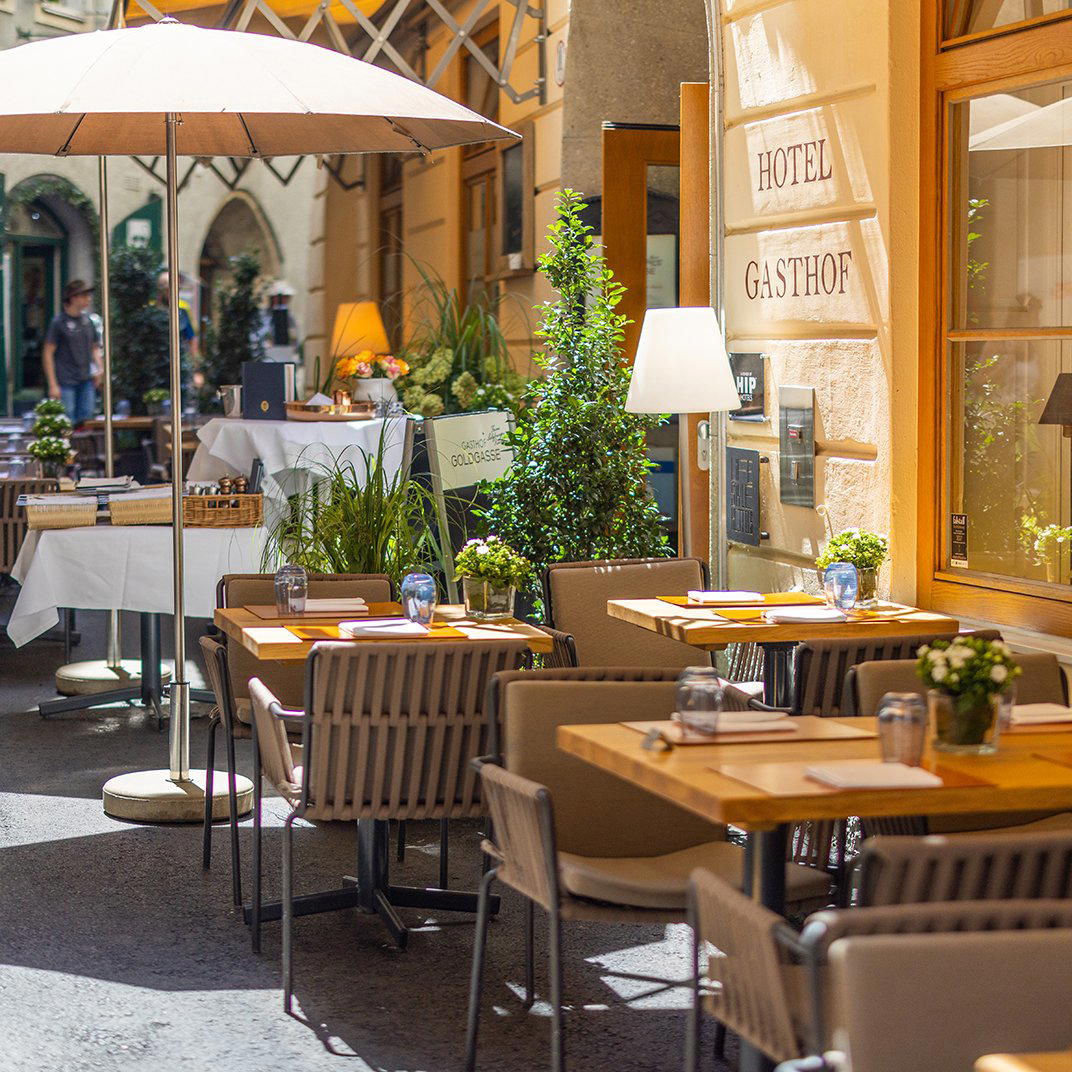
Bars in Eben Im Pongau
Browse all →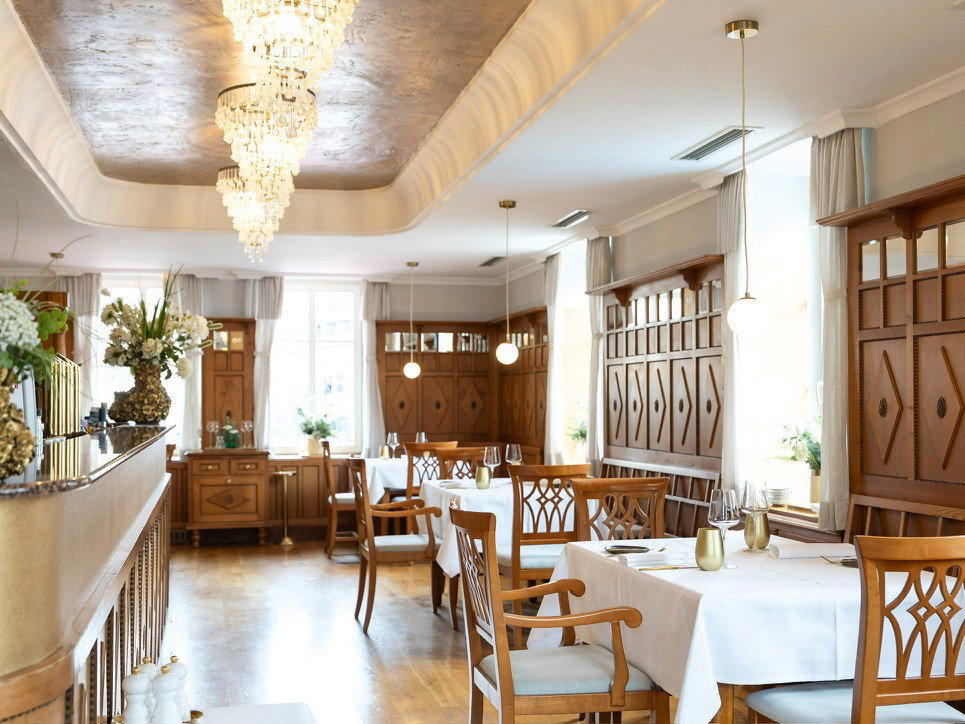
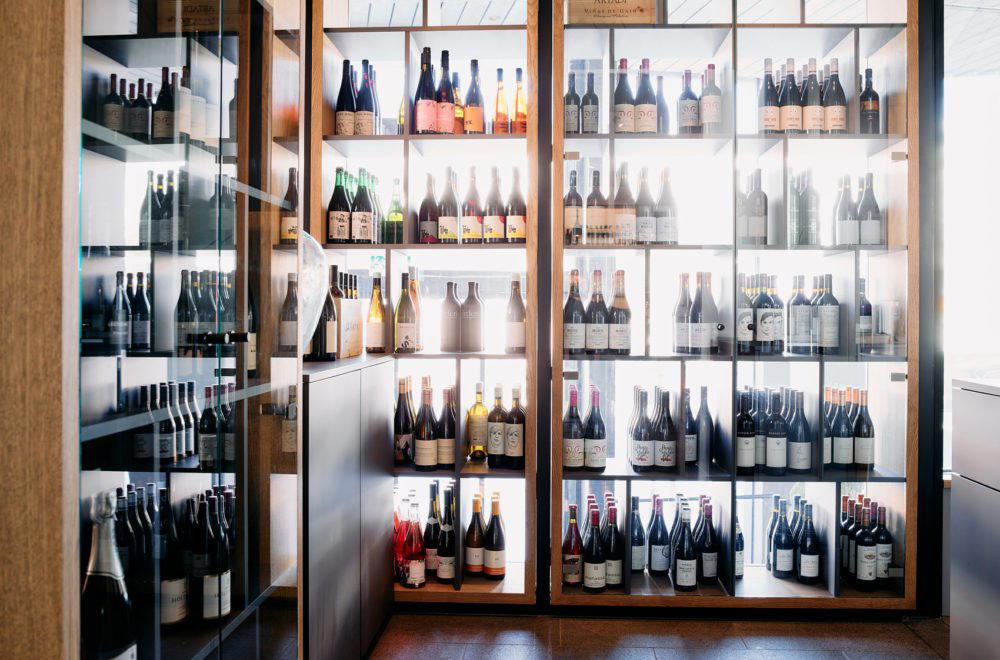


Hotels in Eben Im Pongau
Browse all →
Wineries in Eben Im Pongau
Browse all →
At a Glance
- Cozy
- Rustic
- Scenic
- Family
- Casual Hangout
- Hotel Restaurant
- Extensive Wine List
- Mountain
Current opening hours
- Monday
- 11:30 AM–2 PM, 5–10 PM
- Tuesday
- Closed
- Wednesday
- 11:30 AM–2 PM, 5–10 PM
- Thursday
- 11:30 AM–2 PM, 5–10 PM
- Friday
- 11:30 AM–2 PM, 5–10 PM
- Saturday
- 11:30 AM–2 PM, 5–10 PM
- Sunday
- 11:30 AM–2 PM, 5–10 PM
Hours can change for holidays and private events. Last verified .
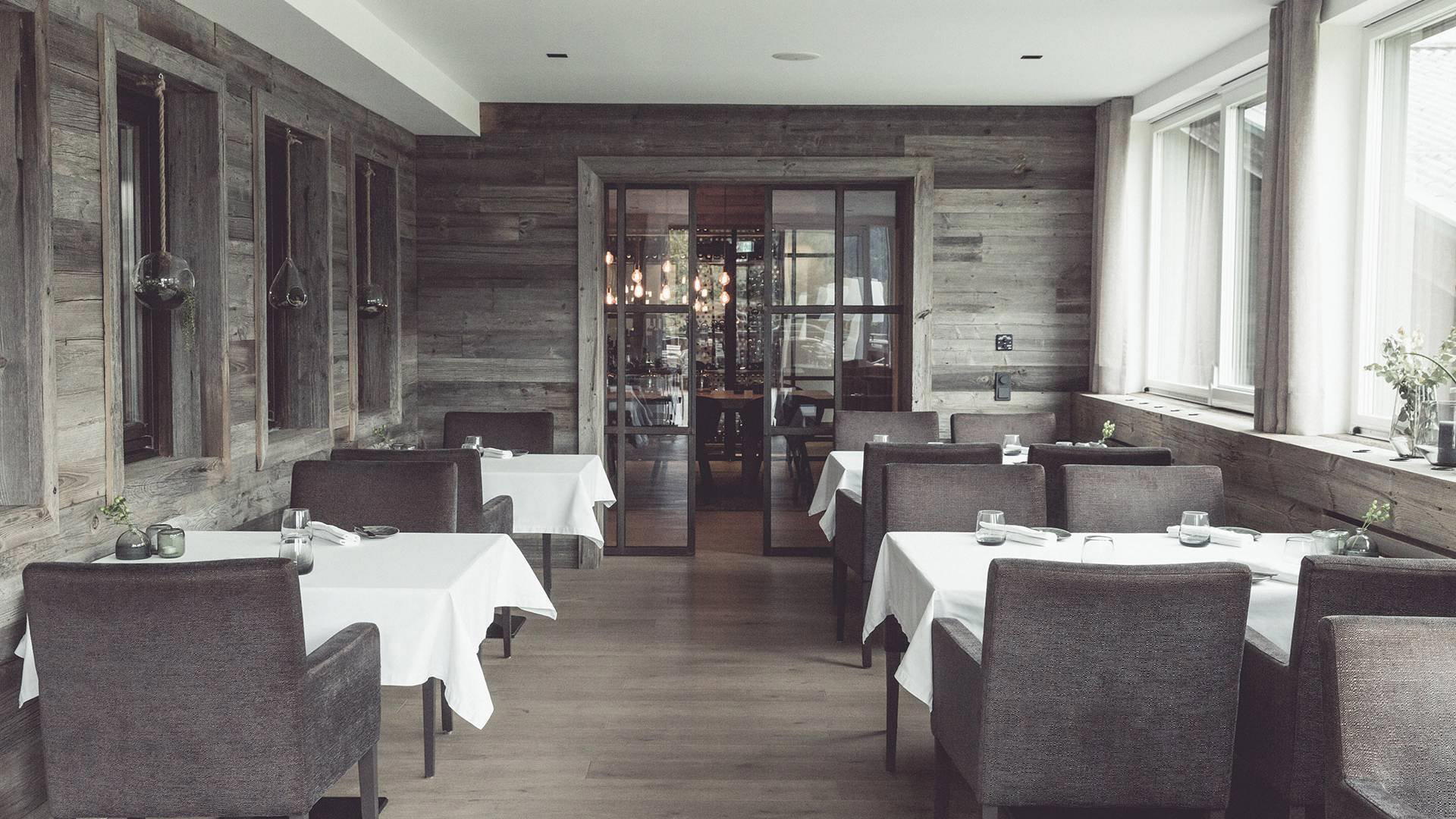
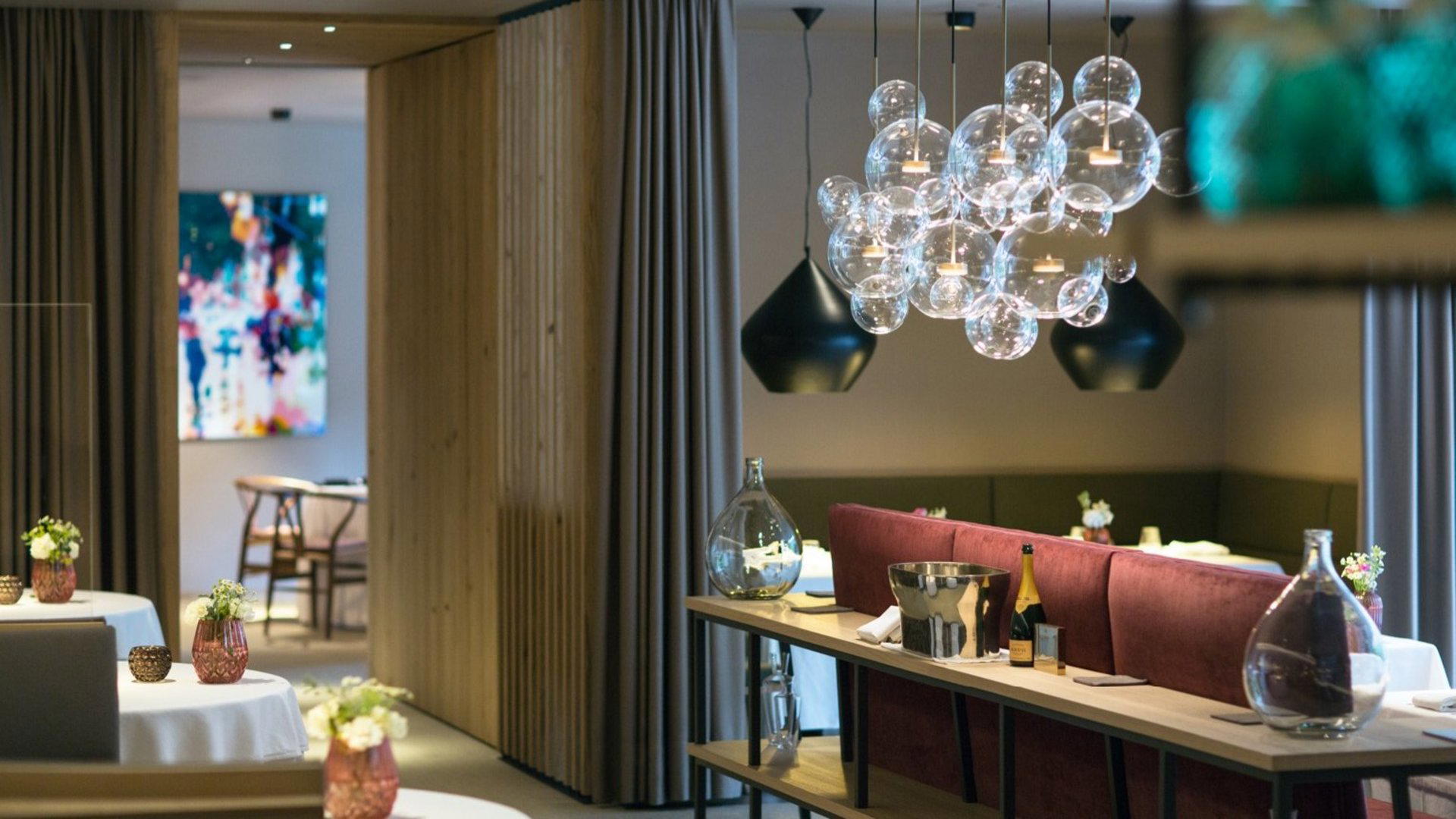
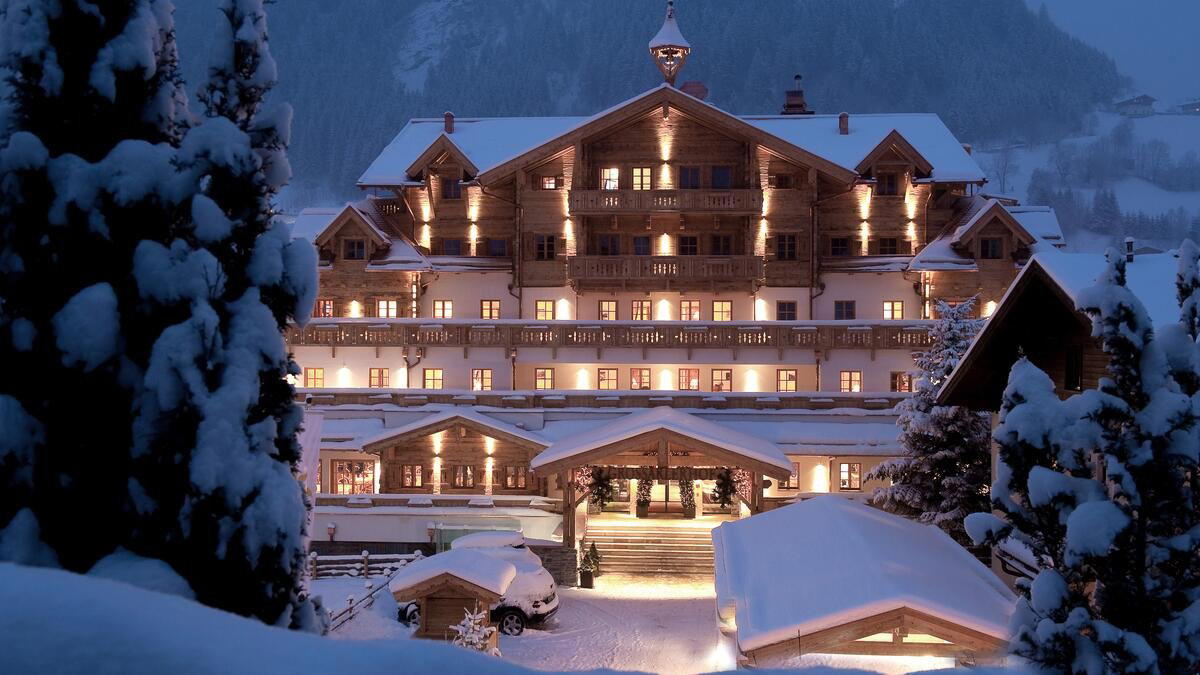
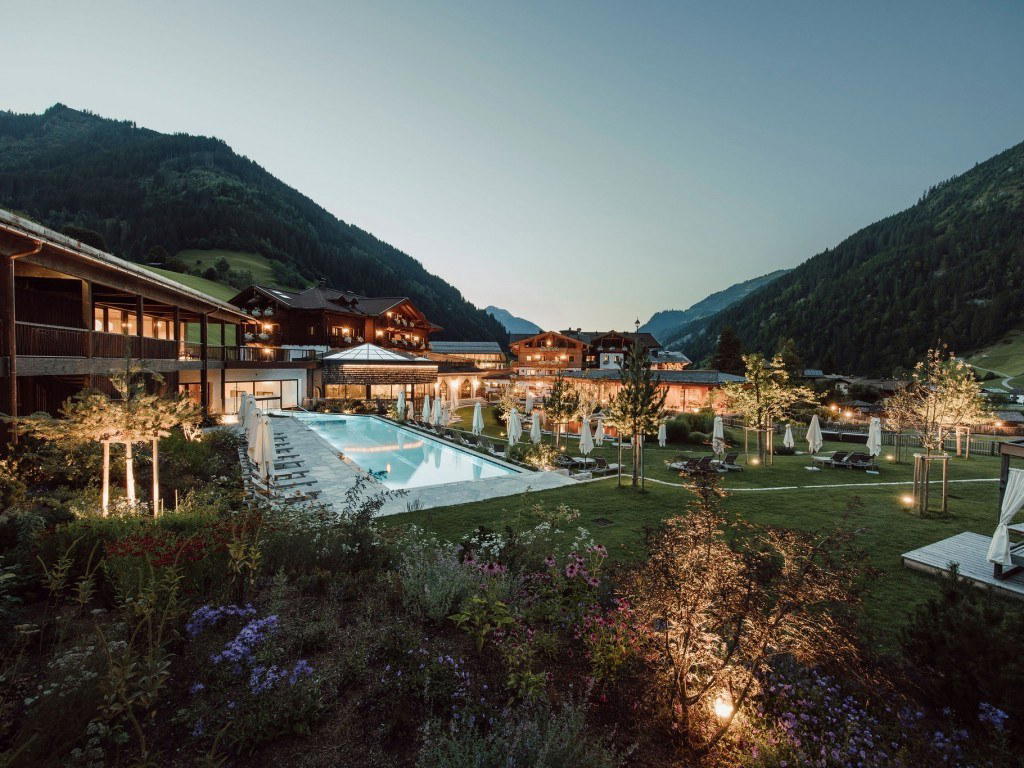
Charming and cozy atmosphere with serene alpine ambiance, suitable for enjoying refined regional dishes.