Linde
Our verdict
Linde sits on Lindenplatz in the lakeside village of Maria Wörth, a Carinthian setting where the Alps meet the Wörthersee and local ingredient traditions run deep. The restaurant occupies a quieter register than the destination-dining operations nearby, making it a reference point for visitors seeking grounded regional cooking rather than tasting-menu formality. For travellers building an itinerary around Carinthia's food scene, it belongs in the conversation.

Pearl is the En Primeur Club membership app, where members save venues, book tables and use the concierge.
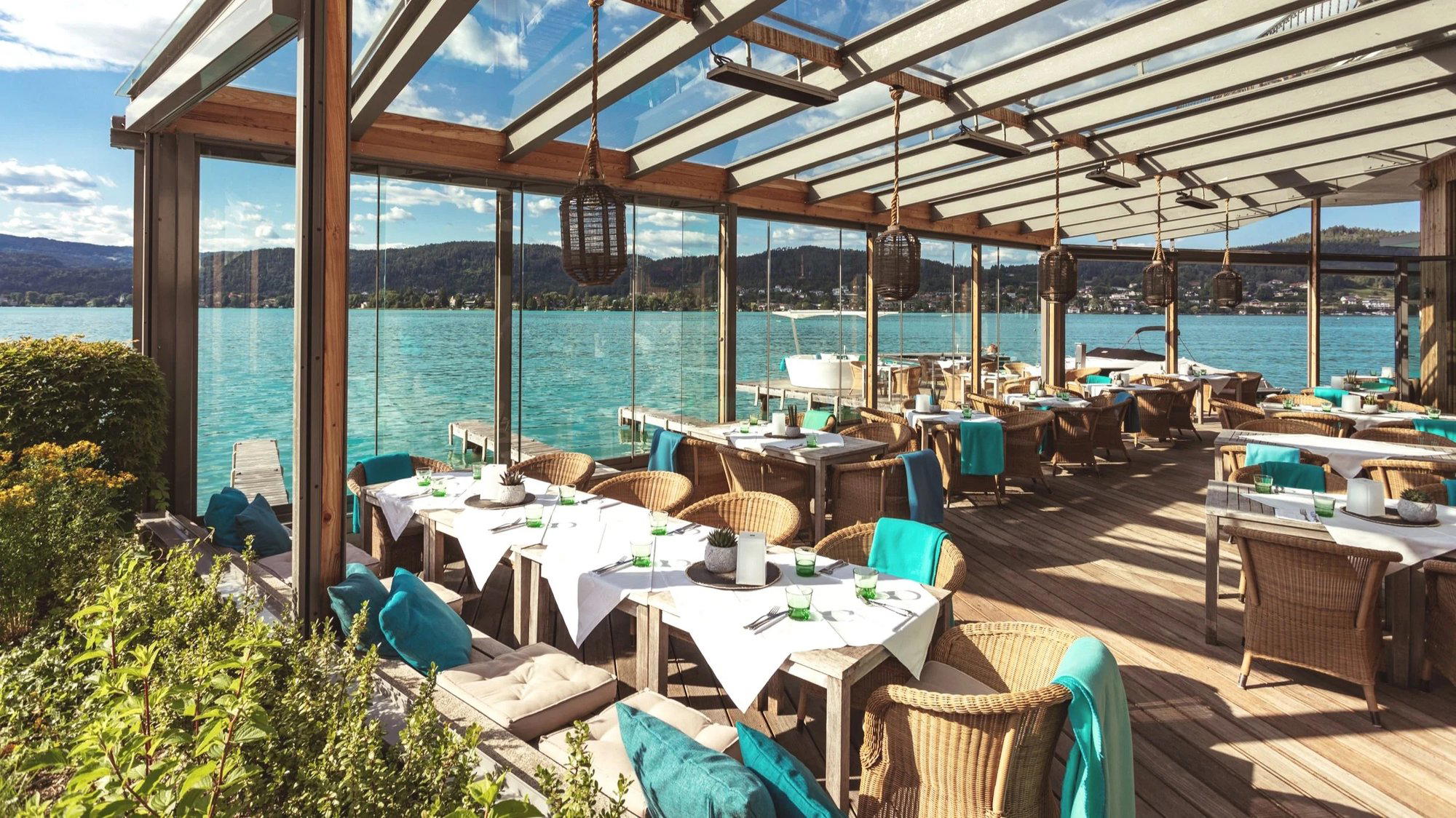
Where the Wörthersee Sets the Table
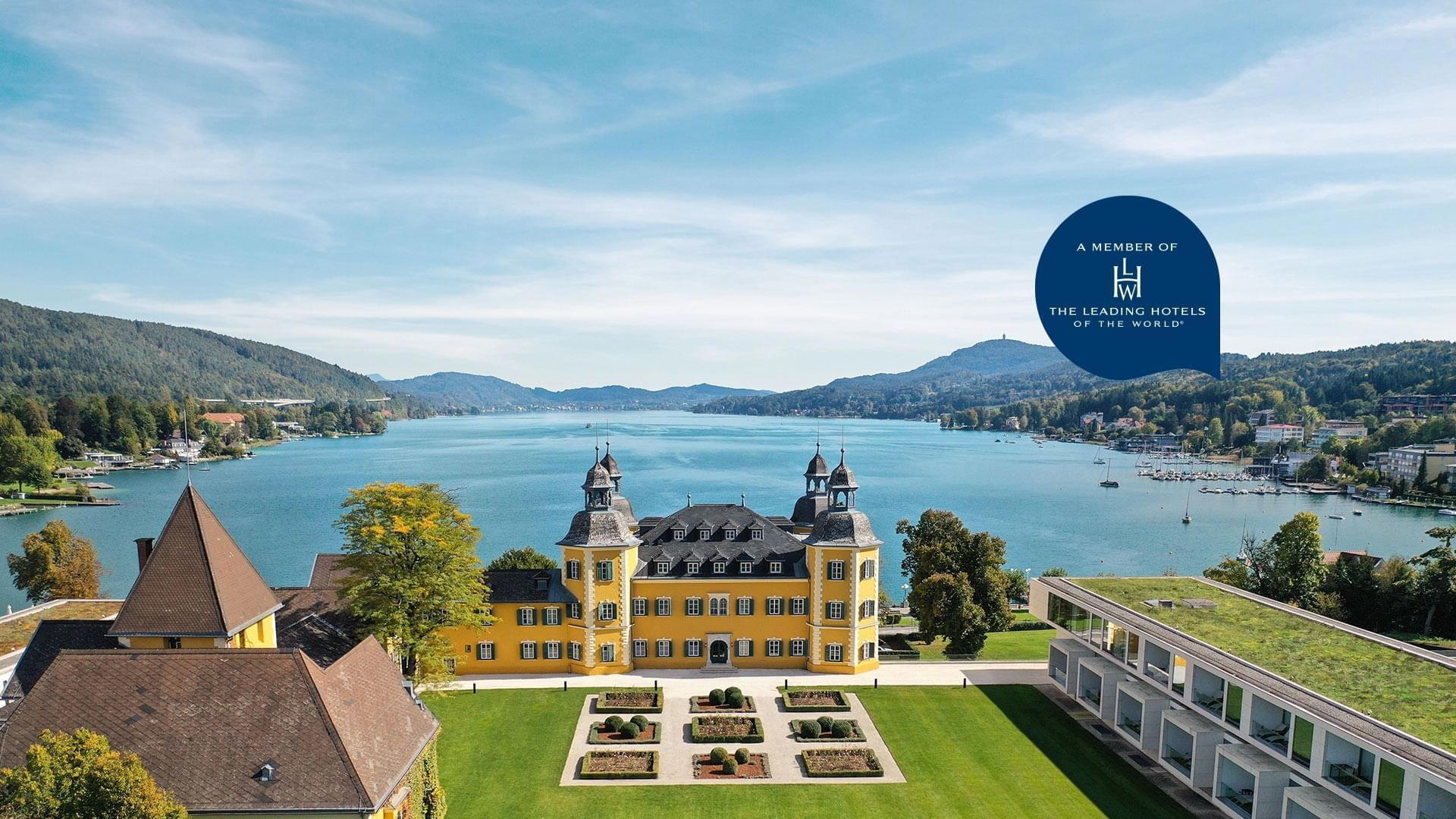
Maria Wörth sits on a peninsula that juts into the Wörthersee, one of the warmest lakes in the Austrian Alps, and the village has a particular quality of stillness that larger Carinthian resort towns have long since traded away. Arriving at Lindenplatz 3 on foot, you pass the linden trees that give the square its name, their canopy providing the kind of natural framing that no interior designer can replicate. The physical setting is doing editorial work here: Carinthia's culinary identity has always been shaped as much by geography as by technique, and a restaurant rooted in this square, in this village, is making an argument about provenance before a single dish arrives.
That argument matters in the context of Austrian regional dining more broadly. The country's serious restaurant culture has historically clustered around Vienna and Salzburg, with Steirereck im Stadtpark in Vienna and Ikarus in Salzburg anchoring those cities' reputations. But the provinces have been building a quieter counter-argument: that altitude, lake systems, and agricultural micro-climates produce ingredients worth cooking around, not just cooking with. Carinthia belongs to that counter-argument, and Maria Wörth, for all its modesty, is one of the places where it plays out.
The Ingredient Logic of the Wörthersee Region
Carinthian cooking draws from a narrow but specific pantry. The lake system produces freshwater fish, particularly pike-perch and trout, that appear across local menus in forms ranging from the rustic to the technically precise. The surrounding valleys supply game in autumn and wild herbs through the warmer months, while the region's dairy traditions yield cheeses and butter that carry a distinct alpine character. This is not the broad agricultural abundance of Styria or the Marchfeld plain; it is a more constrained, more particular larder, and the leading Carinthian kitchens treat that constraint as a discipline rather than a limitation.
The ingredient-sourcing logic that defines this region's dining is worth understanding before you book anything. At the upper end of the Maria Wörth food scene, Hubert Wallner (Modern Cuisine) operates at a €€€€ price point with a modern cuisine framework that interprets Carinthian produce through a fine-dining lens. That approach involves specific supplier relationships, seasonal menus calibrated to the lake's fish cycles, and a level of kitchen investment that positions it against Austrian destination restaurants like Döllerer in Golling an der Salzach or Obauer in Werfen. Linde operates in a different register within the same geography, which means access to the same regional ingredients without the same formality of presentation or price.
For visitors who want to eat within the Wörthersee's ingredient tradition without committing to a tasting-menu evening, this distinction matters practically. The lake and its surrounding farms do not reserve their output for starred kitchens. What changes between price tiers is the technique applied to the raw material, the length of the meal, and the depth of the wine program, not the fundamental quality of what the region produces.
Maria Wörth in the Wider Austrian Dining Map
Austria's provincial restaurant scene has developed a particular model over the past decade: the destination village, where one or two serious operations anchor dining reputation and draw guests who might otherwise not travel to a small lake town at all. Maria Wörth fits that pattern, though its scale is modest compared to the dining villages of Tyrol, where restaurants like Griggeler Stuba in Lech, Stüva in Ischgl, and Gourmetrestaurant Tannenhof in Sankt Anton am Arlberg have built multi-year waiting lists on the back of ski-season demand.
Carinthia's model is quieter, more summer-oriented, and more dependent on the lake as a draw in its own right. The Wörthersee draws Austrian and German visitors through July and August with reliable warmth and a particular combination of water sport, hiking, and food that has proved durable across generations. Linde, on Lindenplatz, sits within that summer economy and operates accordingly. Neighbouring options including Bistro Südsee and Seensucht complete a small but coherent local dining circuit that gives visitors genuine choice across formats and price points.
Elsewhere in Austria's provinces, the herb-led cooking at Kräuterreich by Vitus Winkler in Sankt Veit im Pongau, the Danube-valley sourcing at Landhaus Bacher in Mautern an der Donau, and the minimal-intervention approach at Ois in Neufelden all point to the same underlying trend: Austrian regional cooking is finding its identity through specificity of place rather than imitation of international fine-dining formats. Linde belongs to this broader current, even at a more accessible pitch. For a wider overview of what to eat and where in this part of Carinthia, the full Maria Wörth restaurants guide maps the scene in more detail.
Planning Your Visit
Maria Wörth is most easily reached by car from Klagenfurt, which lies roughly 15 kilometres to the east along the southern shore of the Wörthersee. The peninsula road narrows as it approaches the village, and parking near Lindenplatz is limited during high summer, so arriving on foot from the nearby ferry dock or by bicycle along the lake path is a practical alternative that also gives you a better first impression of the setting. The peak season runs from late June through August, when the village is at its busiest and restaurants across the peninsula operate at full capacity. Visiting in late May or early September trades some warmth for significantly easier logistics and, in the case of freshwater fish, a kitchen still working from the same seasonal supply without the crowds.
Because specific booking details, hours, and pricing for Linde are not publicly available through EP Club's verified data at the time of writing, contacting the restaurant directly via the address at Lindenpl. 3, 9082 Maria Wörth is the most reliable approach. For comparison with how Austria's most ambitious regional kitchens operate at an international scale, the precision-driven tasting format at Restaurant 141 by Joachim Jaud in Mieming and the technically exacting counter cooking at Schwarzer Adler in Hall in Tirol represent the upper boundary of what the Austrian provincial model can produce. Linde operates well short of that tier, which is precisely the point: it offers Carinthian ingredient logic in a format that fits the village rather than one imported from a different context entirely.
Frequently asked questions
How do I find Linde?
Linde is located at Lindenpl. 3, 9082 Maria Wörth, Austria, Maria Wörth.
Is Linde in Maria Wörth a good base for exploring Carinthian food culture?
Maria Wörth, located roughly 15 kilometres west of Klagenfurt along the Wörthersee's southern shore, sits at the centre of Carinthia's lake district, where the regional cooking tradition is shaped by freshwater fish, alpine dairy, and foraged ingredients. Linde's address on Lindenplatz places it in the heart of the village, making it a logical anchor for exploring the area rather than a detour from it. Carinthia has produced a number of serious destination restaurants over the past decade, and the Wörthersee corridor is among its more concentrated pockets.
What's the must-try dish at Linde?
The Wörthersee region has a specific culinary identity built around freshwater fish: pike-perch and trout pulled from the lake system are the dishes that define Carinthian cooking at this level. Without a current published menu from Linde, the safest approach is to ask on arrival what the kitchen is working with that week. Seasonal availability shifts that answer considerably depending on time of year.
How far ahead should I plan for Linde?
Maria Wörth draws visitors throughout the summer season when the Wörthersee is at its warmest, which compresses demand for the village's better tables into a relatively short window. Booking several weeks in advance during July and August is advisable. Outside peak season, lead times are typically shorter, though contacting the venue directly to confirm current availability is the reliable approach given that no online booking details are publicly listed.
What has Linde built its reputation on?
Linde sits at Lindenplatz 3 in Maria Wörth, a village whose peninsula position on the Wörthersee has historically made it a destination in its own right rather than a waypoint. Carinthian restaurants in this setting tend to anchor their identity in regional produce and lake fish, which is what the surrounding ingredient geography consistently rewards.
| Venue | Cuisine | Price | Awards | Notes |
|---|---|---|---|---|
| LindeThis venue (the venue you are viewing) | Austrian Classics with International Specialties | Not listed | Not listed | Not listed |
| Hubert Wallner | Modern Alpine-Adriatic Fine Dining | $200–300 | 1 Michelin Star · La Liste Top Restaurants | Modern Cuisine |
| Bistro Südsee | Regional European Bistro with Mediterranean Influences | Not listed | Michelin Plate | Not listed |
| Seensucht | Seasonal Regional Bistro | Not listed | Michelin Plate | Not listed |
Continue exploring
More in Maria Wörth
Restaurants in Maria Wörth
All restaurants in Maria Wörth →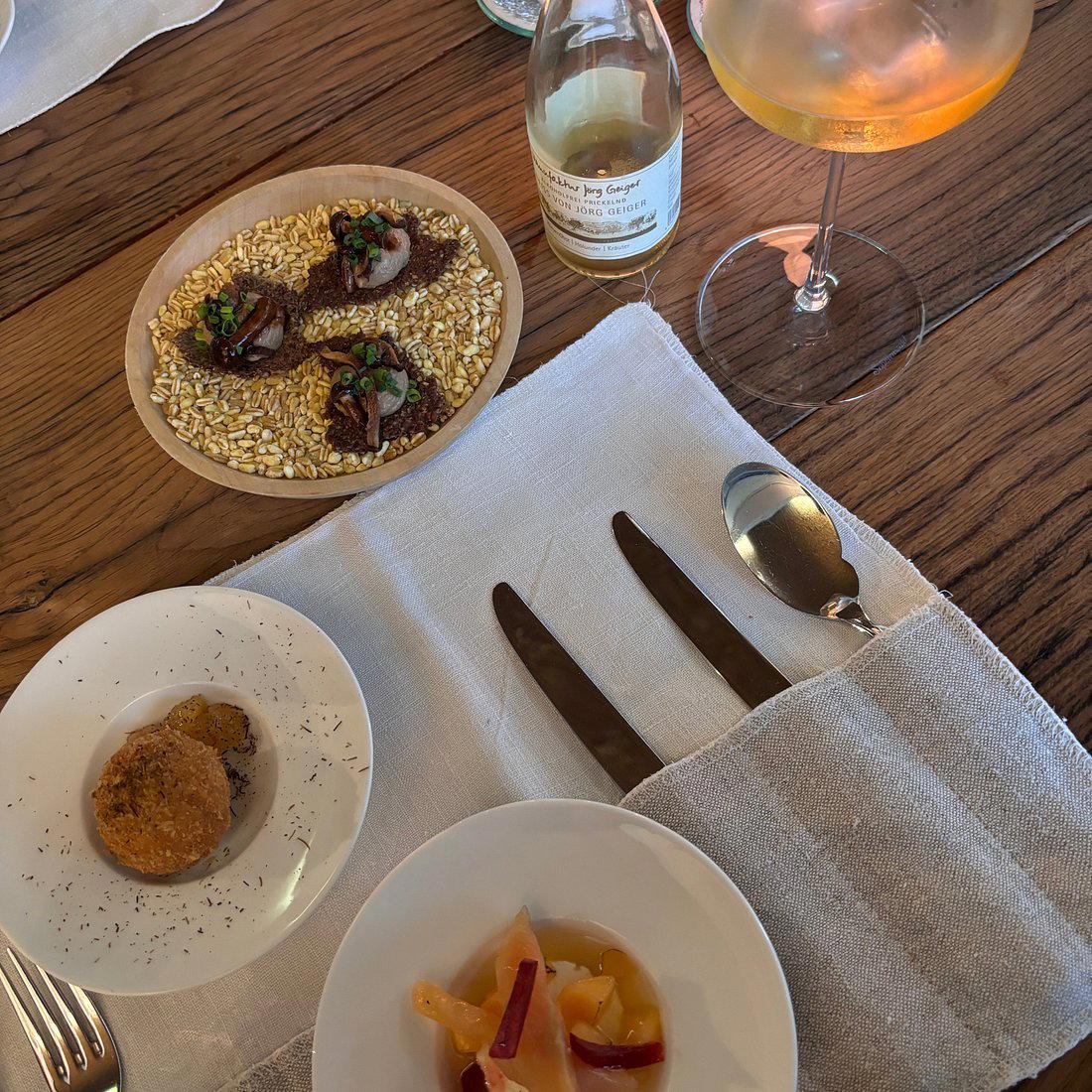
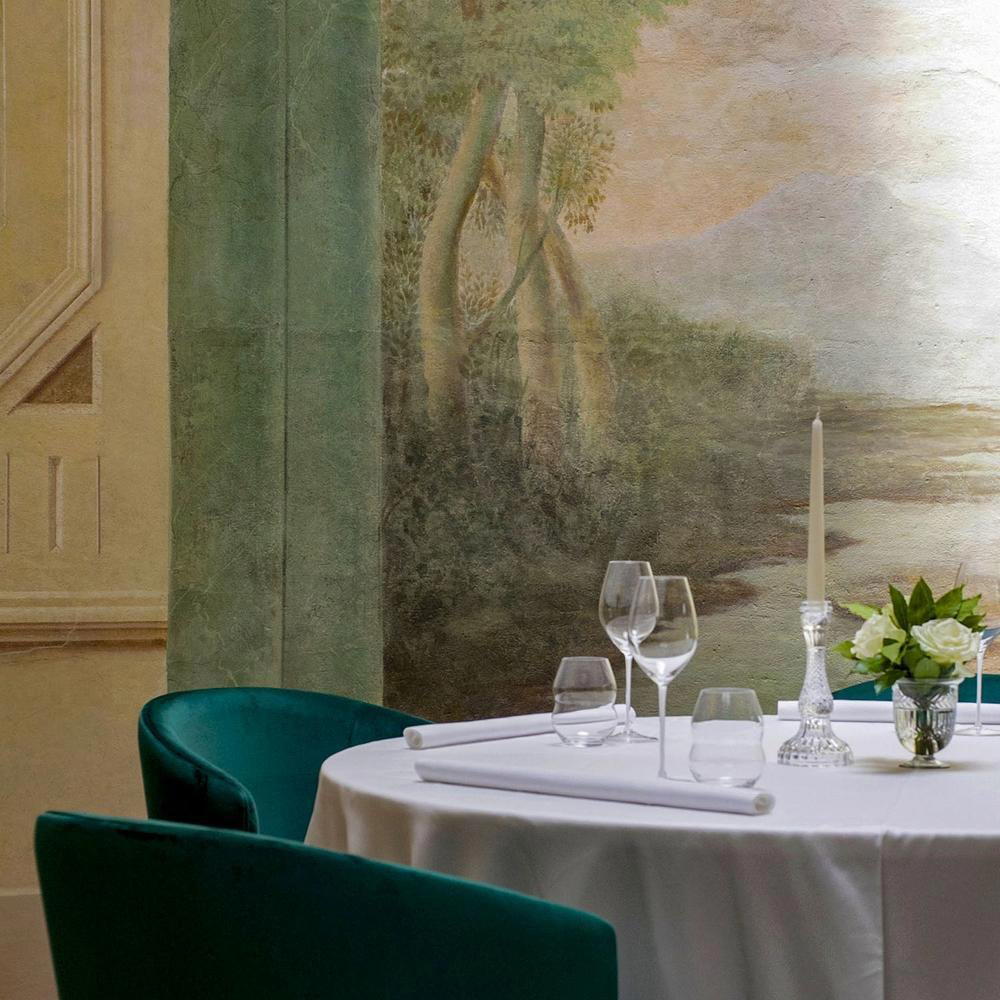
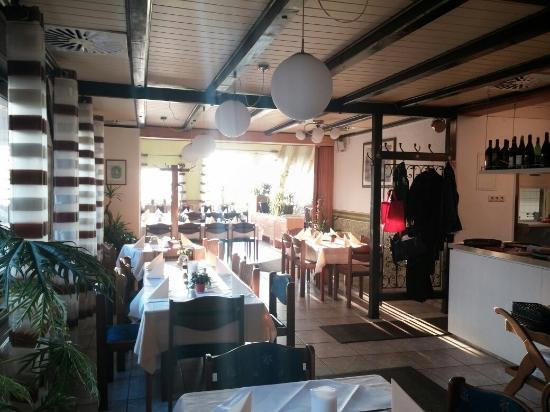
Bars in Maria Wörth
Browse all →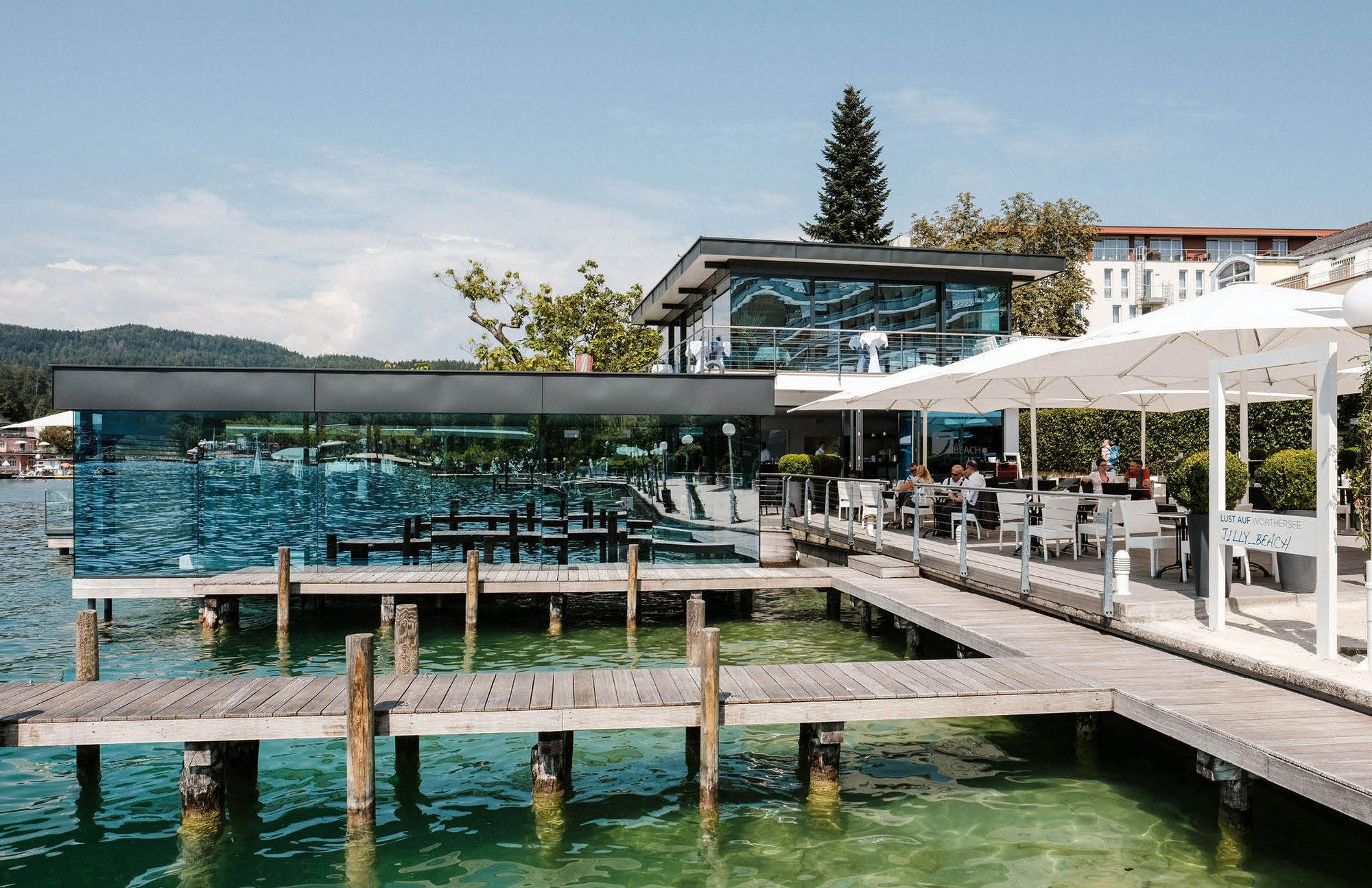

Details
- Romantic
- Scenic
- Elegant
- Sophisticated
- Date Night
- Special Occasion
- Business Dinner
- Group Dining
- Waterfront
- Terrace
- Panoramic View
- Hotel Restaurant
- Extensive Wine List
- Waterfront
- A La Carte
- Wine
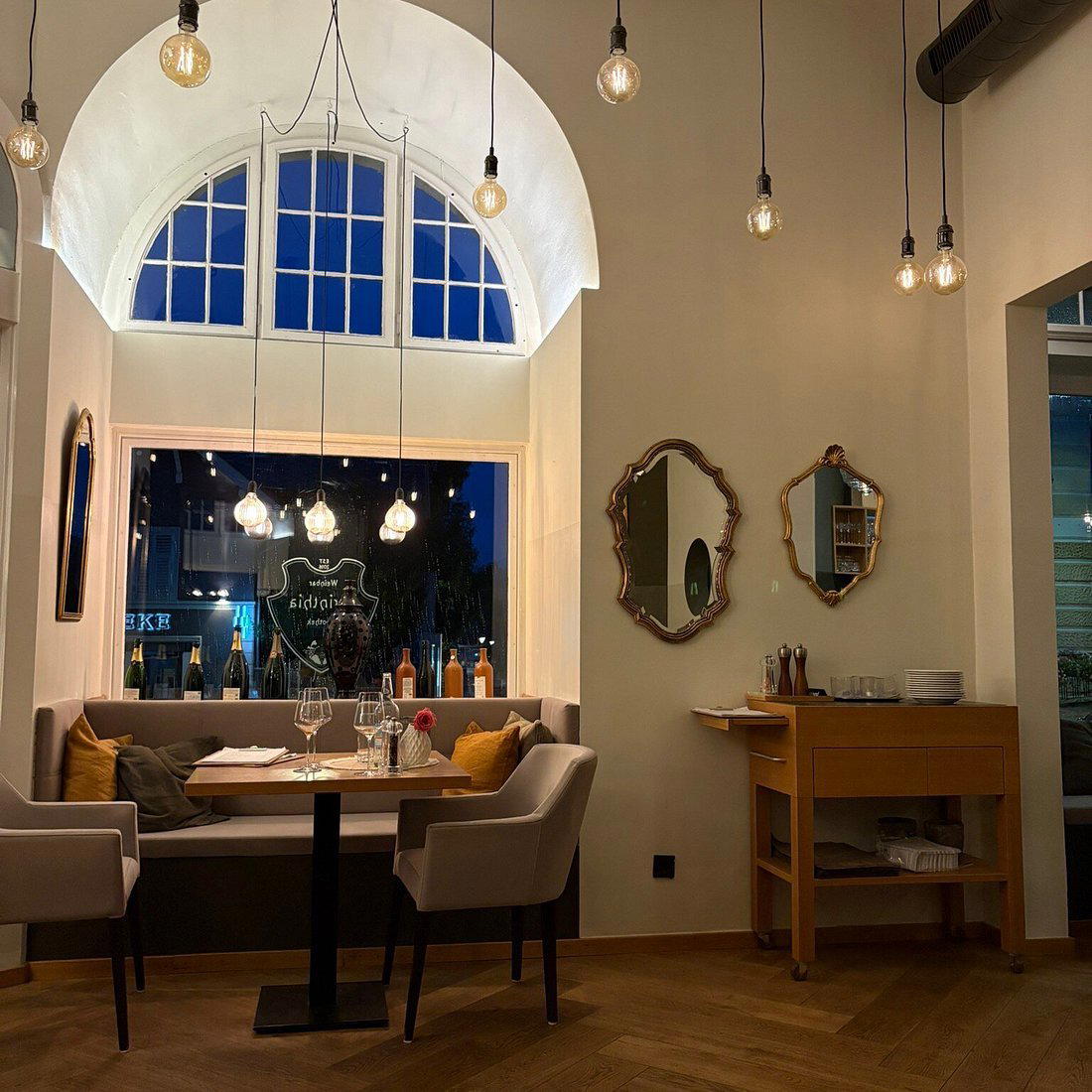
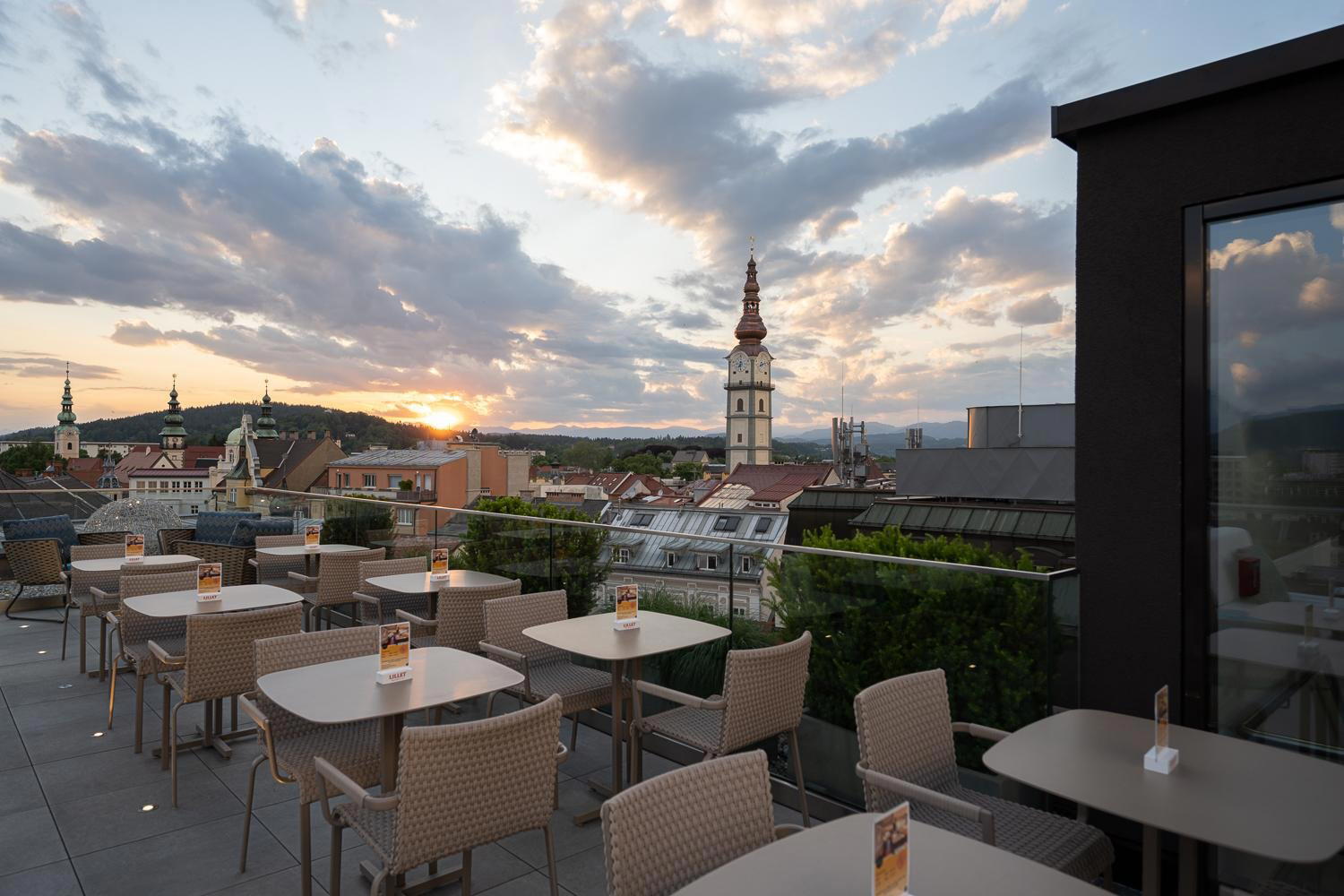
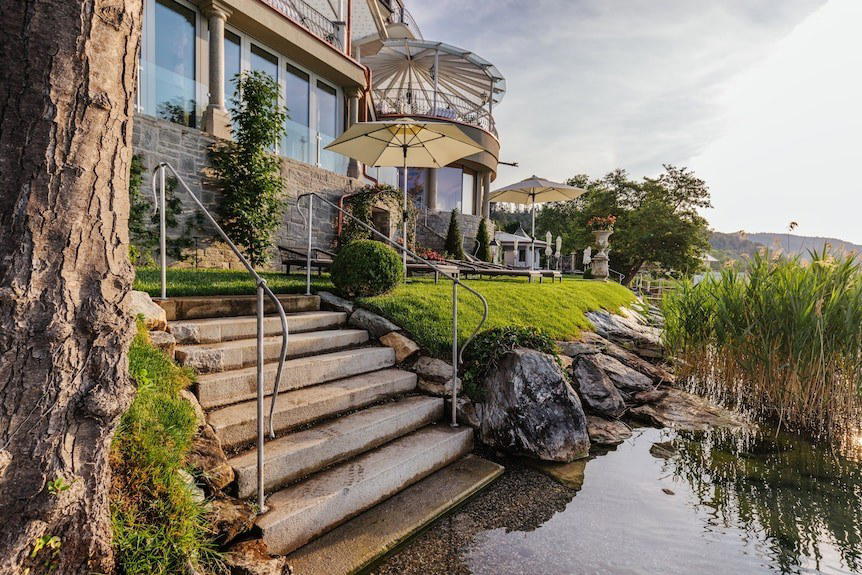
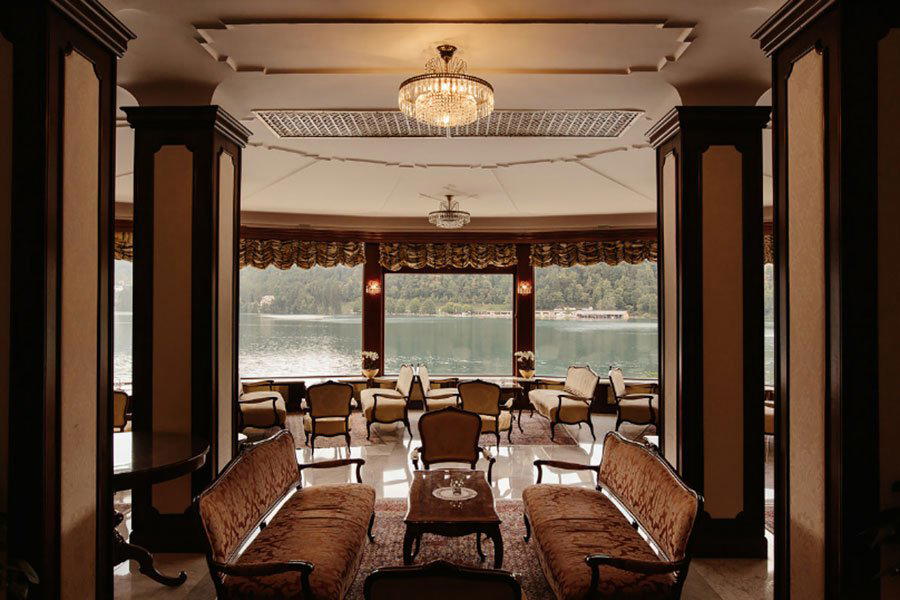
Warm and attentive atmosphere with elegant lakeside setting; bright natural lighting from waterfront location creates a sophisticated yet welcoming environment.