
On Salzburg's Waagplatz, KOLLER+KOLLER operates where the Altstadt's civic gravity is strongest, a stone's throw from the Rathaus and the market rhythms of the old town. The restaurant has built a reputation in a city already shaped by serious dining addresses, distinguishing itself through a collaborative front-of-house and kitchen dynamic that Salzburg regulars treat as a reliable benchmark.
Pearl is the En Primeur Club membership app — saves, bookings, and concierge access live there. Same editors, same standards.
- Address
- Waagpl. 2, 5020 Salzburg, Austria
- Phone
- +43662842156
- Website
- kollerkoller.com
- Directions
- Get directions
 Saves & bookings on Pearl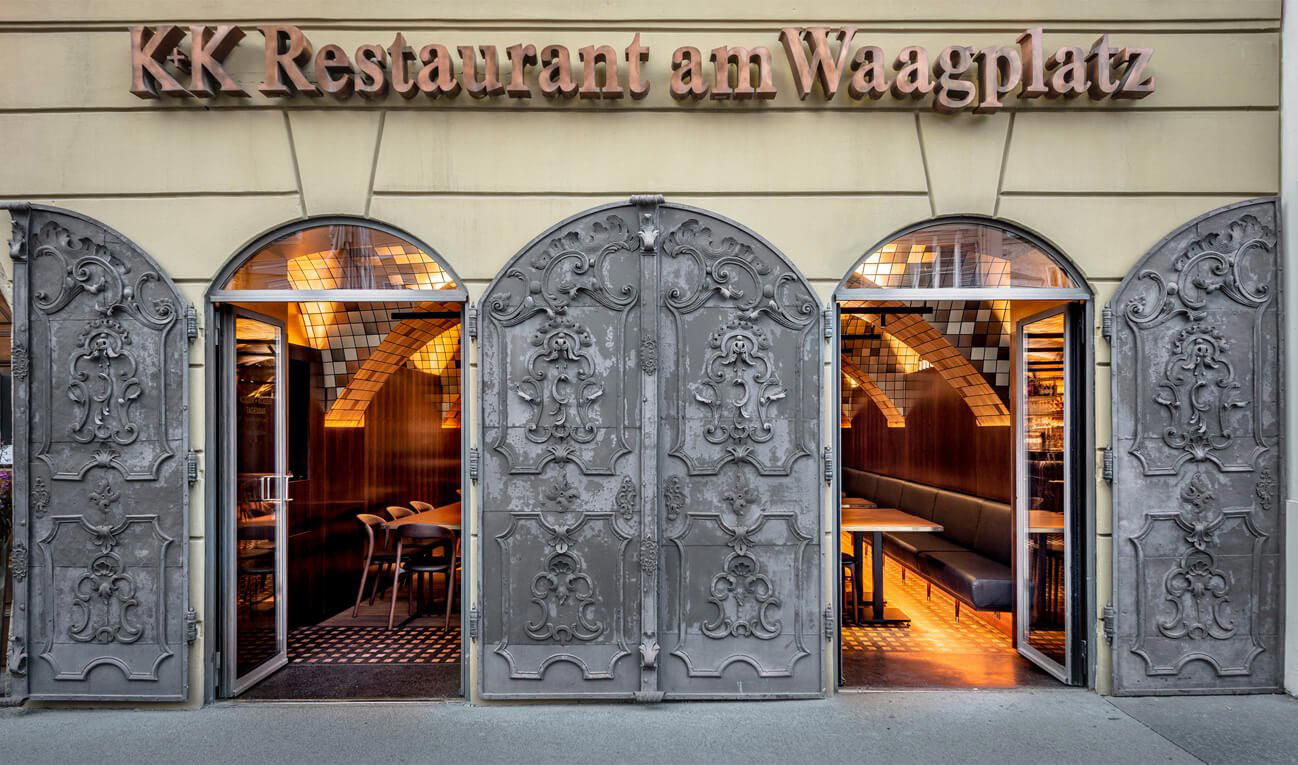
Where the Old Town Earns Its Weight
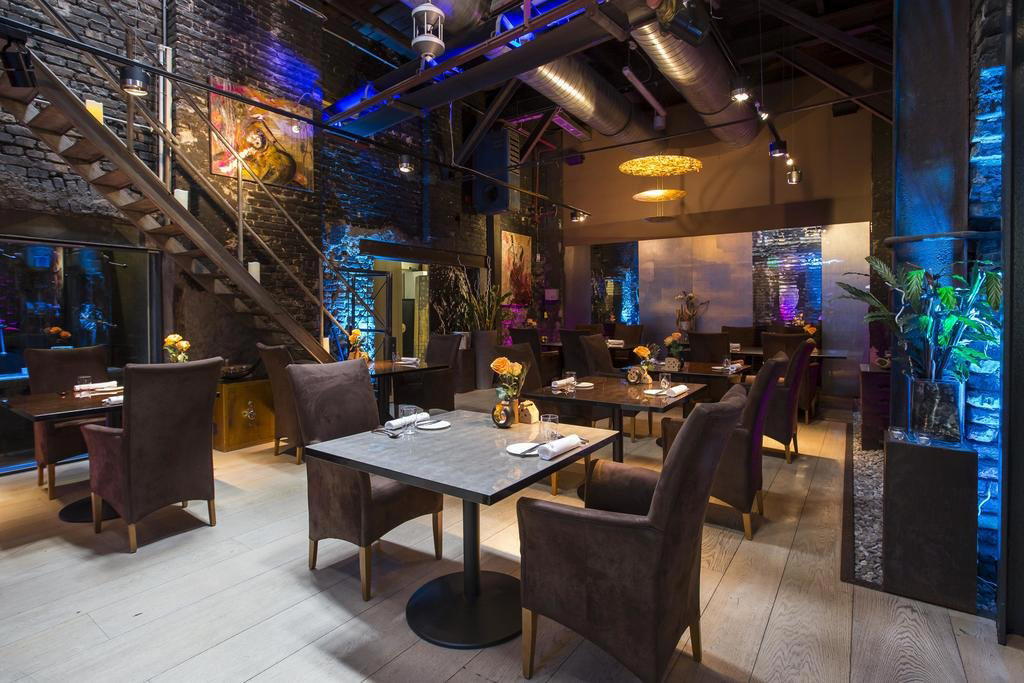
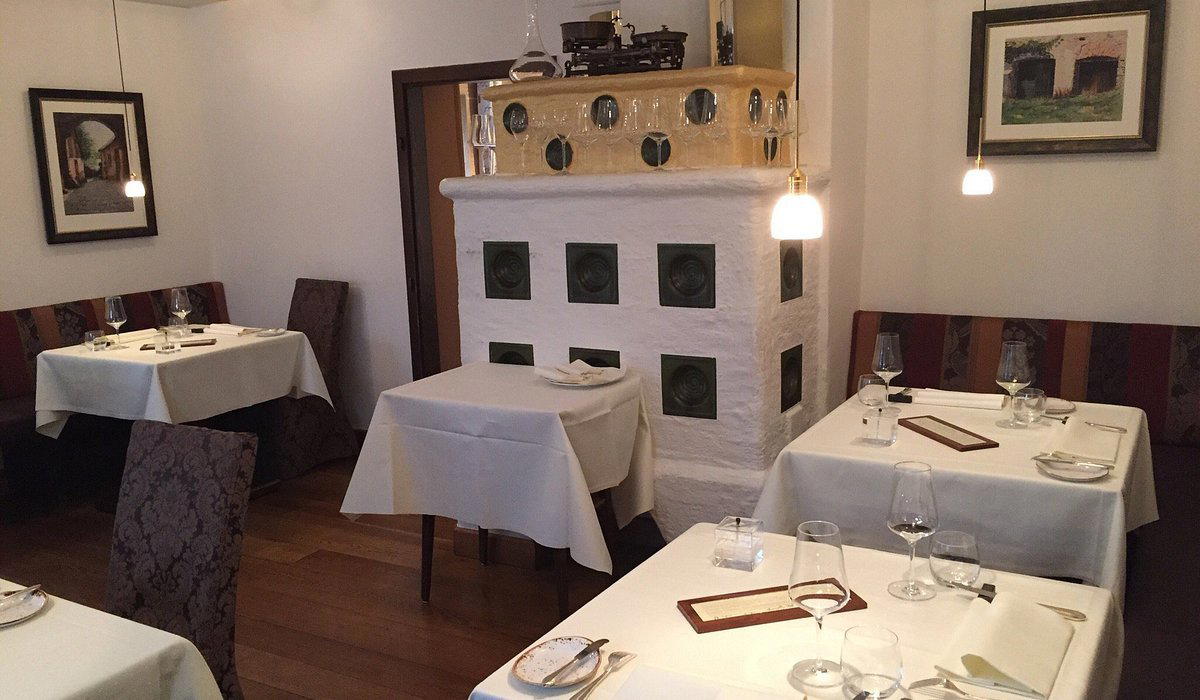
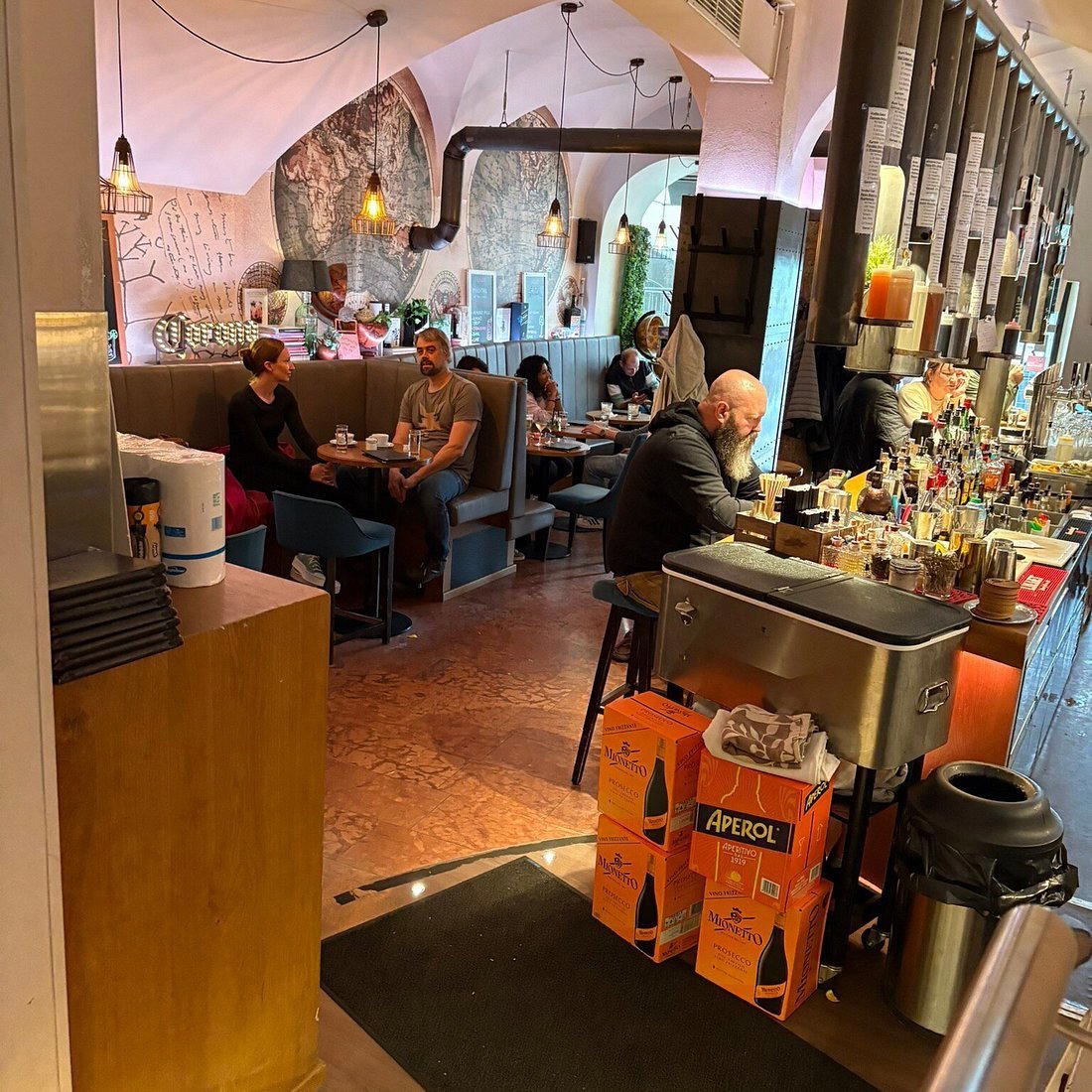
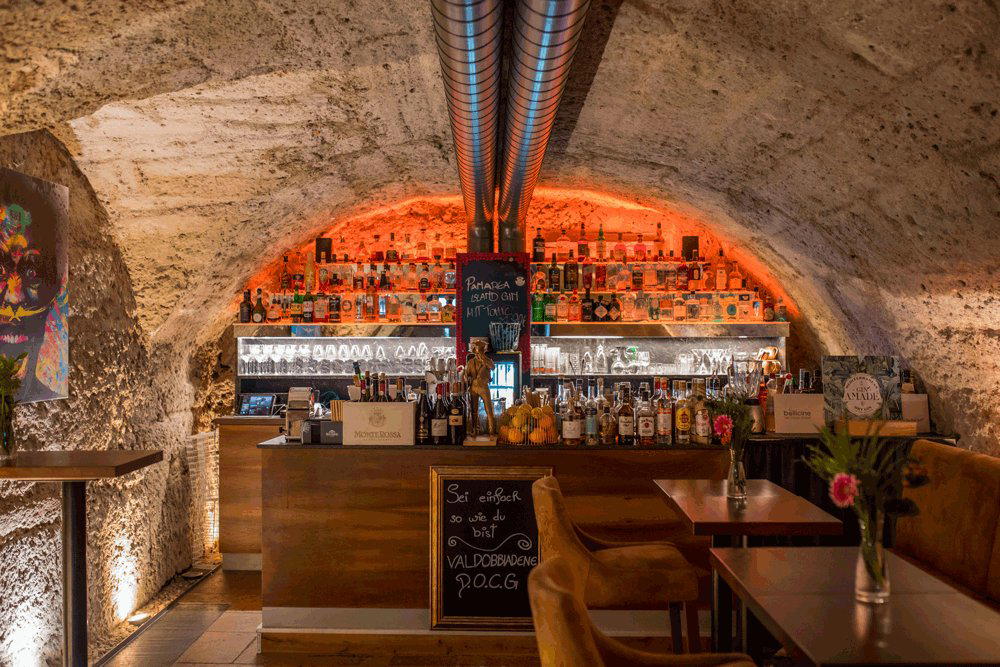
Waagplatz is one of those squares that Salzburg's Altstadt produces almost accidentally, compact, cobbled, and framed by baroque-era facades that make the surrounding streets feel like stage design rather than architecture. Arriving here from the Getreidegasse or crossing from the direction of the Rathaus, the square registers as a pause in the city's pedestrian energy rather than a destination in its own right. KOLLER+KOLLER am Waagplatz occupies that pause deliberately, at Waagpl. 2 in Salzburg, a restaurant serving traditional Austrian cuisine with international influences, where the physical environment does a significant portion of the work before a guest ever crosses the threshold.
Salzburg's dining scene has grown more stratified over the past decade. At the upper tier, venues like Ikarus at Hangar-7 operate on an international guest-chef rotation that positions the city within a global conversation, while Esszimmer and Pfefferschiff represent the Michelin-referenced end of creative Austrian cooking. Below that bracket, a smaller cluster of addresses serves the city's resident professional class, people who eat out regularly and expect consistency over spectacle. KOLLER+KOLLER reads as part of that second tier: a restaurant built around repeat visits rather than singular occasions, where the value proposition lies in the relationship between the room and the people running it.
The Logic of Collaboration in a Small Dining Room
The editorial angle on KOLLER+KOLLER is most legible when framed through the operational dynamic between kitchen, floor, and wine service. In smaller Austrian cities, this collaboration tends to define quality ceiling more reliably than any single element in isolation. A technically accomplished kitchen can be undermined by indifferent service; an expertly curated cellar loses its function without floor staff who can translate it to the table. The addresses that earn sustained local loyalty in cities of Salzburg's scale, around 155,000 residents, with a tourist population that peaks sharply during festival season, tend to be those where these three components operate as a single system rather than parallel departments.
This pattern is visible across Austria's serious dining addresses. Landhaus Bacher in Mautern an der Donau has sustained its reputation over decades through exactly this kind of integrated team culture, where front-of-house knowledge and kitchen ambition reinforce each other. Obauer in Werfen, less than an hour south of Salzburg, represents a family-driven model where the collaborative unit is the founding structure itself. KOLLER+KOLLER's positioning at Waagplatz 2 suggests a similar orientation: the name implies a founding partnership, and the address within the Altstadt implies a commitment to the city's resident dining culture over festival-season tourism.
Salzburg's Dining Context: What the City Rewards
Understanding KOLLER+KOLLER requires understanding what Salzburg rewards in its restaurants. The city draws an unusually culturally literate visitor base, partly because of the Mozarteum, partly because of the Festspiele, but its year-round dining economy depends on a smaller, more demanding local cohort. Tourists skew toward the Augustinerbräu and the Stiftskeller; residents with disposable income and food literacy gravitate toward the handful of addresses that treat Austrian culinary tradition as a living argument rather than a heritage product.
That argument plays out differently across the city's dining tiers. Senns works within a modernist Austrian register; The Glass Garden occupies a distinct creative lane. Within the broader Austrian context, the benchmark for what integrated team dining can achieve at the highest level remains Steirereck im Stadtpark in Vienna, where kitchen, floor, and cellar operate with a precision that most European fine dining houses use as a reference point. The gap between Steirereck and a well-run Altstadt address in Salzburg is not about ambition so much as scale and resource concentration, Vienna's population and its visitor base allow for a level of specialization that Salzburg's more intimate scene cannot sustain. What Salzburg's better restaurants offer instead is proximity: a tighter relationship between the team and the regular guest, where service adapts to individuals rather than to categories.
This same dynamic drives quality in the restaurants surrounding Salzburg's region. Döllerer in Golling an der Salzach has built its reputation on exactly this kind of team coherence, with a kitchen-and-floor relationship that extends to the selection and presentation of its Alpine-focused wine program. Further afield, addresses like Kräuterreich by Vitus Winkler in Sankt Veit im Pongau, Griggeler Stuba in Lech, and Gourmetrestaurant Tannenhof in Sankt Anton am Arlberg demonstrate how the Alpine region broadly has developed a fine dining sensibility that leans on producer relationships and service intelligence rather than metropolitan scale. Schwarzer Adler in Hall in Tirol and Restaurant 141 by Joachim Jaud in Mieming extend this pattern into Tyrol. Ois in Neufelden offers a counterpoint in Upper Austria, where a similarly collaborative model operates in an even smaller market. For a wider view of how these addresses fit into Salzburg's dining scene specifically, the EP Club Salzburg restaurants guide maps the full competitive set.
Practical Considerations for Visiting
Waagplatz 2 sits within the Altstadt's pedestrian zone, making it accessible on foot from most central accommodation and from the main rail and bus connections that serve the old town. Salzburg's festival calendar, the Salzburger Festspiele runs through July and August, with the Mozartwoche in January and Osterfestspiele in spring, compresses demand across all quality dining addresses during peak weeks, and any restaurant with local standing will see bookings fill accordingly. Visiting outside festival periods generally means more flexibility, though the city's proximity to Munich (roughly 90 minutes by direct train) keeps weekend demand active year-round. Checking availability directly and allowing at minimum a few days' notice during busy seasons is the prudent approach.
For readers whose frame of reference extends to international fine dining, the dynamics here differ meaningfully from the kind of high-production team sport visible at places like Le Bernardin in New York City or the kitchen-as-laboratory model of Atomix. KOLLER+KOLLER operates in a register where the team's relationship to the room and to the city matters more than brigade scale or innovation signal. That is not a limitation, it is the appropriate metric for what this kind of Altstadt address is built to do.
Quick Comparison
Comparable venues nearby, for context on price, style, and recognition.
| Venue | Cuisine | Price | Notes |
|---|---|---|---|
| KOLLER+KOLLER am WaagplatzThis venue — the venue you are viewing | Traditional Austrian with International Influences | $$$ | Not listed |
| M32 | Modern Austrian with Mediterranean Influences | $$$ | Linke Altstadt |
| Panorama | Traditional Austrian & International | $$$ | Salzachseen |
| Merkel & Merkel | Modern Austrian Fine Dining | $$$ | Hellbrunner Allee |
| Das Gablerbräu | Traditional Austrian Wirtshaus | $$ | Rechte Altstadt |
| Restaurant Zirbelzimmer | Austrian Fine Dining | $$$$ | Rechte Altstadt |
Recognition history
Dated appearances from independent guides and award organizations, with the underlying list record or original source where available.
Falstaff Restaurant - 88 Falstaff Points
Falstaff
At a Glance
- Classic
- Elegant
- Cozy
- Sophisticated
- Well Known
- Date Night
- Business Dinner
- Celebration
- Special Occasion
- Casual Hangout
- Historic Building
- Terrace
- Standalone
- Private Dining
- Extensive Wine List
- Local Sourcing
- Street Scene
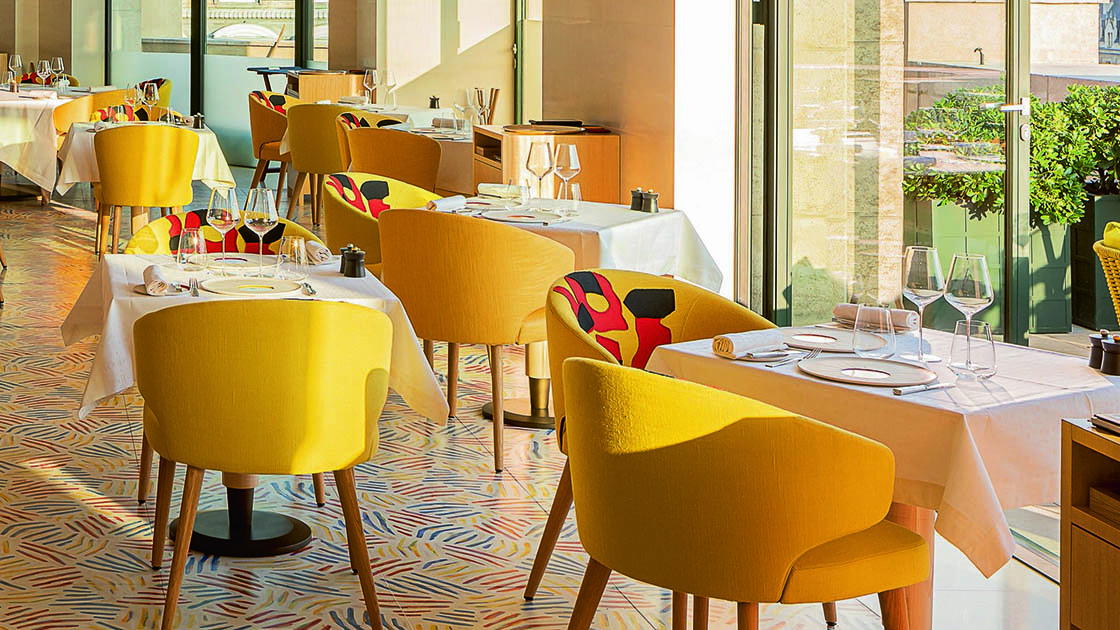
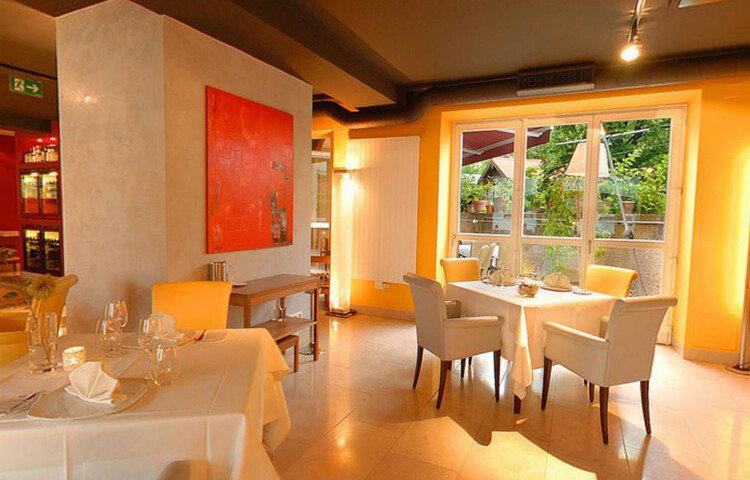
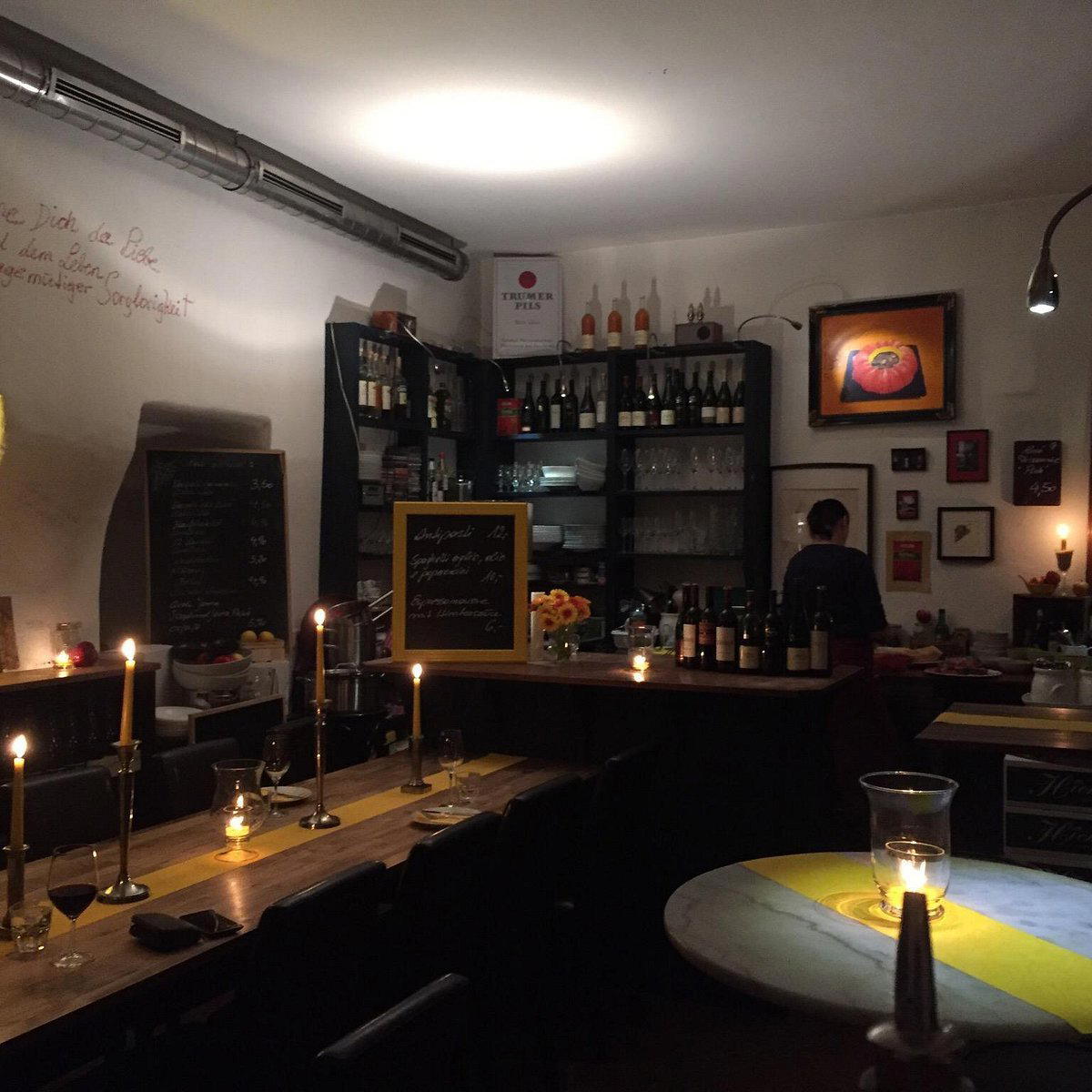
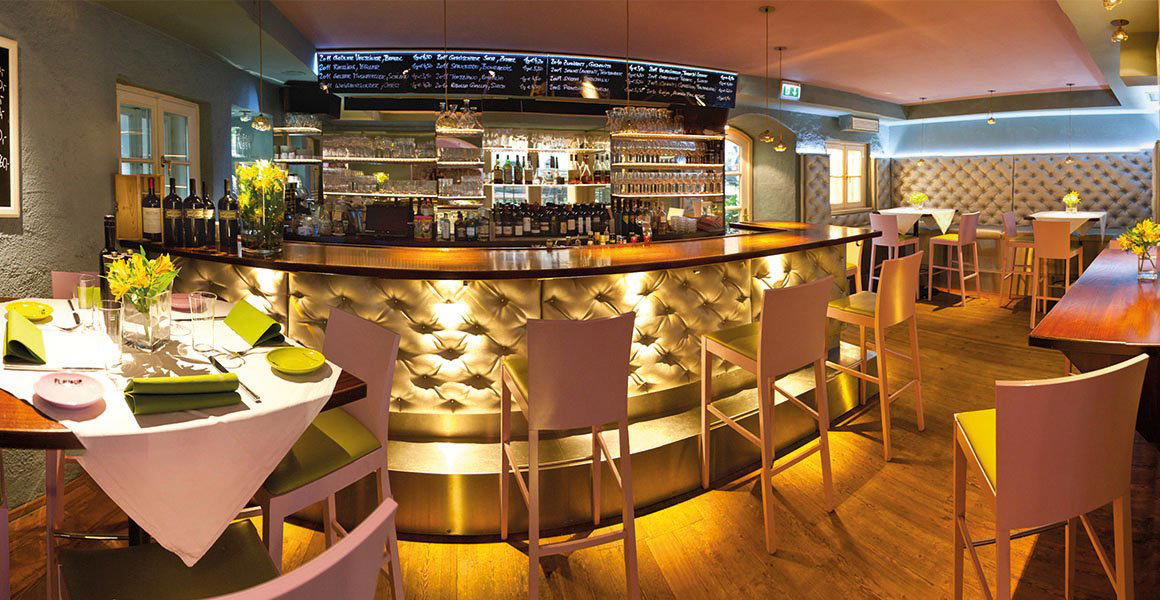
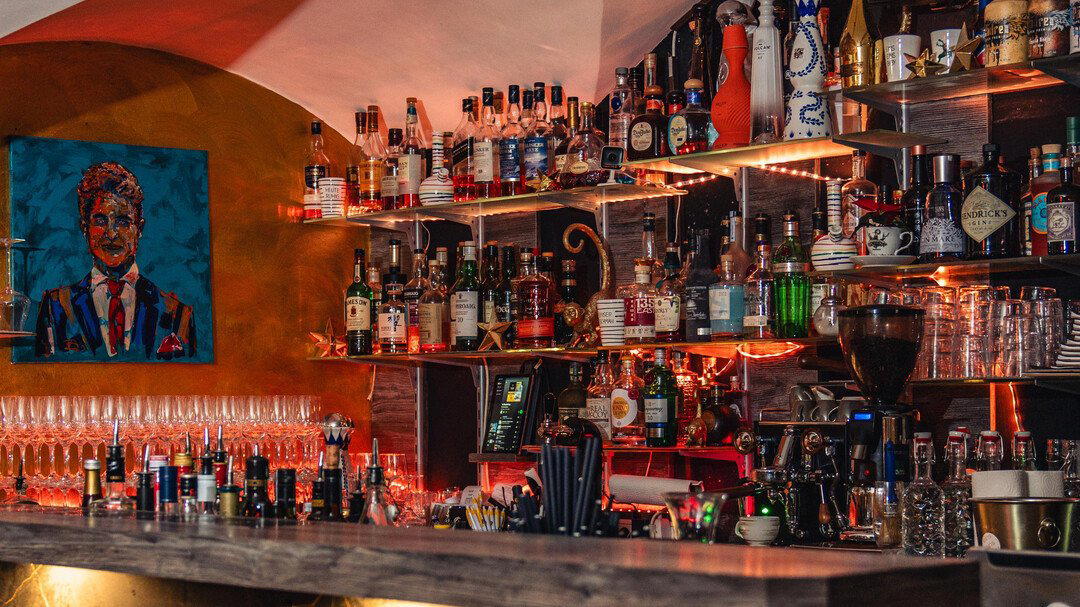
Warm, stylish and exclusive, with candlelit dining rooms, wood paneling and a historic-building atmosphere.