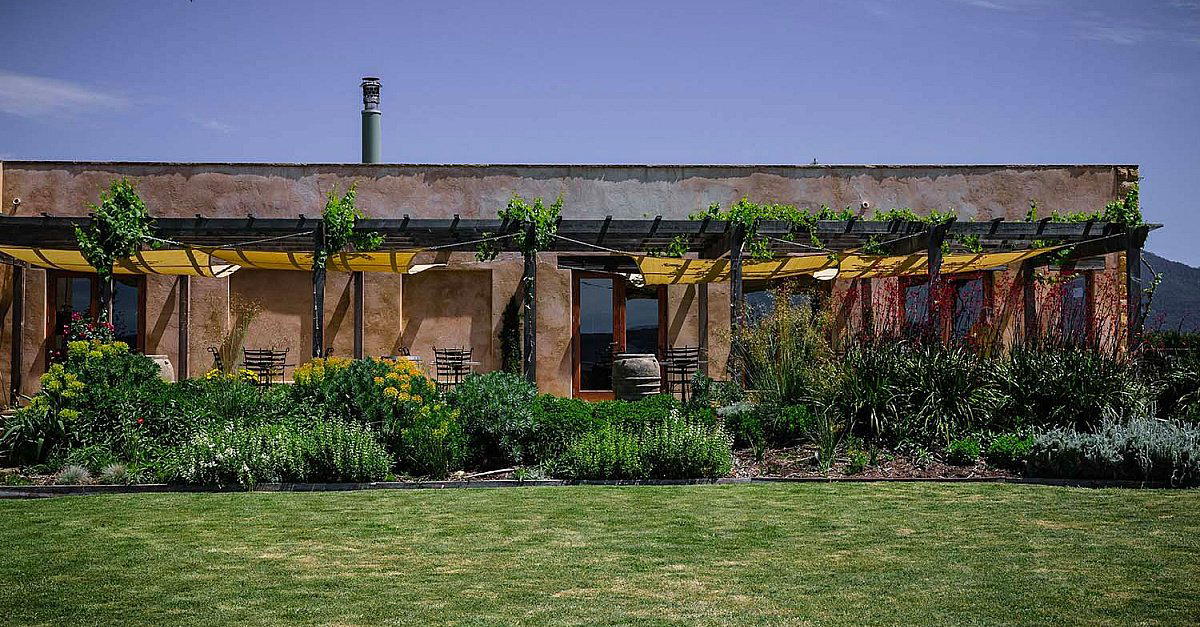
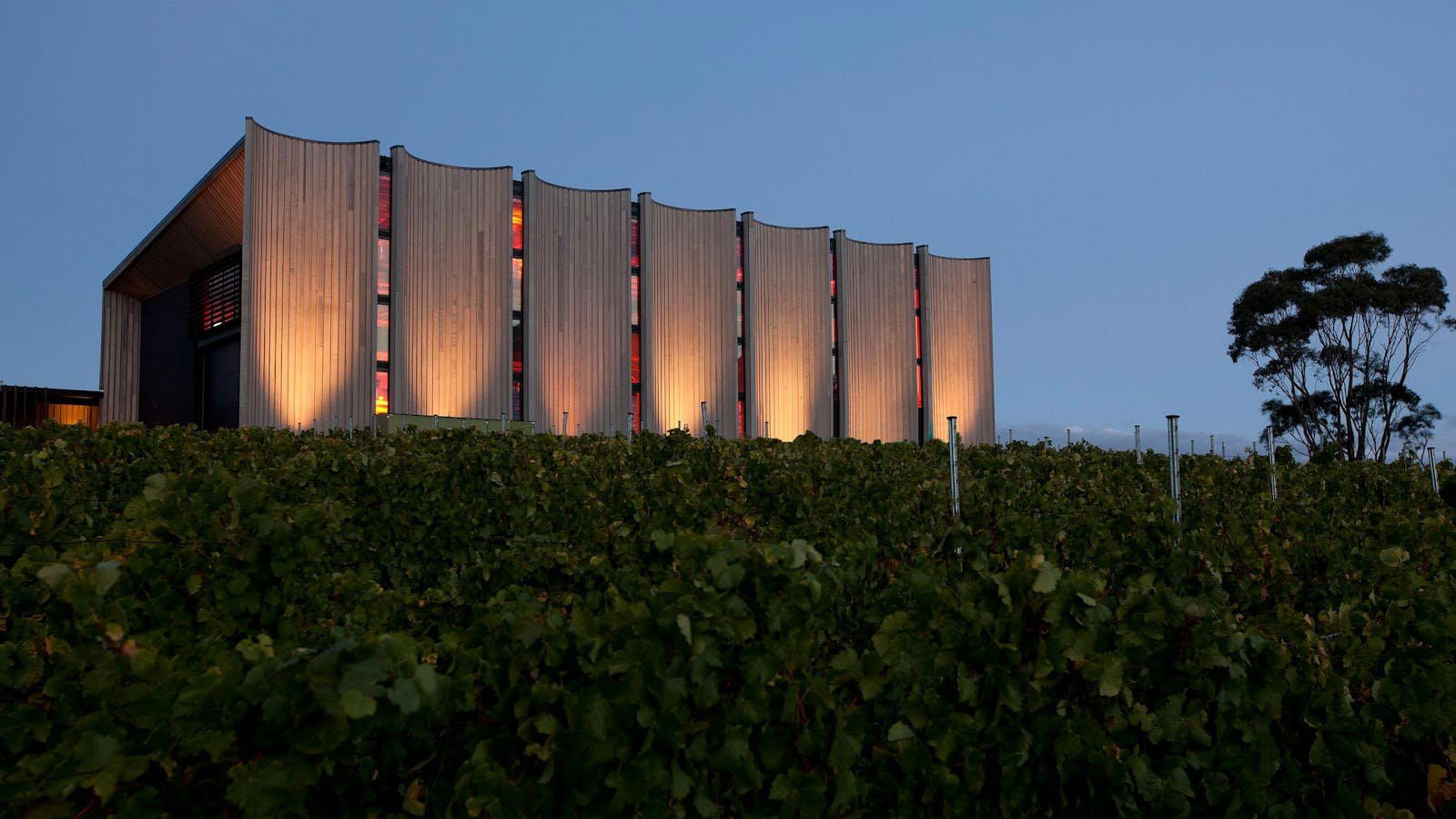
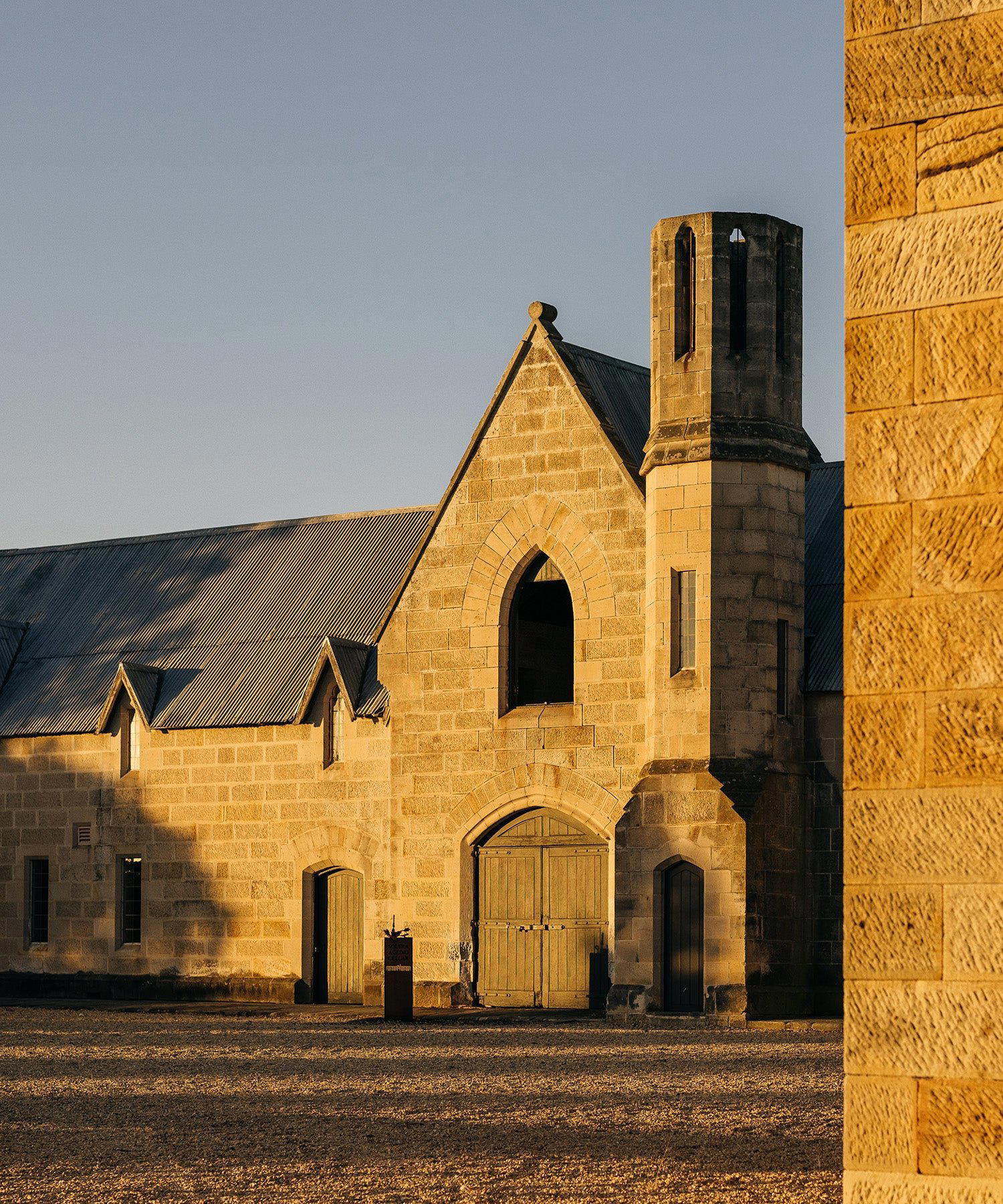
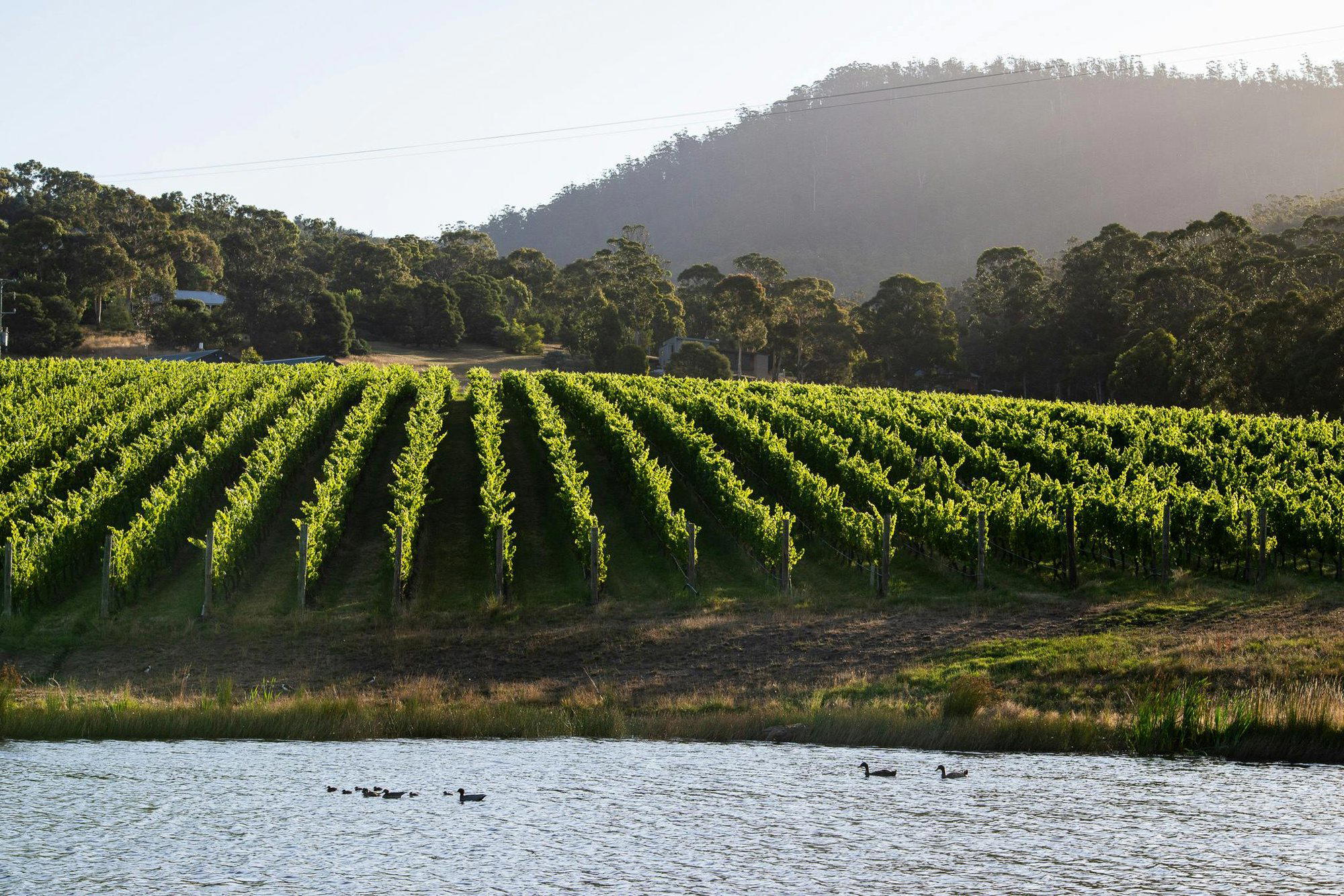
Stefano Lubiana Wines sits on a biodynamic estate in Granton, on the Derwent Valley floor north of Hobart, where the winery and restaurant operate as a single agricultural system. The table here is inseparable from the land surrounding it: what grows on the property shapes what arrives on the plate, placing it in the serious company of Australia's estate-driven dining addresses.
Pearl is the En Primeur Club membership app — saves, bookings, and concierge access live there. Same editors, same standards.
- Address
- 60 Rowbottoms Rd, Granton TAS 7030, Australia
- Phone
- +61434821118
- Website
- slw.com.au
- Directions
- Get directions
 Saves & bookings on Pearl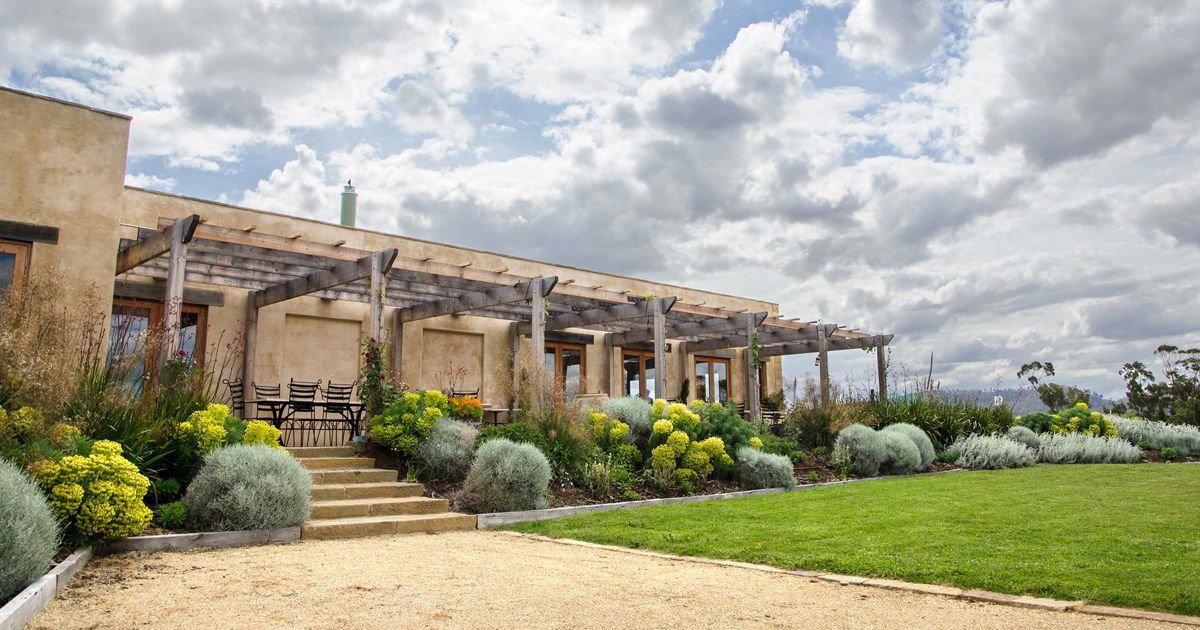
A Derwent Valley Estate Where the Plate and the Paddock Are the Same Thing
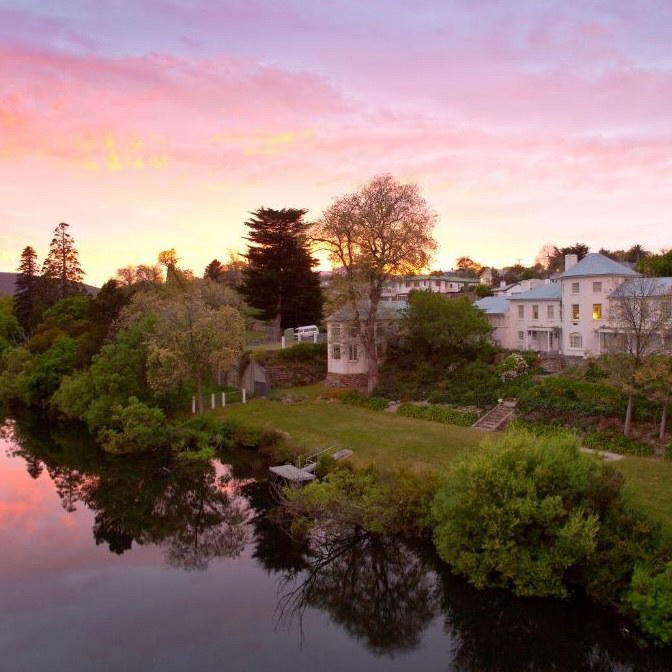
The drive north from Hobart along the Derwent River takes you through a stretch of Tasmania that most visitors pass without stopping. The valley floor here is wide and cool, the light flat and clear in the way that marks southern latitudes, and the properties along Rowbottoms Road carry the quiet authority of working land. Stefano Lubiana Wines occupies that territory at 60 Rowbottoms Rd, Granton, and arriving on the estate makes the logic of the place immediately apparent: the vines, the kitchen garden, and the dining room exist within the same boundary fence, connected by the same soil.
This is the context that matters before anything else. In Australian dining, the gap between sourcing language and sourcing practice is wide. Menus across the country reference provenance, locality, and seasonality as marketing positions. The relatively small number of operations that actually close that gap, where the kitchen sources from the estate it sits on and the winemaker and the cook answer to the same piece of ground, belong to a distinct and serious category. Stefano Lubiana operates by the same discipline, and the Derwent Valley's cool-climate conditions give it a terroir argument that neither of those comparators can make.
What Biodynamic Farming Means for What Arrives at the Table
The estate operates on biodynamic principles, which is relevant here not as a certification point but as a practical description of how the land is managed. Biodynamic viticulture treats the property as a closed ecological system: soil health, composting cycles, cover crops, and the avoidance of synthetic inputs are not optional practices but structural commitments. The consequences for flavour are debated in wine circles, but the consequences for ingredient quality are less contested. Land farmed this way over time tends to produce more complex, mineral-inflected produce, and the Derwent Valley's basalt and clay soils reward that kind of careful management.
For the dining experience, the practical upshot is that the kitchen garden and the estate supply a proportion of what appears on the plate that would be difficult to match through conventional supplier relationships. Vegetables, herbs, and fruit grown at this latitude, harvested at the moment of use, carry a concentration that chilled distribution chains reduce. That is not sentiment; it is the logistical difference between an estate kitchen and a restaurant buying from a produce market. Operations like Rockpool in Sydney have built reputations on notable sourcing relationships with external producers. The Lubiana model is structurally different: the sourcing relationship is with the estate itself.
Tasmania's Position in Australian Wine and Dining
Tasmania's wine industry has grown into one of Australia's most credible cool-climate regions over the past two decades, with Pinot Noir and sparkling wine as its signature expressions. The island's latitude, diurnal temperature range, and clean maritime air produce wines with an acidity profile and aromatic delicacy that the mainland's warmer regions cannot replicate. The Derwent Valley is one of several distinct subregions within Tasmania, and its position further inland gives it slightly different conditions from the Coal River Valley or the Huon Valley, with a continental edge to the cool climate that suits earlier-ripening varieties.
Within that context, Stefano Lubiana sits at the premium end of Derwent Valley production, with a history of sparkling wine and Pinot Noir releases that have drawn comparison with serious Burgundian and Champagne benchmarks. The wine and the food here operate as a paired argument for a specific piece of Tasmanian ground, which is a more coherent hospitality proposition than most wine estates in Australia manage to articulate. The Lubiana approach belongs to that tradition.
Granton as a Destination and How to Plan Around It
Granton is roughly 20 kilometres north of Hobart, a direct drive up the Brooker Highway along the river. It is not a dining precinct in any conventional sense: the estate sits in agricultural land, and the experience here is deliberately removed from the urban restaurant circuit. That distance is the point. The ideal way to approach Stefano Lubiana is as a half-day or full-day excursion from Hobart, combining the estate visit with time on the property rather than treating it as a meal stop between other commitments.
Given the estate's position in Tasmanian wine culture and the limited capacity that any working-farm dining room implies, booking ahead is advisable. Tasmania's dining calendar tightens considerably over the summer months from December through February, when the island draws visitors from the mainland and internationally, and estate experiences in that period fill well in advance. Planning around shoulder season, particularly March through May when the harvest period adds additional character to an estate visit, typically allows more flexibility.
Where Stefano Lubiana Sits in the Wider Australian Dining Conversation
The estate-driven dining model has a small but coherent cohort in Australia. Beyond Brae and Attica, the broader context includes producers across Tasmania and Victoria who have moved toward integrated farm-and-table formats. At the fine-dining end of the Australian spectrum, addresses like Rockpool and international reference points such as Le Bernardin in New York City or Atomix represent the formal tasting-menu tier where ingredient sourcing is expressed through technique. The Lubiana proposition is different in register: less urban, less formal, but making a sourcing argument that those city-based addresses cannot make, because the argument depends on standing on the land itself.
That positioning is worth understanding before you visit. This is not a restaurant that competes with Hobart's urban dining scene, where options range across styles and price points. It is an estate experience where the wine, the land, and the table are intended to be read together. Visitors who approach it on those terms, as a specific kind of encounter with a piece of cool-climate Tasmanian agriculture, will find the experience coherent in a way that few Australian wine estate visits manage.
For context on the range of Australian dining options that share some of this sourcing ambition, Carlton Wine Rooms in Carlton, Akasiro in Collingwood, Bar Carolina in South Yarra, Barry Cafe in Northcote, Bayly's Bistro in Kirribilli, bills in Bondi Beach, Hungry Wolfs Italian Restaurant in Newcastle, Jaani Street Food in Ballarat, Johnny Bird in Crows Nest, Kulcha Restaurant Wollongong, Lenzerheide Restaurant in Adelaide, and El Loco at Excelsior in Surry Hills.
Comparable Spots, Quickly
Comparable venues nearby, for context on price, style, and recognition.
| Venue | Cuisine | Price | Notes |
|---|---|---|---|
| Stefano Lubiana WinesThis venue — the venue you are viewing | Rustic Italian Osteria | $$$$ | Not listed |
| Bar Bruno | All-day Italian osteria | $$$ | Sydney CBD |
| Mariners | Modern Australian Seafood | $$$$ | Marina Village |
| Boccabona | Italian Pasta Restaurant | $$ | Ocean Grove |
| Bar Monte | Modern neighbourhood Italian | $$ | Newstead |
| Automata | Modern Australian Fine Dining | $$$$ | Chippendale |
Continue exploring
More in Granton
Restaurants in Granton
Browse all →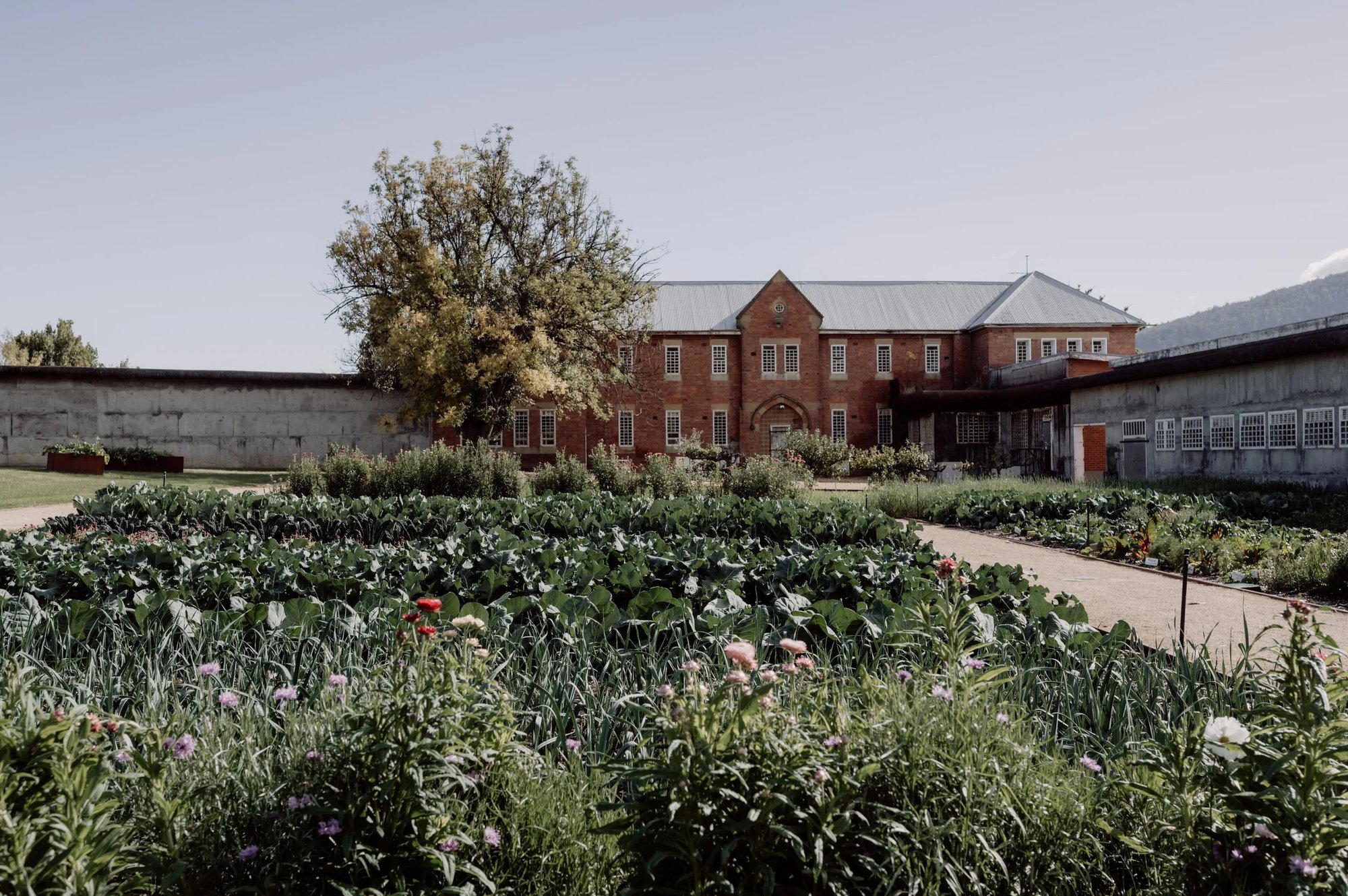
Bars in Granton
Browse all →
Hotels in Granton
Browse all →
At a Glance
- Rustic
- Elegant
- Scenic
- Intimate
- Special Occasion
- Date Night
- Wine Cellar
- Extensive Wine List
- Farm To Table
- Organic
- Biodynamic
- Local Sourcing
- Vineyard
- Waterfront
Mediterranean-style overlooking the River Derwent estuary with a rustic, relaxed atmosphere.