Stedsans
Stedsans occupies a particular position in Copenhagen's dining scene: rooted in the New Nordic ethos of seasonality and locality without the tasting-menu formality of the city's Michelin tier. Located in the Østerbro district at Æbeløgade 4, it draws a crowd that wants the principles without the ceremony. The gap between its lunch and dinner service reveals how a single kitchen can serve two quite different audiences.
- Address
- Æbeløgade 4, 2100 København, Denmark
- Directions
- Get directions
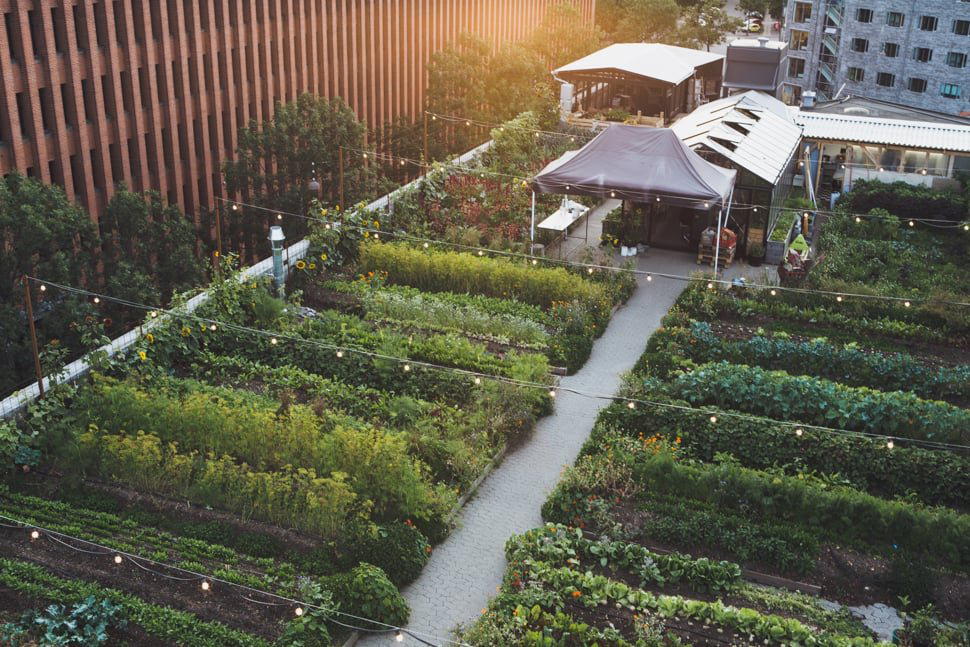
Where Copenhagen's Seasonal Dining Loses the Formality
Copenhagen has spent two decades building a reputation as a city where the sourcing calendar matters more than the classical canon. The restaurants that shaped that reputation, Geranium, Noma, Alchemist, operate at a level of ceremony and price that makes them occasion dining for most people. Below that tier, a different kind of restaurant has always existed: places that apply the same philosophical framework to produce, season, and locality, but without the white tablecloths and the sommeliers who know the biodynamic farmer by first name. Stedsans is a permanently closed restaurant at Æbeløgade 4 in Copenhagen, with a smart casual dress code, essential reservations, and an approximate price of $100 per person. Stedsans, at Æbeløgade 4 in Østerbro, works in that middle register. The name translates roughly from Danish as a sense of place, and that orientation, toward the local, the seasonal, the simply prepared, runs through both its lunch and dinner services, though the two experiences are not the same thing.
The Physical Setting: Østerbro's Quieter Register
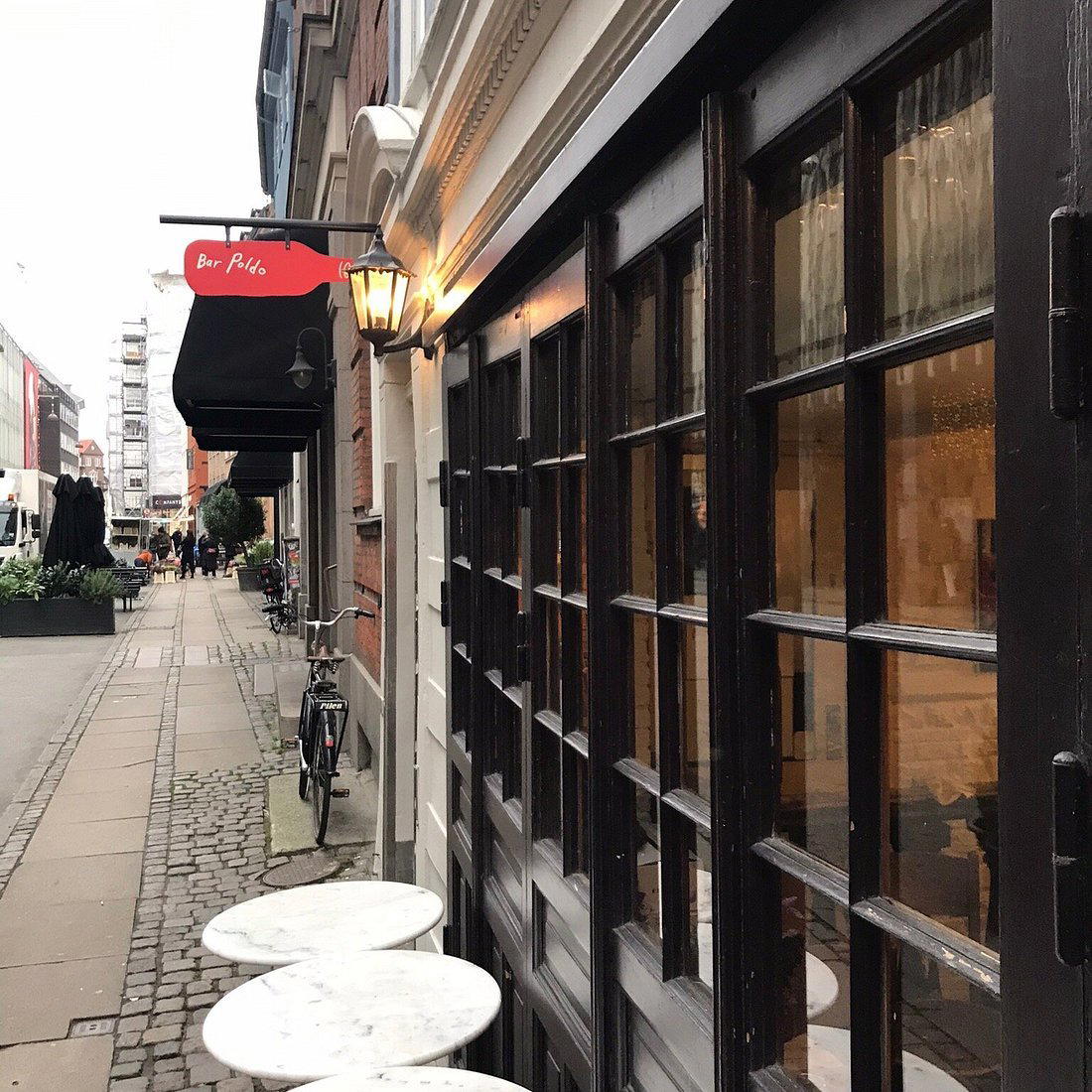
Østerbro sits north of the city centre, a residential district that lacks Nørrebro's counterculture edge and Vesterbro's design-hotel density. It is, in that sense, a neighbourhood that asks a restaurant to stand on its cooking rather than its postcode. The address at Æbeløgade 4 places Stedsans away from the concentrated tourist circuits, which shapes who walks through the door. The clientele skews local: Østerbro residents, professionals from nearby offices, and the kind of food-attentive visitor who has already done the headline restaurants and is looking for something less produced. For Copenhagen's dining scene more broadly, venues in this district function as a useful counterpoint to the Michelin-dense inner city represented by places like Kadeau and Koan.
The Lunch vs. Dinner Divide
The sharpest way to read a restaurant operating in this register is to observe how it differentiates its daytime and evening services. Lunch in Copenhagen's mid-tier seasonal restaurants tends to follow a more open, casual format: shorter menus, lighter preparations, faster table turns, and a price point that allows the kitchen to serve a working-day crowd. Dinner shifts the same kitchen toward something more considered, longer in duration, more structured in sequence, and priced accordingly. Stedsans runs on that logic. Lunch here is where the seasonal sourcing philosophy is most accessible, both in price and in posture. A midday visit carries none of the weight of an occasion dinner; you come, you eat well from what's available and in season, and you leave without the full apparatus of an evening commitment. The dinner service is a different proposition: the same ingredients, the same kitchen ethos, but more depth, more courses, and the expectation that you are there to sit with it rather than pass through.
This split is not a compromise, it is actually how the New Nordic tradition scales down from its Michelin expression. Restaurants like Jordnær in Gentofte and Frederikshøj in Aarhus sit at the formal end of that spectrum, where even lunch carries tasting-menu architecture. Stedsans operates further down that formality axis, which gives it a different kind of utility. It is the restaurant you return to more than once in a trip because the barrier to entry, logistical, financial, social, is lower.
Seasonal Sourcing in Practice
The New Nordic framework that Stedsans works within is now well documented across Denmark's restaurant circuit. From Henne Kirkeby Kro in Henne to Dragsholm Slot Gourmet in Hørve, the principle is consistent: the menu is determined by what is available from the surrounding region, and the cooking is shaped around preserving, fermenting, or otherwise working with that produce rather than importing around its limitations. What varies between venues is how much that philosophy is displayed versus inhabited. At the high end, the sourcing becomes part of the service narrative, guests are told the farm name, the harvest week, the forager. At Stedsans, the philosophy is present but not performed. The food reflects where it comes from without needing to explain itself in detail at every course. That restraint, in the Copenhagen context, reads as confidence rather than omission.
For visitors building a wider Denmark itinerary, this approach connects Stedsans to a broader network of regional producers and kitchen cultures that extends from Alimentum in Aalborg to ARO in Odense and LYST in Vejle. The commitment to Danish produce is not a marketing position in this circuit, it is the operating logic.
Where It Sits in the Copenhagen comparable set
The relevant comparison for Stedsans is not the Michelin tier. Geranium, Alchemist, and Koan occupy a different competitive set: three-star destinations where the price per head is a significant commitment and the format is fixed well in advance. Stedsans competes, if that is the right word, with the restaurants that Copenhagen's own residents use for regular, quality-driven eating. In that cohort, the key signals are: seasonal menu rotation, local sourcing credibility, a format that works for both lunch and dinner, and a price point that permits repeat visits. Against those criteria, it holds a coherent position.
The broader Danish scene offers useful calibration points beyond Copenhagen. Frederiksminde in Præstø, Domæne in Herning, and MOTA in Nykøbing Sjælland each apply regional sourcing logic to local audiences in ways that parallel Stedsans, but outside the capital's dining density.
Cuisine-First Comparison
Comparable venues nearby, for context on price, style, and recognition.
| Venue | Cuisine | Price | Notes |
|---|---|---|---|
| StedsansThis venue — the venue you are viewing | Clean, Simple, Local Nordic Farm-to-Table | $$$$ | Not listed |
| Frederiks Have | Modern Danish Nordic Fine Dining | $$$ | Frederiksberg |
| Restaurant Tight | Nordic with International Influences | $$ | Indre By |
| 1105 Copenhagen | Cocktail Bar | $$ | Indre By |
| Closed | New Nordic | $$$$ | Indre By |
| MASH Frederiksberg | Modern American Steakhouse | $$$$ | Frederiksberg |
Continue exploring
More in Copenhagen
Restaurants in Copenhagen
Browse all →
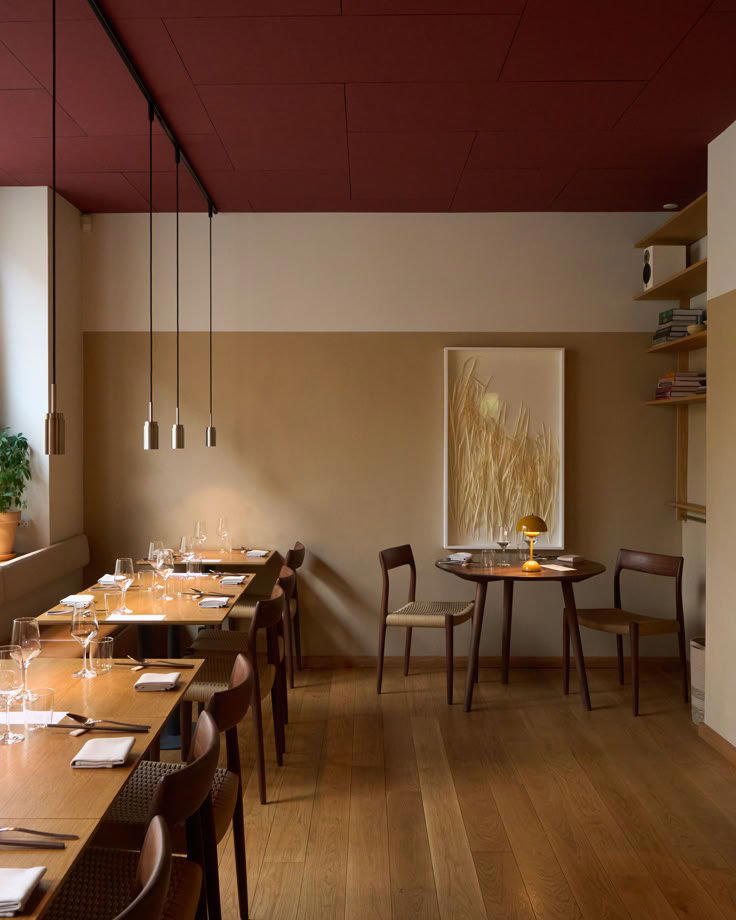
Bars in Copenhagen
Browse all →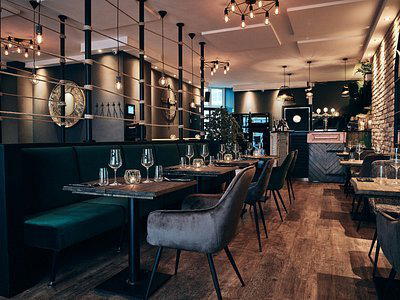
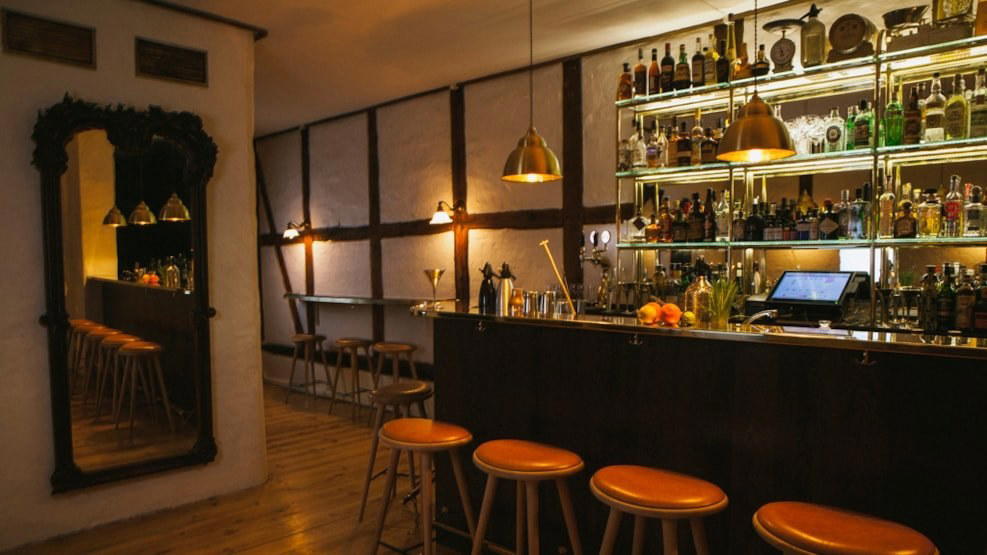
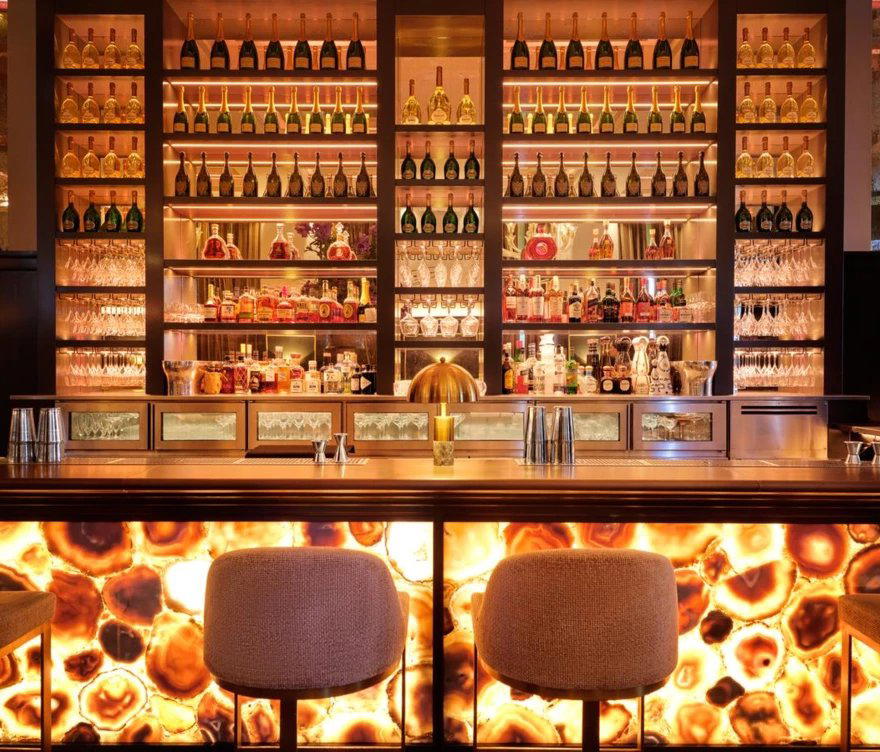


At a Glance
- Rustic
- Cozy
- Scenic
- Modern
- Special Occasion
- Rooftop
- Garden
- Open Kitchen
- Natural Wine
- Farm To Table
- Organic
- Local Sourcing
- Skyline
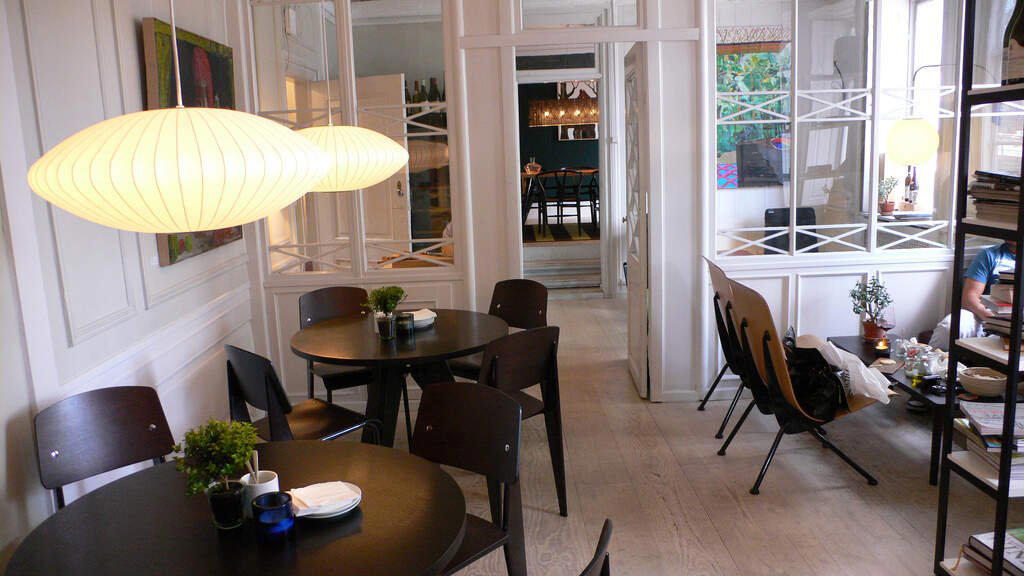
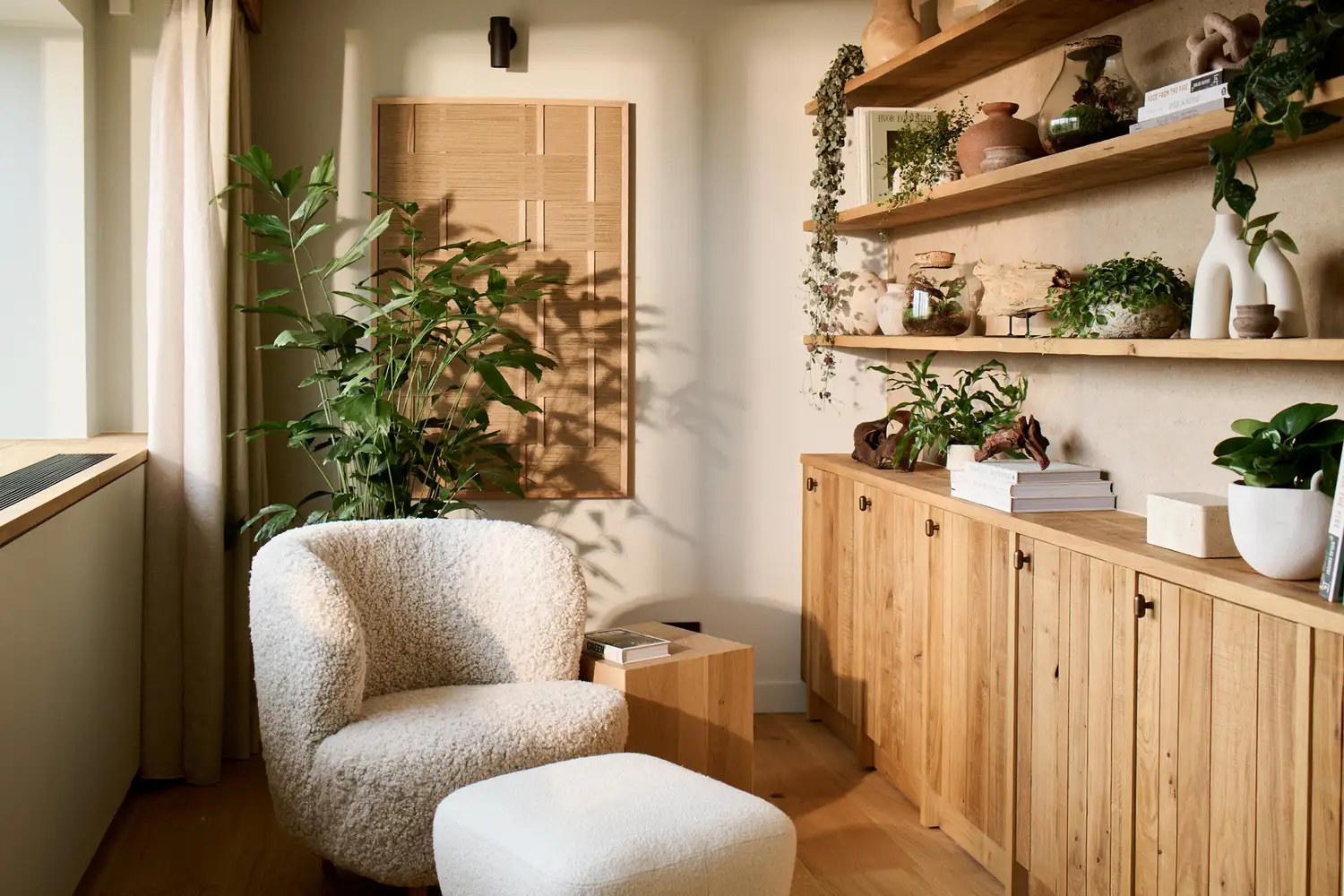
Green oasis atmosphere with natural light in a greenhouse surrounded by rooftop garden, creating a magical and hip dining experience.