Closed
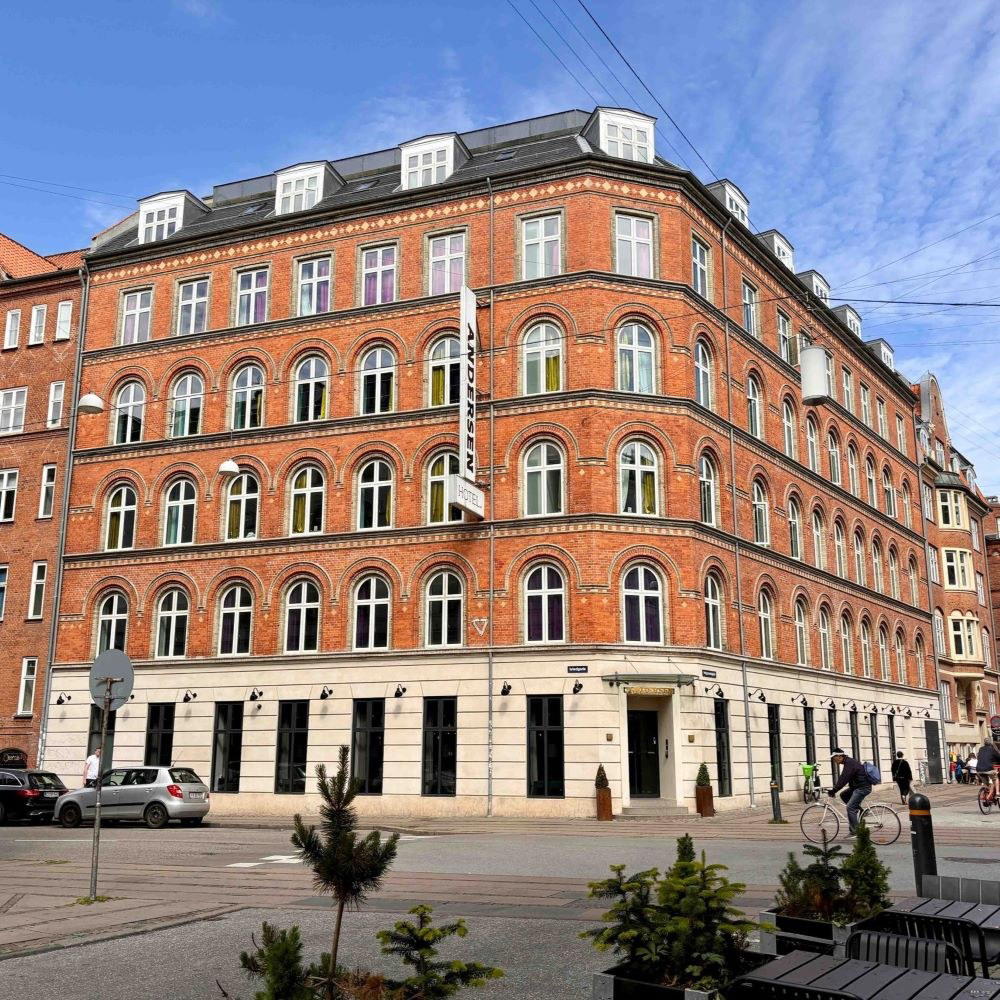
The address at Hammerichsgade 1 in Copenhagen's city centre marks a venue that has closed, sitting within one of Europe's most competitive fine-dining scenes. Copenhagen's New Nordic movement produced a generation of restaurants that redefined Scandinavian cuisine globally, and understanding where this address fits requires reading the broader scene rather than a single table.
Pearl is the En Primeur Club membership app — saves, bookings, and concierge access live there. Same editors, same standards.
- Address
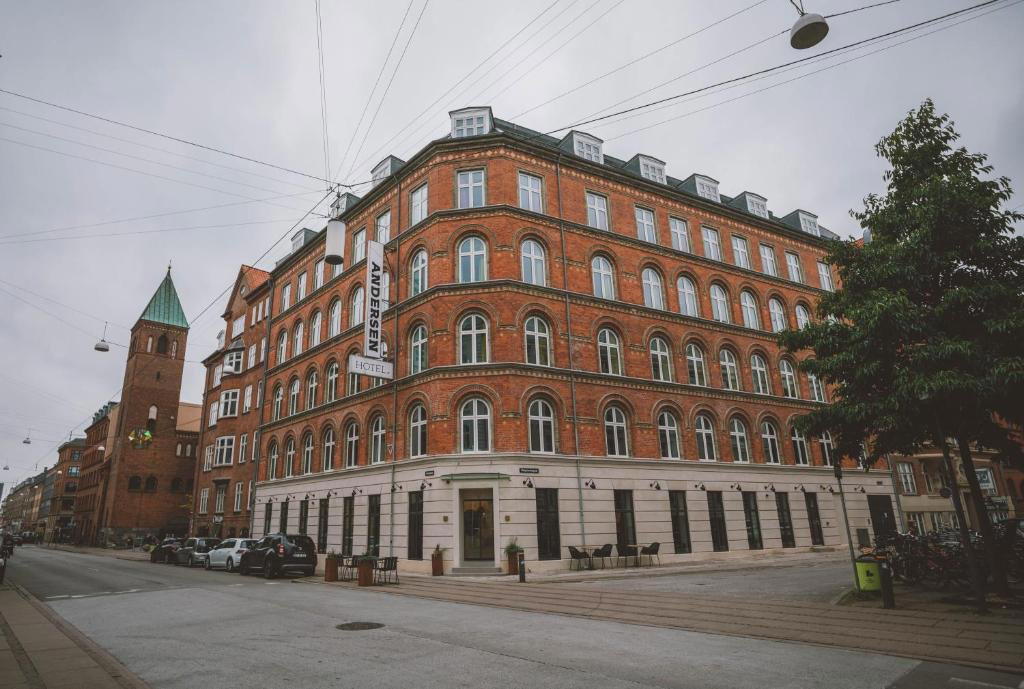
- Hammerichsgade 1, 1611 København, Denmark
- Phone
- +45 33 42 60 00
- Website
- radissonhotels.com
- Directions
- Get directions
 Saves & bookings on Pearl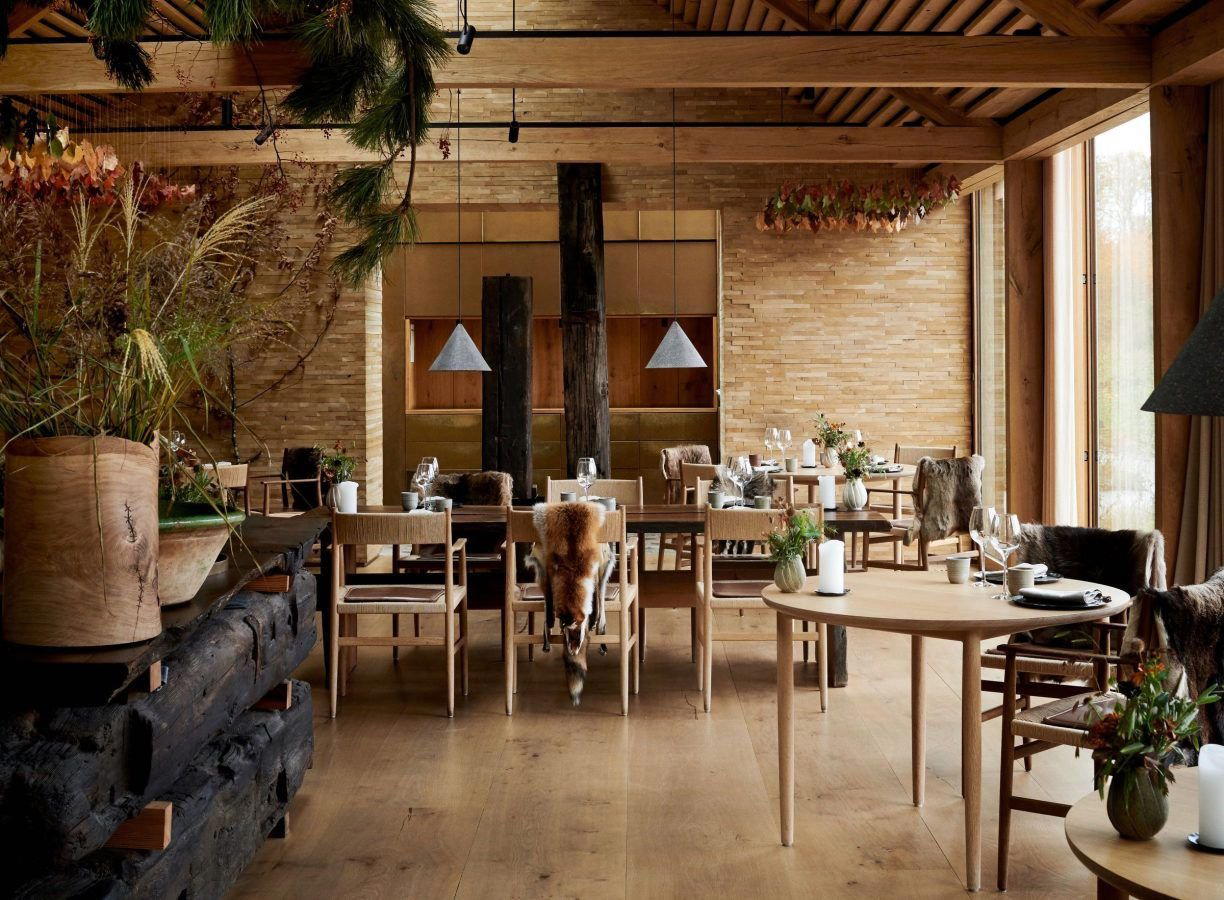
An Address in One of Europe's Most Demanding Dining Cities
Copenhagen operates at a level of fine-dining density that few European capitals can match. The city that gave the world the New Nordic movement, and which saw Noma reshape how chefs worldwide think about foraged ingredients and regional identity, has spent two decades building and rebuilding a competitive tier that includes particularly scrutinised restaurants on the planet. Hammerichsgade 1, in the heart of the city's commercial district, sits within walking distance of that concentrated scene.
The address itself places this venue near Copenhagen's cultural and civic core, a neighbourhood where the physical proximity of theatres, government buildings, and hotels has historically made restaurants function as much as professional dining rooms as they have as destination venues in their own right. That context matters: the clientele, the rhythm of service, and the expectations at the table differ meaningfully from Copenhagen's more residential dining pockets like Vesterbro or Nørrebro.
What Copenhagen's Fine-Dining Scene Demands
To understand any venue in Copenhagen's upper tier, it helps to understand what that tier now looks like. Geranium, which holds three Michelin stars and topped the World's 50 Best list in 2022, sets one kind of benchmark: technically rigorous, ingredient-led, with a fixed tasting menu format and a booking window that stretches months ahead. Alchemist occupies a different position, with two Michelin stars and a theatrical multi-course format that positions the restaurant at the progressive end of the creative spectrum. Koan blends New Nordic technique with kaiseki philosophy, while Kadeau draws its identity from Bornholm's island produce and preserving traditions.
Each of these restaurants answers a specific question about what Scandinavian cuisine means in 2024. The question for any venue in this market is which version of that answer it offers and whether its execution is credible enough to compete against peers with deep press histories and established booking demand.
New Nordic as Cultural Context, Not Just Culinary Category
The term New Nordic has become so widely used that it risks losing meaning, but its original premise was precise: cooking rooted in the specific geography, season, and preservation techniques of the Nordic region, with foraging, fermentation, and salt-curing as structural methods rather than decorative gestures. René Redzepi's articulation of this at Noma from 2003 onwards gave it a manifesto. What followed was a generation of Danish chefs who absorbed those principles and then diverged, some doubling down on hyper-locality, others grafting New Nordic logic onto Japanese or Mediterranean frameworks.
The cultural weight of this tradition means diners arrive with reference points. A restaurant operating in this city's fine-dining tier is always implicitly in conversation with that history, whether it acknowledges it or not. Venues that ignore it tend to feel decontextualised; those that engage with it seriously, even critically, tend to earn more durable critical attention.
Beyond Copenhagen itself, Denmark's fine-dining scene has expanded geographically. Jordnær in Gentofte holds three Michelin stars just north of the city. Further afield, Frederikshøj in Aarhus, Henne Kirkeby Kro in Henne, Frederiksminde in Præstø, Ti Trin Ned in Fredericia, Dragsholm Slot Gourmet in Hørve, LYST in Vejle, Tri in Agger, Pearl by Paul Proffitt in Kruså, and Syttende in Sønderborg all demonstrate that serious Nordic cooking is no longer confined to the capital. This geographic spread reflects how deeply the culinary culture has taken hold across the country.
How Copenhagen Compares Internationally
The global frame is worth stating directly. Copenhagen sits alongside Tokyo, Paris, New York, and San Francisco as one of a small number of cities where the concentration of technically ambitious restaurants is high enough to shape international dining conversation. Le Bernardin in New York City and Lazy Bear in San Francisco represent the kind of category-defining venues that anchor their respective scenes; Copenhagen has produced multiple equivalents, and the city's Michelin tally reflects that.
That density creates real competitive pressure. A restaurant at Hammerichsgade 1 operates in a market where diners have strong alternatives at every price point and where press coverage is concentrated on a handful of flagship names. The structural conditions favour venues with clear identity, consistent execution, and either strong word-of-mouth or established award recognition.
Planning a Copenhagen Dining Visit
For travellers building a Copenhagen itinerary around food, the city rewards advance planning more than almost any other European destination.
For a broader view of what Copenhagen's dining scene currently offers across categories and price points, the EP Club Copenhagen restaurants guide maps the full range from neighbourhood naturals to the multi-starred tasting-menu tier.
Price and Positioning
Comparable venues nearby, for context on price, style, and recognition.
| Venue | Cuisine | Price | Notes |
|---|---|---|---|
| ClosedThis venue — the venue you are viewing | Indre By, New Nordic | $$$$ | Not listed |
| Kokkeriet | Indre By, Modern Danish Fine Dining | $$$$ | Not listed |
| Alle Tiders | Not listed | $$ | Vesterbro-Kongens Enghave, Modern Danish Cafeteria |
| Brønnum | Indre By, Cocktail Bar | $$ | Not listed |
| Blume | Indre By, Cocktail Bar | $$ | Not listed |
| Cafe Valkenborg | Indre By, Traditional Danish Smørrebrød | $$ | Not listed |
Continue exploring
More in Copenhagen
Restaurants in Copenhagen
Browse all →
Bars in Copenhagen
Browse all →

At a Glance
- Elegant
- Modern
- Intimate
- Scenic
- Special Occasion
- Open Kitchen
- Extensive Wine List
- Local Sourcing
- Waterfront
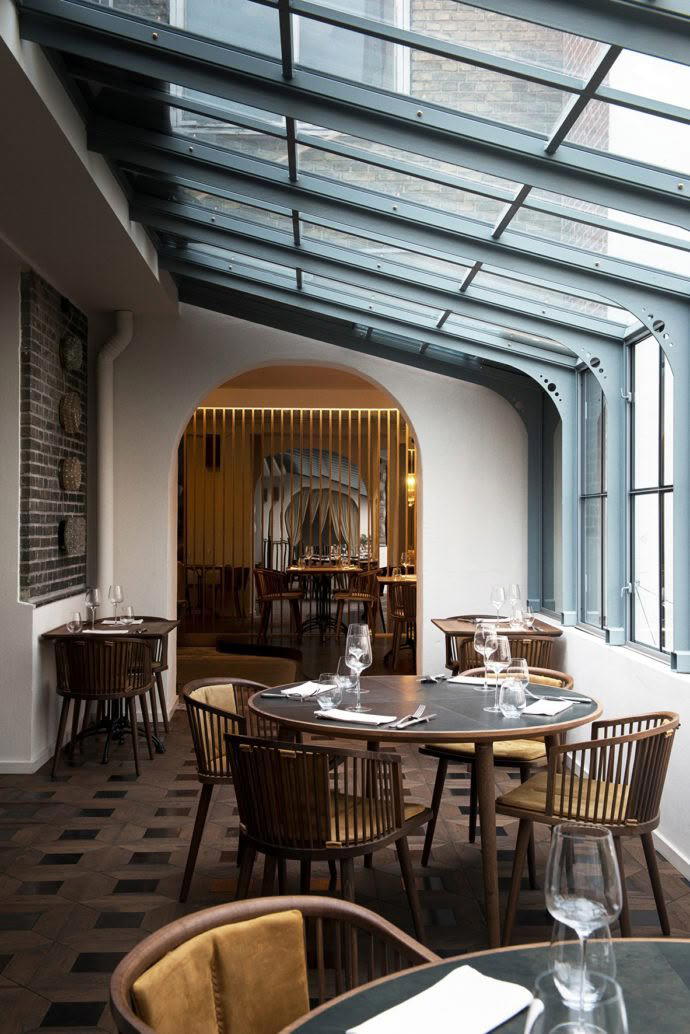
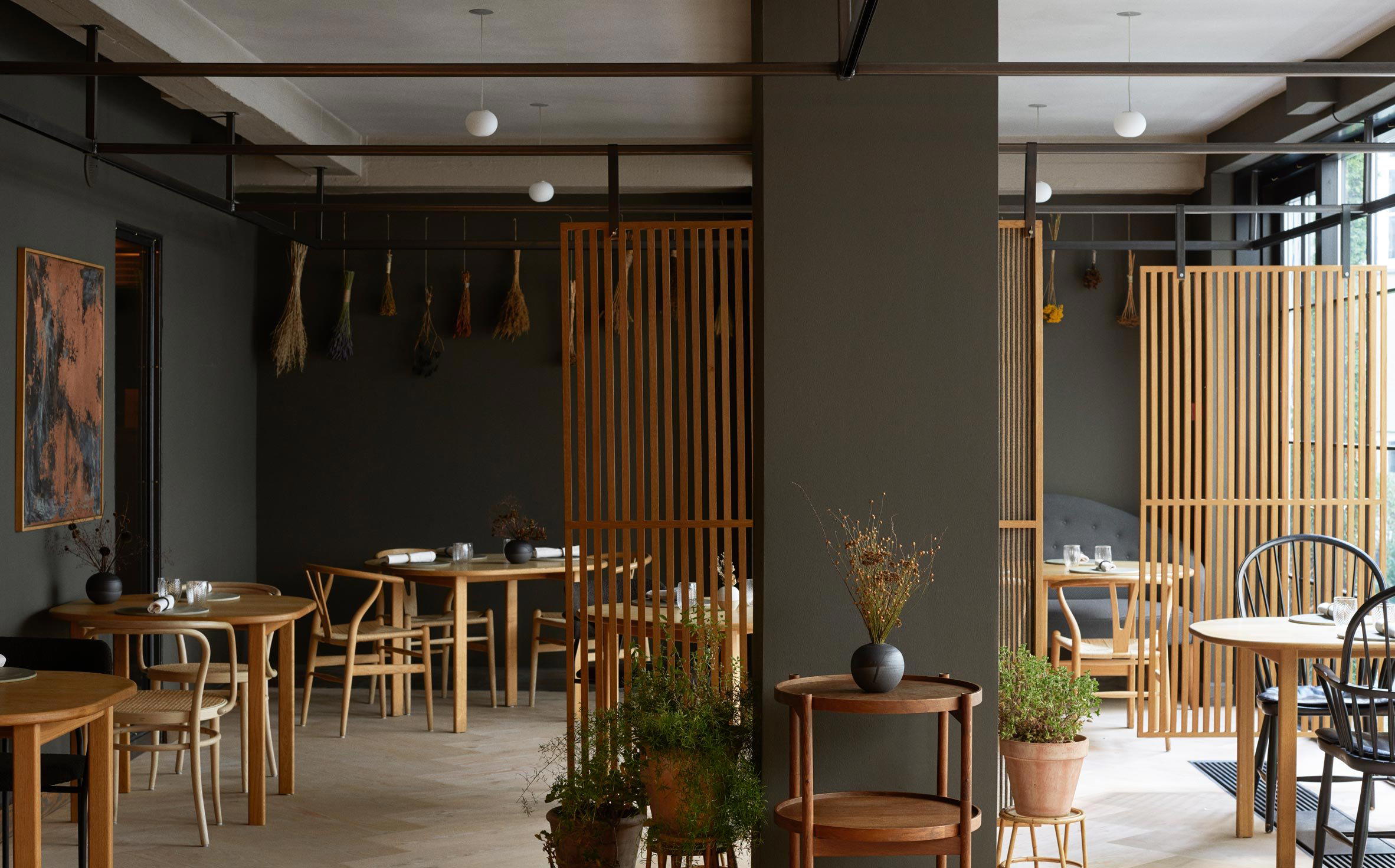
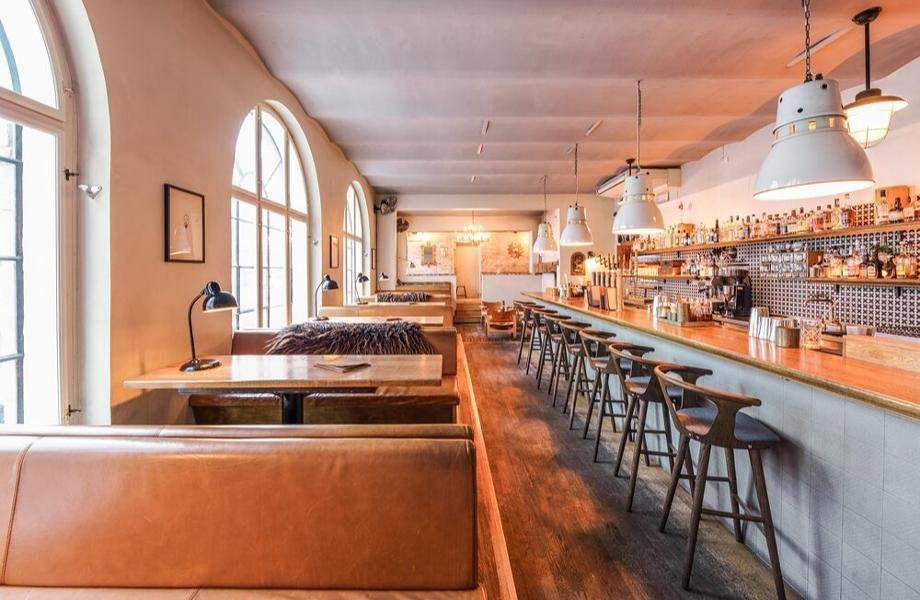
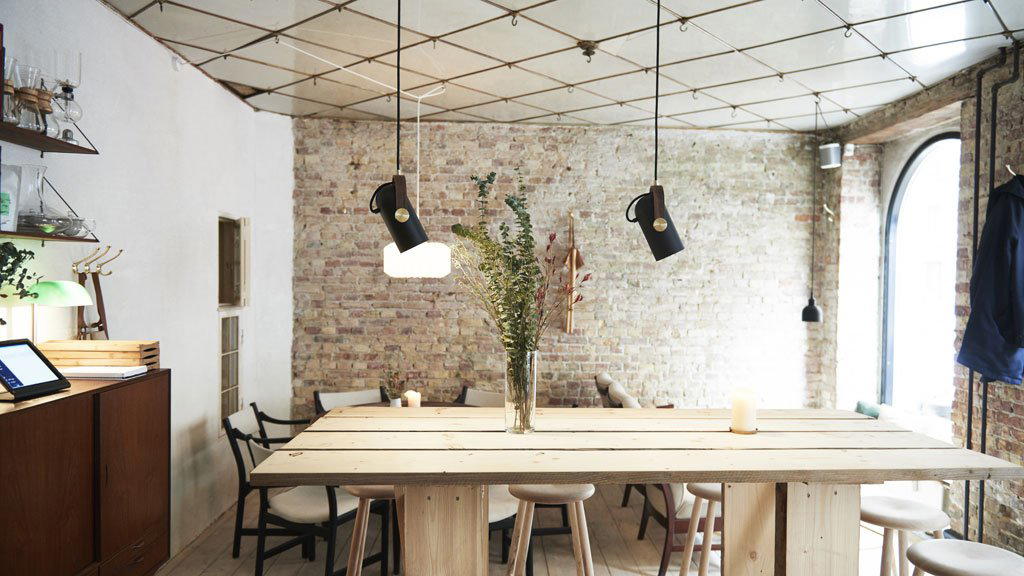
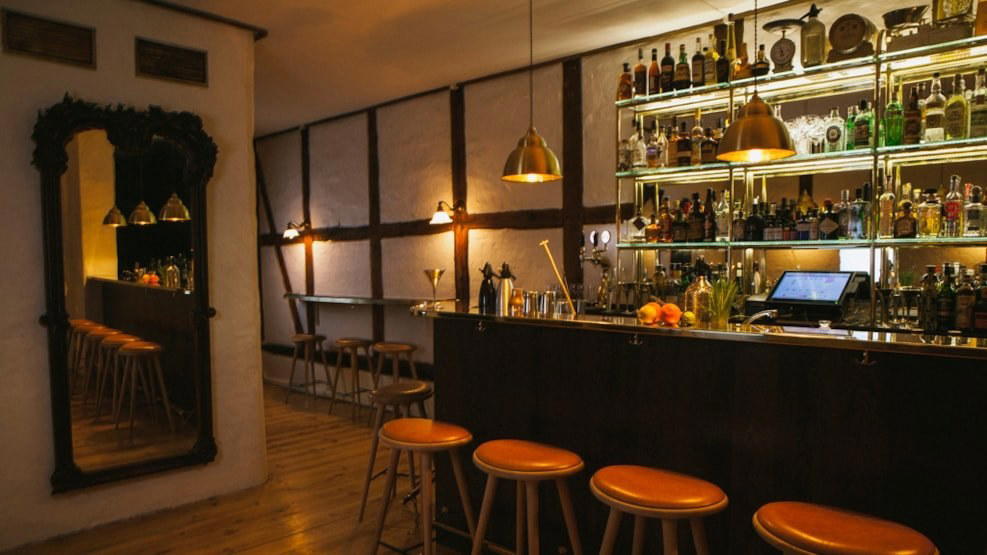
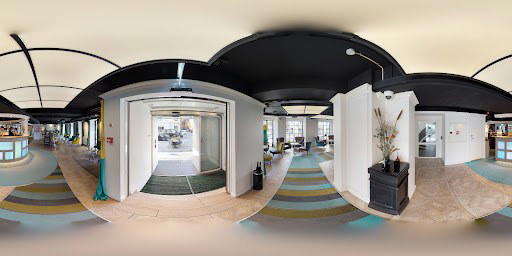
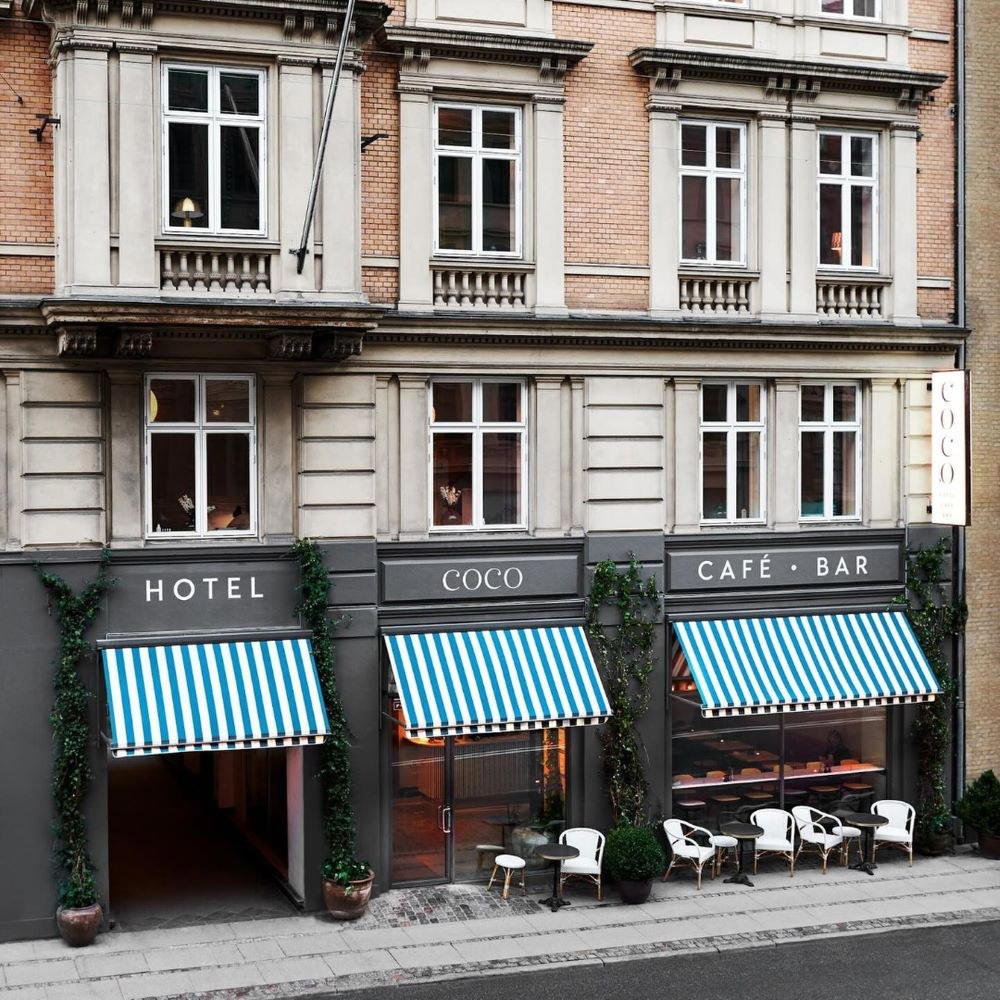
Natural and simplistic with quiet beauty, floor-to-ceiling windows, open kitchen, and greenhouse setting.