
Steak & Wine Ishizaki is a Susukino teppanyaki and steak address in Sapporo with Tabelog 100 Steak / Teppanyaki EAST selection in 2025 and a dinner range of JPY 15,000–19,999. The draw is Hokkaido’s polished interpretation of wagyu cookery: counter heat, wine service, private-room flexibility, and a city-centre setting built for a serious evening rather than a quick beef stop.
Pearl is the En Primeur Club membership app — saves, bookings, and concierge access live there. Same editors, same standards.
- Address
- Japan, 〒064-0804 Hokkaido, Sapporo, Chuo Ward, Minami 4 Jonishi, 3 Chome ニュー北星ビル 4F
- Phone
- +81 11-222-0298
- Website
- steak-wine-ishizaki.jp
- Directions
- Get directions
 Saves & bookings on Pearl
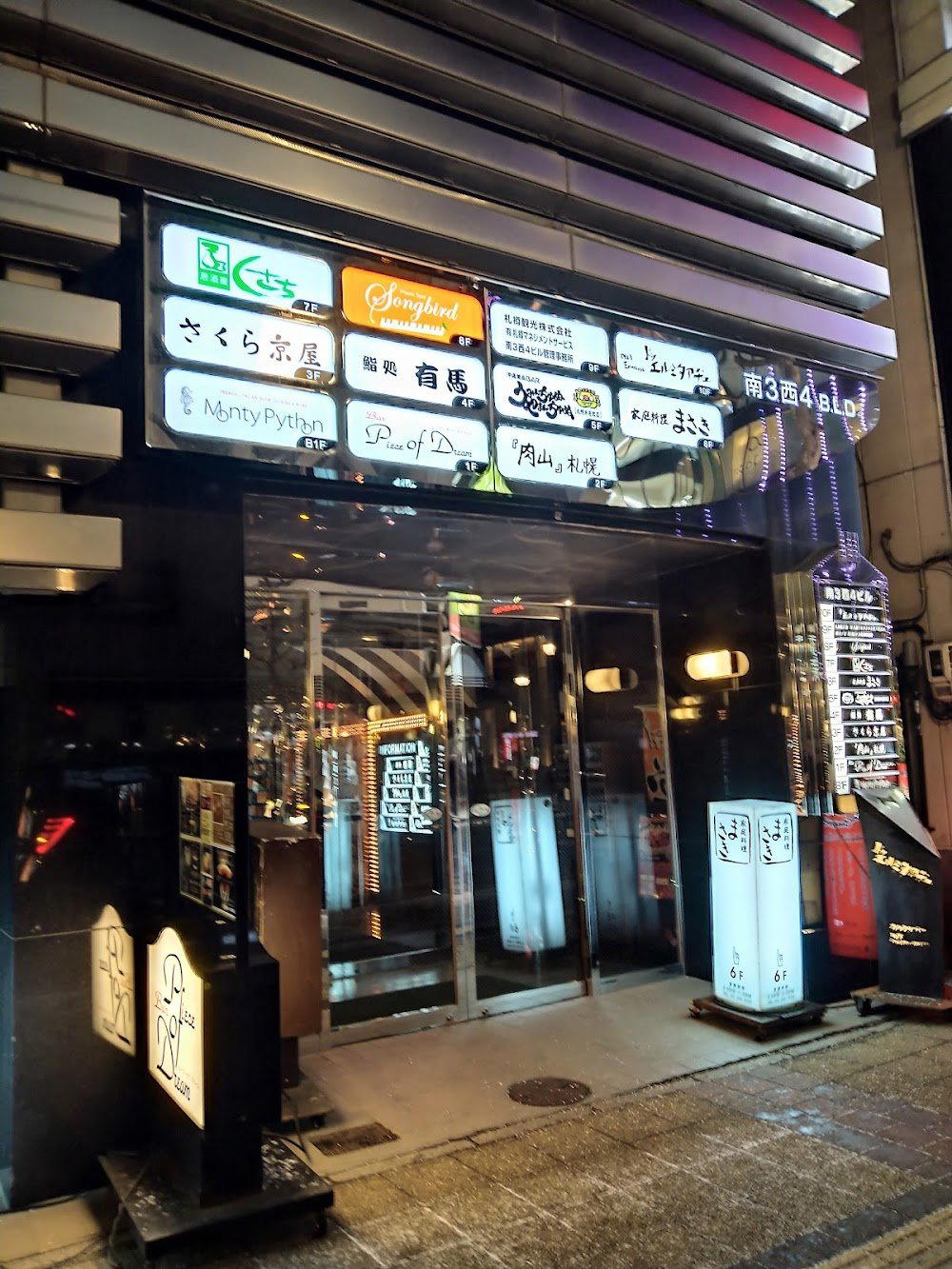
In Susukino, a steak house is rarely just about beef. It is part of Sapporo’s after-dark grammar: elevators opening onto upper-floor dining rooms, counters around hot plates, wine lists doing social work with the grill, and groups moving from seafood, ramen, or bars into slower dinners. Steak & Wine Ishizaki sits in this polished branch of city dining, where teppanyaki, steak, and yoshoku meet a northern appetite for richness, warmth, and table-side pacing.
Hokkaido’s food identity is often reduced to crab, dairy, corn, and miso ramen, but beef has its own place in the region’s luxury register. Teppanyaki suits Sapporo: it makes cooking a controlled performance without imposing a formal kaiseki rhythm. The counter gives immediacy, private rooms give insulation, and the wine focus moves the meal toward metropolitan steak dining rather than casual grilling. That is the cultural space this address occupies.
Wagyu, teppanyaki, and yoshoku in Sapporo's night-dining circuit
Japanese steak culture has never been a simple imitation of Western steakhouse dining. Yoshoku, the Japanese adaptation of Western cooking, gave beef another vocabulary: sauce work, rice compatibility, controlled portions, and kitchens mediating richness rather than presenting a slab and leaving the table to manage it. Teppanyaki adds theatre, but the better versions are disciplined, not showy. Heat, timing, slicing, and pacing matter more than spectacle.
That distinction helps in Sapporo, where dinner decisions split sharply by occasion. A visitor chasing the everyday rhythm might compare noodle shops, soup curry rooms, izakaya seafood, and late bars before considering a steak counter. For a broader map, Our full Sapporo restaurants guide places this dinner beside leaner, louder, and more regional formats. The same city supports a focused tantanmen stop such as 175°DENO Tantanmen Sapporo kitaguchi ten and curry specialists including [Curry Senmon Ten] Maruyama Kyoju., Ajanta Indo Curry Ten, and Ajanta Sohonke, yet also has room for a slower beef-and-wine evening. Sapporo’s dining culture is not a single lane.
The Tabelog 100 Steak / Teppanyaki EAST selection in 2025 gives Ishizaki a meaningful signal inside Japan’s crowded steak category. Tabelog recognition is not Michelin language, but in Japan it often tracks local confidence and repeat custom, especially where neighbourhood diners and domestic travellers shape reputation. A 3.66 Tabelog score places the restaurant in a serious competitive tier without imported fine-dining vocabulary.
The room format matters as much as the grill
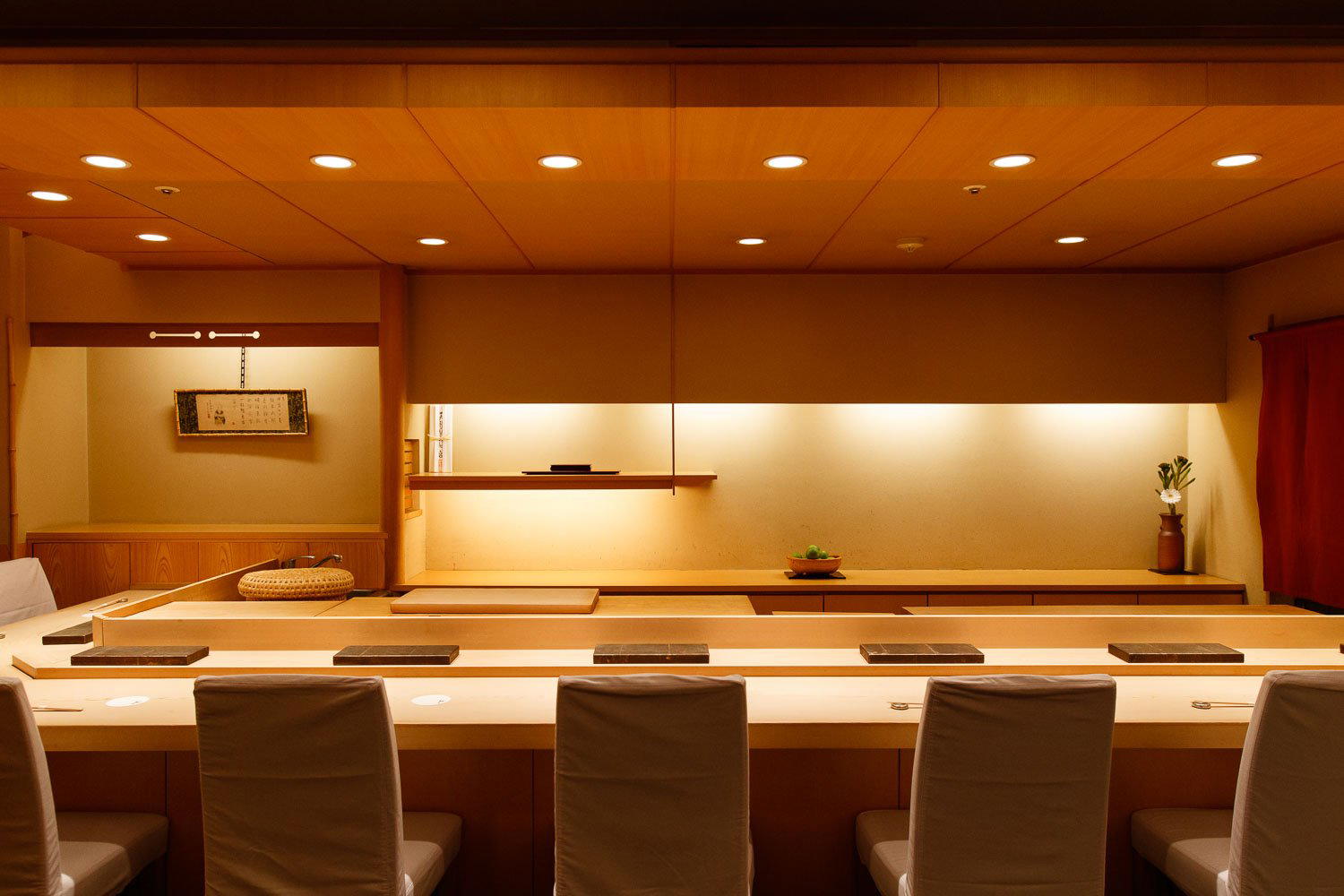
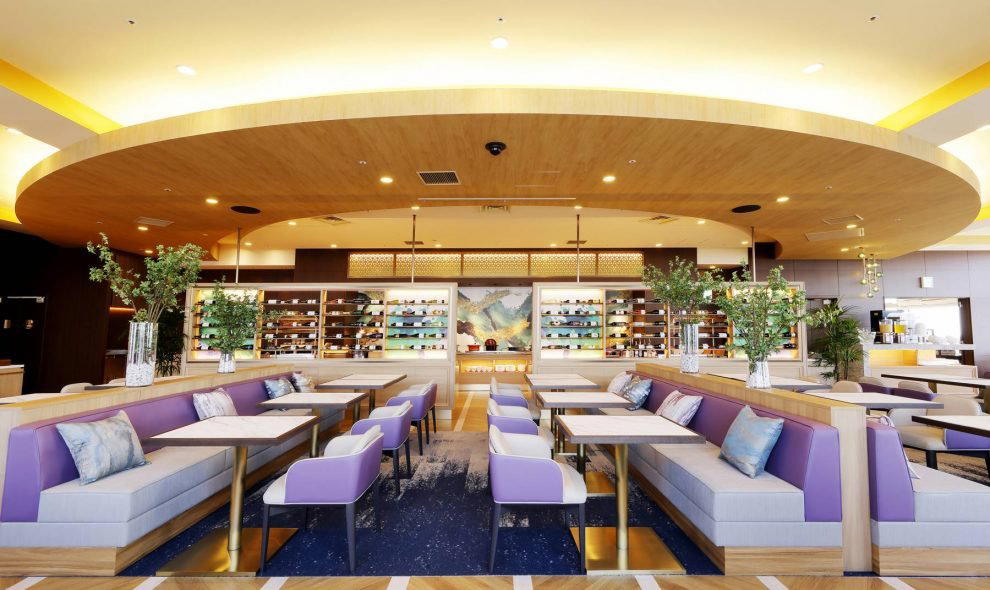
The house setup explains the genre. A 42-seat restaurant with 16 counter seats and private rooms can serve two Sapporo dinners: a counter meal where the grill sets the rhythm, and an enclosed group dinner where conversation leads. That dual structure is common in mature Japanese dining rooms because occasion matters. A business dinner, family meal, and couple’s steak counter need different acoustic and social designs.
Wine is not decorative here; the listing includes a sommelier and a drinks program spanning wine, sake, shochu, and cocktails. In a beef restaurant, that breadth matters. Wagyu’s fat profile can flatten weaker pairings, and Sapporo’s winter appetite often leans fuller and warmer. Sake and shochu alongside wine also keep the experience within Japanese dining logic rather than a strictly European steakhouse template.
Compared with Susukino’s drinking-led venues, the spending and pacing occupy another band. Milk Mura SAPPORO hon ten, BAR YAMAZAKI, BAR PROOF, and The Bar Nano Femto belong to post-dinner or drinks-first conversation, while Umi Hachikyo Honten reflects the neighbourhood’s seafood-izakaya side. Ishizaki works as an anchor dinner before or instead of that circuit, not a substitute for it. For full evenings, Our full Sapporo bars guide separates cocktail-led venues from restaurant-led nights.
Its 2001 opening date also matters. In a city where food trends move quickly and tourist attention can swing from ramen to parfaits to crab, longevity in a premium beef format suggests more than novelty. It shows the restaurant has kept a place in local occasion dining through cycles of inbound travel and domestic restaurant fashion.
How to place it within a Sapporo trip
This is not the Sapporo meal for covering as many regional specialties as possible in one night. It is for diners seeking the city’s more composed side: wagyu, controlled heat, wine service, and enough privacy or counter focus to slow the evening down. It fits after travel, skiing, shopping, or meetings, when the goal is not discovery-by-volume but a contained dinner with a clear centre of gravity.
The broader itinerary still matters. Sapporo rewards contrast. A traveller might use Our full Sapporo hotels guide to stay near the evening corridor, then build daytime eating around bakeries, curry, noodles, or seafood before beef at night. Our full Sapporo experiences guide and Our full Sapporo wineries guide add context for guests treating the city as more than a single-dinner stop.
Readers comparing Japanese beef formats beyond Hokkaido will find useful contrasts across the country and abroad. -Grilled beef Sukiyaki- KAMAKURA TANUKIAN 鎌倉 たぬき庵 in Kamakura points to a different beef tradition, while. 鮪と炭火焼き うお炭 秋葉原店 in Tokyo shows how charcoal and seafood sit in another urban register. For wider Japanese dining context.cafe in Osaka.know in Kumamoto, (Shoku) Vietnam in Kawasaki, and [ki:] in Kyoto show how format, city, and audience change a meal’s meaning. Across the Pacific, Jōdo Saké Bar in Los Angeles and Onigiri Time in Pasadena show how Japanese drinking and casual-food traditions translate outside Japan.
The editorial call is simple: choose this address when the Sapporo plan calls for a serious beef dinner with wine service and a grown-up room format. It is less useful as a first bite of the city’s street-level food culture, but makes sense when the evening needs structure, comfort, and a Japanese steak vocabulary rooted in teppanyaki rather than steakhouse excess.
Budget Reality Check
Comparable options at the same price tier.
Recognition history
Dated appearances from independent guides and award organizations, with the underlying list record or original source where available.
Tabelog 100 #40 · No. 40
Tabelog · Tabelog 100 - Steak / Teppanyaki - EAST - 2025
At a Glance
- Romantic
- Elegant
- Intimate
- Sophisticated
- Date Night
- Business Dinner
- Celebration
- Special Occasion
- Group Dining
- Late Night
- Chefs Counter
- Open Kitchen
- Private Dining
- Standalone
- Extensive Wine List
- Local Sourcing
- Farm To Table
Current opening hours
- Monday
- 5–11:30 PM
- Tuesday
- 5–11:30 PM
- Wednesday
- 5–11:30 PM
- Thursday
- 5–11:30 PM
- Friday
- 5–11:30 PM
- Saturday
- 5–11:30 PM
- Sunday
- Closed
Hours can change for holidays and private events. Last verified .
An intimate teppanyaki dining room with counter seating around the grill, subdued lighting, and a calm, elegant atmosphere centered on close interaction with the chef.