Our verdict
The name signals something about the trade-off between ambition and means, a posture that defines a particular tier of neighbourhood dining in the city. For context on where it sits among Toronto's broader restaurant scene, see our full city coverage.

The menu
What to order
- Waffle Benny
- Starving 4 Waffles
- Vegan Starving 4 Waffles
The name itself carries cultural weight. "Starving Artist" as a concept has a specific art-world genealogy, it describes the trade-off between creative ambition and financial precarity, a condition romanticised in certain traditions and taken very seriously in others. Applied to a restaurant, it suggests a particular positioning: unpretentious, possibly counter-mainstream, oriented toward regular guests rather than occasion diners or tourists. The neighbourhood has since diversified considerably, but the density of independent food businesses remains higher than in many comparable Toronto corridors.
That environment creates a specific kind of competitive pressure. Venues here are not pricing against downtown fine dining, and they are not drawing on the tourism or corporate expense account traffic that sustains the highest price tiers in the city. They succeed or fail based on repeat local business, which tends to reward consistency, value, and a sense of belonging over spectacle. This is a meaningfully different evaluation framework than the one applied to, say, Alo (Contemporary) in the Spadina corridor, or the omakase format of Sushi Masaki Saito (Sushi, Japanese) in Yorkville, where the guest is often arriving specifically for a category of experience rather than returning out of habit.
The Cultural Logic of the "Starving Artist" Frame
Restaurants that adopt arts-adjacent identities, gallery-adjacent spaces, menus printed like zines, walls used as exhibition space, occupy a specific niche in most North American cities. They tend to cluster in neighbourhoods undergoing the slower, less capital-intensive phase of gentrification, where artists and creative workers still actually live rather than having been displaced by the process they nominally represent. Corso Italia has characteristics of that phase: rents that remain lower than downtown, a mix of long-established businesses and newer independents, and a residential density that supports foot-traffic dining.
This framing matters because it shapes what a venue with this name and this address is likely offering. Across comparable cities, arts-identified neighbourhood restaurants in similar positions tend to operate with short menus, moderate price points, and a kitchen that favours technique over elaboration. They sit at a deliberate distance from the kaiseki formality of Aburi Hana (Kaiseki, Japanese) or the Italian fine-dining register of Don Alfonso 1890 (Contemporary Italian, Italian), not because quality is absent, but because the project is different.
Where Starving Artist Sits in the Broader Toronto Restaurant Map
Toronto's restaurant geography has become increasingly legible as a set of distinct tiers and zones. The downtown core (King, Queen, Spadina, Yorkville) concentrates most of the Michelin-recognised and nationally reviewed venues. Midtown and the inner suburbs host a different pattern: longer-standing independents, ethnically specific dining communities, and neighbourhood anchors that rarely appear in national coverage but sustain strong local reputations over years or decades. For visitors oriented toward the high-recognition tier, seeking the kind of experience represented by DaNico (Italian) downtown or the tasting-menu formats reviewed in national publications, this neighbourhood requires a deliberate detour. For residents of the area, or for visitors specifically curious about how Toronto eats outside its flagship dining corridor, it represents exactly the kind of venue worth seeking out.
For broader Canadian reference points beyond Toronto, the neighbourhood-anchor model appears in different forms at AnnaLena in Vancouver and Jérôme Ferrer - Europea in Montréal, both of which demonstrate how independently operated restaurants with strong local identities can sustain critical recognition without operating in the highest price tier. At the opposite end of the scale, remote, destination-driven, self-consciously ambitious, venues like Eigensinn Farm in Singhampton and Fogo Island Inn Dining Room in Joe Batt's Arm show how far the Canadian independent model can extend when the context demands it. The surrounding blocks offer pre- or post-dinner options consistent with the Corso Italia character of the strip. Given the neighbourhood tier and format implied by the venue's positioning, booking ahead, particularly on weekend evenings, is advisable, though the reservation landscape here differs from the multi-month lead times required at downtown tasting-menu venues.enprimeurclub.com/restaurants/alo-toronto-restaurant">Alo
For a comprehensive look at where Starving Artist fits within the city's full dining range, see our full Toronto restaurants guide. Further afield in Ontario, Restaurant Pearl Morissette in Lincoln and The Pine in Creemore represent the province's independent fine dining at a different scale. For Quebec, Tanière³ in Quebec City and Narval in Rimouski show how the neighbourhood-independent model translates across linguistic and geographic contexts.
Frequently asked questions
Can I bring kids to Starving Artist?
St Clair West independents generally run at a different register than downtown tasting-menu venues, the neighbourhood format at 1078 St Clair Ave W skews more relaxed than the Yorkville or King Street circuit. The safest approach is to contact them directly before arriving with younger guests.
Is Starving Artist better for a quiet night or a lively one?
The Corso Italia stretch of St Clair West animates most on weekend evenings, when the street's café and restaurant culture reaches its highest density of foot traffic and neighbourhood regulars. Weeknight visits to independently operated spots at this address tend to run quieter by comparison. Neither mode is wrong, it depends what the evening calls for.
What kind of dining experience does Starving Artist offer compared to other Corso Italia spots?
Starving Artist sits within the arts-adjacent independent category, restaurants that adopt a creative or cultural identity distinct from the trattoria tradition that originally shaped Corso Italia's character along St Clair West. At 1078 St Clair Ave W, the venue occupies a specific niche in Toronto's midtown independent scene, operating outside the Michelin-tracked downtown tier and the legacy Italian institutions that defined the neighbourhood. That positioning tends to attract a crowd looking for something with a more contemporary, locally rooted sensibility.
What do regulars order at Starving Artist?
What the address and neighbourhood context do suggest is a kitchen oriented toward the kinds of approachable, independently driven cooking that defines the St Clair West midtown tier rather than the tasting-menu format of the downtown flagship circuit. Asking the room on arrival will tell you more than any list.
What part of town is Starving Artist in?
Starving Artist is located at 1078 St Clair Ave W, Toronto, ON M6E 1A5, Canada, Toronto.
Cost Snapshot
Comparable venues nearby, for context on price, style, and recognition.
| Venue | Cuisine | Price | Awards | Notes |
|---|---|---|---|---|
| Starving ArtistThis venue (the venue you are viewing) | Canadian Waffle Brunch | Not listed | Not listed | Not listed |
| Luma | Contemporary Canadian with Global Seafood Influences | $50–100 | Not listed | Entertainment District, Contemporary Canadian with Global Seafood Influences |
| Reign | Canadian Brasserie | Not listed | Star Wine List · Wine Spectator Best of Award of Excellence | Entertainment District, Canadian Brasserie |
| Gonzo Izakaya | Japanese Izakaya with Teppanyaki and Yakitori | $20–30 | Not listed | Palmerston-Little Italy, Japanese Izakaya with Teppanyaki and Yakitori |
| La Cubana Roncesvalles | Elevated Cuban Comfort Food | Not listed | Not listed | High Park-Swansea, Polished Cuban Comfort Food |
| Gladstone Café | Contemporary Mediterranean Gastropub | $20–30 | Not listed | Little Portugal, Contemporary Mediterranean Gastropub |
Continue exploring
More in Toronto
Restaurants in Toronto
All restaurants in Toronto →
Bars in Toronto
All bars in Toronto →

Details
- Cozy
- Trendy
- Brunch
- Casual Hangout
- Local Sourcing
- A La Carte
- Vegetarian Friendly
Current opening hours
- Monday
- 9 AM–4 PM
- Tuesday
- 9 AM–4 PM
- Wednesday
- 9 AM–4 PM
- Thursday
- 9 AM–4 PM
- Friday
- 9 AM–4 PM
- Saturday
- 9 AM–6 PM
- Sunday
- 9 AM–6 PM
Hours can change for holidays and private events. Hours as of .
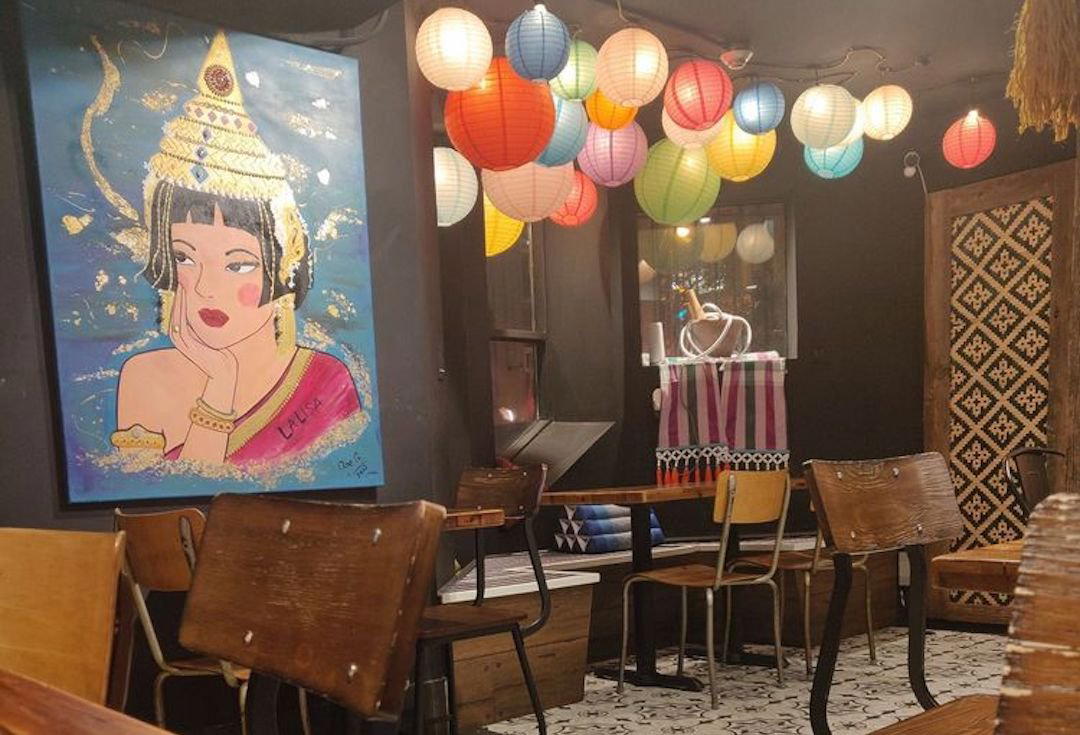
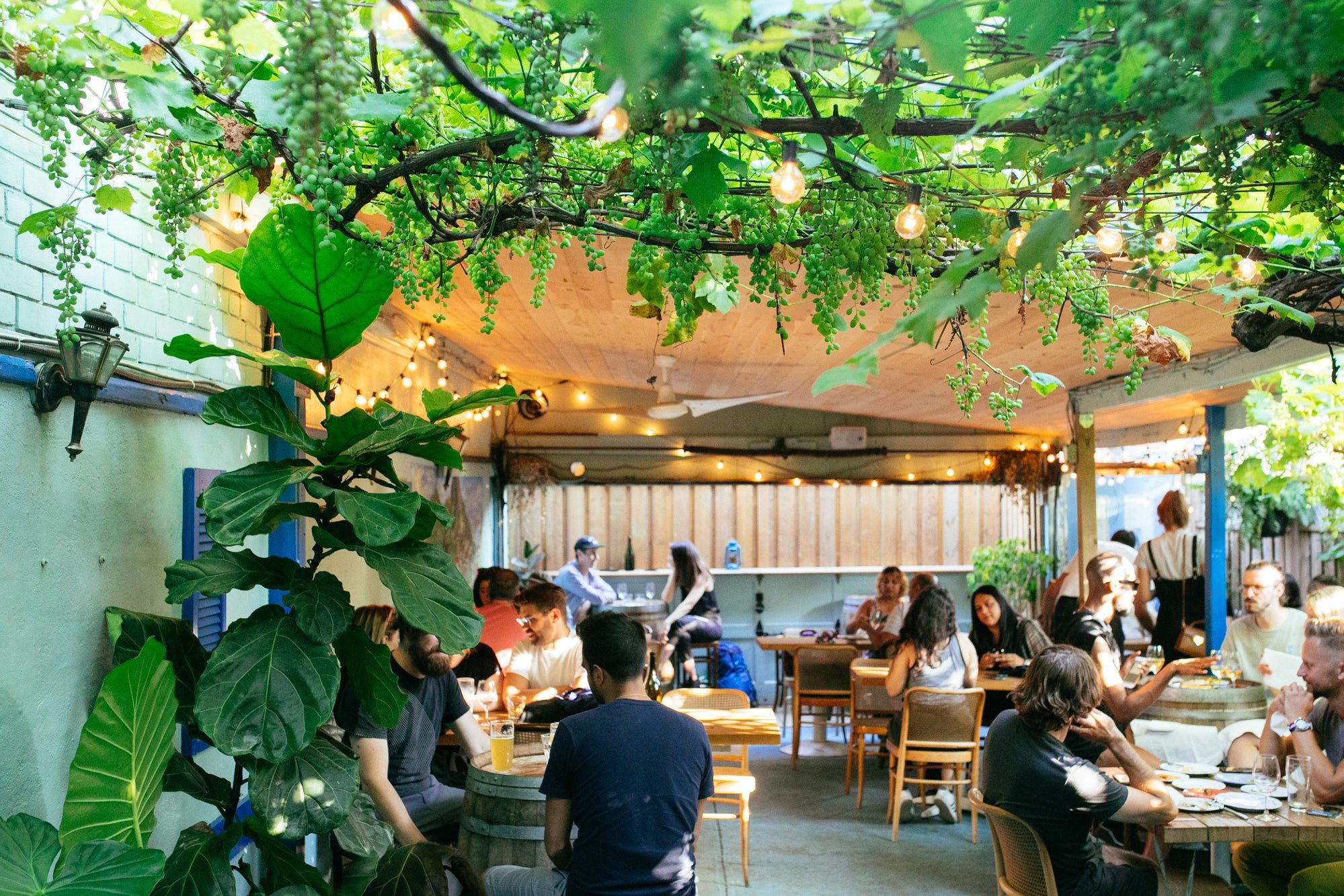
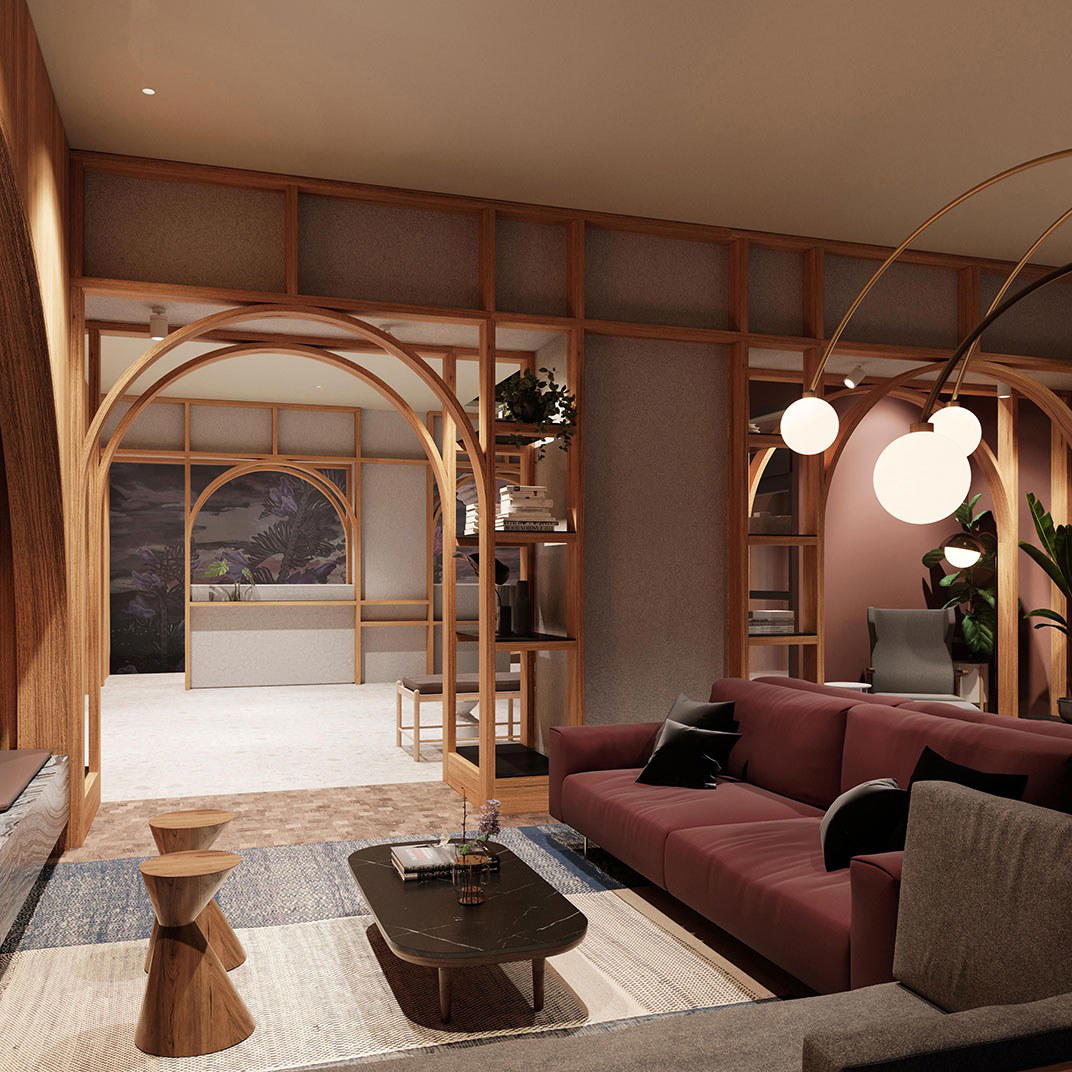
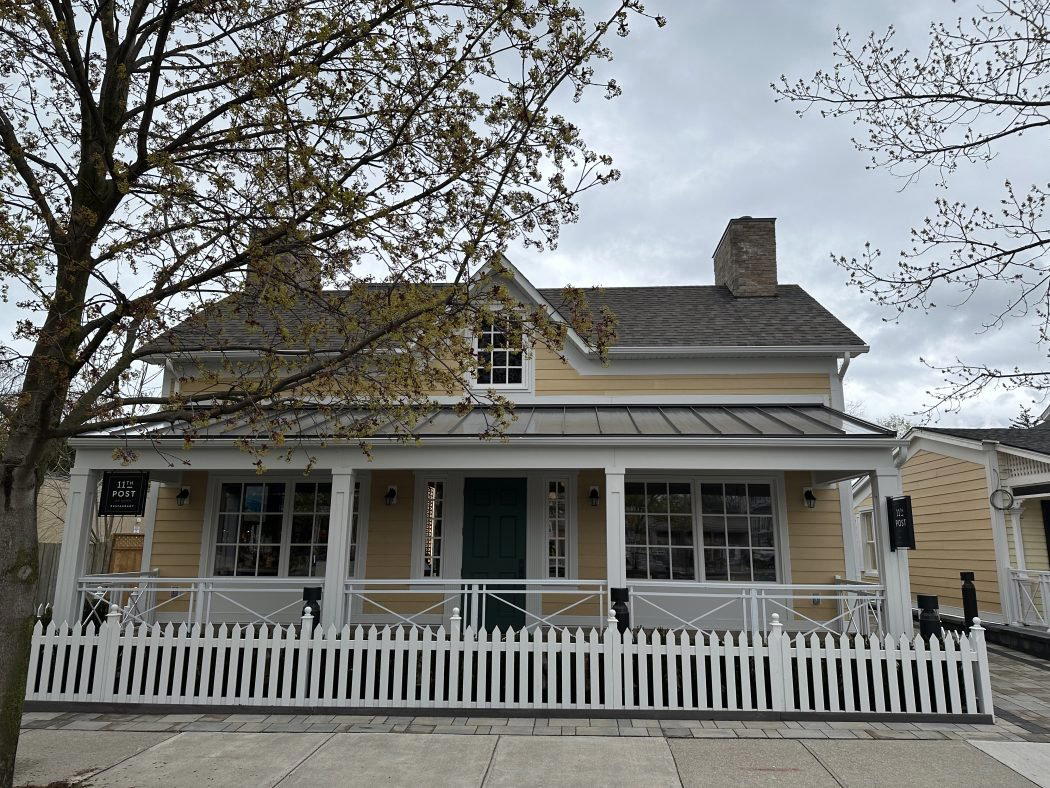
Cozy and welcoming with rotating local artist decor creating a community-oriented atmosphere.