On Queen Street West, Gladstone Café occupies a stretch of Toronto that has long traded in creative friction, where neighbourhood regulars and out-of-towners converge over food that draws from Canadian ingredients without making a production of the fact. The café sits inside the Gladstone Hotel, one of the city's older continuously operating hotel buildings, and the room carries that layered history without leaning on it.
Pearl is the En Primeur Club membership app — saves, bookings, and concierge access live there. Same editors, same standards.
- Address
- 1214 Queen St W, Toronto, ON M6J 1J6, Canada
- Phone
- +14165314635
- Website
- gladstonehouse.ca
- Directions
- Get directions
 Saves & bookings on Pearl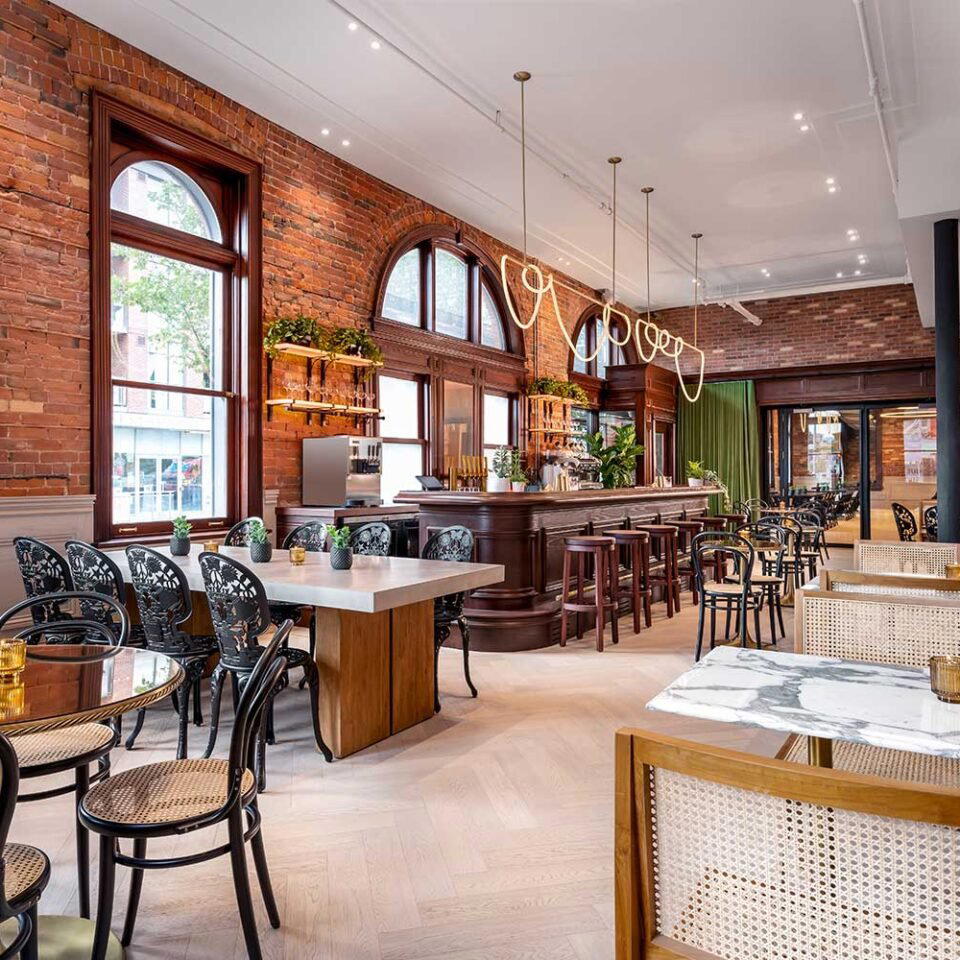
Queen West as a Dining Reference Point
Queen Street West between Dufferin and Roncesvalles has never quite settled into a single culinary identity, which is part of what makes it a useful place to eat. The stretch runs through Parkdale and Little Portugal, accumulating Portuguese bakeries, Vietnamese canteens, and mid-century taverns alongside newer openings that reflect how Toronto's west end has changed. Gladstone Café sits at 1214 Queen St W, Toronto, inside the Gladstone Hotel. In a city that tends to flatten its own history, that continuity is worth noting, not as a novelty, but as context for a room that has absorbed decades of neighbourhood character without being consumed by it.
Toronto's café and casual dining tier has expanded considerably over the past decade, splitting between high-concept fast-casual operators importing technique from fine dining and neighbourhood anchors that prioritise consistency over ambition. Gladstone Café occupies a position closer to the latter, serving a Queen West crowd that has moved through several cycles of gentrification and arrived somewhere less self-conscious than it once was.
Where Canadian Ingredients Meet Imported Methods
The broader pattern in Canadian casual dining, and Gladstone Café fits within it, has been a quiet shift toward treating domestic producers as the starting point rather than the selling point. This is distinct from the farm-to-table rhetoric that peaked in the early 2010s, where provenance was announced loudly and often. What replaced it, in the more grounded corners of the Toronto dining scene, is a more embedded relationship: seasonal Ontario produce and Canadian proteins processed through techniques borrowed from French brasserie cooking, Japanese-influenced plating discipline, or American brunch idioms without explicit attribution.
That approach mirrors what is happening at a broader scale in Canadian restaurants. Tanière³ in Quebec City works this territory at a fine dining level, applying contemporary European precision to boreal ingredients. Restaurant Pearl Morissette in Lincoln does it within the Niagara wine country framework. At the other end of the scale, places like Gladstone Café apply a version of the same logic in a room that doesn't require a reservation weeks in advance or a tasting menu commitment. The technique is less visible; the intention is comparable.
For visitors calibrating expectations across the Toronto dining spectrum, it helps to understand where the restaurant sits relative to the city's more decorated addresses. Alo operates at the summit of the contemporary tasting menu tier. Sushi Masaki Saito and Aburi Hana represent the city's Japanese fine dining cohort, where omakase formats and seasonal kaiseki pricing reflect a different commitment level. DaNico and Don Alfonso 1890 anchor the Italian end of the premium tier. The restaurant is not competing with any of these. It is competing with the dozen or so neighbourhood spots on Queen West that serve brunch, weekday lunch, and early dinner to a repeat local clientele, a harder competitive set in some respects, because familiarity is the standard.
The Room and What It Signals
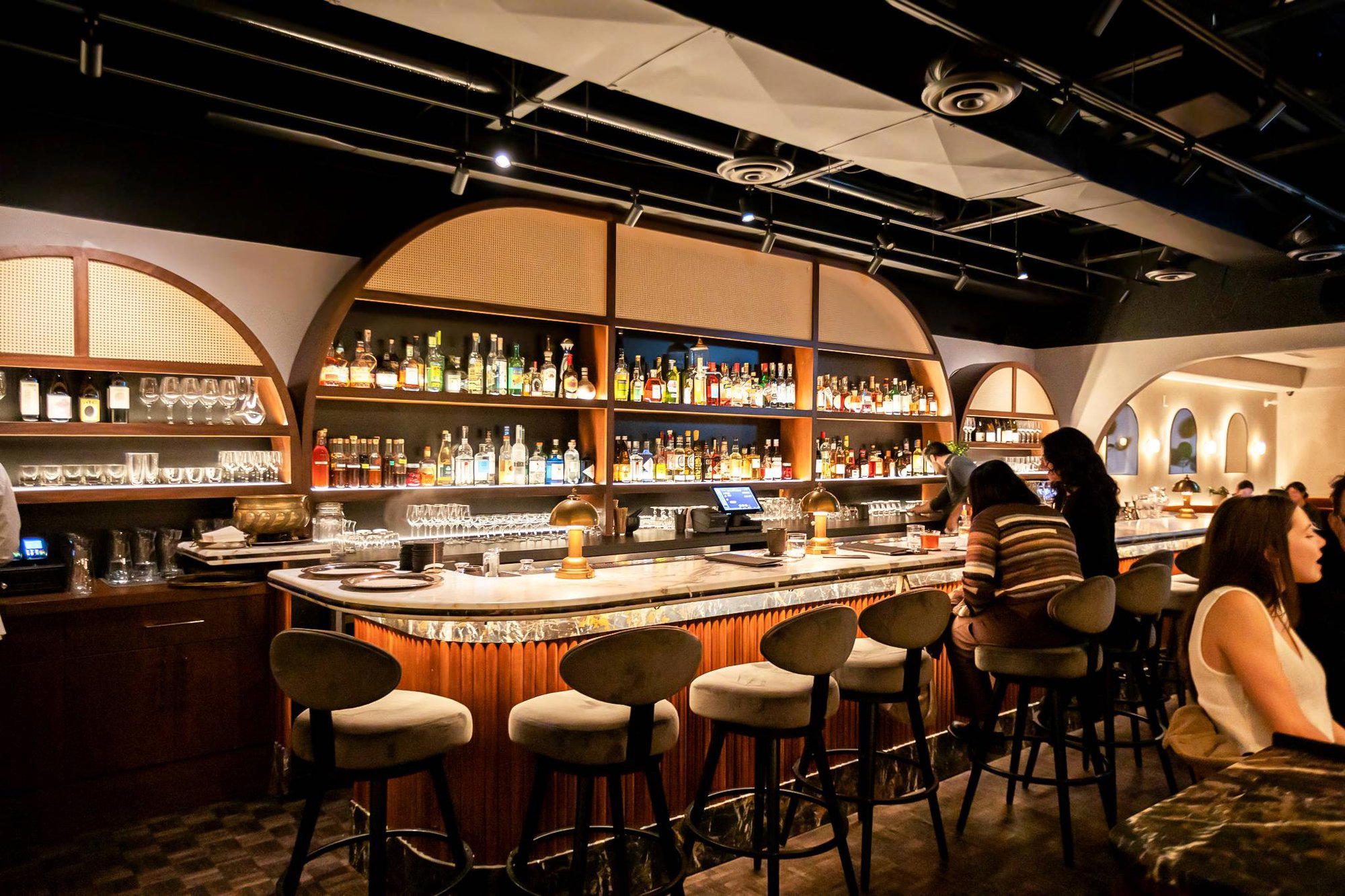
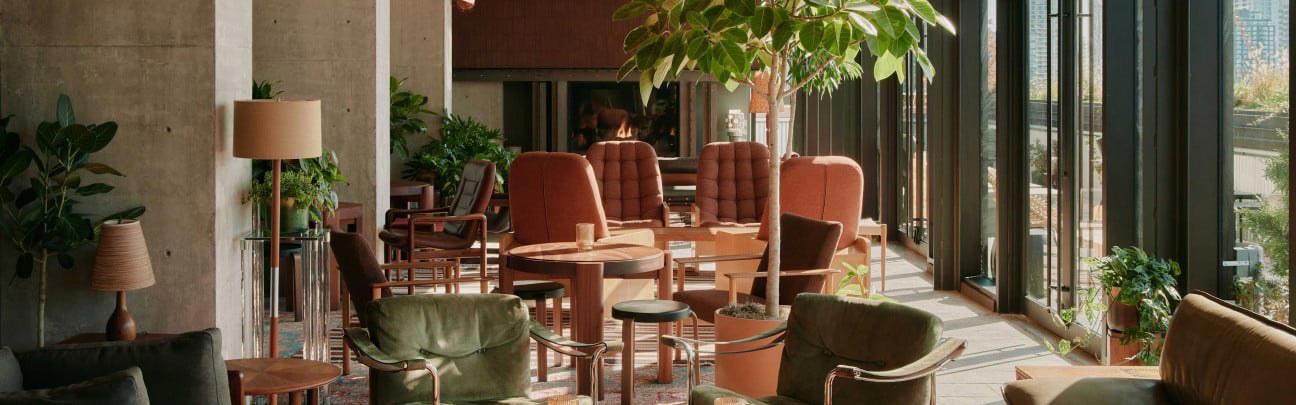
Walking into the Gladstone Hotel from Queen West, the building announces its age before the café does. The lobby retains Victorian structural bones, high ceilings, original brickwork, that have been layered with rotating art programming tied to the hotel's arts-focused identity. The café space functions within that context: it is a hotel café that reads more like a neighbourhood room than a hotel amenity, which is a distinction that matters to regulars who are not guests.
That positioning, hotel infrastructure, neighbourhood feel, is relatively uncommon in Toronto. Most hotel cafés and restaurants in the city sit inside properties where the hotel brand dominates the experience. The Gladstone, as an independently operated property with a community arts mandate, produces a different atmosphere, one where the café can function as a local anchor rather than a captured-audience operation.
Seasonally, Queen West's outdoor rhythm affects the café's energy. Winter on that strip is quiet by Toronto standards, with foot traffic concentrating around transit stops and familiar addresses. Summer brings the neighbourhood back into the street, and the Gladstone's position, with the hotel's programming and the café's accessible price point relative to the area, means it draws a wider cross-section of the neighbourhood than a purely destination-driven operation would.
Canadian Dining Context: A Wider Map
For readers using the restaurant as one point on a longer Canadian itinerary, it is worth mapping the local-ingredients-meets-imported-technique approach across other regions. AnnaLena in Vancouver works Pacific Northwest ingredients through a similar casual-fine framework. Jérôme Ferrer - Europea in Montreal applies French classical training to Quebec produce at a more formal register. Narval in Rimouski does it at the edge of the St. Lawrence with fewer resources and more conviction. Further afield, Fogo Island Inn Dining Room in Newfoundland and Eigensinn Farm in Singhampton represent particularly geographically committed versions of this approach in the country.
Within Ontario, The Pine in Creemore offers a rural counterpoint to what urban neighbourhood cafés do with the same ingredient logic. The comparison is instructive: proximity to the source does not automatically produce better results, but it does change the economic and seasonal relationship between kitchen and supplier.
Internationally, the local-ingredients-global-technique model has produced particularly discussed restaurants of the past two decades. Le Bernardin in New York City applies French classical rigour to American seafood at the fine dining level. Lazy Bear in San Francisco works American ingredients through a hyper-seasonal communal format. Cafe Brio in Victoria and Busters Barbeque in Kenora represent different regional expressions of the same fundamental orientation. The pattern is consistent enough to be a defining characteristic of North American dining at every price point.
Planning Your Visit
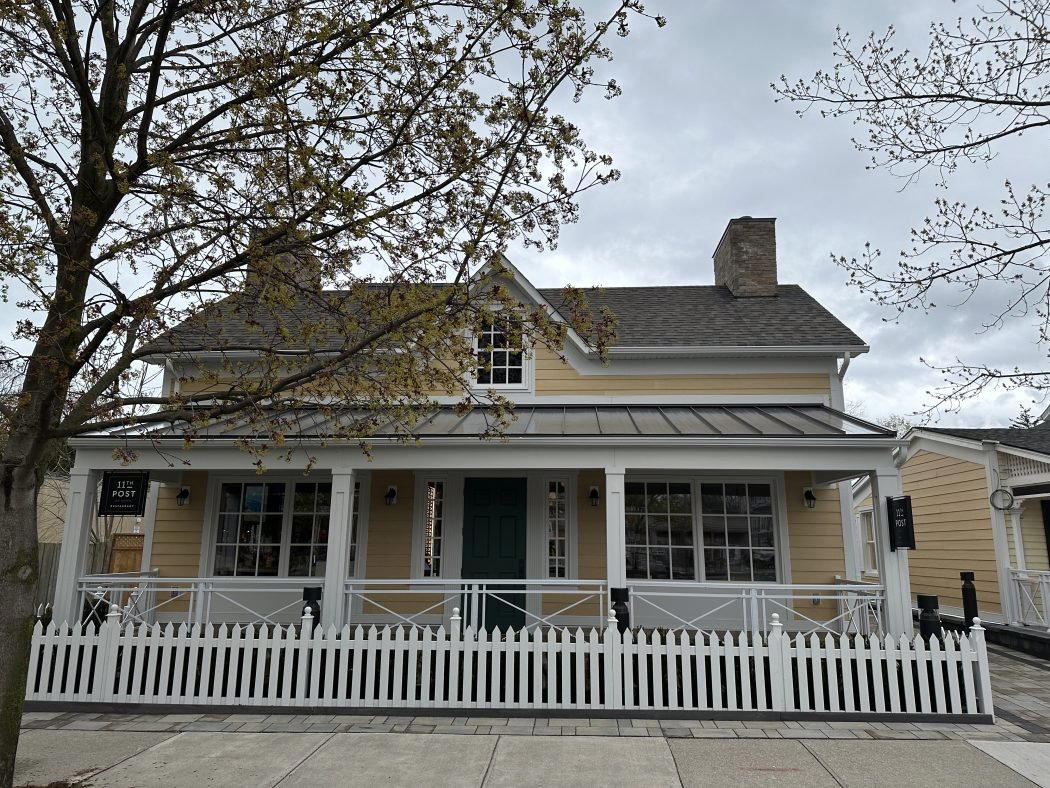
The restaurant is at 1214 Queen St W, accessible by the 501 Queen streetcar, which runs the length of Queen Street and stops directly in front of the Gladstone Hotel. The café operates within the hotel, so access is direct from the main lobby entrance.
Address: 1214 Queen St W, Toronto, ON M6J 1J6
Nearby-ish Comparables
Comparable venues nearby, for context on price, style, and recognition.
| Venue | Cuisine | Price | Notes |
|---|---|---|---|
| Gladstone CaféThis venue — the venue you are viewing | Contemporary Mediterranean Gastropub | $$ | Not listed |
| The Berczy | New Canadian Bistro with Mediterranean Influences | $$$ | Church-Yonge Corridor |
| Florette | Funky Modern Canadian with Seasonal Sharing Plates | $$ | Little Portugal |
| Zia's Place | Southern Italian Handmade Pasta | $$ | Little Portugal |
| Wilbur Mexicana | Mexican Street Food | $$ | Fashion District |
Continue exploring
More in Toronto
Restaurants in Toronto
Browse all →
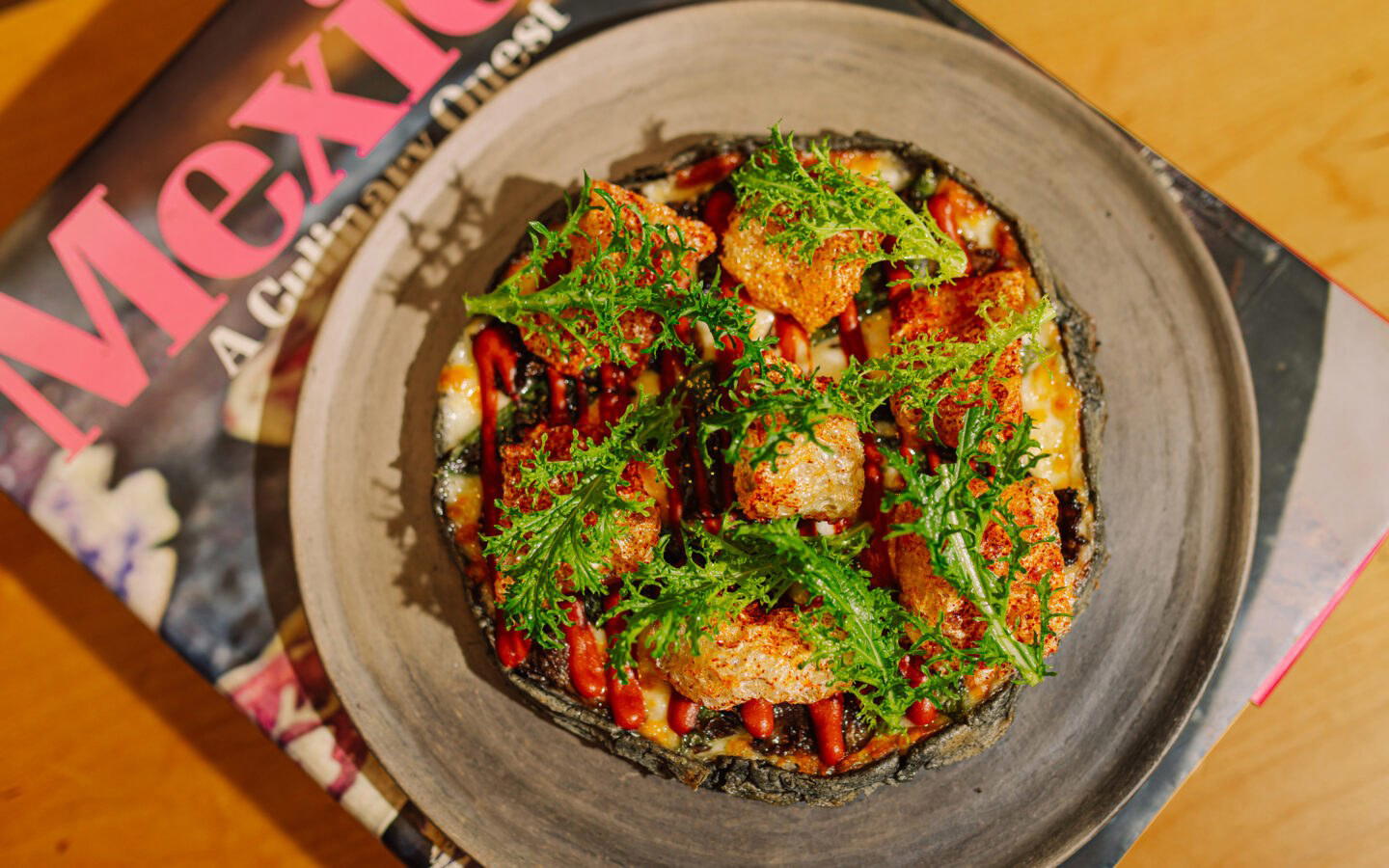

Bars in Toronto
Browse all →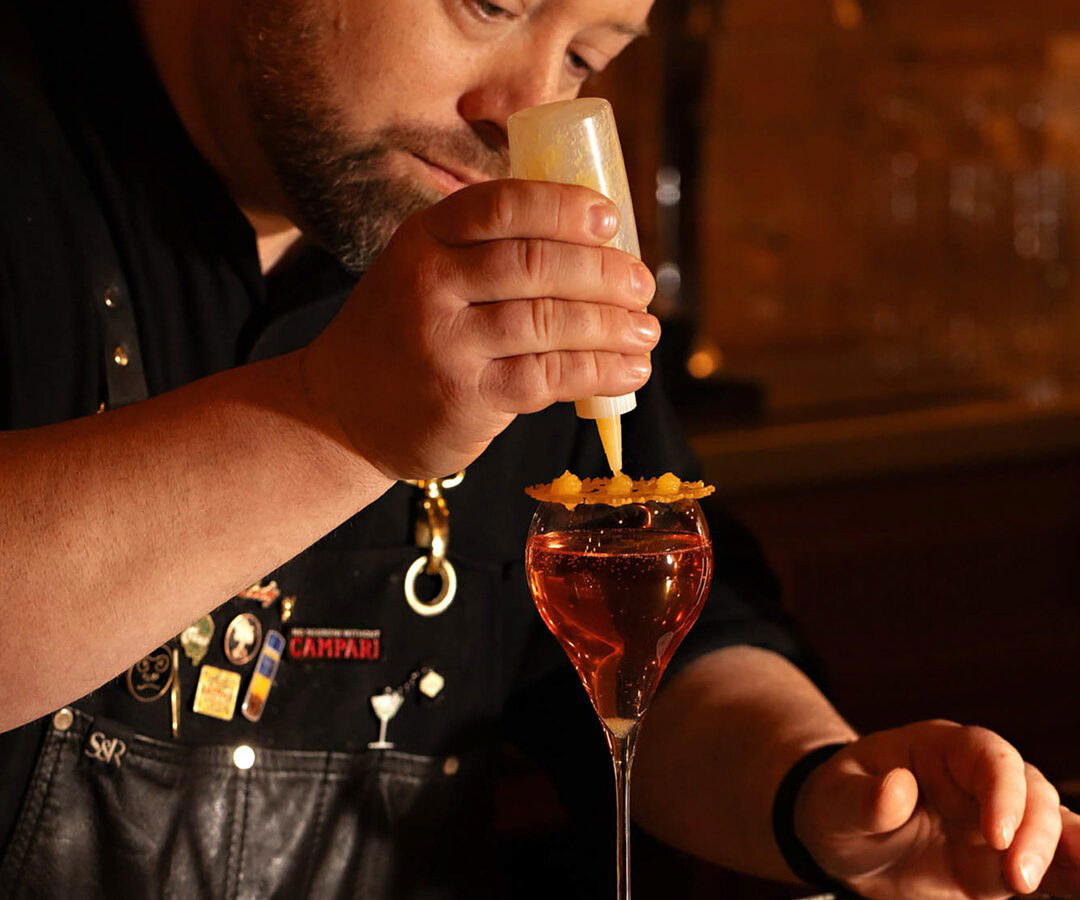
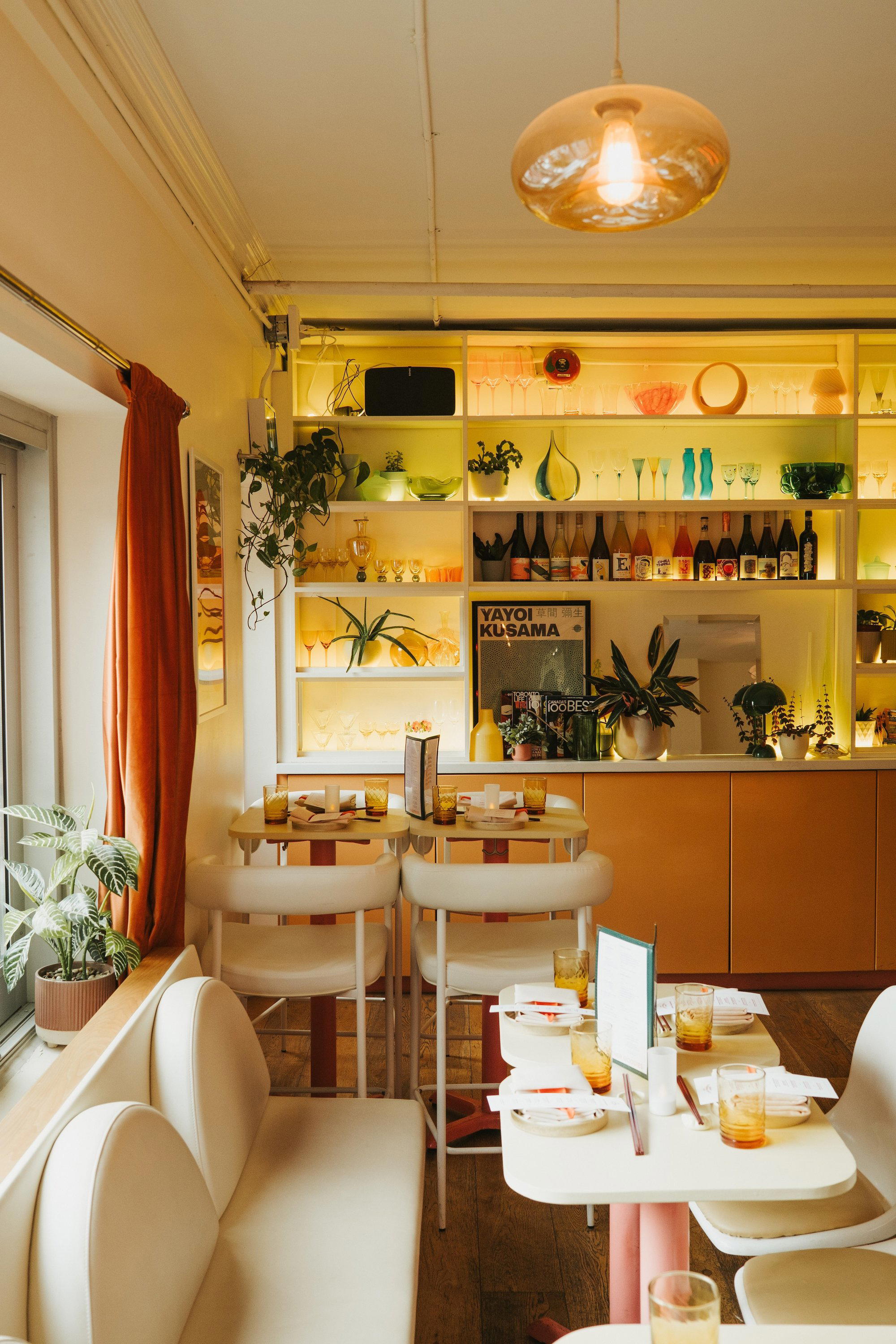
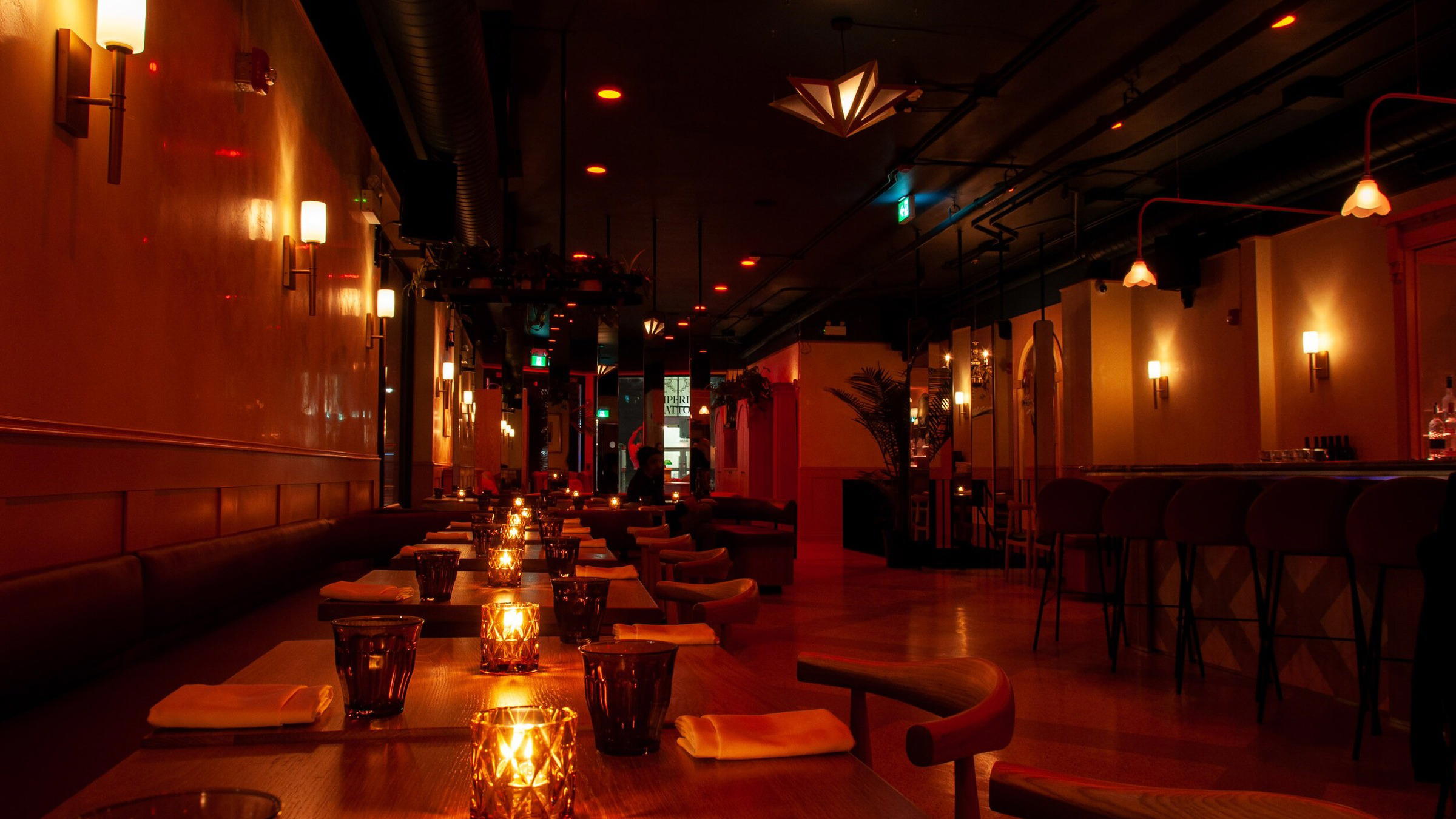

Hotels in Toronto
Browse all →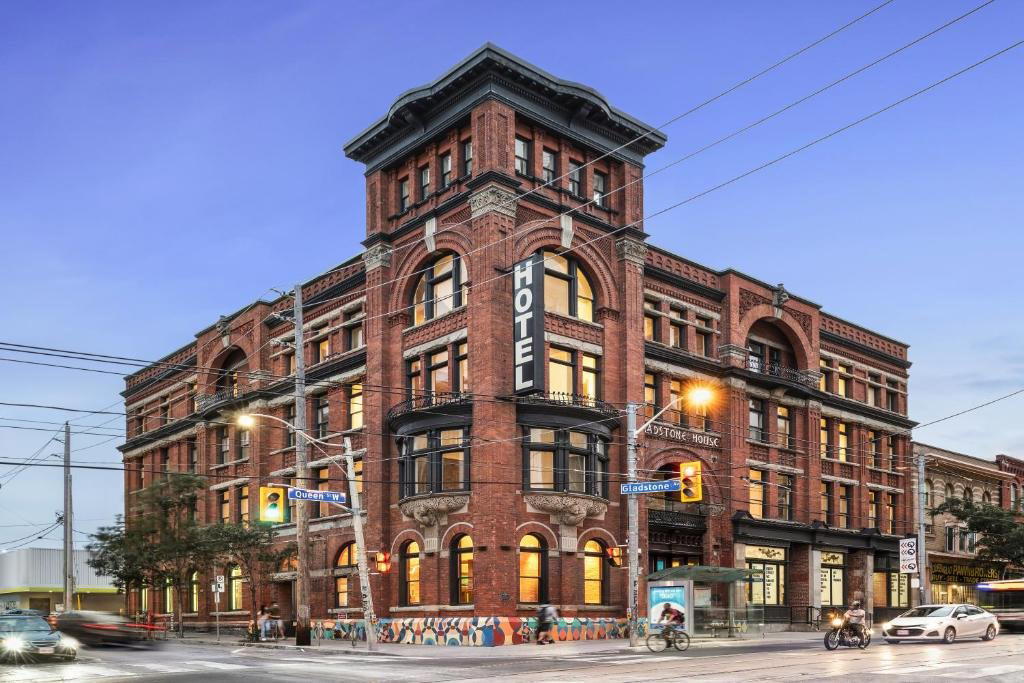

At a Glance
- Casual
- Cozy
- Trendy
- Brunch
- Casual Hangout
- Hotel Restaurant
- Craft Cocktails
- Local Sourcing
- Street Scene
Current opening hours
- Monday
- 7 AM–10 PM
- Tuesday
- 7 AM–4 PM
- Wednesday
- 7 AM–4 PM
- Thursday
- 7 AM–4 PM
- Friday
- 7 AM–4 PM
- Saturday
- 7 AM–4 PM
- Sunday
- 7 AM–10 PM
Hours can change for holidays and private events. Last verified .
Bright and spacious with a laid-back, effortlessly casual atmosphere.