On Roncesvalles Avenue, La Cubana brings Cuban cooking to one of Toronto's most neighbourhood-rooted dining strips. The kitchen trades in the slow-cooked, communal rhythms of Cuban tradition, positioned well below the city's fine-dining tier in both price and formality. For the west-end resident or curious visitor, it occupies a distinct lane from the Italian and brunch-heavy options that otherwise define the avenue.
- Address
- 392 Roncesvalles Ave, Toronto, ON M6R 2M9, Canada
- Phone
- +1 416 538 7500
- Website
- lacubana.ca
- Directions
- Get directions
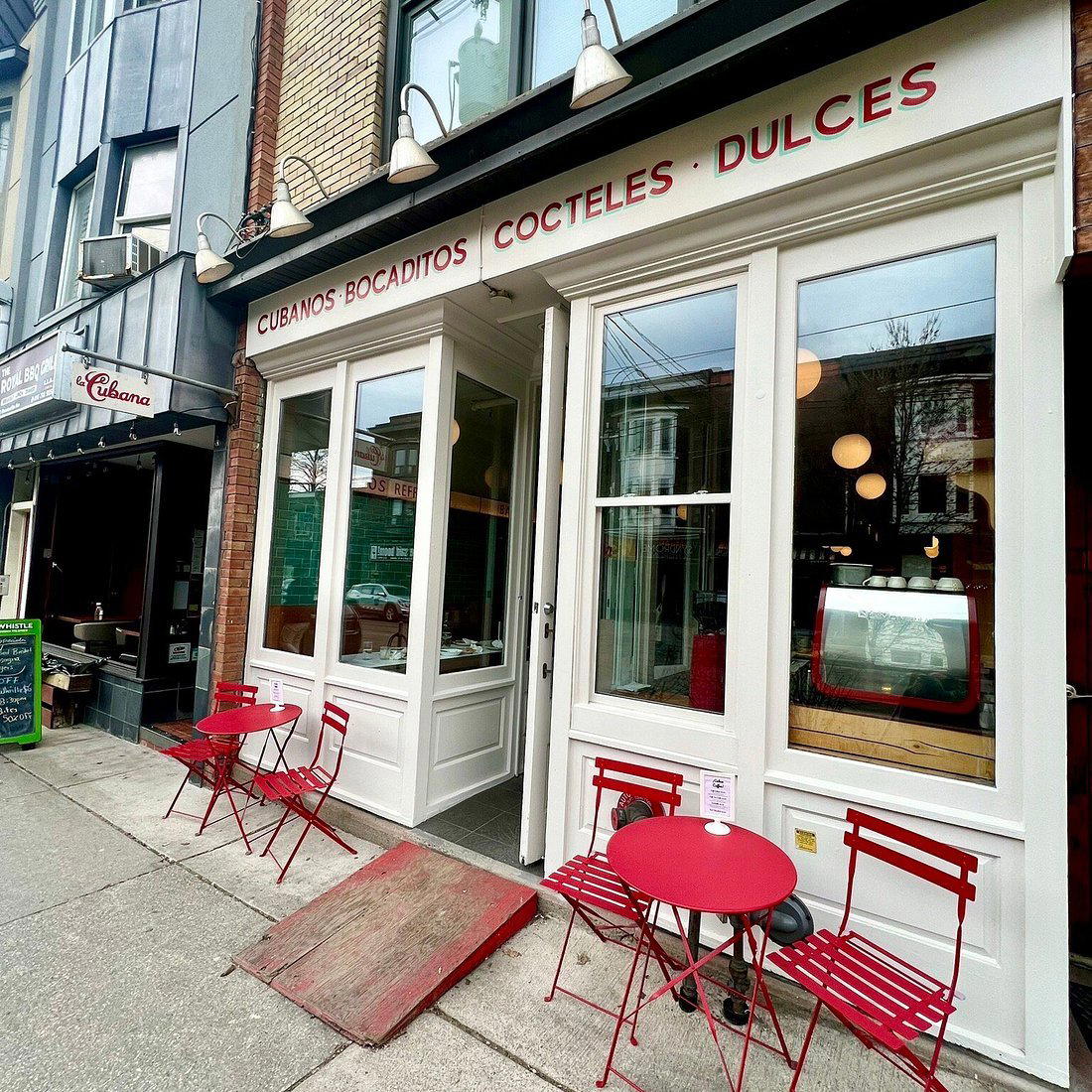
The Avenue Sets the Tempo Before You Sit Down
La Cubana Roncesvalles is a casual Cuban restaurant at 392 Roncesvalles Ave in Toronto's west end, priced around $25 per person. Roncesvalles Avenue has a particular character among Toronto's dining corridors. Where King West and Ossington trend toward concept-driven rooms and late-night programming, Roncesvalles runs quieter and more residential, its restaurant strip shaped by families, long-term locals, and the kind of weeknight loyalty that builds gradually rather than on press-cycle momentum. A Cuban kitchen on this block is not a surprise in its ambition so much as in its specificity: Cuban food occupies a narrow lane in Toronto's broader restaurant ecology, and finding it here, a few kilometres from the downtown core, reflects a broader pattern of specialist cuisines settling into neighbourhood formats rather than destination-dining addresses.
That placement matters for how you approach a meal at La Cubana Roncesvalles. This is not a room calibrated for occasion dining in the way that Alo or Aburi Hana are. The expectation arriving is different: looser pacing, a more casual register, and the kind of cooking that rewards patience rather than precision theatre. Cuban cuisine, in its canonical forms, is built on long-cooked proteins, layered sofrito bases, fried starch, and a timing logic that is largely resistant to the plating aesthetics of contemporary fine dining. That is not a limitation; it is the tradition.
The Dining Ritual: Slow Food by Structure
Cuban cooking is not a cuisine of the quick pivot. Ropa vieja, lechon asado, black beans built over hours, the kitchen logic runs contrary to the rapid-fire small-plates model that now dominates much of Toronto's mid-market. At its leading, a Cuban meal has a procession built into it: something fried and salted to begin, a centrepiece that has been cooking since the morning, rice and beans as accompaniment rather than afterthought, and a rhythm that suggests the table is supposed to hold you for a while.
This structure puts La Cubana Roncesvalles in a different functional category from the kaiseki progressions at Sushi Masaki Saito or the chef-driven tasting formats at DaNico, but the underlying principle of a meal that has internal pacing and sequence is not entirely different. Cuban tradition just expresses it through sharing formats and kitchen timing rather than coursed presentation. The dining ritual here is informal by design, and that informality is itself a cultural signal rather than an absence of intention.
For visitors accustomed to the Italian-rooted Sunday-lunch model, the comparison is useful. The same logic of protein cooked low and slow, eaten communally, with carbohydrate accompaniment as the structural anchor, operates across both traditions. Toronto's Italian canon runs deep, from the white-tablecloth formality of Don Alfonso 1890 down through the neighbourhood trattorias that define the city's older dining culture. Cuban fits a related logic but draws from a Caribbean rather than Mediterranean pantry: plantain instead of potato, black beans instead of cannellini, citrus-garlic marinades in place of wine-and-herb braises.
Where It Sits in Toronto's Specialist Dining Picture
Toronto's restaurant scene has long been sorted by cuisine type across geography. The city's Caribbean food history is concentrated in certain pockets, and Cuban specifically has remained a relatively limited category despite the broader strength of Latin American cooking citywide. Roncesvalles is not a traditional home for this food, which means La Cubana operates somewhat outside the neighbourhood cluster logic that gives other cuisines their density and referencing network.
For context: the city's highest-profile restaurant addresses pull from an entirely different tier. Our full Toronto restaurants guide covers that range in detail. The restaurant operates well below the $$$$ bracket of the city's award-tracked fine-dining tier and is best understood alongside other neighbourhood-format specialists. That positioning is not incidental, Cuban cooking at the traditional level simply does not carry the price architecture of omakase or chef's-table formats, and the leading versions of it are not trying to.
Across Canada, specialist cuisines in neighbourhood formats appear at different scales: the tasting-room intimacy of Restaurant Pearl Morissette in Lincoln or the remote commitment of Fogo Island Inn Dining Room in Joe Batt's Arm represent one end; neighbourhood Cuban in Toronto sits at the other. Both ends are valid; they are just different decisions about what a dining room is for.
Internationally, the comparison to community-rooted formats also holds. The communal-meal logic here tracks closer to what Lazy Bear in San Francisco achieves through its supper-club format, an informality with intention, than to the white-tablecloth precision of Le Bernardin in New York City. The register is simply different, and knowing which register you are entering is half the work of choosing well.
What to Know Before You Go: Seasonal and Practical Notes
The Roncesvalles strip shifts noticeably by season. Summer brings patio usage and a more casual foot-traffic pattern; winter tightens the neighbourhood into its indoor, community-dining mode. A Cuban kitchen fits the colder months particularly well, the braised and fried formats that define the tradition carry a warmth that suits Toronto's extended winter dining calendar. The colder months suit the slow-cooked and fried formats that define Cuban cooking.
Canadian dining more broadly is seeing a renewed interest in cuisines that operate outside the European-fine-dining axis, the same shift visible in cities from Montreal (see Jérôme Ferrer - Europea in Montréal for the counter-example at the high end) to Vancouver (where AnnaLena has carved its own neighbourhood identity). Cuban fits that broader reorientation: a cuisine with clear cultural logic, communal eating habits, and cooking techniques that do not require a brigade of seventeen to execute.
Know Before You Go
- Address: 392 Roncesvalles Ave, Toronto, ON M6R 2M9
- Neighbourhood: Roncesvalles, West End Toronto
- Price tier: Neighbourhood casual (below the city's fine-dining bracket)
- Cuisine: Cuban
- Reservations: Walk-in friendly
- Dress code: Casual
- Nearest comparison: Neighbourhood-format specialist, not a destination fine-dining address
Similar Picks
Comparable venues nearby, for context on price, style, and recognition.
| Venue | Cuisine | Price | Notes |
|---|---|---|---|
| La Cubana RoncesvallesThis venue — the venue you are viewing | Polished Cuban Comfort Food | $$ | Not listed |
| Patois | Caribbean-Asian Fusion | $$ | Little Italy |
| La Cubana | Authentic Cuban Comfort Food | $$ | Trinity Bellwoods |
| Julie's Cuban Restaurant | Authentic Cuban | $$ | Little Portugal |
| Parts & Labour | Contemporary French-Canadian Gastropub | $$ | North Parkdale |
| The Tempered Room | French Pâtisserie | $$ | Parkdale |
Continue exploring
More in Toronto
Restaurants in Toronto
Browse all →
Bars in Toronto
Browse all →
Hotels in Toronto
Browse all →

At a Glance
- Cozy
- Trendy
- Lively
- Casual Hangout
- Family
- Brunch
- Open Kitchen
- Craft Cocktails
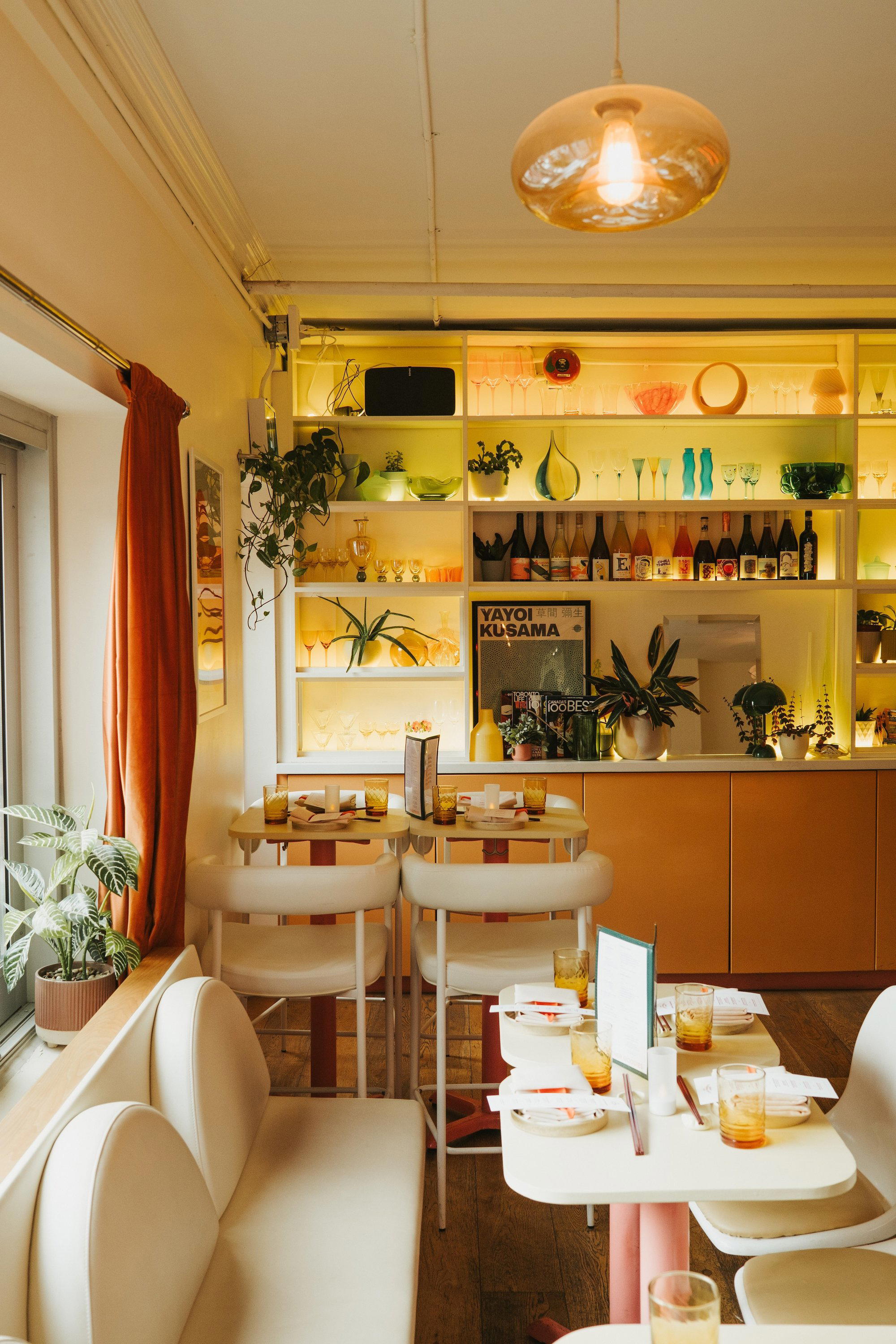
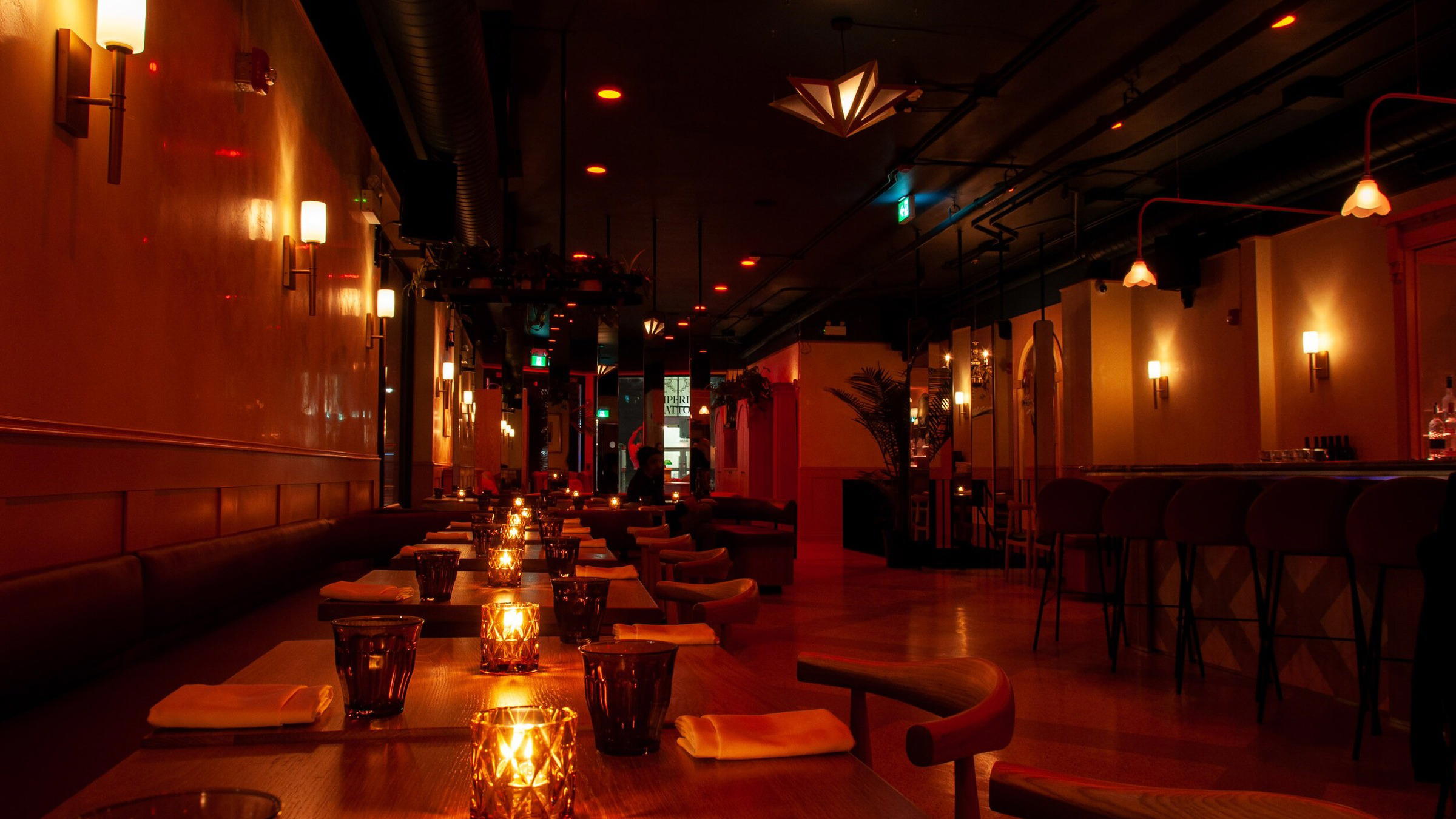
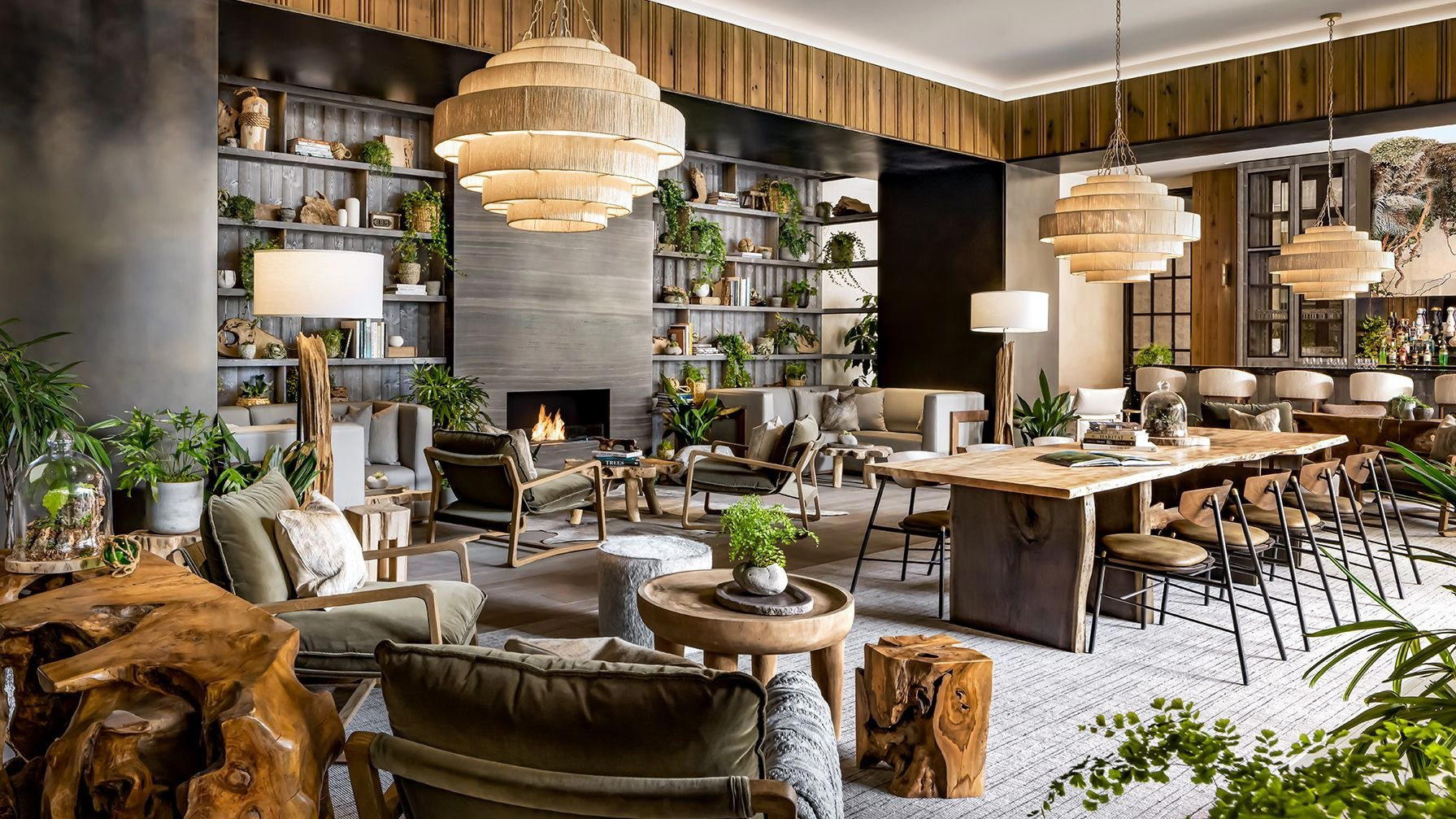
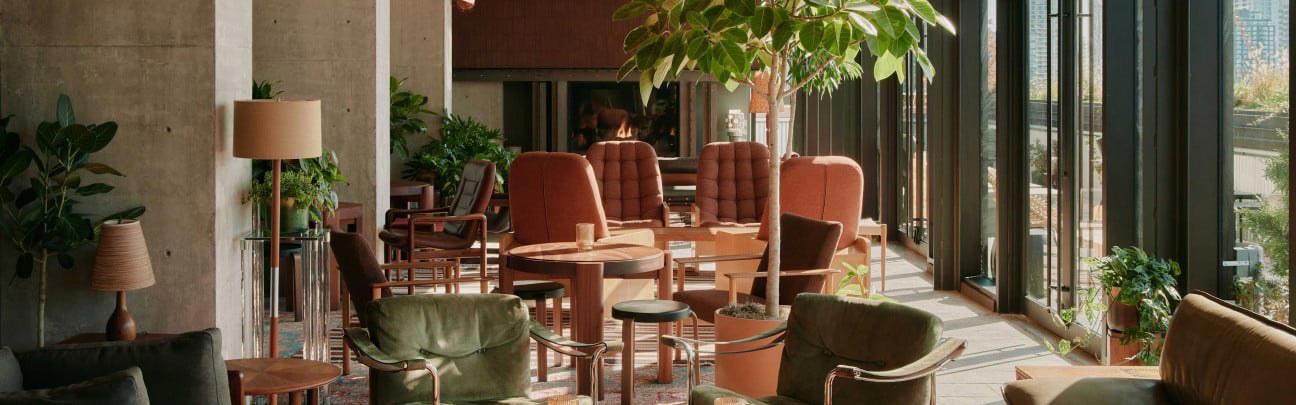
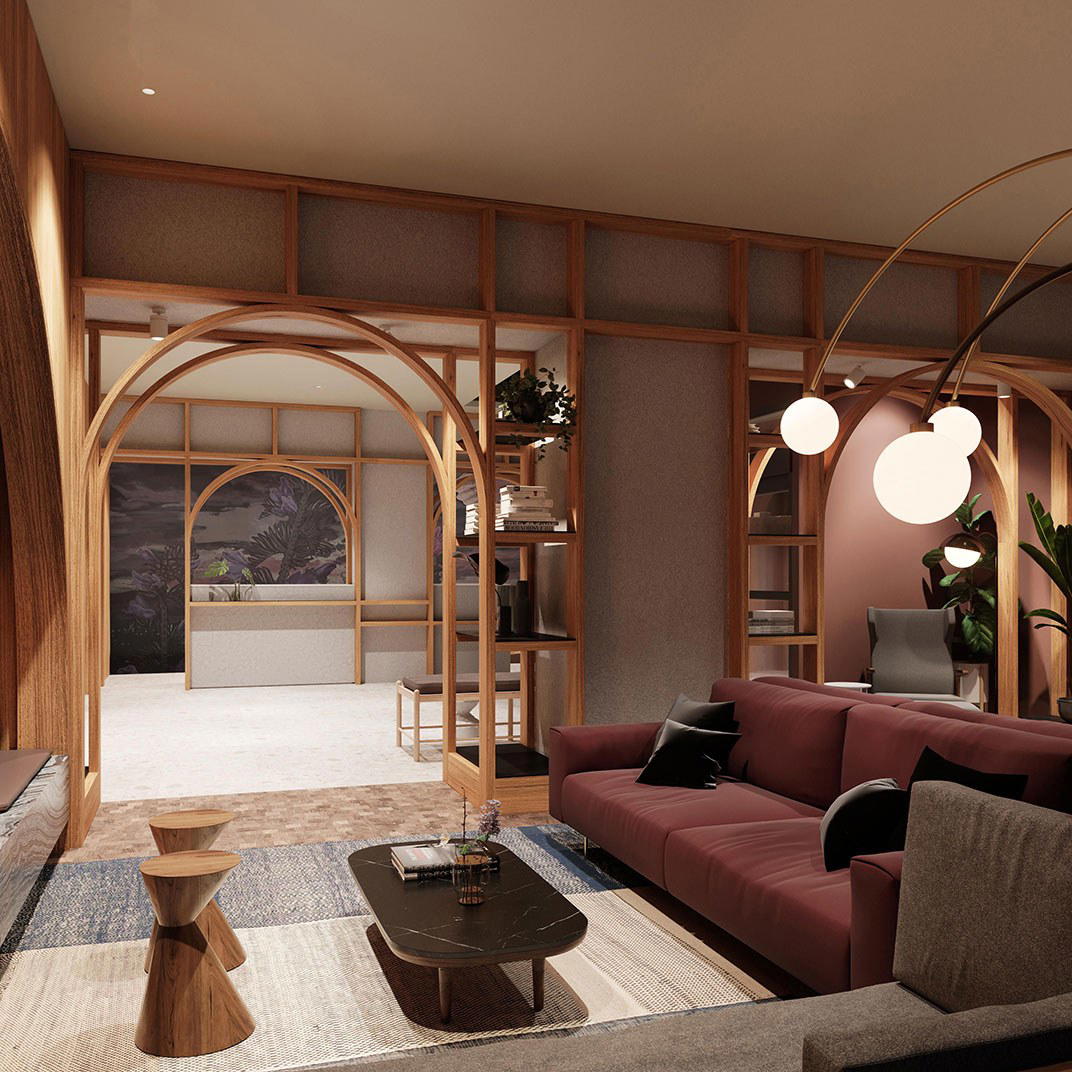
Fun, casual diner atmosphere with trendy decor, great patio, and lively Cuban vibe.