Stari Mlin Klet
Stari Mlin Klet sits in the agricultural heartland of Kloštar Ivanić, east of Zagreb, where the Moslavina wine region and the Lonjsko Polje floodplain shape what ends up on the table. It belongs to the tradition of Croatian rural konoba dining, where proximity to land and producer relationships matter more than formal credential. For those willing to travel beyond the capital's restaurant circuit, it offers a grounded alternative to the city's polished dining rooms.
Pearl is the En Primeur Club membership app — saves, bookings, and concierge access live there. Same editors, same standards.
- Address
- Vinogradska ul. odv. VIII 21, 10312, Kloštar Ivanić, Croatia
- Phone
- +385915737060
- Website
- starimlin-klet.com.hr
- Directions
- Get directions
 Saves & bookings on Pearl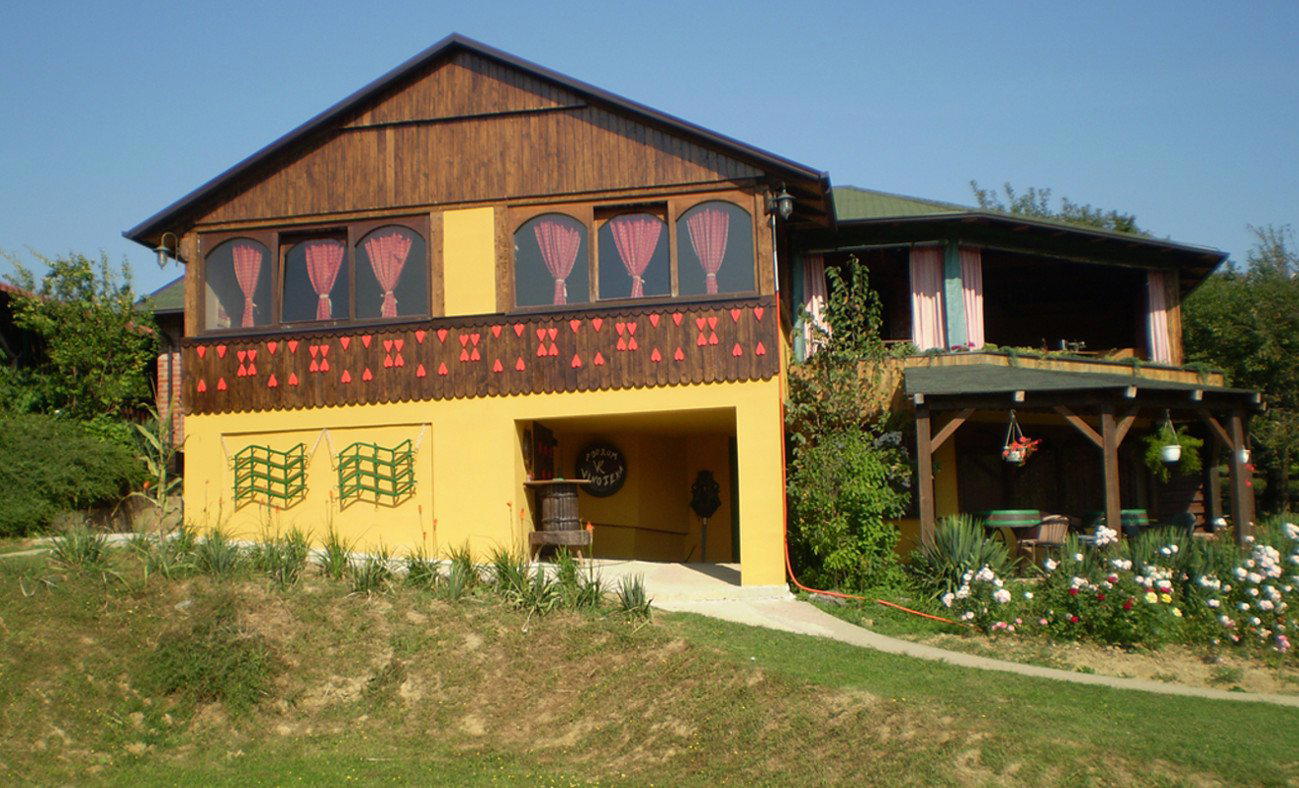
Between the Vineyard Road and the Floodplain: Dining in Kloštar Ivanić
Stari Mlin Klet is a restaurant in Kloštar Ivanić, Croatia, serving Moslavina Traditional Croatian cuisine. Kloštar Ivanić sits in the Moslavina subregion of central Croatia, roughly 35 kilometres east of Zagreb along the Sava corridor, where the transition from suburban Zagreb into open farmland happens quickly and completely. The address, Vinogradska ulica, or Vineyard Street, signals something before you arrive: this is a place shaped by what grows nearby, not by proximity to a city's hospitality infrastructure. The physical setting, a converted mill building (mlin means mill in Croatian), anchors the dining experience in local agricultural history rather than in contemporary restaurant design trends.
Rural konoba culture in Croatia operates on a different logic than the coastal dining scene that attracts most international attention. Venues like Pelegrini in Sibenik or Restaurant 360 in Dubrovnik work within a highly visible, tourism-pressured market. Inland Croatia operates differently: the audience is predominantly local, the supply chains are shorter, and the measure of quality tends to be fidelity to regional ingredient tradition rather than culinary technique for its own sake. Stari Mlin Klet belongs to this inland tradition.
The Moslavina Context: Why Provenance Shapes the Plate
Understanding what Stari Mlin Klet represents requires understanding Moslavina's position in Croatian food geography. The region spans the Moslavačka Gora hill range and the surrounding lowlands, an area defined by mixed agriculture, wheat, corn, sunflowers, alongside smallholder vineyards that produce Graševina and Portugizac, the everyday red grape variety of continental Croatia. The Lonjsko Polje nature park, one of the largest wetland reserves in Europe, lies within reach, and its floodplain ecology supports traditional livestock rearing, particularly the black Slavonian pig, a breed associated with slow-grown pork products in this part of the country.
Continental Croatian kitchens built around this geography tend to feature cured meats, freshwater fish from the Sava and its tributaries, poultry from small farms, and seasonal vegetables. These are not luxury ingredients in the international sense, but their quality depends heavily on how close to source they are prepared and how faithfully they are handled. The konoba format, informal, often family-run, with a menu that changes according to what is available, is the natural structural response to ingredient-led cooking in this tradition. It is also the tradition that distinguishes inland Croatian dining most clearly from the Adriatic coast's seafood and olive oil-centred approach, and from the more formally structured Zagreb restaurants like Dubravkin Put that operate within a metropolitan dining logic.
The Mill Setting and What It Implies
Converted agricultural buildings carry specific atmospheric weight in Croatian rural dining. A mlin, or mill, implies water proximity, grain processing history, and a kind of functional permanence that formal restaurant fit-outs rarely achieve. The klet suffix, meaning a wine cellar or small rural outbuilding, compounds this: the restaurant presents itself as rooted in production rather than consumption, a distinction that matters to the kind of diner who seeks out rural addresses in the first place.
This type of venue in Croatia typically operates with a lower noise floor than comparable spaces in Zagreb or the coast. The surrounding agricultural land absorbs sound, service tends toward the unhurried, and meals are structured around the expectation that guests have made a deliberate journey rather than a spontaneous booking. For the traveller who has already worked through Zagreb's restaurant tier, and visited Korak in nearby Jastrebarsko or Cantilly Garden Restaurant in Samobor, Kloštar Ivanić represents the next radius outward.
Placing Stari Mlin Klet Within Croatia's Wider Dining Scene
Croatia's restaurant coverage concentrates heavily on the Dalmatian coast and on Zagreb's central districts. The island and coastal venues, LD Restaurant in Korčula, Boskinac in Novalja, Agli Amici in Rovinj, operate in a competitive international context and have the awards and press recognition to match. The Adriatic-facing restaurants at Nebo by Deni Srdoč in Rijeka or Alfred Keller in Mali Lošinj position themselves similarly. Inland venues rarely appear in the same conversation, which reflects the structural bias of food media toward coastal and capital settings rather than a quality deficit.
The relevant comparison set for the restaurant is the cluster of ingredient-driven rural venues across Slavonia and the Zagreb hinterland. Within that set, an address on Vineyard Street in an active wine-producing municipality, housed in a converted mill, positions the venue toward the more atmospheric end of the inland spectrum. The question for a traveller is not whether it competes with Dubrovnik's leading dining rooms but whether it delivers the specific experience of continental Croatian hospitality at close to source: regional wine, regional produce, and a pace calibrated to a meal that occupies an afternoon rather than ninety minutes.
Further afield, Krug in Split, Burin in Crikvenica, Cubo in Opatija, Bodulo in Pag, and BioMania Bistro Bol in Bol offer points of comparison across Croatia's different regional dining characters. If the comparison extends internationally, the ingredient-sourcing discipline of venues like Le Bernardin in New York City or the produce-led precision of Atomix demonstrates how seriously provenance-first cooking is taken at the highest international levels, context that makes inland Croatian venues easier to appreciate on their own terms.
Planning a Visit
Kloštar Ivanić is accessible by car from Zagreb in under 45 minutes via the A3 motorway and local roads toward Ivanić-Grad. Given the absence of published hours and booking details in the public record, confirming opening days directly before travelling is practical advice rather than a formality, rural venues in this part of Croatia sometimes keep seasonal schedules or close for private events, and the journey from Zagreb is long enough to make an unconfirmed visit a real risk. The address on Vinogradska ulica places the venue in the agricultural outskirts of the municipality rather than in the town centre itself.
Comparable Venues
Comparable venues nearby, for context on price, style, and recognition.
| Venue | Cuisine | Price | Notes |
|---|---|---|---|
| Stari Mlin KletThis venue — the venue you are viewing | Moslavina Traditional Croatian | $$ | Not listed |
| Amélie | French-Inspired Pastry Shop & Cafe | $$ | Gornji Grad |
| Bitoraj | Traditional Croatian Game Meat | $$ | Fuzine |
| Vinogradarska kuća Braje | Traditional Croatian Vineyard Cuisine | $$ | Lokošin Dol |
| Roki's-Plisko Polje VIS | Traditional Croatian Peka | $$ | Plisko Polje |
| Ethno farm Mirnovec | Traditional Croatian Rural Cuisine | $$ | Samobor |
Continue exploring
More in Klostar Ivanic
Restaurants in Klostar Ivanic
Browse all →
Bars in Klostar Ivanic
Browse all →
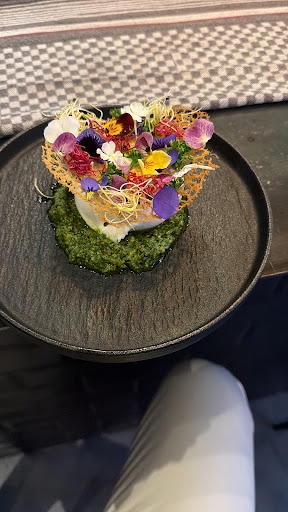

Hotels in Klostar Ivanic
Browse all →
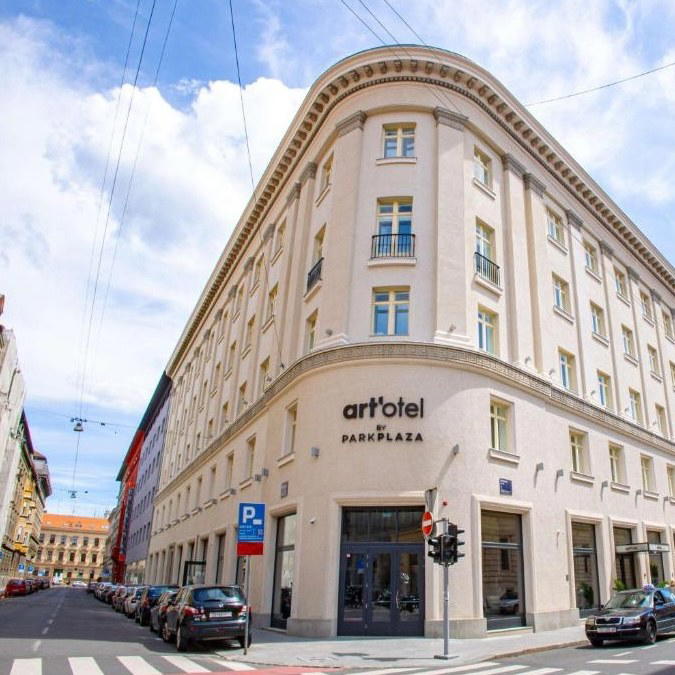
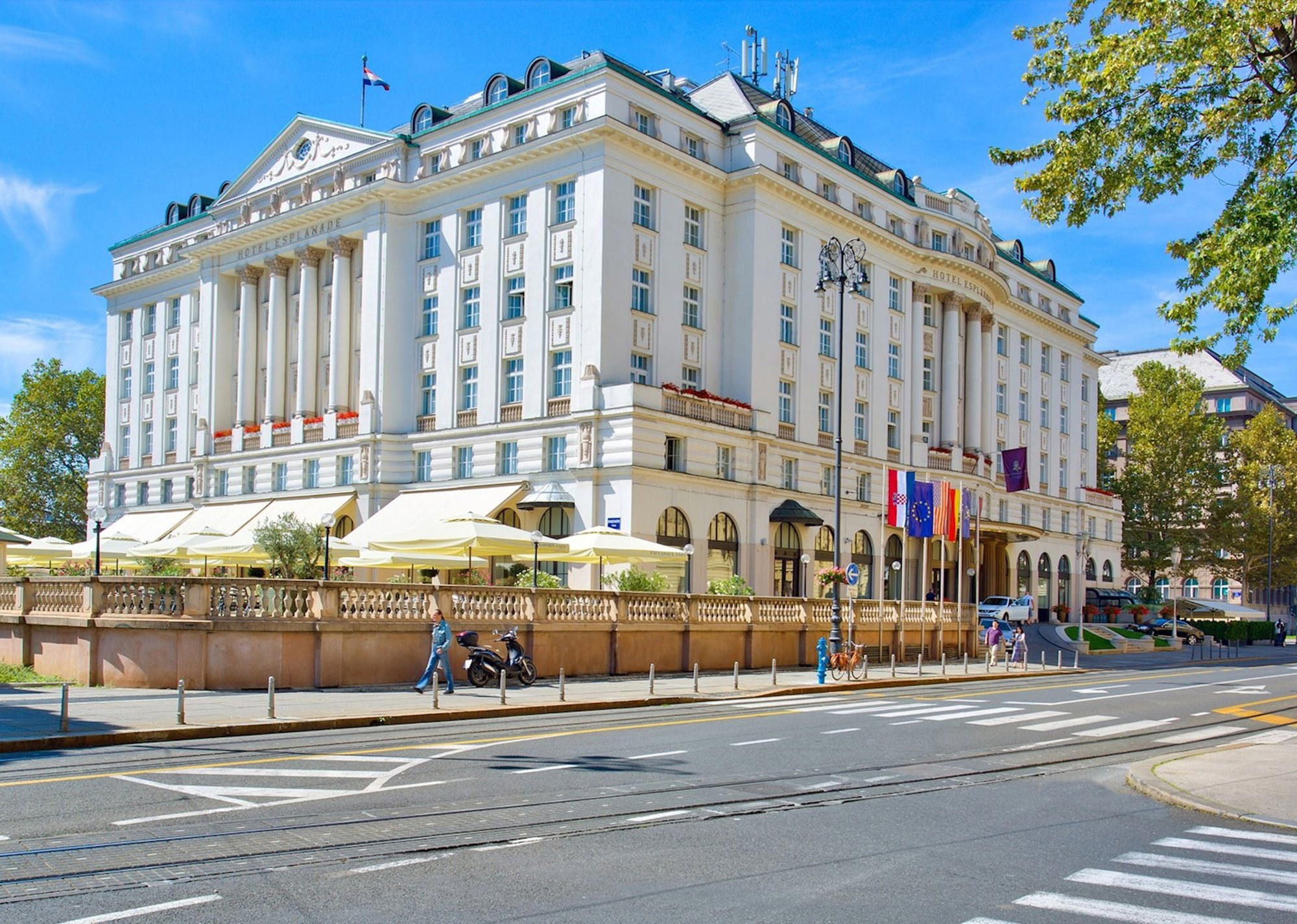
At a Glance
- Rustic
- Cozy
- Romantic
- Classic
- Family
- Celebration
- Special Occasion
- Historic Building
- Extensive Wine List
- Local Sourcing
Current opening hours
- Monday
- Closed
- Tuesday
- Closed
- Wednesday
- Closed
- Thursday
- Closed
- Friday
- Closed
- Saturday
- 12–11 PM
- Sunday
- 12–7 PM
Hours can change for holidays and private events. Last verified .
Traditional rustic atmosphere evoking past eras with preserved antique furnishings, flower-framed architecture, and peaceful countryside serenity away from urban hustle.