
Franko's Pizza & Bar on Ul. kneza Branimira brings a structured, format-driven approach to pizza that is rare in Zagreb: Neapolitan, Roman, Old School, and calzone each occupy a defined lane on the menu, with sourcing drawn from Italian producers. The bar program pairs wines, beers, and cocktails with both the pizza and a supporting cast of appetizers and cooked dishes.
Pearl is the En Primeur Club membership app — saves, bookings, and concierge access live there. Same editors, same standards.
- Address
- Ul. kneza Branimira 71a, 10000, Zagreb, Croatia
- Phone
- +385 1 6530 884
- Website
- frankos.hr
- Directions
- Get directions
 Saves & bookings on Pearl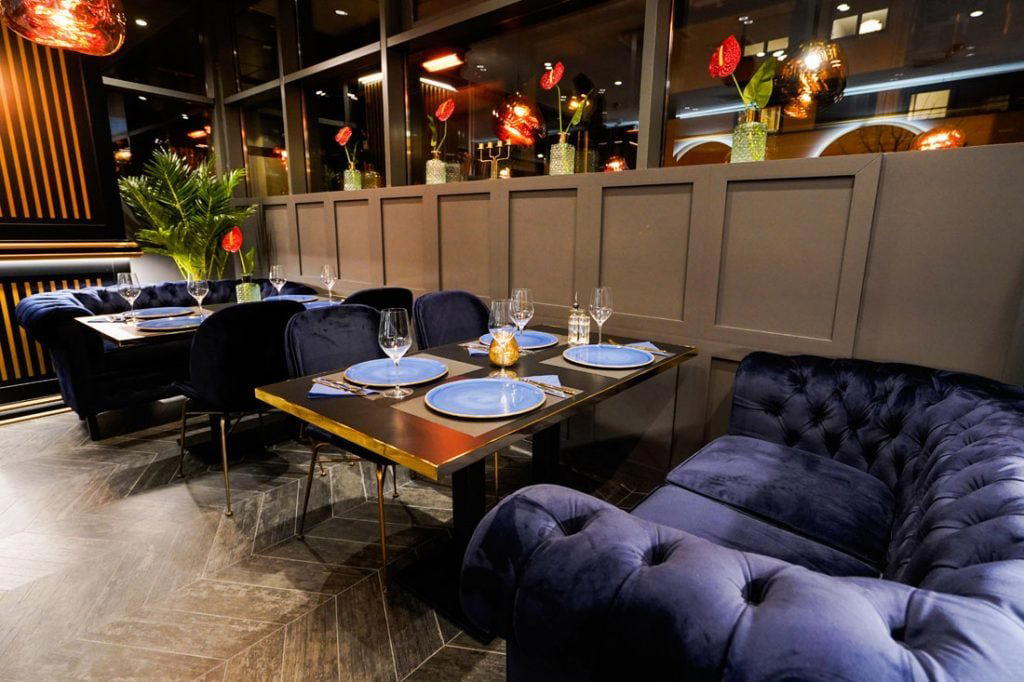
Four Formats, One Address: How Franko's Structures Its Menu
Zagreb's pizza scene has historically been an afterthought in a city where Mediterranean-leaning restaurants like Dubravkin Put and tasting-menu rooms like Noel absorb most of the critical attention. That positioning, however, has left an opening for focused, format-conscious pizza operations to occupy the mid-market without much competition on their own terms. Franko's Pizza & Bar, a Neapolitan pizza restaurant in Zagreb at Ul. kneza Branimira 71a, runs under Fran Župić - Mario Markušić and approaches the category with a degree of structural deliberateness that separates it from generic sit-down pizzerias.
The defining feature here is menu architecture. Rather than presenting a single undifferentiated list of pizzas, Franko's divides its offering into four explicit categories, each governed by different dough logic and cooking approach. That kind of deliberate segmentation is more common in Italian cities where regional pizza styles exist in genuine competition; in Zagreb, it reads as an editorial statement about what pizza can be.
The Four Styles and What They Signal
Each format on the menu communicates a different philosophy about crust, texture, and occasion. Neapolitan pizzas are built around soft, extensible dough with a pronounced, air-pocketed cornicione, cooked at high heat in a wood-fired oven. The thermal environment matters here: wood-fired temperatures typically exceed 400°C, which produces the characteristic leopard spotting and slight char that define the style. This is pizza conceived as a leavened bread product first, topping carrier second.
Roman-style pizzas occupy the opposite end of the textural range, with a thin, crisp base that holds its structure after cutting. Where Neapolitan dough yields and tears, Roman dough snaps. The menu positions this format explicitly for those who prefer a lighter result, which is a fair characterization: lower hydration and a longer cold ferment typically produce a drier, more cracker-adjacent base that suits certain topping combinations better than a supple Neapolitan platform would.
The third category is what Franko's calls Old School pizzas: classic versions drawn from the Zagreb tradition, adapted for delivery. This is especially locally specific section among the menu, acknowledging that Croatian pizza has its own vernacular distinct from Italian orthodoxy. Zagreb-style pizza has historically favored thicker, softer bases with generous topping coverage, a format that emerged from Yugoslav-era bakery culture rather than Italian regional inheritance. Including this alongside Neapolitan and Roman styles is an implicit act of cultural honesty rather than erasure.
Calzones round out the offering in five variations, functioning as a folded-dough counterpart to the open formats. The closed structure changes the cooking dynamic: moisture from fillings steams the interior, producing a different texture profile than any of the flat formats. Five variations suggests this section is treated as a proper menu chapter rather than a token inclusion.
Ingredients and Sourcing
Across all four formats, the menu signals Italian-sourced ingredients selected from what the kitchen describes as the leading producers. This matters in a practical sense: Croatian flour, tomato, and cheese are entirely serviceable for everyday pizza, but the textural and flavor benchmarks for Neapolitan-style dough are closely tied to specific flour types (typically Caputo or similar high-protein Neapolitan milling) and San Marzano or Vesuvian tomato varieties. Committing to Italian-sourced ingredients is a cost and logistics decision, and it reflects a conscious choice to hold the kitchen to a specific quality register rather than adapt the recipes downward to locally available equivalents.
The Bar Program
The drinks offer at Franko's runs wider than most pizza-focused operations in Zagreb. Wines, beers, and cocktails are all available, and the menu explicitly positions them as pairings for the full scope of the food: pizza formats, appetizers, cooked dishes, and fried items. This breadth suggests the kitchen program extends meaningfully beyond pizza, with cooked and fried items forming a secondary food category capable of supporting a longer visit or a drinks-first approach.
Croatian wine culture is developing quickly, with Istrian and Dalmatian producers drawing growing attention. Venues like Balon and Bekal reflect a broader Zagreb interest in pairing local and regional wines with food that isn't formally Croatian.
Zagreb Context: Where This Sits
Within the Zagreb dining map, Franko's occupies a distinct tier. It operates at a different register than the Michelin-flagged rooms: Izakaya at the more casual end and the one-star kitchens at the formal end are solving different problems for different occasions. Franko's is a specialist within a casual-to-mid-market category, and its competitive set is other pizza operations rather than broader restaurant peers. The menu's structural ambition and ingredient sourcing position it at the attentive end of that specialist category.
Croatia's food scene more broadly has a number of restaurants executing at high levels outside the capital, from Agli Amici Rovinj to Boskinac in Novalja and LD Restaurant in Korčula. Zagreb's own fine-dining tier includes Korak just outside the city and a growing number of kitchens engaging seriously with both Croatian ingredients and international technique. Against that backdrop, the city's casual-dining category is filling in, and a format-led pizza operation with a proper bar program fills a gap that was real.
Planning a Visit
Franko's is located at Ul. kneza Branimira 71a in Zagreb. The menu's inclusion of a dedicated children's section and delivery-adapted formats suggests the kitchen is designed for varied visit types, from quick weeknight meals to longer table evenings with the full drinks program. Service is described as attentive, which in a pizza context is a meaningful differentiator from the brisk, high-turnover model common in Italian casual pizza operations.
Peers Worth Knowing
Comparable venues nearby, for context on price, style, and recognition.
| Venue | Cuisine | Price | Notes |
|---|---|---|---|
| Franko’s Pizza & BarThis venue — the venue you are viewing | Neapolitan Pizza | $$ | Not listed |
| Boban | Mediterranean-Style Italian | $$ | Zagreb Historic Centre |
| Amélie | French-Inspired Pastry Shop & Cafe | $$ | Gornji Grad |
| Ježeva kućica | Traditional Croatian Mediterranean | $$ | Maksimir |
| Saralee's thai street food | Authentic Thai Street Food | $$ | City Centre (Galleria Business Center area) |
| Carpaccio | Classic Italian with Seasonal Croatian Influences | $$$ | Center |
Recognition history
Dated appearances from independent guides and award organizations, with the underlying list record or original source where available.
50 Top Pizza Europe #20
50 Top Pizza
50 Top Pizza World Best Pizza #79
50 Top Pizza
Continue exploring
More in Zagreb
Restaurants in Zagreb
Browse all →
Bars in Zagreb
Browse all →
Hotels in Zagreb
Browse all →

At a Glance
- Lively
- Modern
- Cozy
- Trendy
- Casual Hangout
- Date Night
- Group Dining
- Open Kitchen
- Craft Cocktails
- Beer Program
Current opening hours
- Monday
- 11 AM–11 PM
- Tuesday
- 11 AM–11 PM
- Wednesday
- 11 AM–11 PM
- Thursday
- 11 AM–11 PM
- Friday
- 11 AM–12 AM
- Saturday
- 11 AM–12 AM
- Sunday
- 11 AM–11 PM
Hours can change for holidays and private events. Last verified .
Modern, funky interior resembling a New York or London bar with jazz music, lively atmosphere, and professional service.