Ethno farm Mirnovec sits on the edge of Samobor, a town already known for its rural dining traditions and proximity to Zagreb's day-trip circuit. The property operates within a Croatian ethno-farm format that prioritises locally sourced, traditionally prepared food over contemporary presentation. For visitors tracing the Zagorje and Prigorje foodways, it represents a direct address into that regional cooking tradition.
Pearl is the En Primeur Club membership app — saves, bookings, and concierge access live there. Same editors, same standards.
- Address
- Ul. Većeslava Kolara 28, 10430, Samobor, Croatia
- Phone
- +38517877195
- Website
- etnofarma.hr
- Directions
- Get directions
 Saves & bookings on Pearl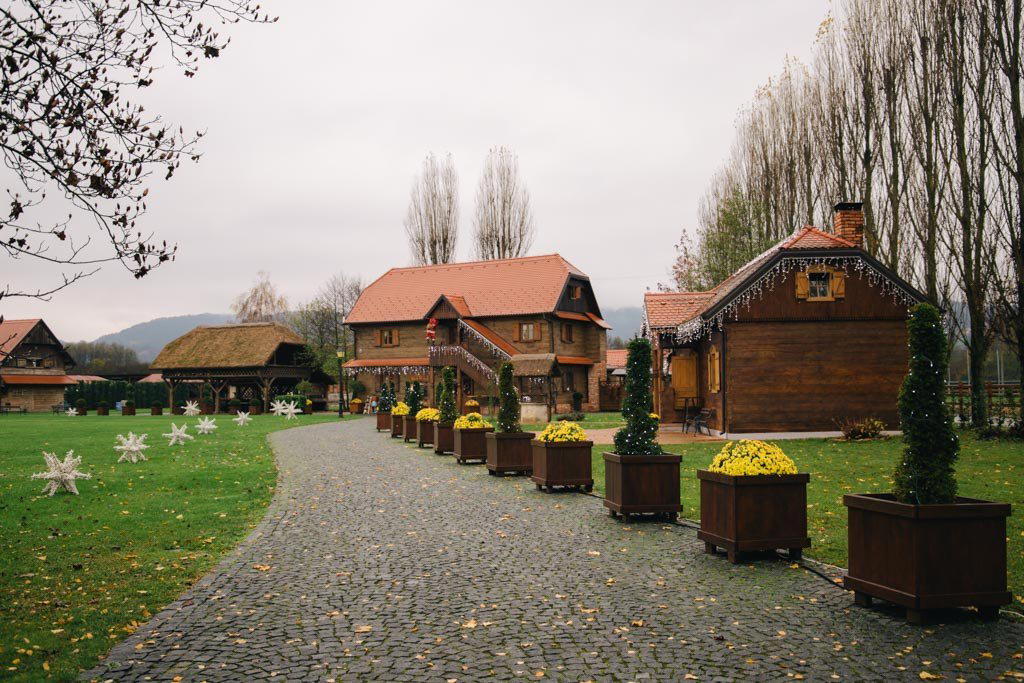
Where the Countryside Becomes the Kitchen
Ethno farm Mirnovec is a restaurant in Samobor, Croatia, serving traditional Croatian rural cuisine at Ul. Većeslava Kolara 28. Ul. Većeslava Kolara 28 sits within this geography, and Ethno farm Mirnovec belongs to a dining format that Croatia has developed with particular seriousness over the past two decades: the ethno farm, where the setting, the ingredients, and the cooking method are inseparable from each other.
The ethno farm model is not a rustic theme. In Croatian culinary practice, it describes a property that sources from its own land or immediate surroundings, prepares food according to regional technique rather than adapted restaurant convention, and frames the meal inside an agricultural or pastoral context. This places it in a different competitive tier from the town-centre restaurants in Samobor's main square. Those establishments, including Gabreku 1929 and Cantilly Garden Restaurant, serve the walk-in visitor market and lean toward the familiar samoborska kotlovina and kremšnita pairings. Ethno farm Mirnovec addresses a different reader: one who has come specifically for the farm context, not as a secondary discovery.
The Prigorje and Zagorje Cooking Tradition
The cooking of the Croatian inland northwest, loosely grouped under the Prigorje and Zagorje regional labels, is among the country's most internally coherent food cultures. It developed largely separately from the Adriatic pantry, drawing instead on river fish from the Sava and Kupa watersheds, slow-raised pork, game from the Žumberak foothills, and a fermentation culture that runs from kiseli kupus (soured cabbage) to various types of preserved meats. Fat, smoke, and time are the three defining techniques rather than the olive oil and salt-cod vocabulary of the Dalmatian table.
This is the tradition within which an ethno farm in the Samobor area operates. Dishes tend to be structured around slow cooking: roasted meats prepared in a peka or over open fire, bean stews given long treatment, and seasonal vegetables that follow the agricultural calendar rather than year-round supply chains. The format rewards unhurried eating, which suits the day-trip and weekend excursion profile of visitors arriving from Zagreb, roughly 25 kilometres to the east.
Croatia's inland restaurant scene has seen increasing recognition at the national level, with venues like Korak in Jastrebarsko demonstrating that the Zagreb hinterland can sustain serious food destinations. That broader trend has created more informed appetite for what ethno farms offer: not just authenticity as atmosphere, but regional cooking as a distinct category of culinary knowledge worth seeking on its own terms.
Samobor as a Dining Destination
Samobor holds a specific position in the Croatian dining map. It is close enough to Zagreb to function as a half-day excursion, yet the town has accumulated enough food identity, kremšnita cream cakes, mustard producers, the samoborska kotlovina stew tradition, to sustain visits oriented entirely around eating. The result is a layered dining scene that includes formal restaurants, konoba-style establishments, and farm-format properties occupying the outer edges of the municipality.
For visitors working through Samobor's options, the town's other notable addresses each occupy a distinct register. Salvator and Restoran Kod špilje serve the middle ground between traditional and contemporary, while Izletište Kuzmanović Slavagora shares Mirnovec's excursion-oriented format.
Against this backdrop, ethno farm properties like Mirnovec occupy the end of the spectrum that requires the deliberate effort from the visitor: reaching them is not incidental, and the experience is shaped by that commitment. You travel to an ethno farm; you don't stumble into one.
Croatia's Wider Farm Dining Context
The ethno farm format has parallels across Central Europe, but Croatia has formalised it in ways that give it distinct market presence. Agrotourism licensing, regional food certification frameworks, and the promotion bodies attached to county tourism boards have created a visible category that serious food visitors now plan around. The inland regions, historically overshadowed by Adriatic coastal dining in international travel media, are increasingly represented in Croatian food coverage.
At the finer end of the Croatian dining spectrum, recognition has accumulated around Adriatic-oriented venues: Agli Amici Rovinj in Istria, Pelegrini in Sibenik, LD Restaurant in Korčula, and Restaurant 360 in Dubrovnik represent the coastal and island tier that draws international award attention. Inland, the recognition profile is different: venues like Nebo by Deni Srdoč in Rijeka, Alfred Keller in Mali Lošinj, Boskinac in Novalja, and Dubravkin Put in Zagreb have built national credibility, while the ethno farm tier operates on a different axis entirely: regional authenticity rather than modernist ambition.
That distinction matters for how to approach Mirnovec. Comparing it to Krug in Split or to internationally-known formats like Le Bernardin in New York City or Lazy Bear in San Francisco would miss the point of the category. The ethno farm is evaluated on the coherence of its connection to place, the quality of its sourcing, and the fidelity of its cooking to regional tradition.
Planning Your Visit
Ethno farms in the Samobor area generally operate on a schedule aligned with weekend and public holiday demand, with weekday availability varying by season. The address at Ul. Većeslava Kolara 28 in Samobor is easy to reach by car from Zagreb, and advance booking is recommended. Given the format, advance contact before visiting is advisable to confirm availability and any reservation requirements specific to the property.
A Pricing-First Comparison
Comparable venues nearby, for context on price, style, and recognition.
| Venue | Cuisine | Price | Notes |
|---|---|---|---|
| Ethno farm MirnovecThis venue — the venue you are viewing | Not listed | $$ | Not listed |
| Zeleni papar | Samobor, Traditional Croatian | $$ | Not listed |
| Samoborska klet | Not listed | $$ | city centre, Traditional Croatian Barbecue |
| Cantilly Garden Restaurant | Not listed | $$$ | Samobor, Contemporary Croatian Mediterranean |
| Izletište Kuzmanović Slavagora | Not listed | $$ | Slavagora, Traditional Croatian Rural Cuisine |
| Salvator | strict center, Traditional Croatian | $$ | Not listed |
Continue exploring
More in Samobor
Restaurants in Samobor
Browse all →
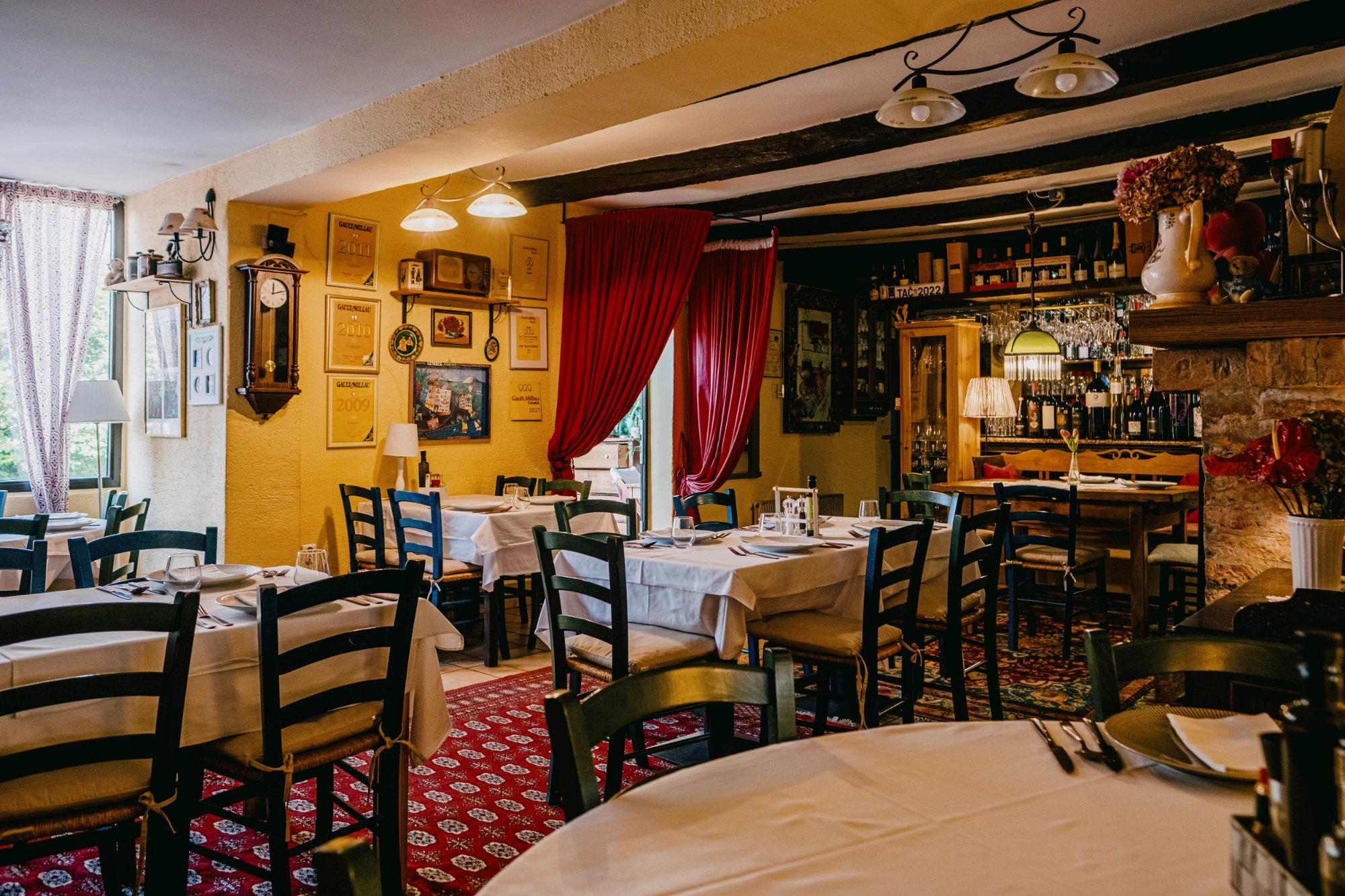
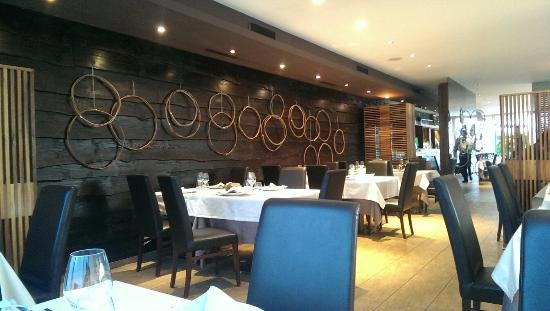
Bars in Samobor
Browse all →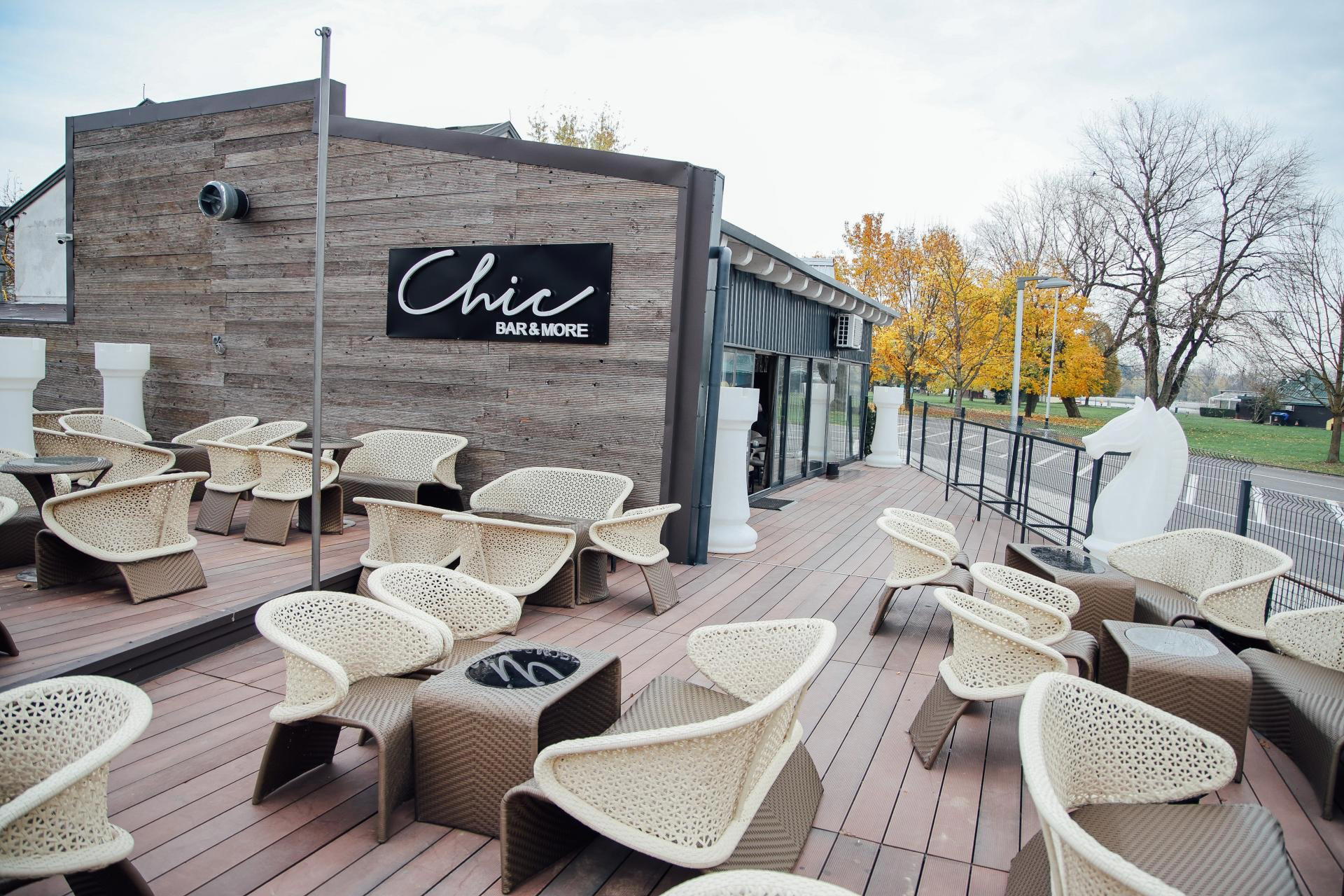
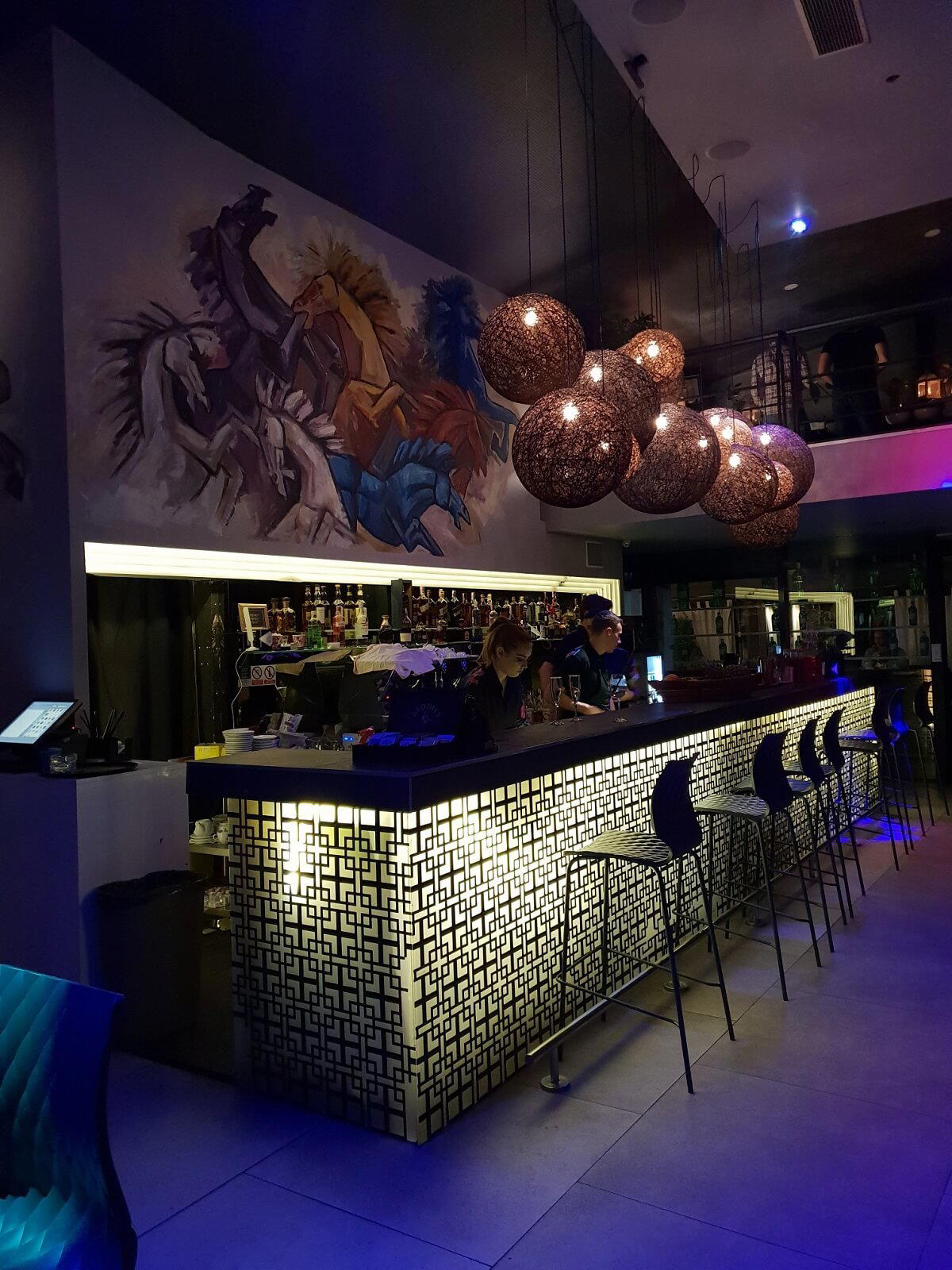
Hotels in Samobor
Browse all →

At a Glance
- Rustic
- Cozy
- Scenic
- Family
- Celebration
- Casual Hangout
- Garden
- Historic Building
- Local Sourcing
- Garden
Current opening hours
- Monday
- 10 AM–5 PM
- Tuesday
- 10 AM–8 PM
- Wednesday
- 10 AM–8 PM
- Thursday
- 10 AM–8 PM
- Friday
- 10 AM–8 PM
- Saturday
- 10 AM–8 PM
- Sunday
- 9 AM–8 PM
Hours can change for holidays and private events. Last verified .
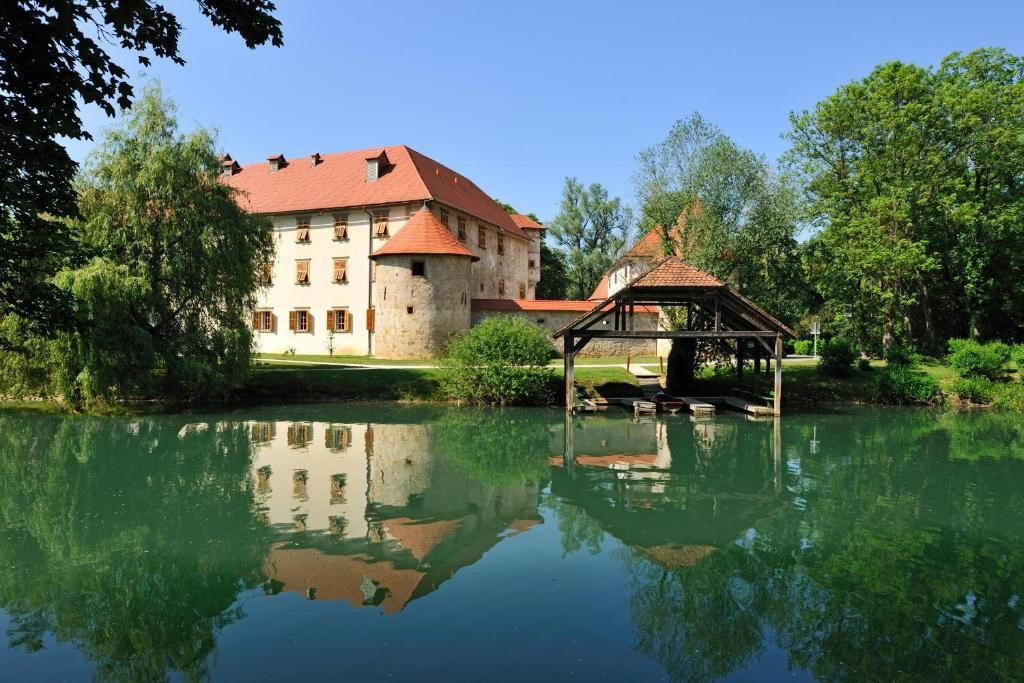
Renovated wooden houses in authentic country style create a peaceful, traditional rural atmosphere.