Stanglalm
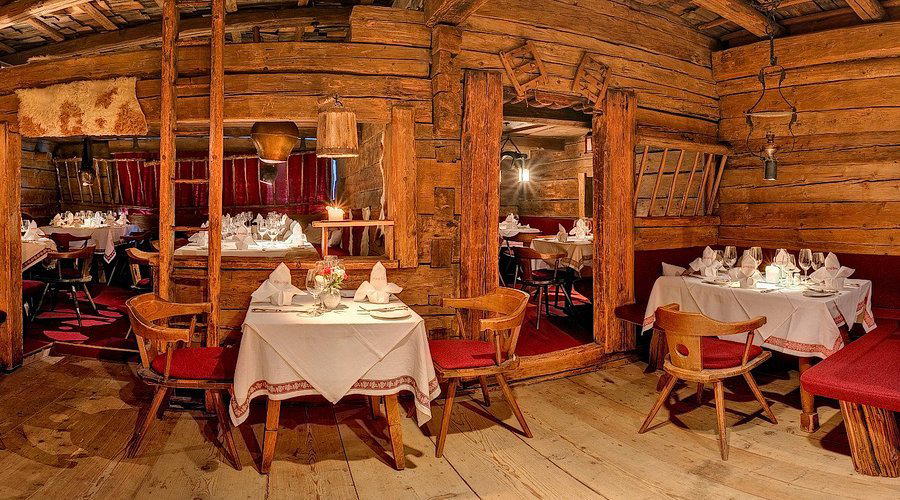
An alm-style dining address in the Tyrolean hills above Oberndorf, Stanglalm draws on the agricultural traditions of its mountain setting, where proximity to pasture and forest shapes what arrives at the table. It occupies a category of Austrian mountain hospitality that sits apart from the resort fine-dining circuit, offering a more grounded register for visitors who want the terrain on the plate as much as the view from the window.
Pearl is the En Primeur Club membership app — saves, bookings, and concierge access live there. Same editors, same standards.
- Address
- Almen 6, 6372 Oberndorf in Tirol, Austria
- Phone
- +43535264725
- Website
- stanglalm.at
- Directions
- Get directions
 Saves & bookings on Pearl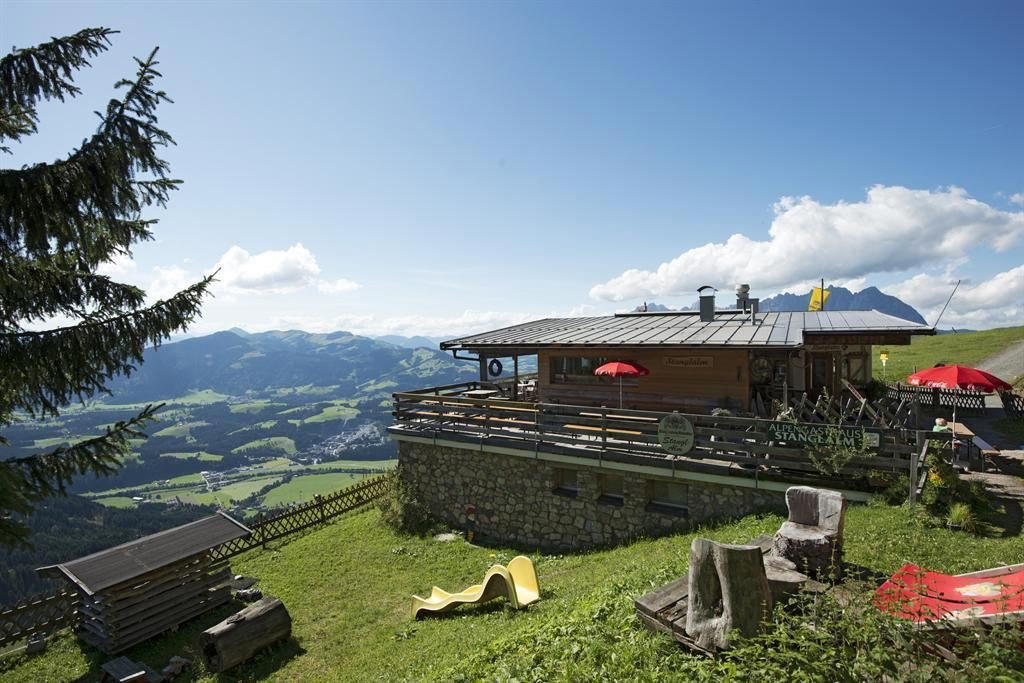
Where the Terrain Arrives at the Table
Austria’s alpine dining tradition has always operated along a clear vertical axis: the higher the alm, the more the kitchen depends on what surrounds it. At Stanglalm, positioned in the hills above Oberndorf in Tirol, that logic holds with particular force. The approach to an alm address like this one tends to involve a degree of effort, whether on foot or by mountain road, and that effort is part of the contract with the guest. You arrive having crossed something, and the setting acknowledges it. The Tyrolean landscape here is not backdrop; it is supply chain, larder, and atmosphere at once.
This is a region where the shorthand “alpine cuisine” covers a wide range of ambitions, from the perfunctory to the serious. At the serious end, the sourcing relationship between kitchen and mountain is direct and seasonal, governed by what the pastures produce in summer, what the forests yield in autumn, and what the root cellars and curing traditions extend into winter. Stanglalm sits within that tradition, in a part of Tirol where cattle move between altitudinal pastures and the rhythm of the agricultural year remains legible in what’s served.
The Ingredient Logic of Tyrolean Alm Cooking
The editorial angle on an alm kitchen in this corner of Austria is almost always sourcing: not as a marketing position, but as a structural fact. Proximity collapses the supply chain in ways that valley and city restaurants cannot replicate. Dairy produced from alpine summer pasture carries different fat composition and flavour than lowland equivalents, a distinction recognised in Austria’s protected designation frameworks and in the preferences of the serious regional kitchens that seek this material out. The same applies to mountain herbs, gathered at altitude before they flower out, and to game taken from forests that run up the ridgelines above the Inn valley tributaries.
This sourcing reality is what separates a working alm kitchen from an alpine-themed restaurant in a valley town. The distance between ingredient and plate is measured in minutes rather than days, and the menu structure reflects seasonal availability rather than year-round consistency. That imposes discipline on the kitchen and specificity on the guest experience. What you eat at an address like Stanglalm is, in a literal sense, a record of what the surrounding land is doing at that moment of year. For context on how the broader Austrian fine-dining circuit approaches ingredient provenance, Döllerer in Golling an der Salzach has made sourcing from Salzburg’s natural environment a signature of its contemporary Austrian programme, and Kräuterreich by Vitus Winkler in Sankt Veit im Pongau has built an entire identity around alpine herb cultivation.
Oberndorf in Tirol and Its Position on the Regional Dining Map
Oberndorf sits in the Leukental, a compact valley between Kitzbühel and St. Johann in Tirol, a corridor that sees significant traffic from skiers and hikers depending on the season but retains a quieter agricultural identity away from the main resort circuits. The village itself does not operate at the volume or profile of Kitzbühel’s restaurant scene, which is part of what gives addresses here their character. Dining in this part of Tirol tends to be occasion-led and local in spirit, with visitors drawn by the mountains rather than by a food reputation, which means the kitchen’s relationship with the surrounding territory tends to be more organic and less performative than at high-profile resort addresses.
For those assembling a wider Tyrolean dining itinerary, the regional reference points worth tracking include Gourmetrestaurant Tannenhof in Sankt Anton am Arlberg and Stüva in Ischgl, both of which operate at the intersection of alpine setting and polished European technique. Schwarzer Adler in Hall in Tirol and Restaurant 141 by Joachim Jaud in Mieming extend the regional frame further. For a broader survey of what the state offers, our full Oberndorf in Tirol restaurants guide covers the local options in detail.
The Alm Format and What It Asks of the Visitor
Alm dining in the Austrian Alps operates by conventions that differ from urban or resort-hotel restaurant norms. Reservations are typically advisable, particularly in peak summer and winter seasons when mountain visitors concentrate. The format at most alm addresses rewards unhurried visits: the physical setting encourages guests to stay, the food tends toward generous and grounding rather than architecturally precise, and the rhythm of service follows the logic of a mountain kitchen rather than a city dining room. Those arriving with expectations shaped by the technical fine-dining circuit, the tier occupied in Vienna by Steirereck im Stadtpark or the creative European programming at Ikarus in Salzburg, should recalibrate toward a different but equally considered register.
Across the Austrian alpine dining scene more broadly, the alm format has maintained its integrity precisely because it is place-specific and season-bound. It cannot be replicated in another context without losing the logic that makes it work. Compare this to the approach of Obauer in Werfen, which translates alpine material into a more formally structured contemporary Austrian idiom, or Landhaus Bacher in Mautern an der Donau, which reads Austrian classic cuisine through a different regional lens entirely. The alm kitchen sits at a different point on that spectrum, closer to tradition and terroir than to technique-led innovation.
Visitors exploring the broader Austrian dining circuit will find further reference points at Taubenkobel in Schützen am Gebirge, Ois in Neufelden, Atelier Fischer in Sankt Gilgen, Artis in Graz, and Griggeler Stuba in Lech. For international comparison on how tradition and sourcing intersect at the highest levels, Le Bernardin in New York City and Atomix in New York City each demonstrate how a singular sourcing philosophy can anchor a dining programme across years of service.
Planning Your Visit
Stanglalm is located at Almen 6, 6372 Oberndorf in Tirol, Austria.
Side-by-Side Snapshot
Comparable venues nearby, for context on price, style, and recognition.
| Venue | Cuisine | Price | Notes |
|---|---|---|---|
| StanglalmThis venue — the venue you are viewing | Traditional Austrian Tyrolean | $$ | Not listed |
| Taubenseehütte | Traditional Tyrolean Alpine Cuisine | $$ | Kössen, Tirol |
| Bacheralm | Traditional Tyrolean Alpine Hut | $$ | Kirchdorf in Tirol |
| Metzgerwirt | Traditional Tyrolean Austrian | $$ | Laimach |
| Zimmereben | Traditional Austrian Alpine | $$ | Schwendau |
| Jodlbühel | Traditional Tyrolean Inn Cuisine | $$ | Jochberg |
Continue exploring
More in Oberndorf In Tirol
Restaurants in Oberndorf In Tirol
Browse all →
Bars in Oberndorf In Tirol
Browse all →



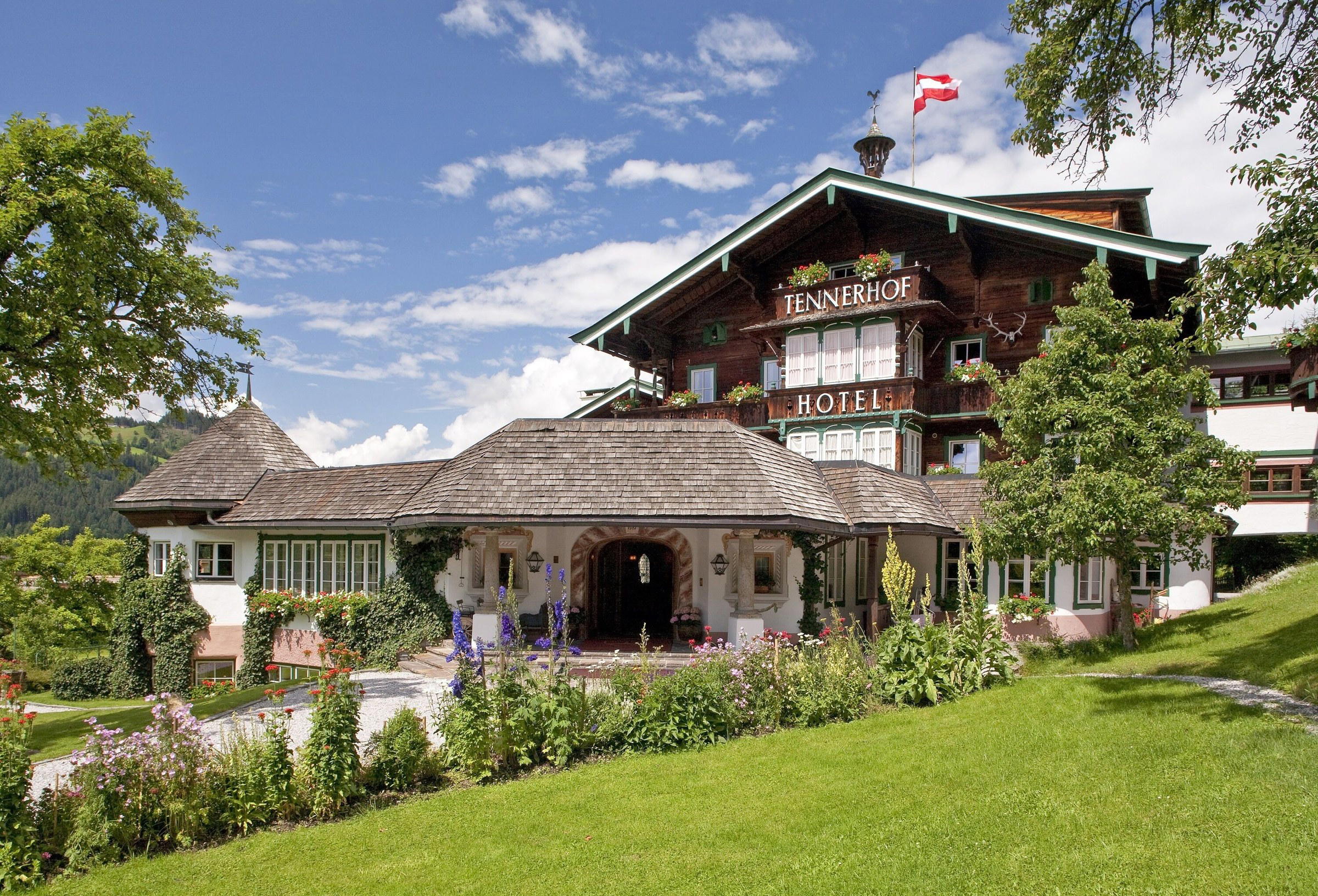
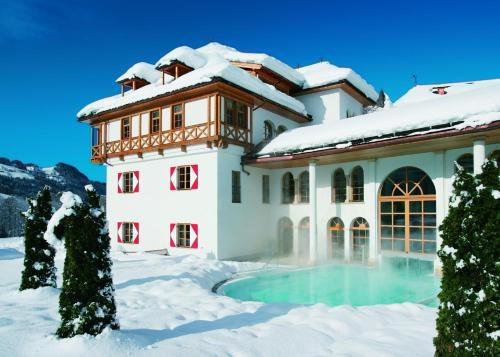
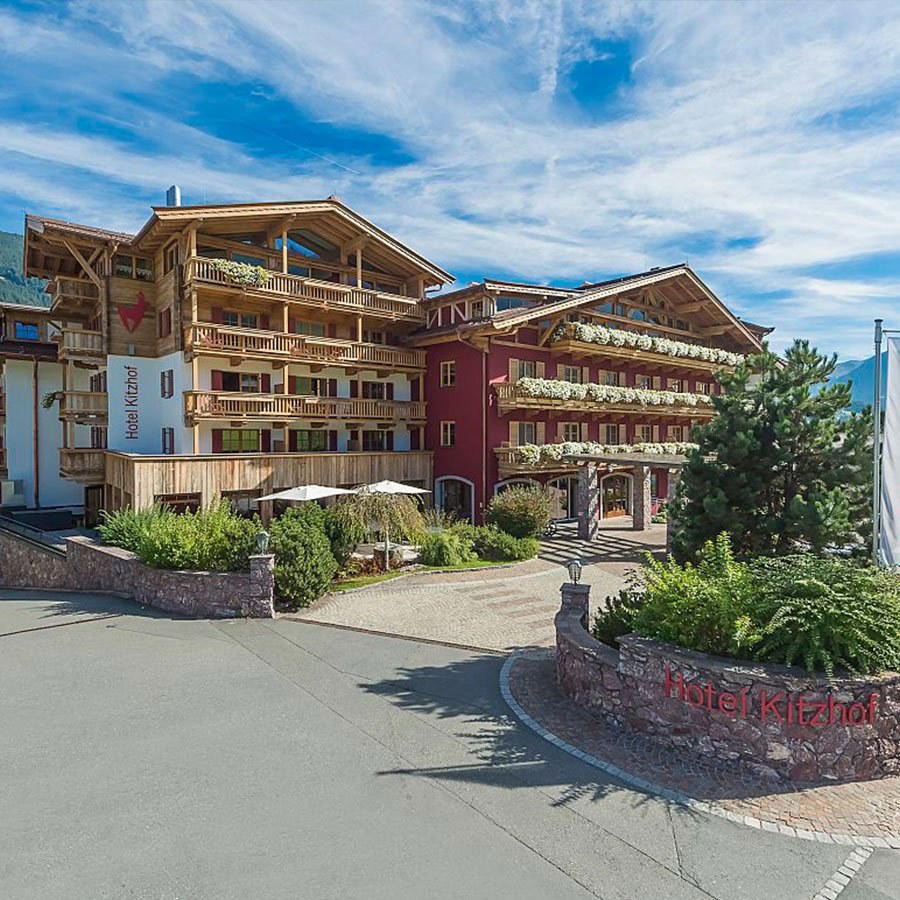
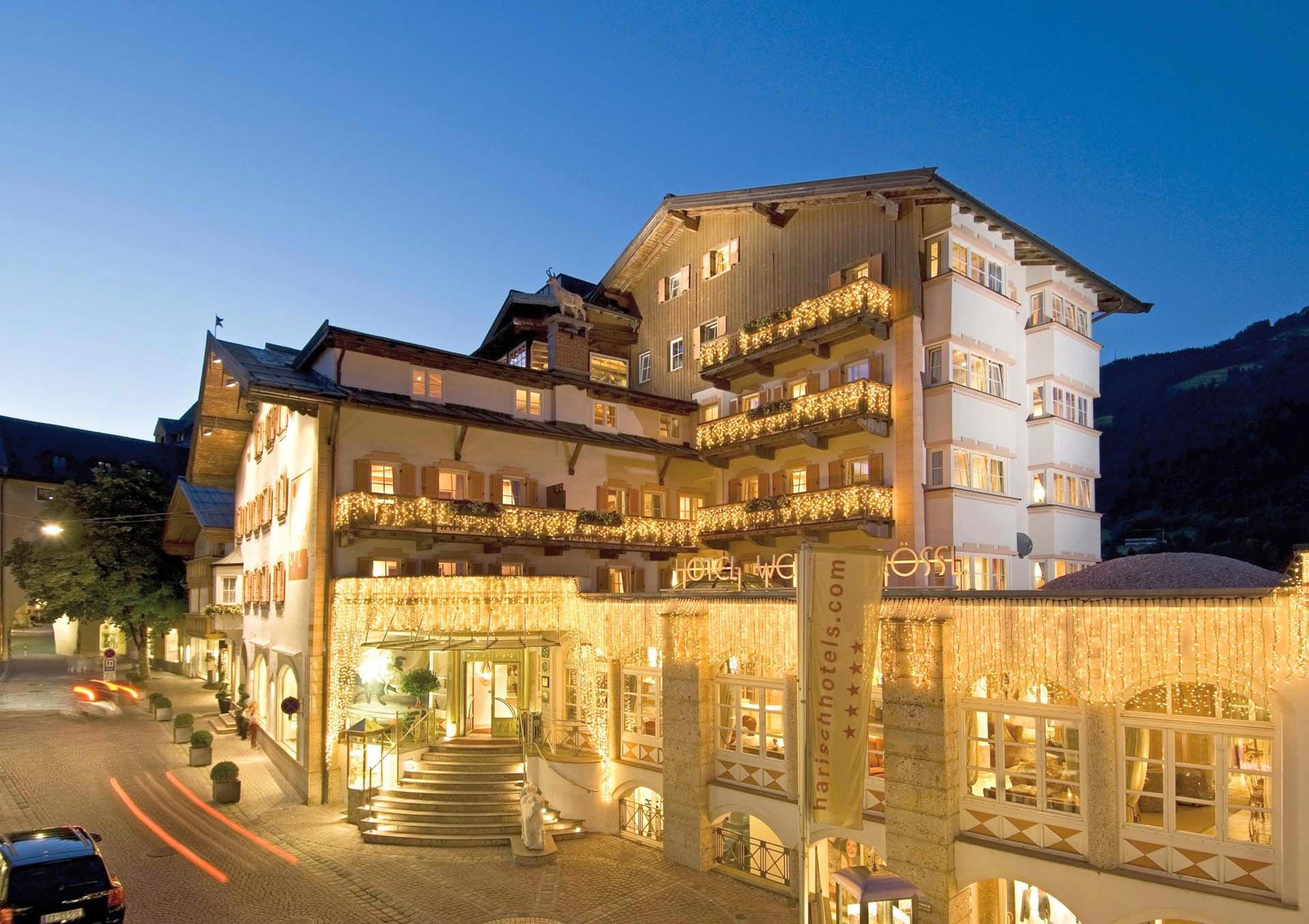
At a Glance
- Rustic
- Cozy
- Scenic
- Family
- Casual Hangout
- Panoramic View
- Historic Building
- Local Sourcing
- Mountain
Charming alpine atmosphere with rustic Tyrolean hospitality and scenic mountain vistas.