Bacheralm
Bacheralm sits in Kirchdorf in Tirol, a village where the Tyrolean alps set the terms for everything on the table. The address alone signals a particular kind of Austrian mountain dining, one where proximity to pasture, forest, and stream matters more than metropolitan recognition. For travellers moving through the Inn Valley corridor, it belongs on the same planning list as the region's more documented tables.
Pearl is the En Primeur Club membership app — saves, bookings, and concierge access live there. Same editors, same standards.
- Address
- 6382 Kirchdorf in Tirol, Austria
- Phone
- +434353526901
- Website
- kramerhof.at
- Directions
- Get directions
 Saves & bookings on Pearl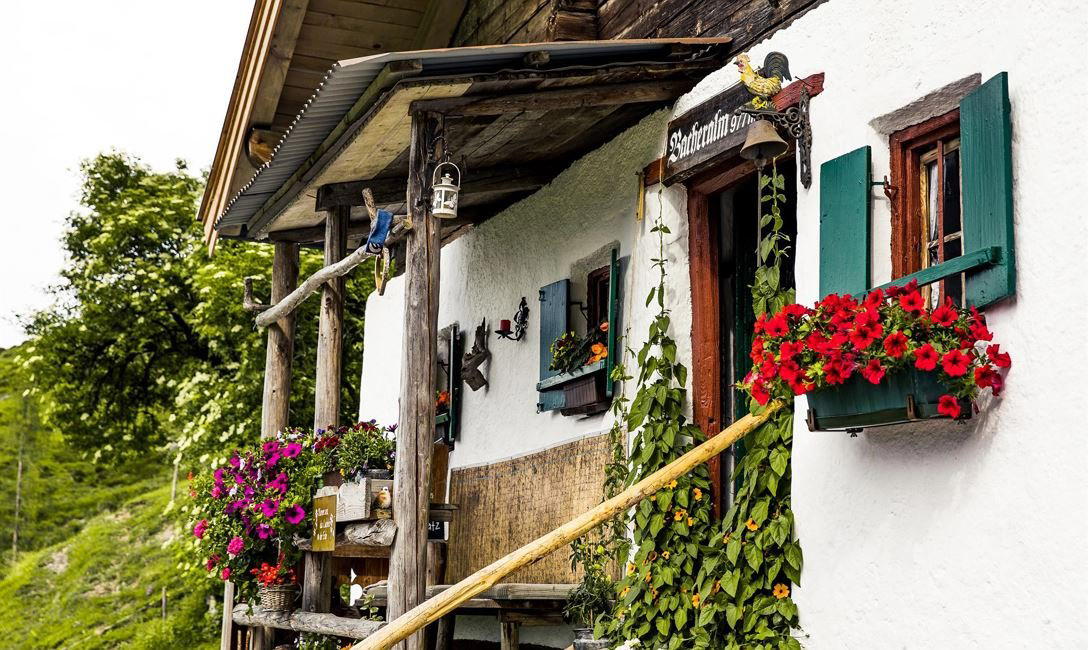
Where the Alps Set the Menu
In the Tyrolean village of Kirchdorf in Tirol, the relationship between kitchen and landscape is not a stylistic choice, it is a geographic fact. At this altitude, in a valley where the Inn River corridor connects the Kitzbühel Alps to the broader Tyrolean plateau, what ends up on a plate is shaped first by what survives the climate and second by what the surrounding farms and forests produce across each season. Bacheralm sits inside that tradition. The address, in a working mountain community rather than a resort centre, places it within a category of Austrian alpine dining shaped by local sourcing and seasonal rhythms.
Alpine Tyrolean dining at its most rooted tends to favour ingredients that travel short distances: dairy from high-altitude summer pastures, game from managed forests, river fish from cold-water streams, and root vegetables that store well through winter. These are not nostalgic gestures toward a pastoral past, they are practical consequences of geography and season. The leading examples of this tradition, from the Inn Valley to the Salzach corridor, treat local sourcing as a structural constraint that produces better food, not as a marketing category. Bacheralm operates in that environment, in a village where the supply chain from farm to kitchen is measured in kilometres rather than logistics networks.
The Tyrolean Mountain Table in Context
Austria's restaurant scene has bifurcated sharply over the past two decades. On one side sits a group of destination kitchens, Steirereck im Stadtpark in Vienna, Döllerer in Golling an der Salzach, Landhaus Bacher in Mautern an der Donau, and Obauer in Werfen, that have absorbed significant critical attention and international clientele. On the other sits a larger, quieter tier of regionally oriented tables that serve local communities and informed travellers without chasing the same recognition infrastructure. Kirchdorf in Tirol belongs to the second geography, and Bacheralm is part of that local fabric.
What distinguishes the Tyrolean alpine sub-category from, say, the Viennese creative scene or the Salzburg fine-dining corridor is a matter of sourcing logic. Where a kitchen like Ikarus in Salzburg imports guest chefs and global technique, and where Taubenkobel in Schützen am Gebirge bridges modern Austrian and French contemporary registers, a village alpine table in the Inn Valley draws its identity from the immediate watershed. Dairy, game, alpine herbs, and cold-water fish are not additions to the menu, they are the menu's architecture.
This matters for the traveller making decisions about where to eat along the Tyrolean alpine corridor. The Inn Valley stretches through a region that includes several restaurants worth tracking: Restaurant 141 by Joachim Jaud in Mieming and Schwarzer Adler in Hall in Tirol represent the more formally documented end of the regional spectrum, while Kirchdorf's tables sit at the more locally embedded end. Neither is a lesser choice, they answer different questions about what kind of meal you are seeking.
Ingredient Logic in the High Alps
The sourcing geography of a Tyrolean mountain restaurant rewards some understanding before you arrive. Summer alpine pastures, known locally as Almen, produce dairy with a fat and flavour profile that lowland equivalents do not replicate, the result of cattle grazing on diverse high-altitude flora rather than monoculture feed. The cheese, cream, and butter that come down from these pastures each autumn carry a seasonal signature. Tyrolean grey cheese (Graukäse), in particular, is a product with deep regional roots: sharp, low-fat, fermented, and almost entirely absent from export markets. It appears on alpine tables in Tirol in ways that have no direct equivalent elsewhere in Austria.
Game follows a similar logic. The forests around the Kitzbühel Alps and the broader Tyrolean hunting zones produce venison, chamois, and wild boar through managed seasonal harvests. A kitchen that sources this material locally is working with animals that grazed on the same alpine flora visible from the dining room window, a provenance chain that affects flavour in ways that are measurable, not merely romantic. River trout from Inn Valley cold-water streams occupies a comparable position: a product shaped by water temperature, current, and altitude in ways that industrially farmed alternatives cannot simulate.
These sourcing realities define the competitive logic of a place like Bacheralm. It does not need to position against Gourmetrestaurant Tannenhof in Sankt Anton am Arlberg or Stüva in Ischgl on the axis of technique or tasting-menu ambition. Its logic is territorial: a kitchen in Kirchdorf in Tirol that works with what the valley produces operates in a register that those more polished resort-town tables are not primarily competing in.
The Wider Austrian Alpine Dining Circuit
For travellers building a broader Austrian itinerary around ingredient-led and regionally rooted dining, the picture extends well beyond Tirol. Kräuterreich by Vitus Winkler in Sankt Veit im Pongau represents an alpine herb-focused sourcing philosophy in the Salzburg region. Ois in Neufelden works in the Upper Austrian tradition. Griggeler Stuba in Lech and Atelier Fischer in Sankt Gilgen each operate in distinct alpine or lake-country contexts. Together, these tables map a circuit of Austrian dining that runs parallel to the international fine-dining track, less visible from abroad, more directly tied to the land.
Kirchdorf in Tirol itself is a working village in the Kitzbühel Alps district, accessible from the Inn Valley rail corridor and within reasonable reach of both Kitzbühel and the Innsbruck region. The nearest documented dining peer in the immediate village area is Huberalm, which shares the same mountain-community context.
For context outside Austria, the ingredient-sourcing philosophy that defines this tier of alpine dining has parallels in the American context at places like Lazy Bear in San Francisco, where provenance and seasonal constraint shape the menu structure, or in the fish-sourcing discipline visible at Le Bernardin in New York City. The principle, that where food comes from changes what it tastes like, is not geographically exclusive, but it finds a particularly legible expression in places like the Tyrolean Alps, where the sourcing geography is visible from the table.
Planning Your Visit
Kirchdorf in Tirol sits in the Kitzbühel Alps district of Tyrol, reachable via the Inn Valley rail corridor with connections through Wörgl or Kirchbichl. The village is oriented around agricultural and alpine tourism rather than resort infrastructure, which shapes what visitors should expect: this is not a destination built around late-night dining or urban-format service, but around the rhythms of a working mountain community. Seasonal timing matters here more than in city restaurants, alpine sourcing peaks in summer and early autumn when pasture produce is at its freshest, and the winter season brings a different but equally valid set of local ingredients.
Comparable Venues
Comparable venues nearby, for context on price, style, and recognition.
| Venue | Cuisine | Price | Notes |
|---|---|---|---|
| BacheralmThis venue — the venue you are viewing | Traditional Tyrolean Alpine Hut | $$ | Not listed |
| Huberalm | Traditional Austrian Alpine | $$ | Kirchdorf in Tirol |
| Aualm | Traditional Tyrolean Alpine Cuisine | $$ | Söll |
| Herzlstubn | Authentic Austrian Cuisine | $$ | Saalbach-Hinterglemm |
| Bassgeiger-Alm | Traditional Austrian Alpine | $$ | St Johann In Tirol |
| Schloss Mitterhart | Traditional Tirolean Cuisine | $$ | Vomp |
Continue exploring
More in Kirchdorf In Tirol
Restaurants in Kirchdorf In Tirol
Browse all →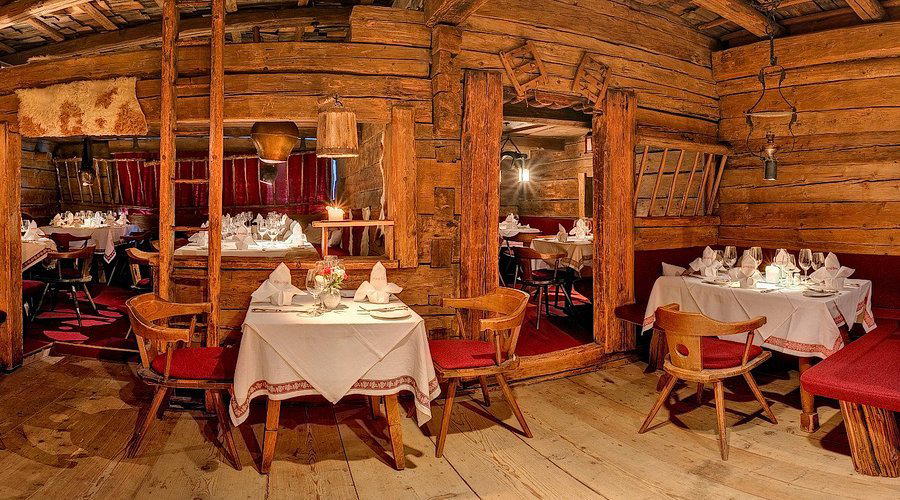
Bars in Kirchdorf In Tirol
Browse all →


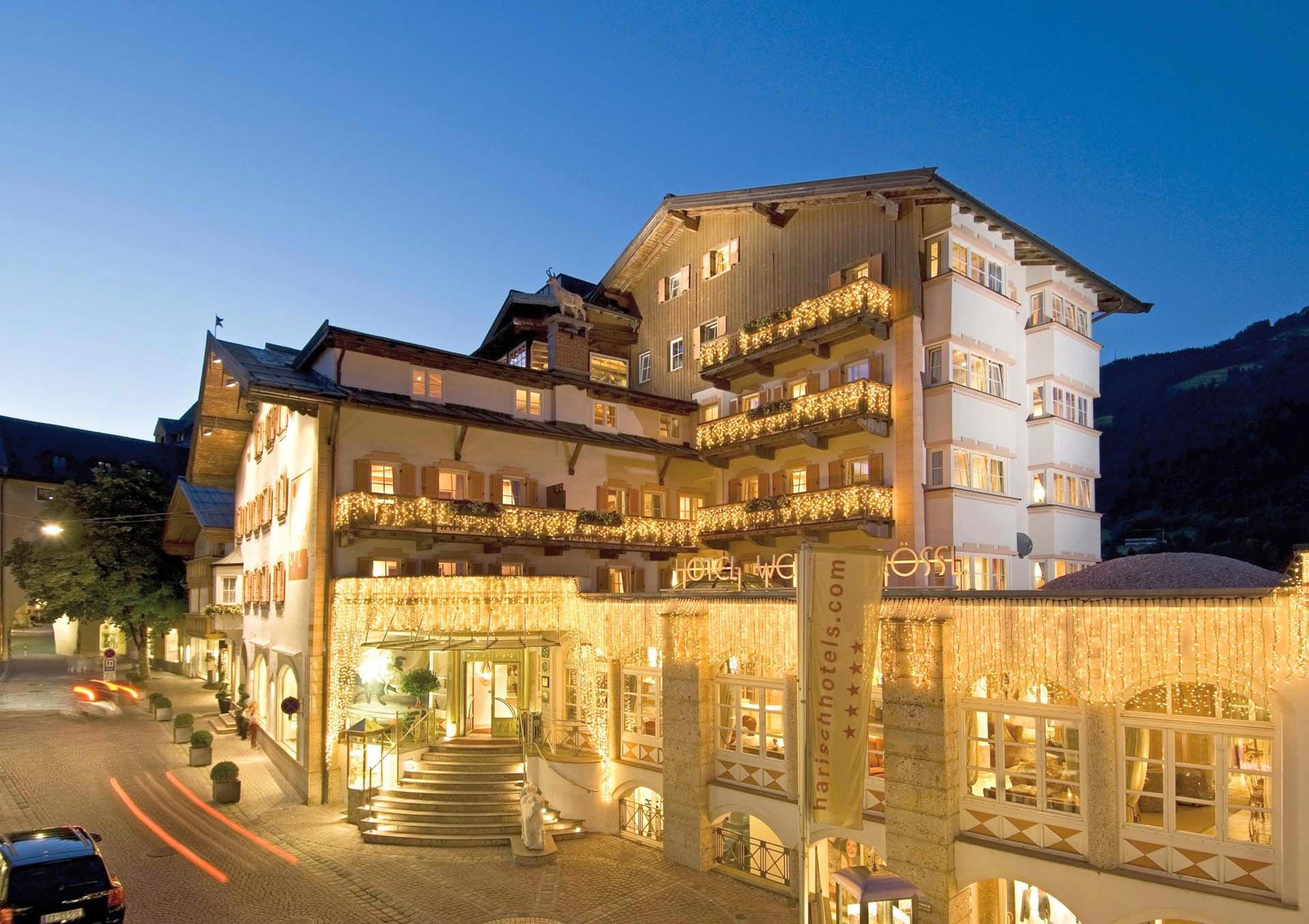
At a Glance
- Rustic
- Cozy
- Scenic
- Family
- Casual Hangout
- Terrace
- Historic Building
- Mountain
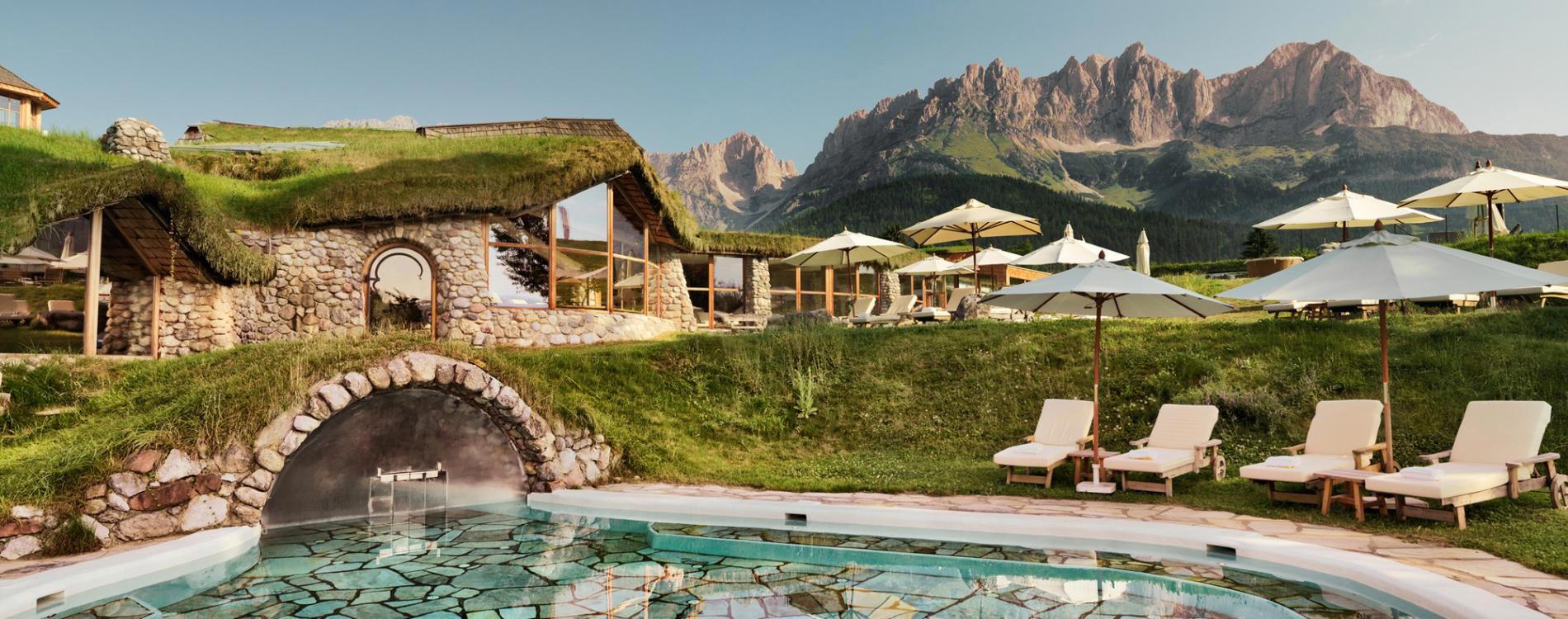
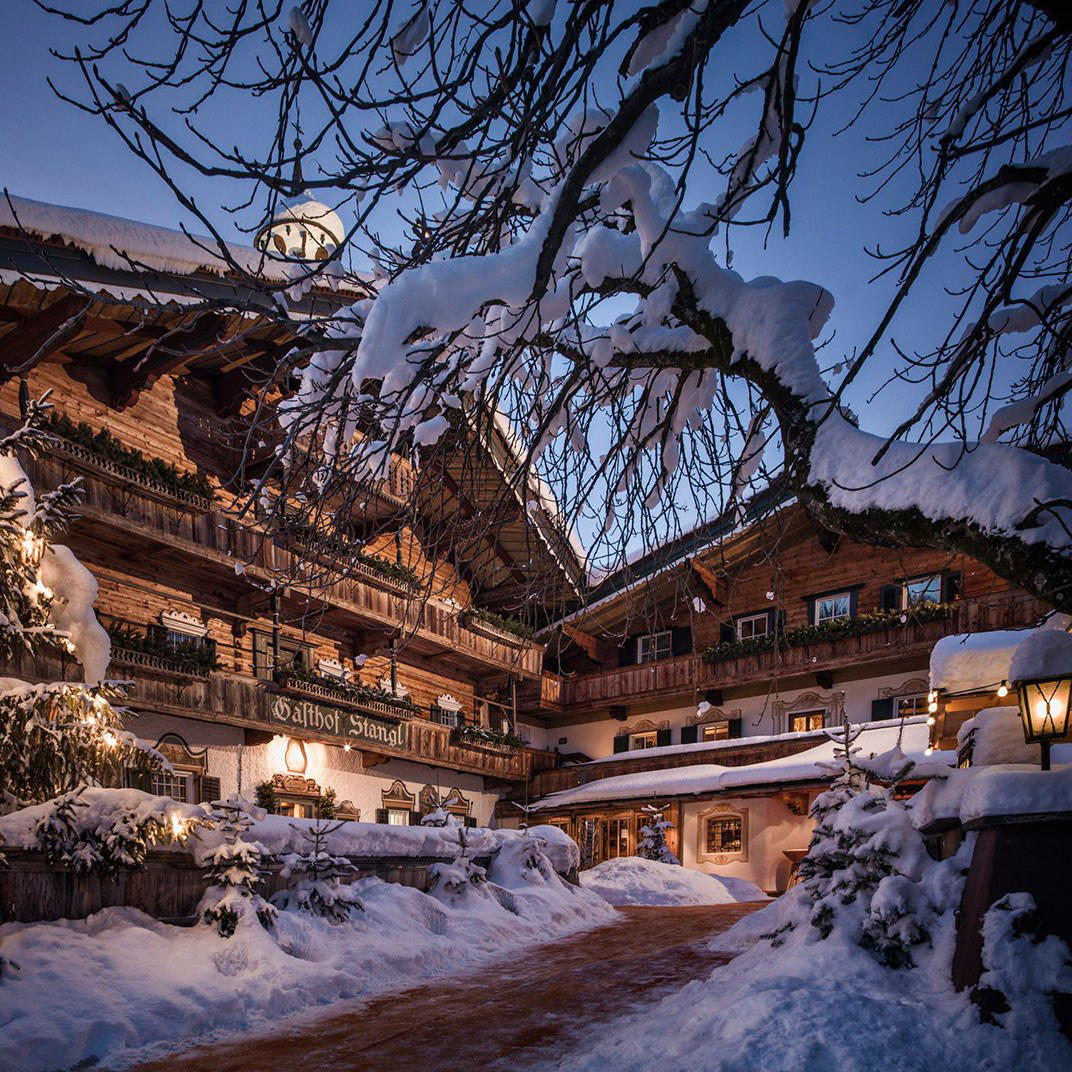
Rustic alpine atmosphere with cozy hut charm and dramatic mountain vistas, well-suited for relaxed family excursions.