
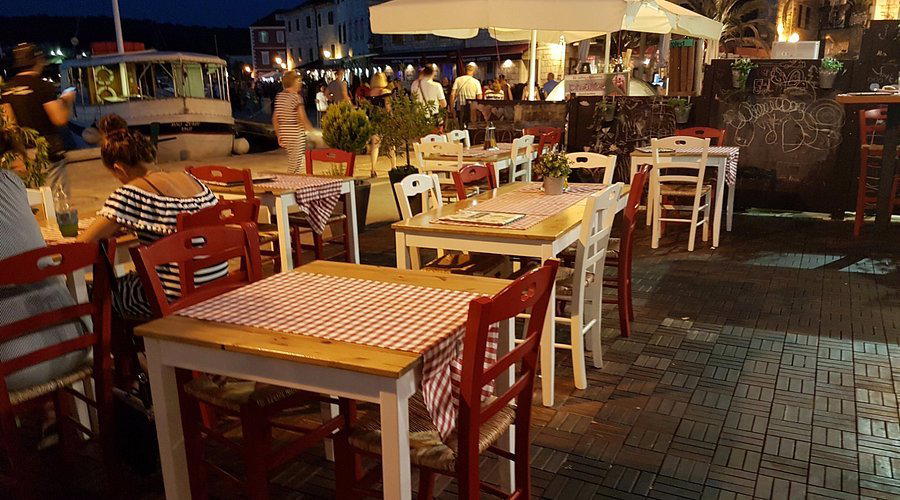
Stancija Kovačići serves modern Croatian Mediterranean cooking in a quiet, leisurely setting with terrace and garden seating for lunch, brunch, or dinner.
Pearl is the En Primeur Club membership app — saves, bookings, and concierge access live there. Same editors, same standards.
- Address
- Rukavac 51, 51211, Opatija, Croatia
- Phone
- +38551272106
- Website
- stancija-kovacici.hr
- Directions
- Get directions
 Saves & bookings on Pearl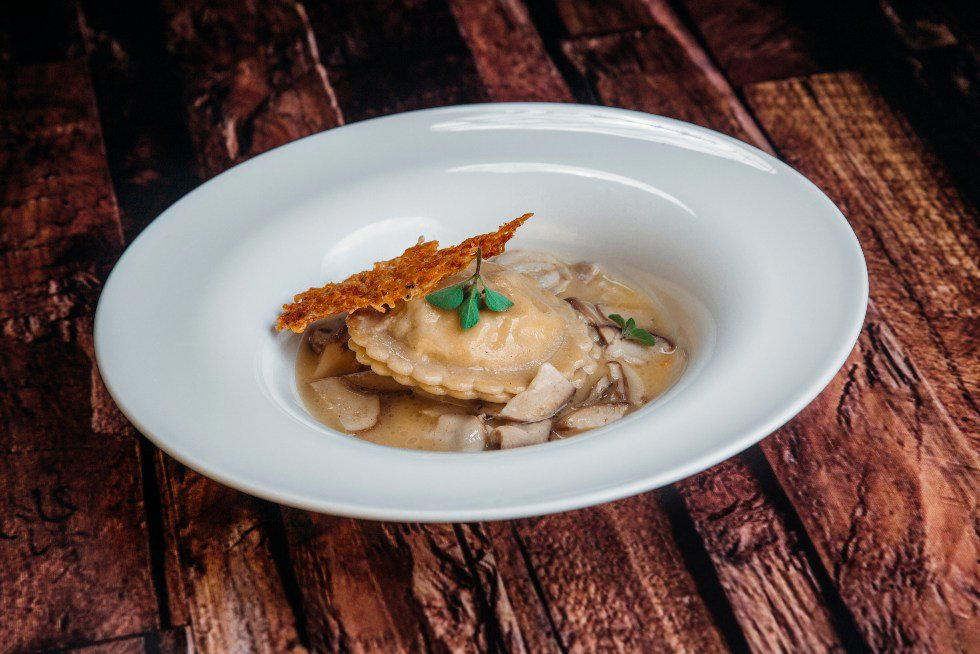
Where the Kvarner Interior Meets the Table
The road up from Opatija's Riviera into the Matulji hinterland changes character quickly. Within a few kilometres of the coast, the Austro-Hungarian resort architecture gives way to stone farmhouses, forest tracks, and the kind of agricultural quiet that the Kvarner littoral used to export rather than import. Stancija Kovačići sits within this transitional zone, on a working estate in Rukavac, a hamlet that most visitors to the region pass without stopping. That geography is not incidental to what the place is. Stancija Kovačići is a restaurant in Rukavac, Opatija, serving Modern Croatian Mediterranean cuisine at about $45 per person. Stancija properties in Istria and the Kvarner area are, by tradition, self-contained rural estates combining food production and hospitality under one roof.
The Stancija Tradition in Croatia's North
To understand Stancija Kovačići, it helps to understand what a stancija represents in this part of Croatia. The word describes a working farmstead, typically stone-built and enclosed, with land attached for grazing, viticulture, or olive cultivation. These estates were the productive backbone of the Kvarner and Istrian interior under Venetian and later Habsburg administration, supplying coastal towns with produce that the rocky shoreline could not yield. The format has found renewed relevance in the contemporary hospitality context: a growing tier of Croatian travellers and international visitors is moving away from the mass-tourism Adriatic strip toward slower, more place-specific experiences rooted in the agricultural character of the interior. That shift mirrors what happened in Tuscany two decades earlier and in rural Burgundy before that, though the Croatian version carries its own material vocabulary of karst stone, bora wind exposure, and an Istrian-Kvarner pantry that overlaps only partially with either Mediterranean predecessor.
Within Croatia's broader dining circuit, the country's most discussed restaurants tend to cluster near the coast or in Zagreb. Venues such as Pelegrini in Sibenik, Restaurant 360 in Dubrovnik, and Agli Amici Rovinj in Rovinj anchor the country's premium dining identity to visible, coastal locations with strong international foot traffic. Estate-format properties like Kovačići operate in a different register entirely: their value proposition depends on removal from that circuit rather than proximity to it. For comparison, Boskinac in Novalja on Pag Island demonstrates how a rural Croatian estate with its own production can build a serious culinary identity away from major tourist hubs.
The Kvarner Pantry as Culinary Logic
The Kvarner region produces one of Croatia's most coherent ingredient sets. The bay's cold-water currents deliver scampi that carry a different, firmer texture than warmer-water equivalents. Lamb from the Cres and Lošinj islands, raised on aromatic scrubland plants, has been traded at Kvarner markets for centuries and carries a flavour profile that owes as much to the island flora as to breed. Truffles from the Istrian interior, particularly from the Motovun forest zone, are among Europe's most commercially significant, appearing in kitchens from Le Bernardin in New York City to regional Croatian tables. Olive oils from the Kvarner slopes run leaner and more peppery than Dalmatian equivalents, and local wines from the Muškat Momjanski and Žlahtina grape varieties have carved out small but loyal followings in specialist wine retail.
An estate property in this corridor, working from its own land and sourcing within the immediate agricultural zone, has access to produce that coastal venues with broader supply chains often cannot match for proximity and seasonality. That is the structural advantage of the stancija format, and it is why food-focused travellers are paying attention to the Matulji and Rukavac area in a way they were not five years ago. Nearby, Mala Riba represents Matulji's growing presence in the regional dining conversation, and the two venues together suggest the area is developing a distinct culinary identity of its own. See our full Matulji restaurants guide for a wider picture of the area's dining options.
Setting and Format
Rural estate hospitality in this part of Croatia typically combines a dining room or terrace that draws on the estate's produce with accommodation in the farmhouse or attached outbuildings, creating a format where the meal and the stay are inseparable from the surrounding land. The stone construction common to Kvarner stancija properties provides natural insulation and a particular quality of interior light that changes across the day in ways that modern builds cannot replicate. Approaching across the Rukavac plateau, with the Učka mountain range as backdrop and the Kvarner bay visible on clear days below, the spatial logic of the estate becomes immediately readable: this is a place oriented toward its own terrain rather than toward any external audience.
Within the broader Croatian hospitality conversation, that orientation places Stancija Kovačići in a comparable set that includes inland properties such as Dubravkin Put in Zagreb, Korak in Jastrebarsko, and Cantilly Garden Restaurant in Samobor, all of which anchor their identity to place and season rather than to cuisine-category positioning. Along the coast, Nebo by Deni Srdoč in Rijeka, Alfred Keller in Mali Lošinj, and Burin in Crikvenica demonstrate how the Kvarner region is building a more differentiated hospitality identity across multiple formats. Further south, LD Restaurant in Korčula, Krug in Split, Bodulo in Pag, and BioMania Bistro Bol in Bol round out the range of approaches Croatian kitchens are taking to regional produce. For a Korean-inflected counterpoint from the global fine dining scene, Atomix in New York City illustrates how estate-level ingredient specificity can translate into Michelin-level recognition when the sourcing story is coherent enough.
Planning Your Visit
The restaurant is located at Rukavac 51, in the municipality of Matulji, administratively within the wider Opatija area. Opatija itself is approximately 130 kilometres from Zagreb and is accessible by car via the A6/A7 motorway, making it a viable destination for weekend trips from the capital. The estate sits above the town, and the drive through Matulji and into Rukavac adds roughly fifteen to twenty minutes from the Opatija waterfront. Given the rural setting, a car is the practical choice for getting there. Reservations are recommended. Spring and early autumn tend to offer particularly settled conditions in the Kvarner interior, with summer months bringing the peak of coastal tourism that this kind of inland property provides a natural counterpoint to.
Cost and Credentials
Comparable venues nearby, for context on price, style, and recognition.
| Venue | Cuisine | Price | Notes |
|---|---|---|---|
| Stancija KovačićiThis venue — the venue you are viewing | Rukavac, Modern Croatian Mediterranean | $$$ | Not listed |
| Mala Riba | Matulji, Croatian Seafood Bistro | $$ | Not listed |
| Zigante | Livade, Truffle Gourmet Mediterranean | $$$ | Not listed |
| Astoria Resturant | Not listed | $$$ | Rab Town, Mediterranean Seafood with Croatian Tradition |
| Toklarija | Sovinjak, Traditional Istrian Slow Food | $$$ | Not listed |
| Oštarija Fortica | Kastav, Croatian-Mediterranean | $$ | Not listed |
Recognition history
Dated appearances from independent guides and award organizations, with the underlying list record or original source where available.
Michelin Plate
Michelin
Continue exploring
More in Matulji
Restaurants in Matulji
Browse all →
Bars in Matulji
Browse all →

Hotels in Matulji
Browse all →
At a Glance
- Rustic
- Elegant
- Cozy
- Scenic
- Special Occasion
- Date Night
- Celebration
- Terrace
- Garden
- Local Sourcing
- Farm To Table
- Mountain
- Garden
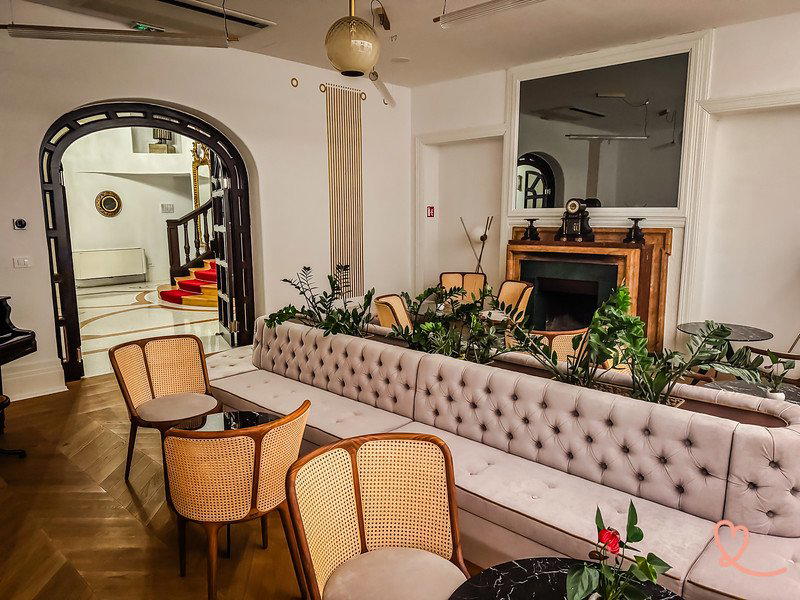
Warm and authentic atmosphere with cozy fireplace, beautiful herb-surrounded terrace, and elegant interiors evoking rustic elegance.