
Set on the hillside above Lovran, Draga di Lovrana draws on the Kvarner region's dense larder of wild herbs, mountain-grazed meat, and Adriatic seafood to anchor a cooking style rooted in place rather than trend. The restaurant sits within the broader Lovran dining scene as a reference point for ingredient-led, terrain-conscious cooking on Croatia's Opatija Riviera.
Pearl is the En Primeur Club membership app — saves, bookings, and concierge access live there. Same editors, same standards.
- Address
- Cesta za Lovransku Dragu 1, 51415, Lovran, Croatia
- Phone
- +38551294166
- Website
- dragadilovrana.hr
- Directions
- Get directions
 Saves & bookings on Pearl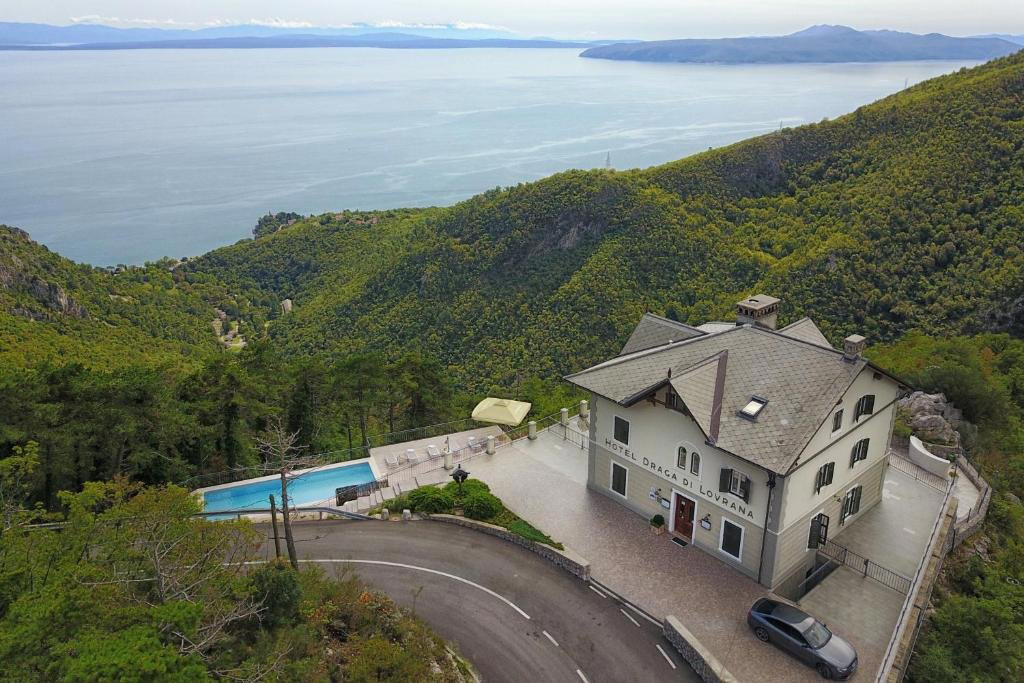
Hillside Cooking on the Kvarner Riviera
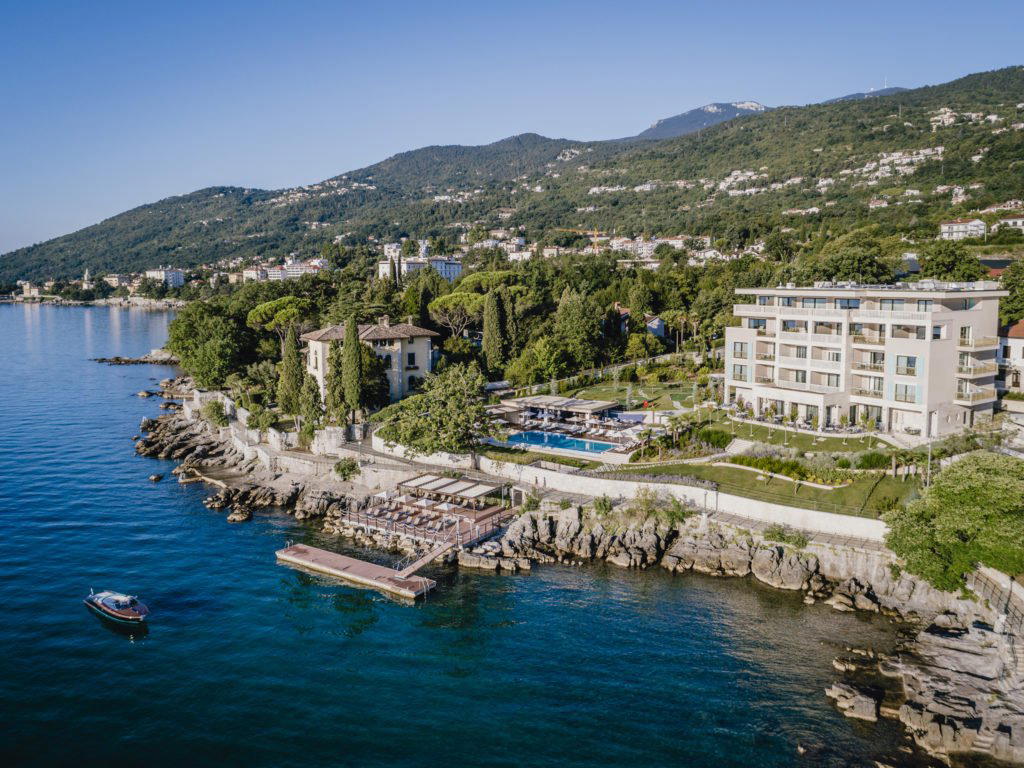
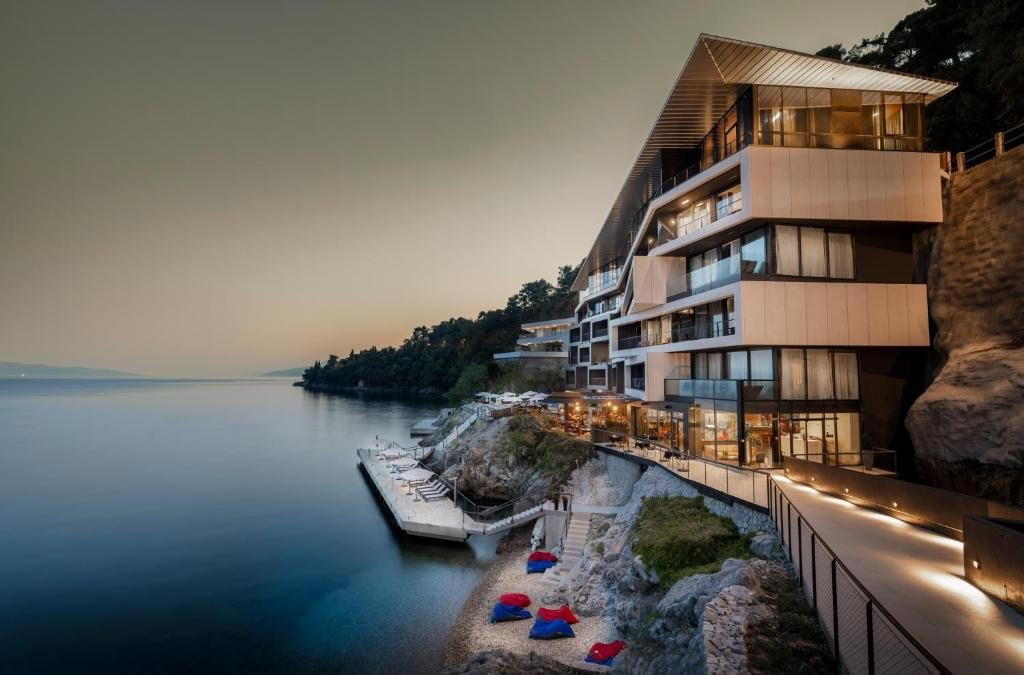
Draga di Lovrana is a restaurant in Lovran, Croatia, serving modern Mediterranean seafood at a price tier around USD 80 per person. The Adriatic drops behind you, the pine-covered slopes of Mount Učka rise ahead, and the restaurant arrives as a stone-and-timber presence in a landscape that has been feeding people from its forests and terraced gardens for centuries. That geographical position is not incidental. It is the architectural logic of the cooking here: a kitchen placed at the junction of coast and mountain, with both larders within reach.
Lovran itself is a small Austro-Hungarian resort town on the Kvarner Gulf, roughly ten kilometres south of Opatija. It has a well-documented food culture anchored to a handful of specific products: the Lovran chestnut, celebrated each October at the town's Marunada festival; wild asparagus harvested from hillside scrub in spring; and the seafood, scampi, sea bass, dentex, pulled from a stretch of the Adriatic that benefits from relatively clean, deep water. A kitchen positioned above the town can, in principle, draw on all of it.
What the Kvarner Larder Actually Offers
The Kvarner region's reputation among Croatian chefs rests on a specific overlap of microclimates. The Bora wind that funnels through the Učka tunnel keeps temperatures lower than the Dalmatian coast further south, slowing growth and concentrating flavour in produce. Lamb grazed on the island of Cres, just across the water, carries the aromatics of the sage and wild herbs it feeds on, a characteristic that has made Creska janjetina (Cres lamb) among the more discussed animal proteins in Croatian fine dining. Truffles from Istria, a short drive west, complete a triumvirate of high-value regional ingredients that serious kitchens in this corridor have built reputations around.
Restaurants in Lovran's peer tier, including Najade, Ganeum, and Lovranska Vrata, have each staked out distinct positions relative to this larder, some leaning harder into the seafood tradition, others foregrounding mountain-side ingredients. Knezgrad and Restaurant Riviera complete the local scene for anyone building a multi-night itinerary in the town.
Draga di Lovrana's hillside address positions it to engage both registers without forcing a choice. The cooking tradition in this part of Croatia has always been one of adjacency: the fisherman's catch and the shepherd's animal rarely appeared on the same plate historically, but the modern kitchen in the Kvarner corridor has made productive use of that tension, placing coastal and upland ingredients in conversation.
Ingredient-Led Cooking in a Croatian Context
Across Croatia's premium restaurant tier, one consistent differentiator between forgettable and genuinely interesting cooking is sourcing specificity. At Agli Amici Rovinj in Rovinj and Nebo by Deni Srdoč in Rijeka, named supplier relationships and seasonal menu shifts tied to harvest calendars have become the grammar of credibility. Further down the coast, Pelegrini in Sibenik and LD Restaurant in Korčula have built reputations on similar foundations. In the interior, Korak in Jastrebarsko and Dubravkin Put in Zagreb do the same with continental produce. Properties like Boskinac in Novalja and Alfred Keller in Mali Lošinj extend that approach to island settings, while Krug in Split and Restaurant 360 in Dubrovnik anchor the Dalmatian end of the conversation.
The pattern across all these kitchens is the same: proximity to a named, identifiable source, a particular fishing port, a specific farm, a documented foraging territory, has replaced generic Mediterranean gestures as the primary signal of seriousness. In that context, Draga di Lovrana's location above a town with recognised terroir products, within half an hour of Istrian truffle country and with Kvarner scampi boats operating nearby, gives the kitchen a sourcing story that is geographically coherent rather than constructed.
Placing Draga di Lovrana in Its Setting
The Lovran dining scene is compact enough that positioning matters. The town's restaurants draw visitors travelling the Opatija Riviera who want something more considered than the standard tourist-facing grill, but the pool is small and seasonal patterns affect everything. Summer brings Italians and Austrians who know the Kvarner coast well; autumn is the chestnut harvest season, which shifts the ingredient palette noticeably and draws a more specifically food-interested crowd. Spring asparagus season has a similar effect.
For travellers who place ingredient traceability at the centre of how they choose where to eat, the Kvarner corridor in autumn or spring offers a more interesting case than the peak-summer Mediterranean mainstream. The restaurant, positioned above Lovran with access to the hillside's seasonal calendar, fits that more deliberate travel pattern. The address itself, on the road into Lovran's valley, marks it as a destination rather than a passing choice, the kind of restaurant you look up, not the kind you walk into from the seafront.
In the Kvarner context, the bar is set by what the land and sea immediately adjacent can offer, and by how honestly a kitchen uses it.
Comparable Spots, Quickly
Comparable venues nearby, for context on price, style, and recognition.
| Venue | Cuisine | Price | Notes |
|---|---|---|---|
| Draga di LovranaThis venue — the venue you are viewing | Modern Mediterranean Seafood | $$$$ | Not listed |
| Ganeum | Modern Istrian-Mediterranean Seafood | $$$ | Stari Grad |
| Restaurant Riviera | Mediterranean & Croatian | $$ | Lovran |
| Restoran Stanger | Croatian Seafood & Mediterranean | $$ | Lovran |
| Lovranska Vrata | Fresh Seafood & Croatian Mediterranean | $$$ | Stari Grad |
| Najade | Mediterranean Seafood | $$$ | Lovran |
Recognition history
Dated appearances from independent guides and award organizations, with the underlying list record or original source where available.
Falstaff Restaurant - 94 Falstaff Points
Falstaff
Continue exploring
More in Lovran
Restaurants in Lovran
Browse all →
At a Glance
- Romantic
- Elegant
- Scenic
- Sophisticated
- Date Night
- Special Occasion
- Celebration
- Terrace
- Historic Building
- Panoramic View
- Hotel Restaurant
- Extensive Wine List
- Local Sourcing
- Sustainable Seafood
- Waterfront
- Mountain
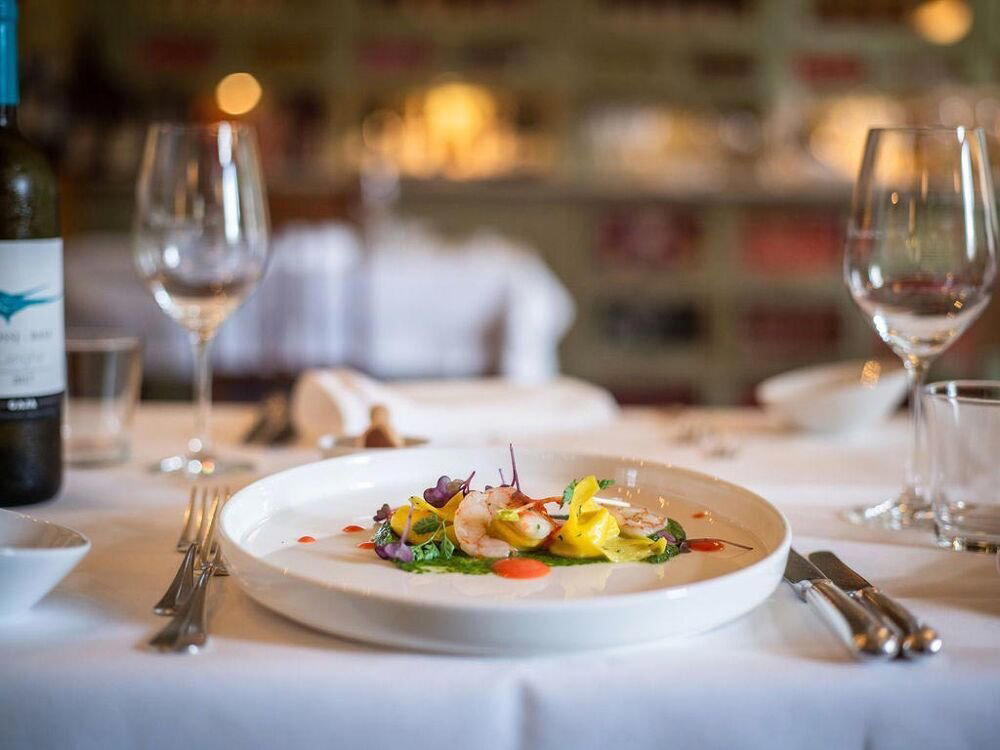
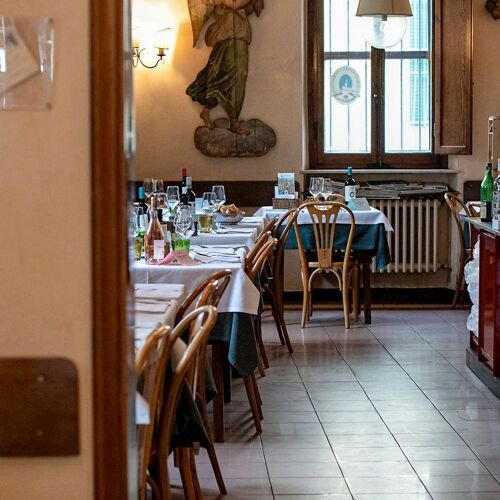
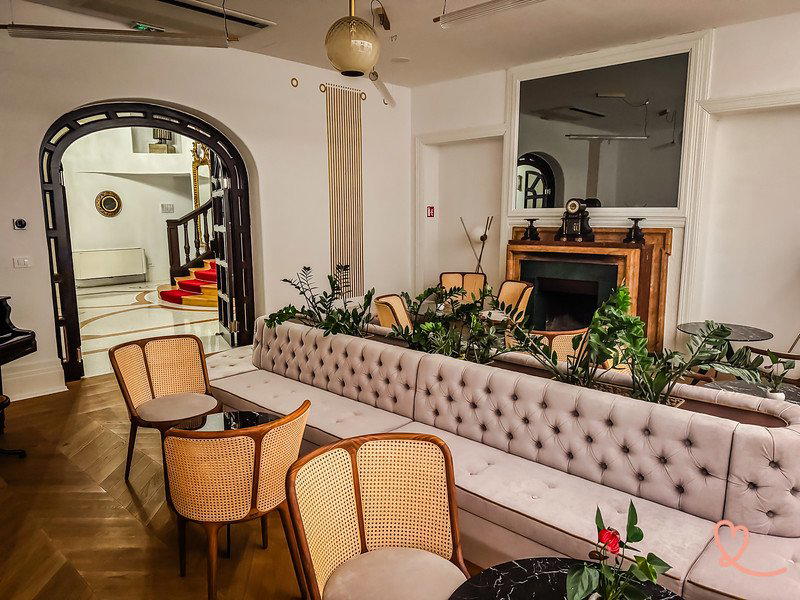
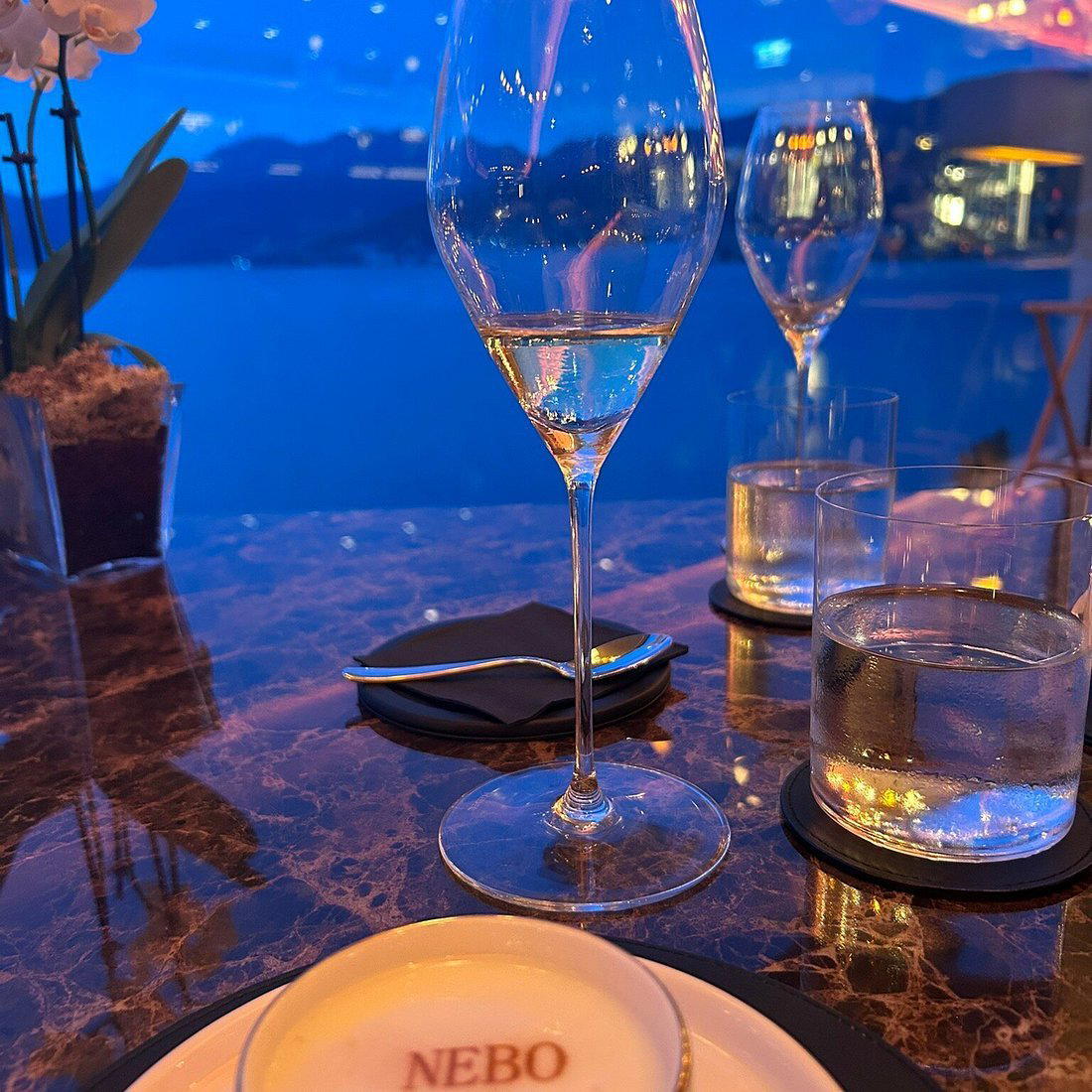
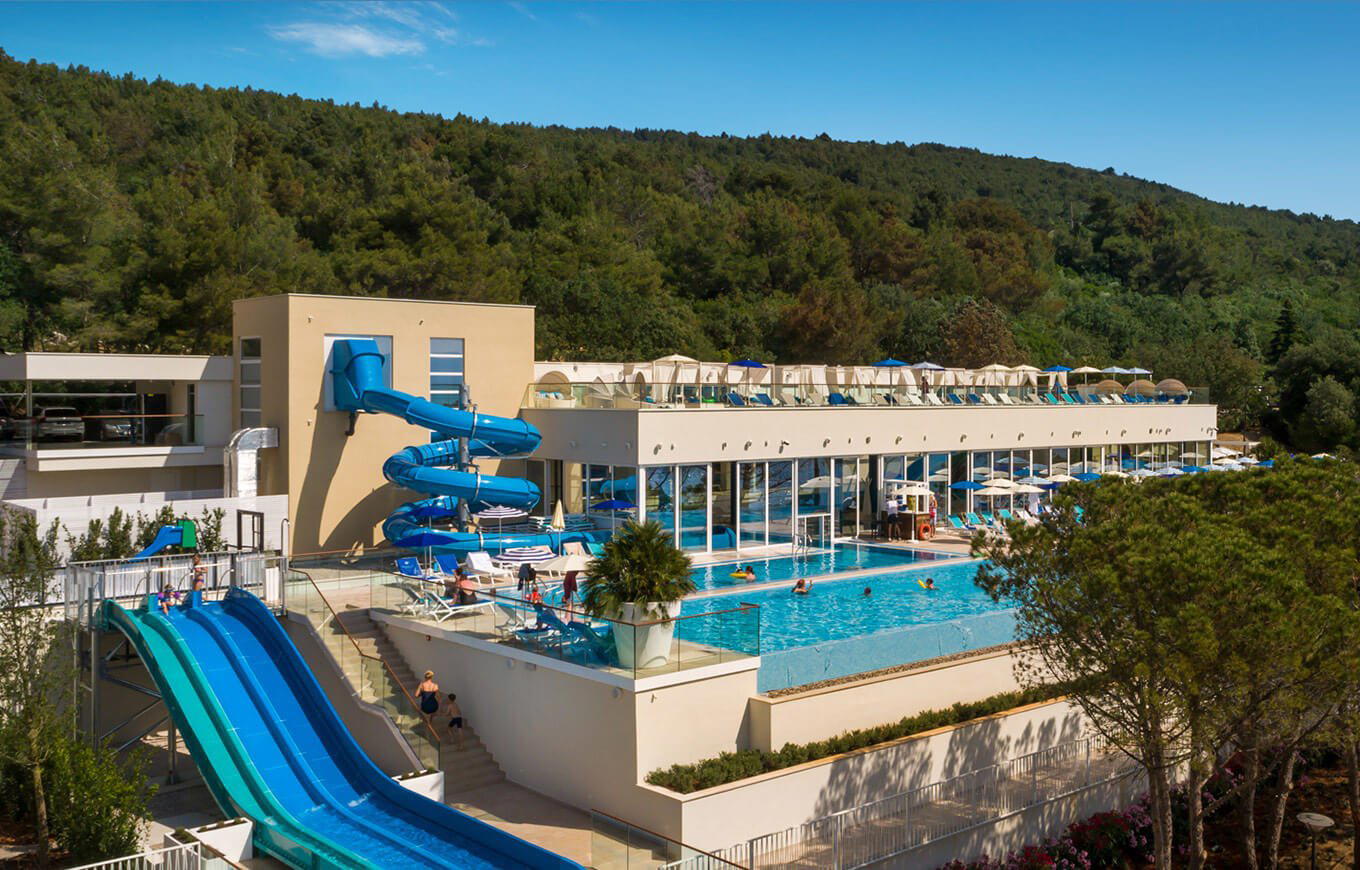
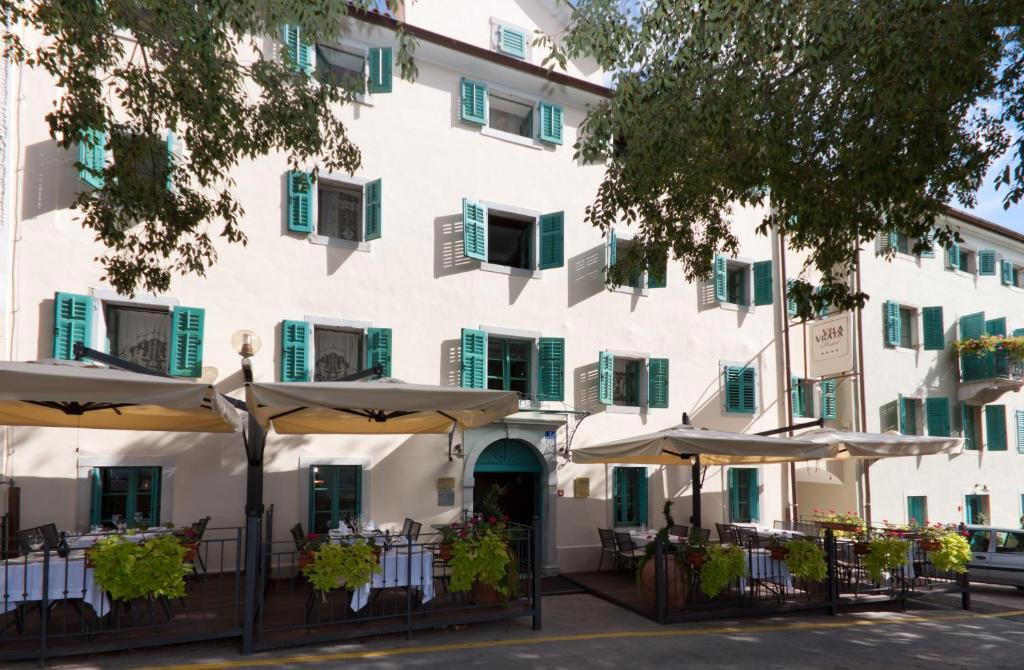
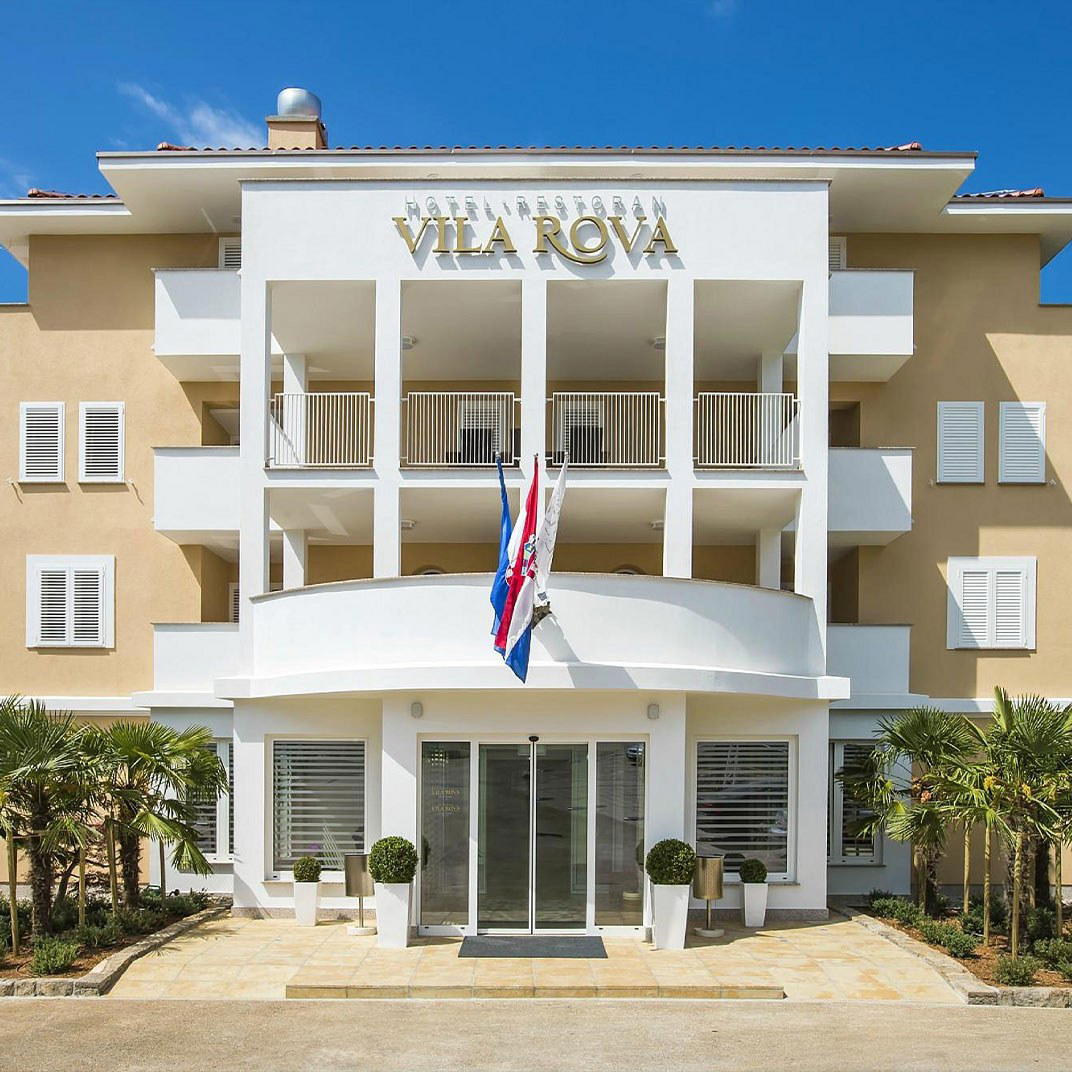
Elegant and relaxing atmosphere with terrace views over the Adriatic, blending Austro-Hungarian charm and modern luxury amid pine forests and fresh mountain air.