Mala Riba sits in Matulji, a small town on the edge of the Kvarner region where the Istrian peninsula and the Croatian coast converge. The restaurant draws on the fish and produce that define this stretch of the northern Adriatic, positioning itself within a local dining tradition built on proximity to the sea rather than resort-circuit spectacle. For those moving between Rijeka and the Istrian interior, it represents a more grounded alternative to the tourist-facing waterfront options nearby.
Pearl is the En Primeur Club membership app — saves, bookings, and concierge access live there. Same editors, same standards.
- Address
- Ul. 43. istarske divizije 22a, 51211, Matulji, Croatia
- Phone
- +38551277945
- Website
- mala-riba.com
- Directions
- Get directions
 Saves & bookings on Pearl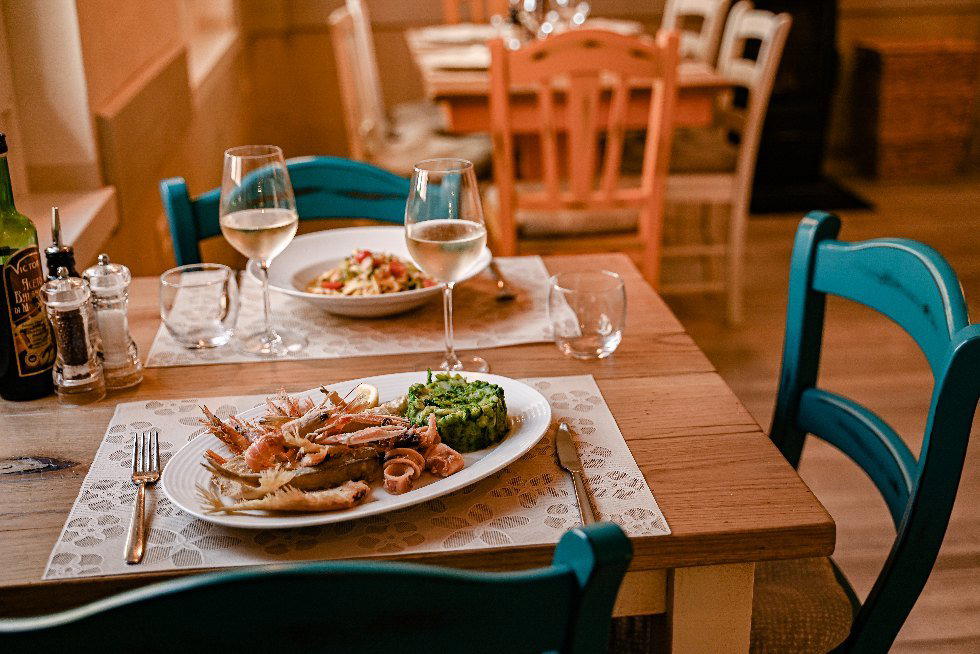
Where the Kvarner Table Begins
The town of Matulji sits at an elevation above the Bay of Rijeka, close enough to the water that the fishing tradition of the northern Adriatic shapes daily life, but far enough inland to feel removed from the resort economy that dominates much of Croatia's coast. Restaurants that operate here do so for a different audience: locals, passing travellers on the route between Rijeka and the Istrian plateau, and the occasional diner who has learned that smaller towns along this corridor tend to produce more direct cooking than the seafront terraces with tourist menus and sunset pricing. Mala Riba occupies that context, at Ul. 43. istarske divizije 22a, in a setting that prioritises function over choreography.
In the broader Croatian dining scene, the Kvarner region occupies a specific position. While coastal destinations like Dubrovnik and Šibenik have drawn international attention, with restaurants such as Restaurant 360 in Dubrovnik and Pelegrini in Sibenik operating at the €€€€ tier with Mediterranean-modern menus, the northern Adriatic produces a quieter, more material cooking culture. The fish here, the shellfish from the channels around Lošinj, the lamb from the karst, these are not marketing claims but biological facts about what this geography yields.
The Sourcing Logic of the Northern Adriatic
Ingredient sourcing in this part of Croatia is less a philosophy than a structural reality. The northern Adriatic, particularly the Kvarner Gulf, is productive for fish, including sea bass, sea bream, John Dory, scorpionfish, and small blue-fish varieties that local kitchens have historically smoked, marinated, or folded into brodetto. The proximity of Matulji to both the fishing ports of Rijeka and the smaller landing points along the Kvarner coast means that what arrives on the table in restaurants operating here can, in principle, follow a short and traceable route from water to plate.
This geography also sits at a culinary crossroads. Istrian cooking, with its truffle use, its hand-rolled pasta, and its reliance on olive oil pressed from groves that run almost to the sea, bleeds into the Kvarner tradition of grilled fish and shellfish broths. The result is a cooking register that is neither purely Adriatic in the Dalmatian sense nor fully Istrian, it occupies a transition zone, which gives kitchens working here material that more homogeneous coastal restaurants lack. Mala Riba operates within the same ingredient basin but at a different register.
Nearby in Rijeka, Nebo by Deni Srdoč represents the city's more formal fine-dining expression of this region's produce. Matulji's restaurants, by contrast, tend toward the direct: fewer elaborations, shorter menus, and a closer relationship to the catch of the week rather than a fixed tasting architecture. That directness is, in most cases, a feature rather than a limitation, it reflects what the local supply chain actually supports.
Placing Mala Riba in the Regional Context
Croatia's dining tiers are well established. At the upper end, restaurants like Boskinac in Novalja, LD Restaurant in Korčula, and Alfred Keller in Mali Lošinj operate with formal tasting menus, wine programs and price points that position them against regional European fine dining. Below that tier sits a wide band of quality-focused restaurants working with local produce and direct formats, often without the awards infrastructure or the marketing reach of their more prominent counterparts, but frequently more interesting to eat at for that reason.
The restaurant occupies this second category. Matulji is not a destination town in the way that Rovinj or Dubrovnik is, which means that restaurants here compete for a local and regional clientele rather than a tourist-driven one. That dynamic tends to produce more consistent cooking over time: the kitchen cannot rely on seasonal turnover of first-time visitors to absorb a bad service or an overpriced menu. Repeat custom is the operating model, and it shapes what ends up on the plate. Together, they represent Matulji's dining offer: small, locally rooted, and built on the supply chain immediately around them.
Further afield, restaurants like Krug in Split, Dubravkin Put in Zagreb, Korak in Jastrebarsko, Cantilly Garden Restaurant in Samobor, BioMania Bistro Bol in Bol, Bodulo in Pag, and Burin in Crikvenica illustrate the breadth of Croatia's regional dining map. Each reflects a different geography, ingredient tradition, and price register, a reminder that the country's food identity is far less uniform than the Dalmatian coast's dominance in travel coverage might suggest.
Planning a Visit
Matulji is accessible from Rijeka in under fifteen minutes by car, and sits on the main road connecting the coast to the Istrian plateau. The restaurant is at Ul. 43. istarske divizije 22a and reservations are recommended. The restaurant is open daily from 11:30 AM to 10:30 PM. For those with dietary requirements, direct communication with the restaurant before arrival is the only reliable route,
Comparable Spots, Quickly
Comparable venues nearby, for context on price, style, and recognition.
| Venue | Cuisine | Price | Notes |
|---|---|---|---|
| Mala RibaThis venue — the venue you are viewing | Croatian Seafood Bistro | $$ | Not listed |
| Stancija Kovačići | Modern Croatian Mediterranean | $$$ | Rukavac |
| Belona | Croatian Seafood | $$ | Cres |
| Fra&Kat | Croatian Seafood Mediterranean | $$ | Premantura |
| Fish House Rovinj | Modern Mediterranean Fish Street Food | $$ | Old Town Rovinj |
| Hotel Villa Barbat | Seafood & Mediterranean | $$ | Barbat na Rabu |
Continue exploring
More in Matulji
Restaurants in Matulji
Browse all →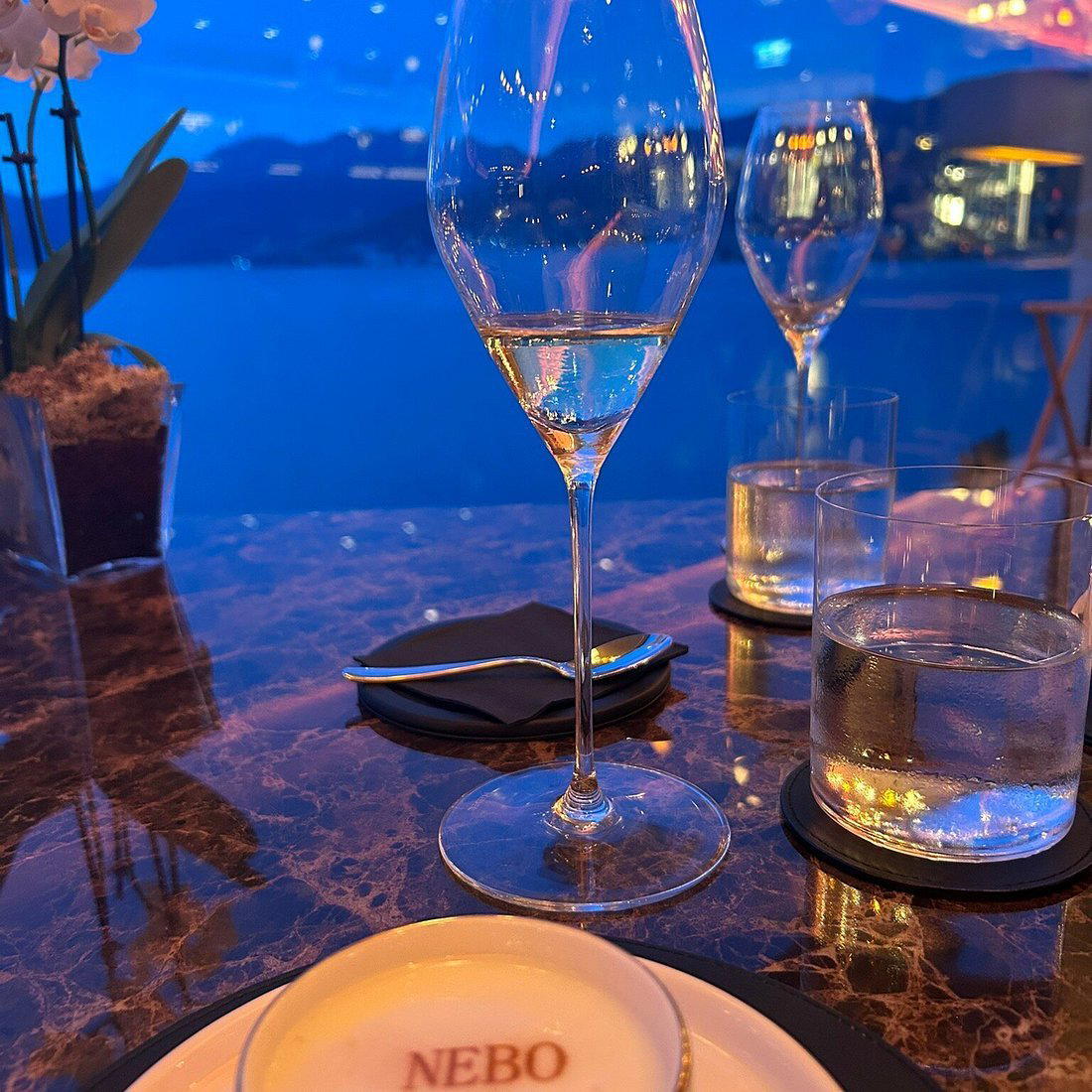
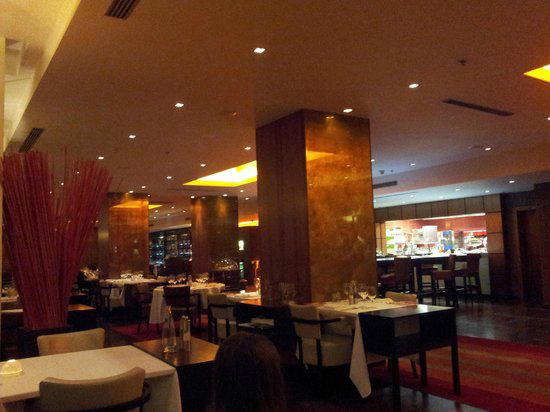
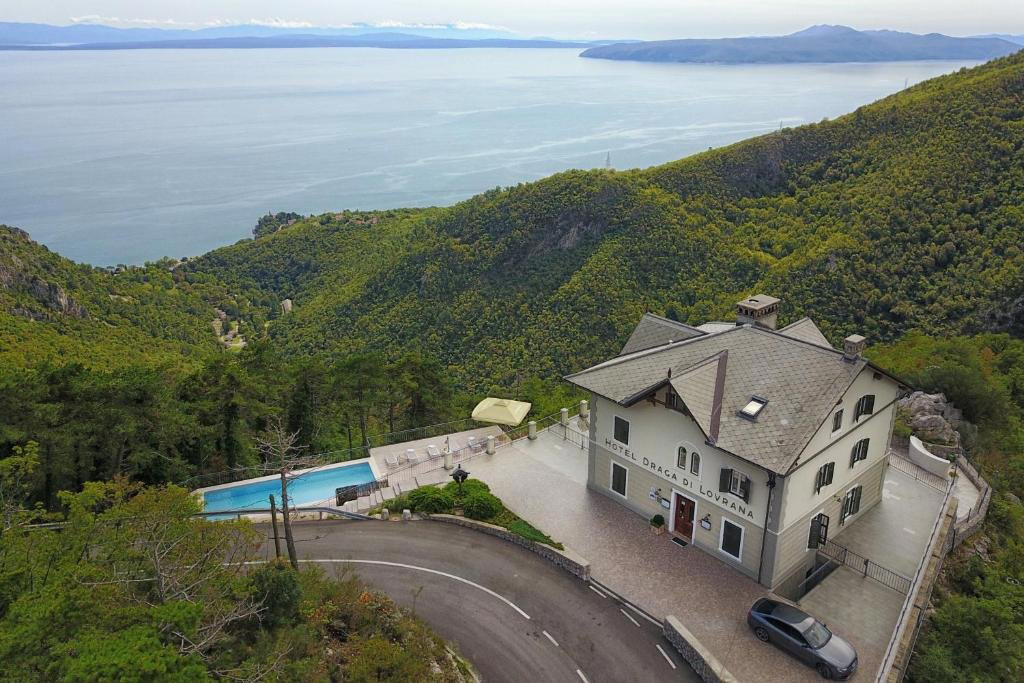
Bars in Matulji
Browse all →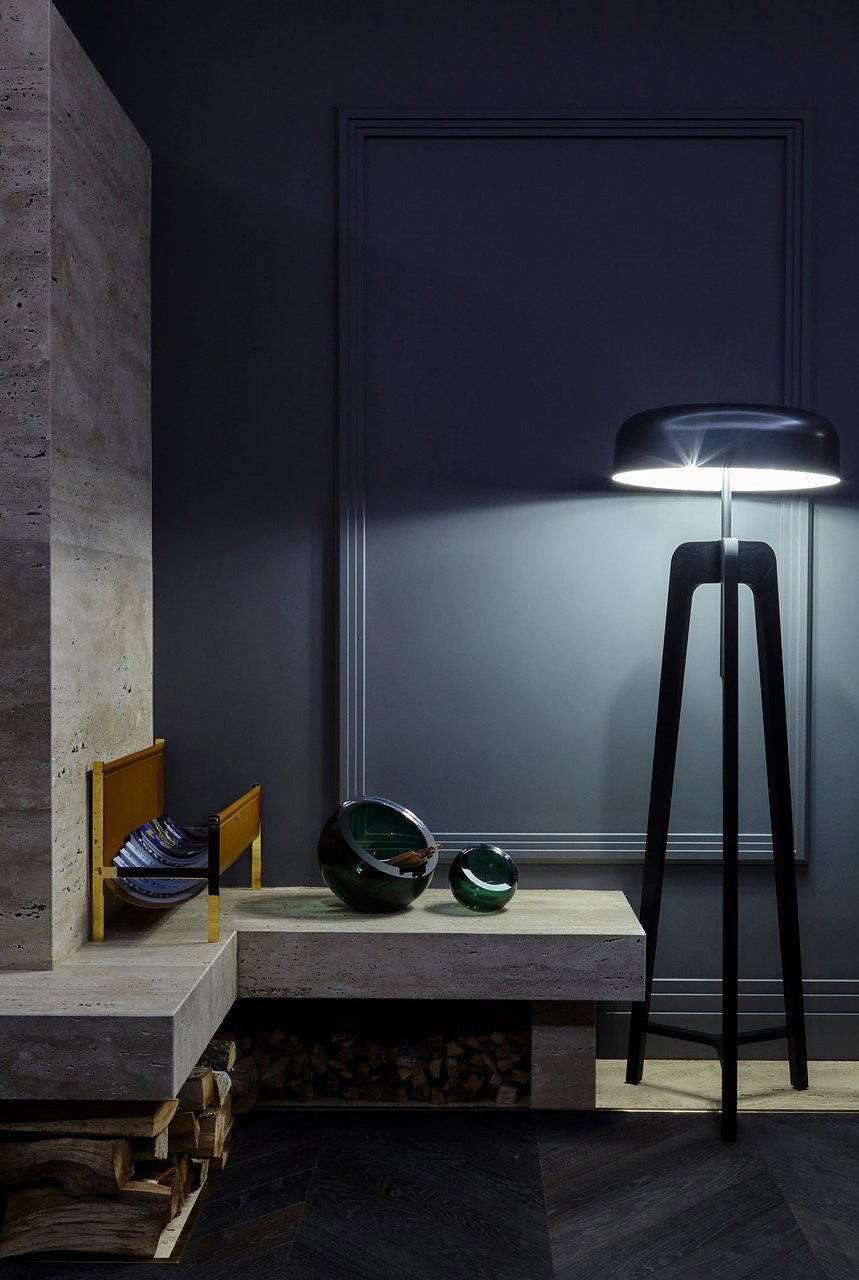
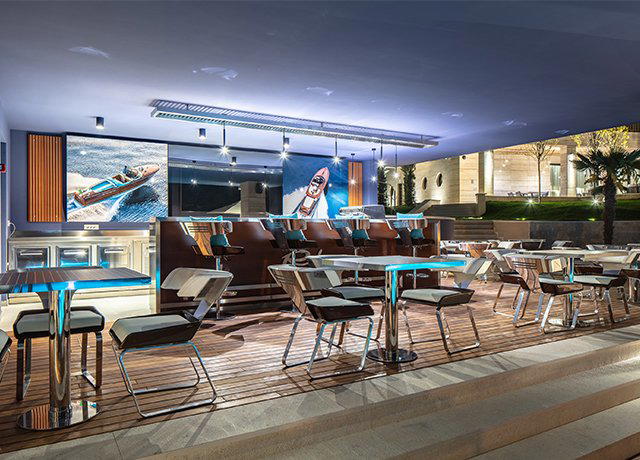

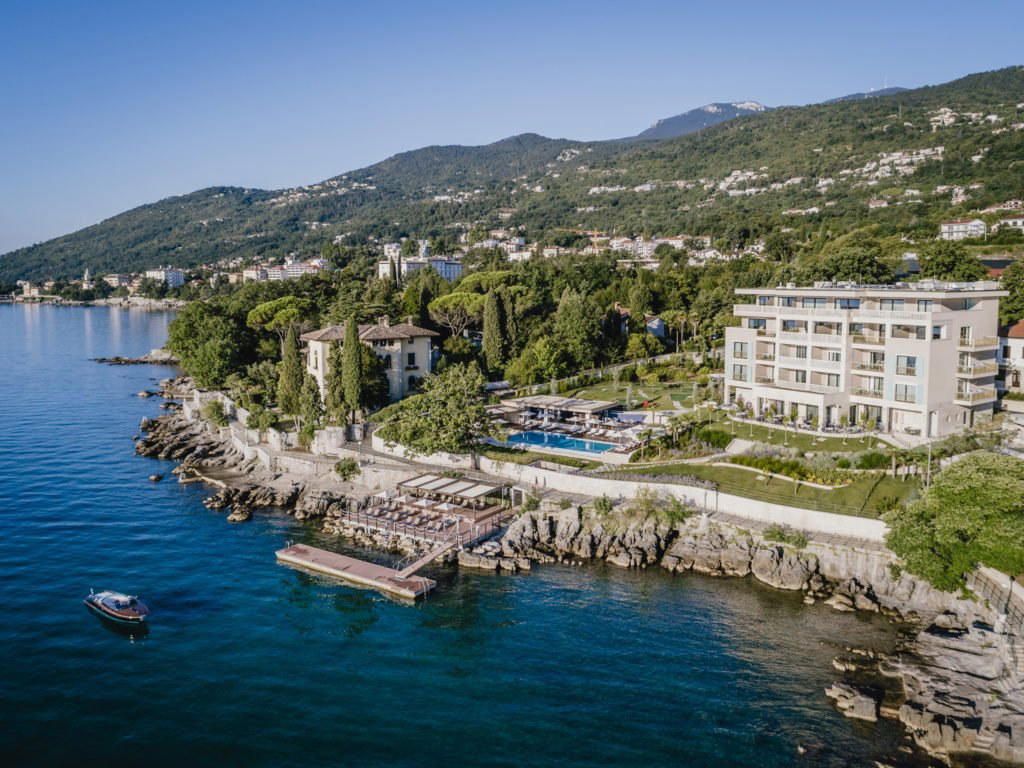
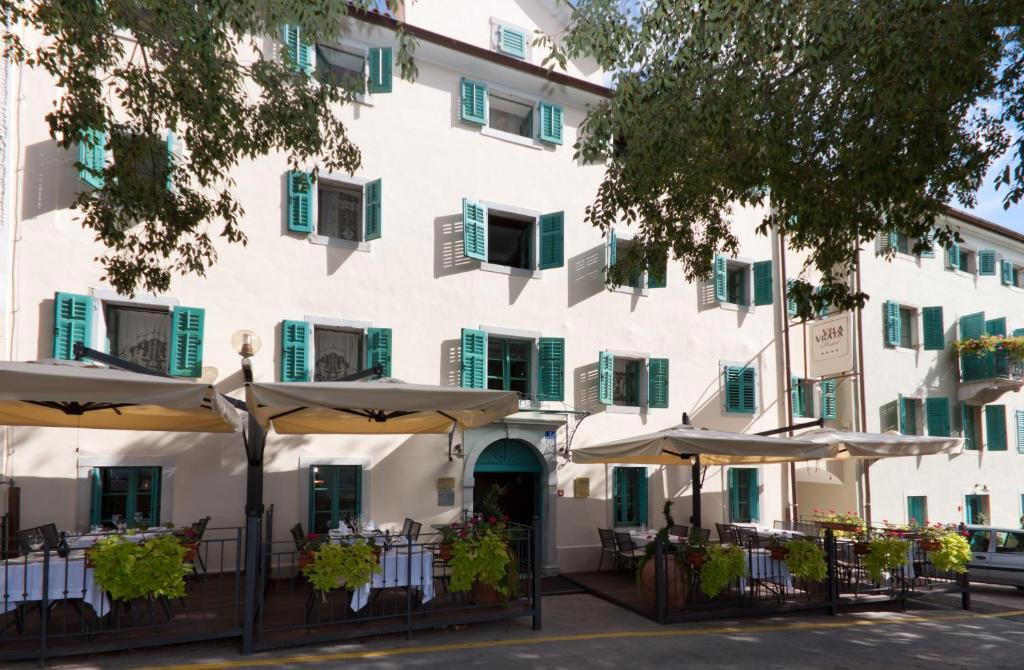
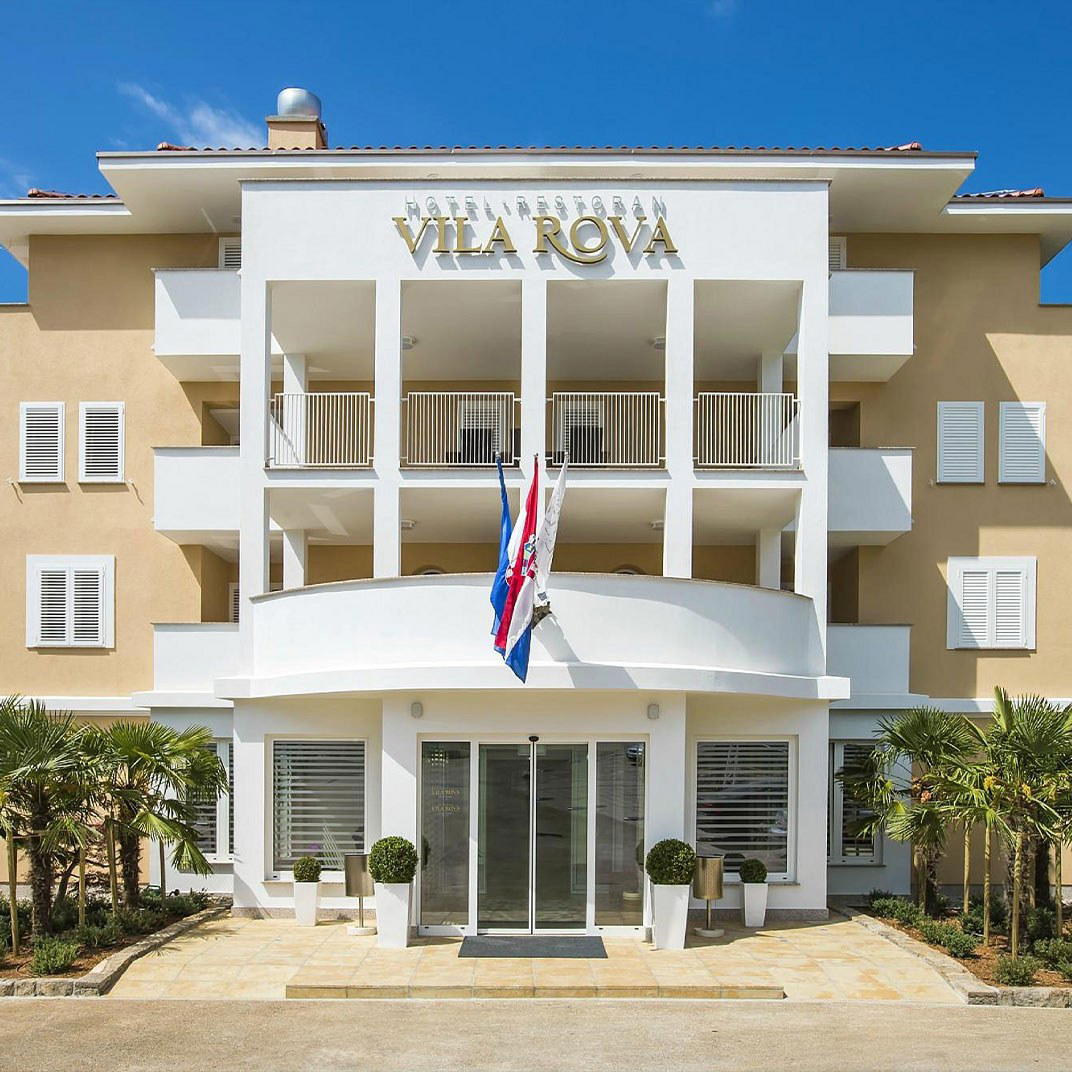
Hotels in Matulji
Browse all →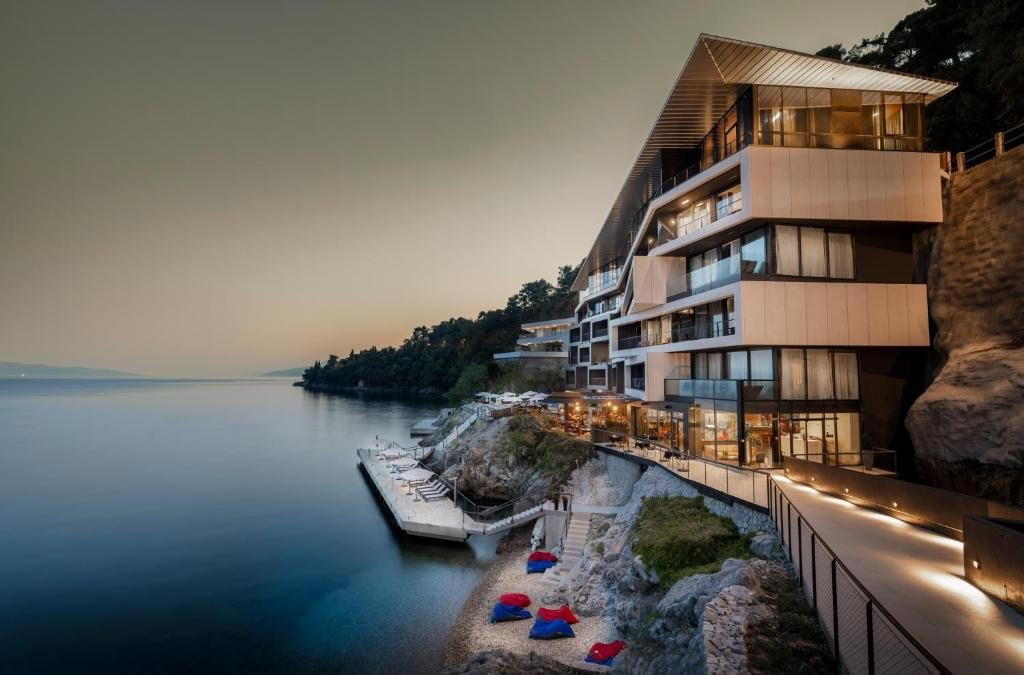
At a Glance
- Cozy
- Rustic
- Casual Hangout
- Date Night
- Terrace
- Local Sourcing
Current opening hours
- Monday
- 11:30 AM–10:30 PM
- Tuesday
- 11:30 AM–10:30 PM
- Wednesday
- 11:30 AM–10:30 PM
- Thursday
- 11:30 AM–10:30 PM
- Friday
- 11:30 AM–10:30 PM
- Saturday
- 11:30 AM–10:30 PM
- Sunday
- 11:30 AM–10:30 PM
Hours can change for holidays and private events. Last verified .
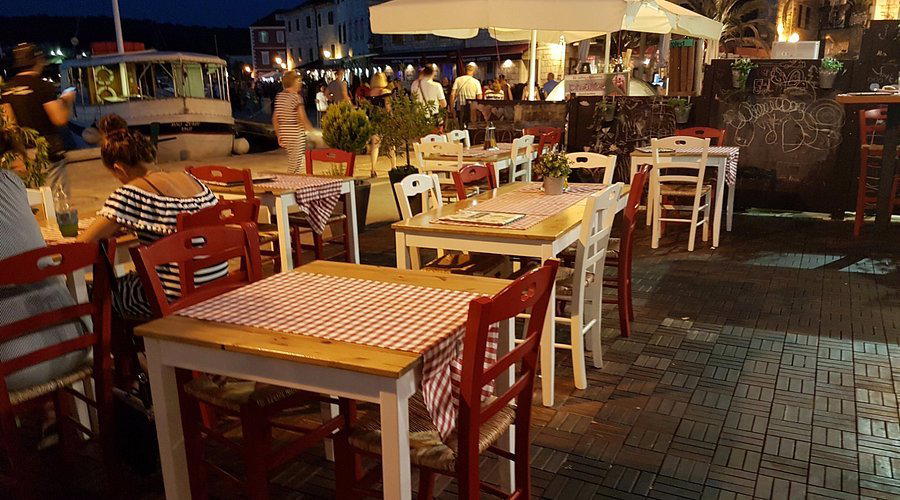
Cozy, colorfully decorated bistro with atmospheric pictures on the walls and a beautiful summer terrace surrounded by thick pine trees.