
On Rijeka's waterfront Riva, Bistro Grad holds a 2025 Michelin Plate at the accessible end of Croatia's recognised dining tier, with a contemporary menu that draws on the Kvarner region's coastal and inland produce. For a port city building its fine-dining credentials, it represents a considered entry point into the scene.
Pearl is the En Primeur Club membership app — saves, bookings, and concierge access live there. Same editors, same standards.
- Address
- Riva Boduli 7B, Rijeka, 51000, Croatia
- Phone
- +385 51 565 586
- Website
- bistrograd.hr
- Directions
- Get directions
 Saves & bookings on Pearl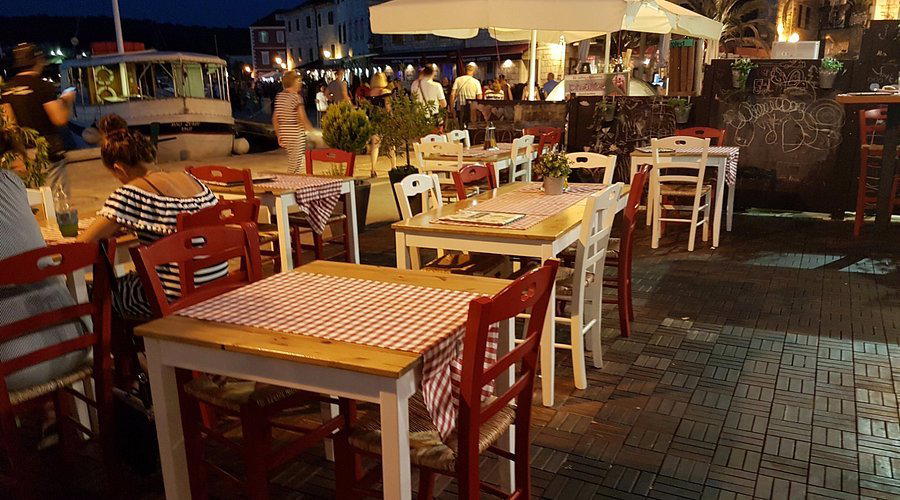
Rijeka's Waterfront and the Case for Mid-Tier Recognition
The waterfront promenade in Rijeka, the Riva, functions differently from the cruise-polished seafronts of Dubrovnik or Split. It is a working port city's public spine, where locals outnumber tourists on most days of the year and where a restaurant earns its audience through repetition. Riva Boduli, a short section of that promenade, is where Bistro Grad operates, with the harbour on one side and the architecture of a city that has passed through Austro-Hungarian, Italian, and Yugoslav hands on the other. The physical setting alone tells you something about what the kitchen is working with: a region whose culinary identity is layered, coastal, and not yet fully mapped by international food media.
Croatia's Michelin-recognised tier has expanded steadily over the past decade. At the upper end, restaurants like Agli Amici Rovinj (two stars) and Pelegrini in Sibenik and Restaurant 360 in Dubrovnik (each one star) set the price and ambition benchmark. Bistro Grad's 2025 Michelin Plate positions it a tier below those addresses in formal recognition terms, but at the €€ price point it occupies a category those restaurants cannot: the table where the sourcing discipline and technique of recognised cooking meets an accessible spend. That specific combination is rarer in Croatia's coastal dining scene than the number of recommended addresses might suggest.
What the Kvarner Region Puts on a Plate
The editorial angle on Bistro Grad's contemporary menu is different from that of a Dalmatian restaurant, where the sourcing story, olive oil, Pag cheese, Maraschino, and the catch off the islands have been told many times. Kvarner's produce geography is less well-documented in travel writing but no less specific. The gulf provides scampi that have anchored the region's reputation in Croatian gastronomy for generations; the lamb from Cres island is brined by sea air on an island with more sheep than people; the Učka massif behind the coast produces truffles, game, and foraged herbs that move the cooking away from pure maritime reference. A contemporary kitchen at this address is, by geography alone, positioned to work across that full range rather than anchoring to a single product identity.
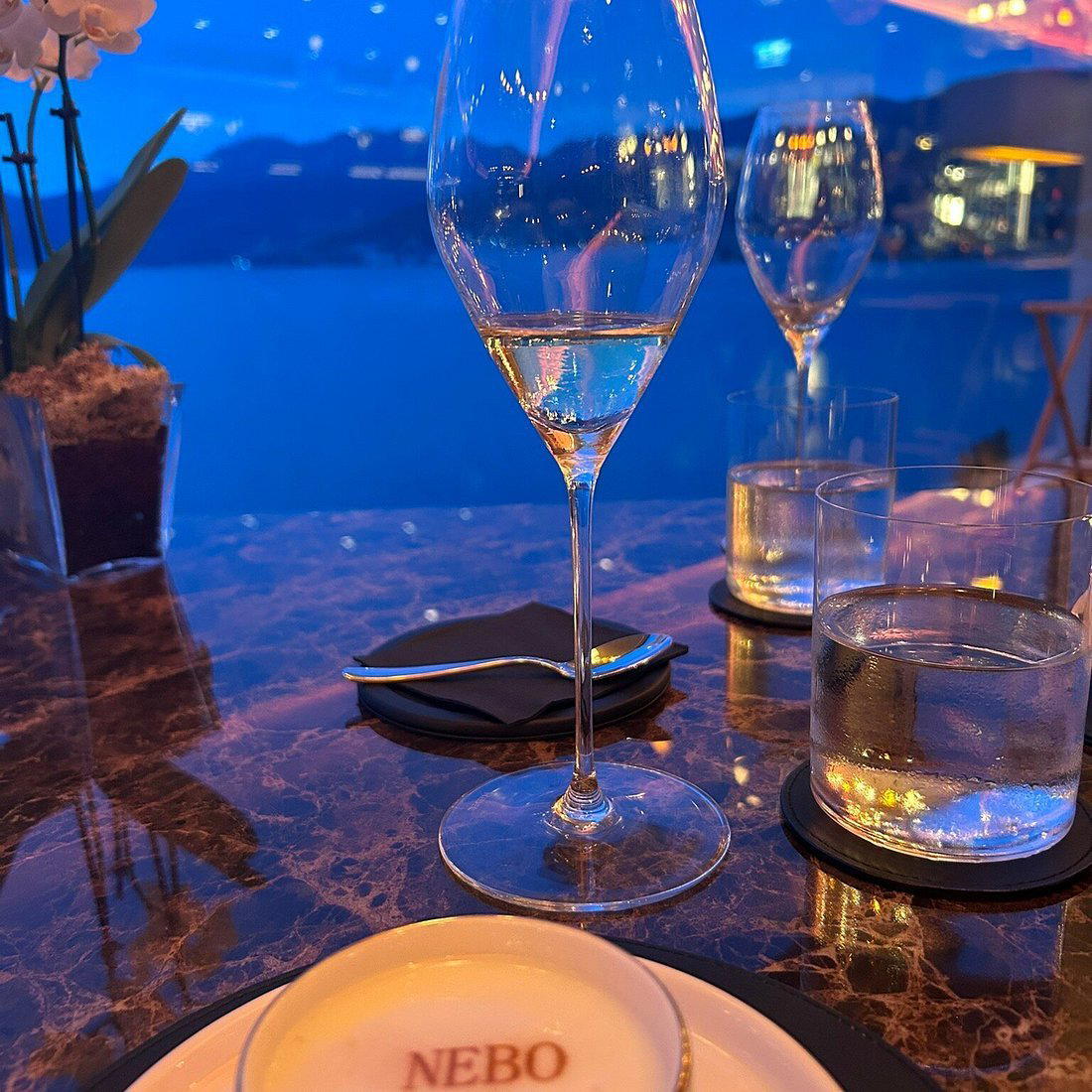
That sourcing breadth matters because it separates Kvarner contemporary cooking from the Adriatic-seafood-heavy format that dominates the tourist tier further south. The region's produce connections to the interior, to the forests, the upland pastures, and the small farms that supply urban markets in Rijeka, give a kitchen here a seasonal range that a strictly coastal menu cannot match. Whether the restaurant pursues that full range is not something the record confirms, but the geographical context sets the expectation. Rijeka's other recognised contemporary address, Nebo by Deni Srdoč, operates at the higher end of the local market; the restaurant's Michelin Plate and €€ positioning suggest a kitchen making considered choices about what regional produce looks like at a more democratic price.
Reading the Review Record
6 across 1,266 reviews is a data point worth pausing on. It reflects a consistent experience delivered across multiple seasons and service periods, not a single run of favourable visits. For a port city restaurant at the €€ tier, where value expectations are higher and tolerance for inconsistency is lower than at a destination-dining address, sustaining that average across that volume is a credibility signal. Its Michelin Plate recognition in 2025 confirms that the kitchen meets Michelin's standard for a recommended stop. Taken together, the two signals point in the same direction.
For comparison, Hidden Wine Bistro represents Rijeka's farm-to-table positioning at a similar price tier, and the city's broader contemporary dining offer sits alongside the restaurant in a scene that is developing faster than its external reputation suggests. Rijeka was European Capital of Culture in 2020, a designation that accelerated investment in the city's cultural and hospitality infrastructure and that continues to shape which kinds of restaurants open and which audiences they reach.
Where Bistro Grad Sits in Croatia's Wider Dining Map
Croatia's recognised dining has historically clustered on the Dalmatian coast and in Zagreb, with the islands and Istria adding addresses as Michelin expanded its Croatian coverage. Rijeka sits at the northern end of that map, geographically closer to Istrian kitchens like those in the Rovinj orbit than to the Split-Dubrovnik corridor. That positioning is relevant to how you plan a trip: Alfred Keller in Mali Lošinj and Boskinac in Novalja are island-hop distances away, while the overland route to Zagreb passes through Korak in Jastrebarsko. The restaurant works as a first or last meal on a northern Adriatic itinerary, positioned on the waterfront in a city that requires almost no detour from the coastal route.
Elsewhere in Croatia's broader contemporary tier, Dubravkin Put in Zagreb and Krug in Split offer reference points for what recognised contemporary cooking at accessible price bands looks like in Croatia's two largest cities. LD Restaurant in Korčula anchors the island end of the spectrum. Internationally, the contemporary format the restaurant occupies has parallels in how mid-tier recognised restaurants operate in other markets: César in New York City and Jungsik in Seoul both demonstrate how contemporary kitchens outside fine-dining price brackets use sourcing rigour as a primary differentiator.
Planning a Visit
The restaurant's address at Riva Boduli 7B puts it directly on Rijeka's main waterfront, accessible on foot from the city centre and the bus terminal. The €€ pricing means a meal here sits well within a typical mid-range travel budget, and the Michelin Plate recognition means the kitchen is working to a standard that justifies treating it as a destination rather than a fallback. Booking ahead is advisable, particularly through the summer months when Rijeka's waterfront draws both domestic and international visitors; the review volume suggests this is not a restaurant with spare seats on a Friday evening.
Comparable Spots, Quickly
Comparable venues nearby, for context on price, style, and recognition.
| Venue | Cuisine | Price | Awards | Notes |
|---|---|---|---|---|
| Bistro GradThis venue — the venue you are viewing | Modern Italian-Croatian Bistro | $$ | Michelin Plate | Not listed |
| Capote y Olé | Authentic Spanish Tapas & Paella | $$ | Not listed | Luka |
| Na Kantunu Tavern | Croatian Seafood Tavern | $$ | Not listed | :null |
| Conca d'oro | Mediterranean Seafood & Pizza | $$$ | Not listed | City Center |
| Konoba Fiume | Traditional Croatian Seafood | $$ | Not listed | Rijeka market |
| Mornar | Fresh Croatian Seafood Bistro | $$ | Not listed | Riva Boduli |
Recognition history
Dated appearances from independent guides and award organizations, with the underlying list record or original source where available.
Michelin Plate
Michelin
Continue exploring
More in Rijeka
Restaurants in Rijeka
Browse all →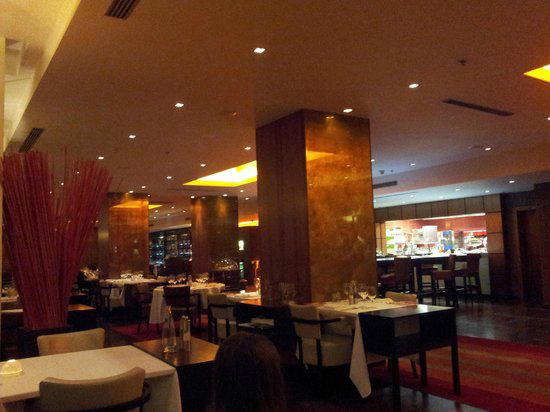
Bars in Rijeka
Browse all →

Hotels in Rijeka
Browse all →

At a Glance
- Modern
- Trendy
- Cozy
- Date Night
- Late Night
- Waterfront
- Open Kitchen
- Extensive Wine List
- Local Sourcing
- Waterfront
- Street Scene
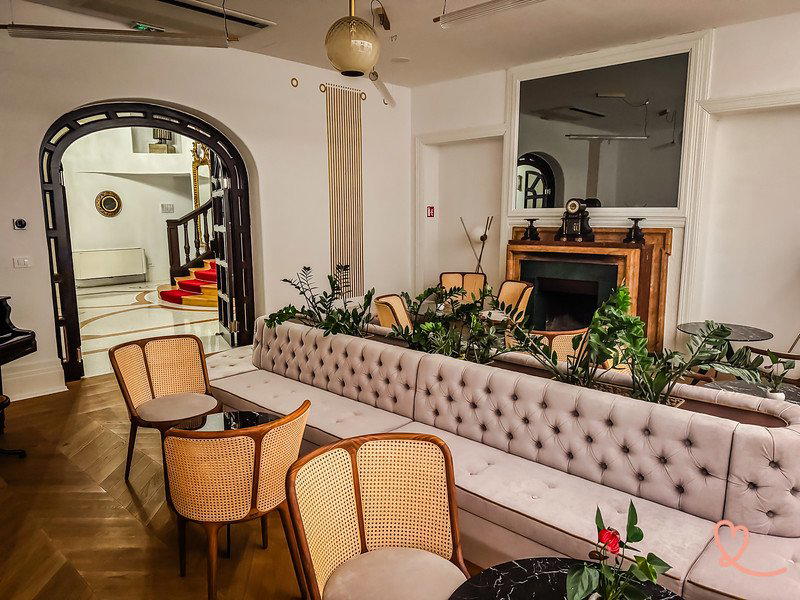
Modern trendy design with high tables, comfortable sofas, and a relaxed welcoming atmosphere by the harbor.