Stamatis
Our verdict
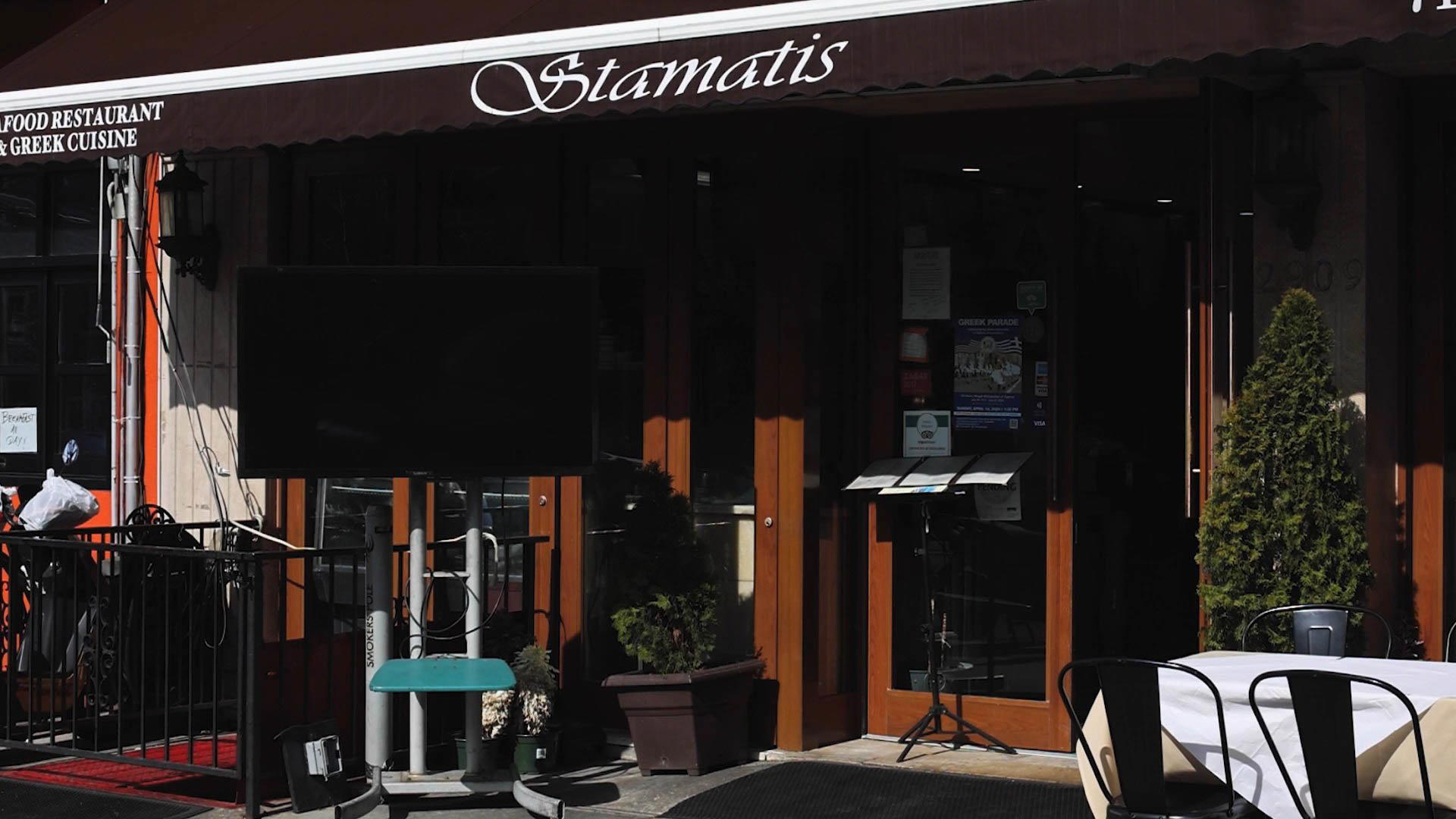
Stamatis has been a fixture of Astoria's Greek dining scene for decades, anchoring the 23rd Avenue corridor that remains one of New York's most concentrated pockets of Hellenic cooking. A neighborhood taverna in the classical sense, it draws regulars from the surrounding Greek-American community as readily as visitors making the short trip from Manhattan. The kitchen works in the tradition of straightforward, market-driven Greek fare rather than modernist reinvention.

Pearl is the En Primeur Club membership app, where members save venues, book tables and use the concierge.
Astoria and the Greek Table: A Tradition With Deep Roots
New York's Greek-American community has been centered in Astoria, Queens, since the mid-twentieth century, and the neighborhood's restaurant corridor along 23rd Avenue reflects that longevity. Unlike the modernist Greek cooking that has found footing in Manhattan, the tavernas of Astoria operate in a different register entirely: grilled fish priced by the pound, house-made spreads, slow-braised lamb, and an expectation that the meal will be long and communal. Stamatis, at 29-09 23rd Ave, sits squarely in that tradition. It is not positioning itself against Le Bernardin or Per Se. It is doing something categorically different: preserving a style of eating that is genuinely harder to find in New York than a tasting-menu counter.
Greek taverna cooking, at its core, is calibrated for repetition. The dishes that anchor the menu, octopus grilled over charcoal, spanakopita with properly flaky phyllo, whole fish, taramasalata and tzatziki made to recipes that rarely change, are designed to be eaten weekly, not annually. That is the standard against which a place like Stamatis should be measured: does it hold up as a regular's restaurant, not just a one-time destination? By the evidence of its decades-long presence on the same block in Astoria, the answer is yes.
What the Astoria Corridor Tells You About the Menu
Astoria's 23rd Avenue and the surrounding streets represent one of the last functioning neighborhood dining corridors in New York where Greek-American cooking has not been curated for an outside audience. The tavernas here compete for the custom of Greek-speaking households, church communities, and multi-generational families who have been eating this food their whole lives. That competitive pressure produces a different kind of quality control than the kind enforced by Michelin inspectors or the Atomix or Jungsik New York school of destination dining. You either cook the octopus correctly or you lose the table permanently.
Stamatis has navigated that pressure across multiple decades. The format is the classical taverna model: a broad menu built around shared plates, grilled proteins, and a short but purposeful wine list leaning on Greek producers. In that respect it mirrors the structure of Greek restaurants across the Aegean, where the menu changes less than the season's fish supply and where the kitchen's skill is measured by execution of familiar dishes rather than novelty. Autumn and winter tend to bring heavier preparations, slow-cooked meats and legume dishes, while the warmer months shift the emphasis back toward the grill and lighter spreads.
How Stamatis Fits the Broader Queens Dining Picture
Queens is the most culinarily diverse borough in New York, a city that is itself one of the more culinarily diverse on the planet. That diversity includes concentration: you can find more authentic Sichuan in Flushing, more reliable Bangladeshi cooking in Jackson Heights, and more credible Greek taverna cooking in Astoria than in most neighborhoods of comparable size anywhere in the United States. For visitors accustomed to evaluating restaurants against the Manhattan reference points of Masa or the tasting-menu circuit, the shift in frame required for Astoria dining can be disorienting. Price points are lower, service is informal, and the signal of quality is longevity and neighborhood loyalty rather than award recognition.
That does not make Stamatis a lesser choice. It makes it a different category of choice. The same logic applies across the American dining spectrum: Blue Hill at Stone Barns in Tarrytown and Stamatis in Astoria are not competing for the same occasion. Nor, for that matter, are The French Laundry in Napa and the taverna around the corner from your hotel. What a place like Stamatis offers is access to a living, community-embedded food tradition, the kind of thing that Alinea in Chicago and Lazy Bear in San Francisco, for all their technical achievement, are not attempting to provide.
Planning Your Visit: What to Know Before You Go
Astoria is accessible from Midtown Manhattan in under 30 minutes via the N or W subway lines, with stops on 30th Avenue and Astoria Boulevard bracketing the 23rd Avenue dining corridor. The journey itself is part of the value proposition: arriving in a neighborhood where the street-level signage shifts to Greek and the pastry shops display koulouri alongside coffee is a materially different experience from taking a car to a Manhattan dining room.
| Venue | Category | Price Tier | Booking Lead Time | Location |
|---|---|---|---|---|
| Stamatis | Greek Taverna | $$ | Walk-in or short notice | Astoria, Queens |
| Le Bernardin | French Seafood | $$$$ | Weeks to months ahead | Midtown Manhattan |
| Per Se | French Contemporary | $$$$ | Months ahead | Columbus Circle, Manhattan |
| Atomix | Modern Korean | $$$$ | Months ahead | Midtown Manhattan |
| Jungsik New York | Progressive Korean | $$$$ | Weeks ahead | TriBeCa, Manhattan |
For visitors building a New York itinerary around dining, Stamatis works well as a weekday dinner or Sunday lunch, when the neighborhood is at its most active and the kitchen is likely running at full pace. For a broader orientation to where the city's restaurant scene sits across all categories, the full New York City restaurants guide maps the range from neighborhood institutions to destination counters.
For reference when evaluating dining across other American cities, the same logic of neighborhood-rooted value applies at Bacchanalia in Atlanta, Emeril's in New Orleans, Providence in Los Angeles, Addison in San Diego, Single Thread Farm in Healdsburg, and The Inn at Little Washington, though each occupies a different tier. For international comparison, 8 1/2 Otto e Mezzo Bombana in Hong Kong and Alain Ducasse at Louis XV in Monte Carlo represent the formal end of the European fine-dining tradition that Astoria tavernas consciously do not imitate.
Frequently asked questions
What do people recommend at Stamatis?
How far ahead should I plan for Stamatis?
What's the standout thing about Stamatis?
Is Stamatis good for vegetarians?
Is Stamatis representative of what Astoria's Greek dining scene does differently from Manhattan Greek restaurants?
Comparable Options
Comparable venues nearby, for context on price, style, and recognition.
| Venue | Cuisine | Price | Notes |
|---|---|---|---|
| StamatisThis venue (the venue you are viewing) | Authentic Greek | $30–50 | Not listed |
| Village Taverna | Traditional Greek Grill | $30–50 | Greenwich Village |
| Symposium | Authentic Greek Taverna | $20–30 | Morningside Heights |
| Elia | Authentic Greek | $50–100 | Bay Ridge |
| BZ Grill | Greek Grill | $20–30 | Astoria (Central) |
| Kyma Hudson Yards | Upscale Greek Mediterranean Seafood | $50–100 | Chelsea-Hudson Yards |
Continue exploring
More in New York City
Restaurants in New York City
All restaurants in New York City →
Bars in New York City
All bars in New York City →





Details
- Classic
- Cozy
- Family
- Group Dining
- Casual Hangout
- Street Scene
- A La Carte
- Vegetarian Friendly
- Vegan Options
- Gluten Free Options
Current opening hours
- Monday
- 11 AM–11 PM
- Tuesday
- 11 AM–11 PM
- Wednesday
- 11 AM–11 PM
- Thursday
- 11 AM–11 PM
- Friday
- 11 AM–12 AM
- Saturday
- 11 AM–12 AM
- Sunday
- 11 AM–11 PM
Hours can change for holidays and private events. Hours as of .