In the Alta Badia valley, Stüa Dla Lâ occupies the kind of dining register where Ladin mountain tradition and serious kitchen craft share the same table. The setting in Badia places it within one of the Dolomites' most ingredient-rich corridors, where short supply chains and high-altitude producers define what ends up on the plate. It belongs to a small tier of South Tyrolean addresses worth planning a route around.
Pearl is the En Primeur Club membership app — saves, bookings, and concierge access live there. Same editors, same standards.
- Address
- Str. Runcac, 29, 39036 Badia BZ, Italy
- Phone
- +39471839718
- Website
- granander.it
- Directions
- Get directions
 Saves & bookings on Pearl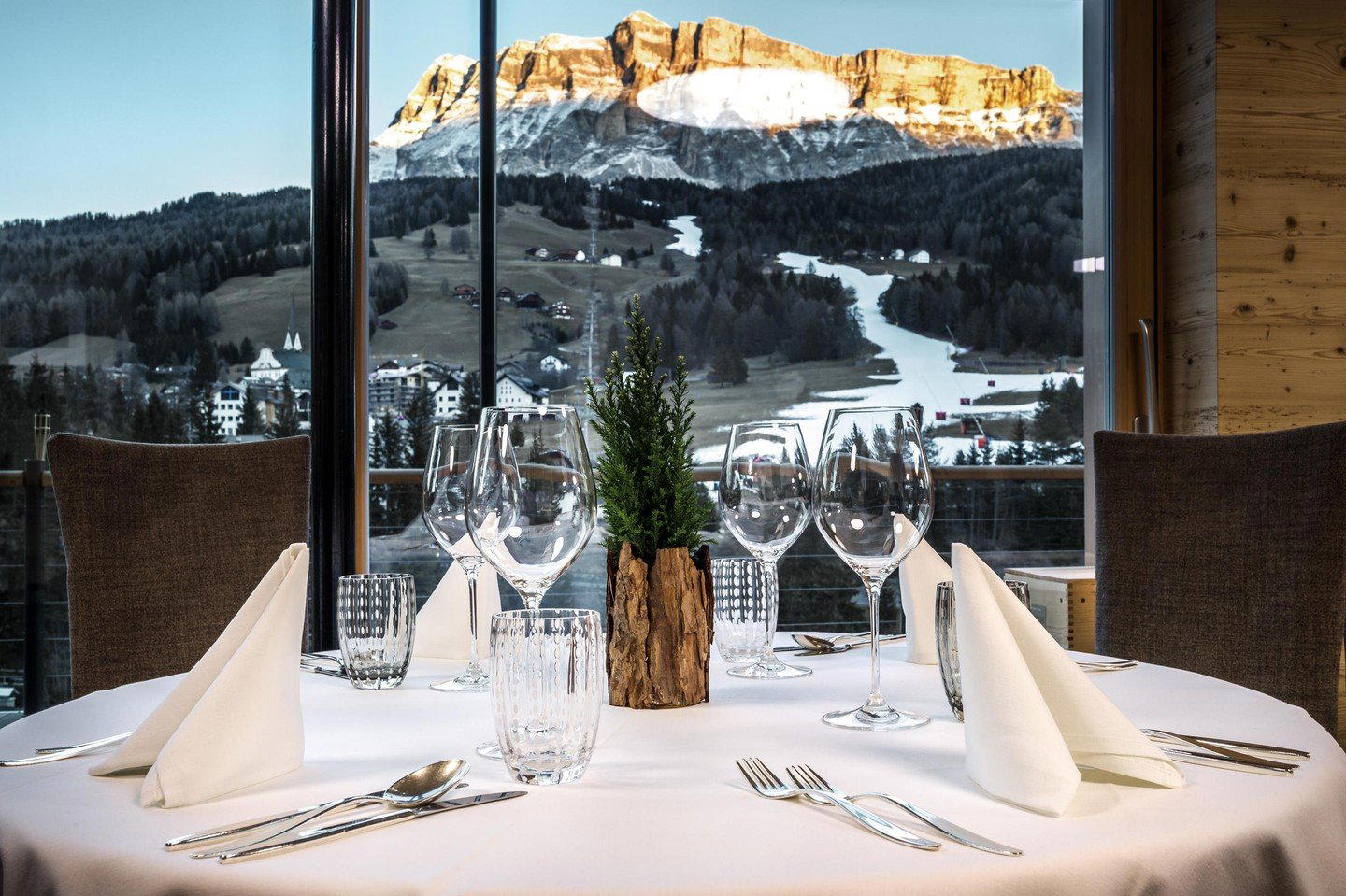
Where the Dolomites Set the Menu
Arrive in Badia by road from the Passo Gardena side and the valley narrows before it opens, the limestone ridges pressing close enough to feel structural rather than scenic. The village sits at altitude in the Alta Badia, one of the Ladin-speaking enclaves of South Tyrol where the culinary identity draws from three converging traditions: Austrian, northern Italian, and the older Ladin pastoral culture that predates both. Stüa Dla Lâ is a restaurant in Badia, Italy, serving Modern Ladin-Tyrolean-Italian Gourmet at a price tier of 3. It occupies this layered context. The name itself is Ladin, a signal about which tradition the kitchen looks to first.
South Tyrol has produced a concentration of serious restaurant cooking that its geography alone does not explain. The region holds more Michelin stars per capita than most Italian regions, and addresses like Atelier Moessmer Norbert Niederkofler in Brunico have made the case internationally that alpine ingredients can sustain menus at the highest level. Stüa Dla Lâ operates in that same regional current, where the sourcing radius is short by necessity and long on specificity.
The Ingredient Logic of Alta Badia
The editorial focus here is its supply chain. Alta Badia sits above 1,300 metres. The growing season is compressed. Cattle graze on high pastures that shift with snowmelt. The dairy output from this altitude carries a fat profile and mineral character distinct from lowland production, a difference that shows in aged cheeses and fresh butter alike. Rye and spelt have been cultivated in South Tyrolean valleys for centuries because they tolerate the cold. Wild herbs, mushrooms gathered from specific forest edges, and mountain game follow seasonal calendars that a kitchen at this elevation cannot override.
This is not the romantic localism that gets attached to menus as marketing copy. It is a practical constraint that shapes what can be cooked. The restaurants of Alta Badia that work at the serious end, including Porcino nearby, draw from the same compressed geography. The differentiation between them lies in how each kitchen interprets the same raw material. Italy's most decorated rooms, from Osteria Francescana in Modena to Piazza Duomo in Alba, have built their identities around place-specific sourcing. In Alta Badia, the place dictates the sourcing whether or not the kitchen chooses to foreground it.
The Stüa Format and What It Tells You
The word stüa in Ladin and South Tyrolean dialect refers to the wood-panelled heated room that historically served as the social and eating heart of alpine farmhouses. It is a specific architectural tradition, not a decorative choice, and restaurants that adopt the term are signalling something about the register they occupy: warm materials, lower ceilings, a domestic scale that works against theatrical dining room grandeur. That format sits at the opposite end of the spectrum from the large urban flagship rooms like Enrico Bartolini in Milan or La Pergola in Rome. The stüa model concentrates attention on what is in the glass and on the plate rather than on the volume of the room around it.
Internationally, kitchens working within traditional architectural containers have found that the format itself becomes a kind of argument about cooking priorities. Dal Pescatore in Runate has sustained that logic across decades in a farmhouse context. In Alta Badia, the stüa tradition gives a kitchen like Stüa Dla Lâ a readymade framework: the room does not need to perform, so the food carries the evening.
How Alta Badia Fits Inside Italian Fine Dining
Italy's serious restaurant tier is geographically dispersed in a way that France's is not. The concentration runs from Piedmont through Lombardy and the Veneto, with significant outposts in Emilia-Romagna and coastal rooms like Uliassi in Senigallia and Quattro Passi in Marina del Cantone. South Tyrol occupies its own chapter, culturally and climatically separate from the Mediterranean register that defines Italian food internationally. A meal in Alta Badia does not reference the same pantry as Enoteca Pinchiorri in Florence or Le Calandre in Rubano. The fats are different, the grains are different, the dairy is different, and the influence of central European technique is visible in the preference for cured meats, dumplings, and slow-braised preparations.
That distinctiveness is an asset for a traveller routing through the Dolomites. Badia is not a detour from the serious end of Italian cooking; it is a different expression of it, one tied to a landscape that has no equivalent further south. Reale in Castel di Sangro and Villa Crespi in Orta San Giulio similarly argue that serious cooking in Italy does not require a major city address. Badia restaurants guide maps the broader picture of what this valley offers at the table.
Planning a Visit
Badia is accessible from Bolzano to the south, roughly 75 kilometres by road through the Val Badia, or from Cortina d'Ampezzo to the east via the Falzarego pass. The valley is a winter ski destination centred on the Alta Badia ski area, which means room and table availability tightens significantly between December and March and again in the July to August hiking season. Visiting outside those peaks, in late May or October, gives access to the valley at a quieter register. The restaurant sits at Str. Runcac 29 in Badia proper.
Fast Comparison
Comparable venues nearby, for context on price, style, and recognition.
| Venue | Cuisine | Price | Awards | Notes |
|---|---|---|---|---|
| Stüa Dla LâThis venue — the venue you are viewing | Modern Ladin-Tyrolean-Italian Gourmet | $$$ | Not listed | Not listed |
| Porcino | Creative Mediterranean Fine Dining | $$$$ | Michelin 1 Star | Badia |
| Glangerhof | South Tyrolean Alpine-Italian | $$$ | Not listed | Feldthurns |
| Taverna Posta Zirm | Traditional Italian Pizzeria & Grill | $$$ | Not listed | Corvara |
| Roller Stube | Refined South Tyrolean and Italian fine dining in a traditional stube | $$$ | Not listed | Corvara in Badia |
| Sprechenstein | South Tyrolean-Italian Gourmet | $$$ | Not listed | Freienfeld |
Continue exploring
More in Badia
Restaurants in Badia
Browse all →
Bars in Badia
Browse all →
Hotels in Badia
Browse all →

At a Glance
- Rustic
- Cozy
- Intimate
- Classic
- Special Occasion
- Date Night
- Historic Building
- Extensive Wine List
- Local Sourcing
- Mountain
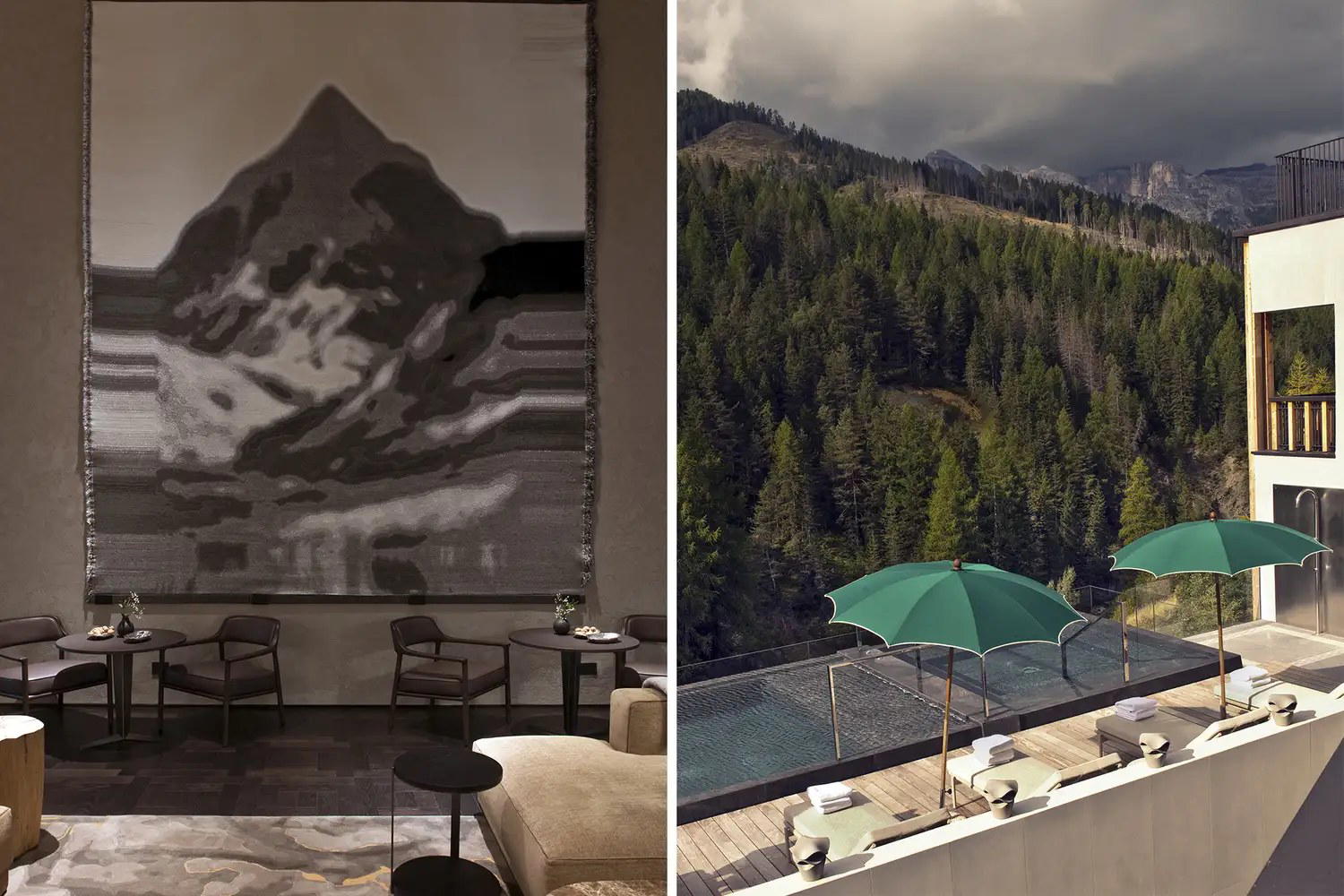
Traditional wooden-lined stube with cozy, intimate atmosphere from the historic 1700 setting and traditional stove.