Roller Stube

Roller Stube reads as a small Alpine dining room shaped by Ladin atmosphere rather than resort gloss. Alfred Roller’s paintings set the visual register, while Chef Paul Mittermair’s creative cooking draws its strongest identity from garden vegetables and herbs, placing the restaurant in Corvara in Badia’s quieter, craft-led dining tier.
Pearl is the En Primeur Club membership app — saves, bookings, and concierge access live there. Same editors, same standards.
- Address
- Str. Pecei 17, Colfosco
- Phone
- +39 0471 836183
- Directions
- Get directions
 Saves & bookings on Pearl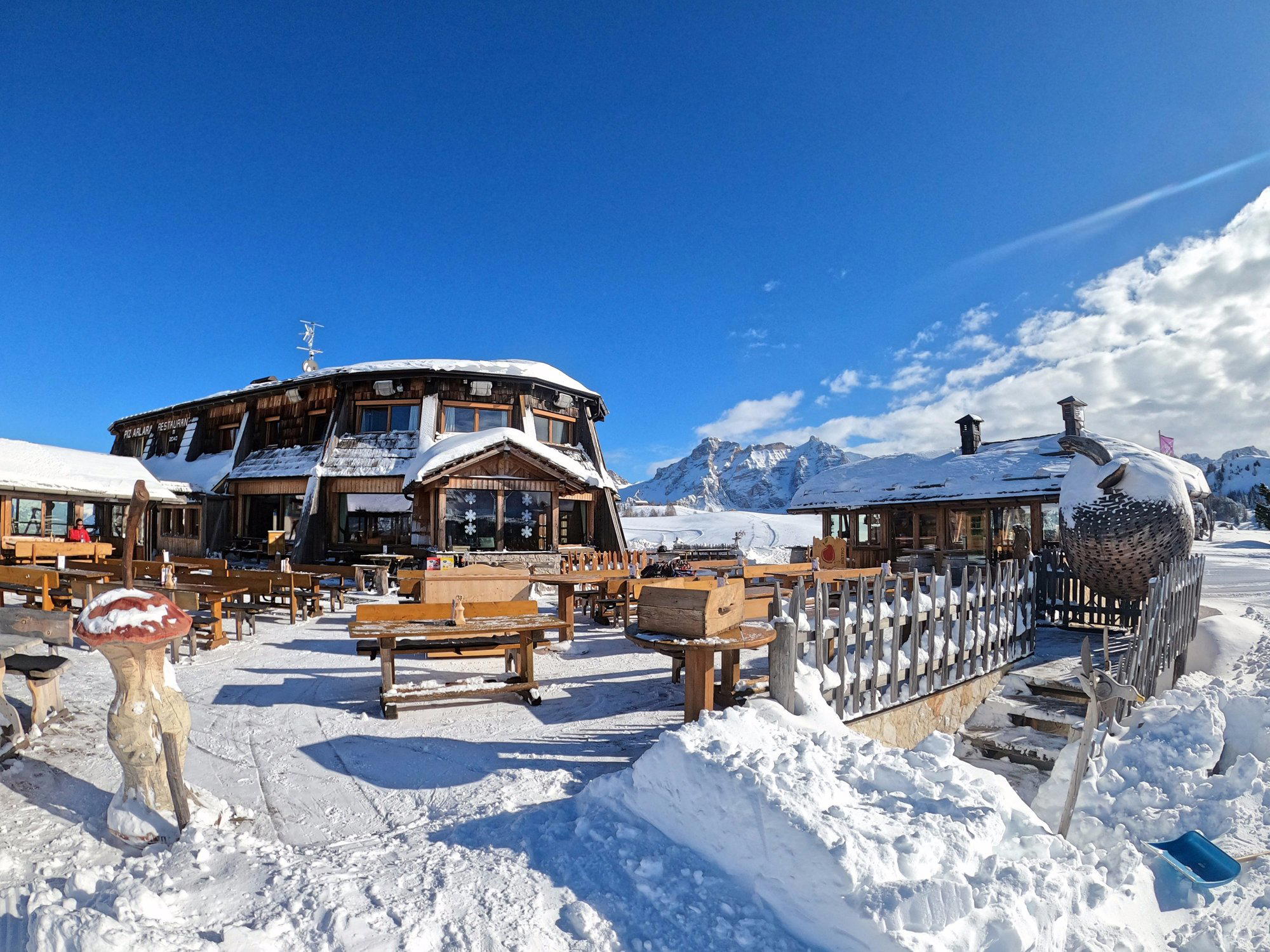
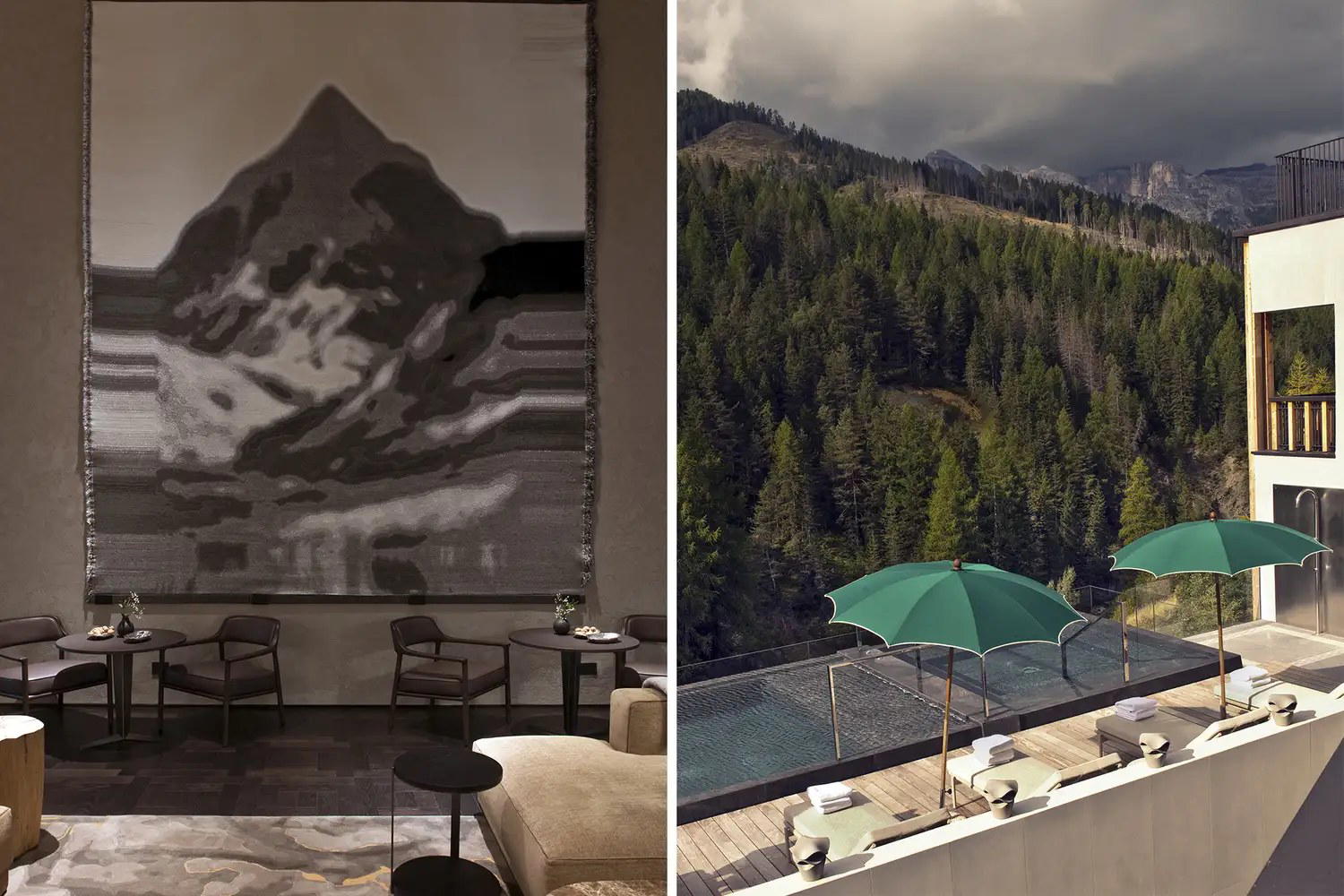
Inside the room, the first signal is visual rather than culinary: works by Austrian painter Alfred Roller line the walls, pulling the space toward the myths and mountain memory of the Ladin Dolomites. In a resort area where restaurants often split between ski-lodge comfort and hotel dining formality, Roller Stube belongs to the smaller category where décor, regional reference and a chef’s produce choices create the argument before the menu does.
Corvara in Badia and nearby Colfosco sit in a part of South Tyrol where Italian, Austrian and Ladin influences meet without needing theatrical explanation. The local table has long dealt in dairy, grains, cured meats, herbs and mountain vegetables, but the contemporary version is less about preserving dishes in amber than deciding which parts of the tradition can carry a lighter, more personal style. Creative cooking in this context has a narrow margin: too much technique and the mountain disappears; too much rusticity and the meal becomes predictable.
Garden-led creative cooking in a Ladin room
The useful way to read Roller Stube is through that tension. Chef Paul Mittermair’s cooking is described through vegetables and herbs from his own garden, a detail that matters in the Dolomites because seasonality is not an abstract dining-room virtue here. Short growing windows, altitude and sharp seasonal changes give herbs and vegetables a different role from the garnish-heavy language of urban tasting menus. They can act as the bridge between mountain tradition and contemporary plate construction.
That garden emphasis also separates this kind of creative cooking from the broader Italian resort template. In coastal or metropolitan Italy, creativity often announces itself through seafood, luxury produce or reinterpretations of pasta canon. In Alta Badia, the more persuasive version tends to be quieter: sharper herbal notes, vegetable-led structure, and a room that acknowledges place without turning it into folklore theatre. Roller’s paintings help make that point. The room’s connection to Ladin legends is not just decoration; it frames the meal within a regional imagination that predates the current appetite for Alpine design.
The chef’s presence should be understood as a working credential rather than a personality story. Mittermair’s name matters because the cooking is tied to a specific garden and a specific local vocabulary, not because the dining room needs biography to carry it. In a destination where visitors often move between slope, spa and dinner, this is the more interesting register: a restaurant that uses creative technique to tighten the focus on place rather than blur it into international resort cooking.
Where it sits in Corvara's dining range
Corvara in Badia’s restaurant scene is broader than its size suggests. Hotel dining, polished Italian rooms and contemporary Alpine kitchens compete for the same high-season audience, but they do not serve the same purpose. Bistrot La Perla speaks to the classic Italian side of the village, while Burjè 1968, Cappella Restaurant, KELINA Fine Dine and L'Ostì show how many ways the area now interprets mountain dining, from Italian Alpine comfort to modern cuisine.
Roller Stube’s place within that range is more intimate and culturally coded. The evidence is not a public star rating or a published tasting-menu price, but the combination of creative cooking, named chef, garden produce and a room explicitly tied to Ladin visual culture. That makes it a better fit for diners who want the Dolomites to remain visible in the meal, rather than those seeking a generic luxury dining template that is moved to any ski resort in Europe.
The comparison also reaches beyond Corvara. Creative cooking across resort and rural Europe often works by translating local materials into a contemporary idiom: LPV Ristorante, Jägerstube Restaurant, La Filiale - L'evoluzione della pizza and Oliveto Restaurant & Lounge Bar all sit in that broad category, though each belongs to a different place and competitive set. The point is not sameness. It is that the category has become a way for smaller destinations to express ambition without abandoning regional material.
How to plan the wider Alta Badia table
For a broader read on the village, start with our full Corvara in Badia restaurants guide, then map dinner against the rest of the trip through our full Corvara in Badia hotels guide, our full Corvara in Badia bars guide, our full Corvara in Badia wineries guide and our full Corvara in Badia experiences guide. In high mountain destinations, the strongest itineraries rarely treat dinner as an isolated event; timing, transport and the day’s route shape the table as much as the menu does.
Readers comparing creative cooking across Italy and nearby Europe can widen the frame through 'E Curti Ristorante Tipico di Angela Ceriello & Co SAS in Sant Anastasia, 'l Trippaio di San Frediano in Florence, ‘O Fiore Mio in Faenza, ‘O Scugnizzo in Arezzo, [àbitat] in San Fermo della Battaglia, [bu:r] in Milan, A-Bay Beach Bar, Creative cooking in Stari Grad and Ars Vivendi, Creative cooking in Bad Laasphe. Those links are useful because they show how elastic the phrase creative cooking has become: in Corvara, the version worth paying attention to is the one that keeps the Dolomites in the room.
Quick Comparison
Comparable venues by cuisine and price in the same metro.
| Venue | Cuisine | Price | Awards | Notes |
|---|---|---|---|---|
| Roller StubeThis venue — the venue you are viewing | Refined South Tyrolean and Italian fine dining in a traditional stube | $$$ | Not listed | Not listed |
| Cappella Restaurant | South Tyrolean Fine Dining | $$$$ | Not listed | Colfosco |
| Rifugio Col Alt | Alpine Italian with Mediterranean Influences | $$$ | Michelin Plate | Corvara in Badia |
| Ladinia | Ladin Alpine Cuisine | $$$ | Michelin Plate | Corvara in Badia |
| Burjè 1968 | Modern Italian with French Influences | $$$$ | Michelin Plate | Corvara |
| L'Ostì | Modern Creative Italian | $$$ | Michelin Plate | Corvara in Badia |
Recognition history
Dated appearances from independent guides and award organizations, with the underlying list record or original source where available.
Relais Chateaux Award
Relais Chateaux
Continue exploring
More in Corvara in Badia
More from Chef Paul Mittermair
Browse all →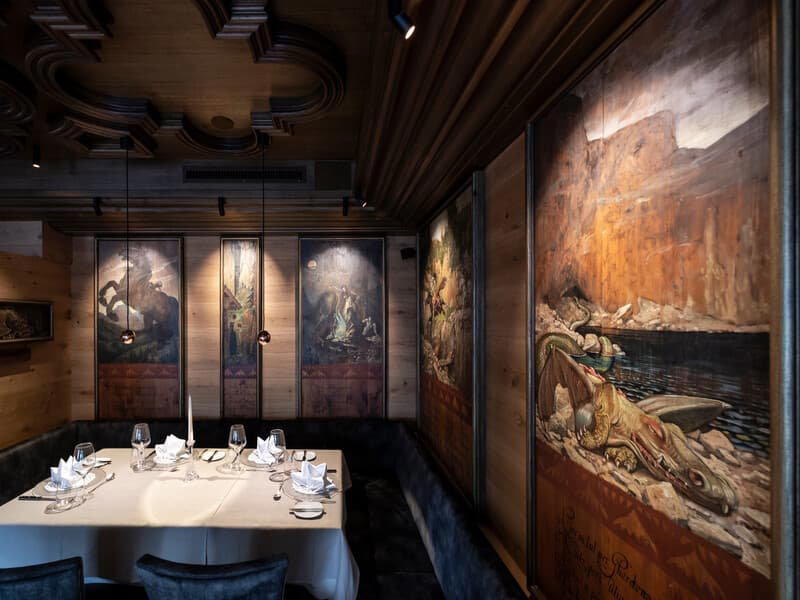
Restaurants in Corvara in Badia
Browse all →
Bars in Corvara in Badia
Browse all →
At a Glance
- Elegant
- Rustic
- Cozy
- Date Night
- Special Occasion
- Group Dining
- Celebration
- Hotel Restaurant
- Standalone
- Extensive Wine List
- Mountain
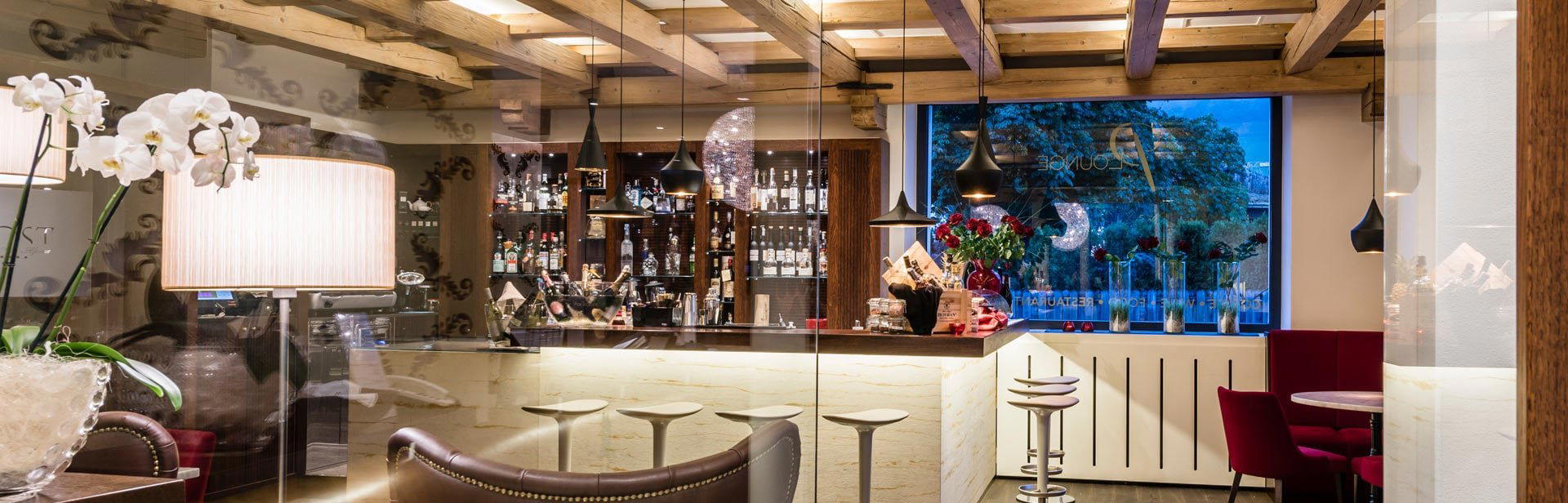
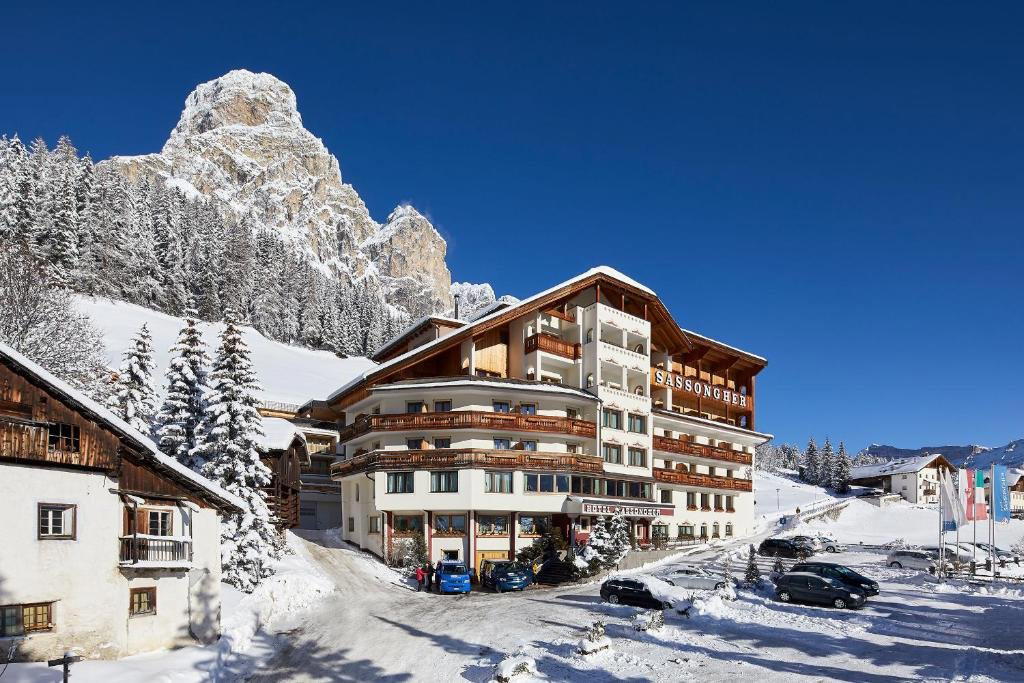
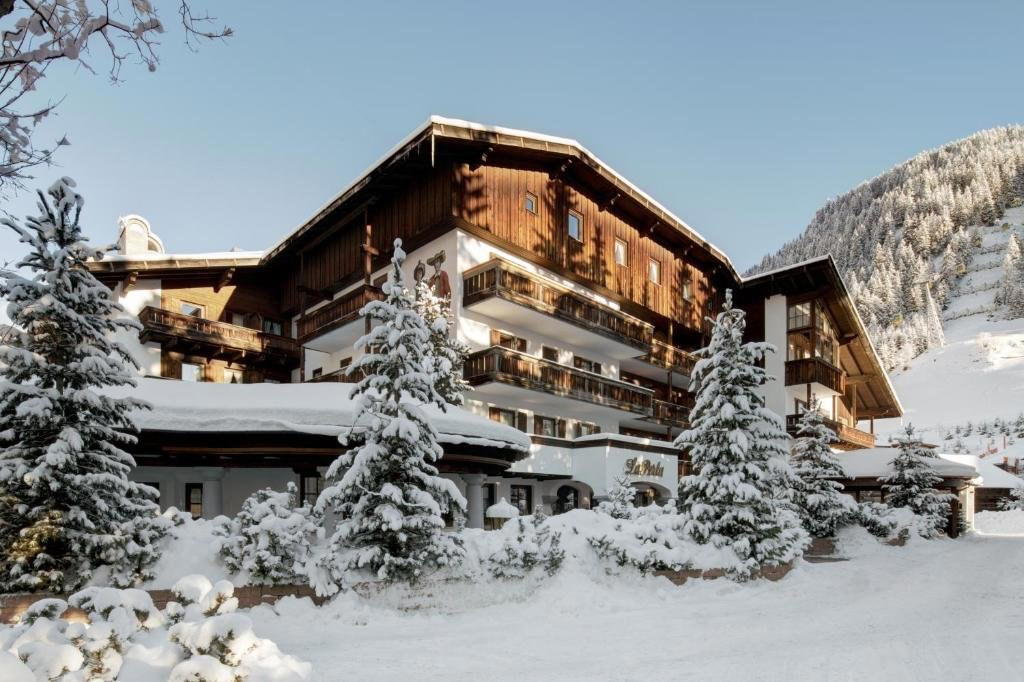
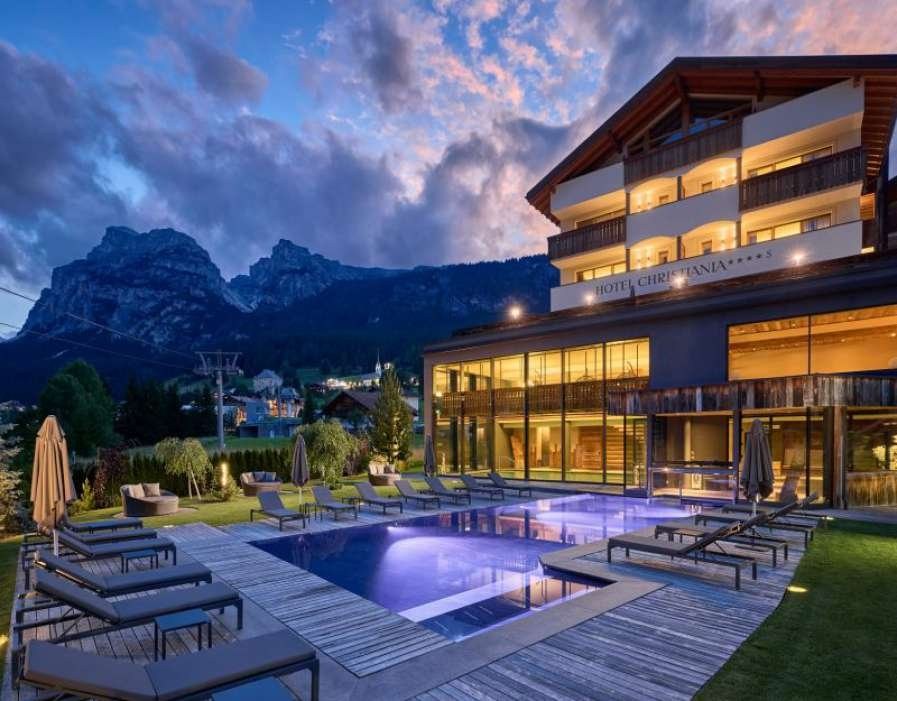
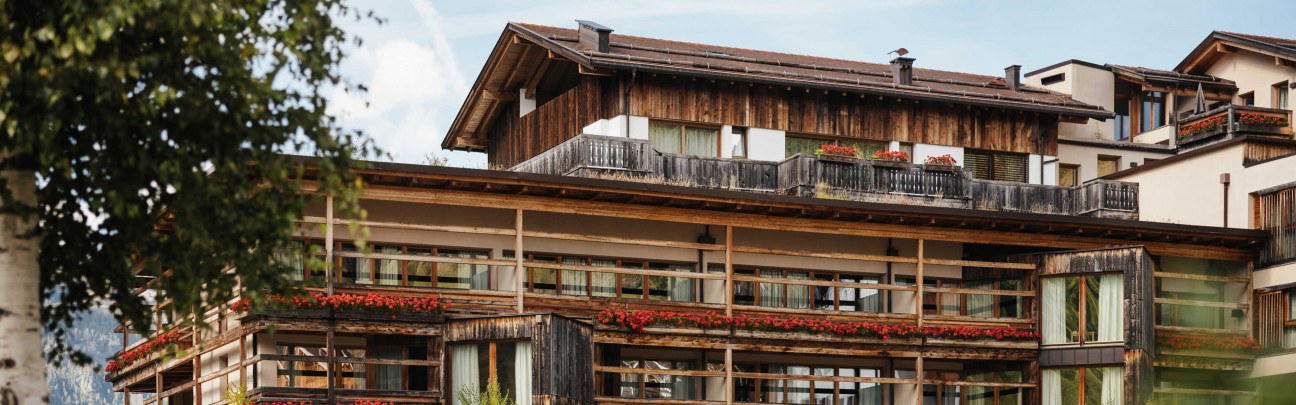
A refined, intimate dining room in traditional Tyrolean stube style with lots of wood, warm lighting, and art-filled walls that create a cozy yet upscale mountain atmosphere.