Sprechenstein
Sprechenstein sits in the Val di Vizze corridor of South Tyrol, a region where Alpine agriculture and northern Italian culinary discipline converge at altitude. The address alone, Campo di Trens, in the municipality of Freienfeld, signals a kitchen oriented toward mountain provenance rather than urban spectacle. For anyone tracing ingredient-led cooking through Italy's northern reaches, this is a stop worth building a detour around.
Pearl is the En Primeur Club membership app — saves, bookings, and concierge access live there. Same editors, same standards.
- Address
- Sprechenstein 1, 39040 Campo di Trens BZ, Italy
- Phone
- +393518887086
- Website
- sprechenstein.it
- Directions
- Get directions
 Saves & bookings on Pearl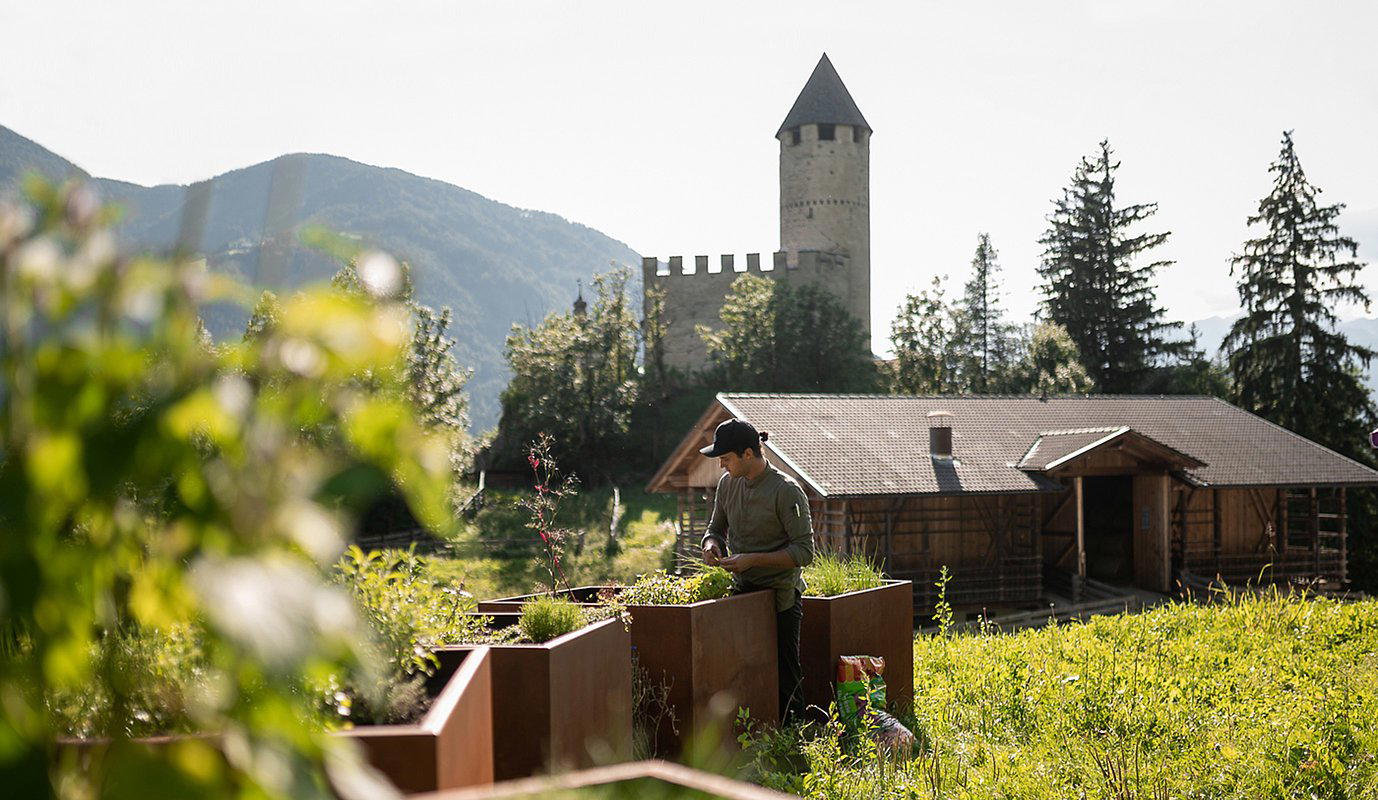
Where the Alps Set the Menu
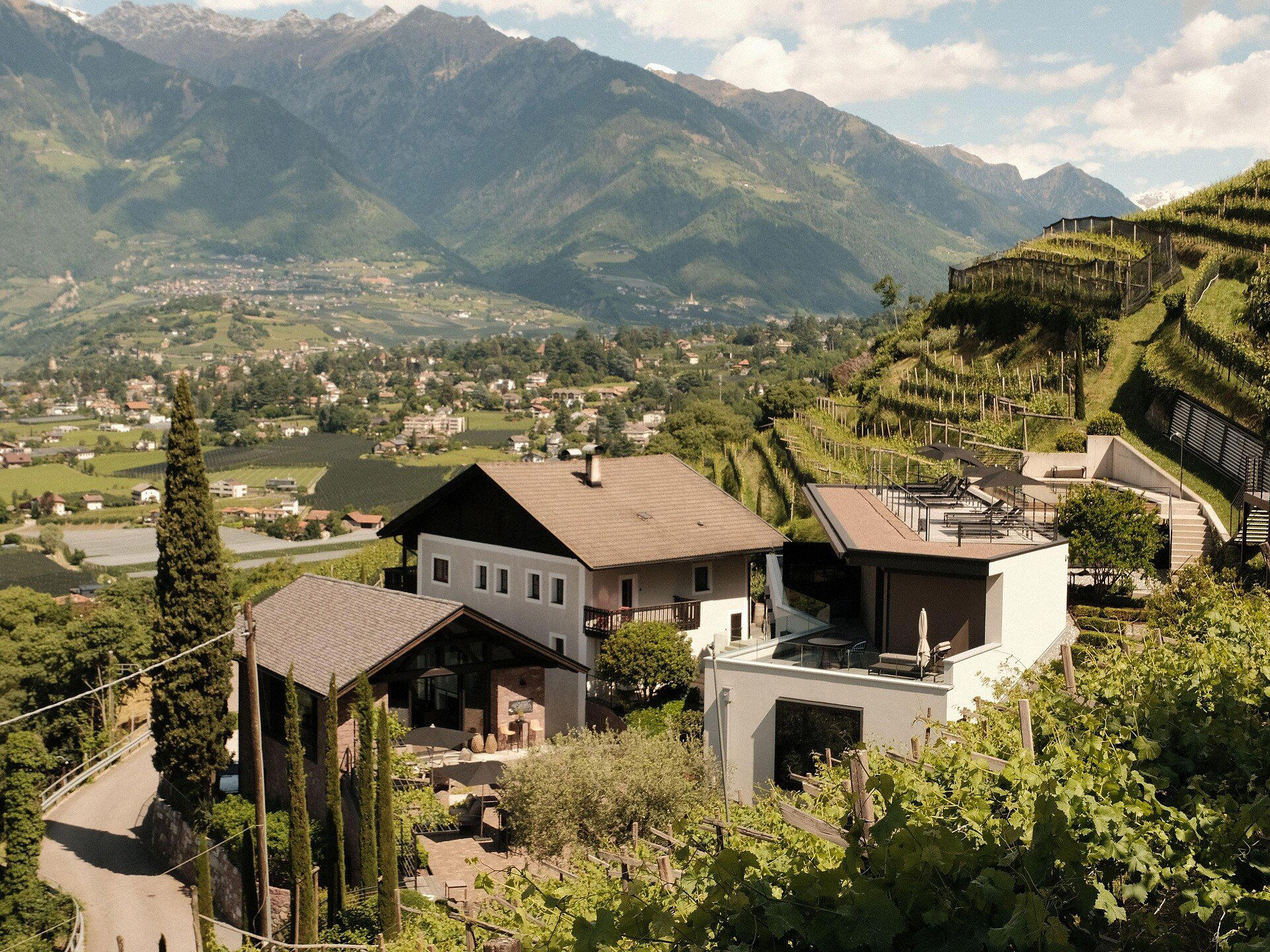
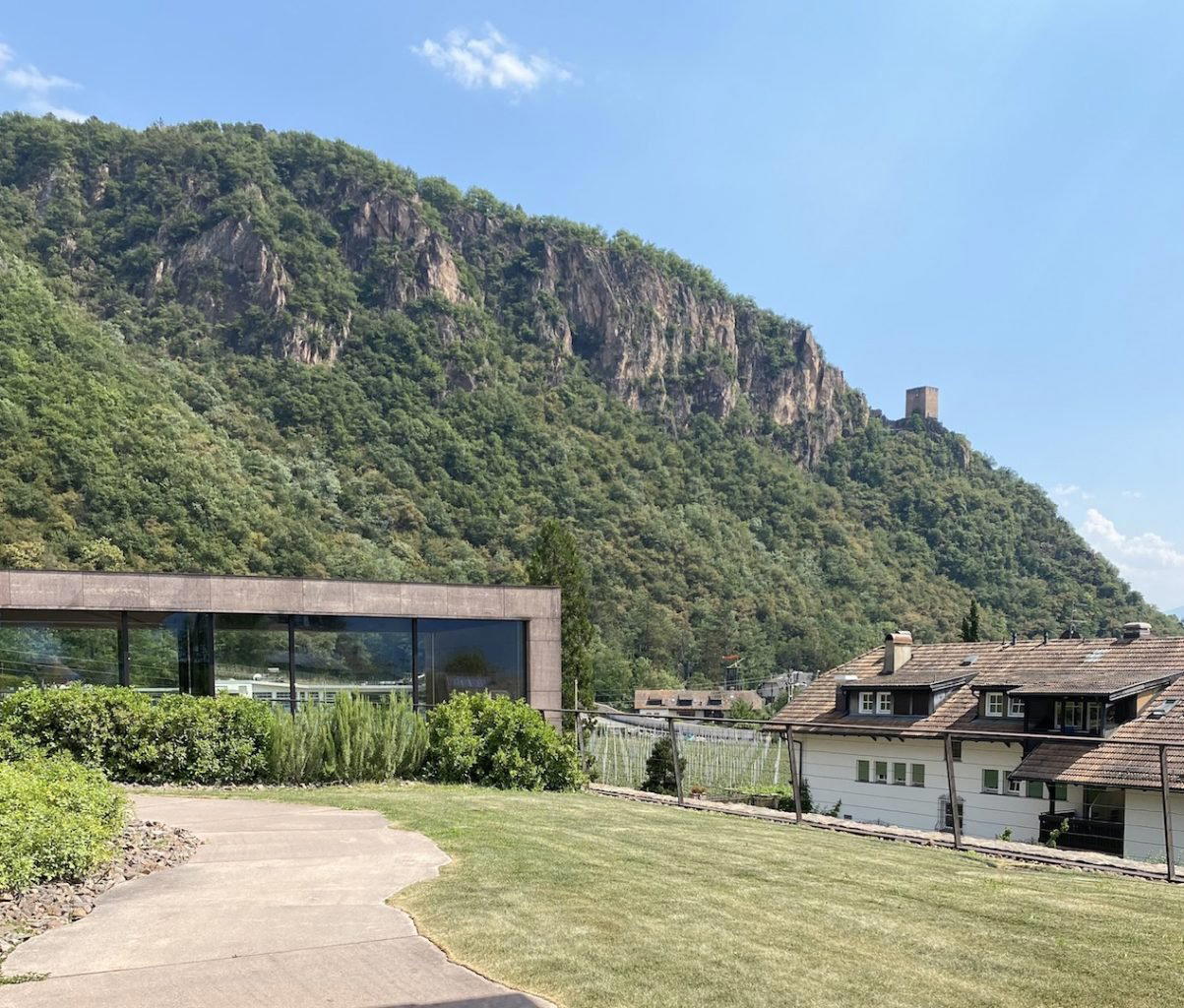
The road into Freienfeld narrows as the valley closes in around it. Stone farmhouses press against the hillsides, and the air at this altitude carries the particular dryness of high pastoral country. Campo di Trens, the frazione that holds the Sprechenstein address, sits inside South Tyrol's Val di Vizze corridor, a stretch of the Brenner axis where Germanic and Italian cultures have traded culinary vocabulary for centuries. Arriving here, the landscape itself reads as a kind of sourcing document: the elevation, the meadow quality, the proximity to Austria all shape what ends up on the plate in ways that a kitchen in Milan or Rome simply cannot replicate.
South Tyrol is one of Italy's most award-dense dining regions relative to its population. The province accounts for a disproportionate concentration of Michelin-recognised tables, a fact explained partly by ingredient access and partly by a culinary tradition that runs deeper than tourism-era hospitality. Speck from altitude-grazed pigs, dairy from mountain meadows, foraged fungi from forested slopes, these are not marketing conceits in this part of Italy; they are structural realities of how kitchens here have always operated. Sprechenstein's address at the northern tip of the province places it closer to that raw-material reality than most. For context on how this compares to the broader arc of serious Italian cooking, Atelier Moessmer Norbert Niederkofler in Brunico represents the region's most decorated expression of Alpine-sourced Italian cuisine, a useful reference point for understanding where ingredient provenance ends and culinary ambition begins.
Ingredient Provenance as Structural Logic
In the broader conversation about ingredient-led cooking in Italy, South Tyrol occupies a specific and defensible position. Unlike Emilia-Romagna, where provenance is codified through DOP designations and centuries of commercial production, or coastal kitchens like Uliassi in Senigallia and Quattro Passi in Marina del Cantone where the sea does the sourcing work, the Tyrolean model depends on vertical geography. What grows or grazes at 1,000 metres behaves differently from what comes out of the Po Valley, and kitchens in this corridor tend to build menus around those differences rather than against them.
Freienfeld's position, tucked between the Brenner pass and the wider Bolzano basin, means that the produce window is defined by altitude and season with more precision than in lower-lying Italian regions. Summer foraging yields wild herbs and mushrooms; autumn brings game from adjacent hunting territories; winter forces a kitchen back onto preserved and cured goods, a discipline that has historically produced some of the region's most technically interesting work. A kitchen operating at this address either works with those rhythms or fights them at considerable cost.
This sourcing logic connects Sprechenstein to a wider pattern visible across Italy's most serious tables. At Le Calandre in Rubano, the Alajmo family's progressive Italian format treats Veneto produce as the non-negotiable foundation of a technically complex menu. At Piazza Duomo in Alba, Langhe truffles and local viticulture set the sourcing architecture. The pattern across these €€€€-tier Italian kitchens is consistent: place defines ingredient, and ingredient defines creative range.
The South Tyrolean Table in National Context
Italy's fine dining conversation is heavily weighted toward a handful of flagship addresses. Osteria Francescana in Modena and Dal Pescatore in Runate hold the cultural authority of institutions; Enoteca Pinchiorri in Florence and Enrico Bartolini in Milan anchor the urban end of the market. What the northern Alpine fringe offers is a different register entirely, one less oriented toward the grand dining-room tradition and more toward a kind of austere, terrain-rooted hospitality that feels genuinely specific to place.
This is not a niche exclusive to South Tyrol. Comparably serious mountain-sourced cooking appears at Reale in Castel di Sangro in the Apennine interior and, in a different key, at Villa Crespi in Orta San Giulio in Piedmont's lake district. But the Tyrolean version carries a particular character shaped by the dual-culture inheritance of the region, a kitchen tradition that draws on both Austrian and Italian approaches to curing, pickling, and alpine protein, producing a synthesis that has no direct equivalent further south.
Arriving and Planning
Freienfeld is accessible via the A22 Brenner motorway, with Campo di Trens reachable from the Sterzing/Vipiteno exit, a journey of around thirty minutes from Innsbruck and approximately two hours from Verona, which frames the visit geographically as either a cross-border detour from Austria or a northern anchor point on a broader Italian itinerary. Rail connections through the Brenner corridor are frequent; the nearest significant station is Vipiteno/Sterzing, roughly eight kilometres from the Sprechenstein address. Given the valley setting and the dispersed nature of Freienfeld's frazione structure, a car is the practical choice for reaching the property without logistical friction.
Those building a broader northern Italian itinerary around this region might anchor additional meals at Casa Perbellini 12 Apostoli in Verona or Da Vittorio in Brusaporto to the south, or extend the Alpine thread with reference to La Pergola in Rome and Gambero Rosso in Marina di Gioiosa Ionica for a full picture of Italian fine dining's geographic range. For international reference points on how sourcing-driven menus operate at the highest level, Le Bernardin in New York City and Atomix in New York City illustrate how two distinct culinary cultures, French-seafood and Korean, have built globally recognised programmes around sourcing specificity.
Comparable Venues
Comparable venues nearby, for context on price, style, and recognition.
| Venue | Cuisine | Price | Notes |
|---|---|---|---|
| SprechensteinThis venue — the venue you are viewing | South Tyrolean-Italian Gourmet | $$$ | Not listed |
| Antica Trattoria Belletti | Traditional Emilian Trattoria | $$$ | Montepastore |
| Feldthurnerhof | Regional Italian with Austrian Influences | $$$ | Feldthurns |
| Garsun | Ladin Trattoria | $$$ | Marebbe |
| Haselburg | Modern Italian-South Tyrolean Fine Dining | $$$ | Aslago |
| Carlton Garden | Seasonal Italian in a Milanese garden setting | $$$$ | Quadrilatero della Moda |
Continue exploring
More in Freienfeld
Restaurants in Freienfeld
Browse all →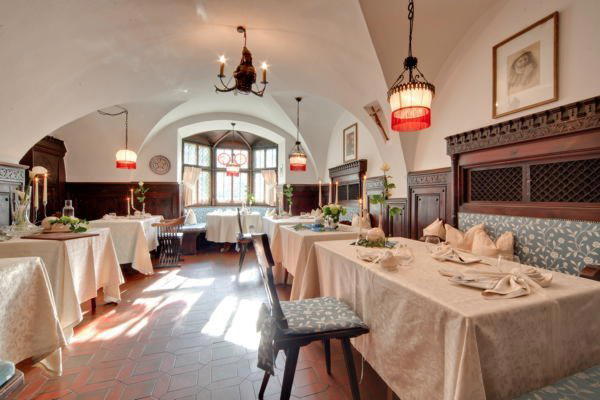
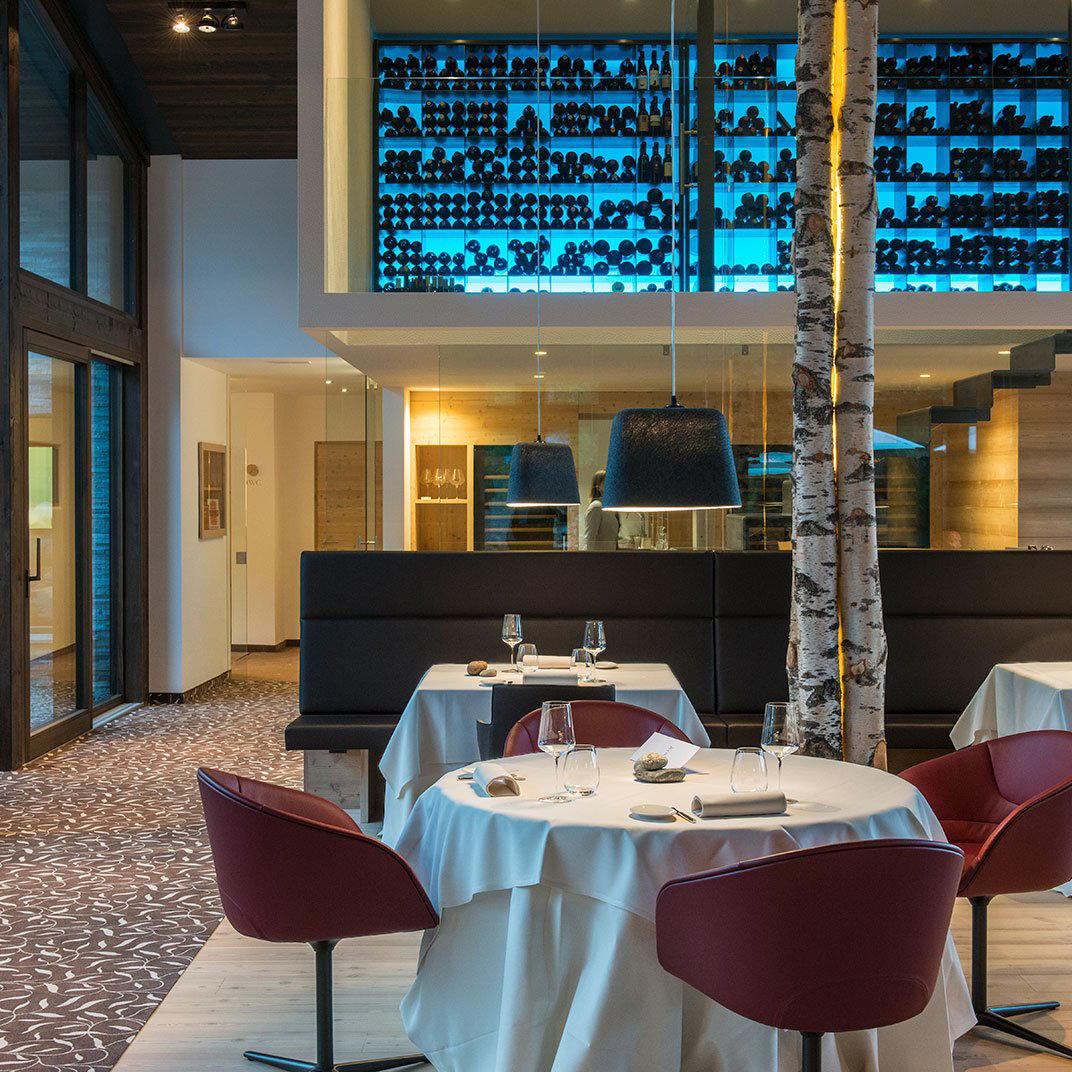
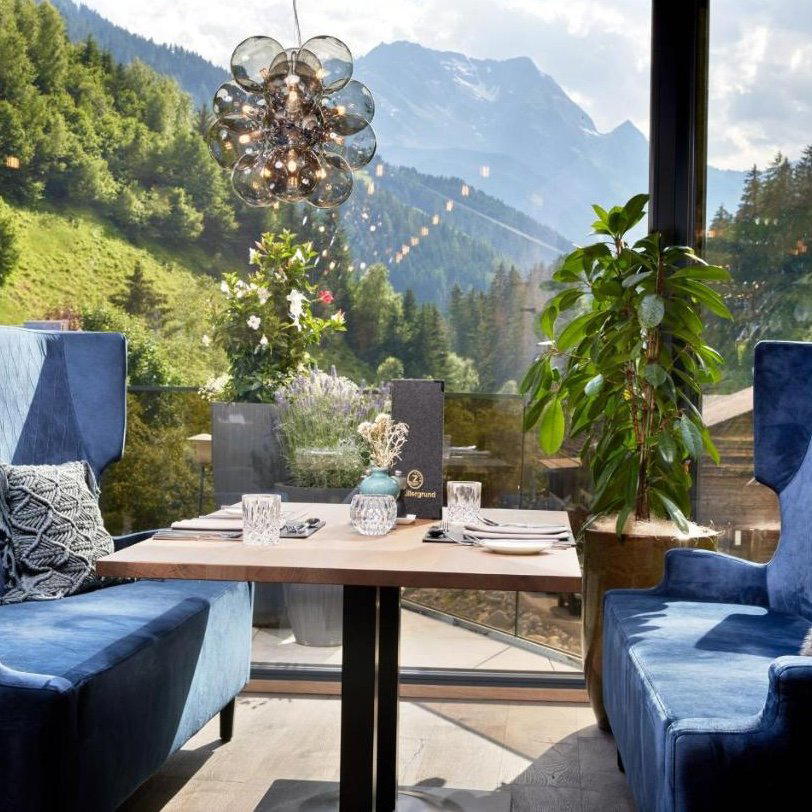
Bars in Freienfeld
Browse all →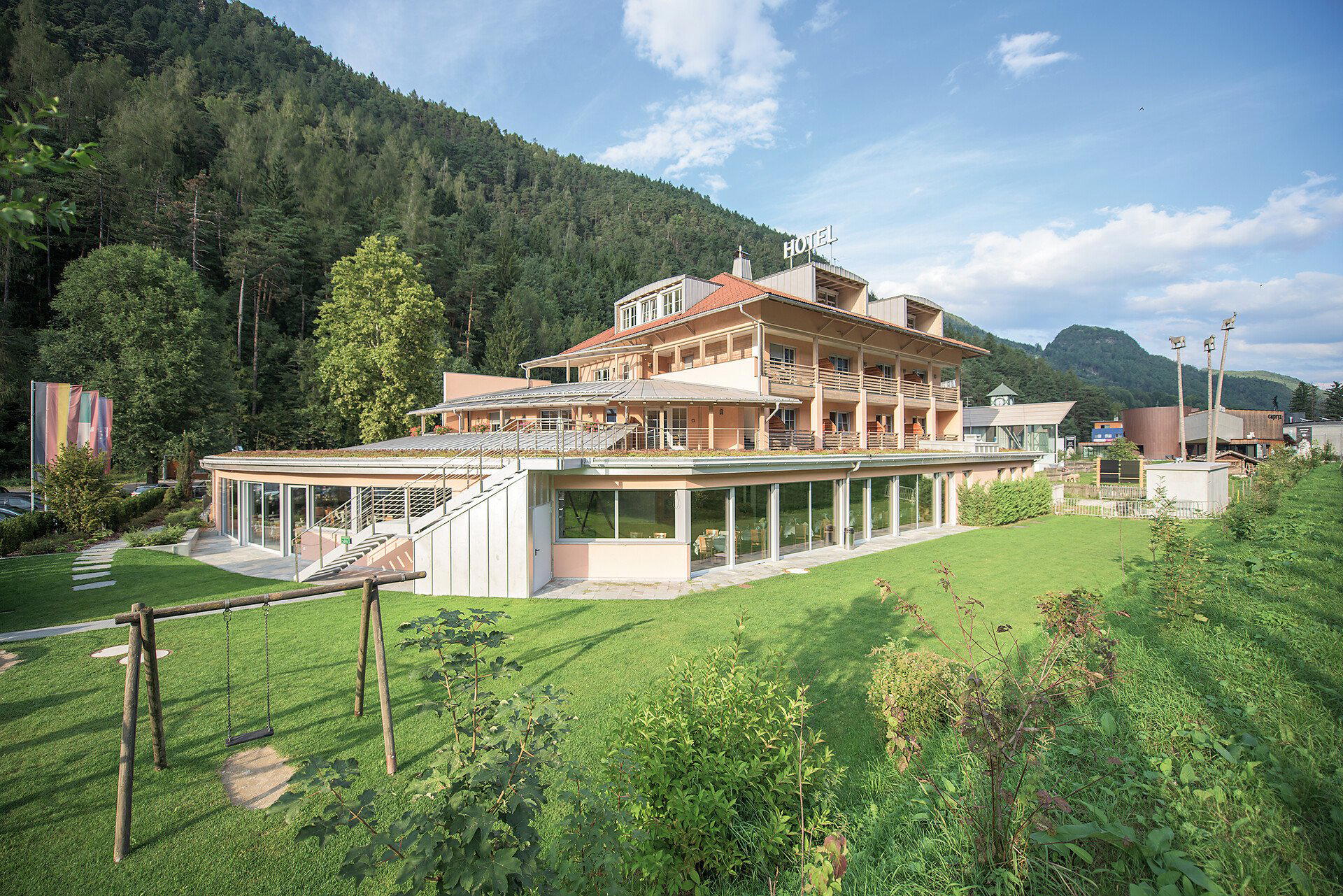
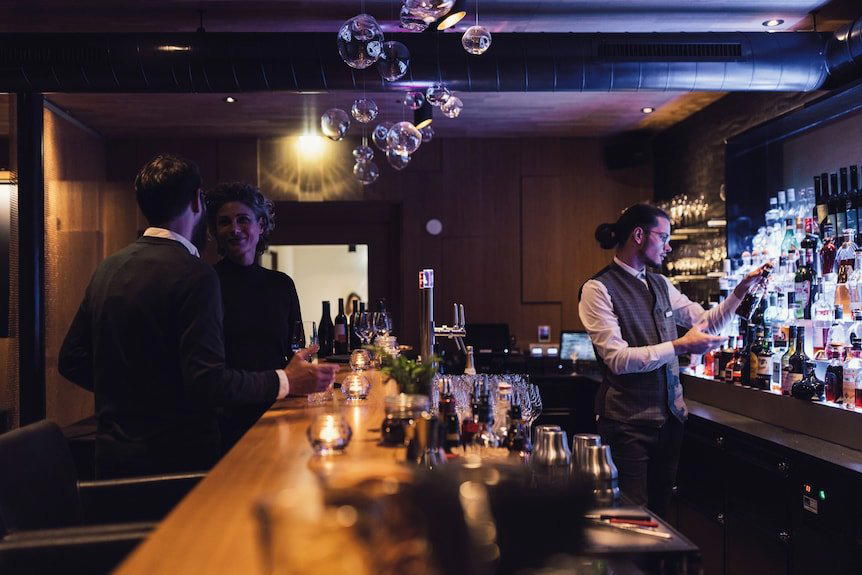

Hotels in Freienfeld
Browse all →

At a Glance
- Rustic
- Cozy
- Scenic
- Special Occasion
- Celebration
- Historic Building
- Farm To Table
- Local Sourcing
- Mountain
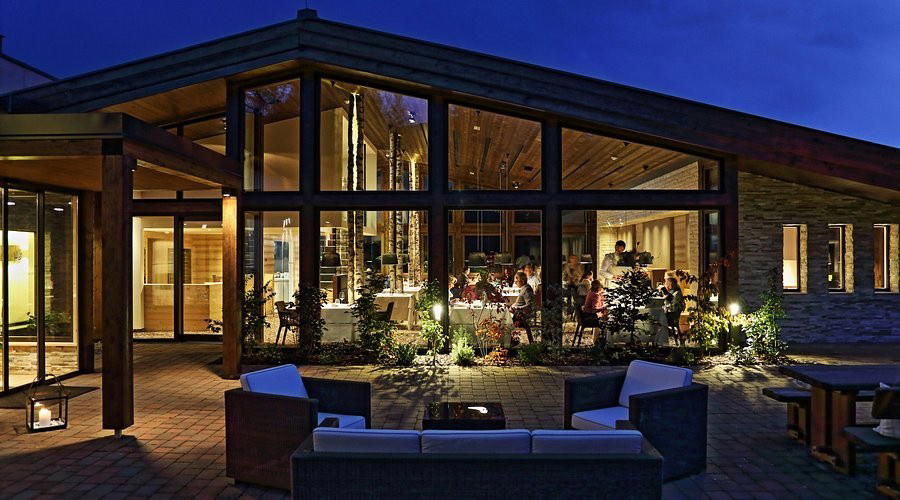
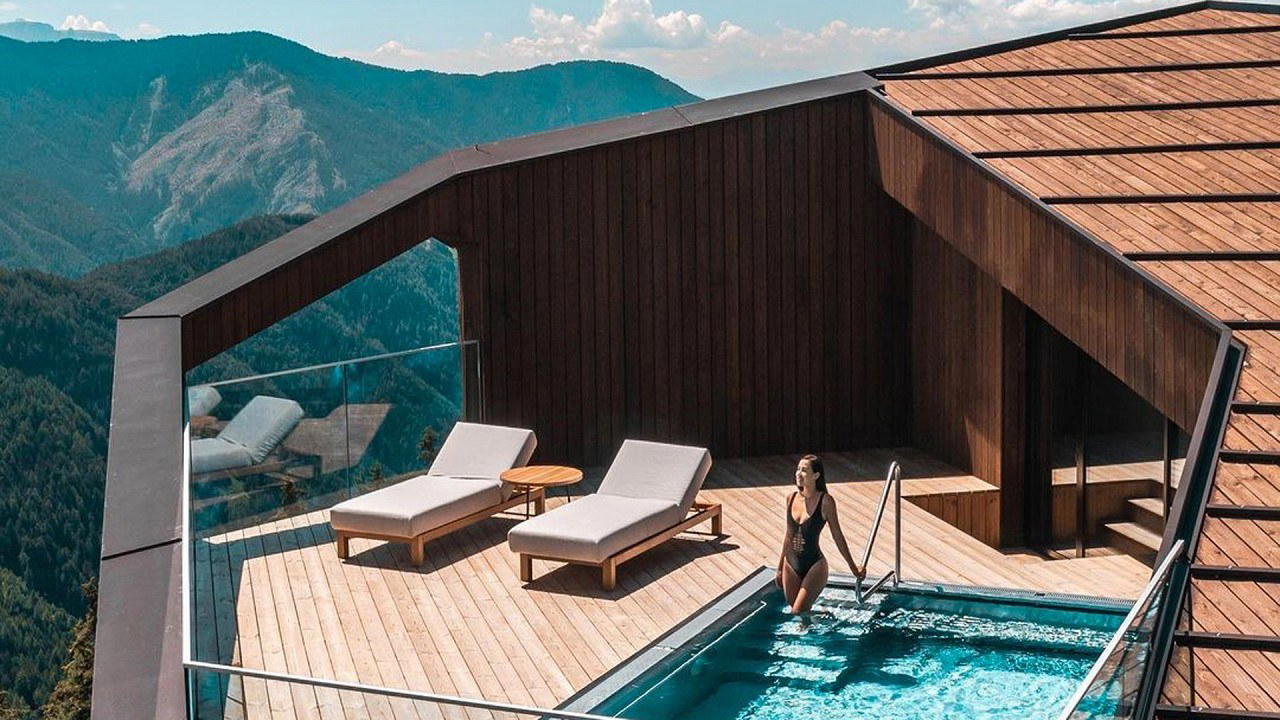
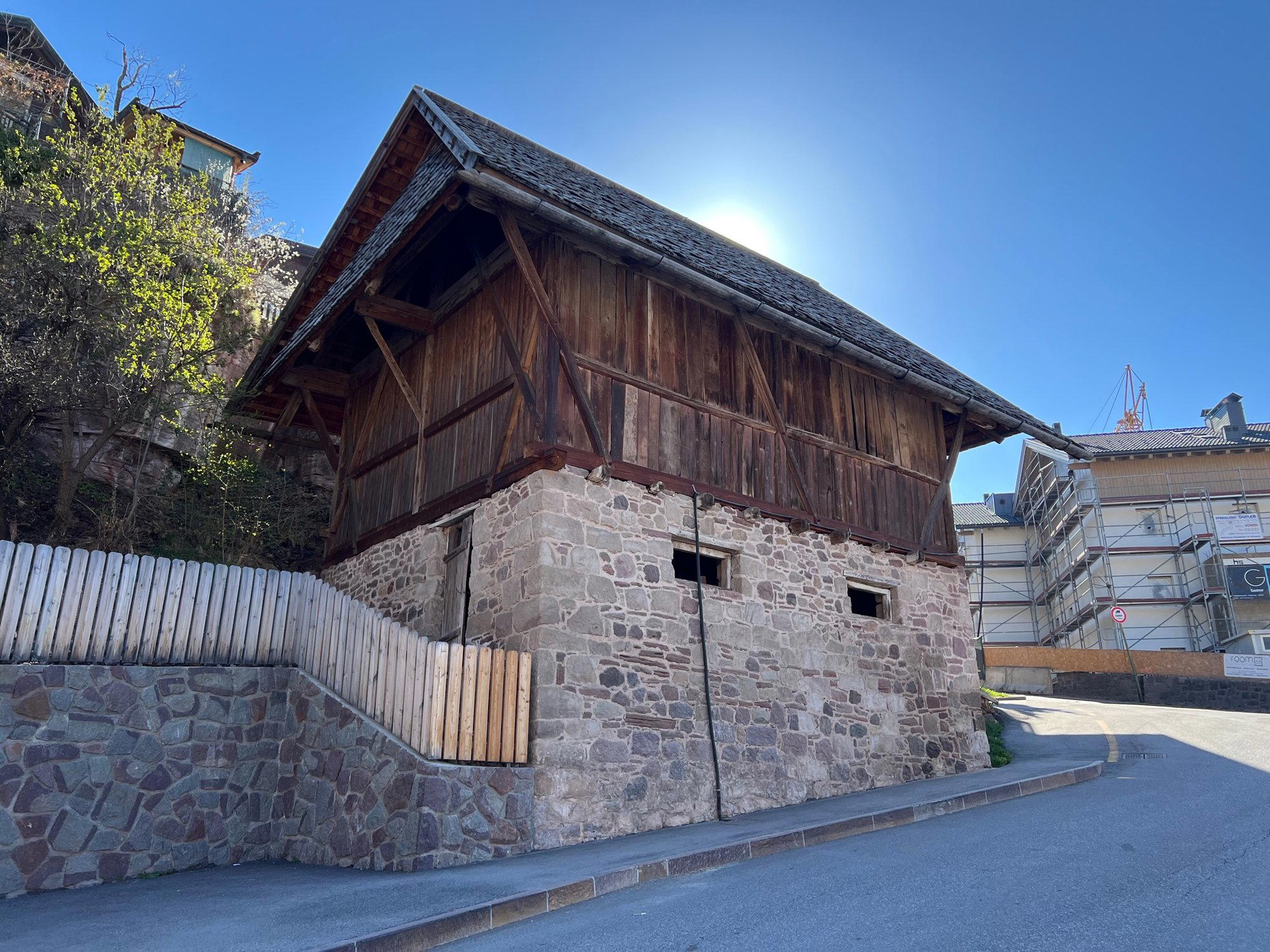
Pleasant and sophisticated atmosphere with castle charm and scenic surroundings.