St. Roch Market
St. Roch Market on St. Claude Avenue sits at the intersection of New Orleans' neighbourhood renewal and its long tradition of communal food halls. The address, deep in the Bywater, places it inside a corridor that has quietly become one of the city's more interesting drinking and eating zones, drawing a crowd that mixes locals with visitors who have followed the food scene beyond the French Quarter.
Pearl is the En Primeur Club membership app — saves, bookings, and concierge access live there. Same editors, same standards.
- Address
- 2381 St Claude Ave, New Orleans, LA 70117
- Phone
- +1 504 267 0388
- Website
- strochmarket.com
- Directions
- Get directions
 Saves & bookings on Pearl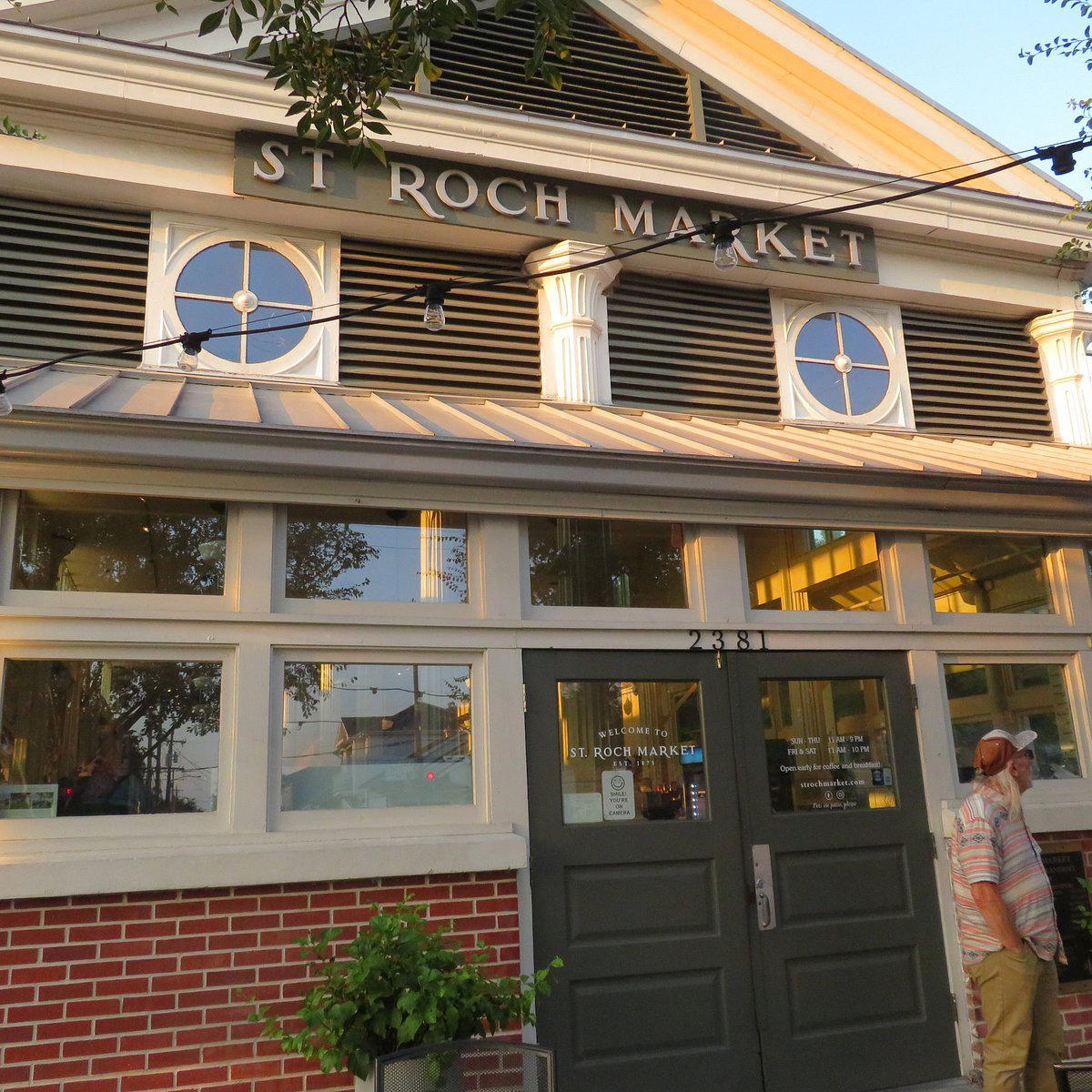
Where Bywater Drinking Culture Comes Into Focus
The stretch of St. Claude Avenue running through the Bywater and St. Roch neighbourhoods has absorbed more creative energy per block than almost anywhere else in New Orleans over the past decade. The bars are less theatrical than those in the French Quarter, the crowds more local, and the format more varied. St. Roch Market at 2381 St. Claude Ave sits within that current, operating as a food and drink hall in a district that has developed its own distinct rhythm, separate from the tourist-facing hospitality of the historic centre.
Food halls in American cities have bifurcated sharply. One tier serves as real-estate plays, filling converted industrial spaces with brand extensions and ghost-kitchen concepts. The other functions more like a neighbourhood anchor, where the range of vendors reflects genuine local taste rather than calculated market positioning. St. Roch Market's location in the Bywater puts it firmly in the context of the latter ambition, in a part of New Orleans that has resisted the full commercialisation seen in the Quarter and even parts of the Marigny.
The Drinking Programme in Context
New Orleans has among the more historically layered cocktail cultures in the United States. The Sazerac and the Vieux Carré were both codified here. The city's drinking tradition is not nostalgic performance — it is a living reference point that serious bars in every neighbourhood either engage with or consciously depart from. The corridor St. Roch Market occupies is part of a broader shift in where that conversation is now happening.
The French Quarter still holds institutions. The Roosevelt's Sazerac Bar carries the historical weight. The Carousel Bar at Hotel Monteleone has its own quarter-century of continuous operation. But the cocktail programmes that have drawn critical attention in recent years have emerged outside those borders. Cure on Freret Street helped reframe what a New Orleans bar could look like technically. Jewel of the South in the French Quarter brought a historically grounded approach to revived pre-Prohibition formats. Beachbum Berry's Latitude 29 built its entire identity around the precision archaeology of tiki.
That comparable set matters for understanding what the Bywater drinking corridor offers. The area around St. Claude is less programme-driven than those flagships, and that is partly the point. The food hall model allows a more varied, less curated drinking experience — which suits both the neighbourhood's character and a visitor who wants range rather than a single authorial point of view.
Nationally, the cocktail programme inside a food hall context has become its own genre. Kumiko in Chicago has shown that a bar anchored in a defined aesthetic can carry serious creative depth. ABV in San Francisco takes a wine-bar-inflected approach that makes the drink list feel like editorial selection rather than menu coverage. Allegory in Washington, D.C. frames its programme around narrative and concept. What those programmes share is intentionality, a curatorial stance that gives the drinking experience coherence. In the food hall context, that coherence more often comes from the mix of options rather than from a single bar's thesis.
The Bywater as a Dining Zone
Understanding St. Roch Market means understanding where it sits geographically and socially. The Bywater has attracted a concentration of independent operators, food, drink, music, retail, that has given it a density unusual for a residential neighbourhood. It is not the Garden District's studied gentility, nor the French Quarter's tourist infrastructure. It is a working neighbourhood that has become a destination without quite presenting itself as one.
That character informs how the Market functions. A food hall in this neighbourhood draws on a customer base that includes long-term residents alongside the visitors who have done the work of finding their way down St. Claude. The format, multiple vendors under one roof, fits a zone where the preference runs toward variety and informality. It also fits New Orleans' ingrained culture of eating and drinking as social activity rather than occasion.
For visitors comparing food and drink options across the city, 2 Phat Vegans represents the kind of neighbourhood-specific, independent operator that characterises this end of St. Claude. The Market's format puts it in a similar register, though with a broader range.
How New Orleans Compares Across the Gulf South Corridor
The bar and food hall culture of New Orleans sits within a wider Southern drinking tradition that stretches from Houston to the Gulf Coast. Julep in Houston applies a Southern spirits focus with technical rigour. Further afield, Bar Leather Apron in Honolulu and Superbueno in New York City show how regional drink cultures get remixed and recontextualised outside their points of origin. The Parlour in Frankfurt on the Main offers a European counterpoint to American food hall drinking culture, leaning into intimacy and curation over scale.
What New Orleans offers that most of those cities cannot replicate is a drinking culture that predates cocktail culture as a modern marketing category. The city's bars are not performing authenticity, they inherited it. The challenge for any venue operating on St. Claude is to engage with that inheritance without being defined by it, which is easier said than done in a city where the historical weight of the Sazerac still shapes what visitors expect to find in a glass.
Know Before You Go
Address: 2381 St Claude Ave, New Orleans, LA 70117
Neighbourhood: Bywater / St. Roch, New Orleans
Price Range: About $25 per person
Hours: Mon: 7 AM-9 PM; Tue: 7 AM-9 PM; Wed: 7 AM-9 PM; Thu: 7 AM-9 PM; Fri: 7 AM-10 PM; Sat: 7 AM-10 PM; Sun: 7 AM-9 PM
Booking: Walk-in friendly
Getting There: St. Claude Avenue is accessible by streetcar and rideshare; parking available along surrounding streets
Note:
Cuisine Context
Comparable venues nearby, for context on price, style, and recognition.
| Venue | Cuisine | Price | Notes |
|---|---|---|---|
| St. Roch MarketThis venue — the venue you are viewing | Dining | $$ | Not listed |
| Petite Amelie | French Quarter Bakery Cafe | $$ | French Quarter |
| Mulate's | Authentic Cajun & Creole | $$ | Arts District |
| Mona's Cafe | Lebanese Middle Eastern | $$ | Mid-City |
| The Velvet Cactus | Mexican | $$ | Lakeview |
| New Orleans Hamburger & Seafood Co | New Orleans Cajun Seafood & Burgers | $$ | Milan |
Continue exploring
More in New Orleans
Restaurants in New Orleans
Browse all →
Bars in New Orleans
Browse all →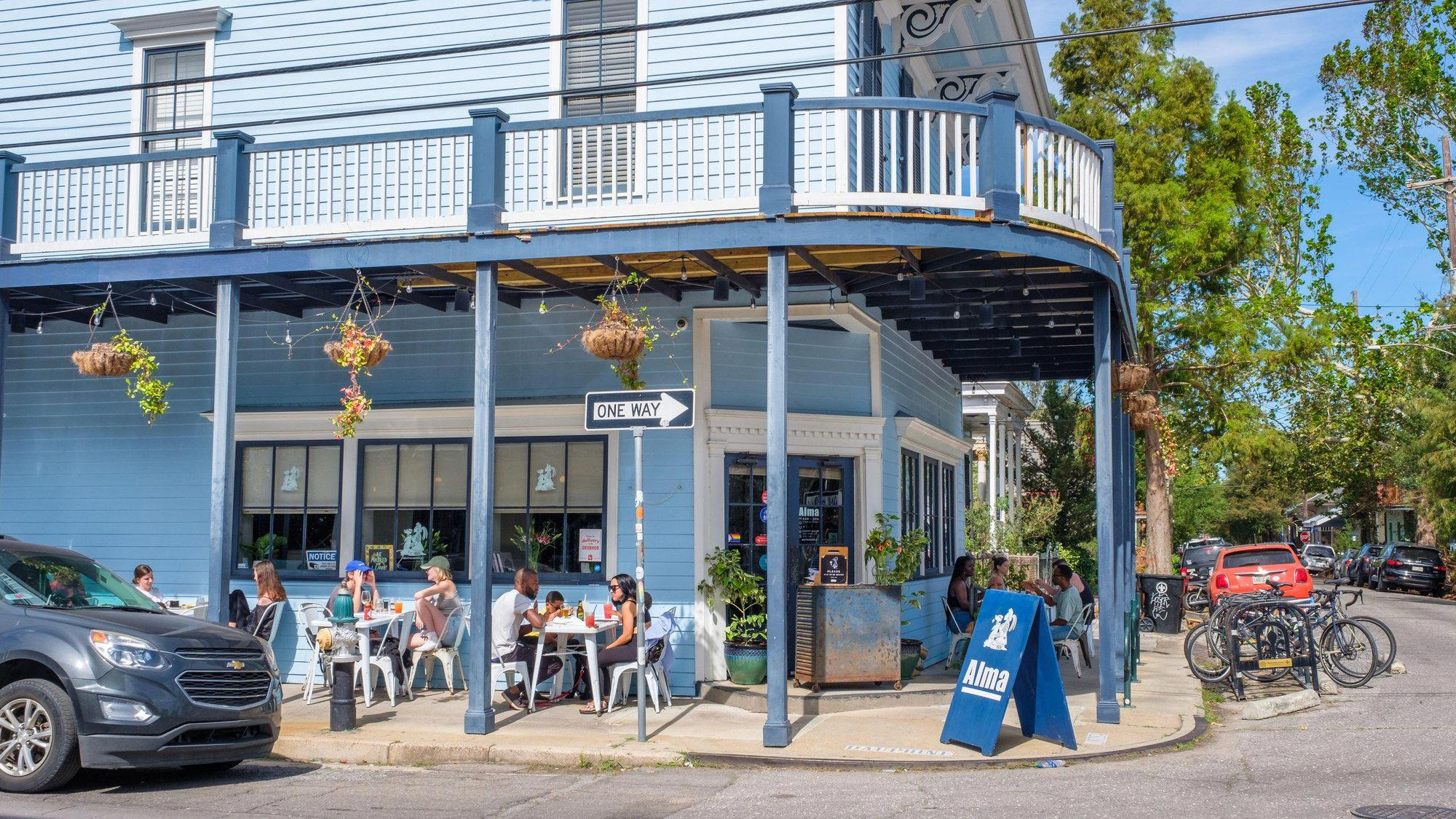
At a Glance
- Lively
- Trendy
- Bohemian
- Energetic
- Casual Hangout
- Group Outing
- After Work
- Historic Building
- Design Destination
- Live Music
Current opening hours
- Monday
- 7 AM–9 PM
- Tuesday
- 7 AM–9 PM
- Wednesday
- 7 AM–9 PM
- Thursday
- 7 AM–9 PM
- Friday
- 7 AM–10 PM
- Saturday
- 7 AM–10 PM
- Sunday
- 7 AM–9 PM
Hours can change for holidays and private events. Last verified .
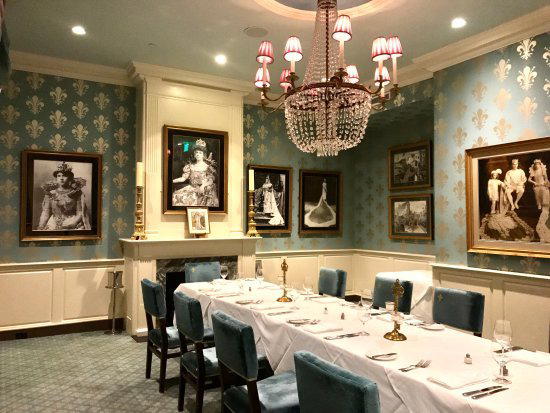
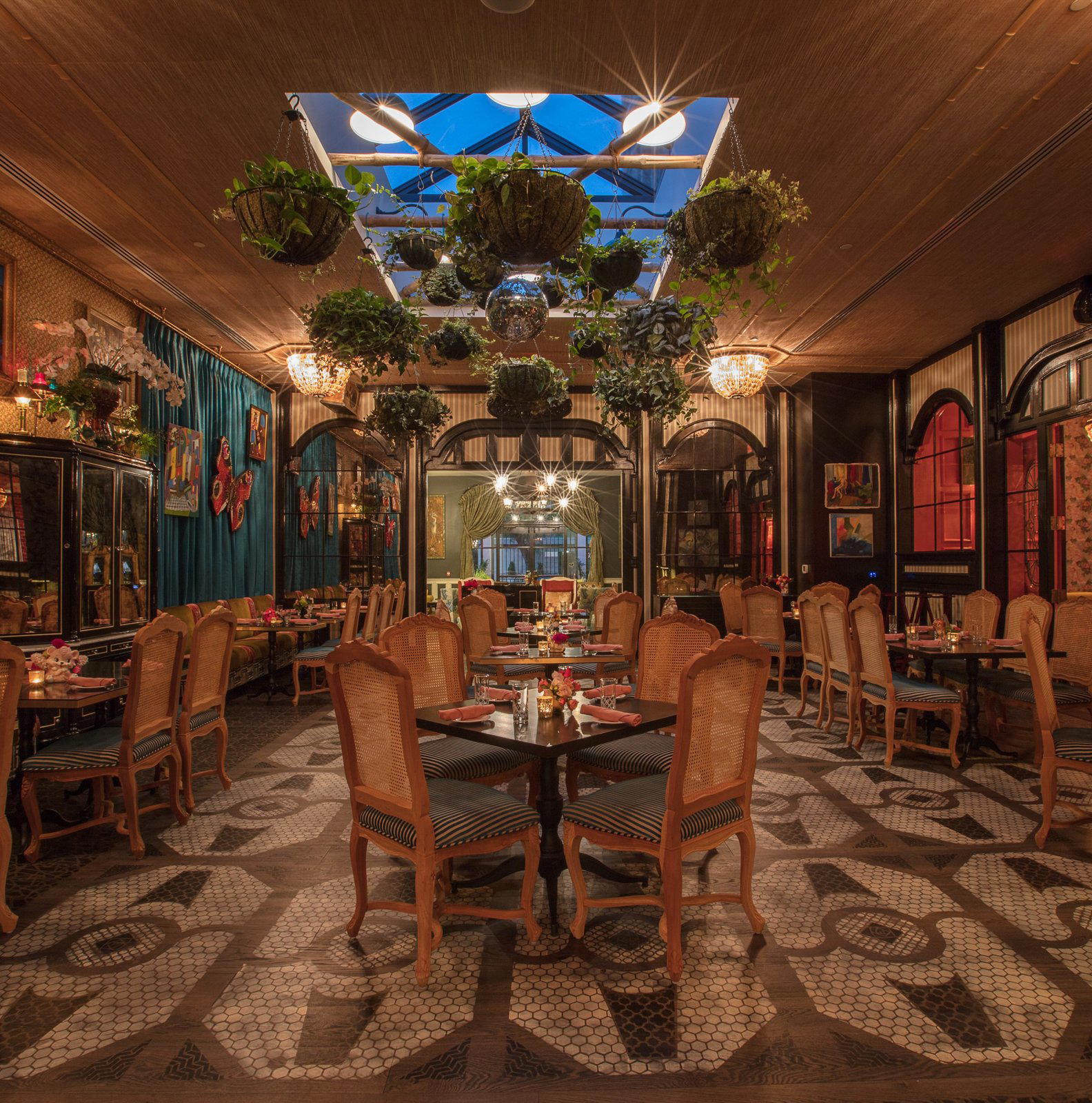
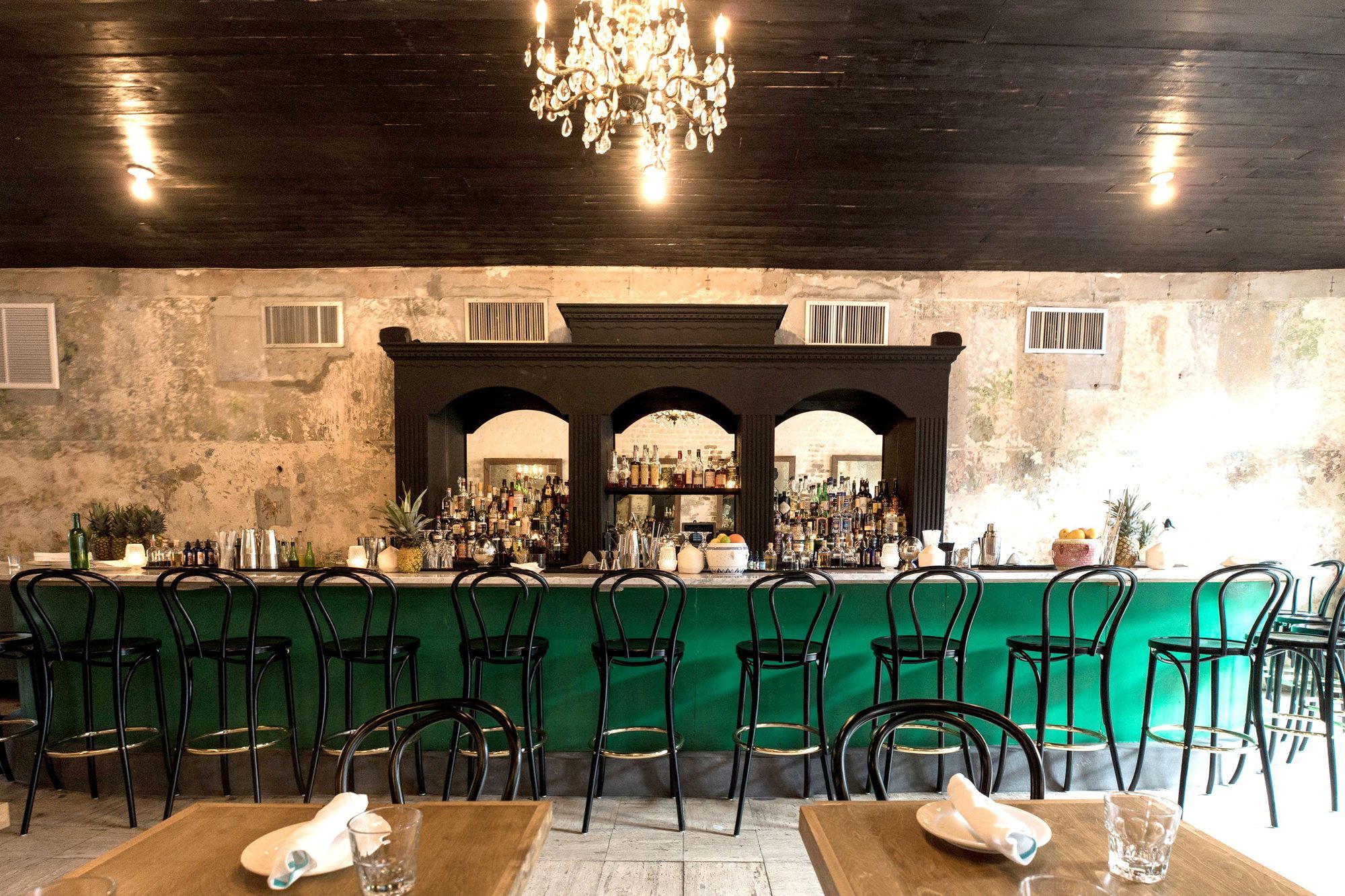
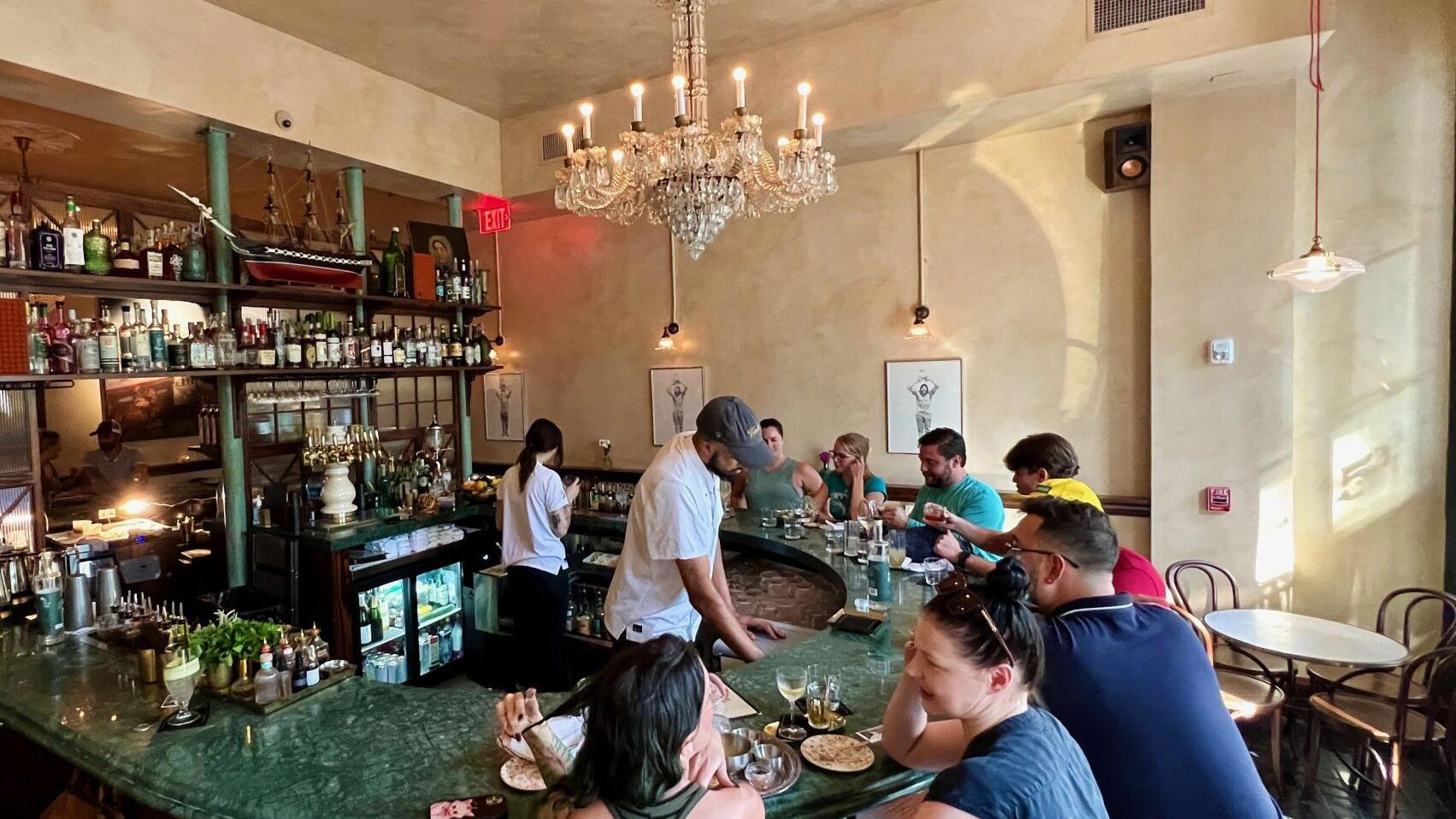
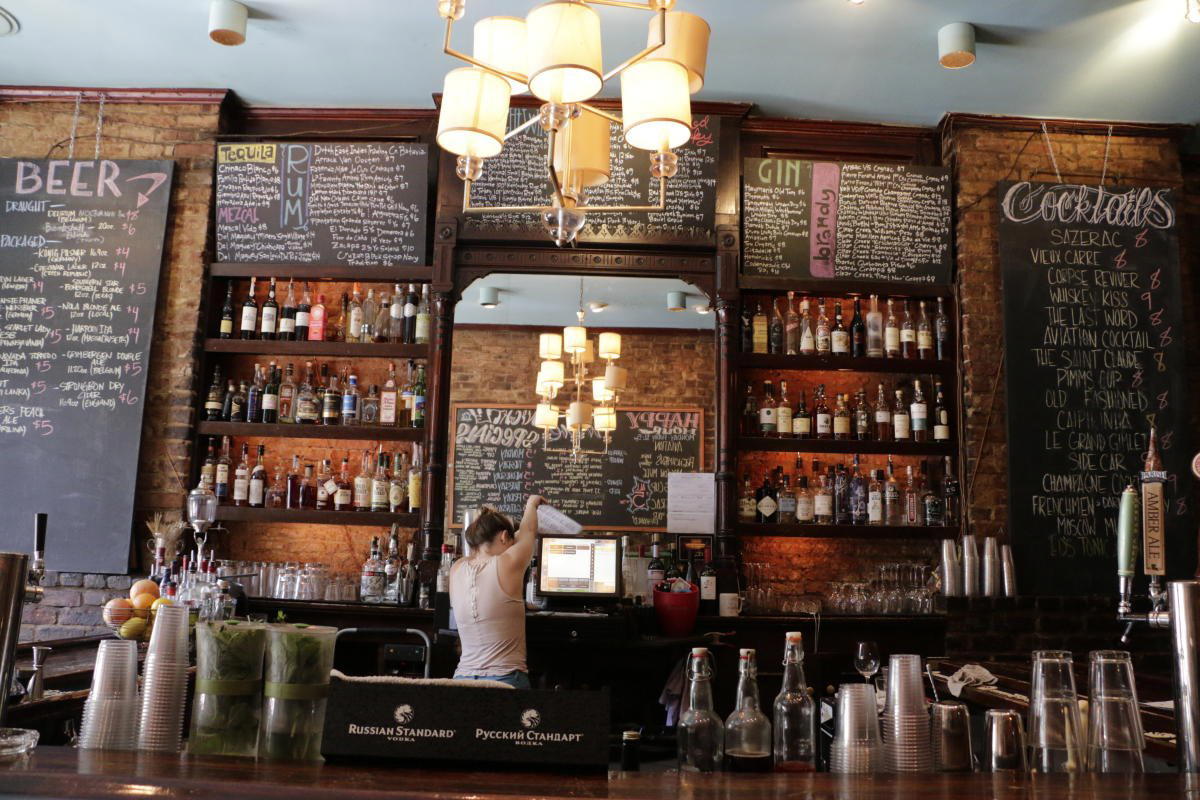
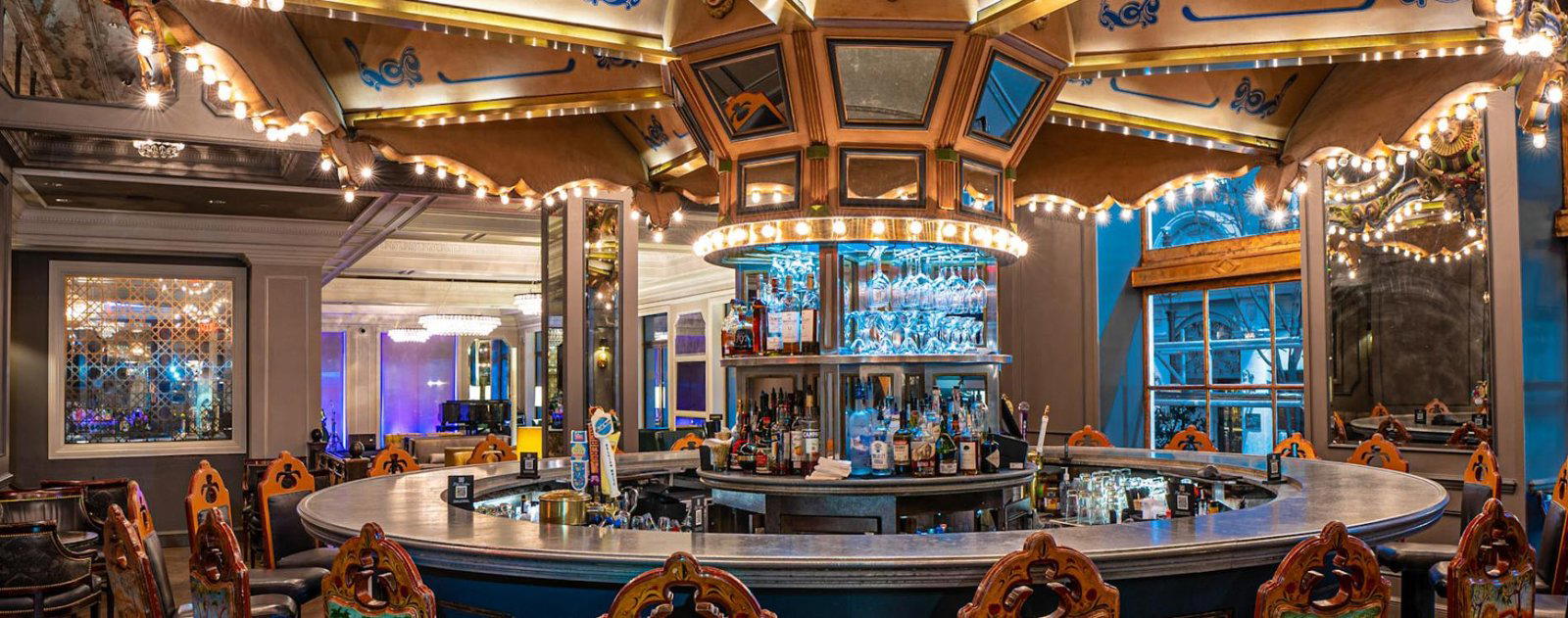
Bright, casual, and lively with a communal market atmosphere; lively on weekends with a mix of local diners and tourists browsing vendor stalls around the central bar.