New Orleans Hamburger & Seafood Co
On the St Charles Avenue streetcar corridor, New Orleans Hamburger & Seafood Co. occupies a direct position in a city of layered dining traditions: a casual counter-service format that puts Gulf Coast seafood and American burgers on the same menu without apology. For visitors and locals alike, it represents a useful data point in understanding how New Orleans eats when it's not performing for tourists.
Pearl is the En Primeur Club membership app — saves, bookings, and concierge access live there. Same editors, same standards.
- Address
- 4141 St Charles Ave, New Orleans, LA 70115
- Phone
- +15042479753
- Website
- nohsc.com
- Directions
- Get directions
 Saves & bookings on Pearl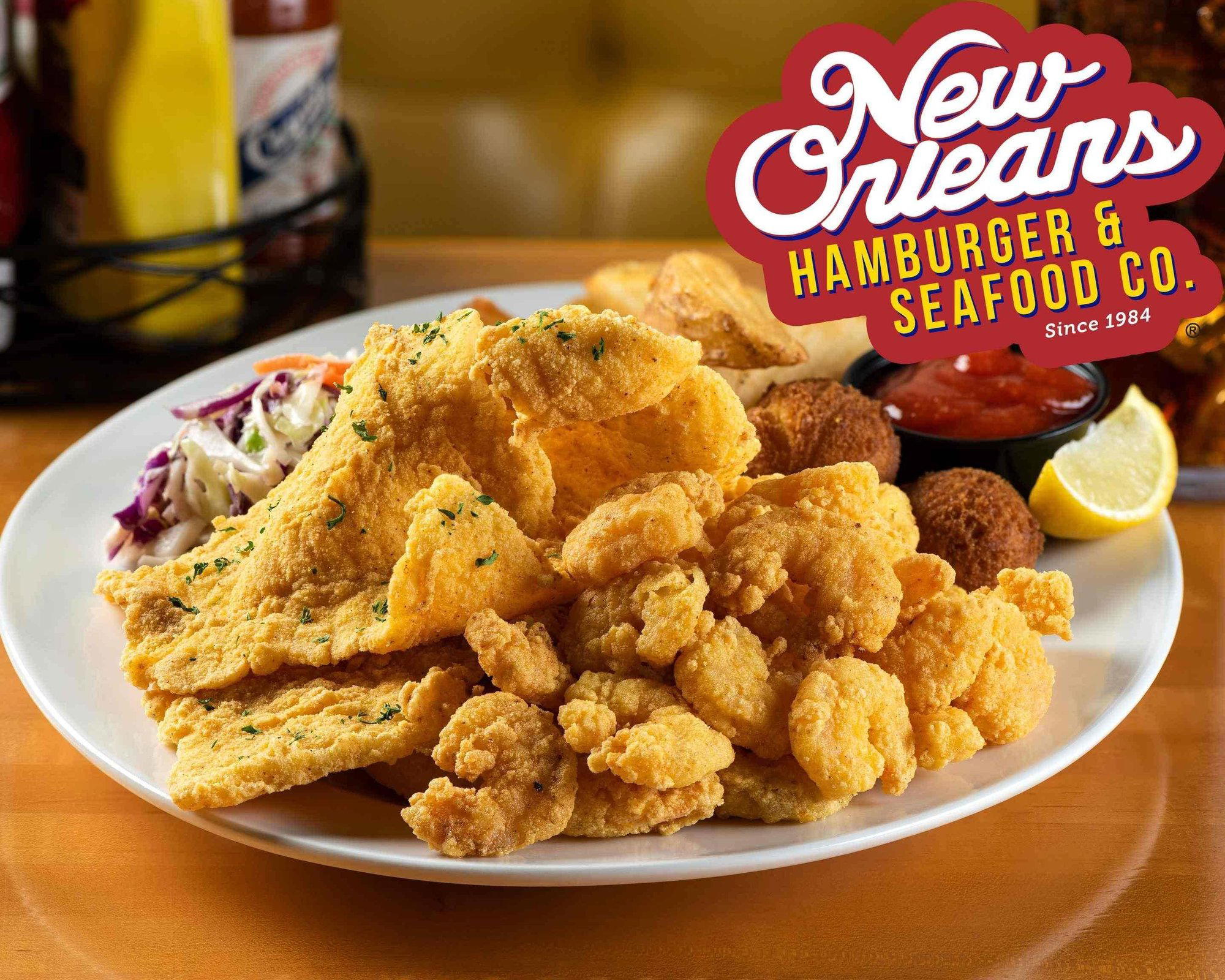
Where the Streetcar Stops and the Menu Stays Honest
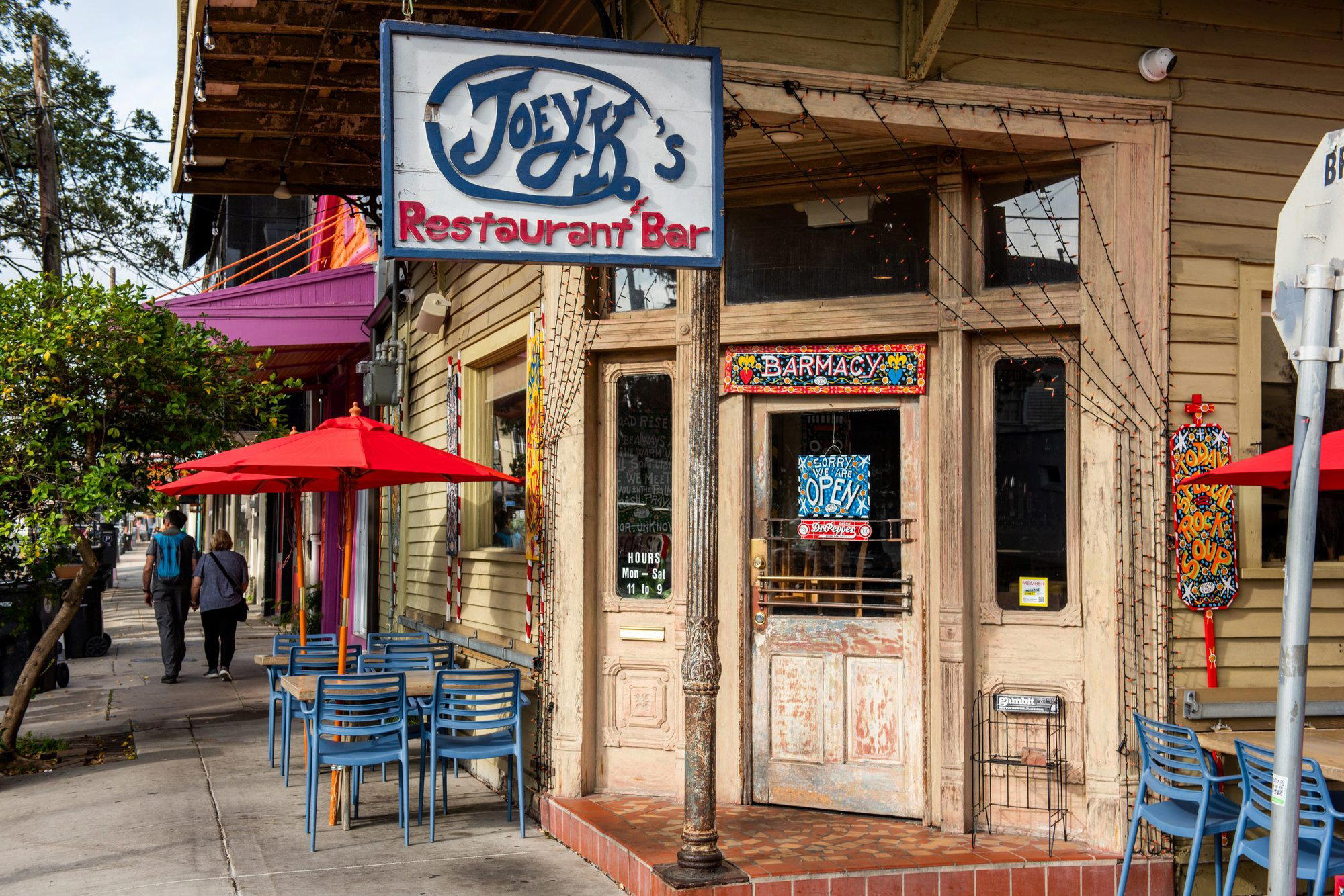
St Charles Avenue moves at the pace of its century-old streetcar line, a corridor that strings together Garden District mansions, neighborhood bars, and the kind of restaurants that exist because people actually live here. At 4141 St Charles Ave, New Orleans Hamburger & Seafood Co. occupies a position that is less about occasion dining and more about the daily rhythm of a working-class New Orleans neighborhood. The building doesn't announce itself with fanfare. That, for regulars, is the point.
New Orleans has always run two parallel dining economies: the refined Creole and contemporary American tables that draw visitors from across the country, and the neighborhood operations where locals actually eat lunch on a Tuesday. Venues like Emeril's, Saint-Germain, and Bayona operate in the first economy. New Orleans Hamburger & Seafood Co. operates firmly in the second. Understanding the difference matters when reading any city's food scene with clarity.
Menu Architecture: A Case Study in Hybrid Formats
The name does the structural work. Hamburger and seafood on the same marquee is not a contradiction in New Orleans; it reflects a local pragmatism that goes back decades. Gulf Coast seafood is abundant and often inexpensive at the source, and the city's working-class restaurant tradition has long treated shrimp, catfish, and oysters as everyday proteins rather than occasion ingredients. Placing them alongside burgers on a single menu is less a novelty than a direct acknowledgment of how the city actually eats.
This dual-track menu format is worth examining because it tells you something about the restaurant's audience. A venue that commits to two distinct protein categories at a casual price register is signaling broad utility: come for the seafood po-boy if that's your afternoon, come for the burger if that's what the table wants. There is no tasting menu logic here, no seasonal arc, no chef's narrative threaded through the dishes. The architecture is horizontal rather than hierarchical, which places it in a different competitive conversation than the progressively structured menus at Re Santi e Leoni or Zasu.
For visitors accustomed to the tightly edited menus at destinations like Le Bernardin in New York City or The French Laundry in Napa, the breadth here can read as unfocused. That reading misses the point. A broad menu at a casual neighborhood spot is a different kind of editorial decision: it is a menu designed for repeat visits and daily convenience, not for a single curated experience. The logic of Alinea in Chicago or Lazy Bear in San Francisco simply does not apply here, and applying it would be a category error.
Seafood in a City That Takes It Seriously
New Orleans sits within among the more productive seafood supply chains in North America. The Gulf of Mexico delivers shrimp, oysters, crab, and fin fish to the city's restaurants at a volume and freshness that coastal cities further from productive fisheries cannot match. This geographic advantage runs through every tier of the city's dining scene, from the meticulous seafood preparations at Pêche Seafood Grill down to the fried seafood plates at neighborhood counters along the city's avenues.
At the casual tier, fried preparation is the dominant format: shrimp, oysters, and catfish arrive battered and hot, served in po-boy format or plated alongside fries. This is not a concession to simplicity; it is a distinct culinary tradition with its own standards. The quality of the fry oil, the freshness of the protein, and the ratio of batter to seafood are all meaningful variables in this format, just as mise en place precision matters at a fine dining counter. The tradition is different, not lesser.
The Garden District as Dining Context
The St Charles Avenue address places New Orleans Hamburger & Seafood Co. in a stretch of the city that serves a mixed local population: Tulane and Loyola students, Garden District residents, and uptown workers who need a fast, reliable meal without the wait times or occasion-dining overhead of the French Quarter. This is a different customer than the one booking weeks ahead at Providence in Los Angeles or Addison in San Diego. The expectations are calibrated accordingly.
Neighborhood restaurants on this corridor compete on consistency and speed rather than on wine programs or seasonal sourcing narratives. A regular who visits twice a week is measuring the same dish against last week's version, which creates its own quality discipline. That kind of repeat-customer accountability is distinct from the single-occasion pressure on tasting menu restaurants, and it shapes the menu's design in ways that are easy to underestimate.
Planning Your Visit
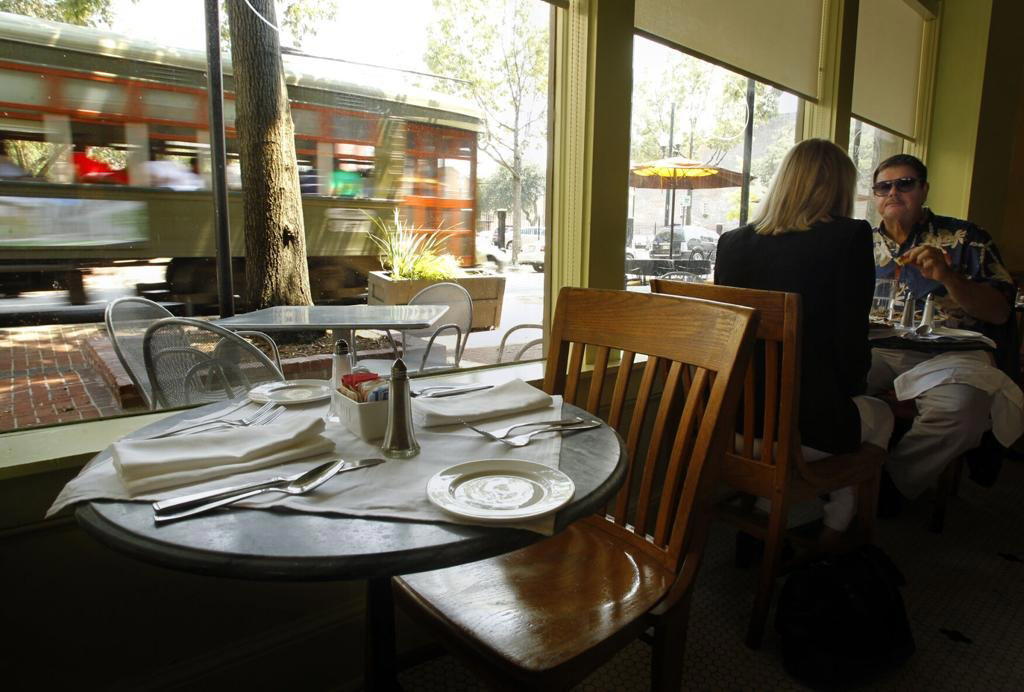
New Orleans Hamburger & Seafood Co. sits on the St Charles Avenue streetcar route, making it accessible without a car from the Central Business District or the French Quarter. The format is casual and walk-in friendly; the kind of operation where reservations are not part of the model. For visitors building a New Orleans itinerary that spans multiple dining registers, this spot works well as a low-overhead lunch stop before an evening at a more formal table.
How It Fits the Wider American Casual Dining Picture
Across American cities, the casual seafood-and-burger hybrid format occupies a specific middle tier: above fast food in quality ambition, below the chef-driven gastropub in price and presentation. In New Orleans, that tier carries additional cultural weight because of the city's seafood traditions and its long history of treating fried seafood as genuinely skilled cooking rather than convenience food. Comparable operations in cities without that supply chain and tradition rarely achieve the same baseline quality at the same price register.
For travelers whose itineraries typically include venues like Blue Hill at Stone Barns in Tarrytown, The Inn at Little Washington, Bacchanalia in Atlanta, Atomix in New York City, or 8 1/2 Otto e Mezzo Bombana in Hong Kong, a stop at a neighborhood seafood counter in New Orleans offers a different kind of data point: what a city eats when it is not dressing up. That information, read correctly, often tells you more about a food culture than any tasting menu can.
Style and Standing
Comparable venues nearby, for context on price, style, and recognition.
| Venue | Cuisine | Price | Notes |
|---|---|---|---|
| New Orleans Hamburger & Seafood CoThis venue — the venue you are viewing | New Orleans Cajun Seafood & Burgers | $$ | Not listed |
| Monday | American with Cajun & Creole | $$ | Mid-City |
| Brewery Saint X | American Brew Pub | $$ | Central Business District |
| Cafe Maspero | Cajun & Creole Cafe | $$ | French Quarter |
| Mahony's Po-boys | New Orleans Po-boys | $$ | East Riverside |
| Rosedale | Contemporary Louisiana & Cajun Cuisine | $$ | Navarre |
Continue exploring
More in New Orleans
Restaurants in New Orleans
Browse all →
Bars in New Orleans
Browse all →

At a Glance
- Casual
- Well Known
- Rustic
- Family
- Casual Hangout
- Group Dining
- Standalone
- Local Sourcing
Current opening hours
- Monday
- 11 AM–9 PM
- Tuesday
- 11 AM–9 PM
- Wednesday
- 11 AM–9 PM
- Thursday
- 11 AM–9 PM
- Friday
- 11 AM–10 PM
- Saturday
- 11 AM–10 PM
- Sunday
- 11 AM–9 PM
Hours can change for holidays and private events. Last verified .
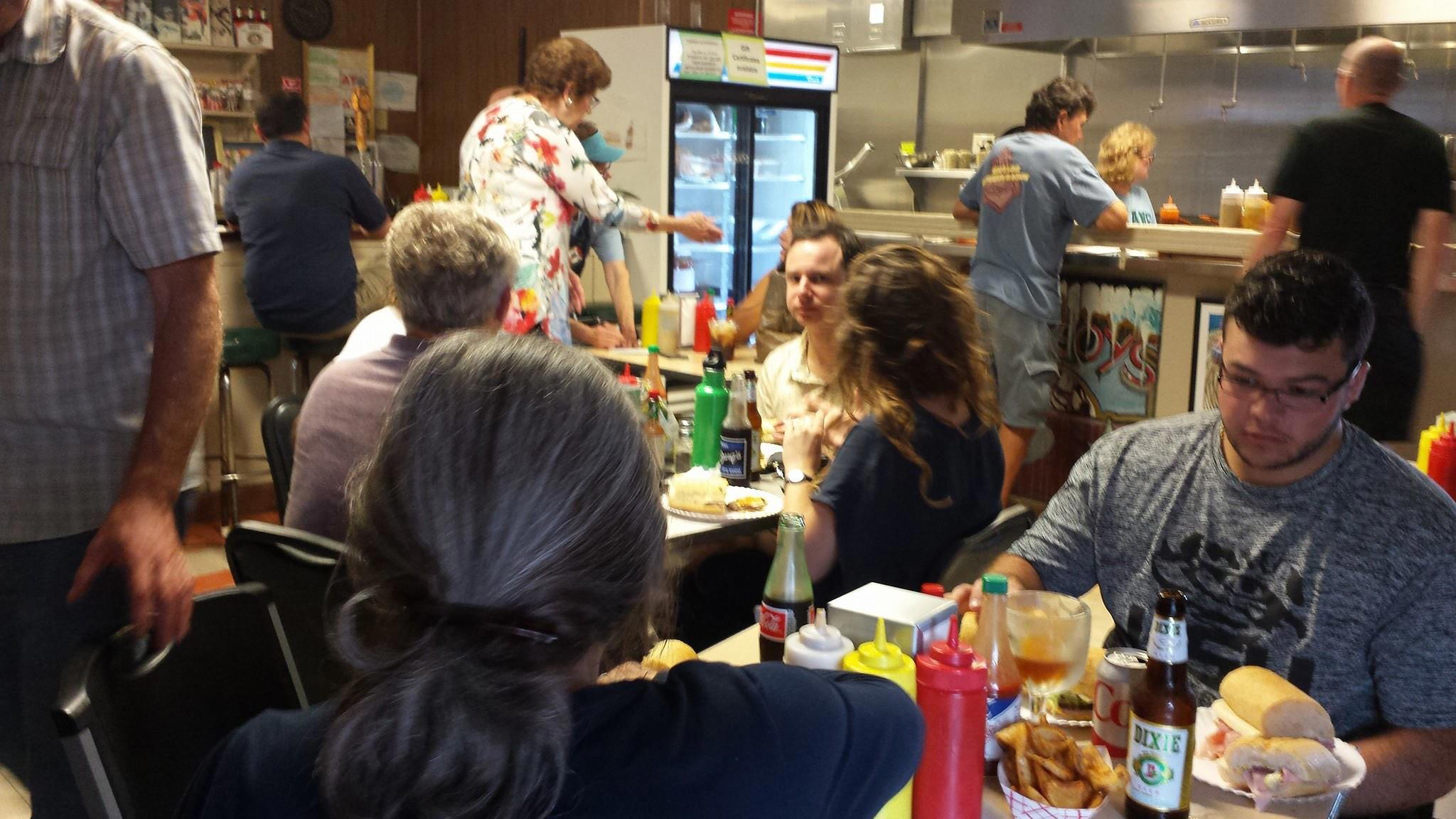
Casual, family-friendly counter-service environment with a clean, comfortable dining space designed for quick, fresh meals.