Mulate's
Mulate's on Julia Street occupies a particular place in New Orleans dining where Cajun cooking and live music converge under one roof in the Warehouse District. The room operates on its own terms: large, loud, and deliberately unhurried, built around a tradition of communal eating and dancing that predates the city's current fine-dining moment by several decades.
Pearl is the En Primeur Club membership app — saves, bookings, and concierge access live there. Same editors, same standards.
- Address
- 201 Julia St, New Orleans, LA 70130
- Phone
- +15045221492
- Website
- mulates.com
- Directions
- Get directions
 Saves & bookings on Pearl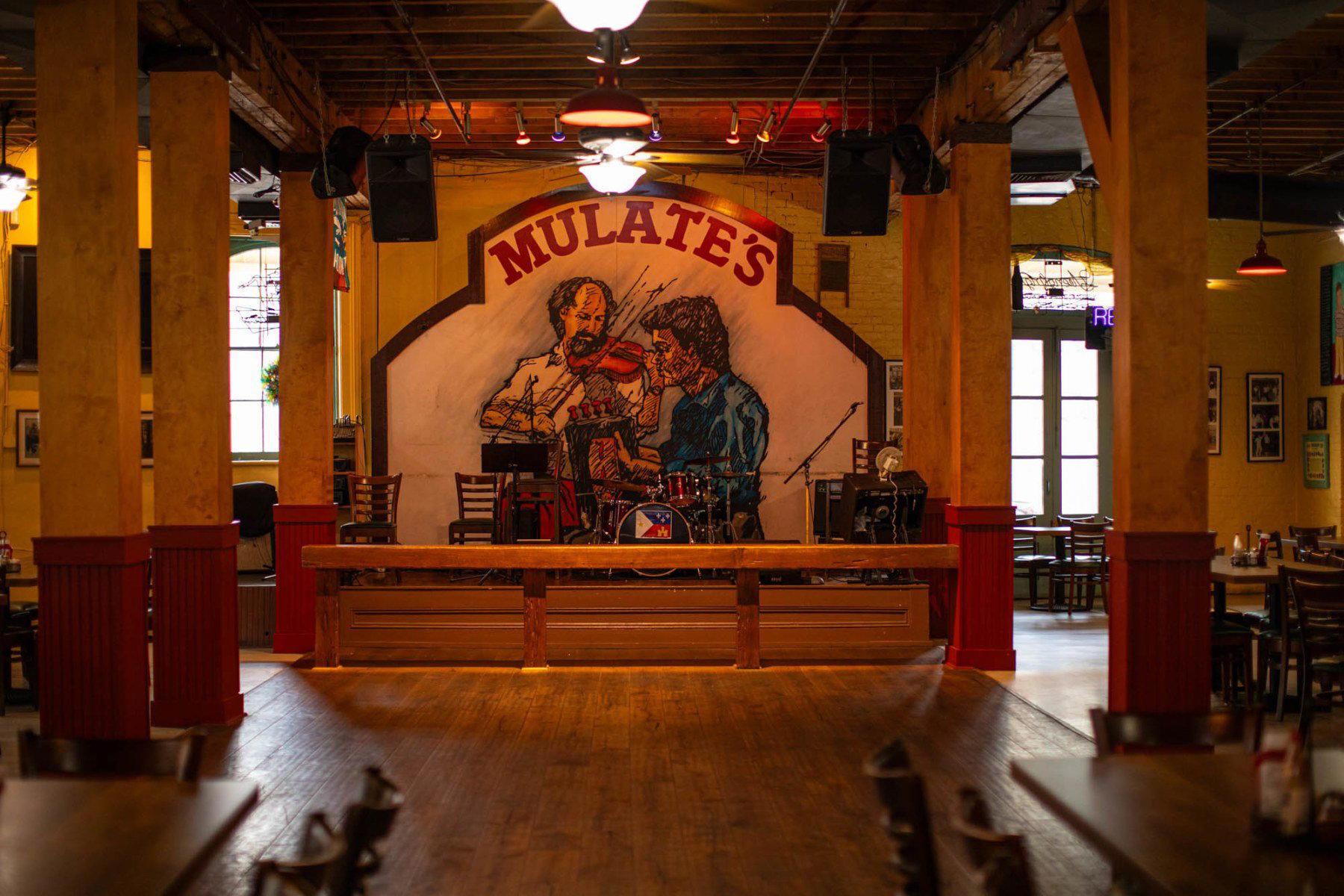
The Room Before the Food
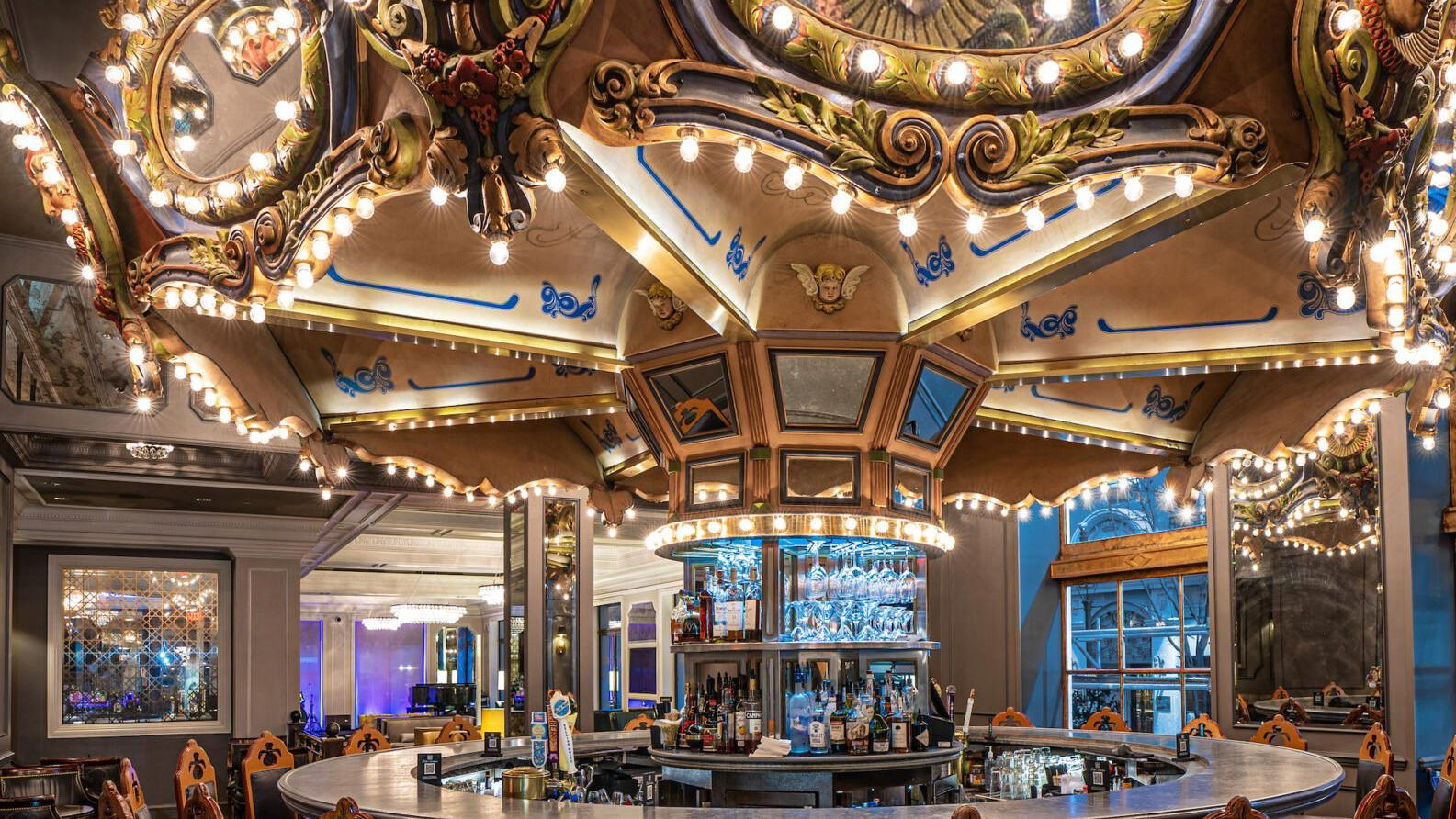
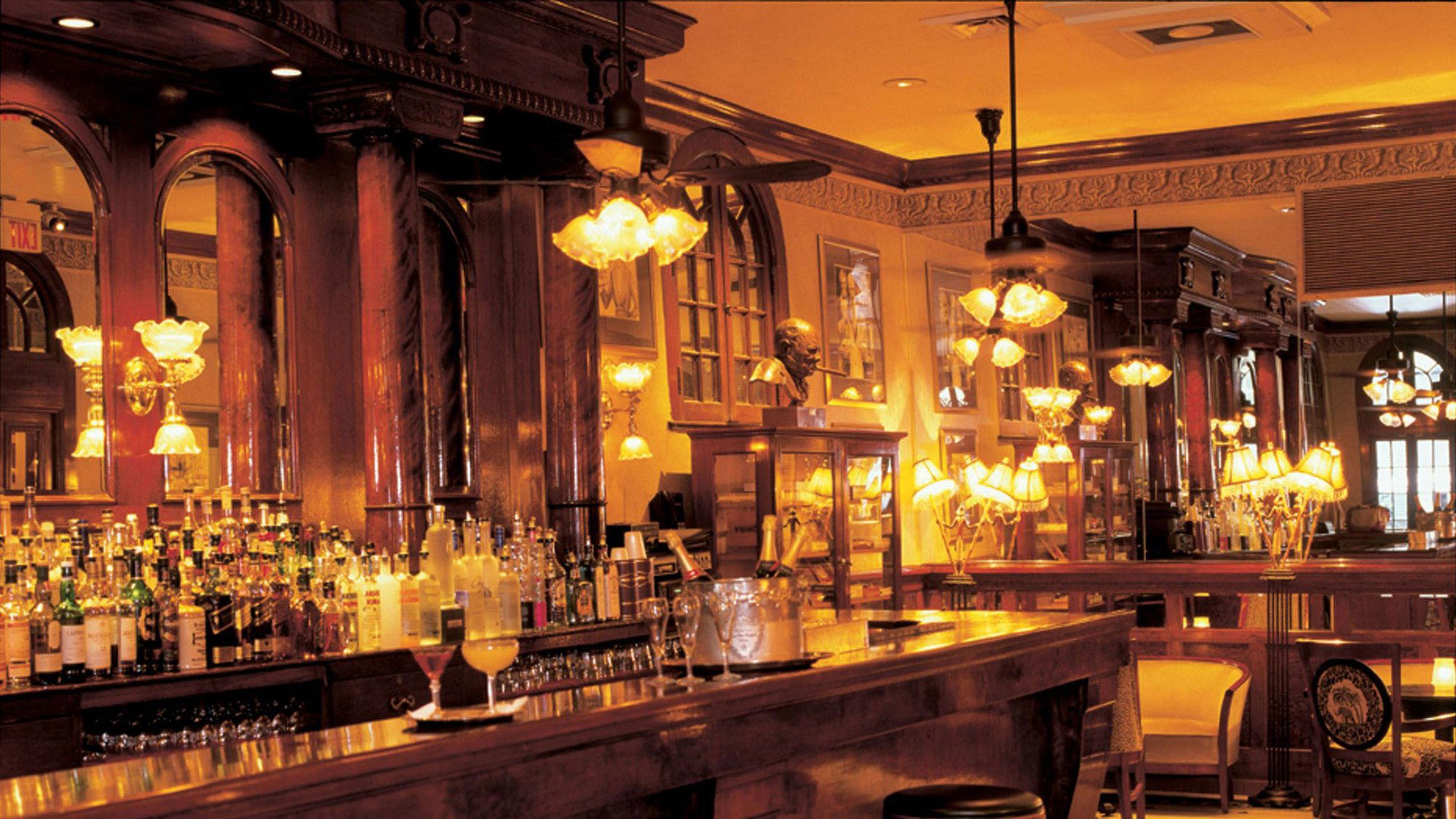
Walking into Mulate's on Julia Street, the first thing you register is sound. Live Cajun and zydeco music fills the main hall most nights, and the dance floor in front of the band sees genuine use, not as a novelty, but as a functional part of the evening. This is not a restaurant that happens to have music; it is an establishment where the meal and the performance are structurally intertwined, the way they have been in south Louisiana communal eating since the Cajun prairie culture moved its traditions into the city. That context matters because it shapes everything about the pacing, the noise level, and the expectation a diner brings through the door.
The Warehouse District address on Julia Street places Mulate's in a neighbourhood that has shifted considerably around it. What was once a working industrial corridor is now home to contemporary art galleries, hotel conversions, and a dining scene that skews toward the sleek end of the register. Mulate's sits apart from that drift, operating with a format and atmosphere that belong to an older New Orleans, one where the table was an extension of the dance hall, and dinner was measured in hours rather than courses.
The Ritual of a Cajun Table
Cajun dining in Louisiana has always carried a specific set of customs, and Mulate's preserves the core of them. The meal is unhurried by design. Large portions arrive in a format that encourages sharing and staying, and the proximity of the dance floor means that evenings here are rarely linear, guests eat, get up to dance, return, eat again. This is the dining ritual that Cajun culture produced: less a sequence of courses than a continuous social event with food at its centre.
That tradition puts the restaurant in a different competitive set than the white-tablecloth Creole establishments on St. Charles or the contemporary kitchens now operating across the Warehouse District itself. Venues like Saint-Germain or Re Santi e Leoni are built around tasting-menu precision and quiet service choreography. The restaurant operates on the opposite premise: communal tables, volume, and a room that actively encourages movement. The comparison is instructive because it illustrates how broad the New Orleans dining spectrum actually is. Our full New Orleans restaurants guide maps that range in detail, but the restaurant represents its loudest, most physically animated point.
Cajun cooking as a category is distinct from the Creole tradition that dominates the city's prestige dining rooms. Where Creole cuisine absorbed French technique and Spanish and African influences in the urban context of New Orleans, Cajun food developed in the rural parishes west of the city, built on one-pot cooking, preserved meats, and the produce of the Atchafalaya Basin. The flavours tend to be more direct, the preparations less finessed, and the portions calibrated for people who worked physically and ate accordingly. Emeril's operates in the space where Cajun and Creole influences converge under a fine-dining format; the restaurant stays closer to the Cajun root, without the refinement layer.
What to Order and How the Meal Works
Cajun standards drive the menu at the restaurant: crawfish étouffée, red beans and rice, jambalaya, and seafood preparations that reflect the Gulf and the basin rather than the French Quarter's tourist-facing approximations. These are dishes with a specific internal logic, the étouffée built on a butter-and-vegetable base called a trinity (onion, celery, bell pepper), the jambalaya a descendant of rice-based one-pot traditions that predate Louisiana statehood. Ordering at the restaurant works well when treated as a survey of that tradition rather than a search for a single showpiece dish.
The crawfish preparations are particularly reliable indicators of whether a Cajun kitchen is operating with integrity. When crawfish are in season, typically from late winter through spring, the étouffée and boil formats should reflect that; out of season, frozen product changes the result noticeably. Timing a visit to align with the crawfish season, roughly February through May in a strong year, shifts the meal from competent to representative.
For visitors positioning the restaurant against other options in the Warehouse District and beyond, it helps to understand that nothing in its comparable set offers the same combination of live traditional music and full-service Cajun dining. Bayona and Zasu operate in adjacent registers of the New Orleans scene but with entirely different formats and atmospheres. The decision to visit the restaurant is less about finding one technically accomplished plate in the city and more about experiencing a dining ritual that New Orleans produced and that few other cities can replicate.
Planning Your Visit
The restaurant operates in the Warehouse District at 201 Julia Street, a short walk from the Convention Center and the hotels clustered along Poydras. For visitors already navigating the broader American fine-dining circuit, venues like Le Bernardin in New York City, The French Laundry in Napa, or Alinea in Chicago, the restaurant represents a deliberate departure from the precision-dining model. It belongs in the same trip as those experiences, not as a lesser option but as a corrective one: a reminder that particularly culturally specific dining in the United States happens outside the tasting-menu format entirely.
For context on what that circuit looks like across the country, venues like Lazy Bear in San Francisco, Single Thread Farm in Healdsburg, Providence in Los Angeles, Blue Hill at Stone Barns in Tarrytown, Addison in San Diego, The Inn at Little Washington, Bacchanalia in Atlanta, Atomix in New York City, and 8½ Otto e Mezzo Bombana in Hong Kong each represent a different node of that precision-driven category. The restaurant does not compete with any of them on those terms, and does not need to.
The room is large enough that walk-ins are often accommodated, particularly on weeknights, though weekend evenings and festival periods in New Orleans, Mardi Gras, Jazz Fest, French Quarter Festival, compress availability significantly. Arriving before the band reaches full speed, typically earlier in the evening, gives you the room at a lower volume and a better chance of a table without waiting. As the night progresses, the music escalates and the floor fills, which is either exactly what you came for or a reason to plan accordingly.
Cuisine and Credentials
Comparable venues nearby, for context on price, style, and recognition.
| Venue | Cuisine | Price | Notes |
|---|---|---|---|
| Mulate'sThis venue — the venue you are viewing | Authentic Cajun & Creole | $$ | Not listed |
| BABs | Modern American Bistro | $$ | Bywater |
| Jeri Nims Soda Shop | Classic American Diner | $$ | Arts District |
| The Joint | Louisiana BBQ | $$ | Bywater |
| St James Cheese Company | American Cheese Deli | $$ | Uptown |
| Curio | American with Creole Soul | $$ | French Quarter |
Continue exploring
More in New Orleans
Restaurants in New Orleans
Browse all →
Bars in New Orleans
Browse all →
At a Glance
- Lively
- Energetic
- Well Known
- Group Dining
- Casual Hangout
- Celebration
- Live Music
- Craft Cocktails
Lively and energetic atmosphere with live Zydeco music, dancing, and warm Cajun hospitality.