St. Michael's Alley
Our verdict
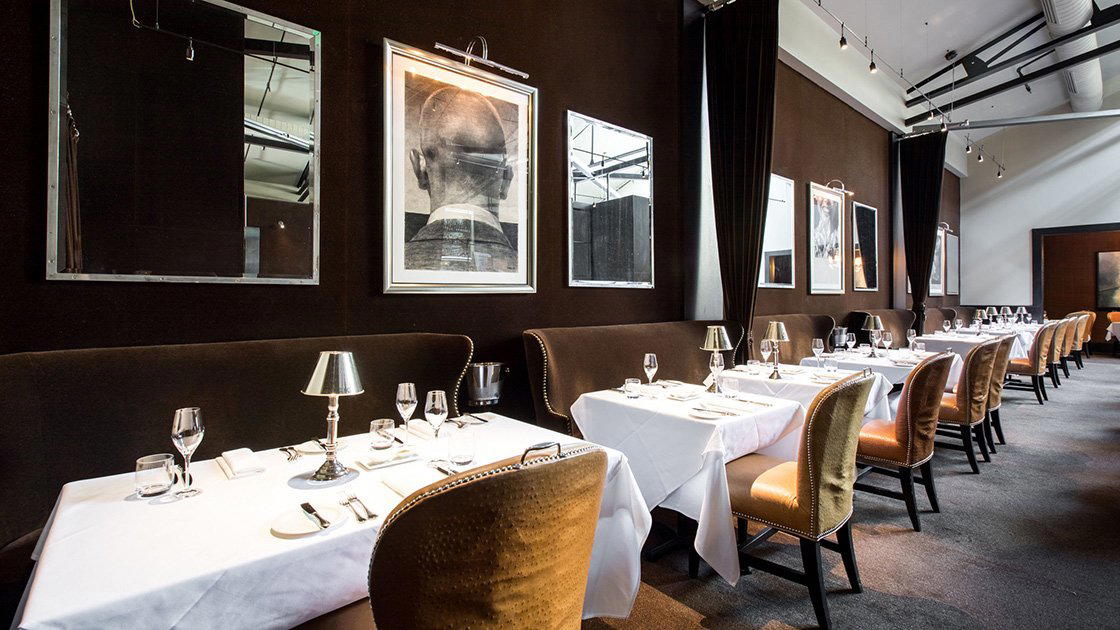
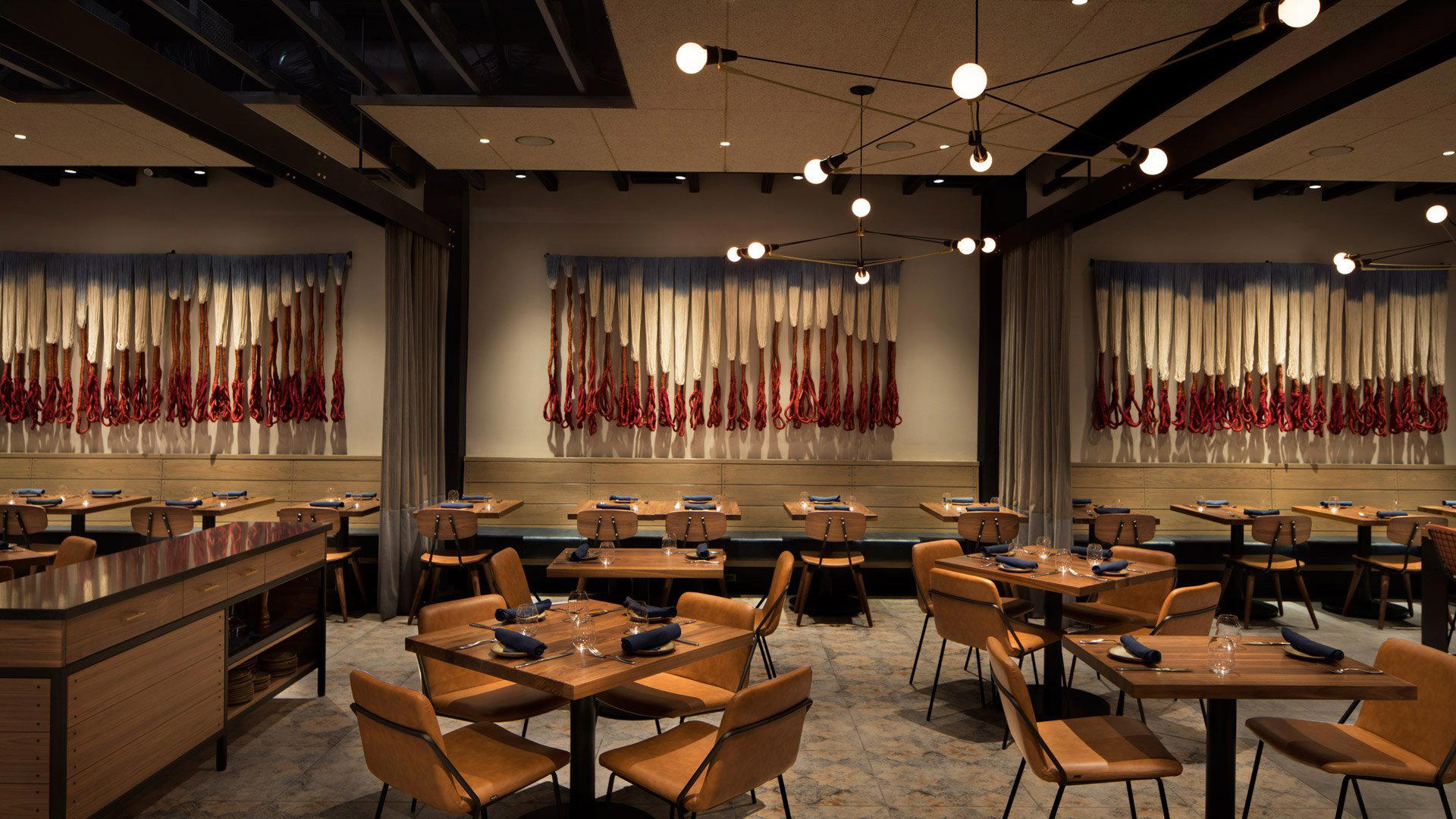
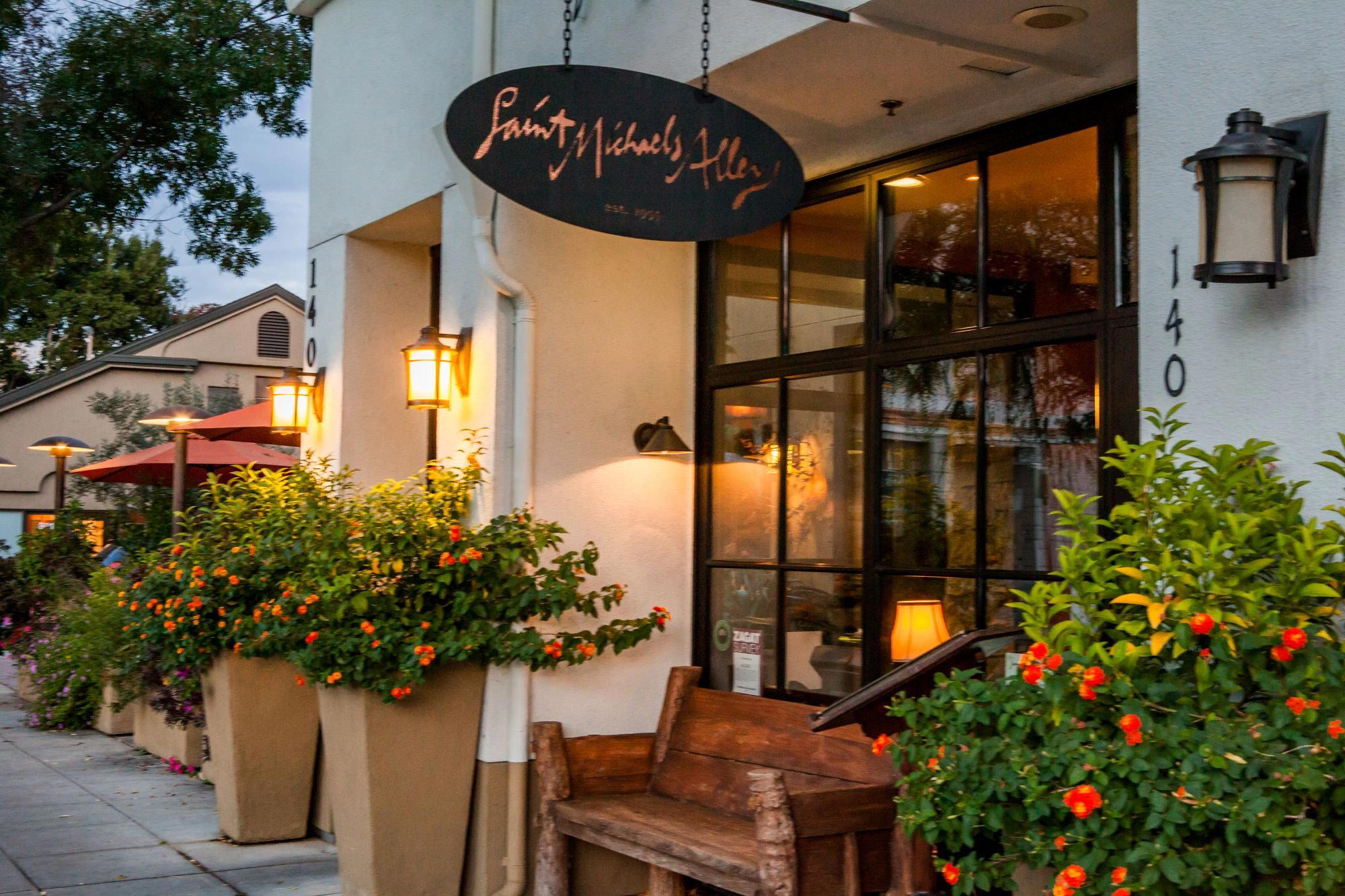
St. Michael's Alley has anchored the corner of Homer Avenue in downtown Palo Alto for decades, occupying a position in the city's dining fabric that few restaurants in Silicon Valley's revolving scene manage to hold. The kitchen draws on local California produce while applying techniques rooted in European and American fine-dining tradition, placing it in a tier above the neighbourhood's more casual offerings.

Pearl is the En Primeur Club membership app — saves, bookings, and concierge access live there. Same editors, same standards.
- Address
- 140 Homer Ave, Palo Alto, CA 94301
- Phone
- (650) 326-2530
- Hours
- Mon ClosedTue–Sun 5–9 PM
- Website
- stmikes.com
- Directions
- Get directions
- Booking
- Book on OpenTable
The menu
What to order
- Ravioli
- Mahi-Mahi on Coconut Risotto
- Pork Belly
A Corner of Palo Alto That Refuses to Rush
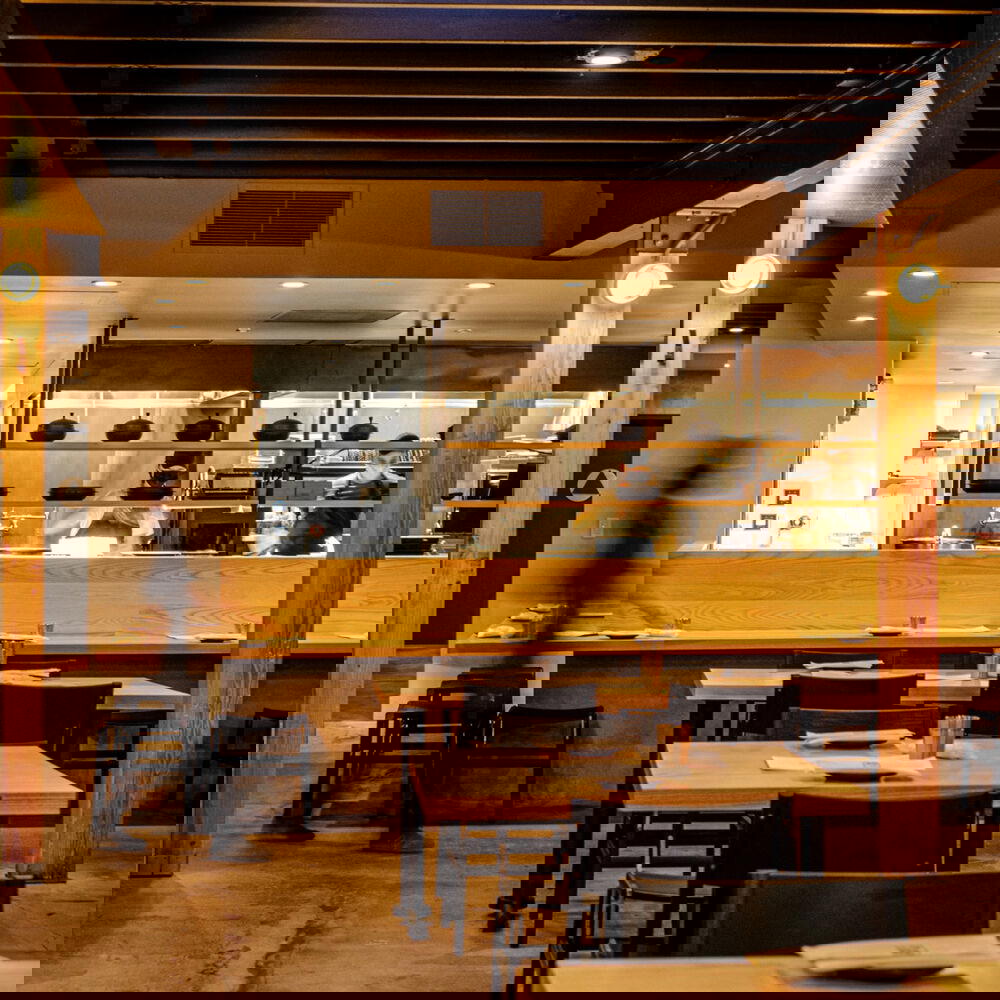
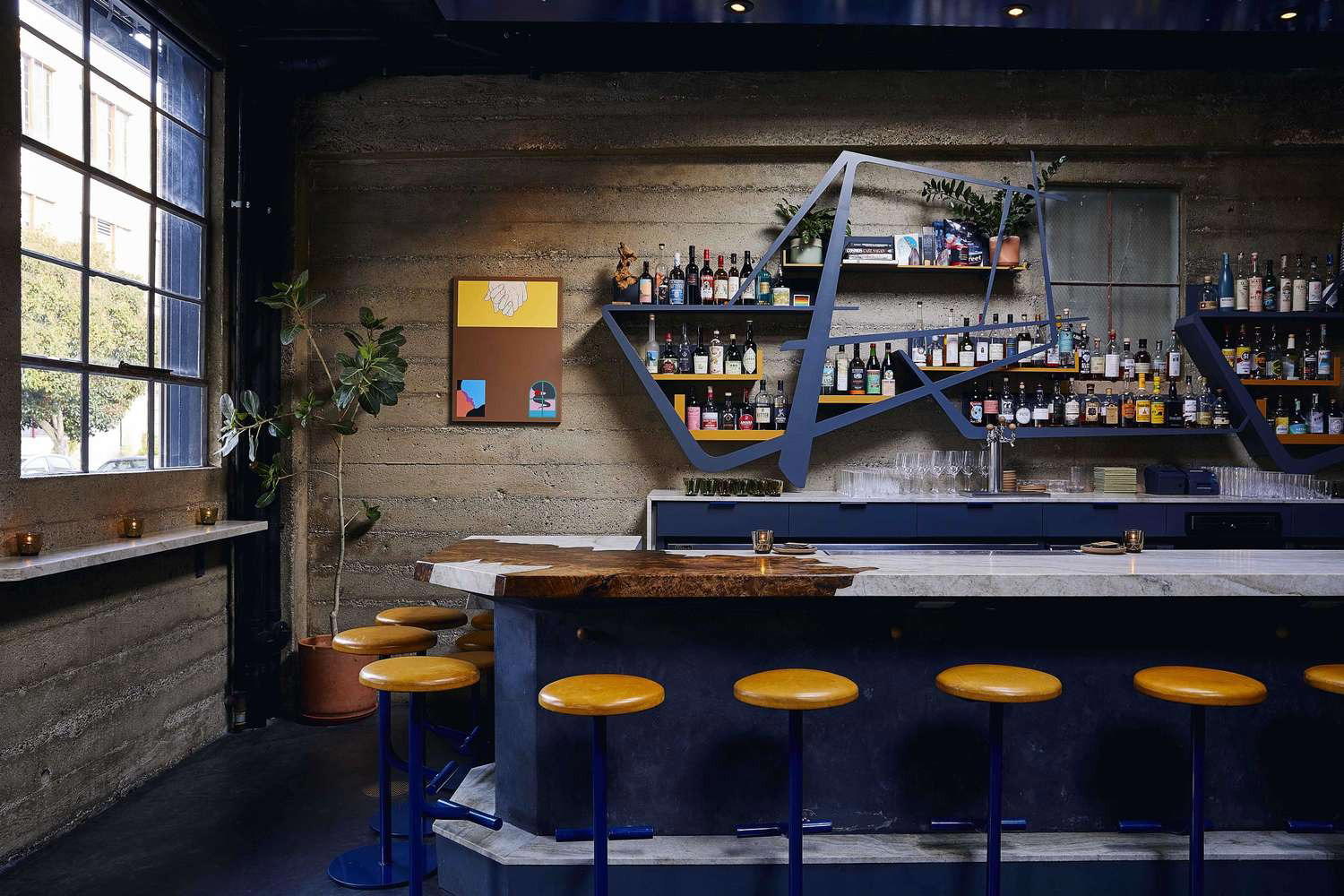
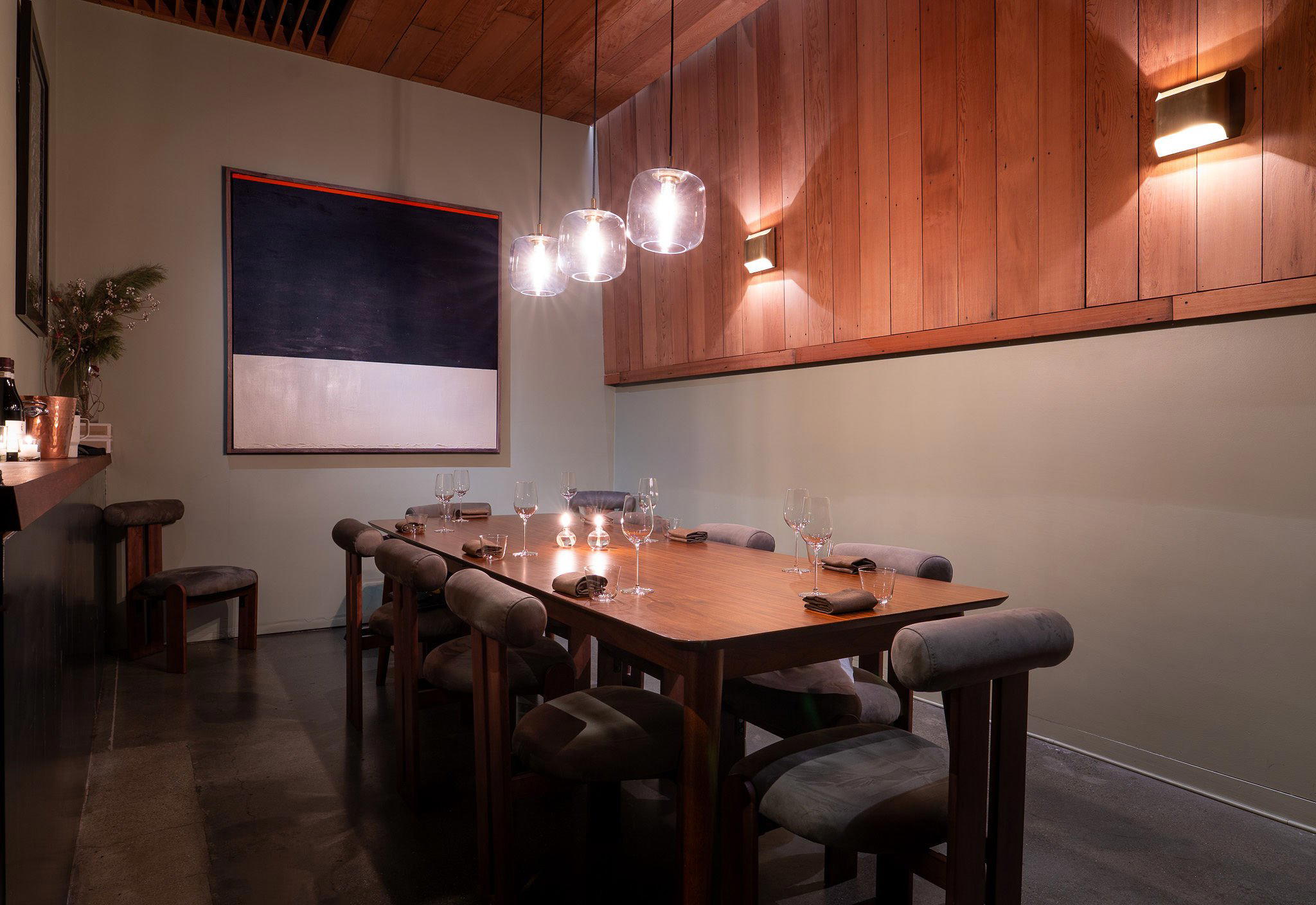
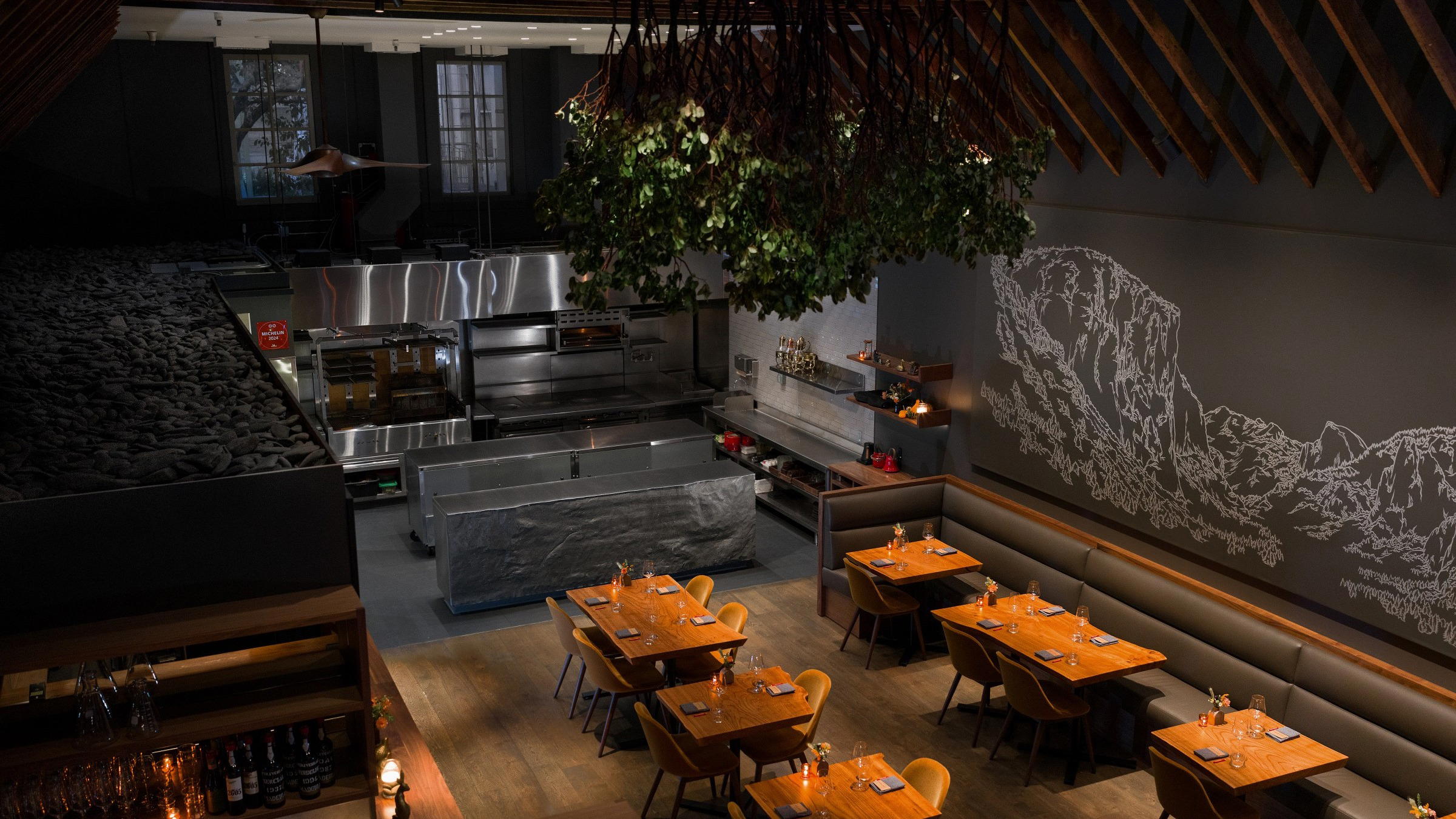
Homer Avenue in downtown Palo Alto is a quiet counterpoint to the venture-capital energy a few blocks north on University Avenue. The building that houses St. Michael's Alley sits with the deliberate restraint of a place that has never needed to announce itself loudly. In a city where restaurants open and close with the velocity of startup funding rounds, longevity here carries its own kind of authority. Dining rooms in this part of the Peninsula have historically split between the fast-casual formats that serve the desk-lunch crowd and a small tier of destination restaurants where the food is treated as seriously as any product being built nearby. St. Michael's Alley occupies that second tier.
California Produce, Continental Discipline
The editorial angle that leading explains what this restaurant is doing sits at the intersection of indigenous California ingredients and imported culinary methodology. That pairing is not a novelty in American fine dining — it has been the operating logic of serious California restaurants since the 1970s — but the execution varies enormously. At the premium end of the California spectrum, you find restaurants like Single Thread Farm in Healdsburg, where Japanese kaiseki discipline shapes how Northern California produce is staged across a multi-course format, or The French Laundry in Napa, where classical French structure has been the organising principle for decades. St. Michael's Alley operates at a different scale and register, but the same underlying logic applies: technique imported from elsewhere, ingredients sourced as close as possible.
This model has been articulated in different cities with different source materials. Blue Hill at Stone Barns in Tarrytown uses the farm-to-table framework through the lens of New American cooking; Providence in Los Angeles applies classical French and Japanese-influenced seafood technique to Pacific Coast ingredients. The throughline is that borrowed methodology sharpens what grows locally rather than replacing it. In Palo Alto, where the surrounding agricultural belt includes the Santa Cruz Mountains, the Bay's coastal fisheries, and the Central Valley's year-round produce, the raw material available to a serious kitchen is formidable.
Where Palo Alto Eats When It Eats Well
Silicon Valley's dining scene has long been underpowered relative to its concentration of wealth and culinary curiosity. San Francisco, forty minutes north, absorbs much of the demand for destination-level dining, leaving the Peninsula in a middle position: not a dining destination in its own right, but not a culinary vacuum either. Within that context, a restaurant at the Homer Avenue address carries real local significance. Palo Alto's downtown strip supports a range of cuisines, Anatolian Kitchen covers the Turkish and Eastern Mediterranean side of the spectrum, Arya Steakhouse holds down Persian-inflected grilled proteins, and faster formats like Asian Box and Bare Bowls serve the lunch-on-a-deadline market. The more relaxed end of the local dining market includes venues like Birdie's at Stanford Golf. St. Michael's Alley occupies a different register from all of them, sitting in the tier where dinner is a considered event rather than a transaction.
That positioning matters when thinking about comparable destinations at the national level. Restaurants like Le Bernardin in New York City or Alinea in Chicago define what fine dining looks like at the very best of the American market. Further down the formality scale but still clearly inside the serious-dining tier, you find places like Emeril's in New Orleans or Lazy Bear in San Francisco, where the format is looser but the culinary ambition is not. Addison in San Diego and The Inn at Little Washington in Washington represent the kind of regional anchor that a serious restaurant becomes when it outlasts its local competition. Atomix in New York City and 8 1/2 Otto e Mezzo Bombana in Hong Kong show what happens when imported technique meets a specific regional identity at the highest level of execution. St. Michael's Alley does not compete in that top-end bracket, but it occupies the position that matters in its immediate geography: the restaurant in town where the food is taken seriously.
The Durability Argument
In a city whose commercial real estate is driven by technology companies and whose dining population turns over constantly with new arrivals and departures, restaurant survival beyond a decade is its own form of editorial endorsement. The Peninsula has seen waves of ambitious openings that did not survive their third year; the ones that have persisted tend to have earned a local constituency rather than relying on novelty. St. Michael's Alley's address on Homer Avenue has accumulated that kind of local capital over time. When a Silicon Valley professional wants to take a visiting client somewhere that signals familiarity with the city rather than Google Maps proximity, this is the kind of restaurant that gets chosen. Durability, in this market, is a credential.
That durability also positions it differently from the newer fast-format arrivals in the downtown area. The restaurants serving grain bowls and build-your-own formats fill a specific demand, but they do not hold the same civic dining function as a sit-down restaurant with a full kitchen program. St. Michael's Alley belongs to the category of restaurant that a mid-sized American city actually needs: a place that can handle a business dinner, a birthday celebration, or a slow weekend lunch with equal competence. For a broader survey of where this fits in the city's dining fabric, our full Palo Alto restaurants guide maps the range.
Planning Your Visit
St. Michael's Alley sits at 140 Homer Avenue, a short walk from the University Avenue commercial corridor and within reach of the Palo Alto Caltrain station. Given the restaurant's tenure and local reputation, booking ahead for dinner on Thursday through Saturday is advisable; midweek lunches and early weekday dinners tend to carry more availability. The downtown Palo Alto location is walkable from the main hotel cluster on El Camino Real, and street parking on Homer Avenue and the adjacent blocks is generally accessible in the evening. Specific hours, current pricing, and reservation details are best confirmed directly with the restaurant before visiting.
Frequently asked questions
What's the address for St. Michael's Alley?
St. Michael's Alley is located at 140 Homer Ave, Palo Alto, CA 94301, Palo Alto.
How does St. Michael's Alley compare to San Francisco restaurants for a Peninsula visitor?
St. Michael's Alley at 140 Homer Avenue sits within walking distance of the Palo Alto Caltrain station, making it a practical alternative to the forty-minute trip north to San Francisco for Peninsula-based diners. Silicon Valley's dining scene has historically punched below its weight relative to its concentration of wealth, but St. Michael's Alley occupies a specific position in Palo Alto as the kind of room that serious local eaters return to rather than commute past.
What's the must-try dish at St. Michael's Alley?
St. Michael's Alley on Homer Avenue in Palo Alto operates at the intersection of California produce and Continental culinary discipline, so expect that framing to shape what arrives at the table. check the venue's official channels for current menu guidance before your visit.
Do they take walk-ins at St. Michael's Alley?
Michael's Alley at 140 Homer Avenue, Palo Alto. Given its standing as one of Silicon Valley's more durable dining rooms, reservations in advance are the practical move. Reach out directly through their current contact channels to confirm availability.
What makes St. Michael's Alley worth seeking out?
In a region where serious restaurant longevity is rare, St. Michael's Alley has held its position in downtown Palo Alto while the commercial real estate around it churned through technology tenants. Its address on Homer Avenue puts it a short walk from University Avenue but a noticeable remove from the venture-capital noise of that corridor. That durability, in a city with a demanding and constantly refreshing dining population, is a verifiable credential.
Can St. Michael's Alley handle vegetarian requests?
No dietary accommodation data is on file for St. Michael's Alley in Palo Alto. A restaurant working with California's seasonal produce supply has natural access to vegetable-forward ingredients, but confirming specific accommodations requires contacting the venue at 140 Homer Avenue directly before your visit.
Is St. Michael's Alley worth it?
What is documented is a restaurant that has outlasted most of its Palo Alto contemporaries, operating in a city whose dining population turns over constantly with new tech arrivals. That kind of staying power in Silicon Valley's competitive, wealth-dense market is a reasonable proxy for consistent quality.
Where the Accolades Land
Comparable venues nearby, for context on price, style, and recognition.
| Venue | Cuisine | Price | Notes |
|---|---|---|---|
| St. Michael's AlleyThis venue — the venue you are viewing | Seasonal California-American | $30–50 | Not listed |
| Nola | Cajun & Creole with Latin Fusion | $30–50 | Downtown Palo Alto |
| Peninsula Fountain Grill | Classic American Diner | $20–30 | Downtown Palo Alto |
| Birdie's at Stanford Golf | American Clubhouse | $20–30 | Stanford |
| RH Rooftop Restaurant at RH Palo Alto | Contemporary American with Seasonal California Influences | $50–100 | Palo Alto |
| Local Union 271 | Modern American Farm-to-Table | Not listed | Downtown Palo Alto |