Google: 4.4 · 972 reviews

Among Barcelona's vegetable-forward kitchens, Sésamo has held a consistent reputation for cooking that treats produce as the primary event rather than a dietary concession. Located on Carrer de Sant Antoni Abat in Ciutat Vella, the restaurant brings colour, layered flavour, and considered technique to a neighbourhood that sits at the edge of the city's most-visited corridors. For visitors prioritising serious cooking over spectacle, it earns its place on any considered Barcelona itinerary.
 Discover on Pearl
Pearl is the En Primeur Club membership app — saves, bookings, and concierge access live there. Same editors, same standards.
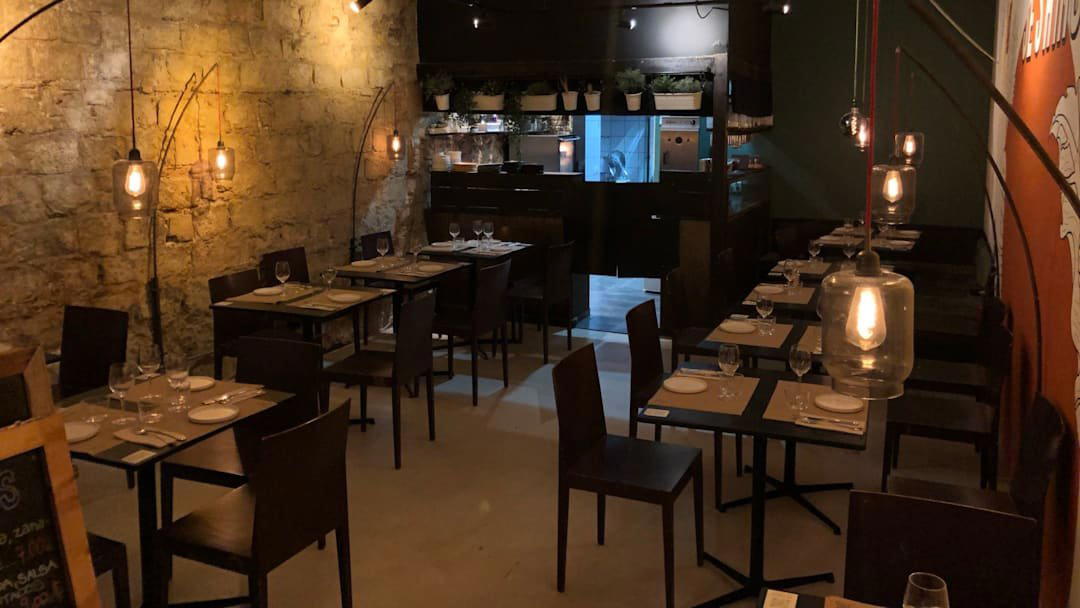
Vegetable Cooking as a Serious Discipline
Barcelona's restaurant culture has long skewed toward seafood and cured meat, with vegetable cooking historically treated as a supporting act. That framing has shifted across European cities over the past decade, and Sésamo sits within that broader reorientation: a kitchen that positions vegetables not as a workaround for dietary restrictions but as the entire point. The distinction matters. Where many restaurants offer a vegetarian menu as a parallel track, Sésamo is built from the ground up around produce, which means the technique, the seasoning logic, and the plate architecture all follow a different set of priorities than a meat-forward kitchen adapting to order.
This approach places Sésamo in a category of European restaurants that have done for vegetables what a previous generation of chefs did for offal or fermentation: applied sustained technical attention to an ingredient class that mainstream fine dining had undervalued. The result, according to its established reputation among Barcelona regulars and visiting critics, is cooking that reads as flavourful and considered rather than earnest and sparse. Colour, texture contrast, and layered seasoning are the operative values here, not subtraction.
Sant Antoni Abat and the Cidade Vella Context
Carrer de Sant Antoni Abat runs through Ciutat Vella, the administrative district that encompasses Barcelona's oldest neighbourhoods, including El Raval and the Gothic Quarter. The address at number 52 places Sésamo within reach of the Mercat de Sant Antoni, the refurbished iron market that reopened in 2015 after a decade-long restoration and has since become a magnet for the neighbourhood's food culture. The proximity is relevant: that market supplies the kind of seasonal produce diversity that serious vegetable-focused kitchens depend on, and the Sant Antoni microneighbourhood has developed a density of independent food and drink operators that distinguishes it from the more tourist-saturated blocks closer to Las Ramblas.
For visitors using Barcelona's metro, Sant Antoni station on Line 2 covers the area directly. The restaurant sits close enough to the city's touristic corridors to be accessible, but far enough from them to draw a local crowd alongside visiting diners. That dual audience is characteristic of Ciutat Vella at its better end: positioned for discovery without being hidden behind any particular effort to find it.
Where Local Produce Meets Considered Technique
The editorial angle worth applying to Sésamo is not simply that it serves vegetables, but how the kitchen handles them. Barcelona sits at the intersection of Catalan agricultural tradition and a broader Spanish fine dining movement that, since the early 2000s, has absorbed techniques and frameworks from classical European kitchens while redirecting them toward local ingredients. The tasting menus at Michelin-recognised addresses like Disfrutar, Enigma, and Cocina Hermanos Torres demonstrate what happens when global technical ambition is applied to Catalan and broader Spanish ingredients at the highest price points. Sésamo operates in a different register, without the tasting-menu ceremony or the prix-fixe architecture of starred rooms, but it draws on the same underlying logic: technique in service of ingredient clarity.
Catalan cooking has historically been strong on vegetable preparations, with escudella, samfaina, and escalivada all rooted in produce-led thinking. What distinguishes contemporary vegetable kitchens from that tradition is the layering of textures and temperatures, the use of reduction and emulsion logic borrowed from French kitchens, and the willingness to apply long preparation times to ingredients that classical cooking would treat as garnish. Sésamo's reputation for flavour complexity suggests this kind of applied effort rather than the simplicity of a salad-forward format.
The Competitive Position Among Barcelona's Vegetable-Forward Options
Barcelona has accumulated a handful of serious vegetable-focused restaurants over the past decade, and Sésamo occupies a position that reviewers have consistently described as among the more accomplished in the city. The comparison set is worth clarifying: this is not competition with the four-star tasting menus at Lasarte or ABaC, which operate at different price points and with different dining formats. Within its own category, though, Sésamo has built a durable reputation that has outlasted the initial wave of novelty around meat-free fine dining and continued to attract informed diners rather than purely those seeking dietary accommodation.
Across Spain more broadly, the creative cooking conversation has been dominated by coastal and northern addresses. El Celler de Can Roca in Girona, Arzak in San Sebastián, Azurmendi in Larrabetzu, and Martin Berasategui in Lasarte-Oria have defined the country's international fine dining profile. DiverXO in Madrid and Aponiente in El Puerto de Santa María anchor other regions. Within this landscape, Barcelona's vegetable-focused restaurants represent a quieter but consistent strand of Spanish culinary development, less photogenic than a tuna preparation at a starred counter but no less technically serious on its own terms.
Planning Your Visit
Sésamo is located at Carrer de Sant Antoni Abat, 52, in Ciutat Vella. For visitors building a broader Barcelona itinerary around food and drink, the full picture is available through our Barcelona restaurants guide, alongside our hotels guide, bars guide, wineries guide, and experiences guide. Booking ahead is advisable at a restaurant with this level of reputation in a busy neighbourhood; walk-in availability depends on the day and service. Current hours and reservation options are leading confirmed directly with the restaurant, as contact details were not available at time of writing.
For context on what serious vegetable cooking looks like at higher price points globally, the approach at addresses like Le Bernardin in New York City or Emeril's in New Orleans demonstrates how ingredient-focused kitchens operate in different cultural registers. Sésamo's version of that discipline is rooted in Barcelona's own produce culture and priced for accessibility rather than occasion dining.
Peer Set Snapshot
A quick peer reference to anchor this venue in its category.
| Venue | Cuisine | Price | Awards | Notes |
|---|---|---|---|---|
| Sésamo | The vegetarian restaurant Sésamo is considered to be one of Barcelona’s finest.… | This venue | ||
| Cocina Hermanos Torres | Creative | €€€€ | Michelin 3 Star | Creative, €€€€ |
| Disfrutar | Progressive, Creative | €€€€ | Michelin 3 Star | Progressive, Creative, €€€€ |
| Lasarte | Progressive Spanish, Creative | €€€€ | Michelin 3 Star | Progressive Spanish, Creative, €€€€ |
| Cinc Sentits | Modern Spanish, Creative | €€€€ | Michelin 2 Star | Modern Spanish, Creative, €€€€ |
| Enoteca Paco Pérez | Modern Spanish, Modern Cuisine | €€€€ | Michelin 2 Star | Modern Spanish, Modern Cuisine, €€€€ |
Continue exploring
More in Barcelona
Restaurants in Barcelona
Browse all →

Bars in Barcelona
Browse all →

Hotels in Barcelona
Browse all →




At a Glance
- Cozy
- Intimate
- Trendy
- Date Night
- Casual Hangout
- Open Kitchen
- Extensive Wine List
- Organic
Cozy and welcoming with warm lighting, vibrant yet unhurried atmosphere, and excellent music selection.