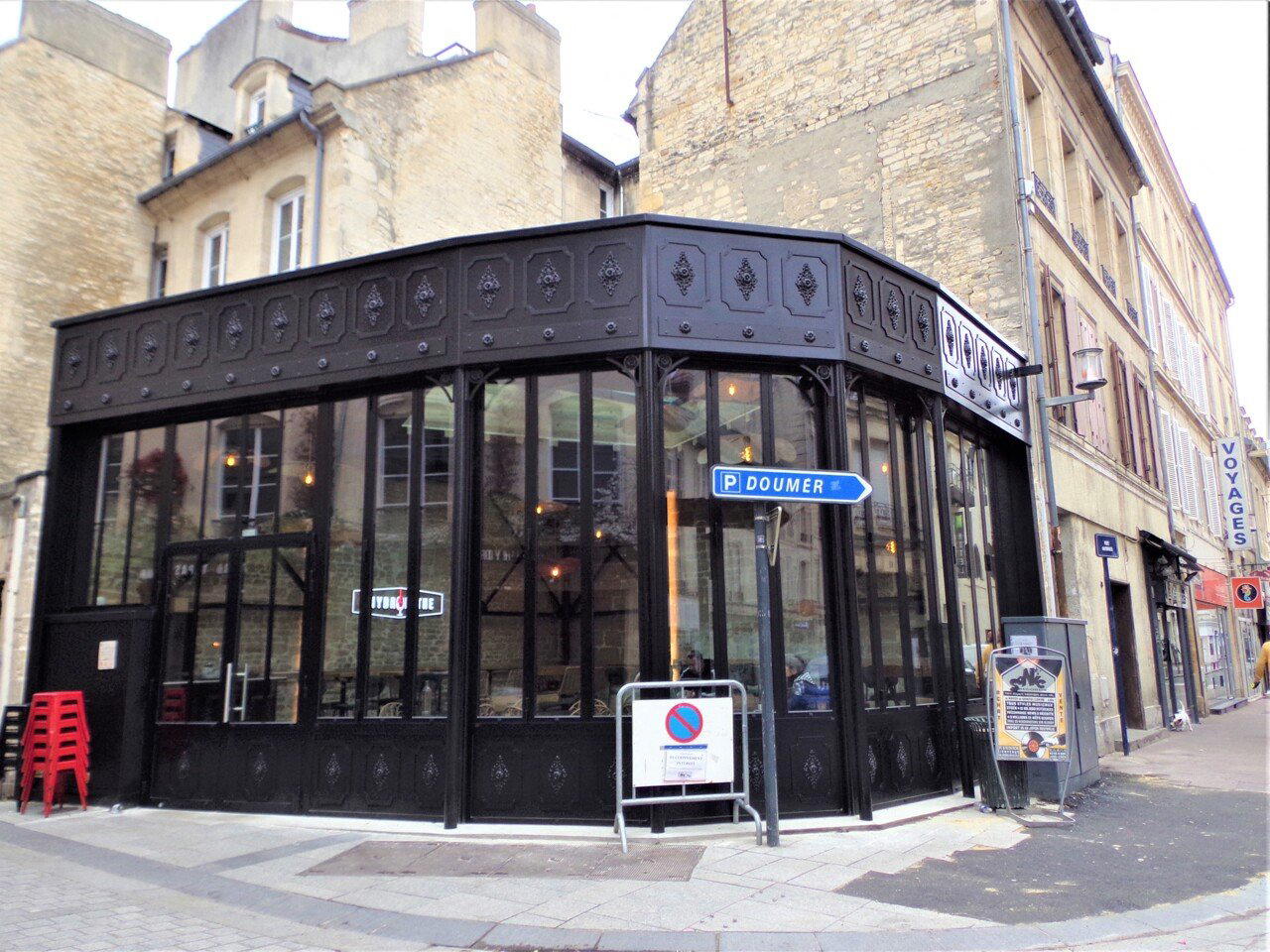
Located at 48 Rue Lesueur in Le Havre, Spud Bencer occupies a dining scene that punches well above the city's usual profile. With limited publicly available detail, the address alone places it in a neighbourhood worth tracking. Visitors to Le Havre's restaurant circuit will find it sits alongside a small cluster of addresses that have quietly reshaped expectations for the port city.
 Discover on Pearl
Pearl is the En Primeur Club membership app — saves, bookings, and concierge access live there. Same editors, same standards.
- Address
- 48 Rue Lesueur, 76600 Le Havre, France
- Phone
- +33982493535
- Website
- spudbencer.fr
Le Havre's Dining Scene and Where Spud Bencer Fits
Le Havre does not carry the dining reputation of Lyon or Bordeaux, and that gap has historically worked in two directions. It keeps the city off the radar of critics who follow Michelin trails south and east, while leaving room for a quieter tier of addresses to develop without the scrutiny that accompanies fame. The port city's UNESCO-listed Perret architecture draws a specific kind of visitor, one who tends to pair cultural interest with a willingness to eat out beyond the obvious. It is in that context that the Rue Lesueur address of Spud Bencer becomes worth noting. The street sits within a residential and commercial fabric that does not announce itself as a dining destination, which in French provincial cities often signals a neighbourhood-rooted operation rather than a tourist-facing one.
Le Havre's most documented restaurant, Jean-Luc Tartarin (French, Creative), operates at the €€€€ tier with a creative French format that has attracted sustained critical attention. Below that level, the city supports a range of addresses from modern cuisine spots to more casual neighbourhood formats. Spud Bencer, at 48 Rue Lesueur, sits within this broader ecosystem. Its positioning relative to peers like A Deux Pas d'Ici, BLACK PEARL, La Petite Brocante, and La Singerie remains open, but the address places it within the same circuit that locals and informed visitors tend to work through when spending more than a day in the city.
The Collaborative Model in French Provincial Dining
One of the more consistent patterns in French provincial restaurants that sustain local loyalty is the degree to which the front-of-house team functions as an extension of what happens in the kitchen. In Paris, the gap between kitchen ambition and floor execution is sometimes wide, managed by volume and turnover. In smaller French cities, that gap tends to close. A sommelier who can read a table, a floor team that understands pacing, and a kitchen that communicates its intentions clearly through the food rather than through explanatory monologue: these are the markers of a restaurant that has developed institutional knowledge rather than just a menu.
France's most referenced collaborative dining operations, from Troisgros - Le Bois sans Feuilles in Ouches to Auberge de l'Ill in Illhaeusern, have built their reputations over decades partly on this principle. The kitchen delivers a point of view; the floor articulates it without undermining the guest's ability to form their own. Bras in Laguiole operates on a similar logic, where the service team's depth of product knowledge amplifies rather than annotates the food. These are reference points for what the collaborative model looks like at its most developed, and they provide a useful frame for assessing any French restaurant where team coherence shapes the experience more than any single signature element.
At the level of a Le Havre neighbourhood address, that dynamic plays out differently but is no less present. The question for any such restaurant is whether the floor and kitchen share enough of a common language that the guest feels guided rather than processed. Addresses like Alléno Paris au Pavillon Ledoyen in Paris and Assiette Champenoise in Reims demonstrate what this looks like at the formal end of the spectrum. The provincial neighbourhood format requires a different calibration, one where informality and expertise coexist without either cancelling the other.
Norman Cooking and the Atlantic Corridor
Normandy's culinary identity is among the most legible in France. Dairy fat, apple-based acids, coastal seafood, and slow-cooked meat define the region's larder in ways that have not shifted substantially in generations. Le Havre, as the region's largest port city, adds a maritime register to that base: fish landed close, shellfish from nearby beds, and an openness to influences that come with port-city trading histories. Restaurants in the city that engage with Norman produce are working with one of France's most distinctive regional ingredient sets, where the interplay between land and sea is not a stylistic choice but a geographical given.
Globally recognised French restaurants have increasingly framed their work through specific terroir arguments. Mirazur in Menton anchors its menu to the Mediterranean microclimate of its own gardens. Flocons de Sel in Megève works with Alpine altitude as a defining constraint. In Normandy, the terroir argument is different: abundance rather than scarcity, a landscape that produces prolifically across seasons. Any restaurant working seriously with Norman ingredients has access to a larder that requires restraint as much as technique, since the produce itself is strong enough to carry a dish without elaborate intervention.
How Spud Bencer interprets that regional context is not confirmed in the available record. But the address places it within a city where Norman cooking's leading arguments are made close to source, and where the distance from farm or harbour to kitchen is among the shortest in France.
Planning a Visit
Spud Bencer is located at 48 Rue Lesueur, 76600 Le Havre. Le Havre is served by direct rail from Paris Saint-Lazare, with journey times of around two hours, making it accessible as either a day trip extension or an overnight stop within a Normandy itinerary. The city's compact centre, shaped by Perret's post-war grid, makes the Rue Lesueur address walkable from the main rail station and from the cultural quarter around the MuMa museum.
Visitors planning around Spud Bencer should verify operational details directly via the address before travel, particularly if combining with other Le Havre stops.
For those using Le Havre as a base to compare with France's wider restaurant tier, reference points exist across the country's regions: AM par Alexandre Mazzia in Marseille, Au Crocodile in Strasbourg, and Paul Bocuse - L'Auberge du Pont de Collonges in Collonges-au-Mont-d'Or represent different nodes of the French dining map. For transatlantic comparison, Le Bernardin in New York City and Atomix in New York City illustrate how French-influenced and internationally trained teams operate at the formal end of a different market entirely.
A Pricing-First Comparison
Comparable venues nearby, for context on price, style, and recognition.
| Venue | Cuisine | Price | Awards | Notes |
|---|---|---|---|---|
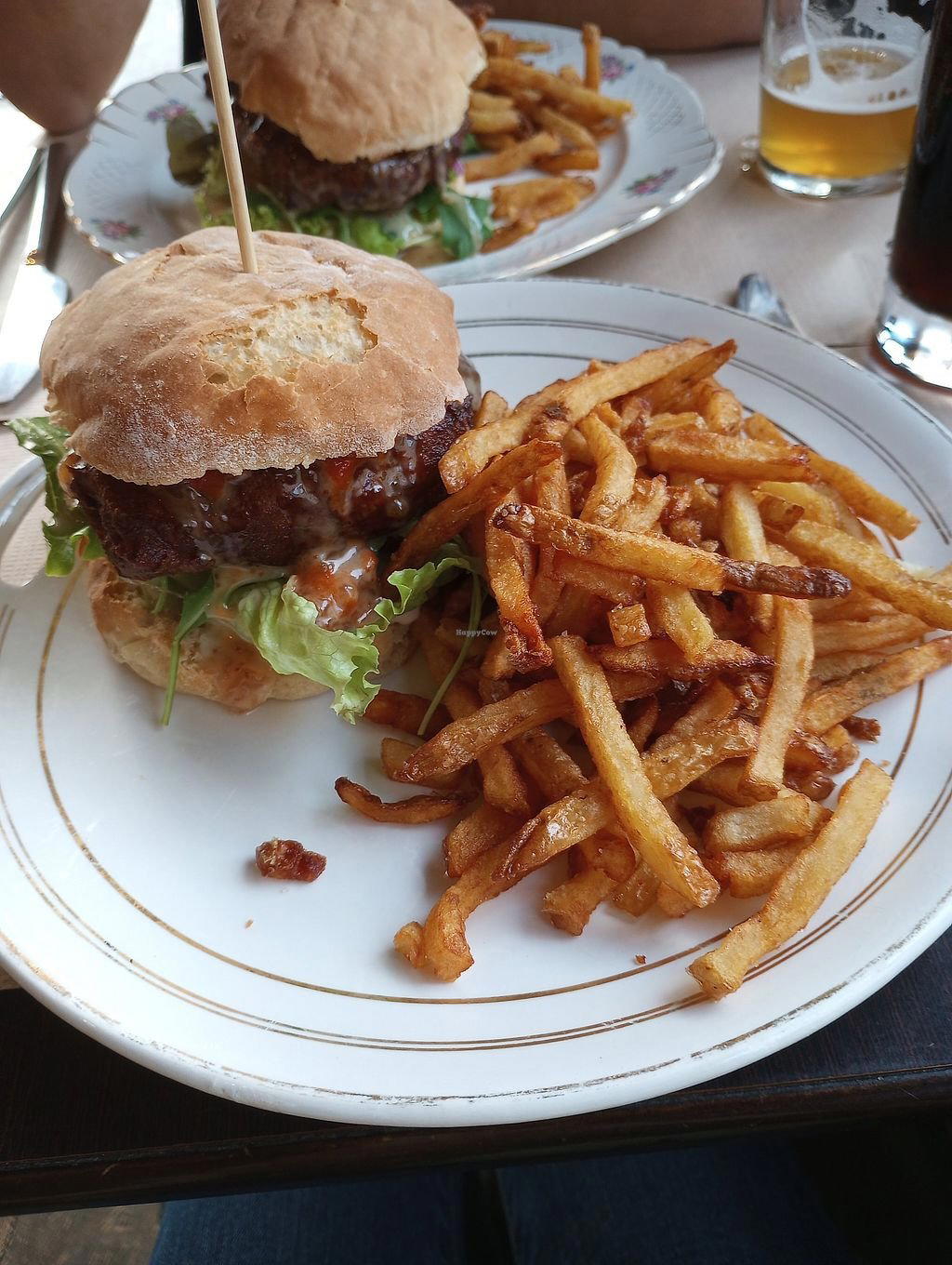
| Spud BencerThis venue — the venue you are viewing | Le Havre center, Homemade Burgers | $$ | , | |
| La Singerie | $$ | , | Halles Centrales, French Brasserie with Seasonal and Vegetarian Options | |
| La Tablée | Rue Guillemard, Modern Healthy French | $$$ | , | |
| Le Quint&Sens | $$ | , | Saint-Vincent / Gobelins, Contemporary French Bistro with Blind Tasting Menu | |
| A Deux Pas d'Ici | Saint-François, Normandy French Bistro | $$ | , | |
| BLACK PEARL | Modern French Creperie | $$ | , |
At a Glance
- Lively
- Cozy
- Casual Hangout
- Live Music
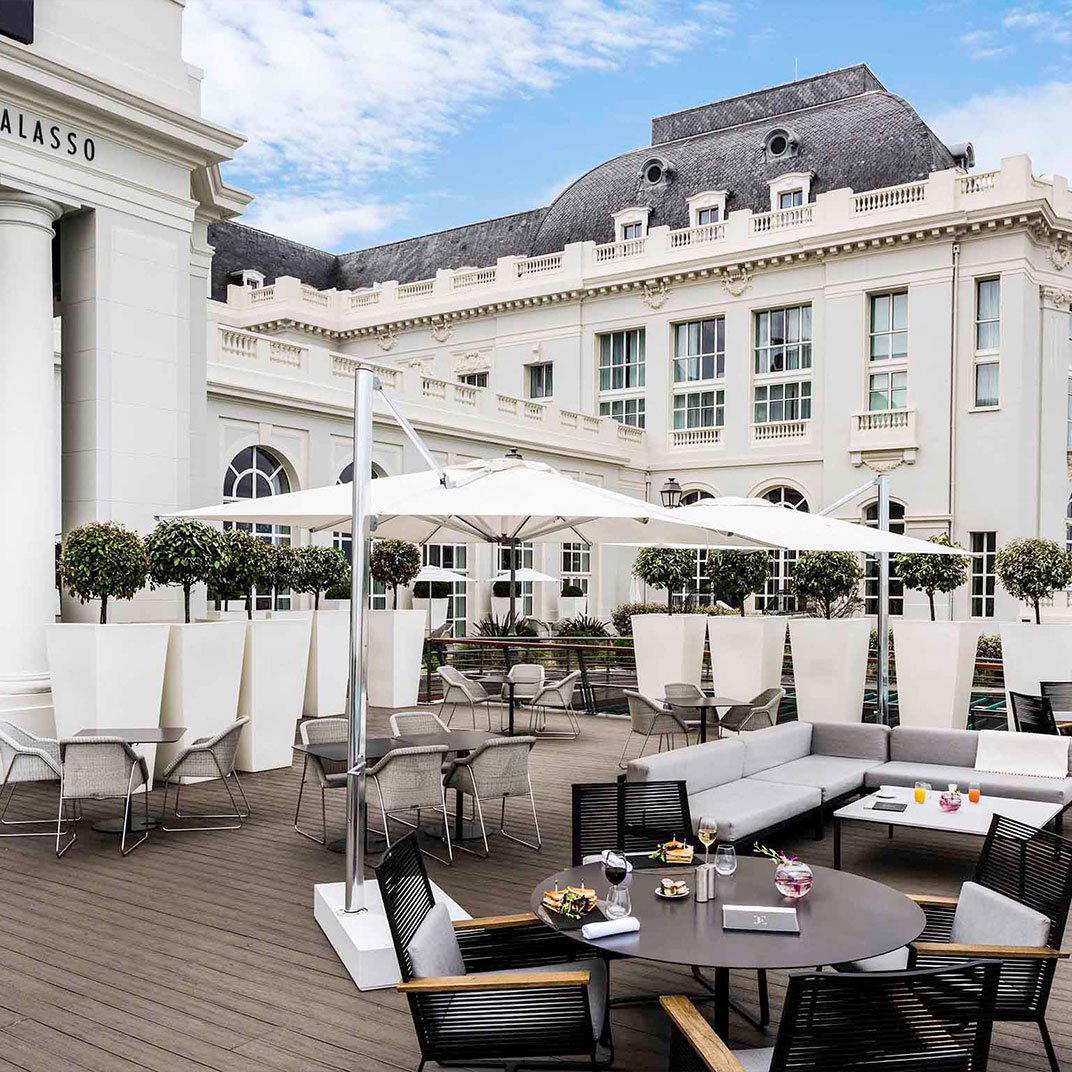
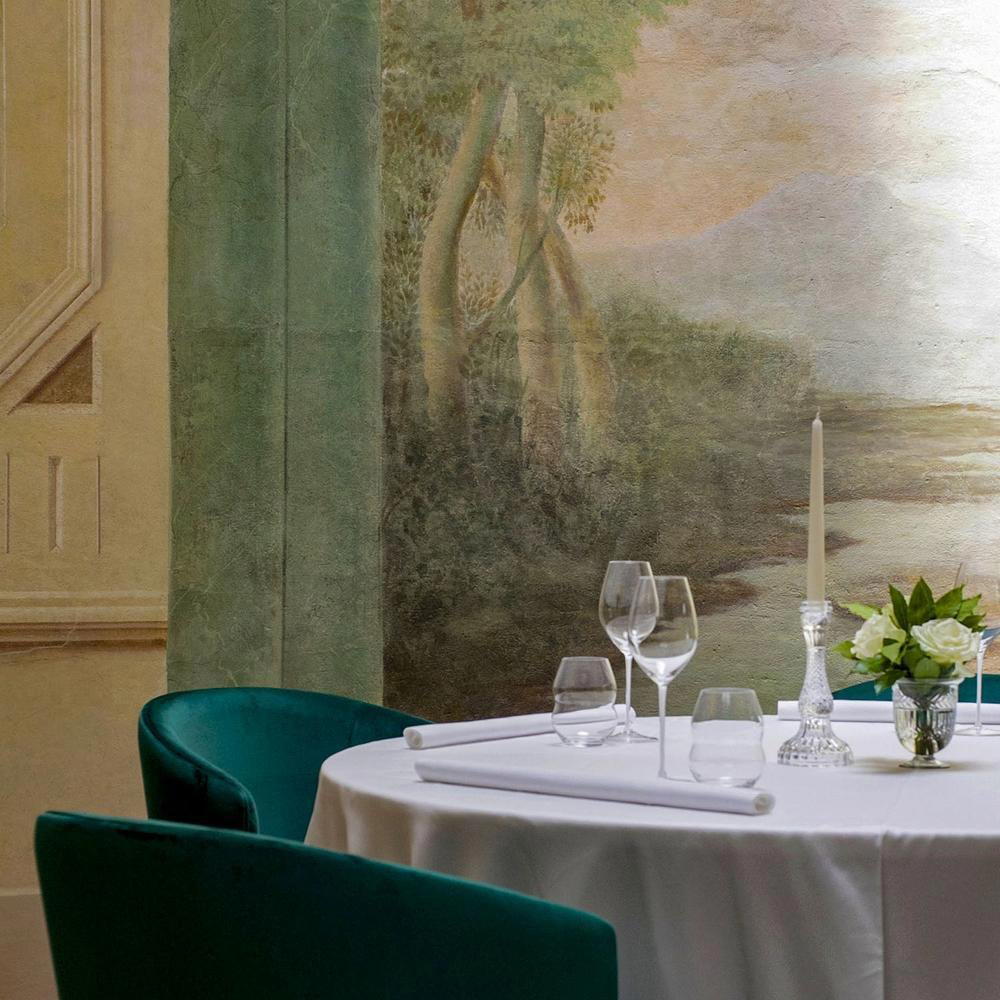
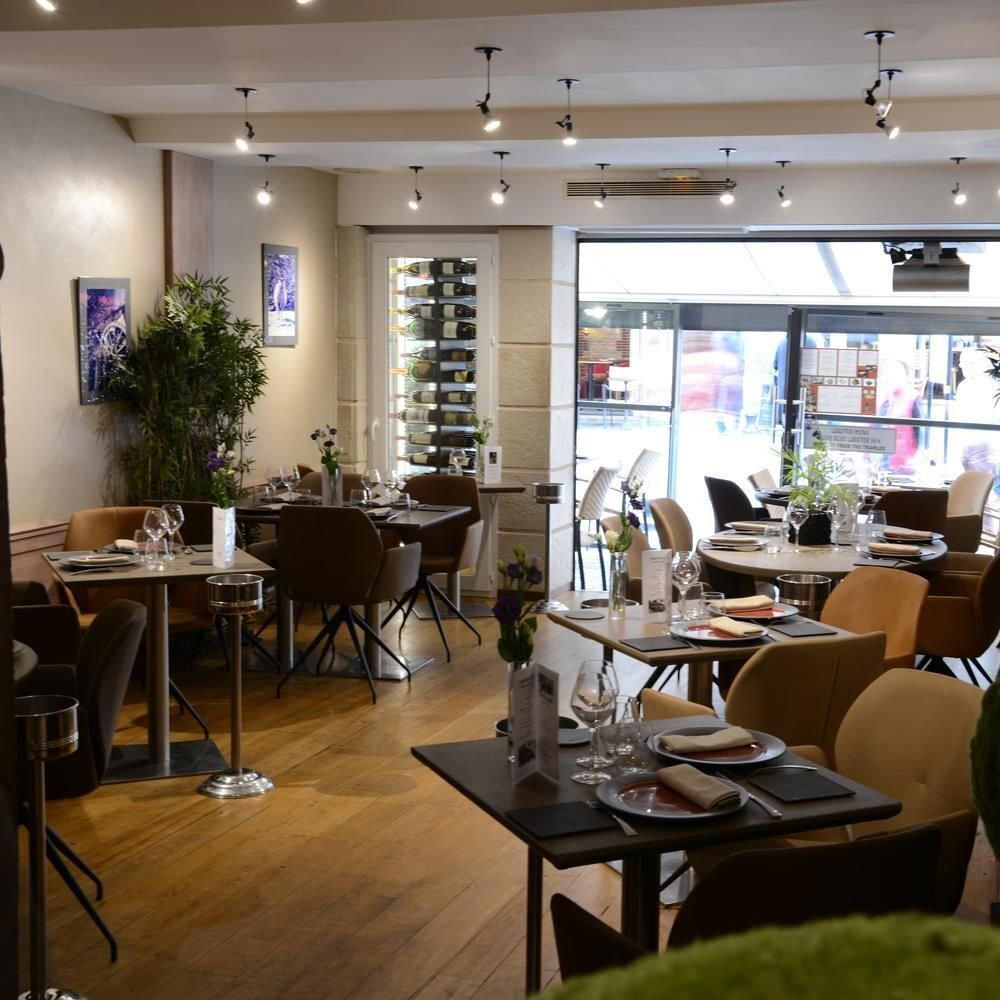
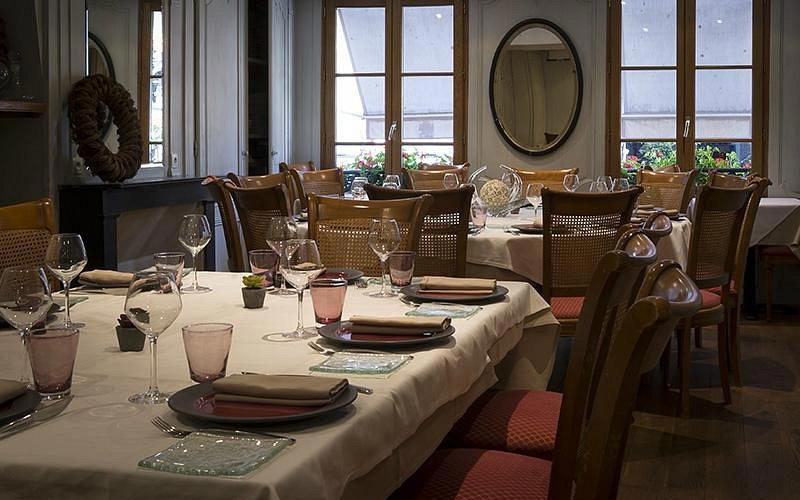
Warm and inviting with delightful decor, relaxed vibe enhanced by live music, and friendly service.