On a quiet stretch of Rue Louis Brindeau in Le Havre, La Petite Brocante occupies the kind of address that rewards those who pay attention to a city's secondary streets. The name signals the aesthetic before you arrive: bric-a-brac, accumulated character, an interior built from layered choices rather than a single design statement. In a port city still finding its fine-dining footing, it sits apart from the obvious options.
Pearl is the En Primeur Club membership app — saves, bookings, and concierge access live there. Same editors, same standards.
- Address
- 75 Rue Louis Brindeau, 76600 Le Havre, France
- Phone
- +33677231390
- Website
- lapetitebrocantelh.com
- Directions
- Get directions
 Saves & bookings on Pearl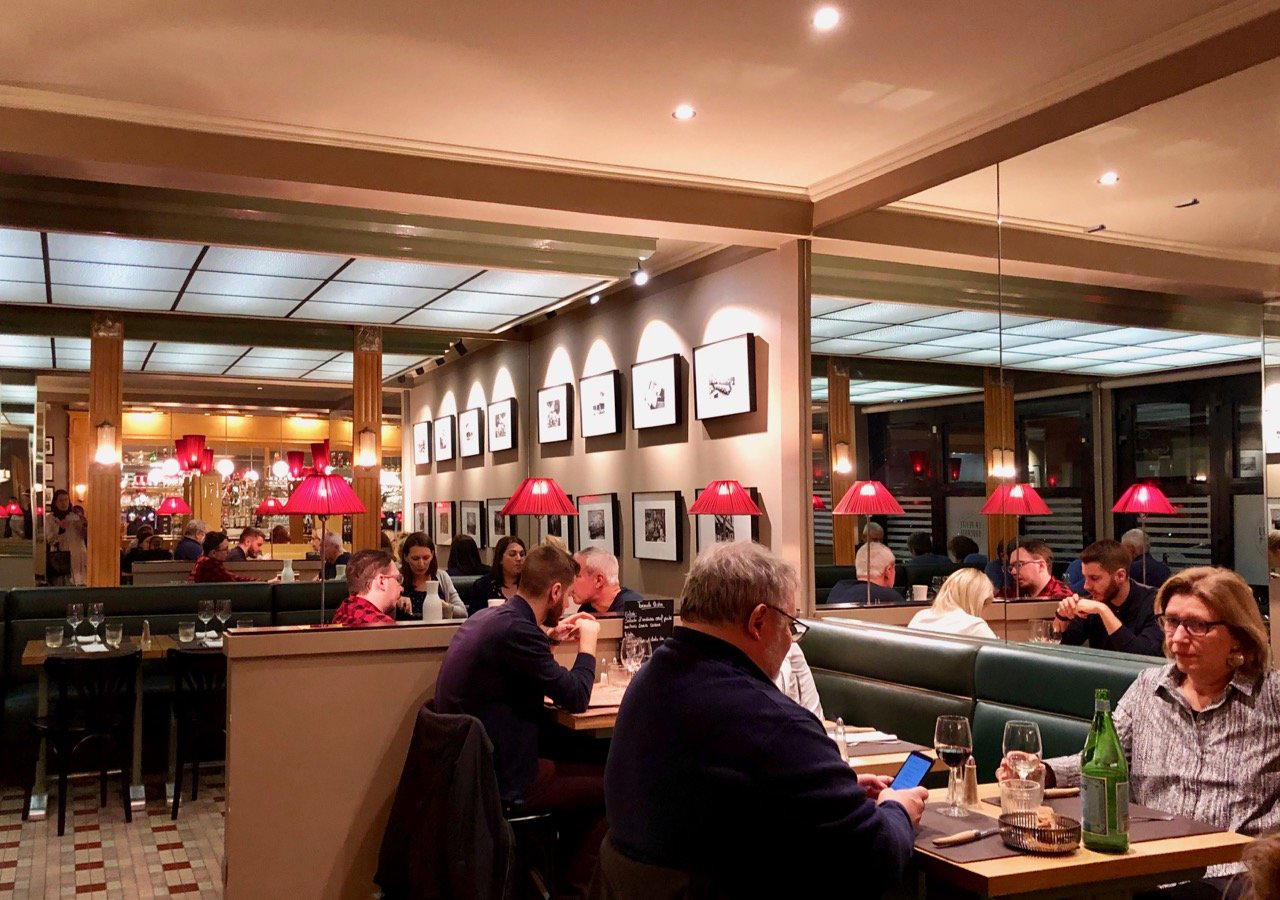
What Le Havre's Secondary Streets Tell You About the City's Dining Scene
Le Havre does not make dining easy to read from the outside. The city's postwar Auguste Perret grid, all rational concrete and regulated facades, gives little visual clue about what's happening at street level. Rue Louis Brindeau is one of those streets. It moves through the central grid at an angle that keeps it off most visitor routes, and La Petite Brocante at number 75 fits that pattern of addresses you find by asking locals rather than consulting a map app.
The name translates loosely as "the little antique shop" or "the small bric-a-brac store," and it signals something about the approach before you enter: an accumulation of choices, an interior assembled with sensibility rather than deployed according to a brief. In French provincial dining, this aesthetic tradition runs deep, the sense that a room's character should feel inherited rather than installed. At the level of the street, it places La Petite Brocante closer to the neighbourhood bistro tradition than to the more formal end of Le Havre's restaurant scene.
Where It Fits in Le Havre's Current Restaurant Picture
Le Havre's dining scene is stratified more clearly now than it was a decade ago. At the leading end, Jean-Luc Tartarin operates in the French creative register with pricing and formality to match, it occupies a different competitive tier entirely. In the middle ground, places like A Deux Pas d'Ici, BLACK PEARL, La Singerie, and La Tablée reflect a growing confidence in what the city can sustain in terms of considered, non-tourist-facing cooking. La Petite Brocante's address and character place it in that middle tier: not a destination restaurant in the way that pulls visitors from Paris or beyond, but the kind of place that defines a city's dining culture for its own residents.
That positioning matters when thinking about how to plan around it. The addresses that serve locals first and visitors second tend to operate on different rhythms, they fill on weekday evenings, close on days that suit the kitchen rather than the calendar, and are less likely to have English-language booking infrastructure. Checking availability and current hours directly before committing to a visit is prudent.
The Booking Situation: What to Know Before You Try
The editorial angle most relevant to La Petite Brocante is not what's on the plate but how you get in. For visitors arriving in Le Havre from outside the city, whether from Paris via the A13 or off a ferry from Portsmouth or Newhaven, the practical problem is that smaller addresses like this one rarely announce themselves clearly online. Phone-first or walk-in cultures still prevail at this level of the French provincial scene, and that requires a different kind of planning.
Le Havre sits roughly two hours from Paris by road or rail (the SNCF Paris-Saint-Lazare to Le Havre route runs direct, with journey times typically between 2h05 and 2h15). For a day trip built around a lunch, the timing works if you catch an early train. For dinner, an overnight in the city makes more sense, particularly given ferry arrival times from the UK can be unpredictable. Either way, confirming the reservation before making other arrangements is not optional, it is the planning sequence.
The broader pattern in French dining at this price point and scale is that rooms are small and the kitchen cooks to capacity rather than to a theoretical maximum. Walk-in availability on a Friday or Saturday evening in a central residential neighbourhood is unlikely. The lesson from comparable addresses across Normandy, and from the brasserie-to-bistro shift that has reshaped provincial French dining since 2010, is that the places worth eating at require more forward planning than their modest exterior suggests.
The Normandy Context: What This Region Does with Food
Le Havre's position at the mouth of the Seine estuary puts it inside one of France's most productive ingredient regions. Normandy's dairy traditions are well-documented, the cream, butter, and cheese infrastructure that distinguishes the regional table from, say, Provence or Alsace, but the coastal access matters equally. The Channel fisheries supply Dover sole, turbot, and scallops (coquilles Saint-Jacques from the Bay of Seine being a seasonal staple) at volumes and quality that inland French cities cannot replicate without the price premium of distance.
A bistro-register restaurant in Le Havre operates within a supply context that French kitchens elsewhere would treat as an advantage. The comparison venues at the higher end of French dining, whether the classical tradition represented by places like Auberge de l'Ill in Illhaeusern or Troisgros - Le Bois sans Feuilles in Ouches, or the more contemporary work seen at AM par Alexandre Mazzia in Marseille or Mirazur in Menton, all operate within defined regional ingredient traditions. The bistro tier in Normandy carries its own version of that logic, at a fraction of the price and formality.
For visitors whose reference point for French fine dining runs through places like Alléno Paris au Pavillon Ledoyen, Paul Bocuse - L'Auberge du Pont de Collonges, or Assiette Champenoise in Reims, the Le Havre mid-tier represents a different proposition: less ceremony, more neighbourhood rhythm, and an implicit argument that the quality of Norman ingredients can carry a meal without the scaffolding of tasting menus and tableside theatre. Whether that argument is convincingly made at the restaurant specifically is something only a visit can confirm.
Planning the Visit
The restaurant is at 75 Rue Louis Brindeau in central Le Havre. Visiting Le Havre's restaurant scene as part of a wider Normandy itinerary makes geographic sense: the city is a workable base for day trips toward Étretat, Honfleur, or the D-Day landing sites in Calvados.
Questions Visitors Ask About La Petite Brocante
- What should I order at the restaurant?
- Specific menu data is not available in current records, so dish-by-dish recommendations cannot be confirmed. Given the restaurant's address in Normandy and its bistro-register aesthetic, seasonal Norman produce, including dairy-led sauces, local seafood, and regional charcuterie, represents the likely culinary frame. For current menu details, contact the restaurant directly. Readers interested in confirmed dish-level detail at the higher end of the Le Havre scene can reference Jean-Luc Tartarin, where the French creative format is documented more fully.
- Is the restaurant reservation-only?
- In the context of Le Havre's mid-tier dining scene, small neighbourhood restaurants at this address type typically operate with limited covers and fill quickly on evenings and weekends. Contacting the restaurant in advance is the appropriate approach, particularly for Friday or Saturday dinner. Walk-in availability during weekday lunch service is more likely, though not guaranteed.
- What do critics highlight about the restaurant?
- No critical reviews or award citations appear in current available records for this venue. In the absence of documented critical consensus, the restaurant's position within Le Havre's mid-tier scene, where the competition includes A Deux Pas d'Ici and La Singerie, provides one useful context for calibrating expectations.
- How does the restaurant fit into Le Havre's broader food culture compared to the city's more formal restaurants?
- The restaurant's address, name, and aesthetic position it in the neighbourhood bistro register rather than the destination-dining tier occupied by Le Havre's more formally recognised restaurants. In a city where the top end of the dining scene competes with regional French heavyweights referenced in guides covering Flocons de Sel in Megève and Bras in Laguiole, the bistro tier serves a different function: anchoring everyday eating to local ingredient traditions without the ceremony or cost of tasting-menu formats. The restaurant appears to operate in that civic, resident-serving role that any functioning restaurant scene requires alongside its flagship addresses.
Fast Comparison
Comparable venues nearby, for context on price, style, and recognition.
| Venue | Cuisine | Price | Notes |
|---|---|---|---|
| La Petite BrocanteThis venue — the venue you are viewing | Traditional French Brasserie | $$ | Not listed |
| BLACK PEARL | Modern French Creperie | $$ | :null |
| Le Quint&Sens | Contemporary French Bistro with Blind Tasting Menu | $$ | Saint-Vincent / Gobelins |
| Le Bistrot des Halles | Traditional French Bistro | $$ | Place des Halles Centrales |
| La Tablée | Modern Healthy French | $$$ | Rue Guillemard |
| La Singerie | French Brasserie with Seasonal and Vegetarian Options | $$ | Halles Centrales |
Continue exploring
More in Le Havre
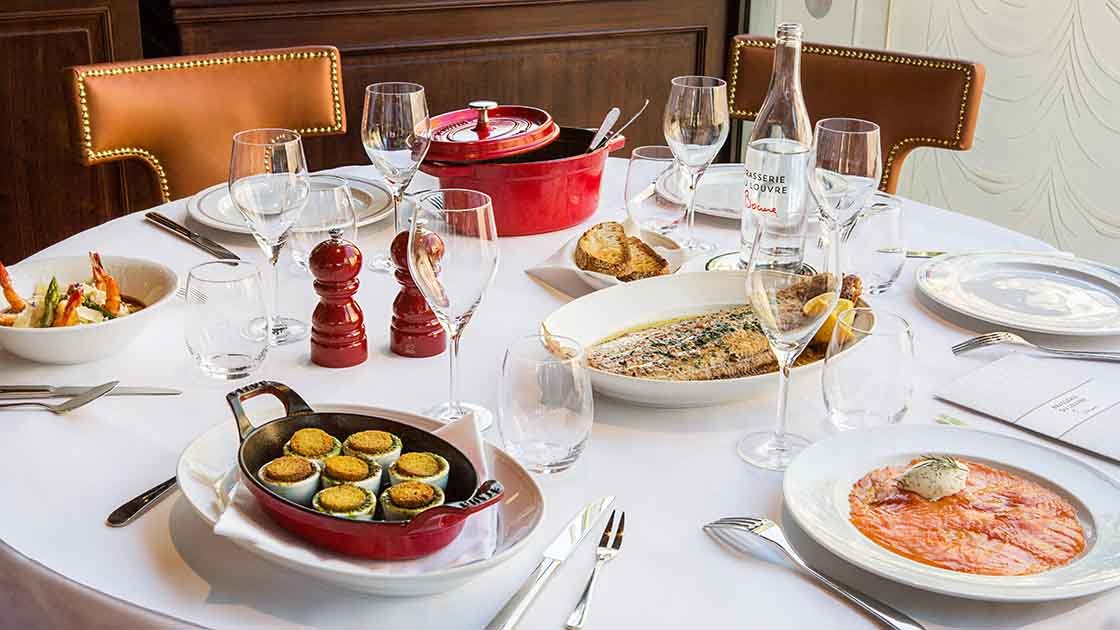
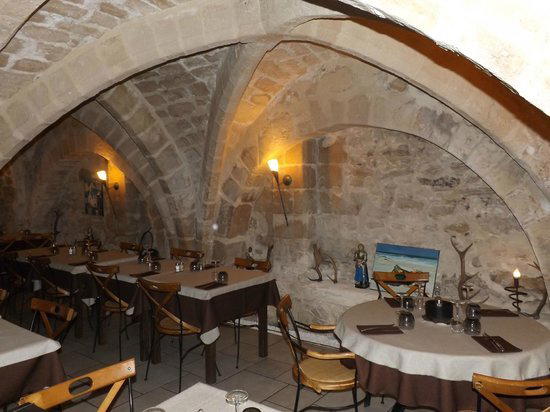
Restaurants in Le Havre
Browse all →
Bars in Le Havre
Browse all →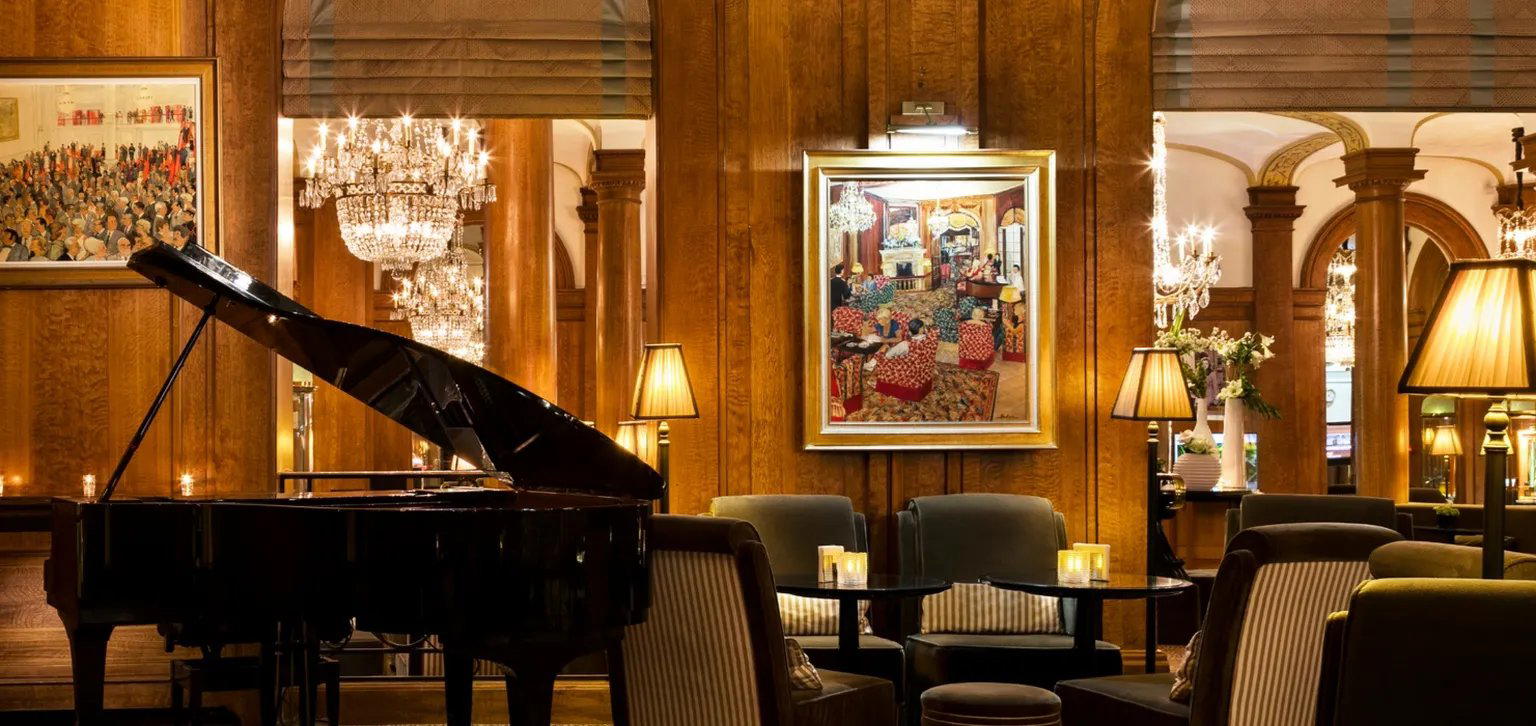
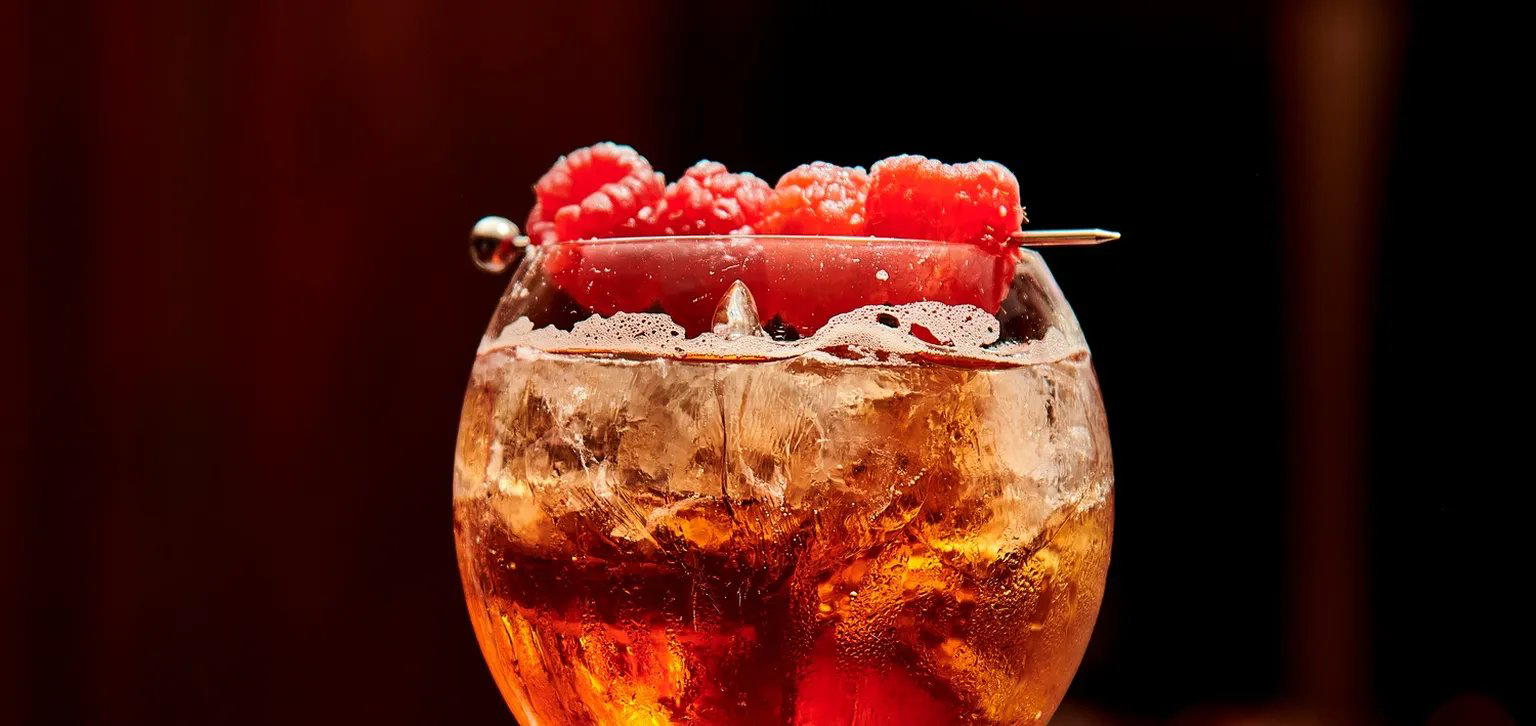
Hotels in Le Havre
Browse all →
At a Glance
- Classic
- Cozy
- Casual Hangout
- Historic Building
- Local Sourcing
Current opening hours
- Monday
- Closed
- Tuesday
- 12:15–3 PM, 7:15–10:30 PM
- Wednesday
- 12:15–3 PM, 7:15–10:30 PM
- Thursday
- 12:15–3 PM, 7:15–10:30 PM
- Friday
- 12:15–3 PM, 7:15–10:30 PM
- Saturday
- 12:15–3 PM, 7:15–10:30 PM
- Sunday
- Closed
Hours can change for holidays and private events. Last verified .
Refreshed traditional setting with warm welcome, pleasant decor, and delicate service.