Palais Bénédictine in Fécamp occupies a category of its own on the Normandy coast: part museum, part monument, part tasting destination, and the sole site where the Bénédictine liqueur tradition has been housed since the nineteenth century.. Visitors arrive expecting a distillery tour and leave having moved through something considerably more layered.
Pearl is the En Primeur Club membership app — saves, bookings, and concierge access live there. Same editors, same standards.
- Address
- 110 Rue Alexandre le Grand, 76400 Fécamp
- Phone
- +33 2 35 10 26 00
- Website
- palaisbenedictine.com
- Directions
- Get directions
 Saves & bookings on Pearl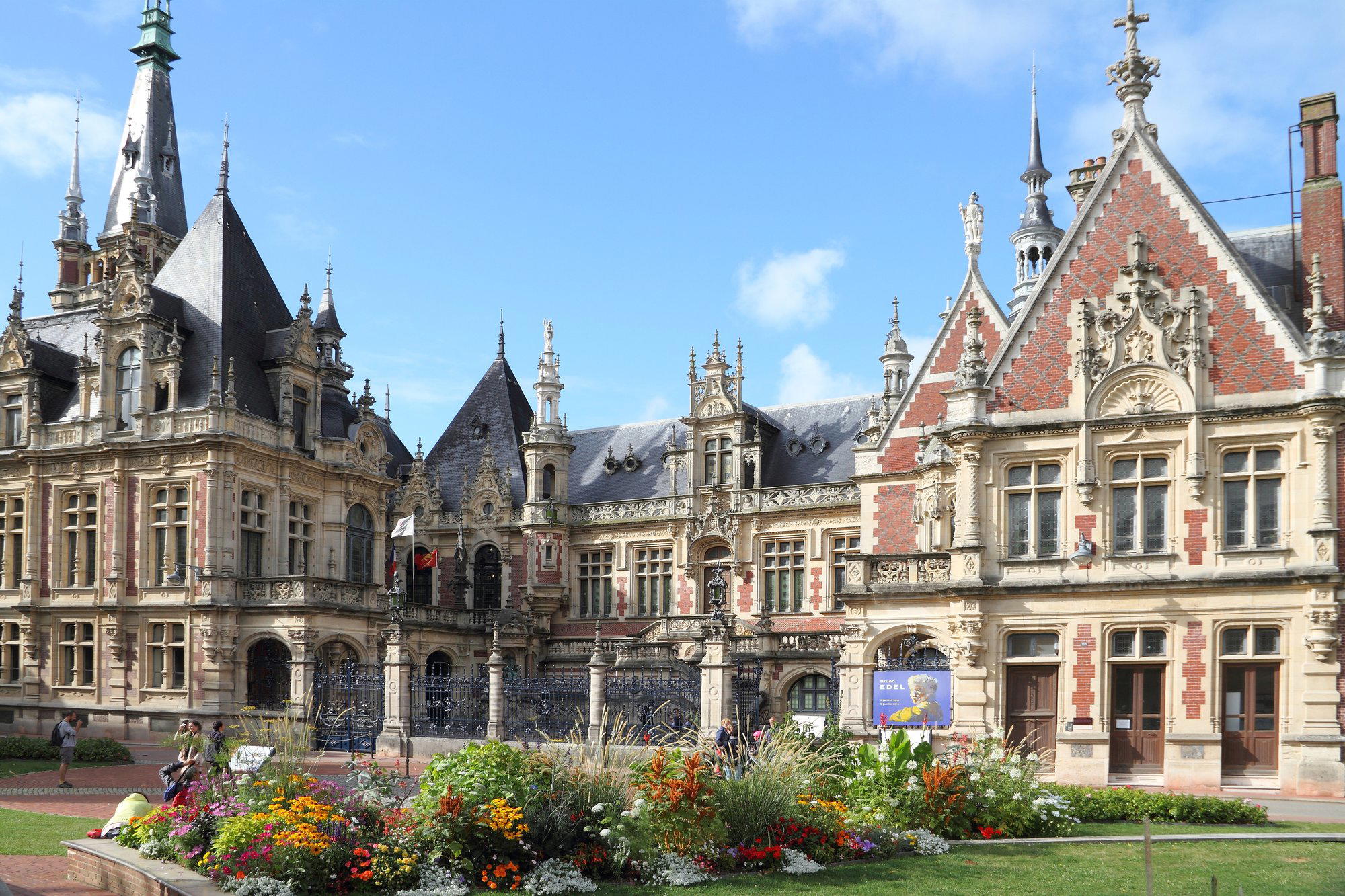
The Normandy Coast and the Architecture of Provenance
France's Atlantic-facing coastline has never been primarily a wine region, yet it has always produced something with a claim to terroir in the broader sense: the capacity of a specific place, with its climate, its raw materials, and its accumulated knowledge, to generate something that cannot be straightforwardly replicated elsewhere. Fécamp, a port town on the Normandy coast roughly midway between Étretat and Dieppe, is a case study in that principle. The cliffs here are chalk and flint, the air carries salt and humidity year-round, and the town's character was shaped for centuries by the rhythms of fishing and monasticism rather than agriculture. What grows in that particular combination of conditions is not a grape variety but a formula: 27 plants and spices, brought together in the liqueur that takes its name from the Benedictine order.
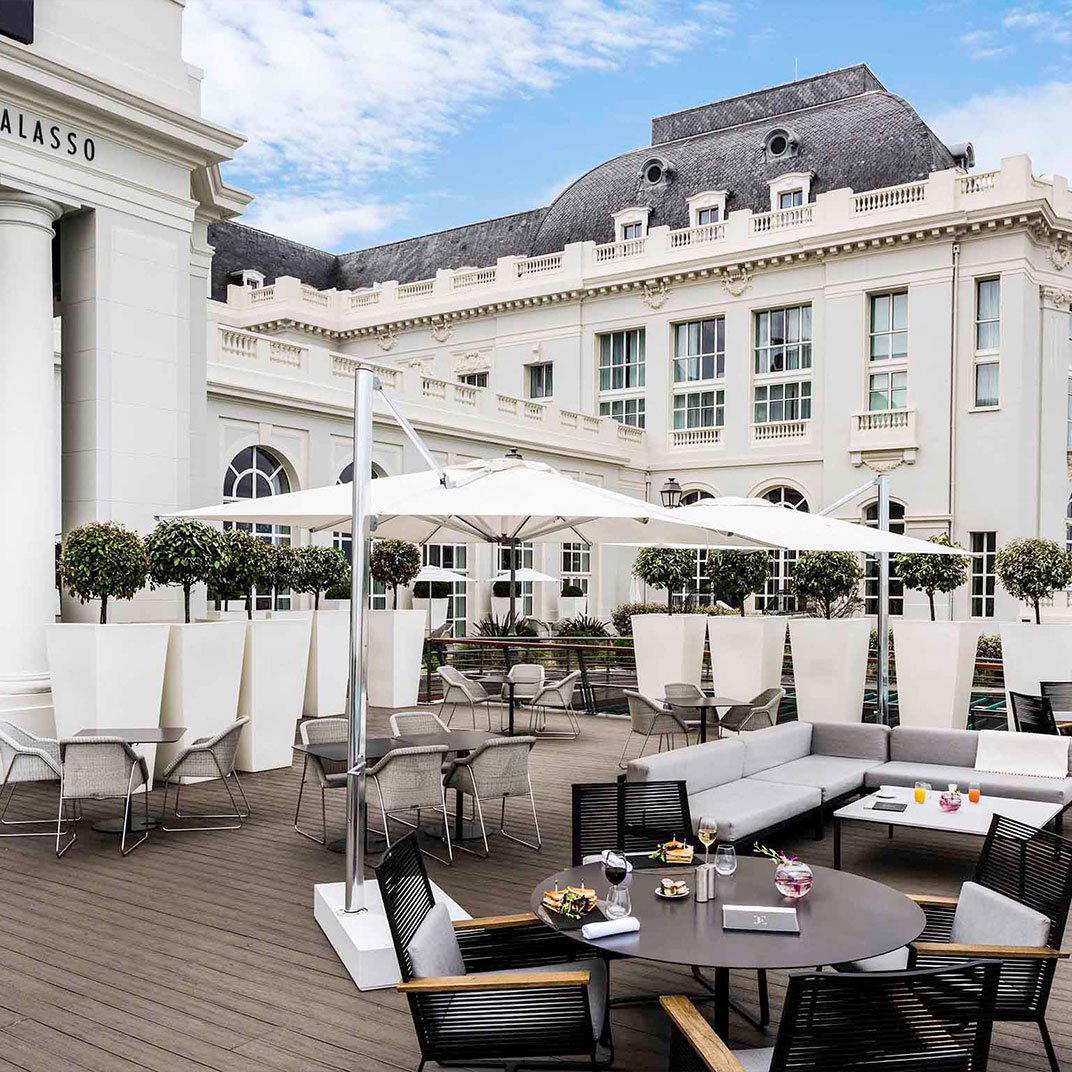
Palais Bénédictine, at 110 Rue Alexandre le Grand, is the address where that formula has been housed, distilled, and displayed since the late nineteenth century. The building itself reads as an argument about place: a neo-Gothic and neo-Renaissance structure that was designed not merely as a production facility but as a monument to the liqueur's claimed monastic origins. Standing in front of it, the scale registers before anything else. This is not a visitor centre attached to a working distillery; it is a structure that treats production heritage as the primary subject of the architecture.
In the broader EP Club portfolio, 2 Star Prestige producers tend to occupy a clearly defined position within their category: not especially experimental, but among the more anchored to a tradition with a verifiable and specific origin point. The rating reflects what the palais represents within its comparable set: a destination where the relationship between a formula, a site, and a history is presented with a degree of seriousness that distinguishes it from generic heritage tourism.
Comparison is instructive here. Producers like Chartreuse in Voiron occupy a structurally similar position: a spirit made from a large number of plant ingredients under conditions of significant institutional continuity, housed in a destination that has become as much about the story as about the liquid. At Aberlour in Aberlour, the connection between physical environment and production character is expressed through water source and local grain; at Palais Bénédictine, the equivalent anchoring is through the specific plant material that the climate and trade networks of the Normandy coast historically made accessible, combined with the sustained production knowledge held at this single site.
Terroir Expression in the Bottle: Plants, Place, and the Distillation Tradition
The editorial angle for understanding Palais Bénédictine most fully is terroir in its most honest, expanded form. Wine's terroir discourse focuses on soil mineral composition, microclimate variation, and grape variety interaction with those conditions. For a liqueur of this type, the equivalent conversation concerns botanical sourcing and the cumulative institutional memory embedded in a production site. The 27 plant and spice ingredients in Bénédictine do not all grow in Normandy, but they arrived through the port of Fécamp across centuries, were assessed and blended within a specific set of production conditions, and were calibrated by people working within a continuous tradition at this address.
That kind of accumulated site-specific knowledge is not easily modelled by a competitor starting from scratch. It functions as a form of terroir in the same way that a centuries-old starter culture functions in bread-making: the place, the air, and the hands that have worked within it have shaped what the product becomes in ways that resist full documentation or transfer. Producers at the level of Albert Boxler in Niedermorschwihr or Accendo Cellars in St. Helena articulate terroir through soil maps and altitude data. Palais Bénédictine articulates it through institutional continuity and architectural permanence.
The Building as Evidence
The nineteenth-century decision to house Bénédictine production inside a structure that blends Gothic and Renaissance forms was not aesthetically arbitrary. It was a statement about the status of the product: that a liqueur with claimed monastic origins deserved a home of comparable gravity to the institutions it invoked. The result is a building that contains distillation equipment, aging cellars, a collection of religious art and artefacts, and the original production records, all within the same envelope. For a visitor tracing the connection between what is in the bottle and the conditions under which it was made, the palais presents a more complete argument than a standard distillery tour allows.
The architectural character also places Fécamp on a map of heritage spirit destinations that extends beyond France. The monastic liqueur tradition runs from Normandy to the Chartreuse valley, and the buildings that house these productions tend to reflect a shared logic: that the product's credibility depends partly on the institutional seriousness of its physical home. Smaller Bordeaux properties like Château Branaire Ducru in St-Julien and Château Cantemerle in Haut-Médoc use château architecture to perform a similar function in the wine world: the building is part of the argument about provenance.
Fécamp as a Destination Context
Fécamp does not receive the volume of tourism that the Étretat cliffs attract, though the two are a short drive apart. That relative quietness works in the palais's favour: a visit is not mediated by crowd management in the way that higher-profile Norman heritage sites can be. The town itself retains the character of an active port, and the palais sits within walking distance of the harbour. For travellers building a Normandy itinerary around producers and heritage destinations rather than beach resorts, Fécamp functions as a meaningful stop rather than a detour. See our full Fécamp restaurants guide for broader dining context.
In terms of comparable day-trip logic within the EP Club portfolio: visiting the winery works well as part of a wider circuit that takes in coastal Norman architecture and heritage wine and spirit producers. Properties like Château Bastor-Lamontagne in Preignac, Château Clinet in Pomerol, or Château Batailley in Pauillac occupy a structurally similar position for Bordeaux-focused itineraries: a destination where the production site, the product, and the surrounding environment reinforce each other.
Planning a Visit
The winery is located at 110 Rue Alexandre le Grand in central Fécamp, accessible by car from Rouen in approximately one hour or from Le Havre in around 45 minutes. For current opening hours, admission pricing, and booking options, checking directly with the palais before travel is advisable, as seasonal variation in access and programming is typical for heritage distillery destinations of this type.
Comparable Venues
Comparable venues nearby, for context on price, style, and recognition.
| Venue | Cuisine | Price | Notes |
|---|---|---|---|
| Palais BénédictineThis venue — the venue you are viewing | Winery | $$ | Not listed |
| King Family Vineyards | Winery | Not listed | Crozet |
| Christian Drouin | Mettais, Domaine | $$ | Pays d'Auge |
| St-Germain | Winery | $$ | Saint-Germain-des-Prés |
| Philip Shaw Wines | Winery | Not listed | Orange |
| Château Pas de l’Ane | Merlot, Cabernet Franc | $$ | Saint-Émilion |
Continue exploring
More in Fécamp
Wineries in Fécamp
Browse all →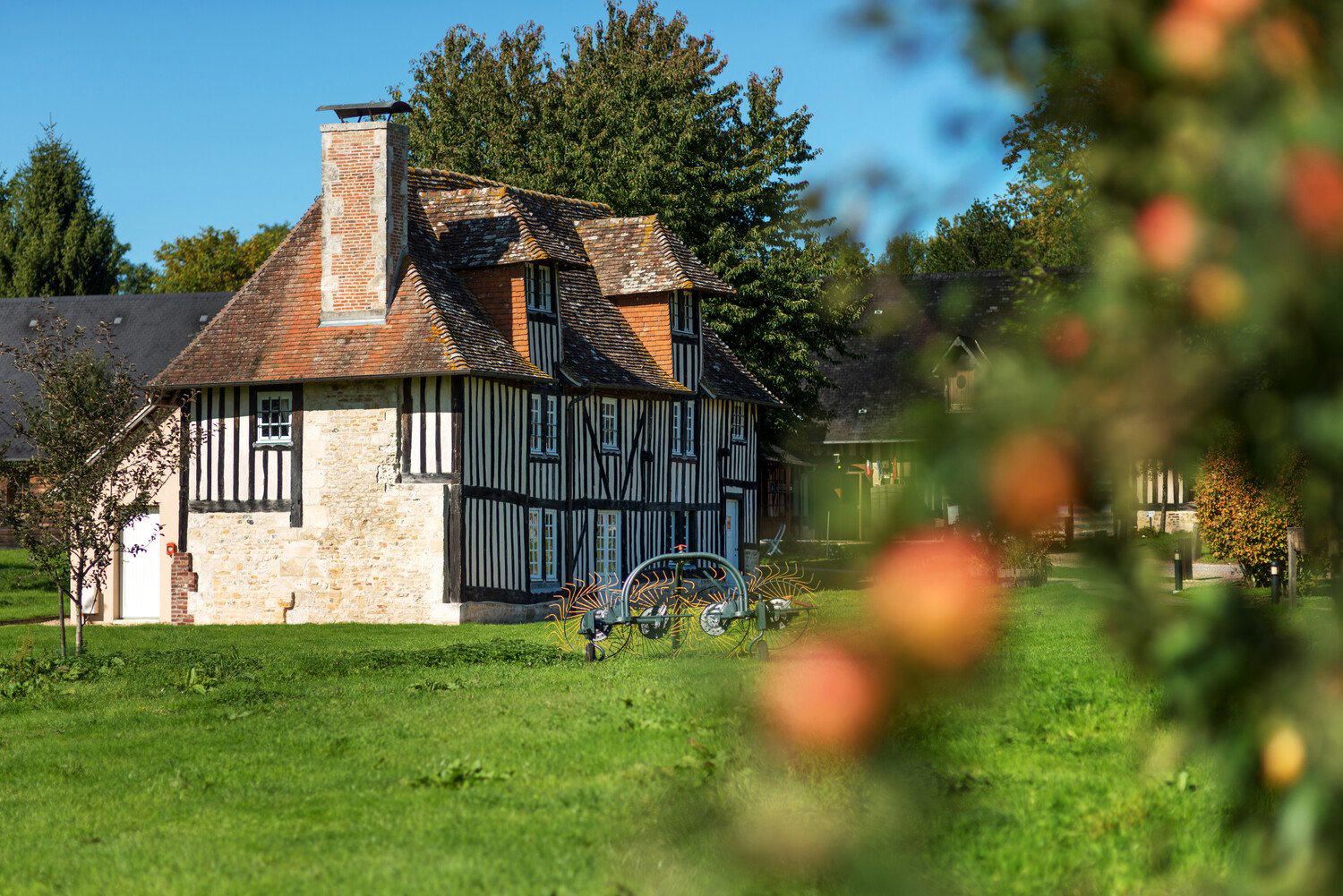
Bars in Fécamp
Browse all →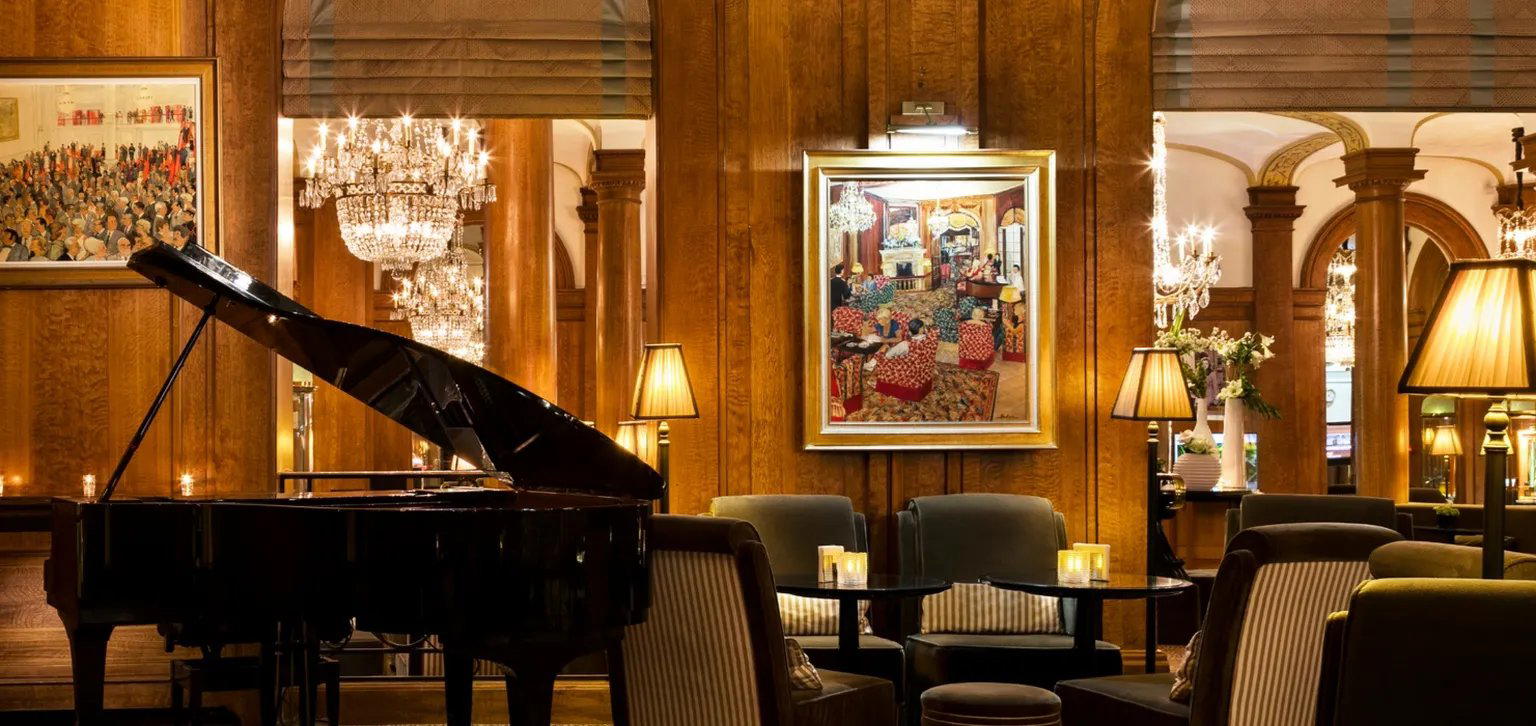
Restaurants in Fécamp
Browse all →
At a Glance
- Well Known
- Elegant
- Historic
- Sophisticated
- Group Outing
- Family
- Special Occasion
- Wine Education
- Historic Building
- Barrel Room
- Private Tasting
- Design Destination
- Fortified
- Guided Distillery Tour
- Liqueur Tasting
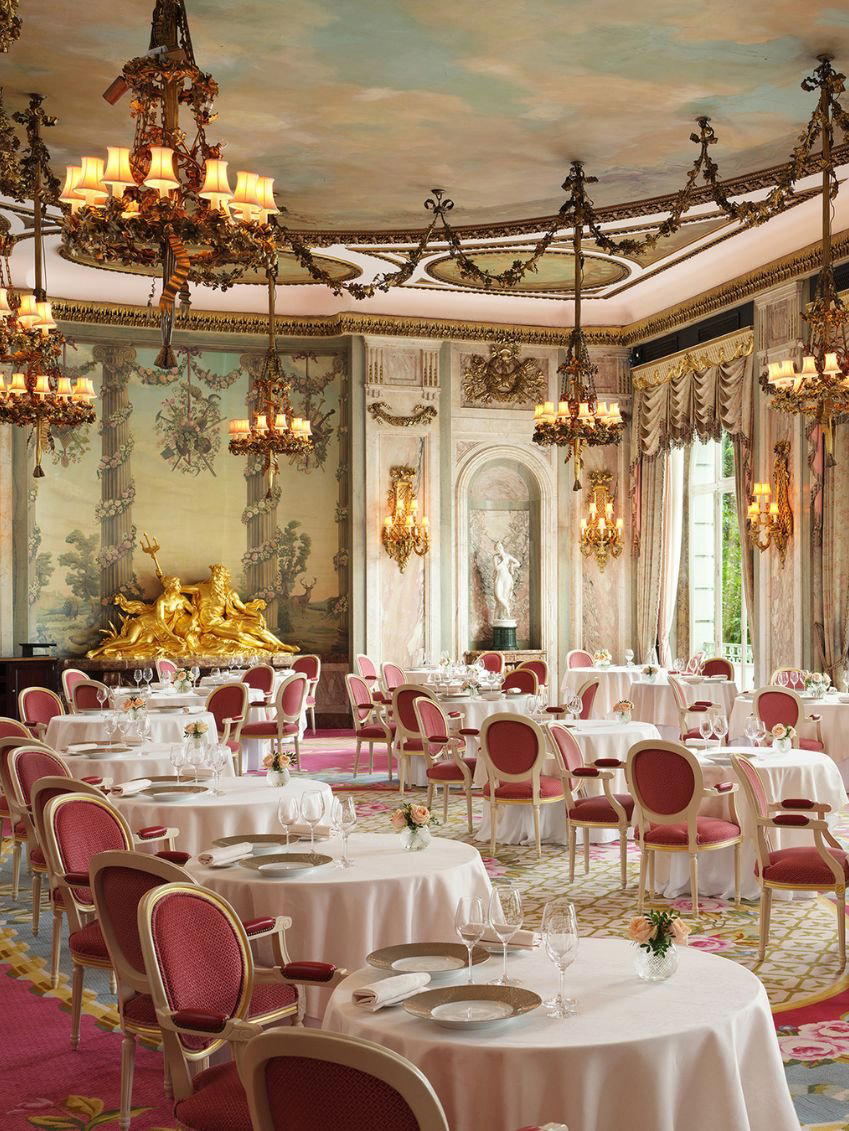
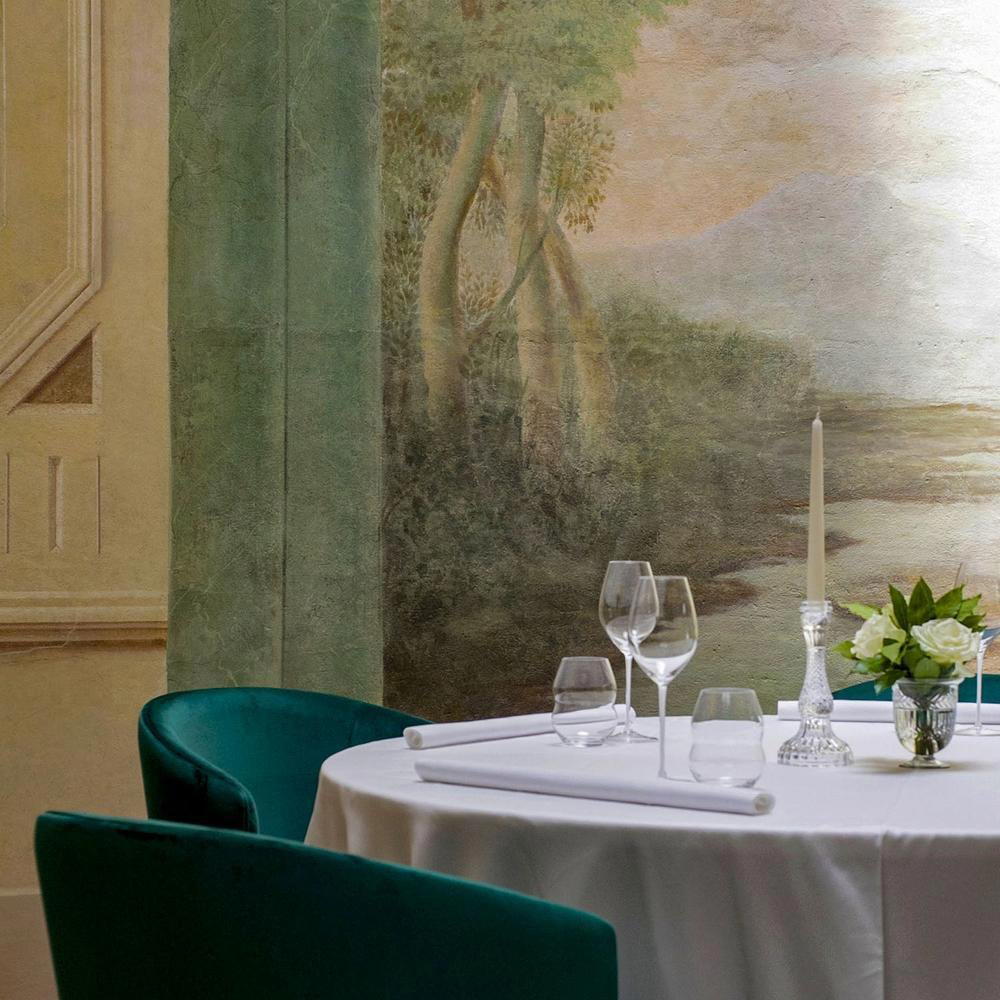
Ornate interior with restored paintings, murals, and stained-glass windows from the 13th-14th centuries; lavish decor reflecting Belle Époque grandeur.