On Rue Frédéric Bellanger in Le Havre, Black Pearl occupies a corner of the city's dining scene where the port's Atlantic identity meets considered cooking. Check current hours and availability directly before visiting.
Pearl is the En Primeur Club membership app — saves, bookings, and concierge access live there. Same editors, same standards.
- Address
- 68 Rue Frédéric Bellanger, 76600 Le Havre, France
- Phone
- +33650092709
- Directions
- Get directions
 Saves & bookings on Pearl
Le Havre at the Table: Port Identity and What It Demands of a Kitchen
Le Havre is not a city that has traditionally drawn France's food press the way Lyon or Bordeaux does. Its identity is industrial, coastal, and shaped by the postwar reconstruction that gave Auguste Perret the canvas for his concrete urbanism, a UNESCO World Heritage Site that tourists photograph and locals simply live inside. The dining scene here operates at a different register than the grand-restaurant circuit of [Mirazur in Menton] or [Alléno Paris au Pavillon Ledoyen]. What Le Havre offers instead is a direct relationship with the sea, a working port culture, and a restaurant population that has to earn its place through consistency rather than reputation alone.
Black Pearl sits on Rue Frédéric Bellanger, a residential address that places it away from the obvious tourist corridors near the seafront. That location matters: restaurants in this part of Le Havre are not picking up footfall from cruise passengers or day-trippers. They are drawing from a local and regional clientele that returns by choice. In a city with this kind of dining geography, word-of-mouth carries more weight than it would in a market saturated with editorial coverage.
The Sourcing Question on the Norman Coast
Normandy's position in French food culture rests on two pillars: dairy and the sea. The coastline running from Fécamp through Le Havre to Honfleur has supplied Paris restaurants with sole, turbot, scallops, and langoustine for generations. Chefs at houses like [Auberge de l'Ill] and [Bras in Laguiole] have built careers around sourcing precision, knowing not just what arrives, but from where and by whose hands. That discipline is just as relevant at Le Havre's smaller addresses as it is at the starred houses further afield.
For a restaurant on the Channel coast, proximity to source is both an advantage and an obligation. The fish markets serving Le Havre draw from trawlers working the English Channel and the Bay of the Seine, where the cold, tidal waters produce shellfish and flatfish with a salinity profile distinct from the Mediterranean catch that defines kitchens further south. Any kitchen here that takes its ingredient sourcing seriously is working with materials that arrive closer and faster than what most inland French restaurants can claim. The editorial question for Black Pearl, and for the handful of restaurants in Le Havre that sit outside the obvious tourist circuit, is how that coastal proximity translates to the plate.
Le Havre's broader restaurant scene includes [Jean-Luc Tartarin], the city's most decorated address at the French Creative end of the spectrum, which has historically held Michelin recognition and sets the upper tier of local ambition. Restaurants like [A Deux Pas d'Ici], [La Petite Brocante], [La Singerie], and [La Tablée] fill the mid-tier, where the sourcing story is often quieter but the cooking is frequently more direct and personal. Black Pearl's address places it in this latter group by geography if not necessarily by format.
What the Name Signals
The name Black Pearl in a port city is not accidental framing. It evokes the sea without naming it directly, and that kind of oblique identity is common among restaurants in cities with working maritime histories. Comparable naming conventions appear across Norman coastal towns, where menus and identities lean into Atlantic reference without becoming theme restaurants. The distinction matters: a kitchen that takes its location seriously will let the ingredients do the signalling, not the décor. France's most respected coastal kitchens, including [Le Bernardin in New York City], which built its reputation entirely on the French approach to seafood sourcing and technique, demonstrate that restraint in presentation often accompanies seriousness about product.
The restaurant's current format, menu structure, and price positioning place it within Le Havre's neighbourhood dining tier. What the address on Rue Frédéric Bellanger does confirm is a neighbourhood-facing rather than tourist-facing operation. Restaurants at this kind of address in mid-sized French port cities tend to run shorter menus, tighter sourcing networks, and pricing that reflects local rather than visitor expectations.
Le Havre in the Broader French Dining Conversation
France's restaurant geography tends to concentrate critical attention on Paris and a handful of regional prestige addresses: [Flocons de Sel in Megève], [Troisgros in Ouches], [Paul Bocuse in Collonges-au-Mont-d'Or], [Les Prés d'Eugénie in Eugénie-les-Bains], [La Table du Castellet], [Georges Blanc in Vonnas]. Le Havre does not appear in that circuit. What it does have is a serious local food culture shaped by proximity to some of France's most productive waters, a Norman agricultural hinterland, and a population that eats out with frequency and without the performance that tourist markets encourage.
That context is worth holding when approaching any Le Havre restaurant that lacks a public profile. The absence of extensive editorial coverage does not signal absence of quality. It more often signals a kitchen cooking for a local audience that does not require external validation. Some of France's most consistent cooking happens at exactly this register, at addresses that Michelin does not survey and that food media does not reach.
For the visitor arriving in Le Havre with limited time and a serious interest in what the city's kitchens can do, the practical approach is to book ahead and arrive ready for a direct local meal. The restaurant's location and name suggest an operation oriented around that kind of directness. Whether it delivers is a question answered in the room.
Planning Your Visit
The restaurant is located at 68 Rue Frédéric Bellanger, 76600 Le Havre. The address sits within the city's residential fabric rather than its central commercial zone, making a taxi or pre-arranged transport one practical approach if you are not staying nearby. Current hours, booking availability, and pricing should be checked directly with the restaurant before visiting. Le Havre is accessible by train from Paris Saint-Lazare in approximately two hours, making it a viable day or overnight destination for visitors already in the capital. The city's wider dining options, including the coastal Norman produce trail, are covered in our [Le Havre city guide].
Comparable Venues
Comparable venues nearby, for context on price, style, and recognition.
| Venue | Cuisine | Price | Notes |
|---|---|---|---|
| BLACK PEARLThis venue — the venue you are viewing | Modern French Creperie | $$ | Not listed |
| La Singerie | French Brasserie with Seasonal and Vegetarian Options | $$ | Halles Centrales |
| La Petite Brocante | Traditional French Brasserie | $$ | near Halles Centrale |
| Le Bistrot des Halles | Traditional French Bistro | $$ | Place des Halles Centrales |
| La Tablée | Modern Healthy French | $$$ | Rue Guillemard |
| Le Grignot | Traditional French Brasserie & Seafood | $$ | Centre-ville Perret |
Continue exploring
More in Le Havre
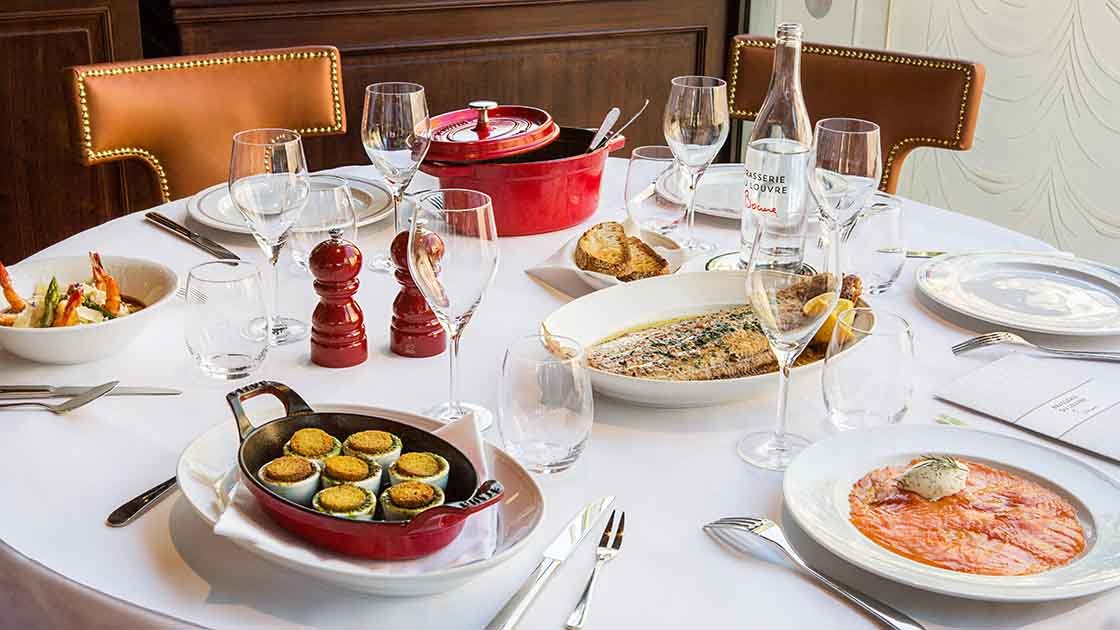
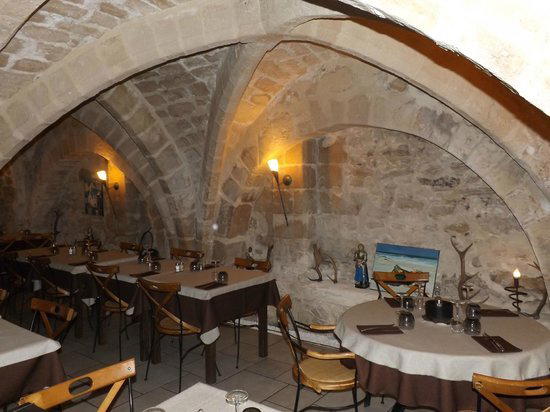
Restaurants in Le Havre
Browse all →
Bars in Le Havre
Browse all →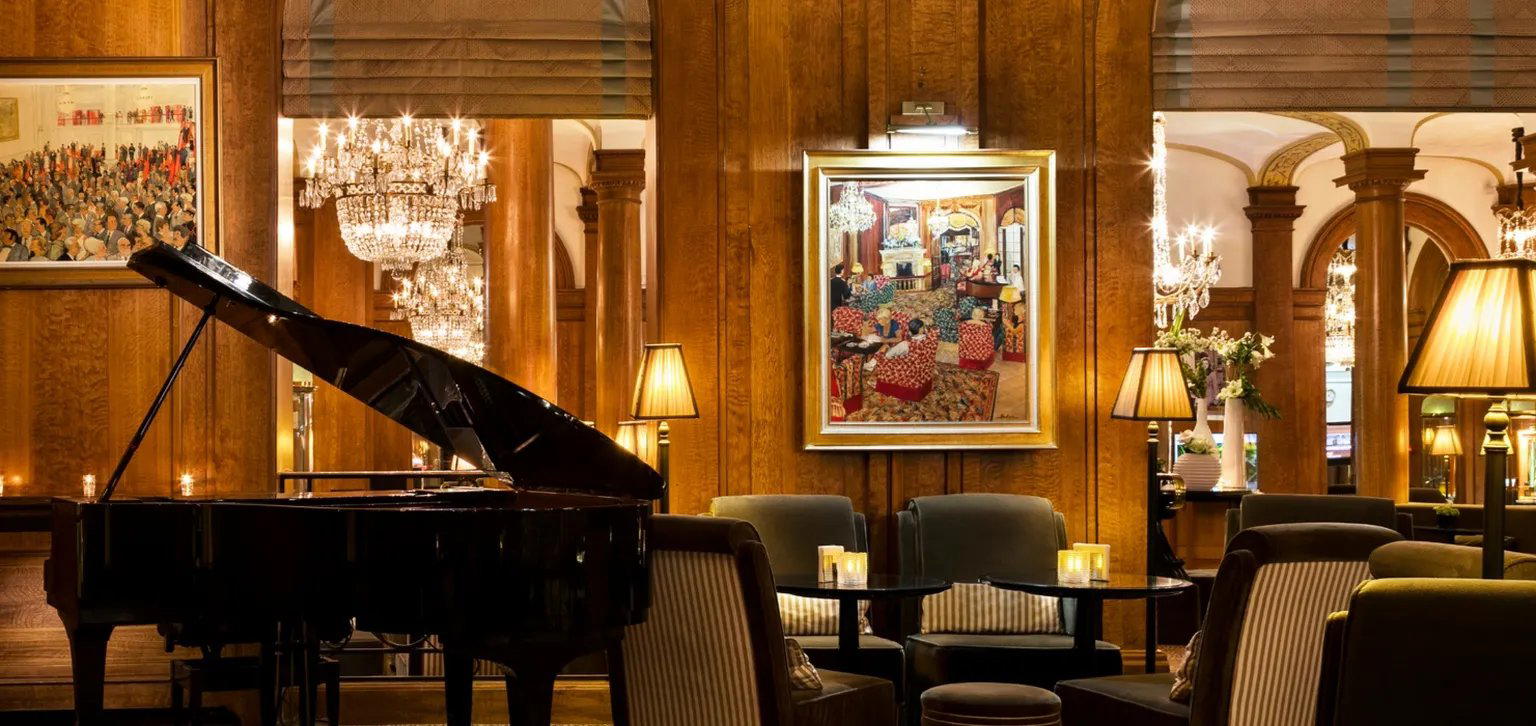
Hotels in Le Havre
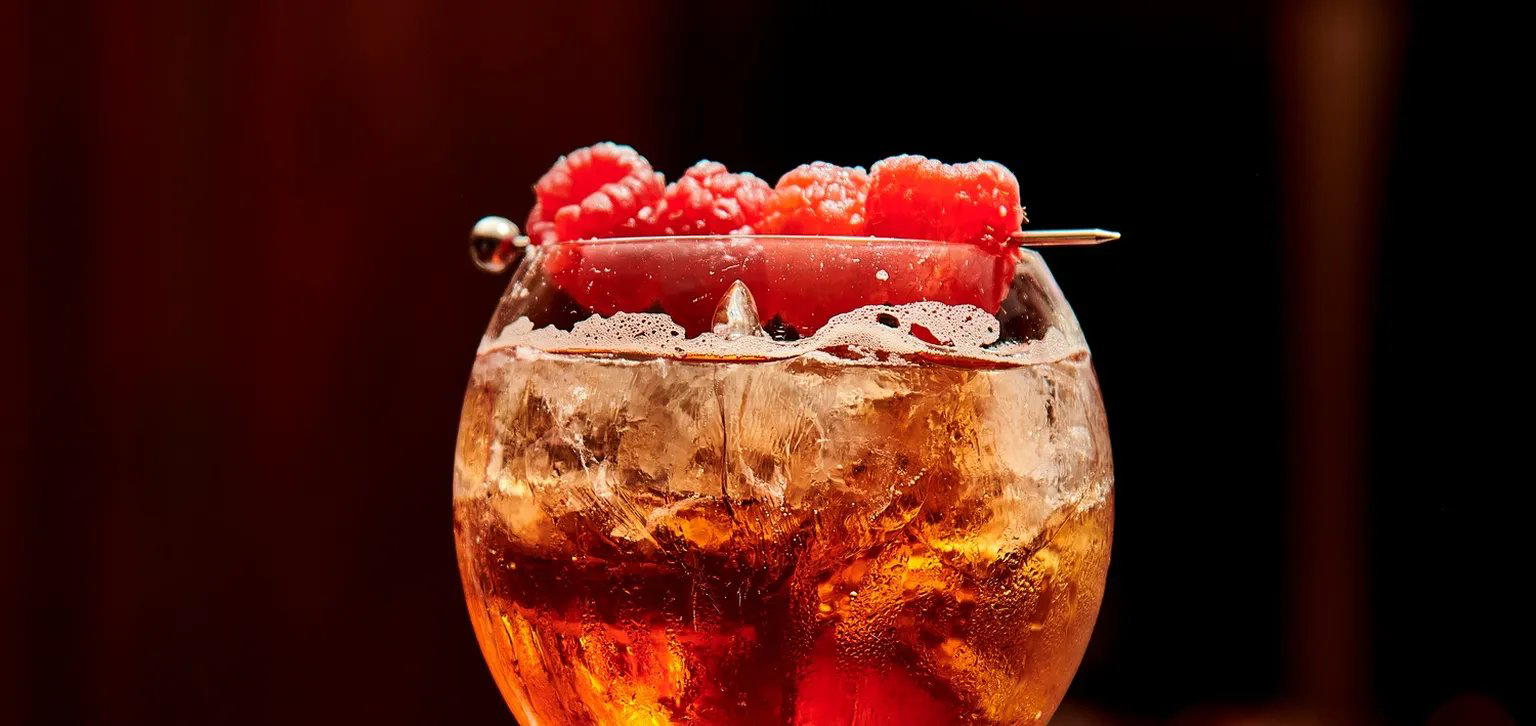
Browse all →
At a Glance
- Modern
- Cozy
- Intimate
- Casual Hangout
- Family
- Standalone
Current opening hours
- Monday
- Closed
- Tuesday
- 12–2 PM, 7–9 PM
- Wednesday
- 12–2 PM, 7–9 PM
- Thursday
- 12–2 PM, 7–9 PM
- Friday
- 12–2 PM, 7–10 PM
- Saturday
- 12–2 PM, 7–10 PM
- Sunday
- Closed
Hours can change for holidays and private events. Last verified .
Warm, cozy atmosphere with modern aesthetic and beautiful plating praised by guests.