

Gault & Millau Prestige Restaurant
Our verdict
A prestige address in Le Havre's UNESCO-listed centre, this restaurant channels Norman terroir through seafood dishes that place Normandy's coastline and countryside in direct conversation with Le Havre's modernist character. Open Wednesday through Saturday for lunch and dinner, with a fine wine list complemented by ciders and calvados.

Pearl is the En Primeur Club membership app, where members save venues, book tables and use the concierge.
The menu
What to order
- Langoustines léchées par la braise de romarin
- Œuf au plat en « Trompe l’Œil »
- Millefeuille à la vanille Bourbon
Where Norman Terroir Meets Postwar Architecture
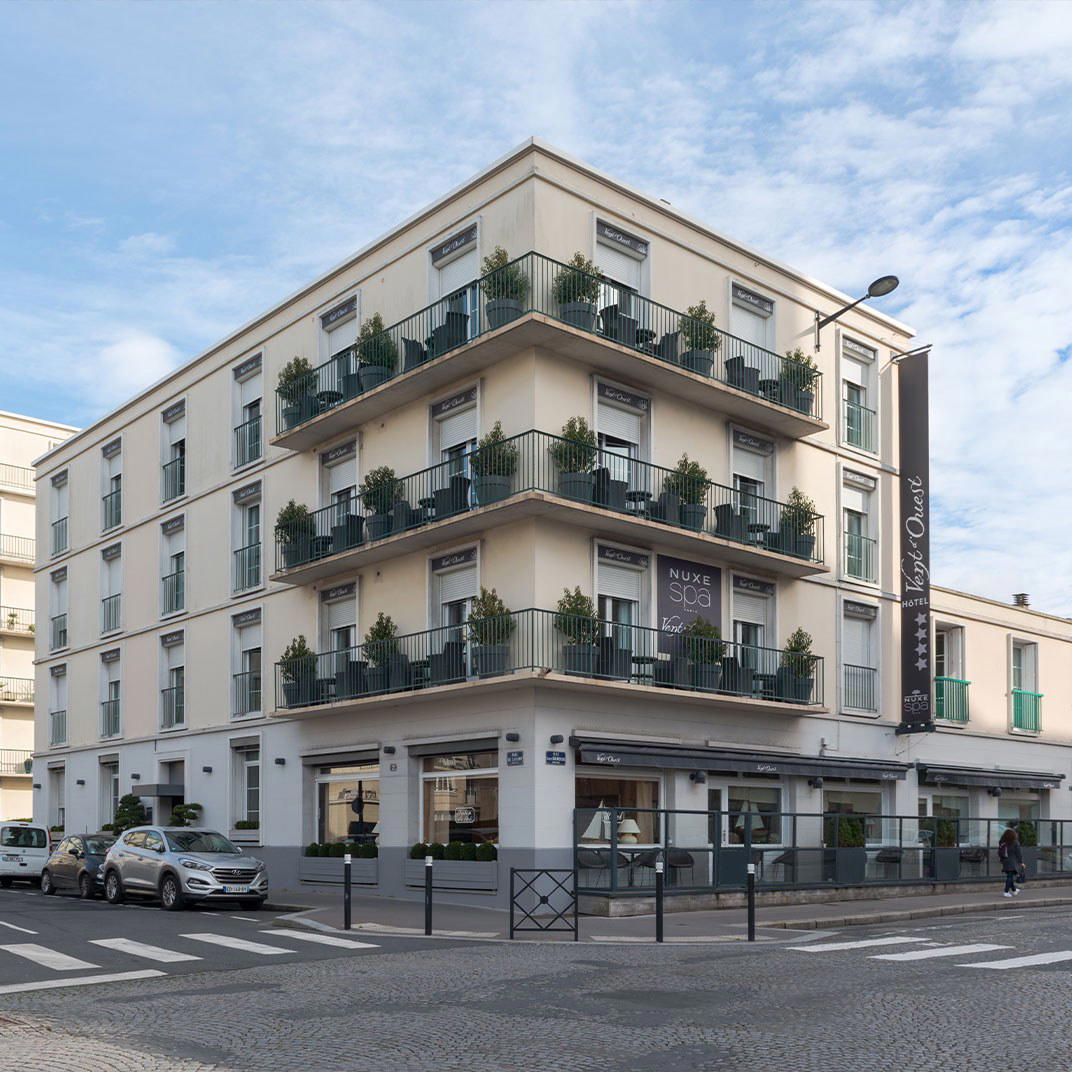
Le Havre is an unlikely setting for prestige gastronomy. Rebuilt almost entirely from scratch by Auguste Perret after wartime destruction, the city carries a rational, reinforced-concrete grid that bears little resemblance to the cobblestone-and-half-timber Normandy of popular imagination. Yet the Channel sits at the end of every sightline, the apple orchards and dairy pastures of the Pays de Caux begin within thirty kilometres, and the fishing ports of Fécamp and Étretat supply the same Atlantic waters that define Norman cuisine from Dieppe to Cherbourg. The restaurant at 73 Avenue Foch occupies that tension between austere modernism and deep regional identity, making it one of the more geographically honest addresses in northern French cooking. For those building a broader picture of the city's dining options, our full Le Havre restaurants guide covers the range from this prestige tier down to the neighbourhood bistro level.
The Legacy Being Carried Forward
The restaurant bears the name of Jean-Luc Tartarin, whose cooking placed Norman seafood in the context of contemporary French technique over many years of operation. The late chef built a menu philosophy around line-caught species, the smoke and ember work associated with the Norman grill tradition, and a respect for the region's secondary ingredients: morels from the bocage, asparagus from the Seine valley, calvados and cider from the Pays d'Auge. That grounding in provenance is not incidental to the restaurant's identity, it is the argument the cooking makes, that a port city rebuilt in glass and concrete can still express the landscape behind it through what arrives on the plate.
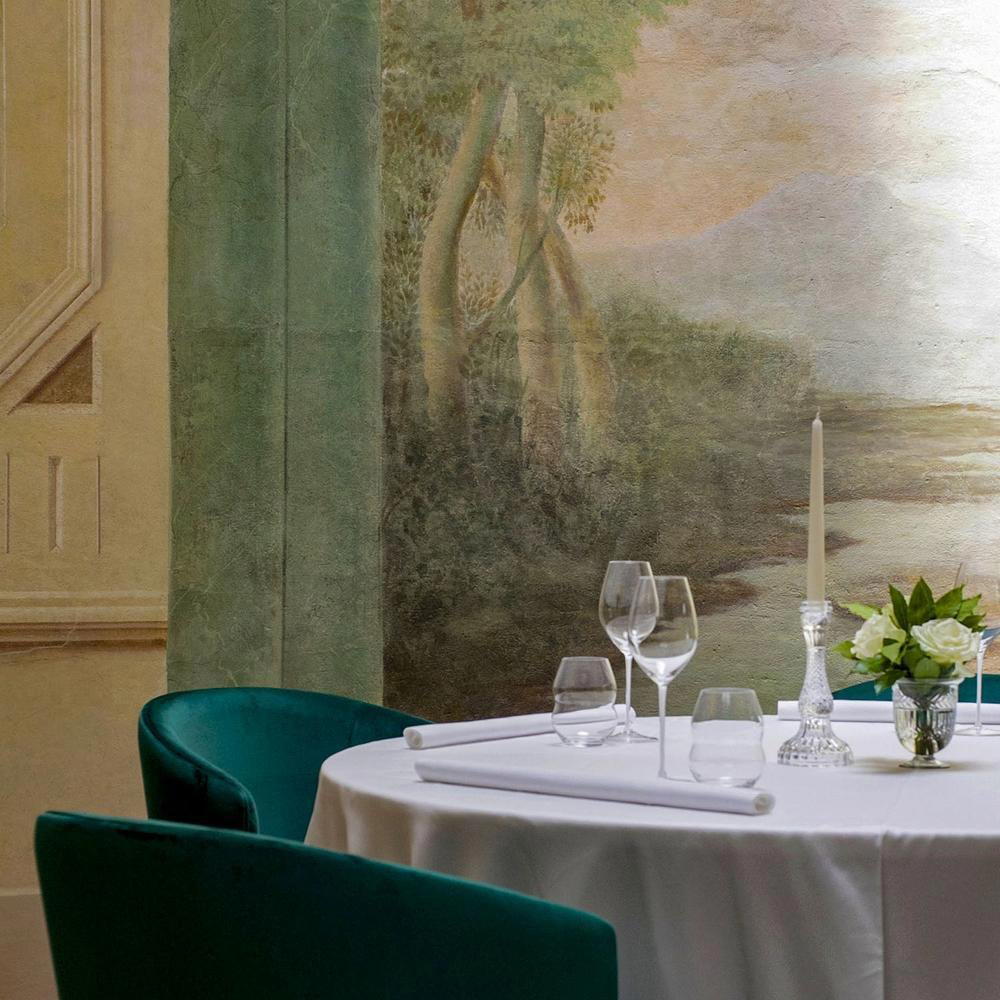
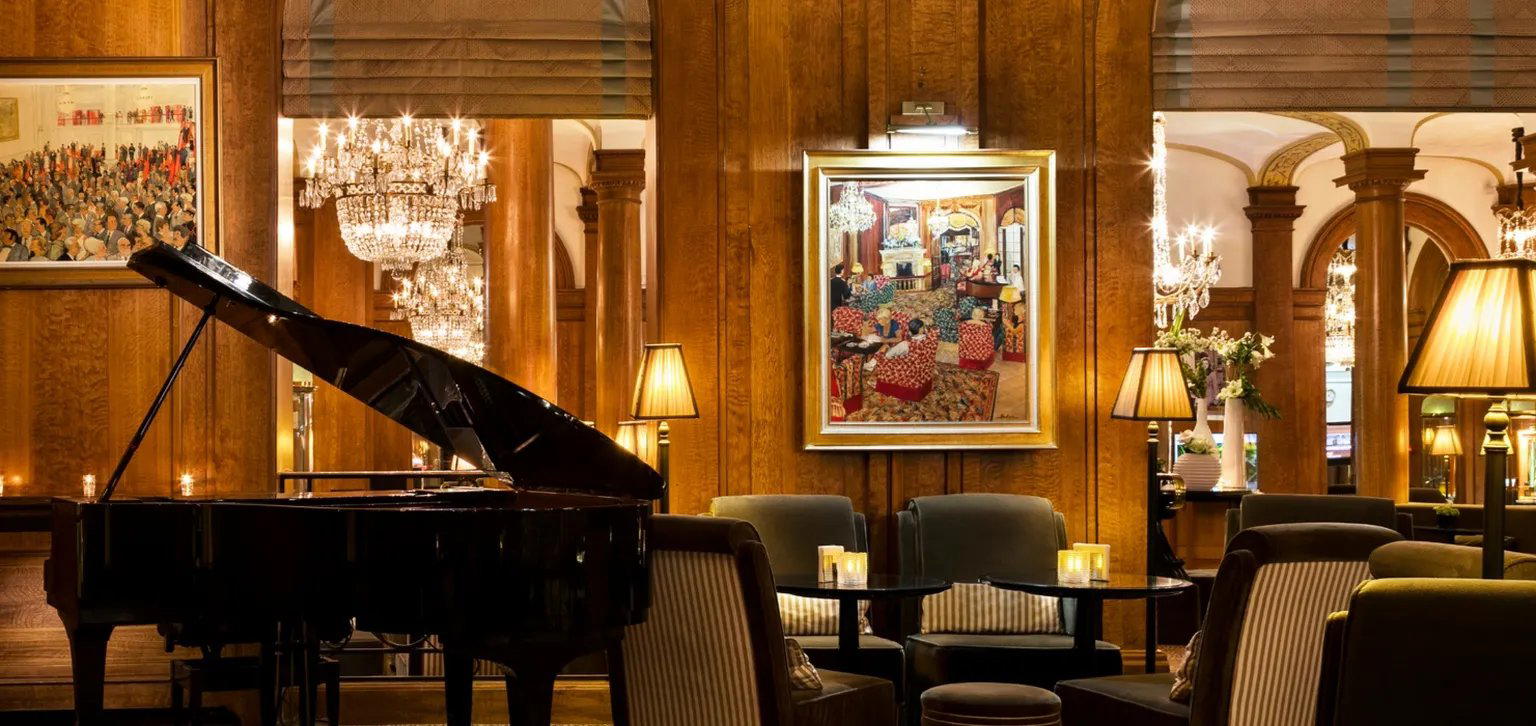
Following the chef's passing, Annabelle and her team have taken on the continuation of that programme. The dining room retains its character: a cocooned interior in soothing beige tones, a scale and register that suits the €€€€ price point without veering into the grandeur of a Paris palace. The setting sits inside Le Havre's historic centre, a UNESCO World Heritage Site recognised for Perret's postwar urban vision, which places the restaurant within one of the more architecturally significant city centres in France. For reference on how other French regions approach similarly place-rooted prestige dining, Bras in Laguiole and Flocons de Sel in Megève represent what that commitment to terroir looks like at altitude and in the volcanic south.
Normandy on the Plate: Provenance as Method
Norman cuisine operates on a specific logic: the sea provides the protein, the orchard provides the acid and the spirit, and the pasture provides the fat and the dairy. That triad, coast, orchard, bocage, is what separates Norman cooking from Breton or Picard traditions at roughly the same latitude. At this address, the kitchen works that logic with precision. OAD citations across successive years reference line-caught pollock seared in Colombo oil, a cooking approach that introduces Caribbean spice into a Norman fish without dissolving the fish's coastal character. A fat langoustine over rosemary embers draws on the Norman tradition of wood and smoke rather than the butter-heavy preparations more common inland. Calf's sweetbread with morels and green asparagus belongs to the continental French repertoire but reads here as a seasonal Norman plate: morels from spring woodland, sweetbread that reflects the region's veal heritage, asparagus that ties the dish to a specific window in the Norman agricultural calendar.
This is the kind of cooking that repays attention to origin. The Colombo oil on the pollock is a reminder that Normandy is also a port of arrival, Le Havre was historically one of the principal French gateways for Atlantic trade, and the kitchen seems willing to acknowledge that without turning it into a thesis. Compared to the maximalist creative programmes at addresses like Alléno Paris au Pavillon Ledoyen or Pierre Gagnaire, the approach here is more disciplined and regionalist, closer in spirit to the terroir-first philosophy of Auberge de l'Ill in Alsace than to the conceptual abstraction of Mirazur on the Côte d'Azur.
Critical Standing and Peer Context
The restaurant has moved steadily through Opinionated About Dining's Classical in Europe rankings: Recommended in 2023, #218 in 2024, #242 in 2025. The small ranking shift between 2024 and 2025 warrants context: the OAD Classical list is a peer-voted survey weighted toward depth of classical technique and regional authenticity rather than innovation alone, and a position in the top 250 in that category places this address in serious company nationally. For reference, the broader French prestige tier on that list includes addresses such as Assiette Champenoise in Reims, Troisgros in Ouches, and Paul Bocuse in Collonges.
Within Le Havre itself, the competitive set is thin at prestige level. Le Bouche à Oreille and Le Margote represent the city's modern cuisine tier, and both sit comfortably below this address in critical recognition. That relative isolation at the top of the local hierarchy is a structural feature of dining in a mid-sized port city: there is no lateral pressure from a cluster of peers operating at the same level, which means the kitchen competes by the standards of the OAD national list rather than the local market.
The Wine List and Regional Drink Programme
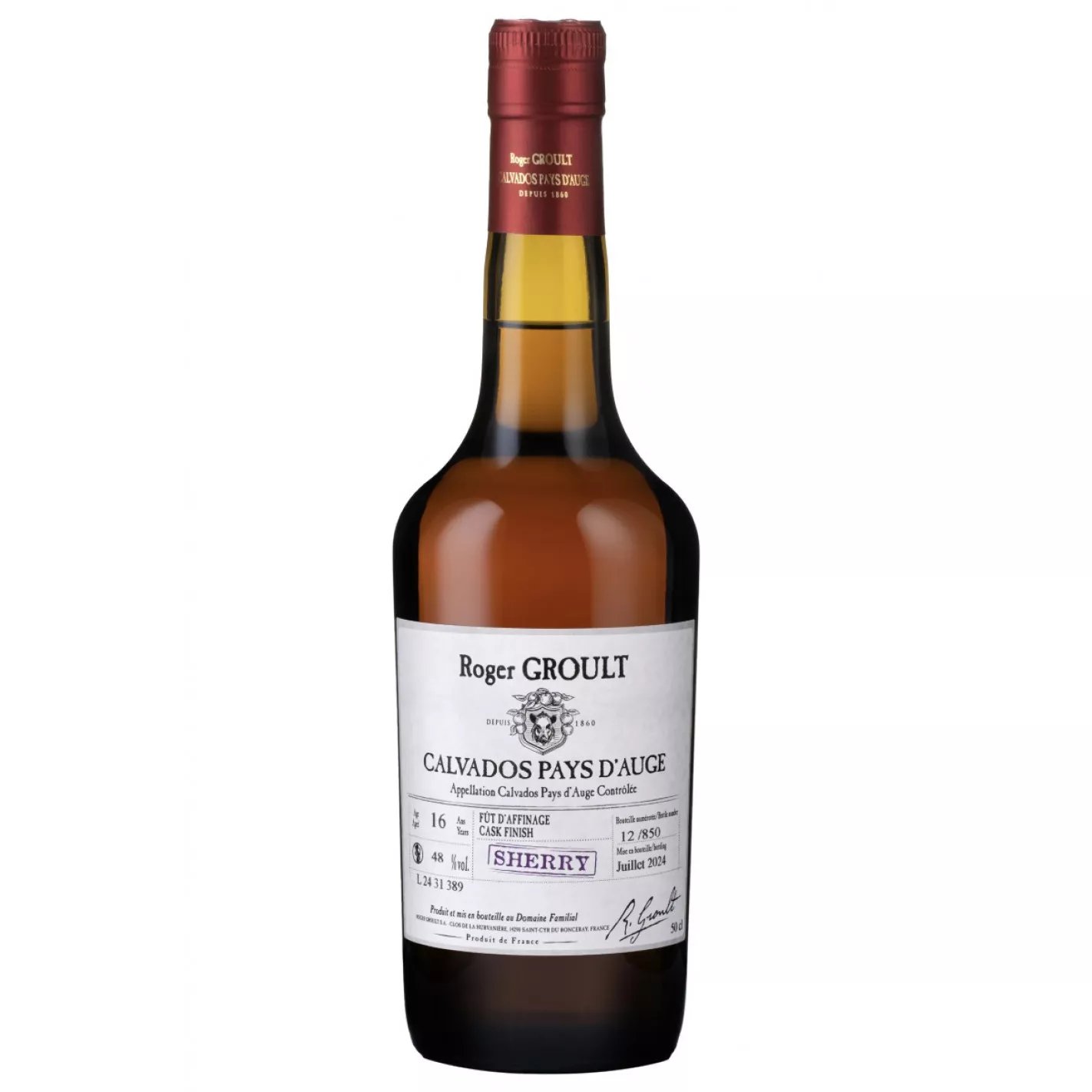
The drink programme is notable for what it includes alongside the wine list. Calvados and cider selections signal that this is not a restaurant that treats Norman regional beverages as an afterthought or a novelty pairing for tourists. Calvados, particularly aged expressions from appellations like Pays d'Auge AOP, has a legitimate place at the prestige table: its capacity to cut through cream-based preparations and complement smoked or ember-cooked fish is well-established in Norman gastronomic tradition. The presence of a considered cider selection alongside what is described as a fine wine list positions the restaurant within a French regional tradition that takes its non-wine ferments seriously, a practice more common in Normandy and Brittany than in the Loire or Burgundy corridors. For those interested in how drink culture extends across the city, our Le Havre bars guide covers the broader scene.
Planning Your Visit
The restaurant opens Wednesday through Saturday, covering both lunch (12:00 to 13:30) and dinner (19:00 to 21:30), and is closed Sunday through Tuesday. That four-day operating week is standard at this tier of French restaurant and has implications for booking: availability compresses into fewer service slots than a six-day operation, and at €€€€ pricing in a city with limited prestige alternatives, demand for the better tables can outpace the calendar. Booking ahead is advisable, particularly for dinner on Friday or Saturday. The address at 73 Avenue Foch sits within the UNESCO-listed historic centre, accessible from the central station by a short journey through the Perret district. For those combining the visit with overnight accommodation, our Le Havre hotels guide covers the city's hotel options, and our Le Havre experiences guide and wineries guide provide further context for building out a longer stay in the region. For creative French cooking at a comparable prestige level, AM par Alexandre Mazzia in Marseille and Le Pré Catelan in Paris represent what the €€€€ French creative tier delivers in other cities.
Frequently asked questions
Would Jean-Luc Tartarin be comfortable with kids?
At €€€€ pricing with a formal OAD Classical in Europe ranking (#242 in 2025), this is a room built around quiet concentration rather than family flexibility. The cocooned, beige-toned interior and the seriousness of the cooking make it a better fit for adults with an interest in Norman cuisine than for young children.
Is Jean-Luc Tartarin formal or casual?
It reads as a serious address without the stiffness of a metropolitan grand dining room. Le Havre carries its own character, and the interior, warm, beige-toned, deliberately cocooned, creates intimacy rather than ceremony. OAD's Classical in Europe designation signals high technical standards, so dress accordingly, but the atmosphere leans composed rather than austere.
What's Jean-Luc Tartarin known for in terms of accolades?
Jean-Luc Tartarin has received recognition including: Opinionated About Dining Classical in Europe Ranked #242 (2025); Category: Prestige; The late Jean-Luc Tartarin, ever true to his native Normandy, has left his mark on the French gastronomy scene with seafood dishes in which the modernism o….
What dish is Jean-Luc Tartarin famous for?
OAD citations across 2024 and 2025 reference line-caught pollock seared in Colombo oil and langoustine finished over rosemary embers as recurring markers of the kitchen's approach. Both dishes reflect the house philosophy: Norman seafood handled through contemporary French technique, with regional terroir driving the flavour logic rather than ornamentation.
What does dinner at Jean-Luc Tartarin typically cost?
Pricing at Jean-Luc Tartarin is listed as €€€€.
When is Jean-Luc Tartarin open?
Hours at Jean-Luc Tartarin: Monday closed Tuesday closed Wednesday 12 PM-1:30 PM 7 PM-9:30 PM Thursday 12 PM-1:30 PM 7 PM-9:30 PM Friday 12 PM-1:30 PM 7 PM-9:30 PM Saturday 12 PM-1:30 PM 7 PM-9:30 PM Sunday closed.
In Context: Similar Options
| Venue | Cuisine | Price | Awards | Notes |
|---|---|---|---|---|
| Jean-Luc TartarinThis venue (the venue you are viewing) | Modern French Norman Seafood | $150–200 | Gault & Millau Prestige Restaurant | Not listed |
| Alléno Paris au Pavillon Ledoyen | Modern French Fine Dining | $150–200 | 3 Michelin Stars · World's 50 Best #79 | Creative |
| Kei | Contemporary French, Modern Cuisine | Not listed | Michelin 3 Star | Not listed |
| L'Ambroisie | Classic French Haute Cuisine | $300–500 | 2 Michelin Stars · World's 50 Best #23 | French, Classic Cuisine |
| Le Cinq - Four Seasons Hôtel George V | Modern French Fine Dining | $300–500 | 3 Michelin Stars · World's 50 Best #24 | French, Modern Cuisine |
| Plénitude | Modern French Sauce-Led Fine Dining | $300–500 | 3 Michelin Stars · World's 50 Best #14 | Contemporary French |
Recognition history
Dated appearances from independent guides and award organizations, with the underlying list record or original source where available.
Gault & Millau Prestige Restaurant
Gault & Millau
Opinionated About Dining Classical in Europe Ranked #242
Opinionated About Dining
Full recognition history (4 entries)
Opinionated About Dining Classical in Europe Ranked #218
Opinionated About Dining
Opinionated About Dining Classical in Europe Recommended
Opinionated About Dining
Continue exploring
More in Le Havre
Restaurants in Le Havre
All restaurants in Le Havre →
Bars in Le Havre
Browse all →
Details
- Elegant
- Intimate
- Cozy
- Sophisticated
- Date Night
- Special Occasion
- Celebration
- Open Kitchen
- Extensive Wine List
- Sommelier Led
- Local Sourcing
- Street Scene
- Tasting Menu
- A La Carte
- Wine
- Vegetarian Friendly
Current opening hours
- Monday
- Closed
- Tuesday
- Closed
- Wednesday
- 12–1:30 PM, 7–9:30 PM
- Thursday
- 12–1:30 PM, 7–9:30 PM
- Friday
- 12–1:30 PM, 7–9:30 PM
- Saturday
- 12–1:30 PM, 7–9:30 PM
- Sunday
- Closed
Hours can change for holidays and private events. Hours as of .
Pleasant, cosy setting with soothing beige tones or black and white chic, modern yet adapted to Perret style architecture.