Set inside Le Havre's Halles Centrales market hall on Rue Bernardin de Saint-Pierre, La Singerie operates within one of Normandy's most characterful covered markets. The address places it inside a daily food culture built on Channel seafood, Norman dairy, and regional produce, context that shapes what ends up on the plate and how the menu is assembled.
Pearl is the En Primeur Club membership app — saves, bookings, and concierge access live there. Same editors, same standards.
- Address
- Halles Centrales, 13 Rue Bernardin de Saint-Pierre, 76600 Le Havre, France
- Phone
- +33982421138
- Website
- la-singerie.com
- Directions
- Get directions
 Saves & bookings on Pearl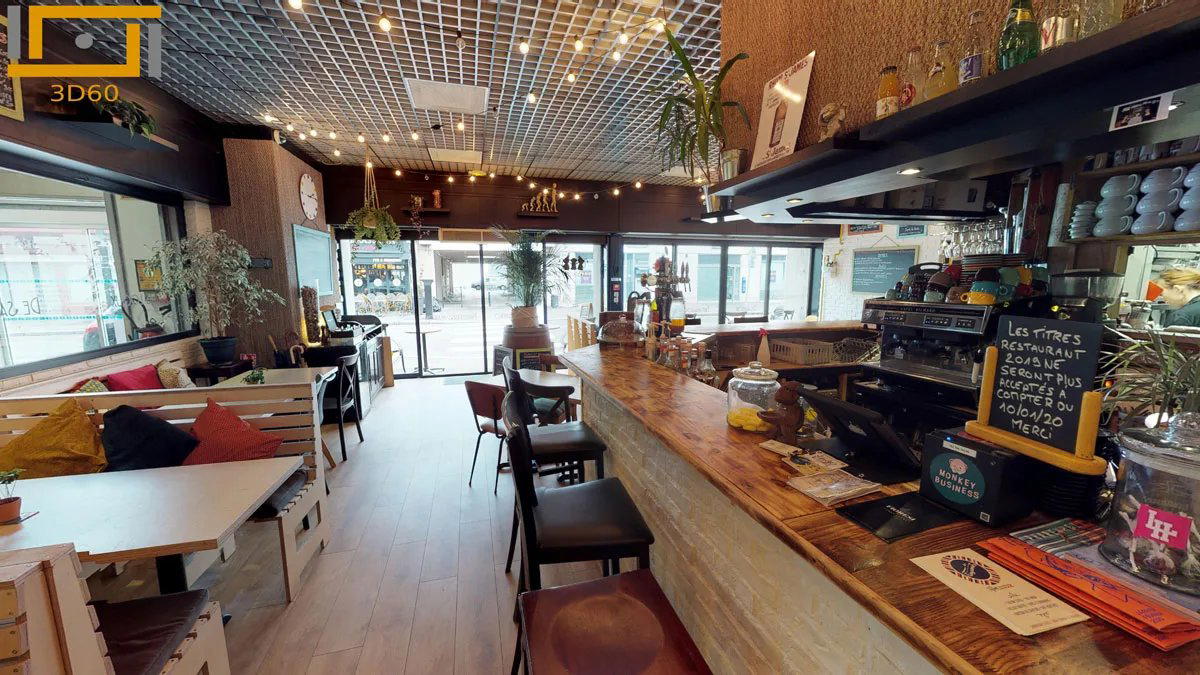
A Market Address and What It Means for the Plate
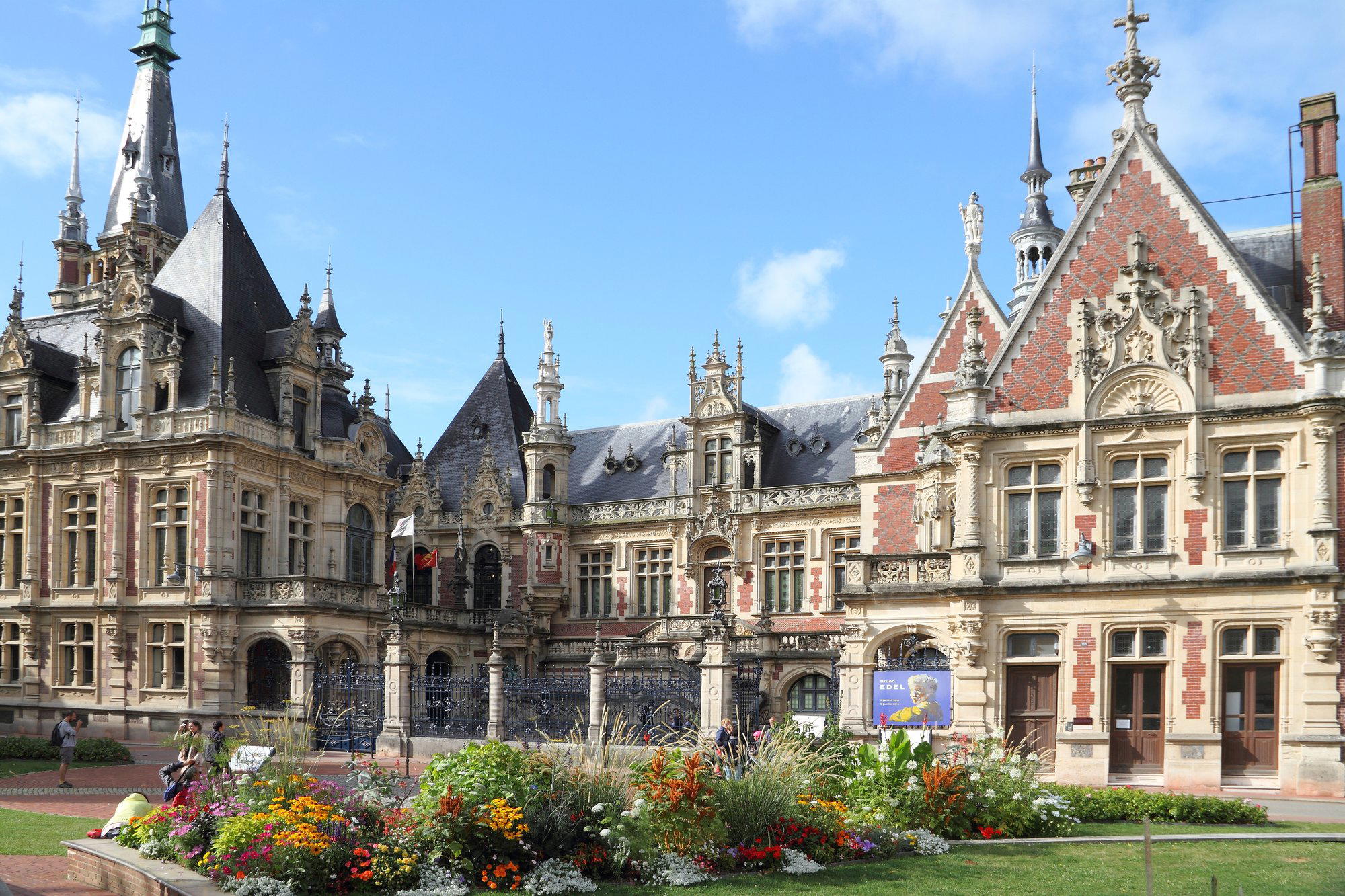
Covered market restaurants occupy a specific position in French dining culture. They are not bistros that happen to be near a market; they are venues whose menus are structurally dependent on what the surrounding stalls produce each morning. La Singerie, addressed to the Halles Centrales at 13 Rue Bernardin de Saint-Pierre in Le Havre, sits inside that tradition. The Halles Centrales is one of the anchor food markets in a port city that has rebuilt its civic identity around concrete modernism and practical commerce since Auguste Perret's postwar reconstruction, a UNESCO-listed urban project that gives Le Havre's centre a visual coherence few French cities can match. Walking into the covered market, the ambient logic is familiar to anyone who has spent time in French provincial food culture: stall proximity determines freshness hierarchy, and the restaurants operating within or adjacent to that infrastructure have first access to what arrives that morning.
For Le Havre specifically, that means Norman produce in concentration: Channel fish and shellfish, cream and butter from the Pays de Caux, cider-country apples, and the duck and offal traditions that run through Normandy's inland cooking. A restaurant inside the Halles Centrales is, almost by structural necessity, reading that produce supply and building its menu accordingly. The editorial interest of La Singerie lies partly in what that positioning implies about how the kitchen works, and partly in how it compares to Le Havre's broader restaurant scene, which ranges from destination-level French creative cooking to more casual neighbourhood formats.
How the Menu Architecture Reads
In covered-market settings across France, menu architecture tends to follow one of two models. The first is the daily-board format: a short, handwritten or chalked menu that changes entirely based on what was available at opening. The second is a hybrid approach, where a core structure of three or four courses remains fixed in format but the specific content rotates with supply. Both models share a common principle: the menu is downstream of the market, not upstream of it. This is a meaningful distinction from restaurants that negotiate fixed-supply contracts with producers and then design menus months in advance.
What this means practically for a diner is that the decision about what to eat is partly made by the market that morning. It is a format that rewards flexibility over preference lists, and it tends to produce cooking that is seasonal in a granular, week-to-week sense rather than the broader quarterly rotation that characterises more structured tasting menu operations. Compared to Le Havre's higher-end positioning, Jean-Luc Tartarin (French, Creative) operates at the €€€€ tier with the kind of composed creative cooking that requires longer planning cycles, a market-hall address like La Singerie suggests a different relationship with spontaneity and daily supply.
Within the Le Havre scene, this places the restaurant in a different competitive cohort from destination-led restaurants. Its comparable set is closer to the informal, produce-driven operations that French covered markets historically sustain: lunch-focused, relatively accessible in price positioning, and built around throughput rather than extended tasting sequences. Venues like A Deux Pas d'Ici and La Petite Brocante represent the city's neighbourhood bistro register; BLACK PEARL and La Tablée point toward other parts of the spectrum. The restaurant's Halles Centrales location is its primary differentiator within that set.
Le Havre's Dining Context
Le Havre is not a city that operates within the same gravitational pull as Paris, Lyon, or Bordeaux in terms of fine dining expectation. It is a working port with a strong local food culture shaped more by Norman tradition and maritime access than by aspirational restaurant development. That context matters for understanding what a market-hall restaurant here represents. Across France's provincial cities, covered markets function as the day-to-day infrastructure of eating well without ceremony: reliable, ingredient-led, and often more honest about what French cooking actually looks like outside of the Michelin-starred tier.
That starred tier in France produces some of the country's most discussed cooking. Operations like Mirazur in Menton, Flocons de Sel in Megève, and Troisgros - Le Bois sans Feuilles in Ouches define one end of the spectrum, as do the historic anchors: Auberge de l'Ill in Illhaeusern, Bras in Laguiole, and Paul Bocuse - L'Auberge du Pont de Collonges in Collonges-au-Mont-d'Or. Paris concentrates its own tier, with Alléno Paris au Pavillon Ledoyen and Assiette Champenoise in Reims anchoring the northern French creative cooking conversation. Further afield, AM par Alexandre Mazzia in Marseille and Au Crocodile in Strasbourg show how regional identity feeds high-end expression across France's geographic spread. Even internationally, French culinary influence is visible at addresses like Le Bernardin in New York City and in the cross-cultural dialogue of Atomix in New York City.
The restaurant operates nowhere near that register, nor does it try to. What the Halles Centrales address offers is something different: daily access to Norman produce in a setting where the market itself is the main attraction and the restaurant is an extension of that morning's supply. For a city like Le Havre, with its strong working-port identity and its Perret-designed centre drawing increasing architectural tourism, that kind of embedded, market-dependent cooking is more representative of how the city actually eats than any formal restaurant could be.
Planning a Visit
The Halles Centrales operates on market hall hours, which in most French cities means a morning-to-early-afternoon window with reduced activity on Mondays. Visitors should plan around a late-morning arrival to see the market at full supply, which also aligns with typical lunch service timing for a market-hall restaurant. Specific hours, booking requirements, and current menu details should be checked before making firm plans. The address at 13 Rue Bernardin de Saint-Pierre is direct to reach from Le Havre's city centre on foot, particularly from the area around the Perret-designed St Joseph's Church, which draws visitors to this part of the city regardless.
A Credentials Check
Comparable venues nearby, for context on price, style, and recognition.
| Venue | Cuisine | Price | Notes |
|---|---|---|---|
| La SingerieThis venue — the venue you are viewing | French Brasserie with Seasonal and Vegetarian Options | $$ | Not listed |
| A Deux Pas d'Ici | Normandy French Bistro | $$ | Saint-François |
| Le Bistrot des Halles | Traditional French Bistro | $$ | Place des Halles Centrales |
| La Petite Brocante | Traditional French Brasserie | $$ | near Halles Centrale |
| BLACK PEARL | Modern French Creperie | $$ | :null |
| Le Grignot | Traditional French Brasserie & Seafood | $$ | Centre-ville Perret |
Continue exploring
More in Le Havre
Restaurants in Le Havre
Browse all →
Bars in Le Havre
Browse all →

Hotels in Le Havre
Browse all →
At a Glance
- Cozy
- Family
- Casual Hangout
- Brunch
- Terrace
- Local Sourcing
Current opening hours
- Monday
- Closed
- Tuesday
- 9 AM–6 PM
- Wednesday
- 9 AM–6 PM
- Thursday
- 9 AM–8 PM
- Friday
- 9 AM–11 PM
- Saturday
- 9 AM–8 PM
- Sunday
- 9 AM–12:30 PM
Hours can change for holidays and private events. Last verified .
Lively and cheerful setting with simplicity, generosity, and good humor, welcoming families in the heart of the covered market.