
A Michelin Selected hotel on Le Havre's central rue de Caligny, Vent d'Ouest occupies a handsome address in a city better known for Auguste Perret's UNESCO-listed postwar reconstruction than for boutique hospitality. The property sits at the measured end of the French regional hotel spectrum, where architectural context and neighbourhood character count for more than resort-scale amenities.
Pearl is the En Primeur Club membership app — saves, bookings, and concierge access live there. Same editors, same standards.
- Address
- 4 Rue de Caligny, 76600 Le Havre, France
- Phone
- +33 2 35 42 50 69
- Website
- ventdouest.fr
- Directions
- Get directions
 Saves & bookings on Pearl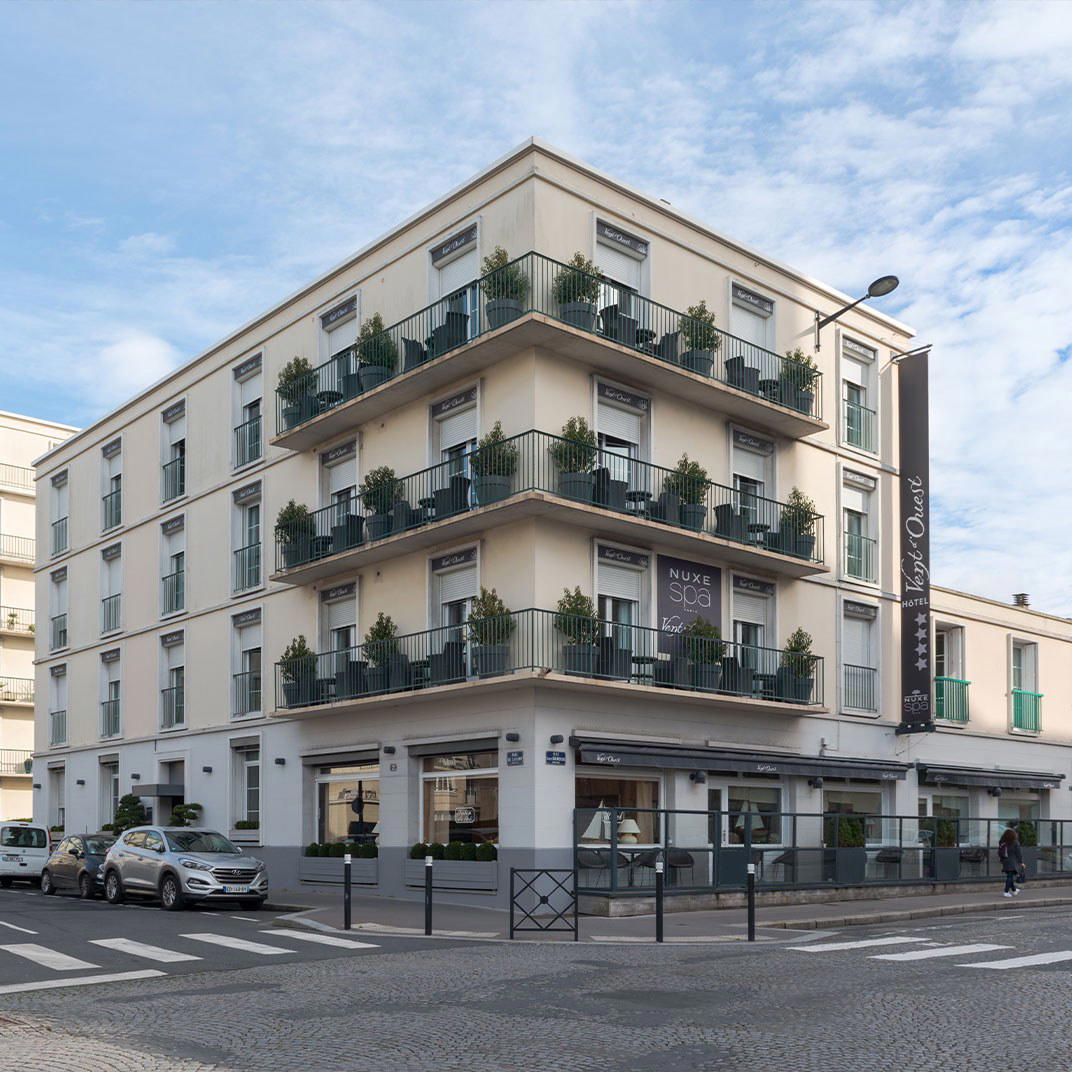
A Postwar City, a Ship-Shaped Address
Le Havre divides visitors immediately. The city's defining visual grammar is not medieval stone or Belle Époque ironwork but the grid Auguste Perret imposed after Allied bombing levelled the port quarter in 1944. The result, now a UNESCO World Heritage Site, is a mid-century urban experiment in pre-cast concrete: regular facades, generous light-shafts between buildings, and a civic scale that feels more like a manifesto than a marketplace. Staying here is not the same choice as arriving at Le Bristol Paris or settling into Hôtel de Paris Monte-Carlo. It is a decision to engage with a specific, uncompromising piece of twentieth-century French urban history.
Vent d'Ouest, at 4 rue de Caligny, sits within that context. The address places it close to the Bassin du Commerce and the pedestrianised centre Perret planned, which means the hotel's immediate surroundings carry the same regularised facades and wide pavements that characterise the heritage zone. For a guest arriving from Paris Saint-Lazare by direct train, the transition from Haussmann to Perret is legible within minutes of the station.
Design Identity in a Perret Context
French regional boutique hotels have split across two broad formats in recent decades. One cohort leans into heritage restoration: exposed timber, flagstone, the vocabulary of the maison de maître. The other works against its architectural envelope, placing contemporary interiors inside conventional shells. Vent d'Ouest belongs to a third, less common position: a property that has assembled a coherent decorative identity without the support of a historic building's inherent drama.
The name references the Atlantic west wind that shapes Normandy's coastal climate, and the hotel's interior register follows through on that maritime and Normandy sensibility without becoming nautical pastiche. This approach places it in a comparable set with independently operated French provincial hotels that trade on specificity of place rather than chain standardisation. Properties in that tier, whether in Normandy, Champagne, or Provence, succeed or fail on the coherence of their editorial point of view. Compare the wine-estate immersion at Les Sources de Caudalie or the garrigue-and-stone language of La Bastide de Gordes: each property makes a legible claim about where it is. Vent d'Ouest makes a similar claim about Le Havre's Atlantic-facing identity, and the Michelin Selected recognition in the 2025 guide signals that the claim holds.
Michelin Selection and What It Signals
The Michelin Selected designation, as applied in the 2025 hotel guide, does not carry the star hierarchy of the restaurant awards but it is not cursory either. The selection process applies editorial criteria across comfort, character, and consistency of experience, and in a city with Le Havre's limited stock of internationally recognised accommodation, appearing on the list places the hotel in a small, defined bracket. For travellers using the guide as a filter, this is the relevant trust signal: the property has been evaluated against Michelin's hotel standards and retained inclusion in the current edition.
That context matters when comparing options along the Normandy coast. To the east, La Ferme Saint-Siméon in Honfleur operates at the higher-tariff, more tourism-saturated end of Norman hospitality. Le Havre, by contrast, is a working port city that receives fewer leisure travellers precisely because its architectural character is an acquired taste. The hotel functions as the considered choice in that market, for guests who want a Michelin-vetted address without the bustle of a heritage-tourism circuit.
Le Havre as a Destination Proposition
The case for Le Havre as a destination rather than a transit node has strengthened over the past decade. The MuMa (Musée d'Art Moderne André Malraux) holds one of France's most significant Impressionist collections outside Paris, with particular depth in Boudin and Raoul Dufy, both locally connected. The MUMA building, facing the sea at the harbour's edge, is itself a piece of considered postwar architecture. The Appartement Témoin, a reconstructed flat showing Perret's original vision for domestic space in the rebuilt city, draws architecture visitors from across Europe. These are not peripheral attractions. For a certain traveller, they are the entire point.
The city's food scene is anchored by Norman produce: Channel fish, cream-rich preparations, and the apple-based drinks culture, cider and calvados, that distinguishes the region from wine-led France to the south. Dining at this latitude requires different reference points than the Provence estates or Riviera addresses that define luxury French hospitality elsewhere. Consider the contrast with Hotel du Cap-Eden-Roc or La Réserve Ramatuelle: both are calibrated to Mediterranean light and leisure at scale. The hotel operates in a northern register where scale is modest and the surrounding city's textures, concrete, sea air, working port infrastructure, are the actual context rather than a backdrop.
Planning a Stay
The hotel is at 4 rue de Caligny in central Le Havre, within walking distance of the main SNCF station, which makes it a functional base for arriving by train from Paris (approximately two hours from Saint-Lazare). The property carries Michelin Selected status in the 2025 guide, which provides a useful benchmark for expectations. For those building a broader French itinerary beyond Normandy, the EP Club covers a range of Michelin-recognised properties across the country, including Royal Champagne Hotel & Spa in Champillon, Domaine Les Crayères in Reims, and Château du Grand-Lucé in Le Grand-Lucé.
Comparison Snapshot
Comparable venues nearby, for context on price, style, and recognition.
| Venue | Cuisine | Price | Awards | Notes |
|---|---|---|---|---|
| Vent d'OuestThis venue — the venue you are viewing | Charming retro seaside hotel in historic Perret building | $$$ | 4-Star | Not listed |
| Maison Nô - Hôtel et Rooftop | Intimate 4-star boutique hotel in a converted former bank in the heart of Lyon’s Presqu’île. | $$$ | 4-Star | Presqu'île |
| Victoria Boutique Hotel | Contemporary boutique hotel blending laid-back seaside charm with crisp modern design in a compact, walkable town center location. | $$$ | 4-Star | Town Center |
| Le Jeu de Paume Chamonix | Alpine chalet with Parisian heritage, blending traditional Savoyard architecture with contemporary luxury and eco-conscious design principles. | $$$$ | 4-Star | Lavancher |
| Rock Noir | Contemporary Alpine chalet | $$$ | 4-Star | La Salle-les-Alpes |
| Les Jardins de Coppélia | 17th-century manor with contemporary eco-luxury renovations | $$$$ | 4-Star | Pennedepie |
Recognition history
Dated appearances from independent guides and award organizations, with the underlying list record or original source where available.
Michelin Selected
Michelin
Continue exploring
More in Le Havre
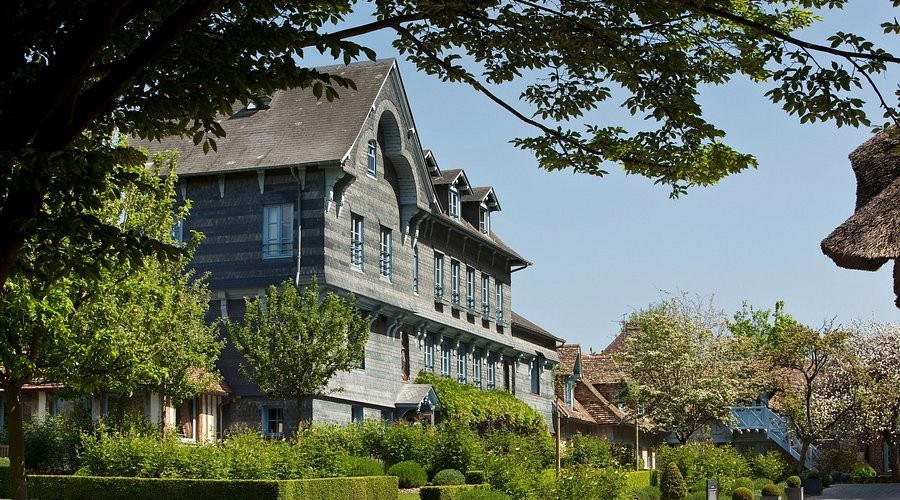
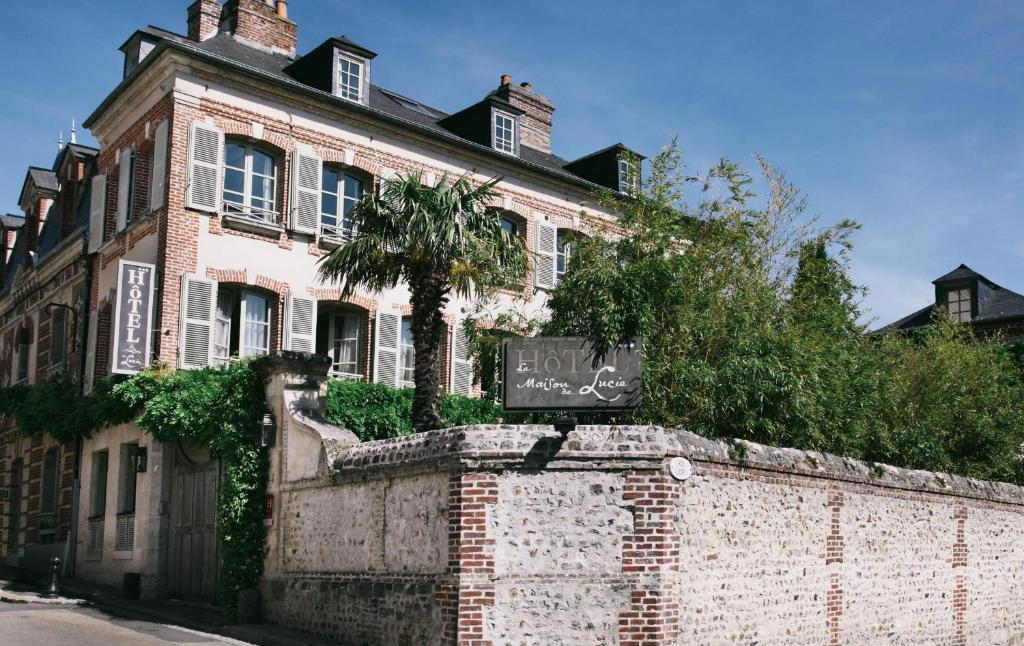
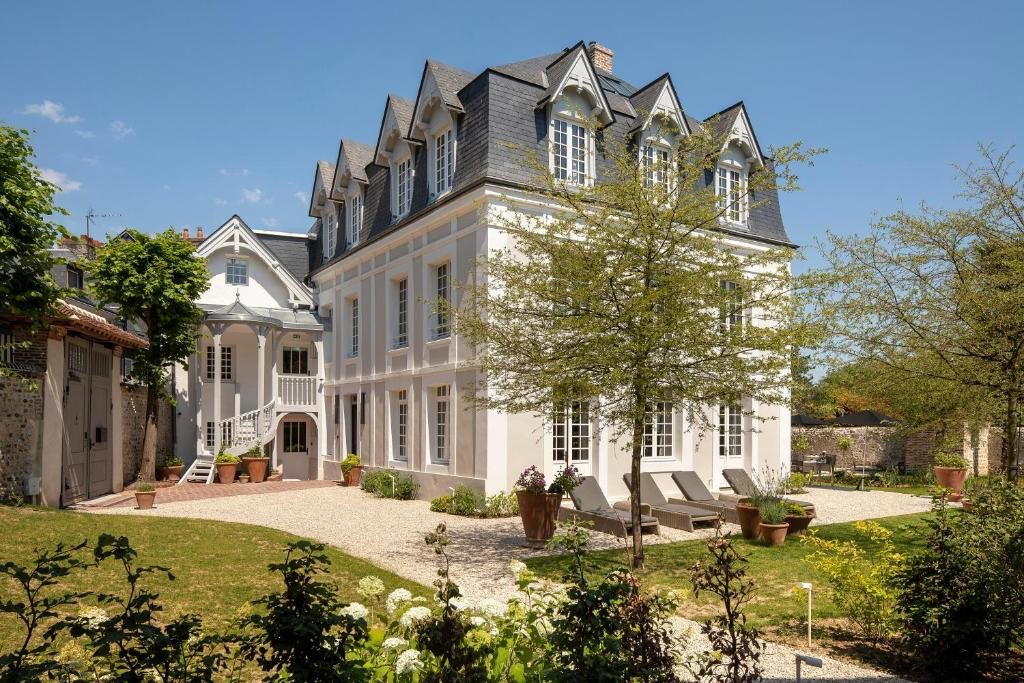
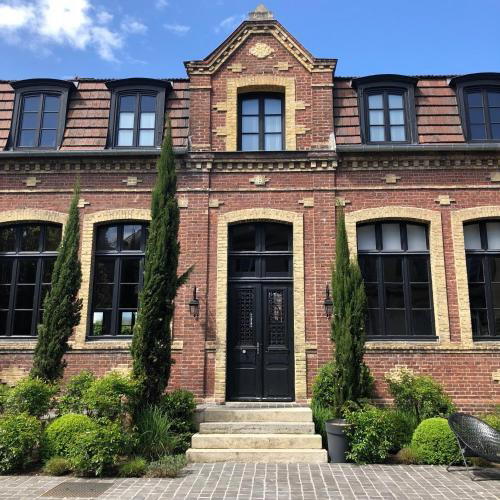
Hotels in Le Havre
Browse all →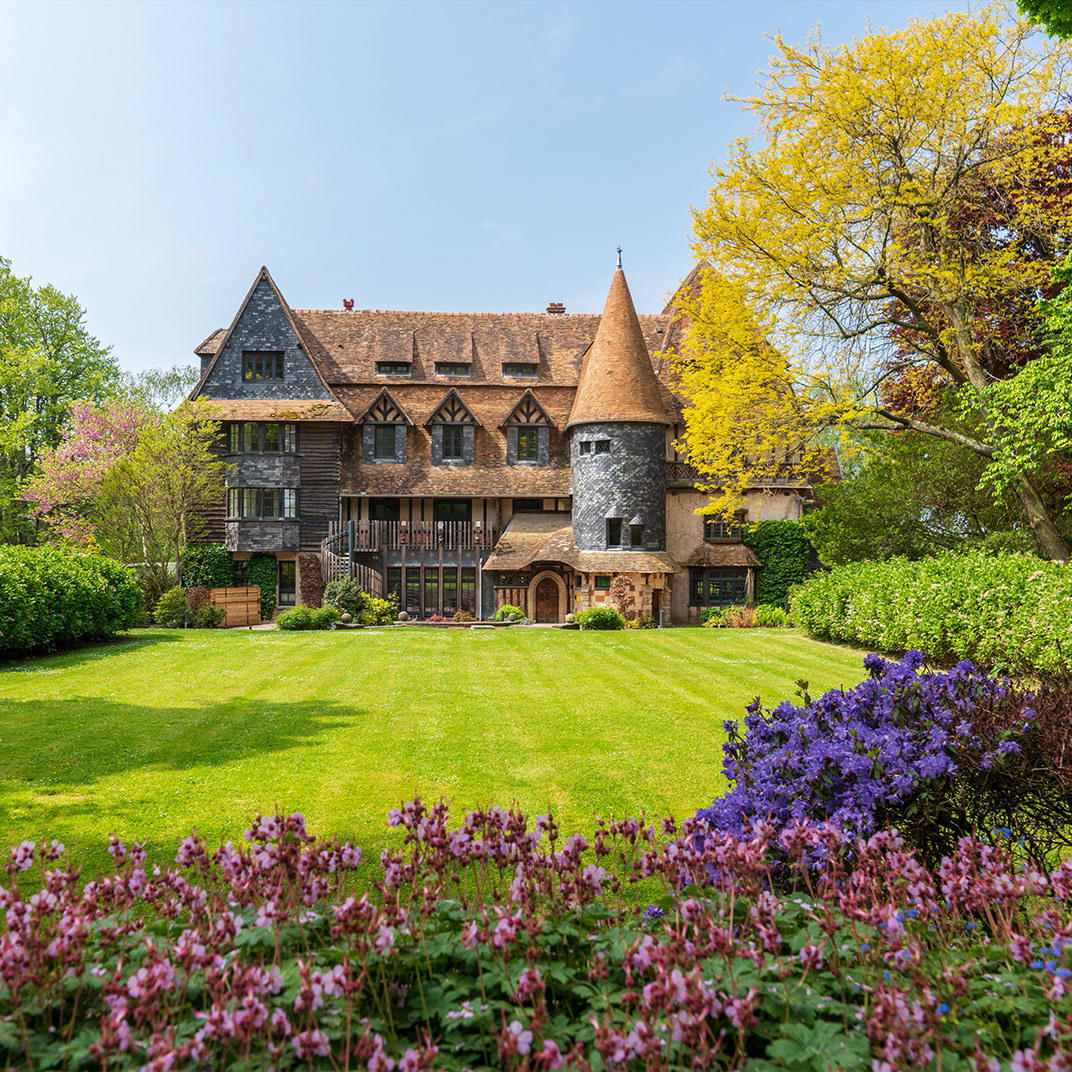
Bars in Le Havre
Browse all →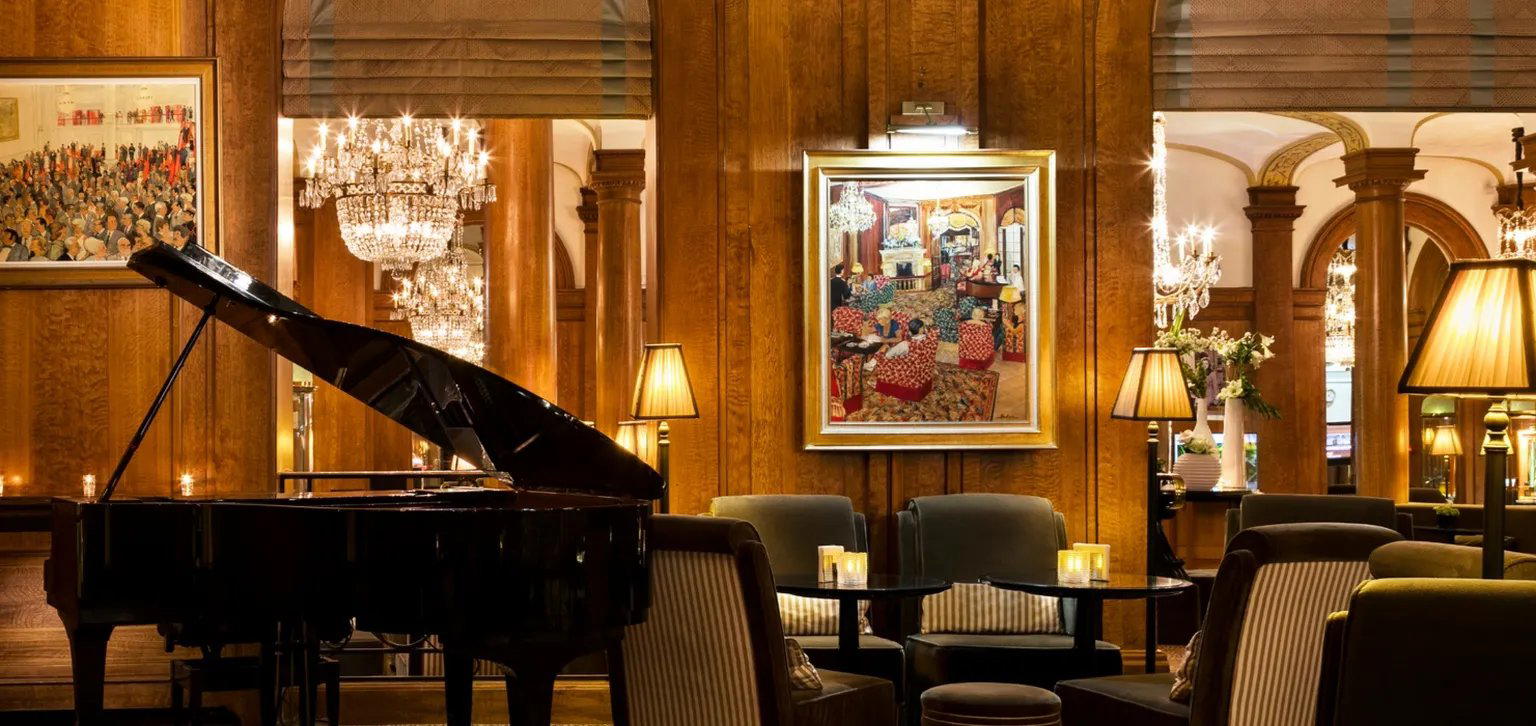
Restaurants in Le Havre
Browse all →
At a Glance
- Cozy
- Elegant
- Romantic
- Classic
- Romantic Getaway
- Family Vacation
- Weekend Escape
- Terrace
- Wi Fi
- Spa
- Massage
- Restaurant
- Bicycle Rental
- Street Scene
- Wi Fi
- Spa
- Massage
- Restaurant
- Bicycle Rental
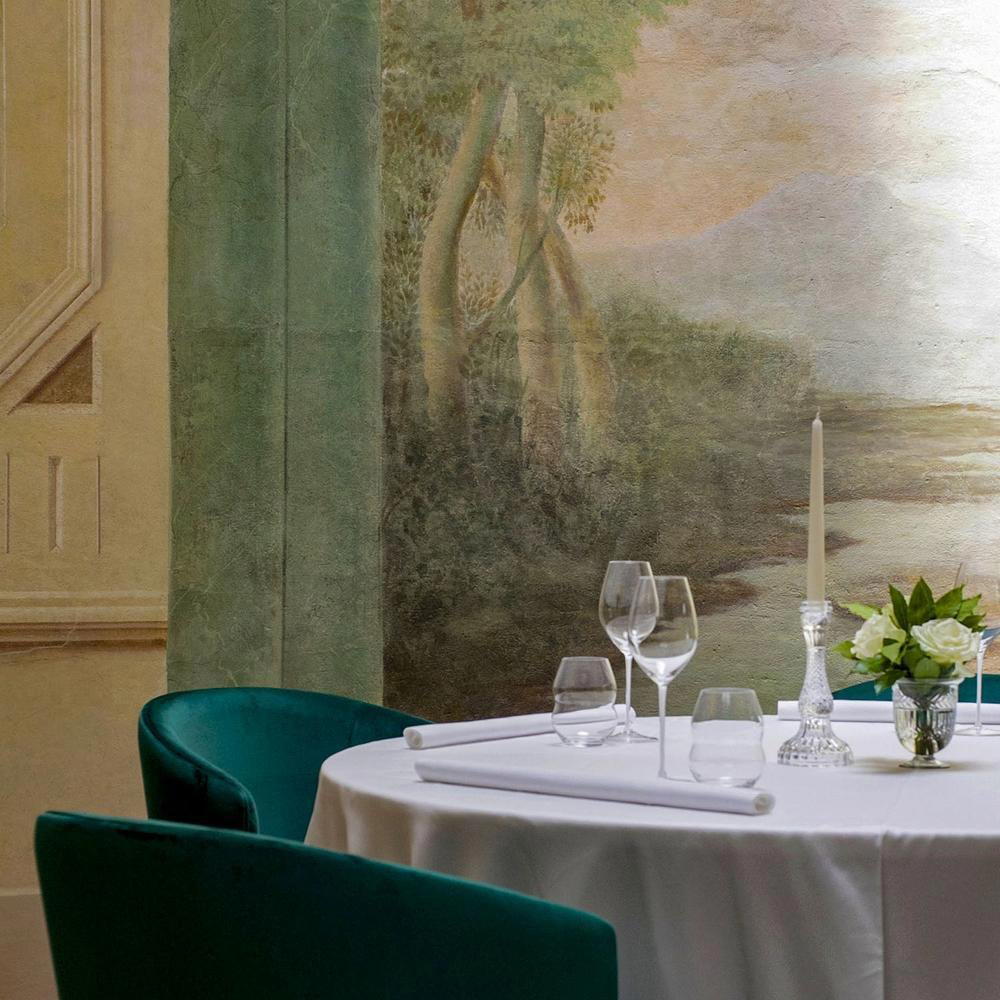
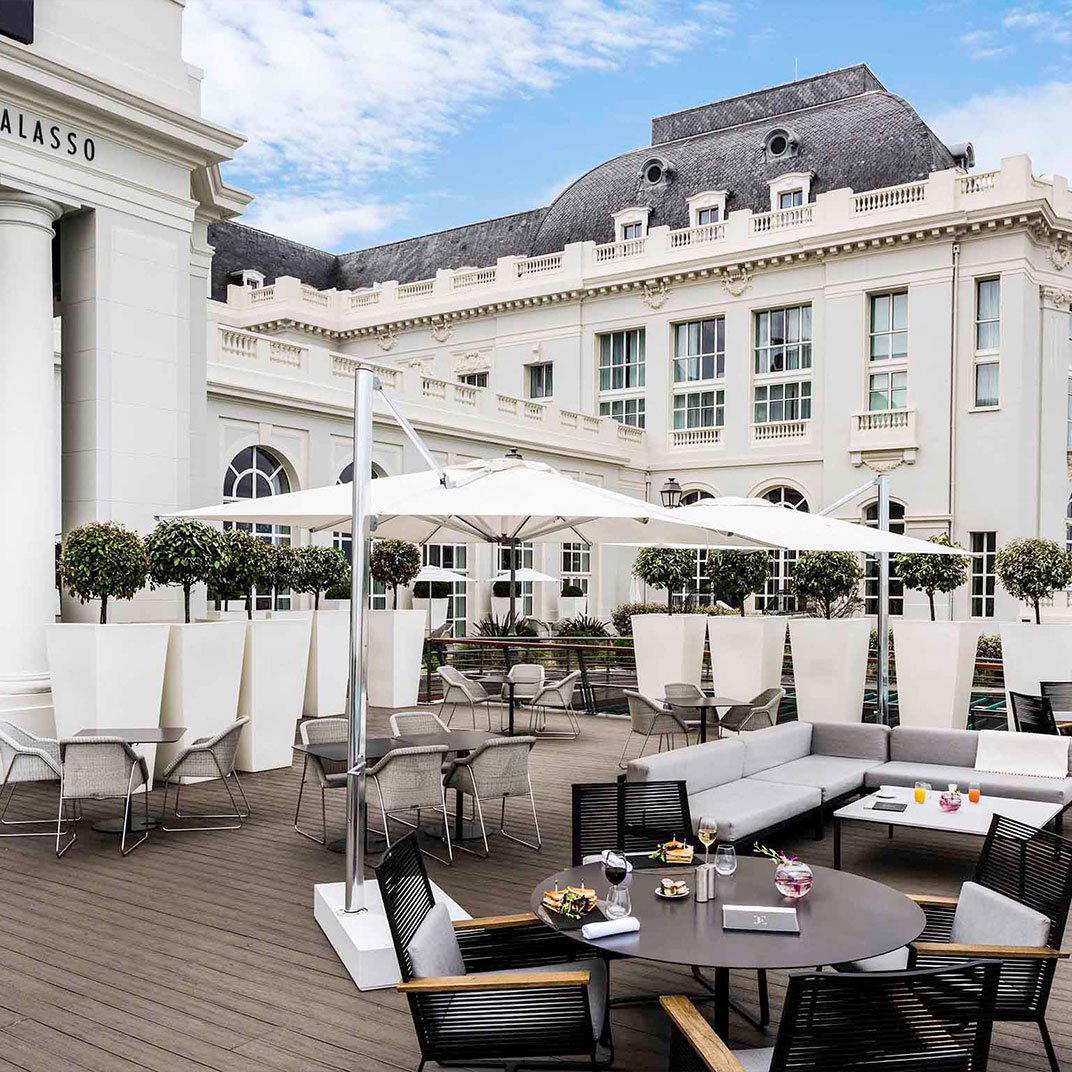
Retro and welcoming 1950s atmosphere blending British elegance with Auguste Perret architecture, cozy seaside cottage feel, quiet and relaxing.