A Deux Pas d'Ici occupies a quiet address on Rue Dauphine in Le Havre, operating within a city where the dining scene has quietly shifted toward locally grounded cooking over the past decade. With sparse public data available, the restaurant draws interest through its neighbourhood positioning and the broader context of Normandy's ingredient-driven culinary tradition. Worth tracking for those exploring Le Havre beyond its better-documented addresses.
Pearl is the En Primeur Club membership app — saves, bookings, and concierge access live there. Same editors, same standards.
- Address
- 69 Rue Dauphine, 76600 Le Havre, France
- Phone
- +33235434481
- Website
- adeuxpasdici.fr
- Directions
- Get directions
 Saves & bookings on Pearl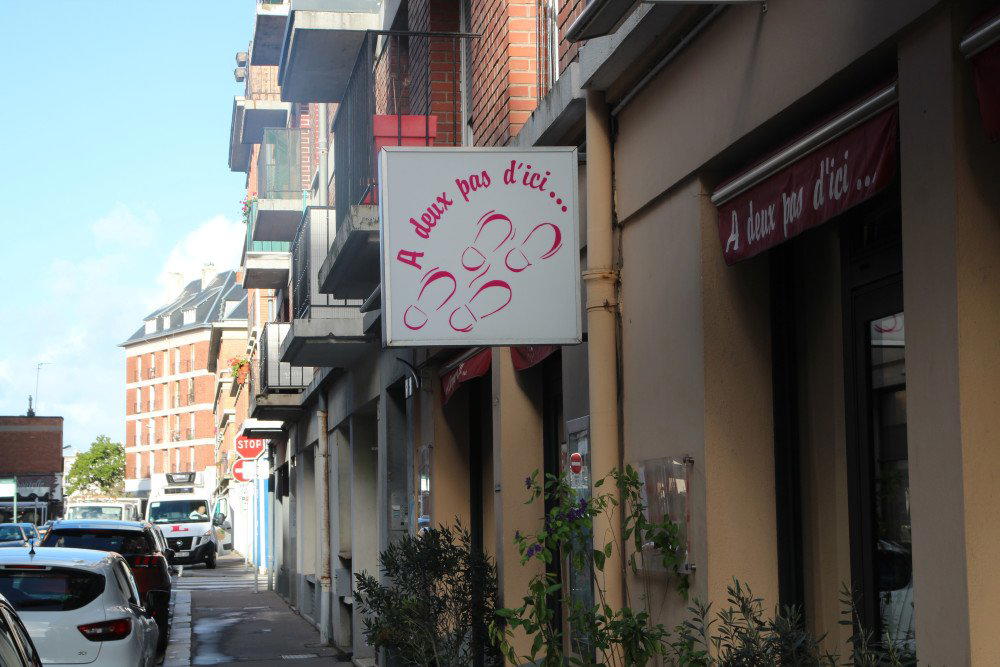
Where Le Havre Eats Without Ceremony
Rue Dauphine runs through one of Le Havre's residential quarters with little fanfare, no waterfront spectacle, no Perret-era tourist geometry. The streets here are practical, inhabited, and precisely the kind of address where a neighbourhood restaurant can operate on its own terms rather than on the logic of passing foot traffic. A Deux Pas d'Ici sits at number 69 on that street.
That kind of deliberate locality matters more in Le Havre than in most French cities of comparable size. Le Havre has attracted a particular type of visitor, architecturally curious and culturally literate, and broadly interested in what the city does beyond its famous grid. The restaurant scene that has developed in parallel is not dominated by grand-hotel dining rooms or Michelin-chasing tasting menus. It is a city of neighbourhood tables, maritime produce, and cooking that answers to the market rather than to a fixed concept.
Normandy's Ingredient Logic, Applied Locally
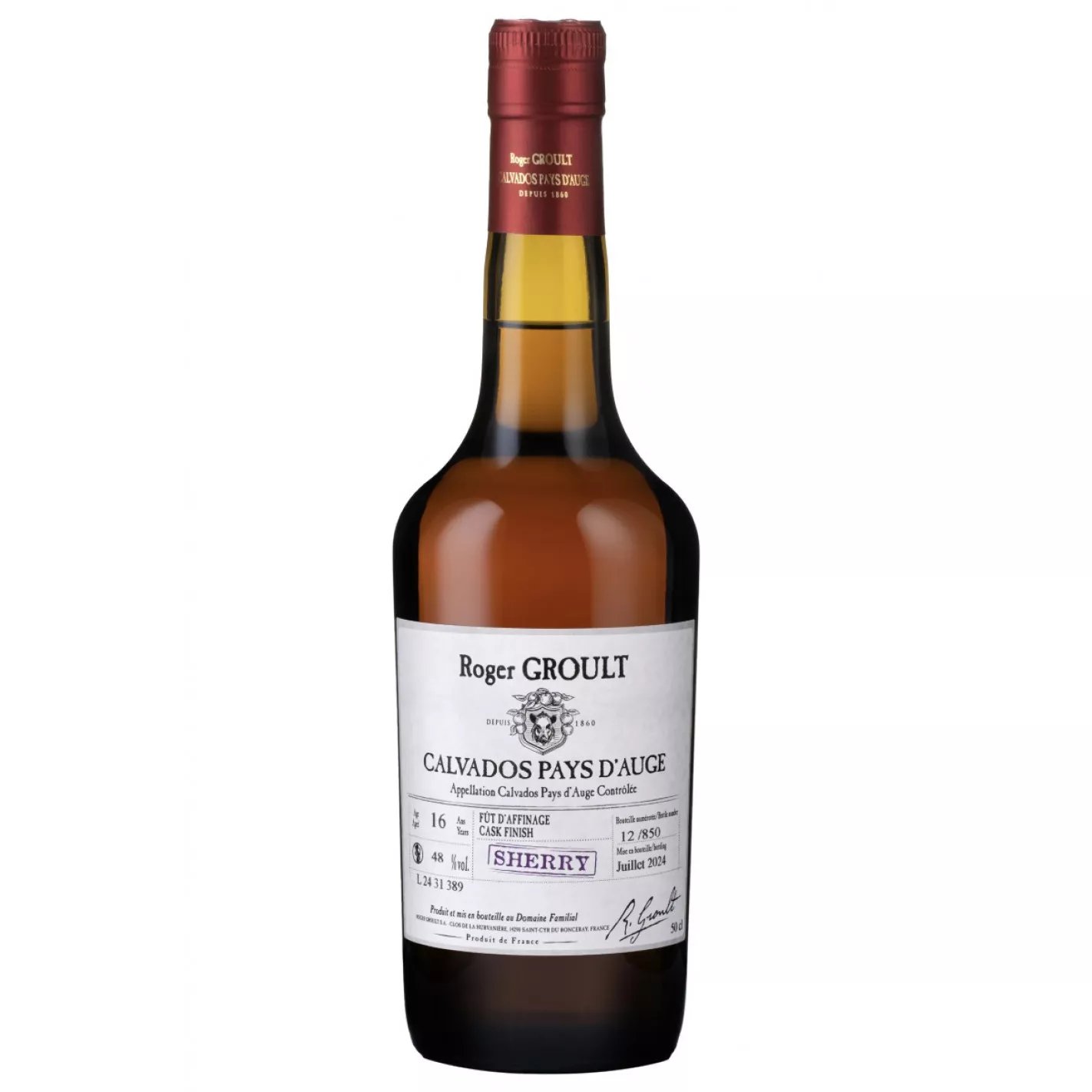
The broader context for any restaurant in this part of Normandy is among the more productive coastal and agricultural zones in France. The Channel coastline between Fécamp and Étretat yields sole, turbot, scallops, and langoustine at a quality that makes sourcing direct for any kitchen paying attention. Inland, the Pays de Caux plateau, the agricultural hinterland directly north of Le Havre, produces dairy, apples, and poultry with an intensity of flavour that reflects chalk-rich soil and cooler northern growing conditions. Calvados and Bénédictine, the latter produced in Fécamp roughly 40 kilometres up the coast, sit within easy reach of any cellar or bar programme that chooses to reference them.
This is the supply geography that shapes serious cooking in Le Havre, whether a restaurant makes that sourcing explicit or lets it operate quietly in the background. At the more formally documented end of the city's scene, Jean-Luc Tartarin (French, Creative) has long held Michelin recognition and operates with the kind of classical rigour that reflects direct access to Norman produce at its most precise. Further along the price spectrum, addresses like La Petite Brocante, La Singerie, and La Tablée each work within a more informal register while still depending on the same coastal and agricultural supply lines.
A Deux Pas d'Ici operates within this same context. Its Rue Dauphine address places it in a residential part of the city where cooking tends to answer to regular customers rather than seasonal visitor flows.
The Neighbourhood Restaurant as a French Institution
It is worth pausing on what the neighbourhood restaurant format actually represents in French culinary terms, because the category is frequently underestimated by visitors accustomed to evaluating dining through award frameworks. The restaurants that hold the longest institutional memory in French cities are rarely the ones with formal recognition. They are the ones that have maintained a consistent relationship with a specific community, a specific market, and a specific set of suppliers over years or decades.
This format has produced some of France's most quietly significant cooking. Consider the contrast with institutions like Auberge de l'Ill in Illhaeusern, Bras in Laguiole, or Troisgros - Le Bois sans Feuilles in Ouches, all of which began as deeply local operations before their formal recognition caught up with their cooking. The three-star tier, exemplified internationally by addresses like Alléno Paris au Pavillon Ledoyen, Paul Bocuse - L'Auberge du Pont de Collonges, or Flocons de Sel in Megève, represents the apex of the formal recognition system. But the base of that system, the restaurants that keep French culinary culture functioning at a daily level, is the neighbourhood table, where ingredient quality and kitchen consistency matter more than spectacle or conceptual ambition.
In cities like Le Havre, where the dining scene does not aspire to the density of Paris or the resort-driven visibility of the Côte d'Azur (where Mirazur in Menton and AM par Alexandre Mazzia in Marseille attract international attention), the neighbourhood format is not a consolation prize. It is the primary mode. BLACK PEARL operates in Le Havre's more visible tier; A Deux Pas d'Ici works at a different scale and presumably for a different rhythm of customer.
What to Know Before You Go
Reservations are recommended. The address at 69 Rue Dauphine, Le Havre 76600 is confirmed. Opening hours are Tuesday to Friday from 12 to 1:30 PM and 7:30 to 9:30 PM, Saturday from 7:30 to 9:30 PM, Sunday from 12:30 to 2 PM, and closed Monday.
For international context on the kind of precision seafood cooking that Norman supply lines can support at the highest level, Le Bernardin in New York City, Eric Ripert's long-running benchmark for French fish cookery, demonstrates what the same coastal tradition produces when operated at maximum formal intensity. At the other end of the conceptual spectrum, Atomix in New York City shows how ingredient-first sourcing logic translates across culinary traditions. Neither comparison is meant to frame the restaurant as an aspirant to that tier; they simply illustrate the sourcing tradition that surrounds Le Havre. Similarly, Assiette Champenoise in Reims and Au Crocodile in Strasbourg offer reference points for what French regional fine dining looks like when a city commits institutional depth to the project. Le Havre's version of that commitment is quieter and more distributed, spread across neighbourhood tables rather than concentrated in a handful of destination addresses.
Comparable Spots, Quickly
Comparable venues nearby, for context on price, style, and recognition.
| Venue | Cuisine | Price | Notes |
|---|---|---|---|
| A Deux Pas d'IciThis venue — the venue you are viewing | Normandy French Bistro | $$ | Not listed |
| La Singerie | French Brasserie with Seasonal and Vegetarian Options | $$ | Halles Centrales |
| Le Grignot | Traditional French Brasserie & Seafood | $$ | Centre-ville Perret |
| Le Quint&Sens | Contemporary French Bistro with Blind Tasting Menu | $$ | Saint-Vincent / Gobelins |
| BLACK PEARL | Modern French Creperie | $$ | :null |
| La Petite Brocante | Traditional French Brasserie | $$ | near Halles Centrale |
Continue exploring
More in Le Havre
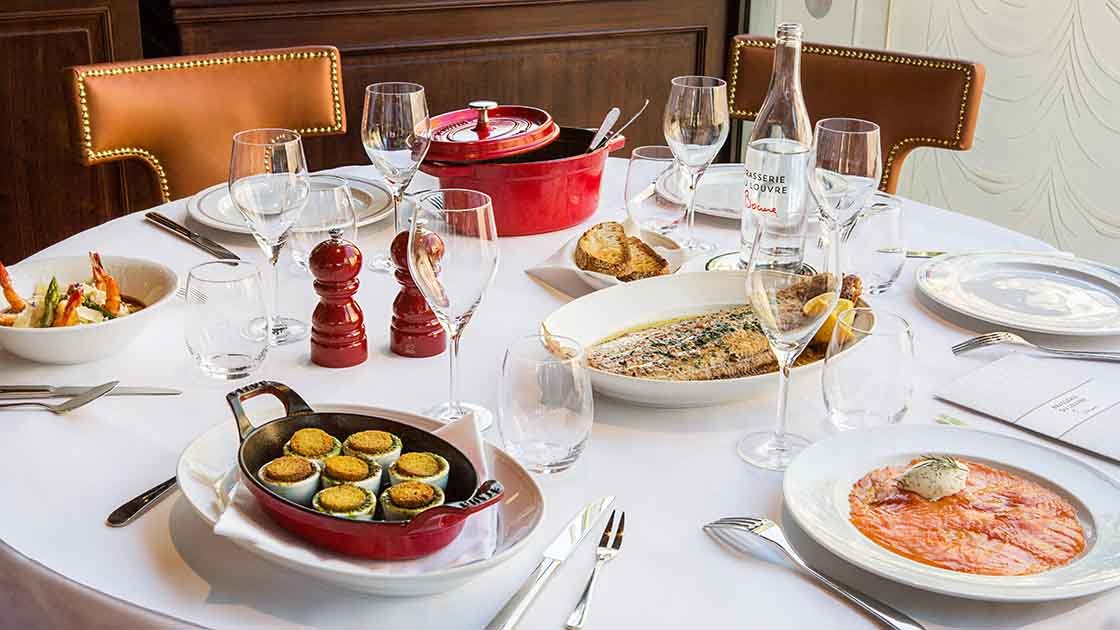
Restaurants in Le Havre
Browse all →
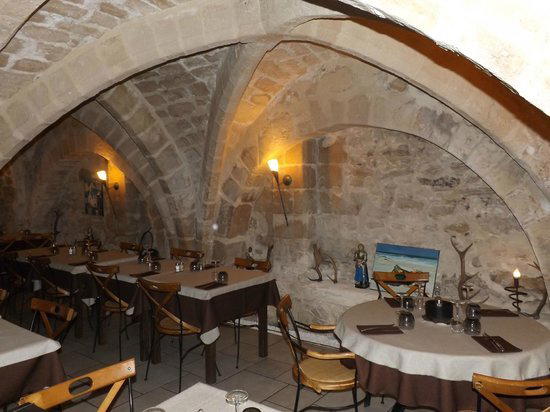
Bars in Le Havre
Browse all →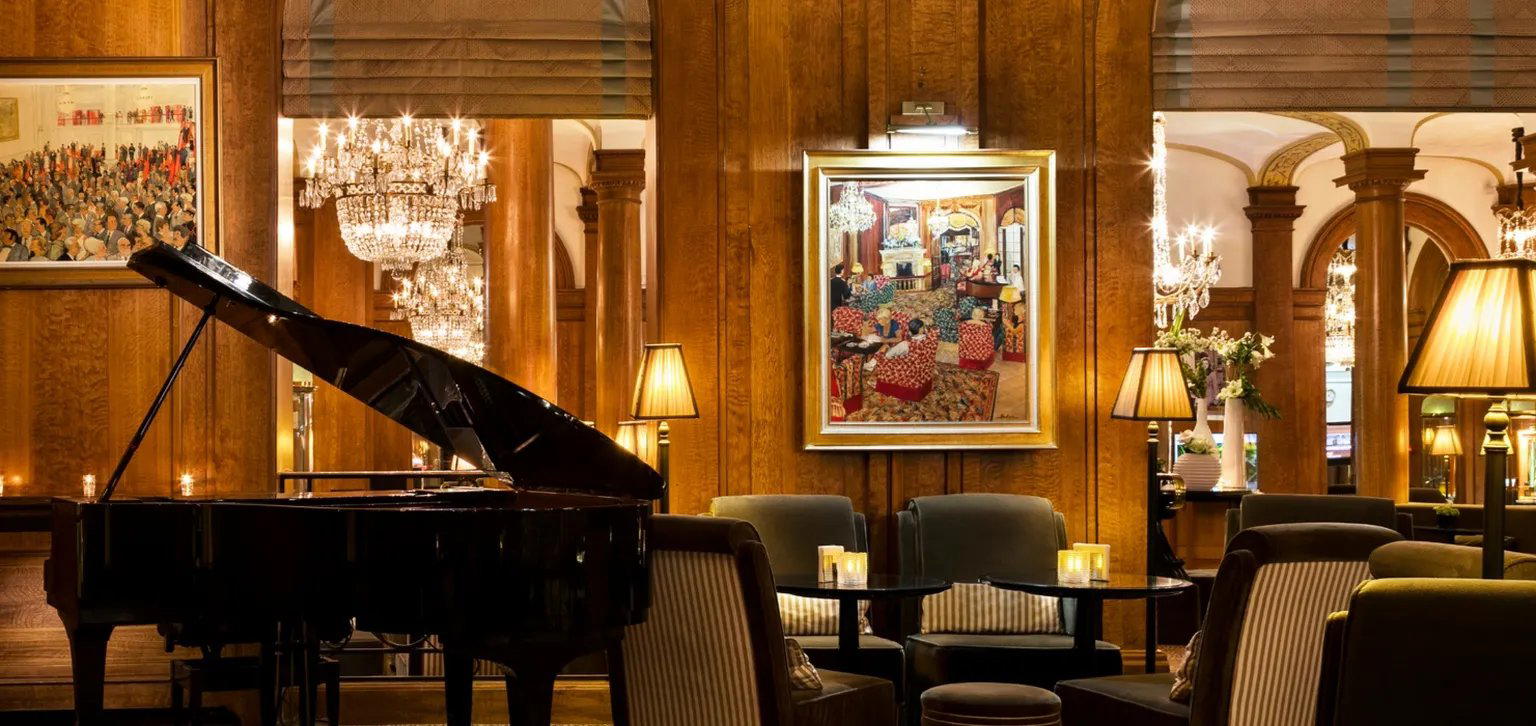
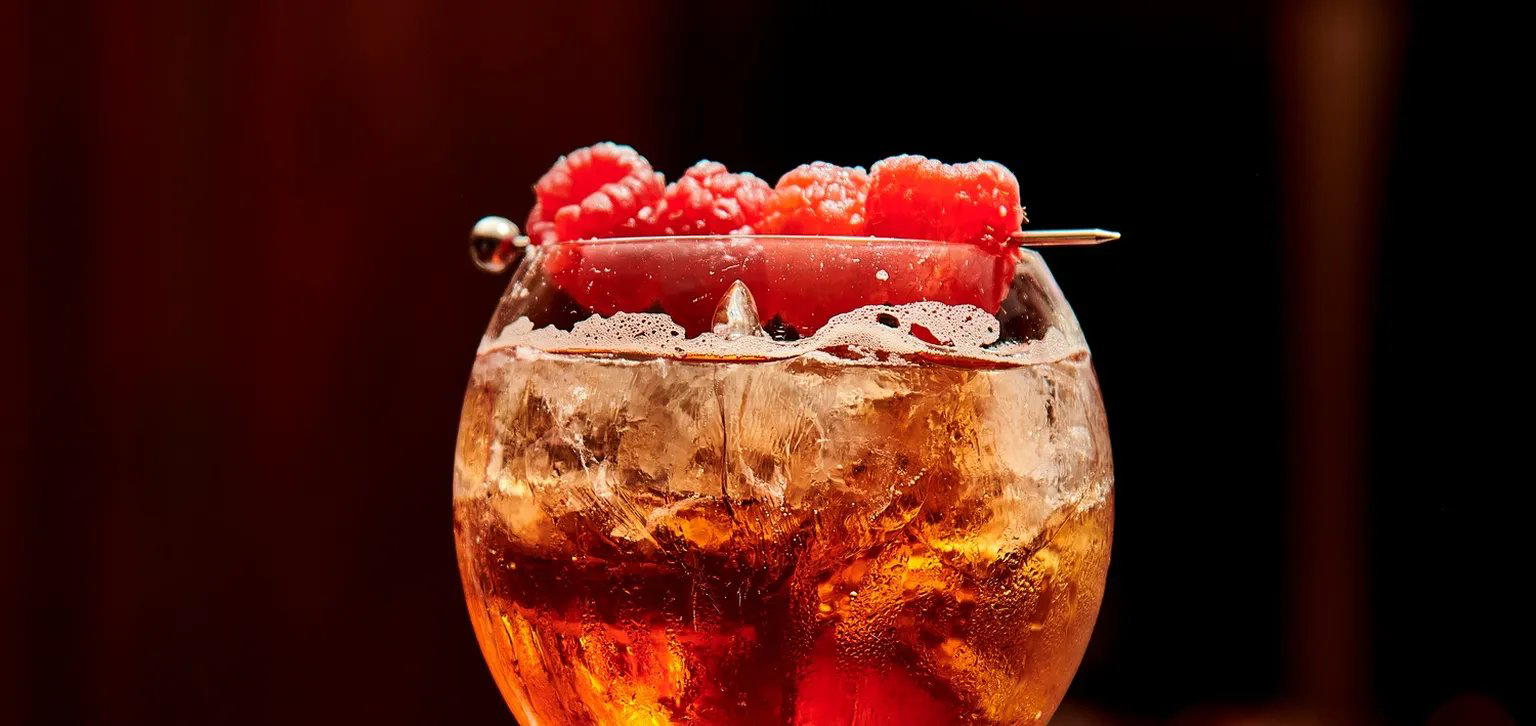
Hotels in Le Havre
Browse all →
At a Glance
- Classic
- Elegant
- Cozy
- Date Night
- Special Occasion
- Standalone
- Local Sourcing
Current opening hours
- Monday
- Closed
- Tuesday
- 12–1:30 PM, 7:30–9:30 PM
- Wednesday
- 12–1:30 PM, 7:30–9:30 PM
- Thursday
- 12–1:30 PM, 7:30–9:30 PM
- Friday
- 12–1:30 PM, 7:30–9:30 PM
- Saturday
- 7:30–9:30 PM
- Sunday
- 12:30–2 PM
Hours can change for holidays and private events. Last verified .
Refined ambiance with traditional tasteful decoration and discreet efficient service.