"Spittelberg District It’s not yet Brooklyn, but the Spittelberg quarter in the Neubau district is Vienna’s newest trendy spot. As neighborhoods go, Spittelberg is tiny, made up of old working-class blocks with an unsavory past. But Spittelberg lies in the shadow of the mega-successful MuseumsQuartier, and the bars and restaurants tucked into leafy courtyards behind Biedermeier buildings are hopping now. Thankfully, a village feel remains on the quiet pedestrianized streets and alleys where, in warm weather, Schanigartens (Vienna’s version of outdoor restaurant seating) appear. Amerlingbeisl, Bohème, and Witwe Bolte are three of particularly popular bistros, along with newcomer Das Spittelberg. The neighborhood's Christmas market, with its glühwein kiosks, is a leading one in the city."
Pearl is the En Primeur Club membership app — saves, bookings, and concierge access live there. Same editors, same standards.
- Address
- 1070 Vienna, Austria
- Directions
- Get directions
 Saves & bookings on Pearl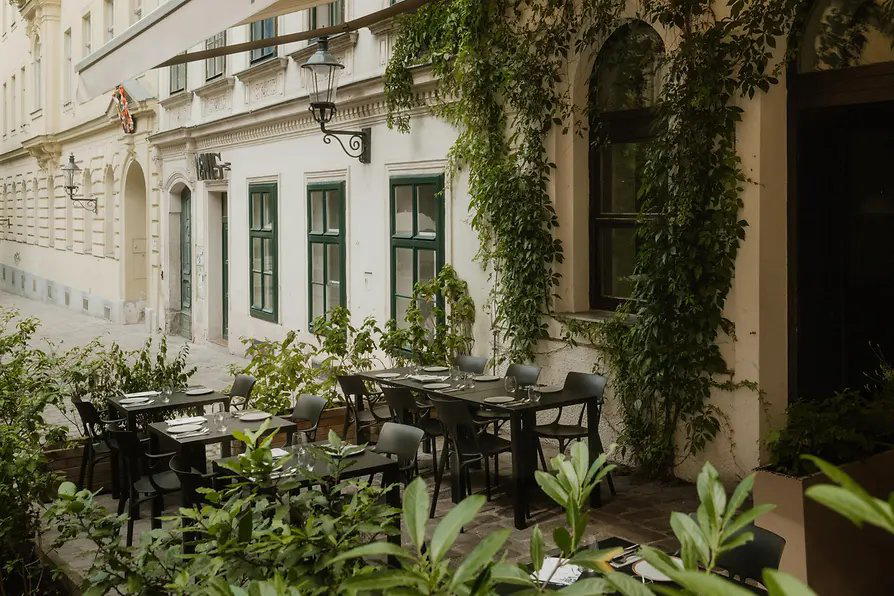
A Street That Became a Scene: Spittelberggasse and Vienna's Slow-Shifting Dining Quarter
The cobblestones of Spittelberggasse, in Vienna's seventh district, announce themselves before the street does. Walking in from Burggasse or Siebensterngasse, the texture changes underfoot, the buildings compress, and the pace of the neighbourhood drops a register. The Spittelberg quarter is one of Vienna's few preserved Biedermeier residential grids, a cluster of late-18th-century townhouses that survived the 19th-century demolitions that remade much of the inner city. That physical continuity is what gives the area its particular weight: the architecture is not a set-piece restoration but a working urban fabric, and the dining and wine-bar culture that has grown into it over the past two decades reflects that groundedness.
How the Seventh District Earned Its Culinary Identity
Vienna's dining axis has historically run through the first and third districts, from the Innere Stadt's grand hotel restaurants to the Stadtpark edge where Steirereck im Stadtpark holds the leading position in the city's creative tasting-menu conversation. The seventh has followed a different trajectory. Its transformation from a working-class and artisan district into a mixed neighbourhood of studios, independent retailers, and small restaurants happened gradually across the 1990s and 2000s, and without the institutional dining anchors that shaped the first district's identity. What emerged instead was a neighbourhood-scale scene: smaller rooms, lower price points, and a preference for Austrian regional produce expressed without the formal architecture of tasting menus.
That positioning sits at some distance from the €€€€ tier occupied by Konstantin Filippou, Mraz & Sohn, and Amador. The Spittelberg area does not compete on that axis. It competes on access, neighbourhood atmosphere, and the sense that a meal here is continuous with the street life outside rather than sealed off from it. That distinction has become more meaningful in recent years, as Vienna's higher-end creative restaurants have consolidated into a smaller, more expensive tier, leaving a gap that Spittelberg and its adjacent streets have quietly filled.
Evolution Over Uniformity: How the Street Has Changed
The editorial angle that matters most for Spittelberggasse is not what it is now but how it got here. A decade ago, the street's dining offer leaned heavily on tourist traffic, particularly during the Advent season when the Spittelberg Christmas market draws significant footfall from across the city. That seasonal dependency shaped the kinds of establishments that survived: wine bars with all-day hours, restaurants that could absorb low midweek covers, and cafés built for lingering rather than turning tables.
What has shifted is the year-round calibration. The neighbourhood now draws a local resident and creative-industry cohort that is less seasonal in its habits, and the food and wine offer has adjusted accordingly. The pivot is visible in the kinds of wine programmes that have taken root here: Austrian producers from the Wachau, Kamptal, and Burgenland represented by the glass, often at prices that reflect the bottle cost rather than a heavy margin. This is a pattern seen elsewhere in European mid-market dining, from the natural-wine bars of Paris's 11th arrondissement to the smaller neighbourhood restaurants that have established themselves away from the main tourist corridors in cities like Lisbon and Copenhagen. The Spittelberg version is distinctly Viennese in its restraint and its seriousness about regional Austrian wine.
For context on the wider Austrian fine-dining geography, the contrast with regional destination restaurants is instructive. Places like Döllerer in Golling an der Salzach, Obauer in Werfen, or Landhaus Bacher in Mautern an der Donau draw guests who travel specifically for the meal, often building overnight stays around a booking. Spittelberggasse operates on a different logic entirely: it is part of the fabric of a city neighbourhood, not a destination in the pilgrimage sense. That makes it more comparable to what Doubek represents in Vienna's mid-market: restaurants that reward the visitor who has already decided to spend time in a neighbourhood rather than those optimising purely for Michelin or 50 Best adjacency.
The Physical Experience: What the Street Delivers
Spittelberggasse is short enough to cover on foot in under three minutes, which means the restaurant and bar density functions less as a dining district and more as a dining street. The rhythm is slow by design. This is not the compressed energy of a bar-crawl strip but the kind of street where a two-hour dinner extends naturally into another hour over wine without anyone applying pressure. That informality is a structural feature of the neighbourhood, not just a mood.
Visitors approaching from the broader Austrian dining scene should calibrate expectations accordingly. If the reference points are Gourmetrestaurant Tannenhof in Sankt Anton am Arlberg or Stüva in Ischgl, where the format is precise and the room is built around a certain kind of occasion dining, Spittelberggasse offers something structurally different: the occasion is the neighbourhood, not a single restaurant within it. Comparable urban reference points internationally might include the neighbourhood-dining ethos at Lazy Bear in San Francisco, where a community-scale experience shapes the dining format, though the price tier and formality level differ significantly. At the other end of the formality spectrum, the technical precision of a place like Le Bernardin in New York City is a useful counterpoint: what Spittelberggasse represents is deliberate accessibility rather than spectacle.
Planning Your Visit: Practical Intelligence
The street sits in 1070 Vienna, Austria, and reservations are recommended at individual venues. The Advent market period from late November through December 23 is the highest-traffic window; tables during this period are worth booking ahead for any restaurant on or immediately adjacent to the main street. The quieter shoulder seasons, particularly late January through March and the September-October window before the Christmas market opens, offer comfortable access for visitors who want the neighbourhood atmosphere without the seasonal crowd compression. The street itself is pedestrianised, which makes it navigable at any pace and particularly well-suited to visitors combining a meal with an afternoon in the nearby MuseumsQuartier, a ten-minute walk north.
Additional Austrian regional context is available through coverage of Kräuterreich by Vitus Winkler, Taubenkobel in Schützen am Gebirge, Restaurant 141 by Joachim Jaud, Ois in Neufelden, and Schwarzer Adler in Hall in Tirol, each of which represents a different strain of Austrian regional dining.
Standing Among Peers
Comparable venues nearby, for context on price, style, and recognition.
| Venue | Cuisine | Price | Notes |
|---|---|---|---|
| SpittelberggasseThis venue — the venue you are viewing | Vegetarian/Vegan Bistro | $$ | Not listed |
| Veggiezz | Vegan Fast Food | $$ | Stephansdom |
| Nguyen's Pho House | Authentic Vietnamese Pho | $$ | Josefstadt |
| Cafe The Province | French Creperie with Galettes | $$ | Josefstadt |
| Schlipf & Co | Austrian Dumplings (Schlipfkrapfen & Kasnudeln) | $$ | Josefstadt |
| Vietthao | Authentic Vietnamese | $$ | Staatsoper |
Continue exploring
More in Vienna
Restaurants in Vienna
Browse all →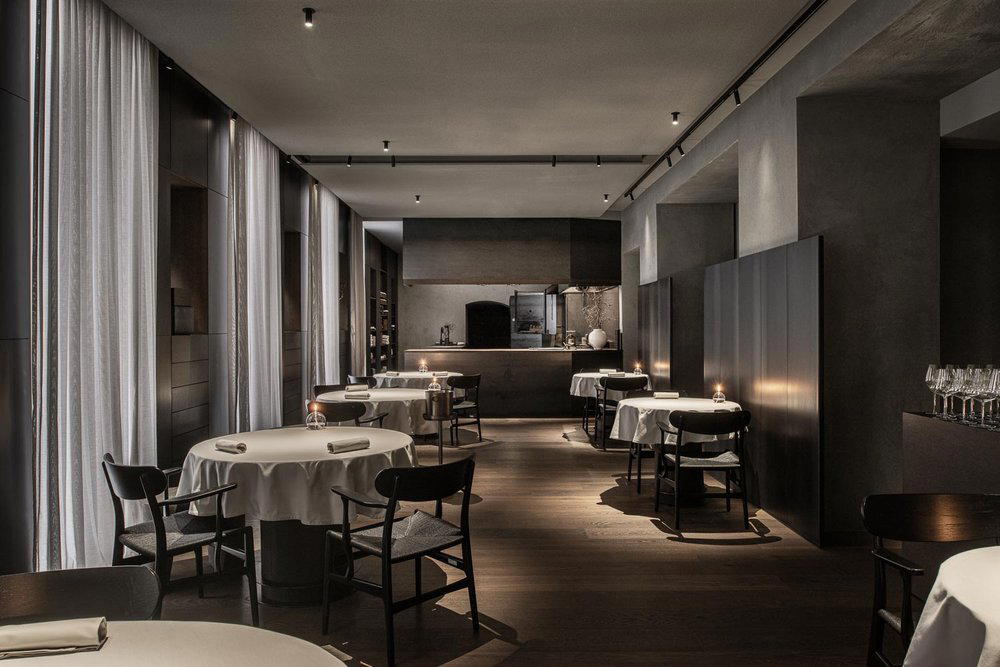
Bars in Vienna
Browse all →
Hotels in Vienna
Browse all →
At a Glance
- Cozy
- Minimalist
- Date Night
- Casual Hangout
- Courtyard
- Organic
- Local Sourcing
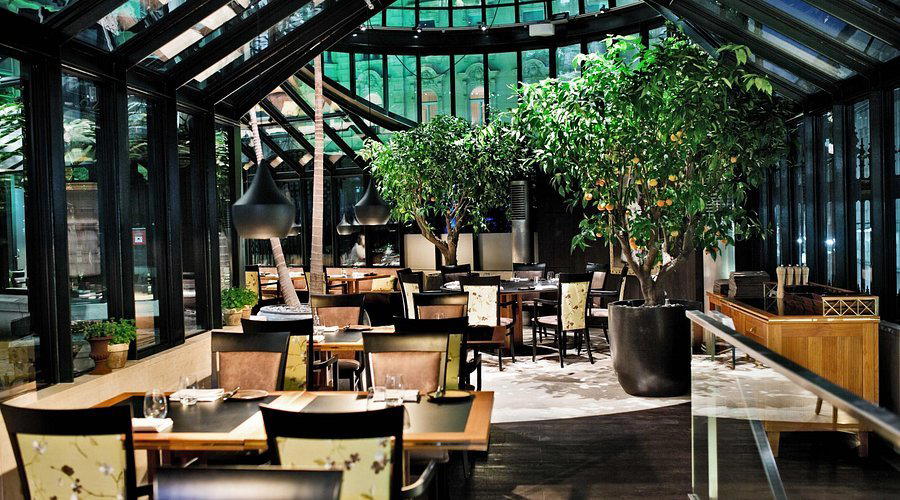
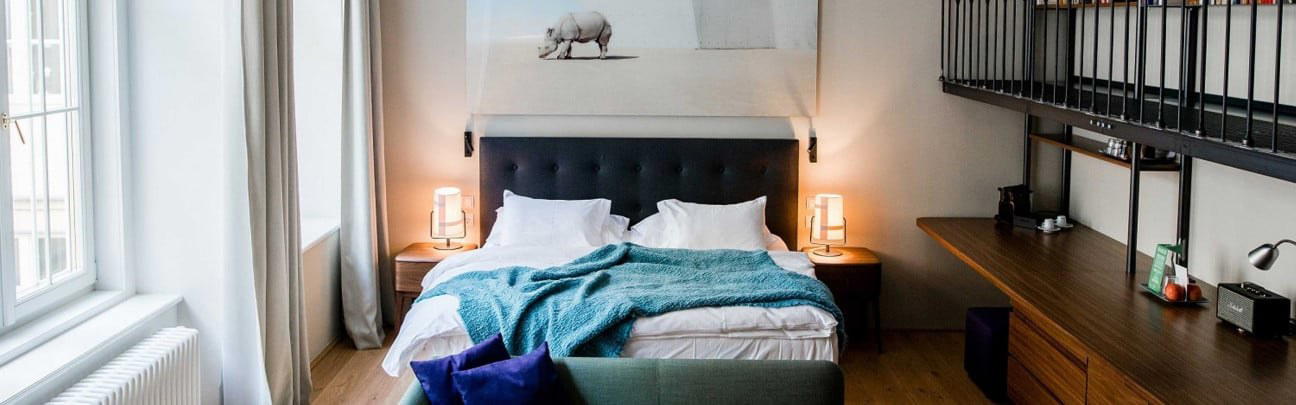
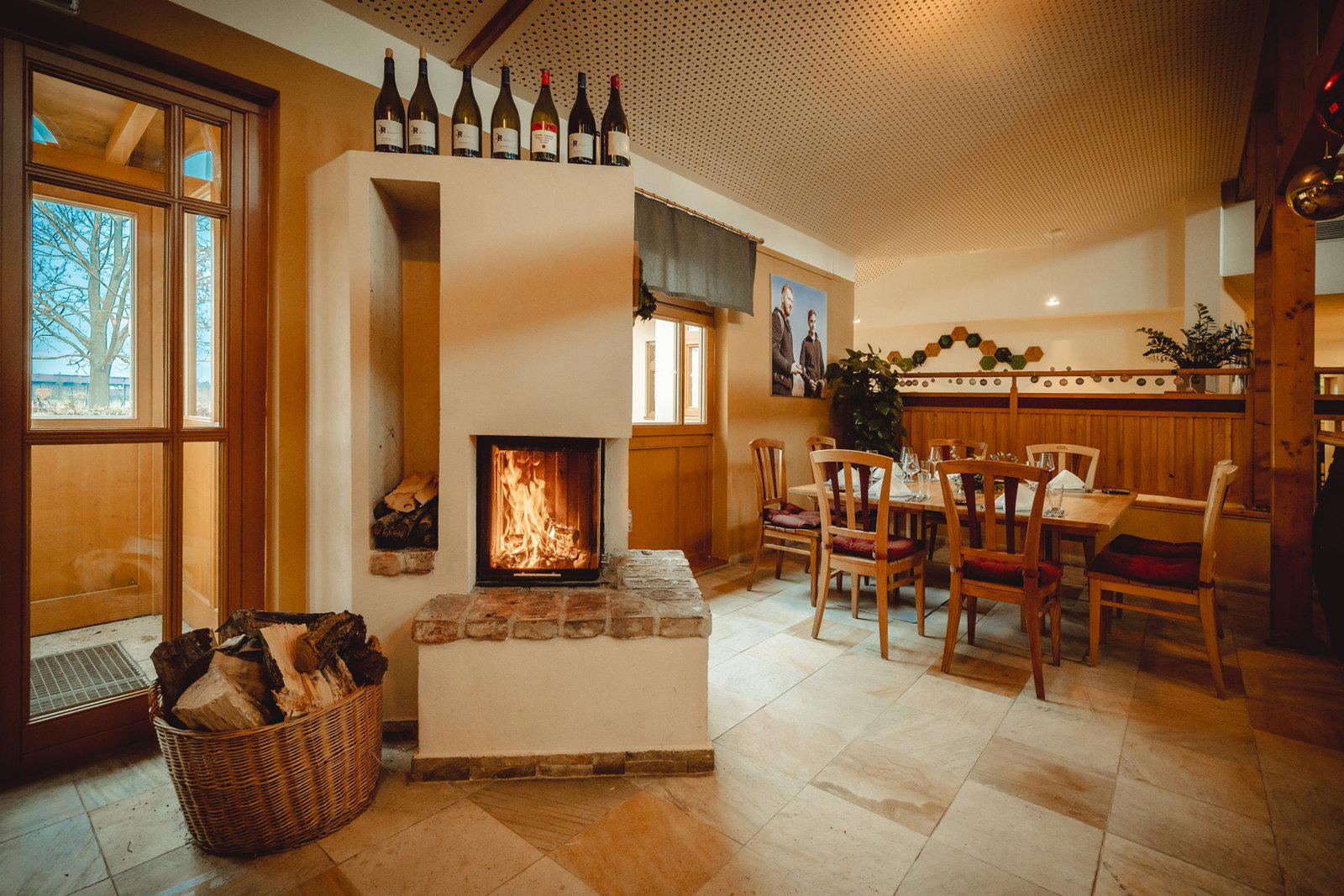
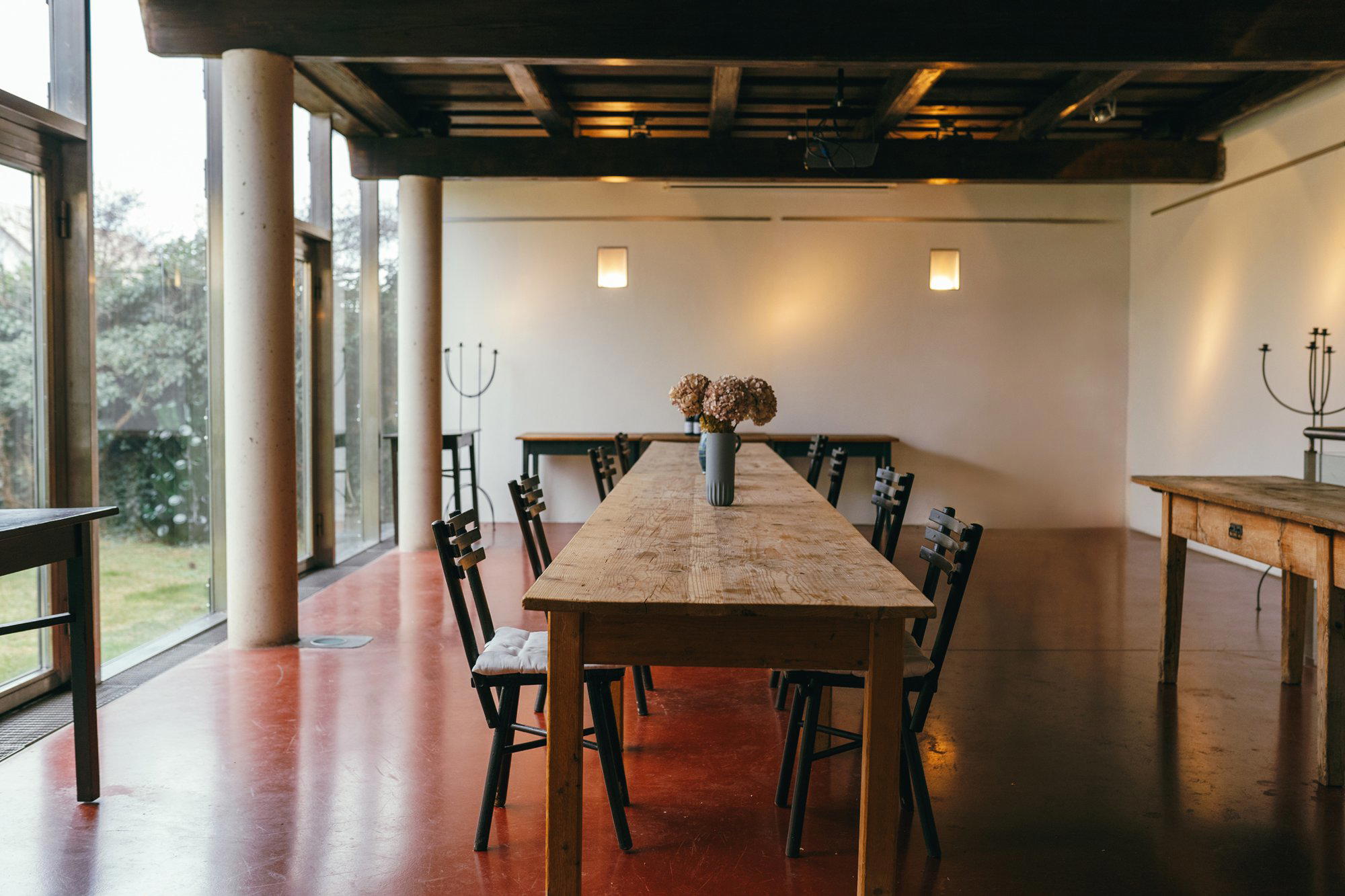
Lively atmosphere with minimalist, clean-lined interior reflecting affinity with nature and gorgeous covered courtyard.