
Spice Temple occupies a subterranean space on Bligh Street in Sydney's CBD, bringing regional Chinese cooking into conversation with Australian produce. Booking ahead is strongly advised.
Pearl is the En Primeur Club membership app — saves, bookings, and concierge access live there. Same editors, same standards.
- Address
- 10 Bligh St, Sydney NSW 2000, Australia
- Phone
- +61 2 8099 7088
- Website
- spicetemple.com.au
- Directions
- Get directions
 Saves & bookings on Pearl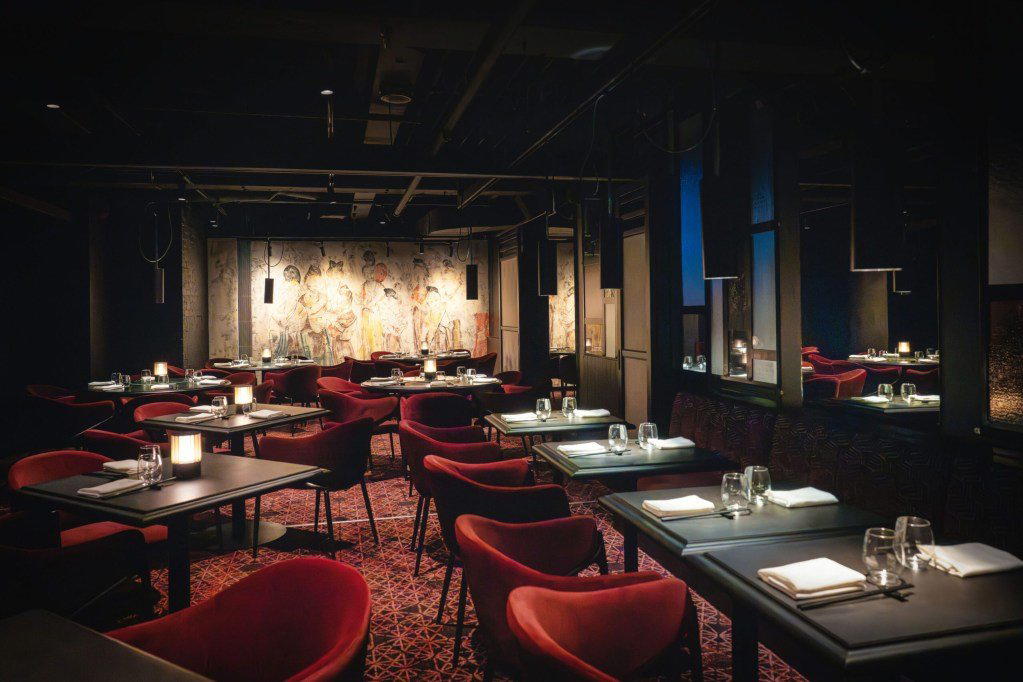
Below the CBD, a Different Register of Chinese Cooking
Sydney's CBD dining has long been organised around two poles: the expense-account steakhouse and the modern Australian tasting counter. Spice Temple, occupying a basement space on Bligh Street, operates in neither register. The descent from street level is deliberate in effect: the room runs darker and more atmospheric than most of its neighbours above ground, with low lighting and a layout that foregrounds the table rather than the view. It is a room designed for the food to do the talking, and the food in question is regional Chinese cooking drawn from provinces — Sichuan, Xinjiang, Hunan, Yunnan — that remain poorly represented in Sydney's broader Chinese dining scene.
That scene, for context, skews heavily toward Cantonese cooking in its Sydney expression, reflecting the demographic history of Chinese migration to New South Wales. What regional Chinese kitchens offer is a substantially different flavour vocabulary: the numbing heat of Sichuan peppercorn, the slow-built smoke of Hunan dried chilli, the sour-spiced broths of Yunnan. Spice Temple works within that vocabulary while making deliberate choices about local sourcing, which places it at a specific intersection: imported technique and flavour logic applied to Australian ingredients. That intersection is where the most interesting editorial argument about this restaurant lives.
The Ingredient Question: Local Produce, Provincial Logic
The broader pattern in Australian fine dining over the past decade has been the elevation of domestic produce as a primary editorial statement. Restaurants like Saint Peter have built entire programs around the argument that Australian seafood and land produce require no apology or foreign framing to justify their place at the top of the market. Rockpool has long anchored its identity in premium domestic beef and seafood with European technique as a structural support rather than the headline.
Spice Temple's approach is different in emphasis. The flavour architecture is regional Chinese, and those regional frameworks are not incidental: they are the point. The question is whether Australian ingredients can hold their own inside those frameworks, which are built around specific spice profiles, fermented condiments, and cooking methods. When that combination works, it produces something that neither a straightforwardly Australian kitchen nor a Chinese restaurant cooking for an immigrant community would naturally arrive at. It is an exchange that runs in both directions, which is why the leading comparison set is not the CBD's other Chinese restaurants but rather the cohort of technically ambitious restaurants across Australia that are working through similar import-and-adapt questions from different starting points. Brae in Birregurra does this with French structure and hyper-local ingredients; Agrarian Kitchen in Hobart with Italian farmhouse methods. Spice Temple's version is Chinese regional cooking as the methodology.
This places it in a narrower niche than its address suggests. The CBD postcode brings footfall from the financial and legal districts, and the wine program, recognised by Star Wine List with a White Star, a credential that signals genuine cellar investment and program coherence rather than a perfunctory list, adds a dimension that the surrounding office-lunch crowd rarely demands. The White Star designation from Star Wine List reflects assessment of list depth, producer selection, and overall quality; it is not a volume award. That credential matters here because it signals the restaurant is operating as a considered hospitality package rather than a single-axis destination.
Where Spice Temple Sits in the Sydney Dining Frame
Sydney's premium dining tier has become increasingly diffuse since the mid-2010s. The era when a small number of chef-patron restaurants defined the entire conversation has given way to a more distributed field where category specialists, international imports, and produce-led independents all compete for the same high-spend evening. Within that field, Spice Temple occupies a position that is genuinely difficult to replicate: it holds the regional Chinese cooking brief at a level of seriousness that few Australian restaurants have attempted, while maintaining the wine and service infrastructure of the premium CBD tier.
Spice Temple is working from a different province map and with a different attitude toward Australian produce integration. Internationally, the question of how Chinese regional cooking interacts with non-Chinese ingredient bases is one that has been addressed in New York, London, and San Francisco with varying degrees of success; Sydney's version has its own logic shaped by what Australian land and sea actually produce.
Within the broader EP Club Sydney context, Spice Temple sits alongside places like 10 William St and 20 Chapel as a restaurant where the beverage program carries equal editorial weight to the kitchen. For those prioritising a single evening of serious eating in the CBD, it represents a choice that the city's 6HEAD-style steakhouse tier cannot replicate. The relevant question is not whether to choose Spice Temple over a steak restaurant but whether regional Chinese cooking at this specification is what you want from a Sydney evening, which is a different decision framework entirely.
Planning a Visit
Spice Temple is on Bligh Street in the CBD, accessible from Wynyard station within a short walk and well within the financial district's geography for pre- or post-theatre logistics. Given its recognition profile and the limited number of restaurants in Sydney operating at this intersection of category seriousness and wine program depth, demand is consistent. Booking in advance is the sensible approach for any weekend evening; midweek tables are more available but the wine list rewards a leisurely pace that weekend bookings under time pressure do not always allow. For those building a broader Sydney itinerary, our full Sydney restaurants guide, Sydney bars guide, Sydney hotels guide, Sydney wineries guide, and Sydney experiences guide cover the broader field. For those travelling across Australia and treating the restaurant as one point in a larger dining itinerary, it sits alongside Amaru in Armadale, 400 Gradi in Brunswick East, and Bacchus in Brisbane as part of a serious national dining circuit. For international reference, the question of imported technique applied to local ingredients at this level of commitment is something that Le Bernardin in New York City and Emeril's in New Orleans address from their own regional starting points.
How Spice Temple Sydney compares with similar nearby venues.
| Venue | Cuisine | Awards |
|---|---|---|
| Spice Temple | Not listed | Star Wine List (2026) |
| Rockpool | Australian Cuisine | Not listed |
Recognition history
Dated appearances from independent guides and award organizations, with the underlying list record or original source where available.
Star Wine List
Star Wine List
Continue exploring
More in Sydney
Restaurants in Sydney
Browse all →
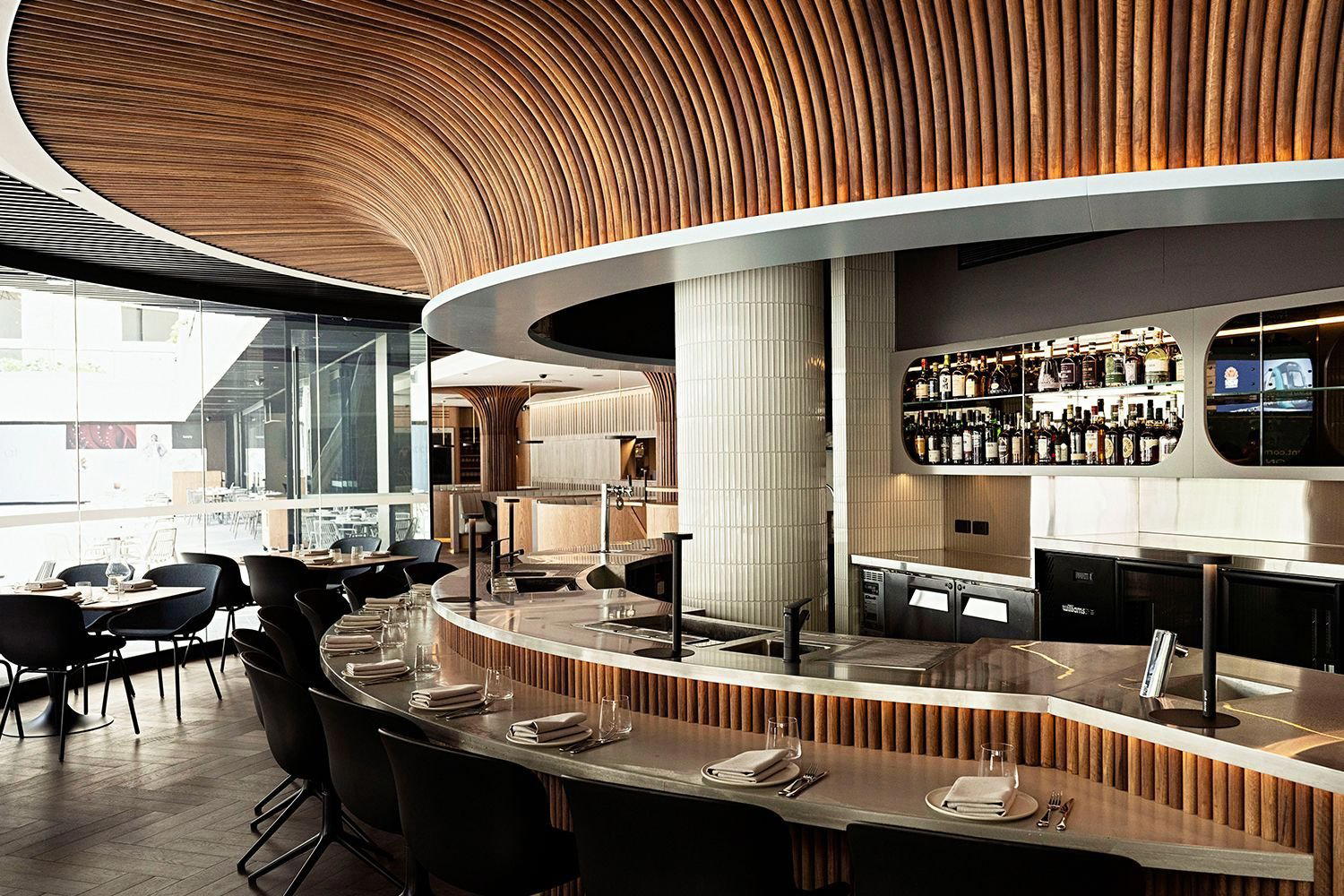
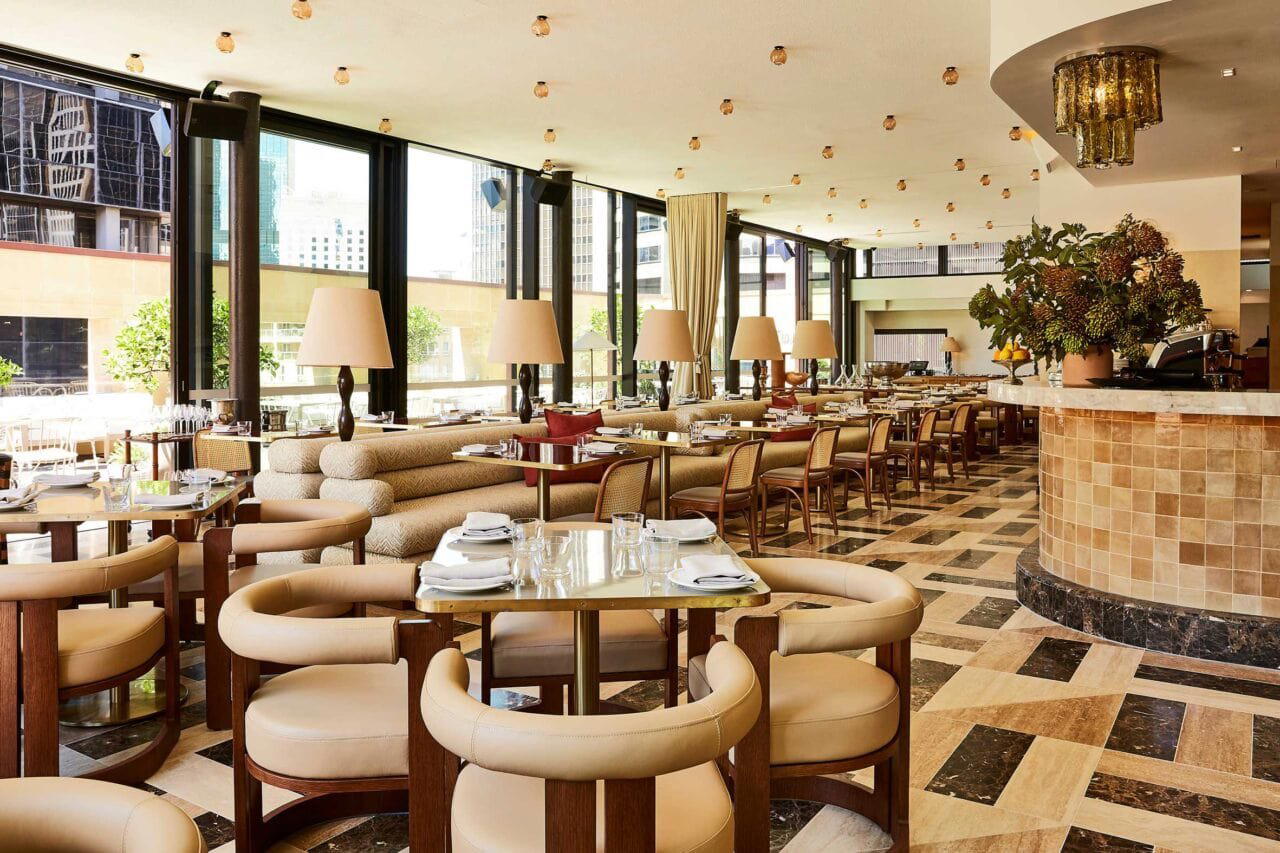
Bars in Sydney
Browse all →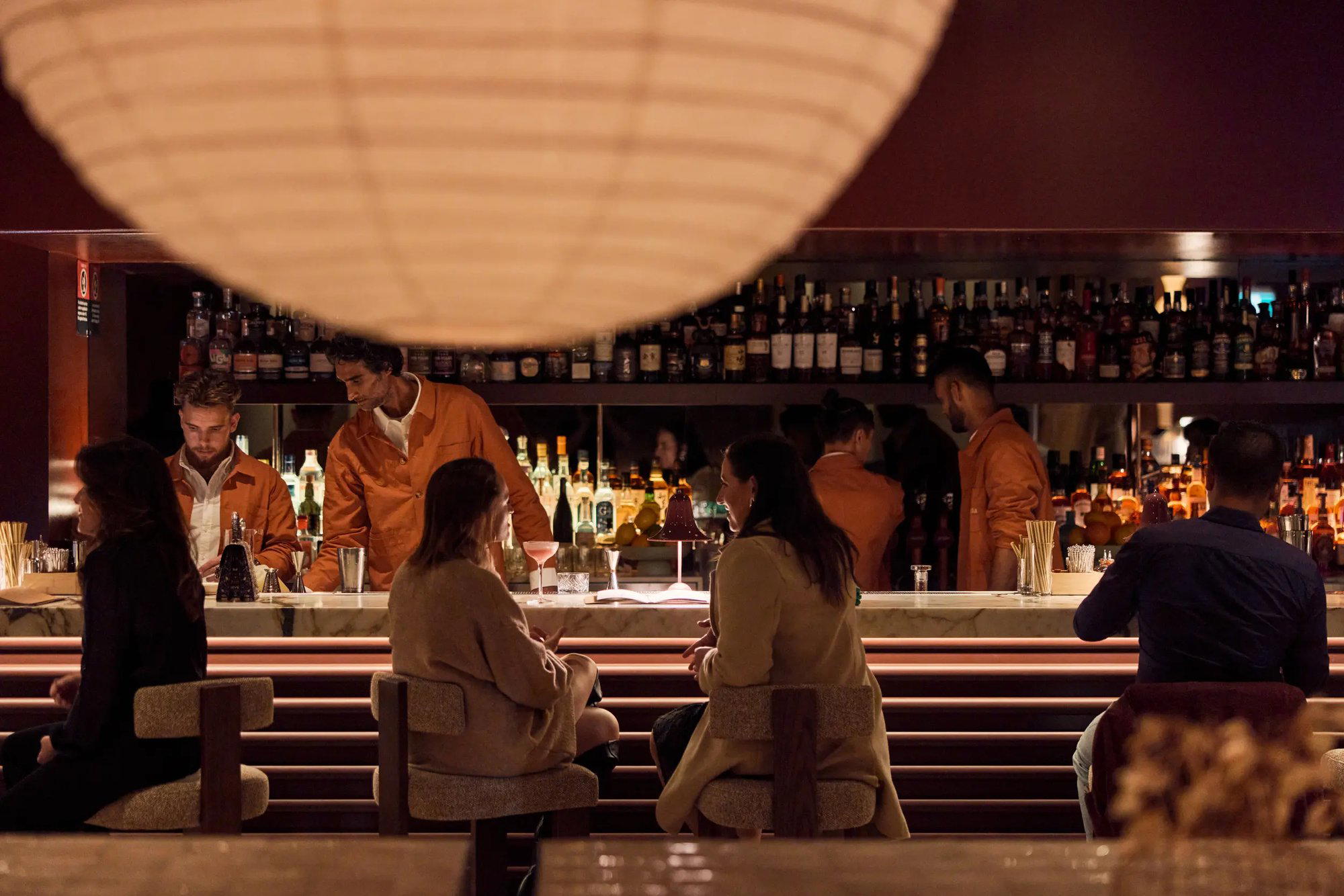
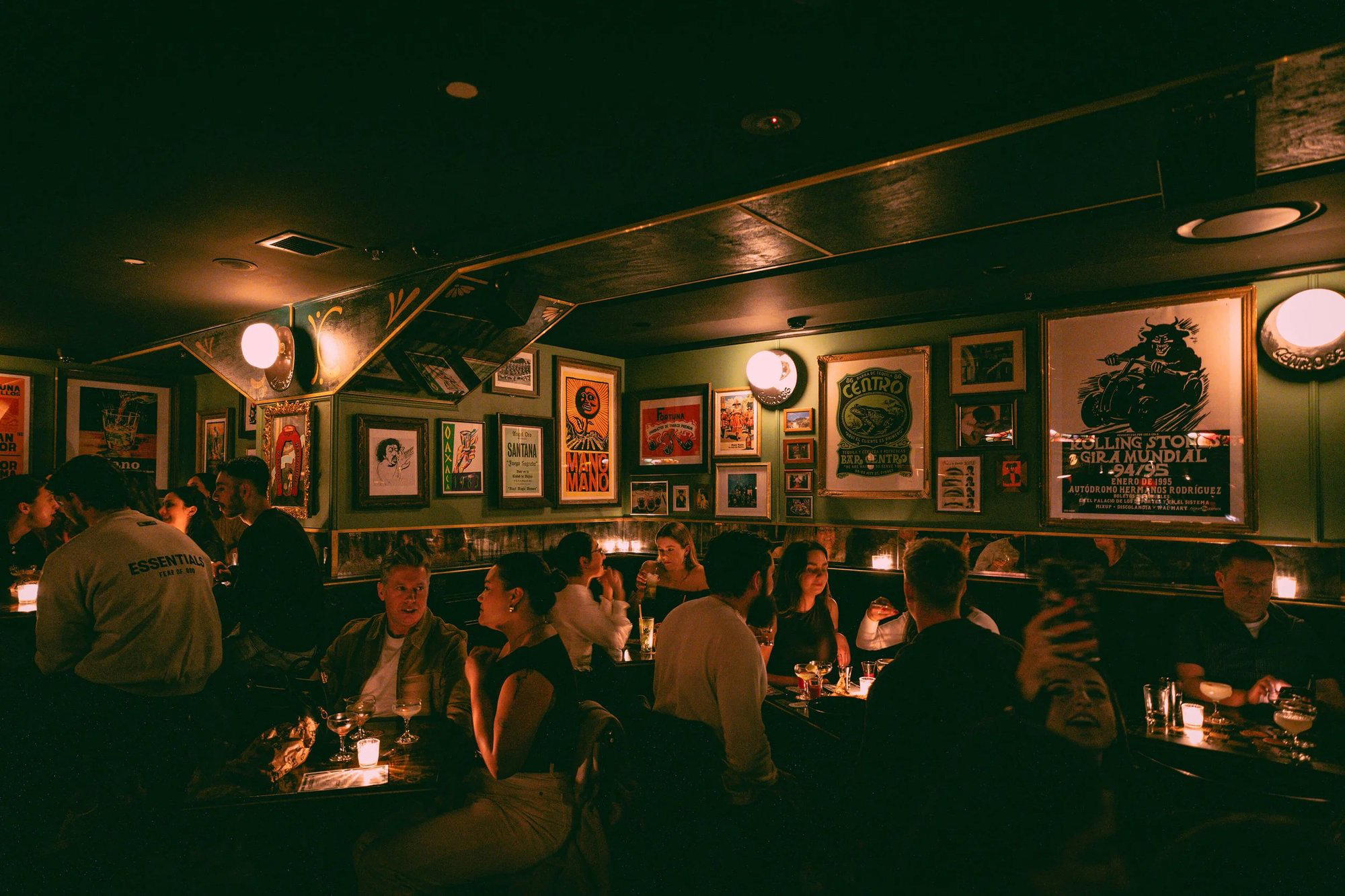
Hotels in Sydney
Browse all →

At a Glance
- Intimate
- Elegant
- Sophisticated
- Lively
- Celebration
- Special Occasion
- Group Dining
- Business Dinner
- Date Night
- Private Dining
- Design Destination
- Craft Cocktails
- Beer Program
- Local Sourcing
Current opening hours
- Monday
- 12–9 PM
- Tuesday
- 12–9 PM
- Wednesday
- 12–9 PM
- Thursday
- 12–9 PM
- Friday
- 12–10 PM
- Saturday
- 12–10 PM
- Sunday
- 12–9 PM
Hours can change for holidays and private events. Last verified .
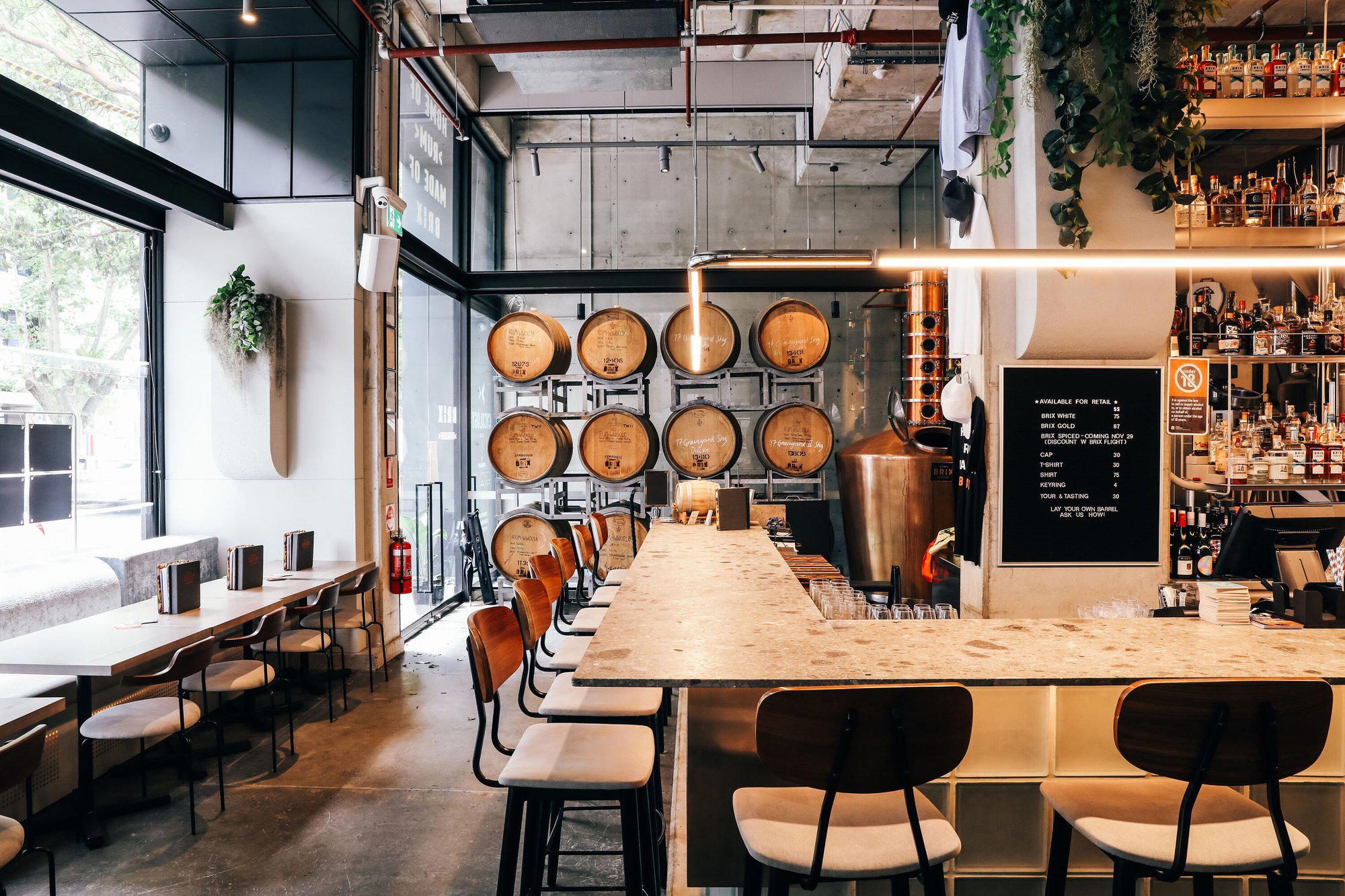
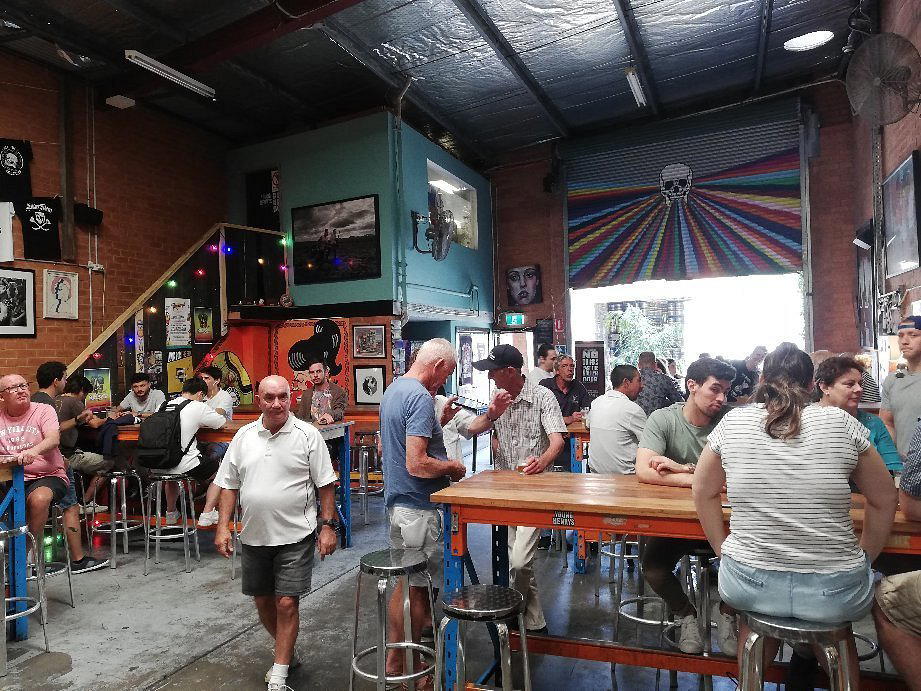
Darkly lit subterranean cavern with black and red dominant colors, mysterious atmosphere with round globe lighting, decorated in Chinese style with pictures of Asian women on walls; lively with sounds of diners and clatter of plates.
Know Before You Go
- Getting there
- 10 Bligh St, Sydney NSW 2000, Australia