

At 25 Martin Place in Sydney's CBD, AALIA brings Middle Eastern and North African grilling traditions to a contemporary Australian context. Executive Chef Paul Farag works from an ironbark wood and charcoal grill sourced from the Blue Mountains, anchoring the menu in fire-driven technique and historically researched ingredients. The interior, designed by architect Matt Darwon, pairs sculptural woodwork with warm lighting to match the cooking's register.
Pearl is the En Primeur Club membership app — saves, bookings, and concierge access live there. Same editors, same standards.
- Address
- Shop 7.07-7.08/25 Martin Pl, Sydney NSW 2000, Australia
- Phone
- +61 2 9182 5880
- Website
- aaliarestaurant.com
- Directions
- Get directions
 Saves & bookings on Pearl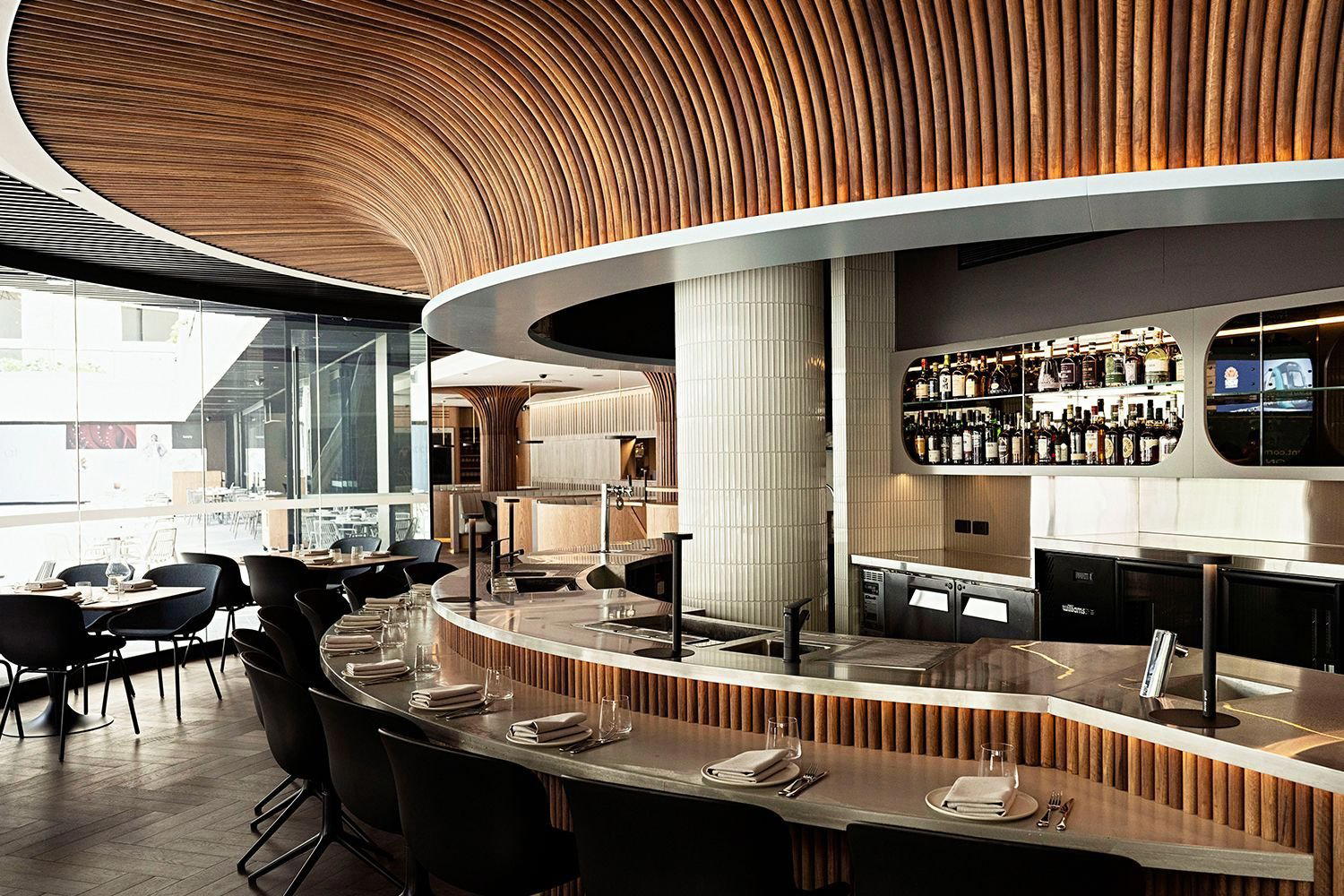
Fire, Sourcing, and the Architecture of Middle Eastern Grilling in Sydney
Sydney's CBD dining corridor has spent the last decade consolidating around a handful of dominant formats: the Australian-produce tasting menu, the high-end grill, and the upscale pan-Asian counter. Middle Eastern cuisine, with genuine technical rigour rather than mezze-plate familiarity, has been slower to find a home in that tier. AALIA, at Shop 7.07-7.08/25 Martin Pl in Sydney's CBD, is a modern Middle Eastern fine dining restaurant led by Chef Paul Farag, with a price point of about USD 87 per person.
The Grill as a Sourcing Argument
The consequential decision at AALIA is one that diners may not immediately notice: the fuel. The kitchen operates an open-fire grill using ironbark wood and charcoal sustainably sourced from the Blue Mountains, west of Sydney. Ironbark is among the densest hardwoods available in southeastern Australia, burning hotter and longer than most alternatives and producing a smoke profile that reads as clean rather than acrid on finished meat. This is not a decorative choice. It is a sourcing decision that directly shapes every plate that comes off the grill.
The logic here connects to a broader pattern visible in kitchens from Brae in Birregurra to Agrarian Kitchen in Hobart: Australian fine dining has increasingly treated provenance as a culinary argument rather than a marketing footnote. At AALIA, that argument extends into the fuel itself, which is unusual even within the city's grill-focused venues. Where 20 Chapel and comparable Sydney grill operations often work with standard hardwood or Binchotan charcoal, AALIA's Blue Mountains ironbark sourcing gives the kitchen a regionally specific smoke signature.
Historical Research as Ingredient
Executive Chef Paul Farag has drawn on 10th-century Arabic cookbooks as a research base, a practice that situates AALIA within a small international cohort of restaurants treating culinary history as a living source rather than a decorative reference. Across the Middle East and North Africa, pre-Ottoman cooking traditions involved spice combinations, fermentation techniques, and grilling methods that fell out of mainstream practice over centuries. Farag's work involves identifying those techniques and testing whether they survive contact with contemporary Australian produce and modern service expectations.
This is a different proposition from the fusion model that characterised earlier waves of Middle Eastern-influenced cooking in Australia. The aim is archaeological recovery applied through a contemporary kitchen, closer in spirit to what Attica in Melbourne has done with indigenous Australian ingredients than to a restaurant applying Middle Eastern flavour notes to an otherwise conventional menu structure. What makes the approach credible is that it remains anchored to specific technique, particularly grilling, rather than existing as a vague philosophical stance.
The menu is meat-centric, which is historically consistent with the culinary traditions Farag is drawing from. Secondary cuts feature prominently, a signal that the kitchen's confidence lies in technique rather than in the inherent luxury of premium cuts. Dry-aged beef appears in the sourcing notes, pointing to extended ageing periods that deepen flavour concentration before the meat reaches the ironbark grill. For comparison, Sydney's most technically focused grill venues, including those documented in Saint Peter (Australian Seafood)'s neighbourhood of Paddington, tend to rely on wet-aged product or commodity prime cuts. AALIA's dry-ageing orientation aligns it more closely with the approach seen at Amaru in Armadale or internationally at Atomix in New York City, where sourcing decisions are treated as primary editorial statements about the restaurant's identity.
The Room and Its Register
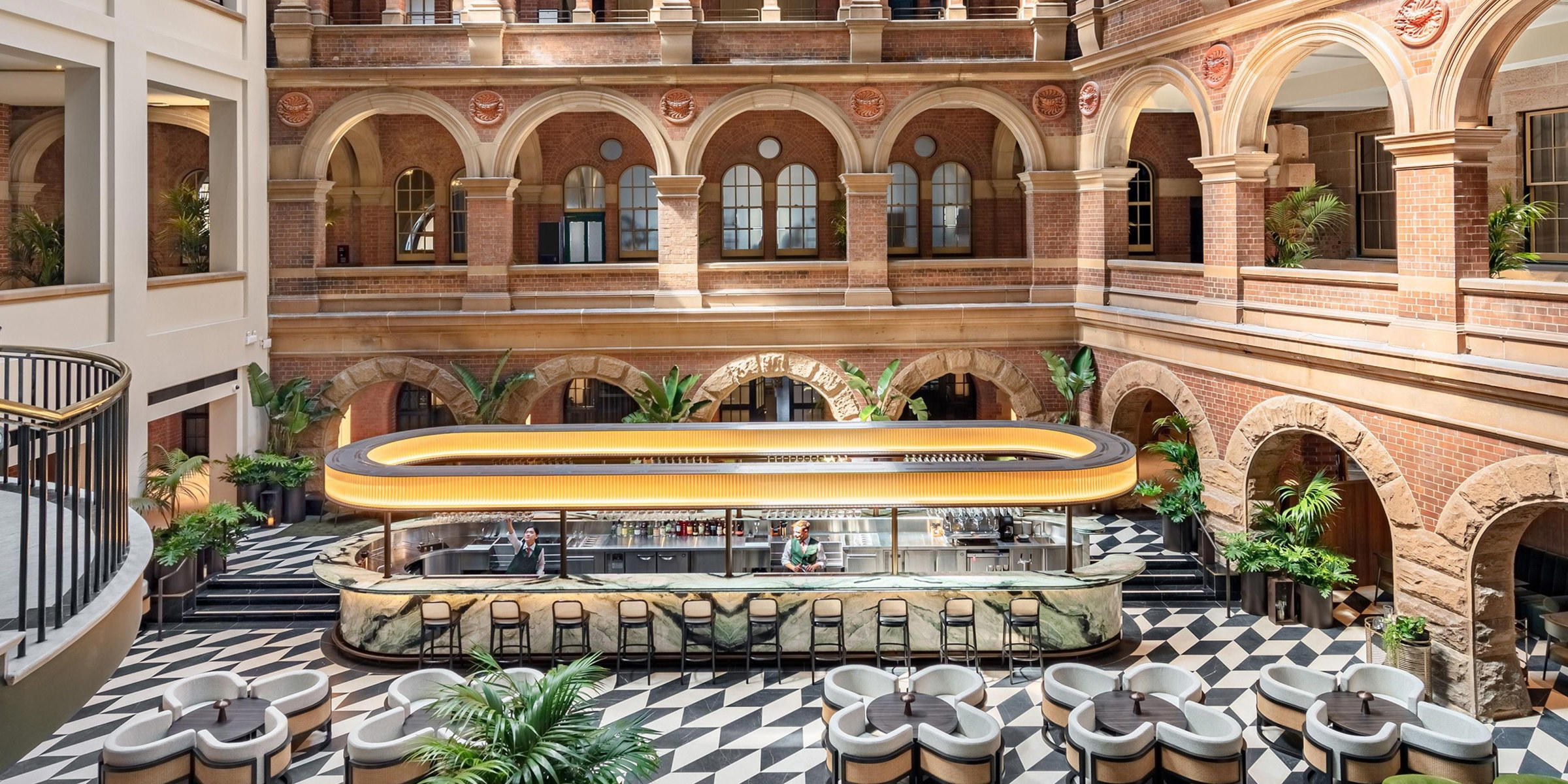
Architect Matt Darwon designed the interior with sculptural wooden elements and warm lighting, creating a space that corresponds to the cooking's register without mimicking traditional Middle Eastern decorative vocabulary. The approach mirrors a trend visible across premium Australian dining, from Bathers Pavilion in Mosman to Bacchus in Brisbane, where designers treat material warmth and artisanal craft as more appropriate signals for serious food than maximalist décor or theatrical staging. The wooden elements in AALIA's space are structurally resonant with the ironbark grill in the kitchen: both foreground material honesty over visual spectacle.
Martin Place as a location places AALIA inside Sydney's financial and civic core, a neighbourhood that generates strong weekday lunch and dinner trade from professional diners with high expectations for service and pacing. The address at Shop 7.07-7.08 within the Martin Place complex means the venue occupies a defined urban context, distinct from the harbourside settings that characterise competitors like Bennelong or the suburban neighbourhood dining of Paddington and Surry Hills. For visitors approaching from across the city, Martin Place station on the City Circle and T1 North Shore lines provides direct access.
Where AALIA Sits in Sydney's Current Scene
Sydney's restaurant map in 2024 and 2025 has seen incremental diversification away from the Australian-produce tasting menu as the default format for serious dining. The emergence of venues working from Korean, Japanese, and now Middle Eastern frameworks at the upper end of the market reflects a broader maturation in the city's dining culture. Within that shift, AALIA's position is specific: it is not a casual Middle Eastern restaurant scaled up, nor is it a fusion exercise using Middle Eastern flavour as accent. It is a technically oriented grill restaurant whose sourcing philosophy, from Blue Mountains ironbark to dry-aged beef to 10th-century recipe research, is consistently Middle Eastern and North African in origin.
That specificity is what separates it from earlier attempts to refine the format in Sydney. The open-fire cooking discipline required to work with ironbark wood demands kitchen expertise that narrows the field considerably. Other Australian cities have seen comparable ambition applied to different cuisines: 400 Gradi in Brunswick East made a similarly focused technical argument for Neapolitan pizza, while Le Bernardin in New York City established the model for a single-cuisine-tradition restaurant operating at the summit of its category without compromise. AALIA's case rests on whether the same discipline can be sustained across a menu format that is inherently more varied than either of those examples.
Planning Your Visit
AALIA is located at Shop 7.07-7.08, 25 Martin Place, Sydney NSW 2000, within the Martin Place commercial precinct. Booking in advance is advisable for dinner, particularly midweek when the CBD professional trade fills the room. The Martin Place station provides direct access via both City Circle and T1 North Shore rail lines. The menu's orientation toward dry-aged, fire-grilled meat means the kitchen runs leading at dinner when the grill has reached full temperature, lunch service, if available, may offer a different register of the same menu.
A Pricing-First Comparison
Comparable venues nearby, for context on price, style, and recognition.
| Venue | Cuisine | Price | Notes |
|---|---|---|---|
| AALIAThis venue — the venue you are viewing | Not listed | $$$$ | Not listed |
| Yellow | Potts Point, Modern Vegan Fine Dining | $$$$ | Not listed |
| Poetica | North Sydney, Modern Steakhouse & Grill | $$$$ | Not listed |
| Croft Restaurant | Sydney, Modern Australian Fine Dining | $$$$ | Not listed |
| Buon Ricordo | Darlinghurst, Classic Italian Trattoria | $$$$ | Not listed |
| COYA | Not listed | $$$ | St Leonards, Modern Australian with Middle Eastern twist |
Recognition history
Dated appearances from independent guides and award organizations, with the underlying list record or original source where available.
World's Best Steaks 101 Best Steak Restaurants #14
World's Best Steaks
The Best Chef One Knife
The Best Chef
World's Best Steaks 101 Best Steak Restaurants #36
World's Best Steaks
Continue exploring
More in Sydney
Restaurants in Sydney
Browse all →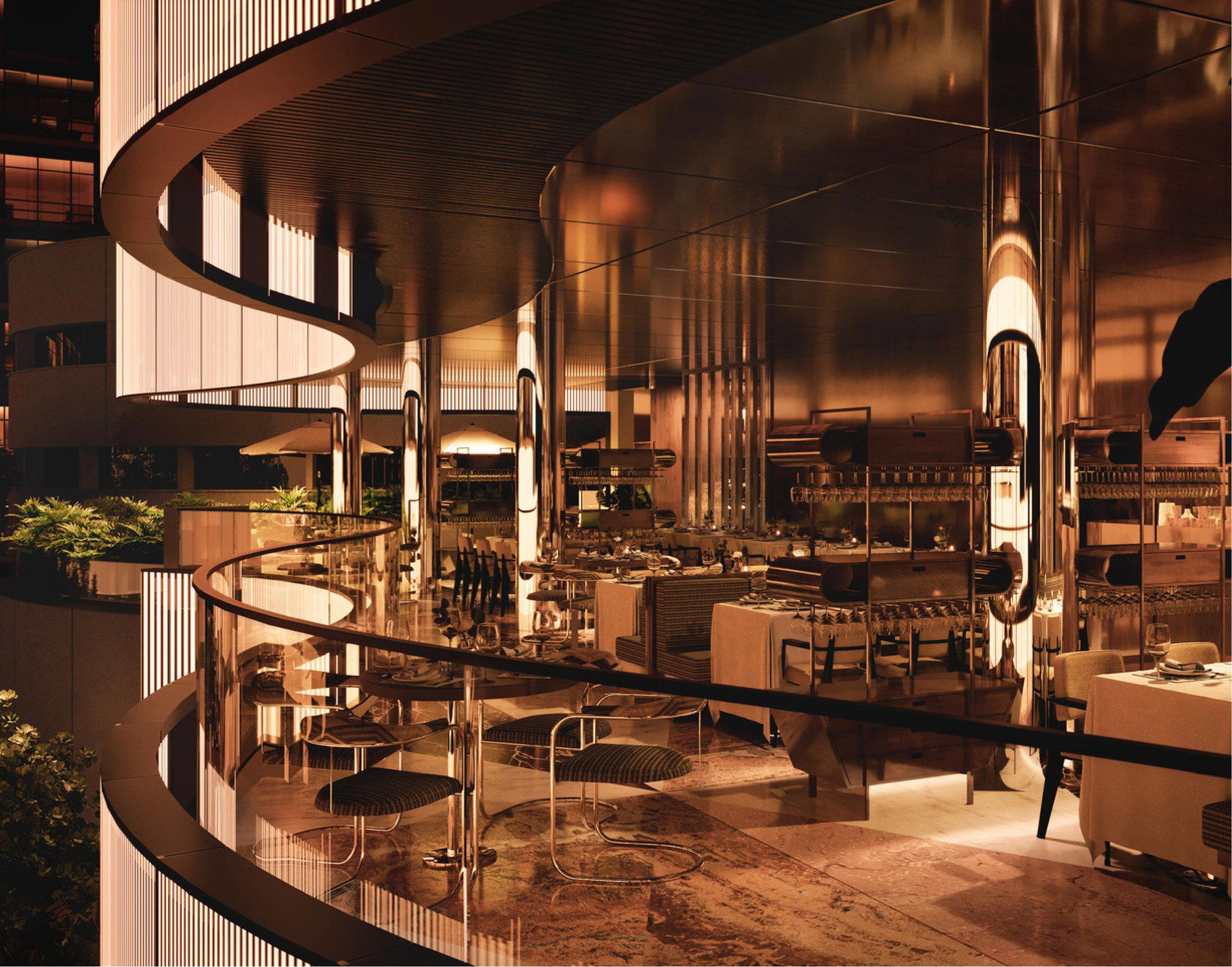
Bars in Sydney
Browse all →
Hotels in Sydney
Browse all →

At a Glance
- Elegant
- Sophisticated
- Modern
- Intimate
- Date Night
- Celebration
- Special Occasion
- Business Dinner
- Group Dining
- Open Kitchen
- Private Dining
- Design Destination
- Historic Building
- Extensive Wine List
- Sommelier Led
- Local Sourcing
Current opening hours
- Monday
- 12–10 PM
- Tuesday
- 12–10 PM
- Wednesday
- 12–10 PM
- Thursday
- 12–10 PM
- Friday
- 12 PM–12 AM
- Saturday
- 5 PM–12 AM
- Sunday
- Closed
Hours can change for holidays and private events. Last verified .
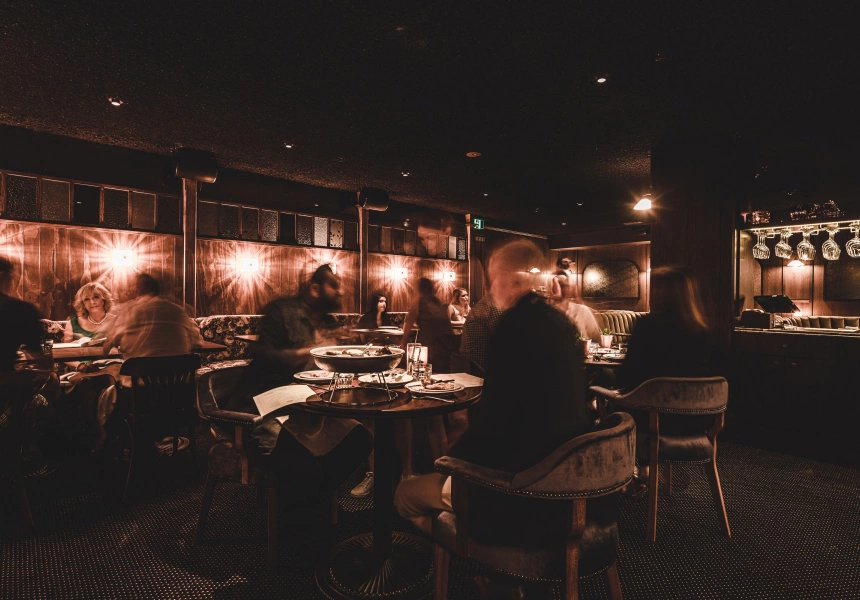
Warm, elegant, and refined with natural textures, warm lighting, soaring wooden pillars, and minimal dark elements; electro music is muted and unobtrusive, creating an airy Scandinavian-influenced aesthetic that balances sophistication with relaxation.