
Star Wine List
Our verdict
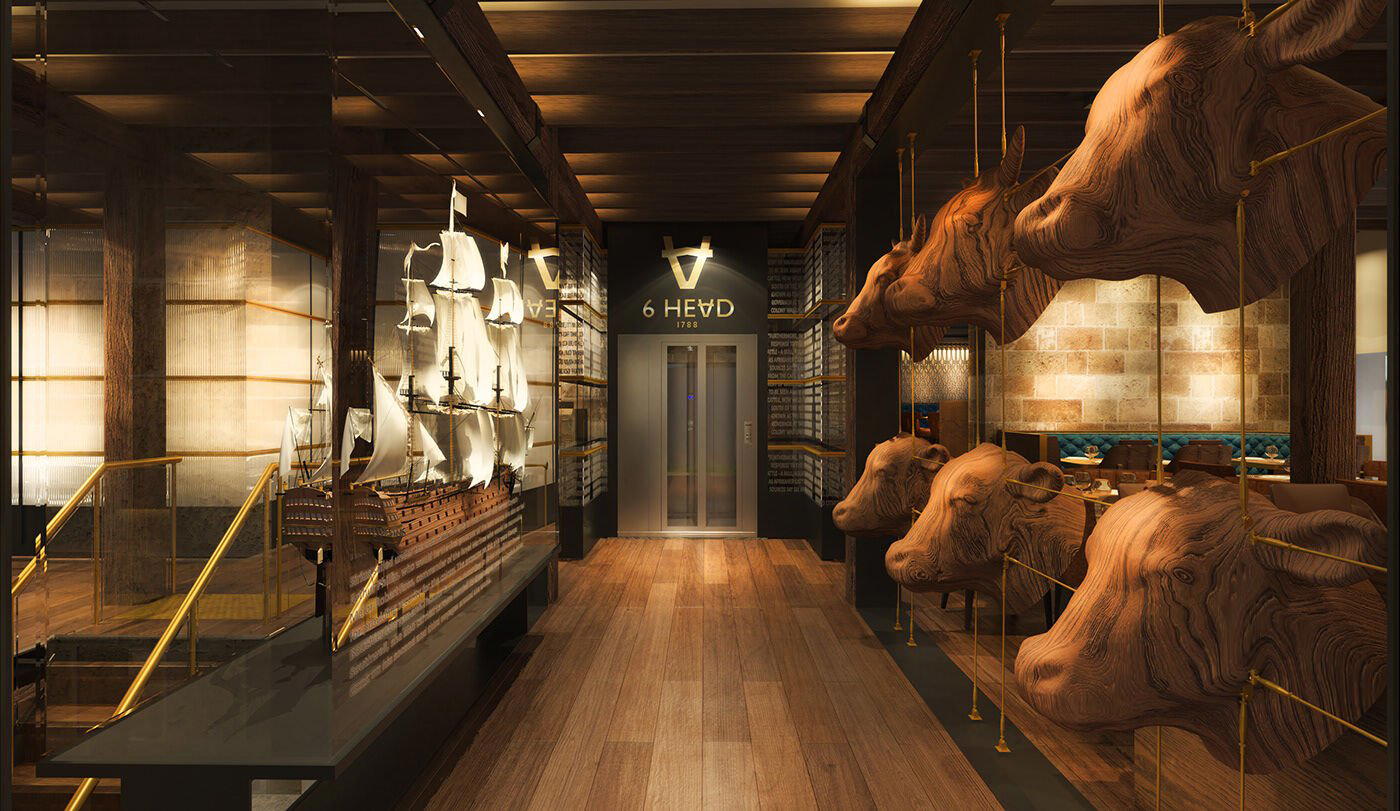
Occupying a heritage sandstone warehouse on the western edge of Circular Quay, 6HEAD is among the few steakhouses in Sydney where the waterfront setting doesn't come at the cost of serious cooking. Positioned in the Rocks precinct with direct sightlines to the Opera House, it draws on Australian beef provenance to anchor a menu that stands apart from the precinct's more tourist-facing neighbours.

Pearl is the En Primeur Club membership app, where members save venues, book tables and use the concierge.
The menu
What to order
- Wagyu rib eye
- Tomahawk steak
- Kingfish ceviche
Where the Rocks Meet the Water
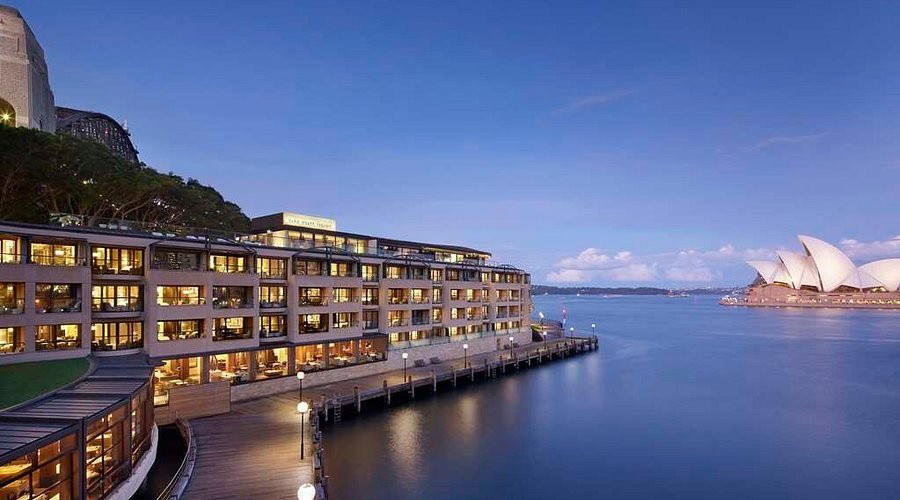
Approaching along the Circular Quay western walkway, Campbell's Stores announces itself through its sandstone facade long before you see a menu. Built in the 1840s as a wool and provisions warehouse, the building now houses a cluster of restaurants in its arched bays, and 6HEAD occupies bays 10 and 11 at the waterfront end. The Opera House sails sit directly across the water. This is one of the most photographed sightlines in Australia, and restaurants in this corridor have historically traded on that view while letting the kitchen slide. 6HEAD's position in the Sydney steakhouse conversation suggests it has managed to do otherwise.
The Rocks precinct is worth understanding before you arrive. It sits at the oldest section of European-settled Sydney, compressed between the Harbour Bridge approach and the Quay, and its dining has long oscillated between serious independents and tourist traps. The pressure to fill covers from cruise ship passengers and convention delegates is real here. The fact that 6HEAD maintains a local following alongside the inevitable tourist trade places it in a narrower bracket than most of its immediate neighbours.
The Sourcing Argument for Australian Beef
Premium steakhouses across Australia have spent the past decade sharpening their provenance language, and for good reason. Australia's cattle regions produce distinct eating profiles depending on breed, feed regime, and geography. Wagyu from the Southern Highlands behaves differently at the grill than grain-fed Angus from the Darling Downs; dry-aged pasture-raised beef from smaller southern producers carries a minerality that intensifies the longer it rests. A steakhouse that takes sourcing seriously has to make decisions about which of these profiles it wants to champion and communicate that clearly to the table.
This matters beyond marketing. When a kitchen works with a consistent supply of a specific breed or producer, the cooking can be calibrated to that animal. Resting times, internal temperatures, fat rendering, all of these adjust depending on what's on the pass. The difference between a steak sourced from a named producer and one bought to a price point is not always visible on the plate, but it tends to show up in consistency over repeat visits. Sydney's more serious carnivore restaurants, from Rockpool downward, have built reputations partly on that consistency. 6HEAD operates in that frame at Circular Quay, which is a harder part of the city in which to maintain it.
For a different register entirely, Saint Peter in Paddington takes an equivalent sourcing rigour to the fish side of the Australian larder, working directly with line fishers and small-boat operators in ways that have reshaped how Sydney thinks about seafood provenance. The logic is the same: know your supplier, understand your product, cook accordingly. It is a discipline that crosses protein categories.
Circular Quay in the Sydney Dining Hierarchy
Sydney's dining centre of gravity has shifted repeatedly over the past two decades. Surry Hills consolidated its position as the city's neighbourhood dining core through the 2010s. Paddington deepened its wine-bar and produce-focused identity. The CBD fringe around Barangaroo added volume. Circular Quay and the Rocks, by contrast, have remained more visitor-facing than locally driven, which makes it harder for individual restaurants to build the kind of regular clientele that sustains a kitchen's ambition over time.
The comparison set for 6HEAD within its own precinct is largely tourist-adjacent. Beyond the Quay, Sydney's contemporary Australian restaurants, including AALIA in the CBD and 10 William St in Paddington, are working with a more stable local audience and can afford longer-arc menu development. 6HEAD's challenge and its distinction is holding a kitchen position in a location that doesn't naturally reward it.
Nationally, the conversation about beef-focused restaurants in heritage settings has parallels elsewhere. Bacchus in Brisbane occupies a similar niche: a serious steakhouse in a heritage-adjacent venue that draws both business diners and visitors. Brae in Birregurra represents the opposite end of the sourcing spectrum, a destination restaurant growing its own produce at remove from any tourist corridor. Both sit within the same broader Australian conversation about where food comes from and why that answer should change what arrives on the plate.
The Setting as a Practical Variable
Dining at the waterfront end of Campbell's Stores in the evening, with the Opera House lit across the water, is a specific kind of Sydney experience that no amount of critical reserve makes irrelevant. The view is what it is. The question a serious diner asks is whether the food justifies the price premium that a setting like this invariably commands, or whether the setting is doing the work the kitchen should be doing.
At 6HEAD, the evidence available suggests the kitchen carries enough weight to make the combination defensible. The precinct comparison set is not strong. Against the city's wider steakhouse field, including the Rockpool Bar and Grill lineage and the newer generation of produce-led restaurants like 20 Chapel, the bar is higher. But a waterfront table at Campbell's Stores with a plate of properly sourced, well-cooked Australian beef is not a compromise for its location. It is a reasonable answer to what that location asks of a restaurant.
Bookings are advisable, particularly for waterfront-facing tables on weekend evenings when the combination of resident Sydneysiders, hotel guests from the nearby Quay precinct, and visiting diners creates pressure on the better seats. The address at 7-27 Circular Quay West places it within a short walk of both Circular Quay station and the ferry wharves, which makes it one of the more practically accessible serious restaurants in the city for visitors arriving without a car.
For those building a broader Sydney itinerary around food and drink, the full picture extends well beyond this stretch of the harbour. Our full Sydney restaurants guide covers the city's range from fine dining to neighbourhood staples. Our Sydney bars guide maps the cocktail and wine bar scene, and our hotel guide covers where to stay across precincts. If you are extending to other cities, Flower Drum in Melbourne, Agrarian Kitchen in Hobart, and Amaru in Armadale each represent different but equally considered approaches to the Australian table. Internationally, the sourcing discipline that defines Australia's better steakhouses finds a parallel in how Le Bernardin in New York City approaches fish provenance, and how Emeril's in New Orleans has long framed Louisiana ingredient identity as a kitchen philosophy rather than a marketing line.
Frequently asked questions
Where is 6HEAD located?
6HEAD is located at Bay 10 & 11, Campbell’s Stores, 7-27 Circular Quay W, The Rocks NSW 2000, Australia, Sydney.
What kind of recognition has 6HEAD received?
6HEAD has received recognition including: A steak restaurant with waterfront views of the Sydney Opera House? Yes, please. Restaurants in this part of the city can be notoriously touristy but it’s not the case with 6HEAD – this is one of Sydn....
What dish is 6HEAD famous for?
6HEAD's reputation is built on Australian beef, with provenance and cut quality forming the kitchen's core identity. As a dedicated steakhouse at Campbell's Stores in The Rocks, the menu positions Australian cattle regions, not imported product, as the central argument. Side dishes and broader menu items exist in support of that primary proposition.
Do I need a reservation for 6HEAD?
A reservation is strongly advisable. 6HEAD sits at Bay 10 and 11 of Campbell's Stores on Circular Quay West, one of Sydney's most in-demand waterfront stretches, and harbour-view tables draw consistent pressure from both city residents and visitors. Walk-ins during peak evening service are a risk most diners at this address would prefer not to take.
What's the signature at 6HEAD?
The restaurant's signature is Australian beef sourced with deliberate attention to provenance, served against direct sightlines to the Sydney Opera House across the water. That combination, cattle-country sourcing presented in a Circular Quay waterfront room, defines what 6HEAD is doing differently from the broader Sydney steakhouse field.
Is 6HEAD good for vegetarians?
6HEAD is a steakhouse, and its kitchen is oriented around beef. Vegetarian diners will find the menu works against them here; the restaurant's address at Campbell's Stores, The Rocks, puts it within reach of more broadly focused alternatives along the Circular Quay precinct if plant-based options are a priority.
Side-by-Side Snapshot
Comparable venues nearby, for context on price, style, and recognition.
| Venue | Cuisine | Price | Awards | Notes |
|---|---|---|---|---|
| 6HEADThis venue (the venue you are viewing) | Premium Steakhouse with Seafood | $100–150 | Star Wine List | Not listed |
| Magma by Dany Karam | Open-Flame Steakhouse | Not listed | Not listed | Canley Vale |
| Manly Grill | Beachside Steakhouse & Grill | $50–100 | Not listed | Manly |
| Infinity at Sydney Tower | Contemporary Australian Fine Dining | $150–200 | Star Wine List | Sydney |
| Pony Dining The Rocks | Wood-Fired Steakhouse | $50–100 | Not listed | The Rocks |
| Restaurant Moon | Thai-European Fusion Degustation | $50–100 | Not listed | Darlinghurst |
Recognition history
Dated appearances from independent guides and award organizations, with the underlying list record or original source where available.
Star Wine List
Star Wine List
Continue exploring
More in Sydney
Restaurants in Sydney
All restaurants in Sydney →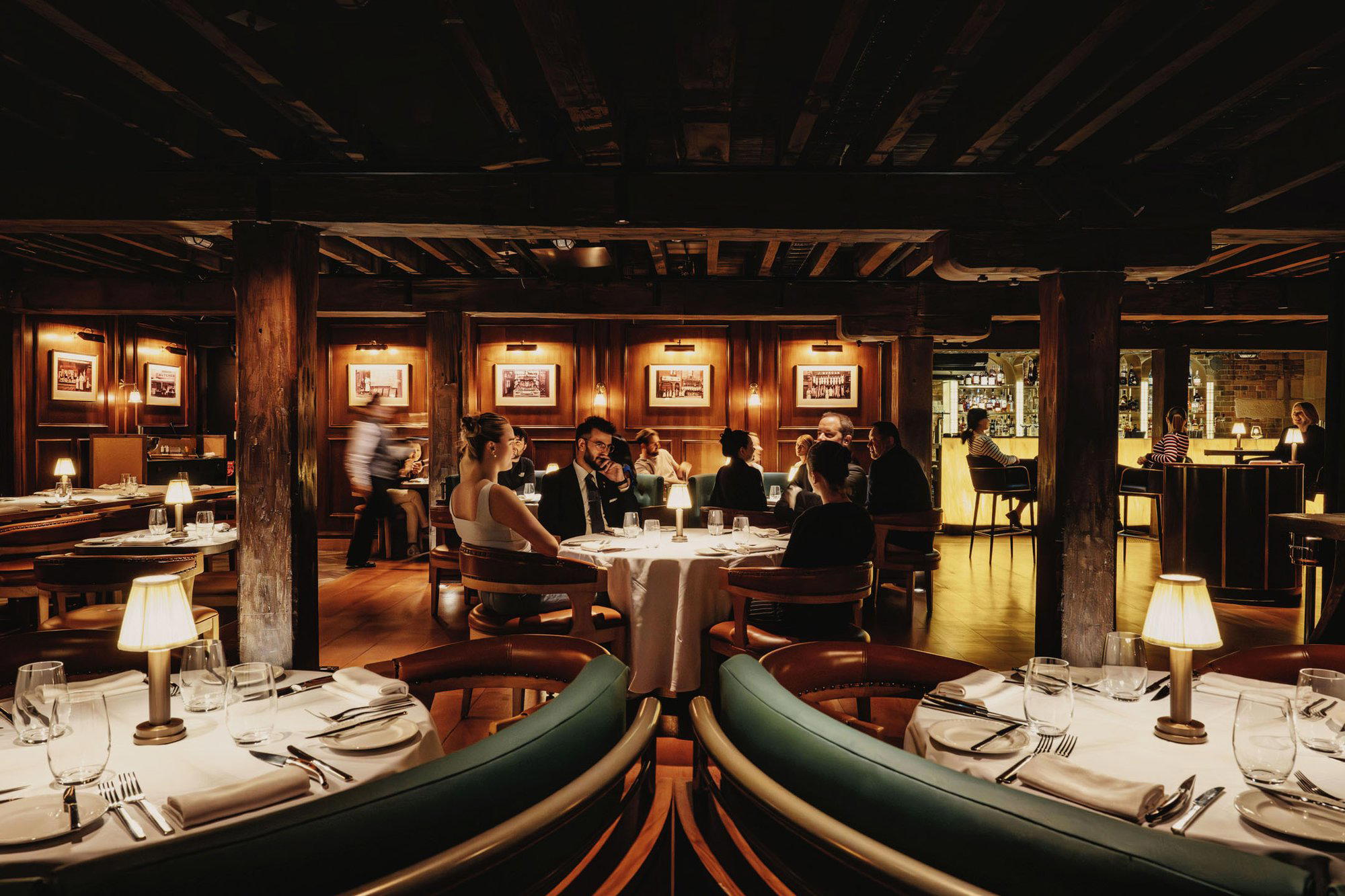
Bars in Sydney
All bars in Sydney →

Details
- Elegant
- Sophisticated
- Well Known
- Scenic
- Date Night
- Celebration
- Business Dinner
- Special Occasion
- Waterfront
- Terrace
- Private Dining
- Historic Building
- Extensive Wine List
- Waterfront
- Skyline
- A La Carte
- Wine
- Cocktails
- Gluten Free Options
Current opening hours
- Monday
- 5–9:30 PM
- Tuesday
- 12–9:30 PM
- Wednesday
- 12–9:30 PM
- Thursday
- 12–9:30 PM
- Friday
- 12–10:30 PM
- Saturday
- 12–10:30 PM
- Sunday
- 12–9:30 PM
Hours can change for holidays and private events. Hours as of .
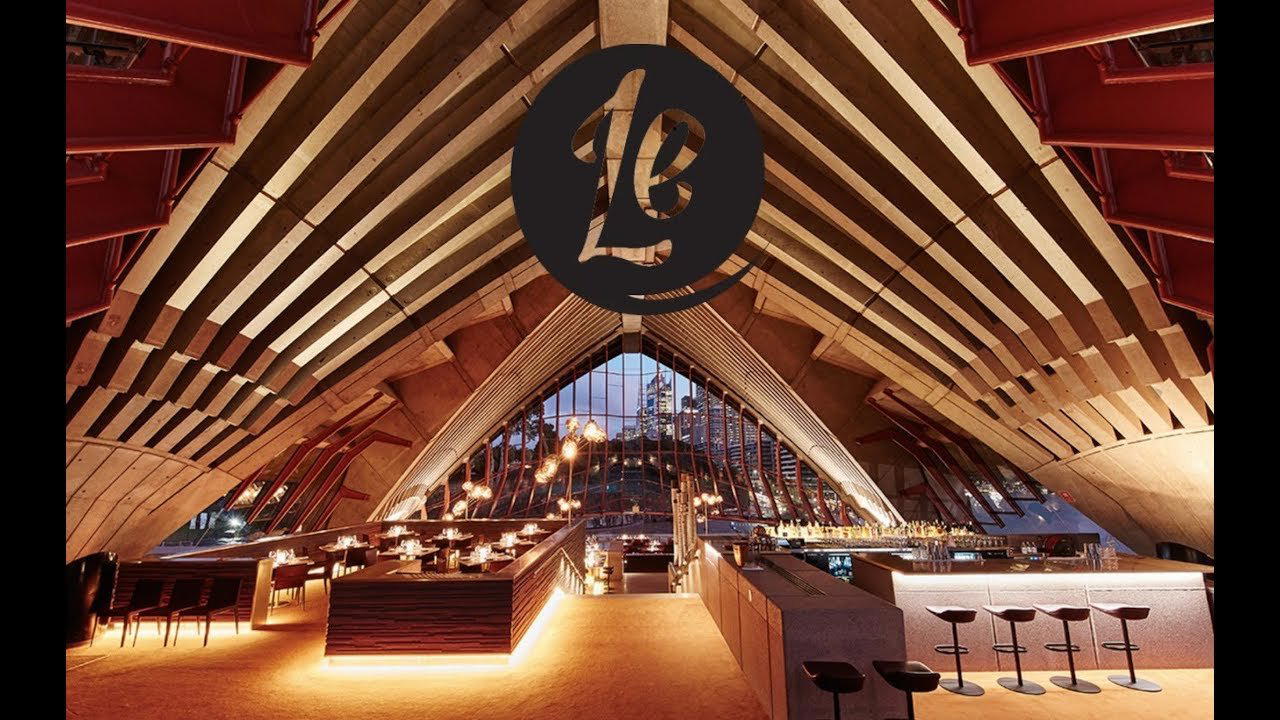
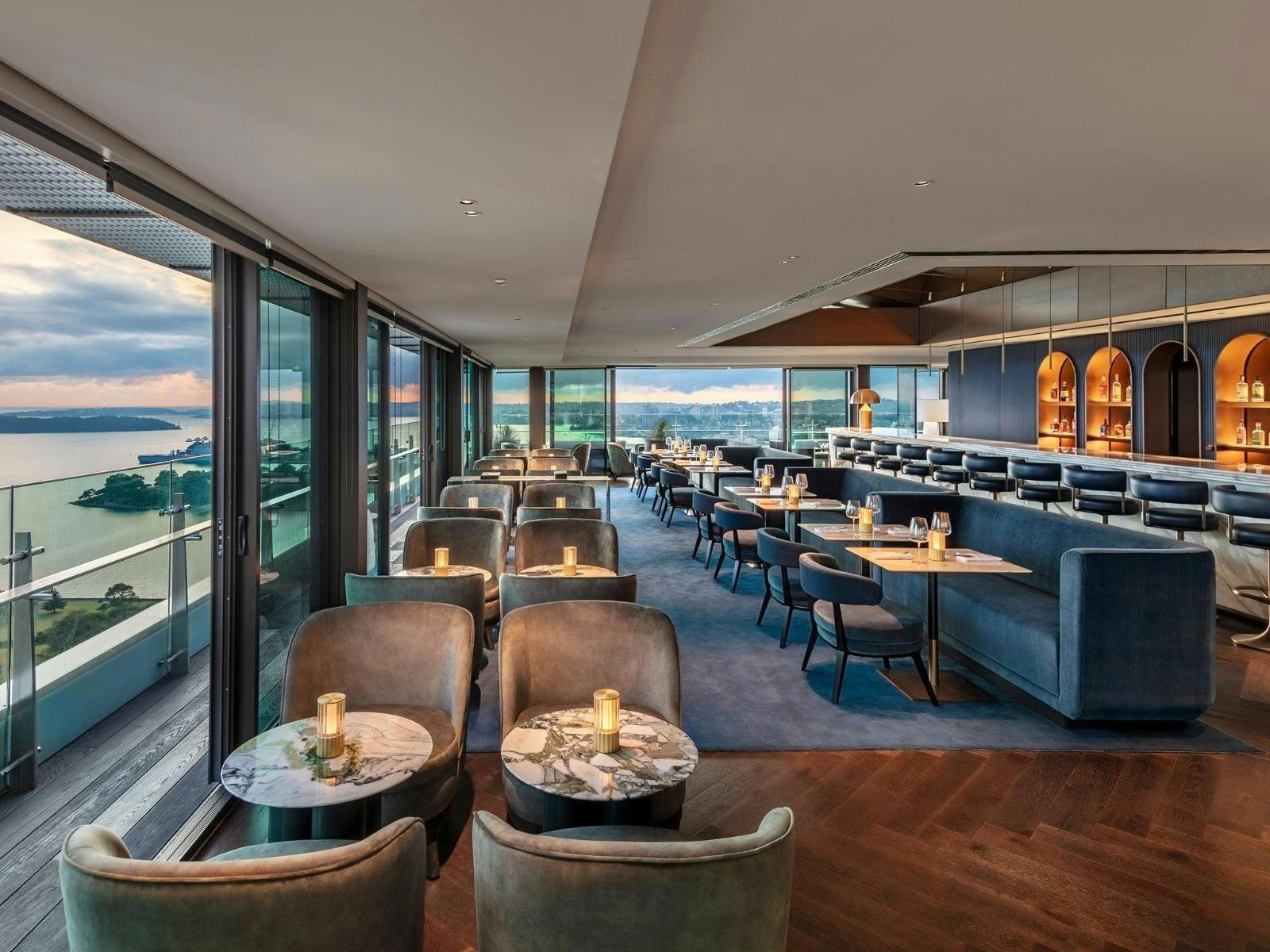
Historic sandstone interior blending heritage charm with modern elegance, complemented by a shady outdoor terrace overlooking the harbor.