Spiazzo
Spiazzo occupies a corner of West Portal, San Francisco's quietly residential dining corridor, where the neighborhood's appetite for Italian-leaning comfort sits alongside a growing interest in ingredient-led cooking. The address at 33 W Portal Ave places it outside the dense downtown dining circuit, giving it a tempo that differs from the city's more competitive central precincts. For visitors and locals working through San Francisco's broader restaurant map, it represents the neighborhood-anchor category of the city's dining scene.
Pearl is the En Primeur Club membership app — saves, bookings, and concierge access live there. Same editors, same standards.
- Address
- 33 W Portal Ave, San Francisco, CA 94127
- Phone
- +14156649511
- Website
- spiazzoristorante.com
- Directions
- Get directions
 Saves & bookings on Pearl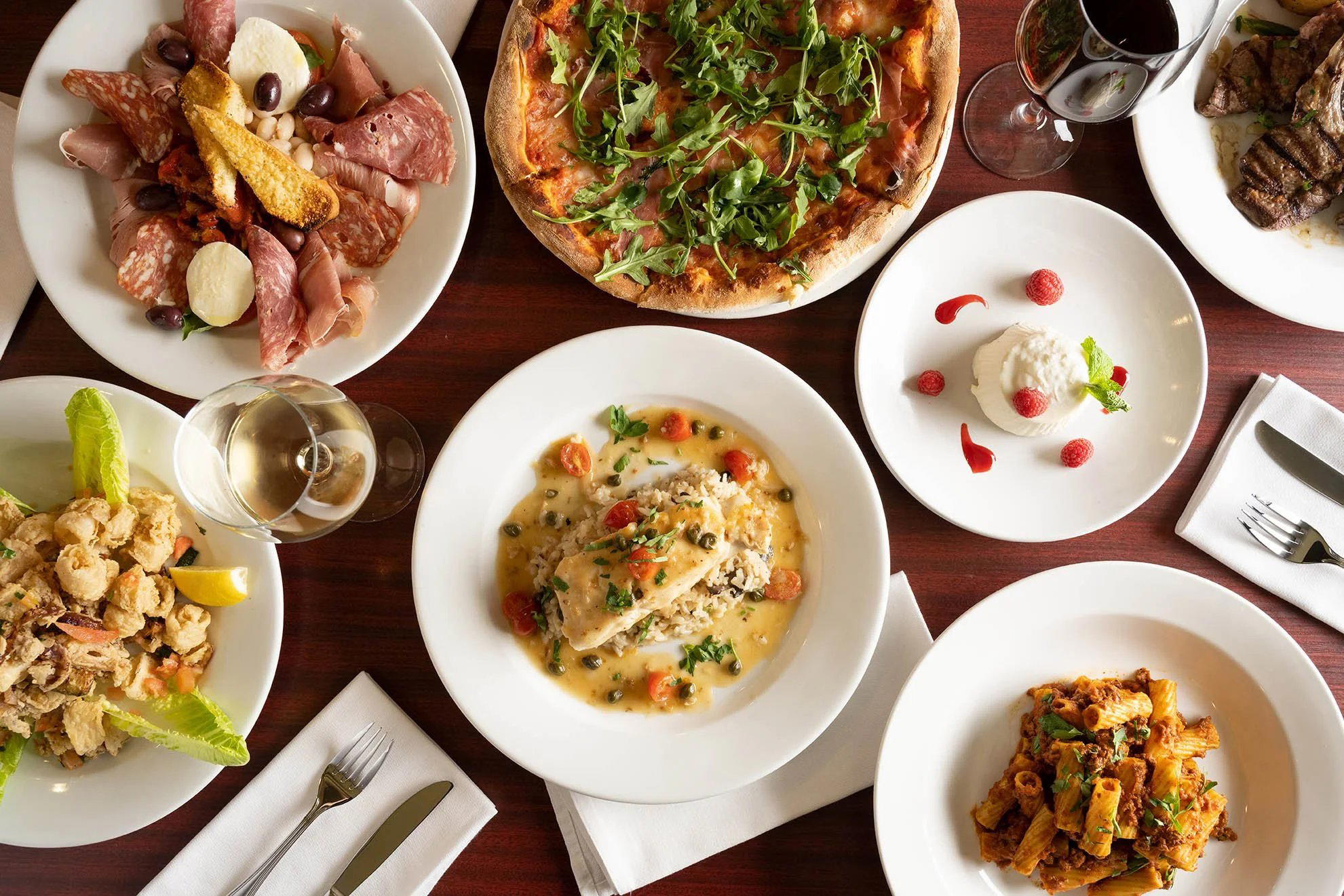
West Portal and the Neighborhood Anchor Model
San Francisco's dining conversation tends to concentrate on a handful of high-profile corridors: the Ferry Building adjacencies, the Mission, Hayes Valley, and the tasting-menu belt that runs through SoMa and the Financial District. West Portal operates on a different register. The neighborhood functions as a genuine residential village, bounded by the tunnel mouth of the Muni Metro and lined with the kind of low-rise commercial strip that serves daily life rather than destination seekers. Restaurants here compete less on novelty and more on sustained reliability, the kind that fills tables on a Tuesday in November as readily as on a Saturday in June.
Spiazzo, at 33 W Portal Ave, sits inside that model. Its address places it in a competitive set that has little overlap with the Lazy Bear or Atelier Crenn tier, where tasting menus and advance booking windows define the experience. The comparison is instructive rather than unfavorable: neighborhood dining in San Francisco fills a function that destination restaurants cannot, offering the kind of regularity and accessibility that sustains a community's relationship with food over years rather than occasions.
The Lunch-Dinner Divide in Neighborhood Italian Dining
In San Francisco's neighborhood Italian category, the gap between lunch and dinner service is often more pronounced than it appears at first. Lunch, particularly on a street like West Portal Avenue, draws a working-local crowd: parents between school runs, professionals working remotely, retirees who treat a midday meal as the social anchor of their day. The pace is faster, the orders tend toward pastas and simpler plates, and the room carries a different energy from the deliberate quiet of evening service.
Dinner on the same street shifts the room's composition. Couples, small groups, and families arriving from elsewhere in the city give evening service a slightly more considered quality. In the Italian-leaning neighborhood restaurant category broadly, this split often determines where a kitchen concentrates its ambition: whether the more composed dishes appear at dinner while lunch operates on a streamlined, value-oriented version of the same menu. This pattern holds across comparable neighborhood anchors in San Francisco and mirrors what you find in similar residential corridors in cities like New York and Chicago, where neighborhood Italians carry the weekday lunch crowd on familiarity and the weekend dinner crowd on something closer to occasion dining.
For San Francisco specifically, the lunch window on a neighborhood strip like West Portal can represent genuine value relative to the dinner pricing that dominates the city's better-known dining districts. The Benu and Quince tier sets a ceiling that makes midrange neighborhood dining look considerably more accessible, and the West Portal location keeps Spiazzo outside the premium-pricing pressure that affects restaurants in more trafficked neighborhoods.
Where Spiazzo Sits in San Francisco's Italian Tier
San Francisco's Italian dining segment spans a wide range. At the upper end, Quince operates as a fine-dining Italian reference point with Michelin recognition and a price tier that aligns it with the city's tasting-menu circuit. Below that sits a dense middle layer of trattoria-style and contemporary Italian restaurants across multiple neighborhoods, followed by the neighborhood-anchor category where consistency and accessibility carry more weight than ambition or press attention.
Spiazzo occupies territory in that middle-to-lower tier of the segment, where the relevant comparison set is other West Portal and Inner Sunset neighborhood restaurants rather than the downtown Italian dining circuit. This positioning is not a limitation so much as a definition of purpose. The strongest neighborhood restaurants in San Francisco, and across California's urban dining scene more broadly, earn their place through the quality of repetition: the regulars who return weekly, the menu that shifts seasonally without abandoning its core vocabulary, and the room that feels the same on a rainy Wednesday as on a sunny weekend afternoon.
For context on what the full range of San Francisco's restaurant offering looks like, the EP Club San Francisco restaurants guide covers the city's dining scene across price tiers and neighborhoods, from the destination-dining circuit through to neighborhood anchors across the city's distinct residential corridors.
San Francisco's Neighborhood Dining in National Context
The neighborhood restaurant category in American cities has attracted renewed critical attention over the past decade, partly as a reaction to the tasting-menu expansion of the early 2010s and partly because the economics of restaurant survival increasingly favor the reliable neighborhood model over the high-concept destination format. Cities like New York, Chicago, and New Orleans have long maintained a clear distinction between destination dining, represented by places like Le Bernardin, Alinea, and Emeril's, and the neighborhood anchor that operates below the radar of national food media while remaining essential to how residents actually eat.
San Francisco's version of this divide is shaped by its geography. The city's small physical footprint and dense transit network mean that no neighborhood is particularly remote, but the psychological distance between West Portal and the downtown dining core is considerable. Restaurants in outer residential neighborhoods like West Portal, the Outer Sunset, or the Excelsior compete in a different market than those in Hayes Valley or the Mission, and the metrics by which they succeed differ accordingly.
The broader California fine-dining circuit, anchored by properties like Saison in San Francisco, The French Laundry in Napa, Single Thread Farm in Healdsburg, and Providence in Los Angeles, represents one end of the spectrum. Nationally, the farm-to-table destination category includes Blue Hill at Stone Barns in Tarrytown, Addison in San Diego, The Inn at Little Washington, Bacchanalia in Atlanta, and Atomix in New York. Internationally, the Italian fine-dining reference moves to properties like 8½ Otto e Mezzo Bombana in Hong Kong. Spiazzo operates in a different register from all of these, which is precisely what defines its role in the West Portal neighborhood ecosystem.
Planning a Visit
West Portal Avenue is accessible directly from the Muni Metro West Portal station, making it one of the more transit-convenient neighborhood dining destinations in the outer residential areas of San Francisco. Street parking along the avenue and on adjacent residential streets is typically available, particularly at lunch. The neighborhood's residential character means the street is quieter in the evenings than comparable strips in the Mission or Hayes Valley, which suits the pace of a dinner that prioritizes ease over atmosphere.
Visitors working through San Francisco's neighborhood restaurant circuit alongside the city's destination dining tier will find West Portal a useful counterpoint to the premium pricing of the downtown dining core. The lunch service offers the more relaxed entry point; dinner carries slightly more of an occasion feel.
Quick reference: Spiazzo, 33 W Portal Ave, San Francisco, CA 94127. Accessible via Muni Metro West Portal station.
Price and Recognition
Comparable venues nearby, for context on price, style, and recognition.
| Venue | Cuisine | Price | Notes |
|---|---|---|---|
| SpiazzoThis venue — the venue you are viewing | Not listed | $$ | Not listed |
| La Copa Loca | Not listed | $$ | Mission, Italian Gelato & Crepes with Mexican-Inspired Flavors |
| Cafe Zoetrope | Chinatown, Authentic Italian Trattoria | $$ | Not listed |
| Vega | Not listed | $$ | Bernal Heights, Authentic Italian with Pizza and Pasta |
| Morella | Marina, Argentinian-Italian Fusion | $$ | Not listed |
| Bruno's | Not listed | $$ | Financial District/South Beach, Italian Pizza and Grill |
Continue exploring
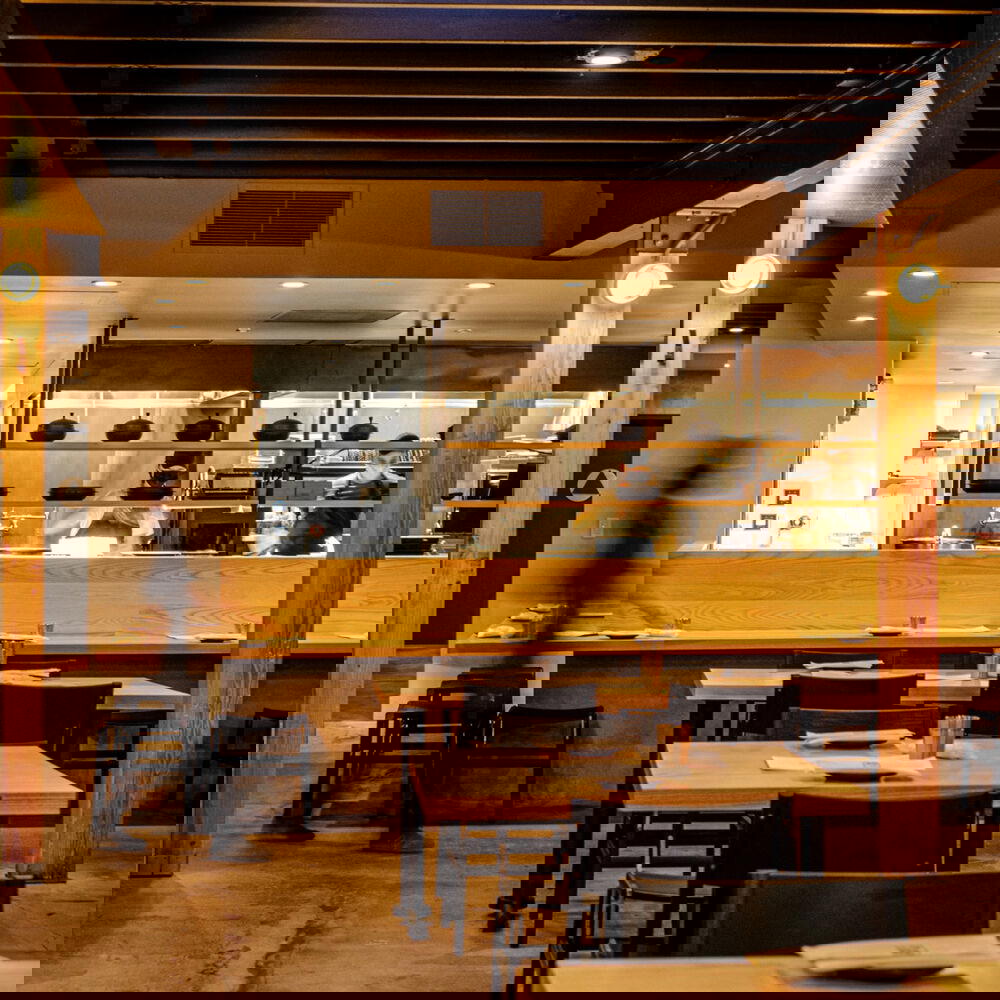
More in San Francisco
Restaurants in San Francisco
Browse all →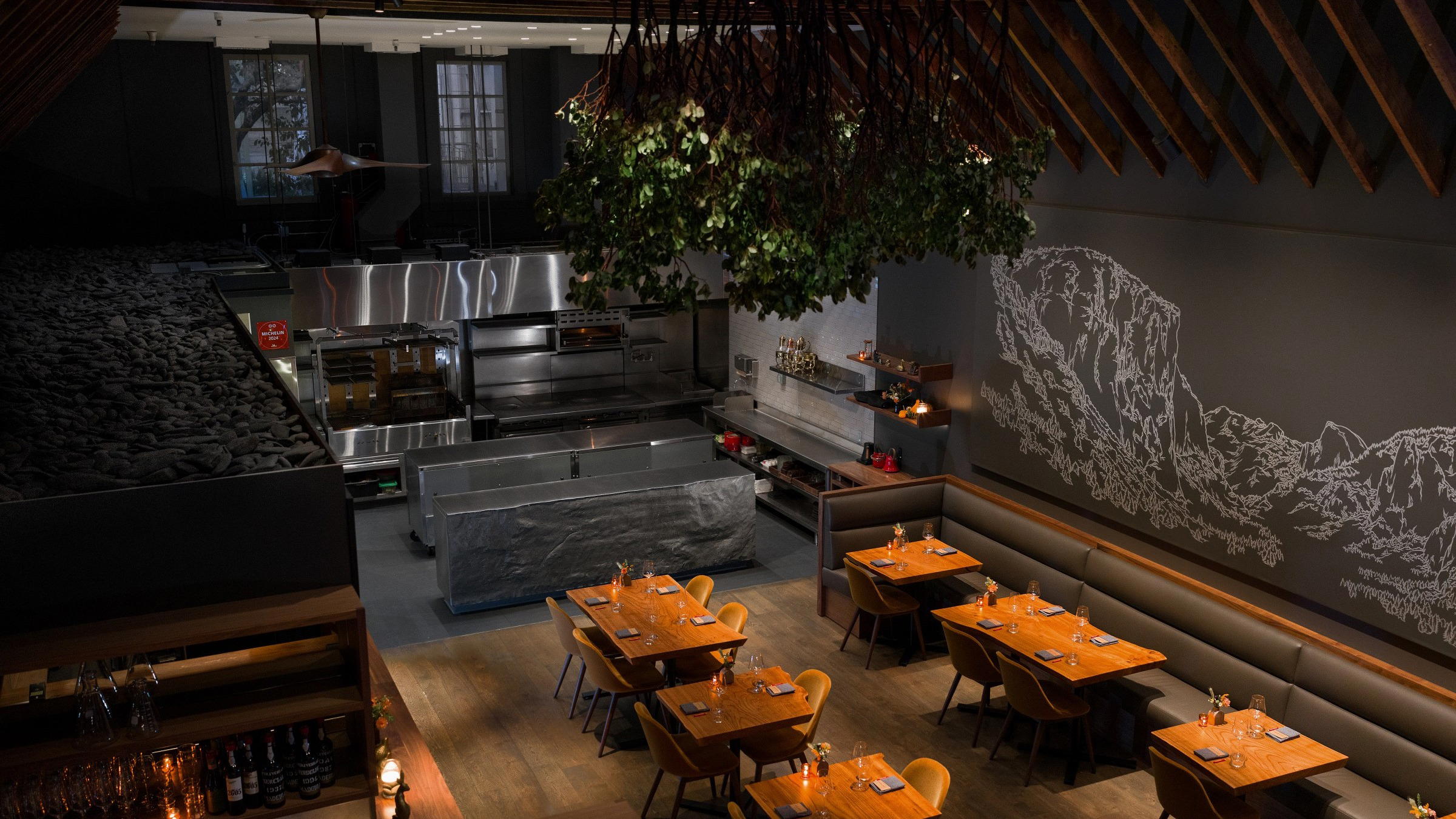
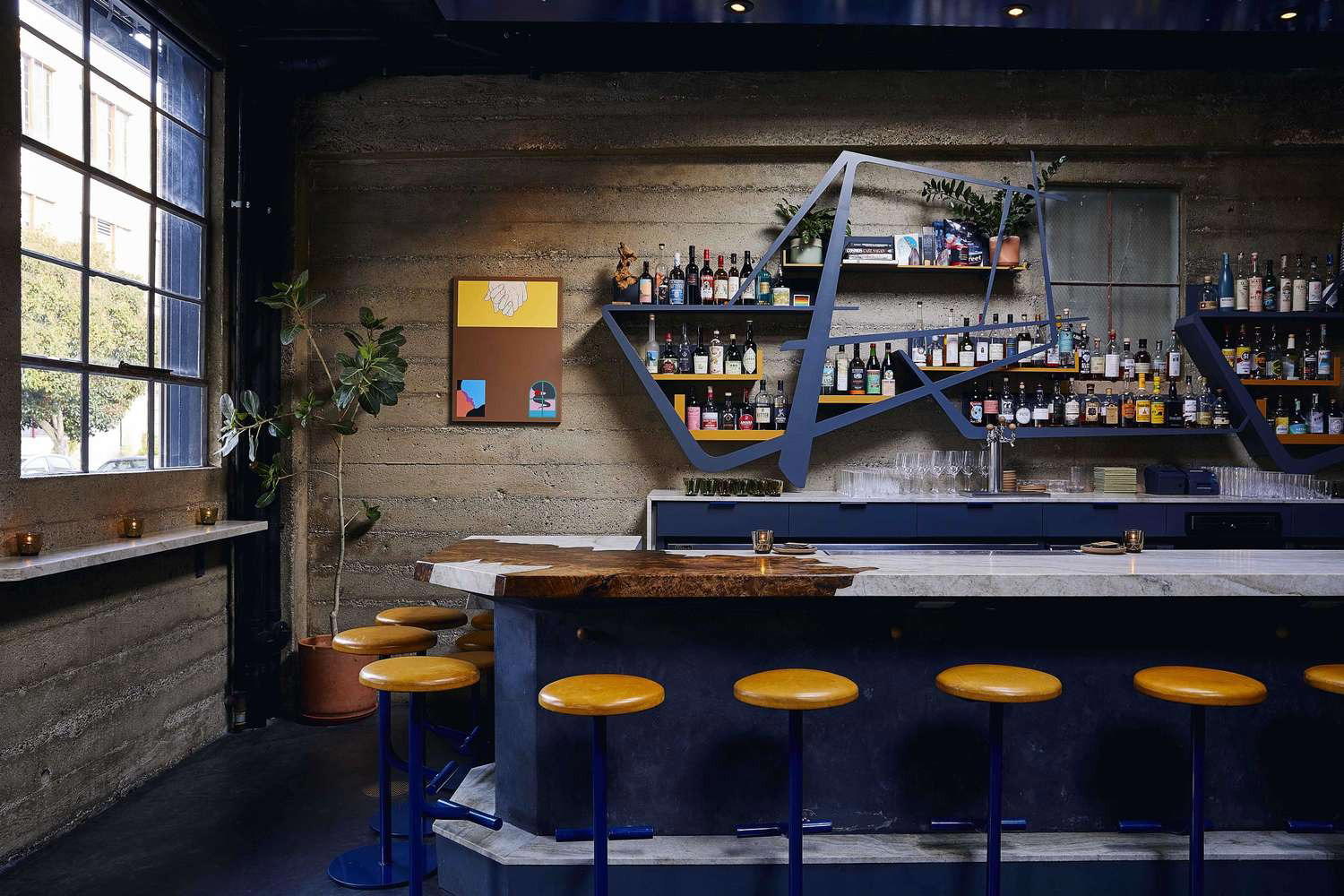
Bars in San Francisco
Browse all →
Hotels in San Francisco
Browse all →


At a Glance
- Cozy
- Classic
- Family
- Casual Hangout
- Standalone
- Local Sourcing
Current opening hours
- Monday
- 11:30 AM–10 PM
- Tuesday
- 11:30 AM–10 PM
- Wednesday
- 11:30 AM–10 PM
- Thursday
- 11:30 AM–10 PM
- Friday
- 11 AM–10 PM
- Saturday
- 11:30 AM–10 PM
- Sunday
- 11:30 AM–10 PM
Hours can change for holidays and private events. Last verified .
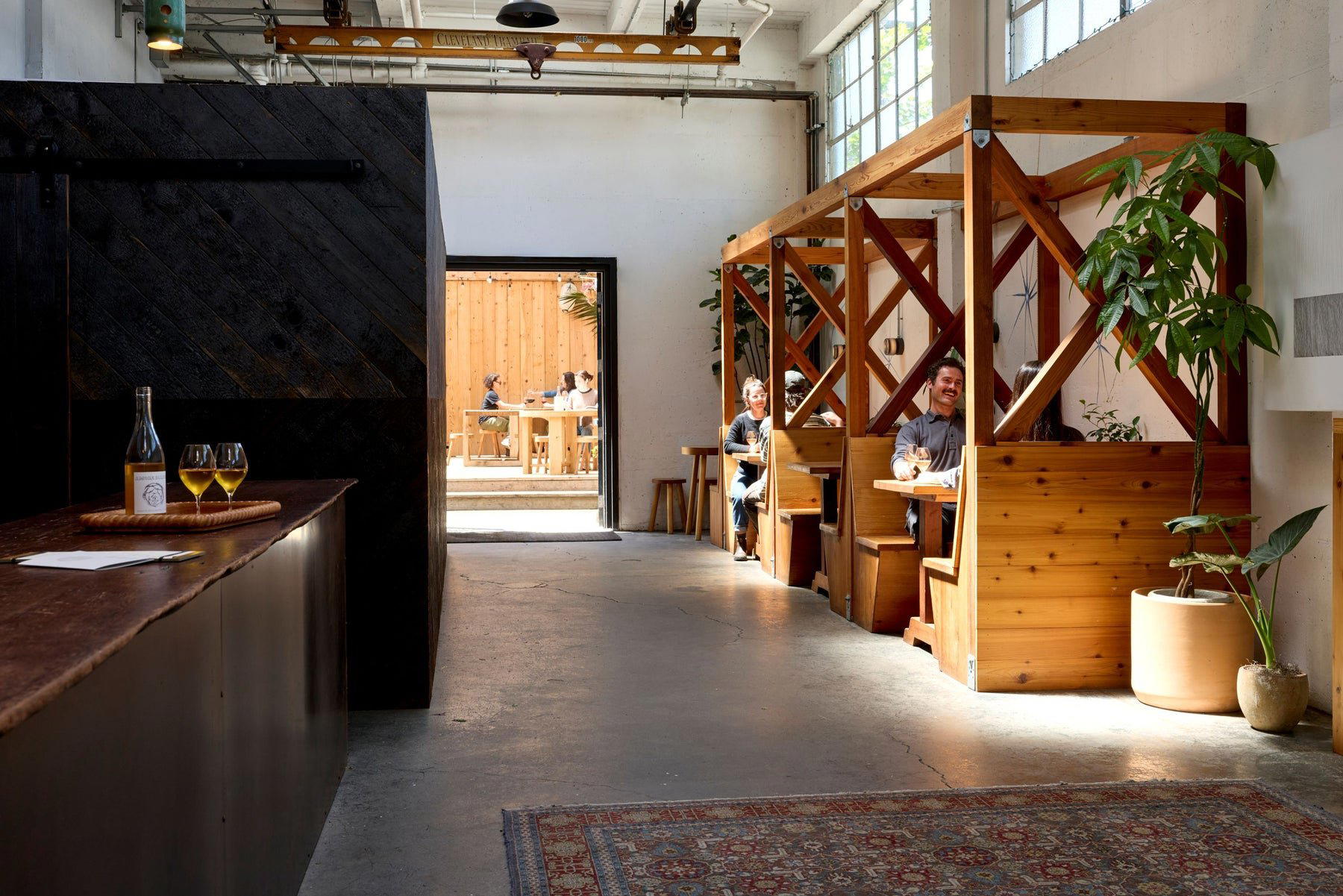
Warm and inviting with cozy decor, aromas of wood-fired pizzas and fresh pasta creating a family-like atmosphere.