Bruno's
Our verdict
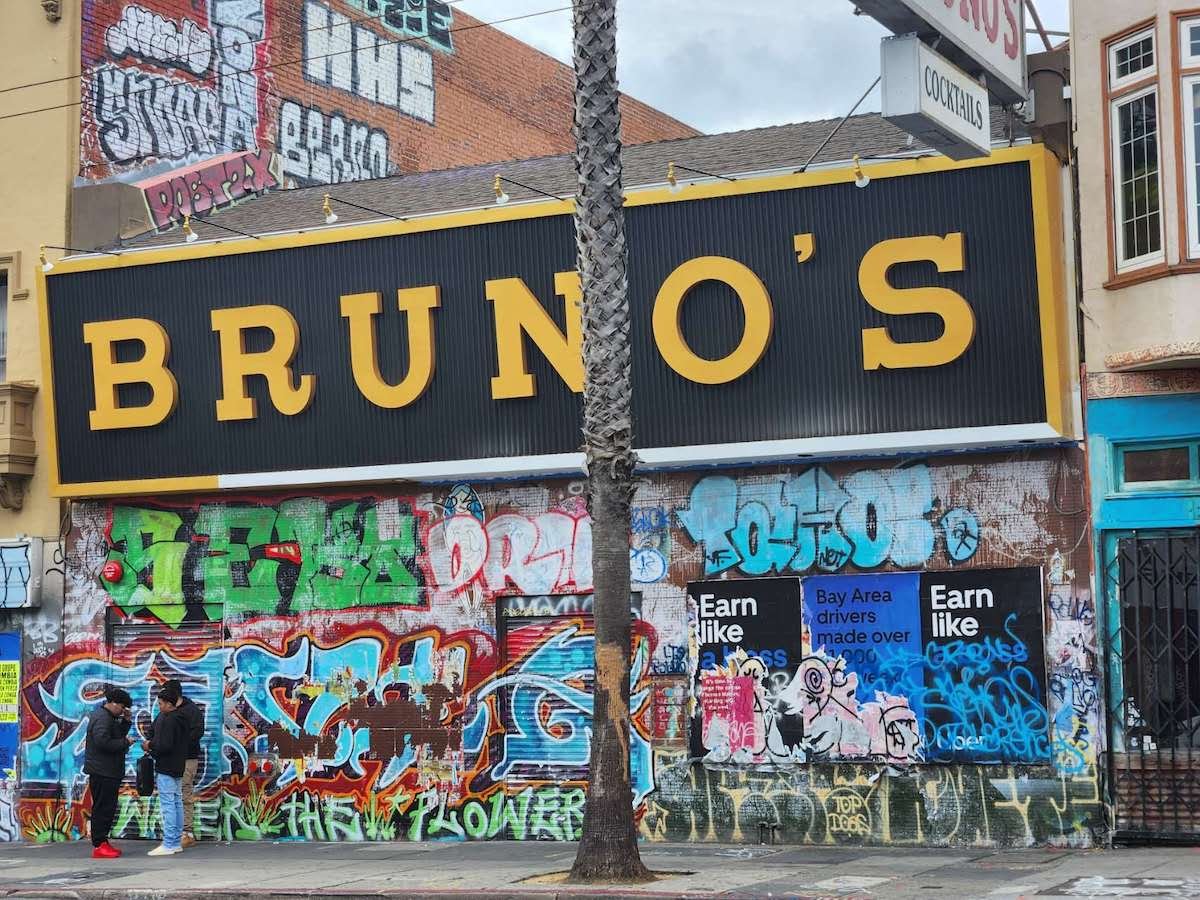
Bruno's occupies 606 Mission Street in San Francisco's SoMa district, a neighbourhood where the city's most technically ambitious dining rooms have taken root over the past decade. With limited publicly available data on cuisine type, pricing, or awards, it sits in a tier that rewards research before arrival. EP Club covers it here alongside context on how SoMa's restaurant scene positions itself against the city's wider fine dining geography.

Pearl is the En Primeur Club membership app, where members save venues, book tables and use the concierge.
The menu
What to order
- Bruno's Special
- Meatlovers Pizza
SoMa's Restaurant Logic and Where Bruno's Fits
San Francisco's South of Market corridor has become the city's most architecturally varied dining zone, hosting everything from the intensely theatrical format of Lazy Bear to the French-Chinese precision of Benu. The neighbourhood's restaurants tend to occupy repurposed industrial or commercial buildings, which shapes the physical experience before a single dish arrives: high ceilings, concrete or exposed-brick finishes, and a deliberate visual flatness that pushes attention toward the plate. Bruno's at 606 Mission Street sits within this geography, a Mission Street address that places it between the Yerba Buena arts cluster to the north and the residential density of the upper Mission further south.
What defines SoMa dining at the serious end of the market is a shared commitment to format discipline. The neighbourhood's leading rooms, including Benu and Saison, do not operate as flexible bistros. They have chosen formats, fixed or semi-fixed menus, specific pacing, and a clear architecture to how an evening unfolds. That architecture is worth thinking about before considering any SoMa restaurant, including Bruno's, because it sets expectations about control, sequencing, and what the kitchen is actually trying to say.
Menu Architecture as Editorial Statement
In American fine dining, the structure of a menu is rarely neutral. How a kitchen organises its courses, where it places textural contrast, how it handles the transition from savoury to sweet, all of it reflects a set of decisions about what dining is for. At the top end of San Francisco's market, those decisions have become increasingly codified. Atelier Crenn in the Marina uses a poem as its menu document, a format choice that tells you something specific about the kitchen's priorities. Quince in Jackson Square builds its menu around Italian seasonal logic, where the structure follows the ingredient calendar rather than a fixed architectural template.
What that absence signals, in a city where leading restaurants typically have dense public footprints across press coverage and booking platforms, is either a deliberate low-profile positioning or a relatively early stage in the restaurant's public life. Both scenarios have precedent in San Francisco. Some of the city's most discussed rooms built their reputations slowly, through word of mouth, before institutional recognition caught up. Others have maintained minimal public presence as a form of curation, managing the guest relationship carefully rather than broadcasting broadly.
For a venue at this address and in this neighbourhood context, the reasonable comparison set includes the city's serious contemporary rooms: Lazy Bear's progressive American format, Saison's wood-fire Californian precision, and the French-inflected tasting menus at Atelier Crenn.
The Broader American Fine Dining Context
San Francisco does not exist in isolation as a fine dining market. It operates in conversation with New York, where Le Bernardin and Atomix define different poles of French technique and Korean-American ambition respectively, and with Chicago, where Smyth has developed a farm-integrated tasting format that has influenced how other American kitchens think about sourcing transparency. Closer geographically, The French Laundry in Napa remains the reference point against which Northern California kitchens are implicitly measured, and Single Thread Farm in Healdsburg has introduced a Japanese-inflected kaiseki sensibility to the wine country corridor.
What all of these rooms share is a clear menu architecture: the guest knows, before sitting down, roughly what format they are entering. The absence of that clarity around Bruno's is the central open question for prospective visitors. It is not a disqualifying uncertainty, but it is one that warrants a direct conversation with the restaurant before booking, particularly for guests travelling from outside San Francisco who are building a trip around their dining choices. For broader context on how to position Bruno's within a San Francisco itinerary, EP Club's full San Francisco restaurants guide maps the city's leading rooms by neighbourhood, format, and price tier.
Further afield, rooms like Providence in Los Angeles, Addison in San Diego, Blue Hill at Stone Barns in Tarrytown, and The Inn at Little Washington all demonstrate how seriously regional American fine dining has developed outside the traditional New York axis. Frasca Food and Wine in Boulder and Emeril's in New Orleans each represent a different model of regional authority. Even internationally, the question of menu architecture has become a primary critical lens: Atelier Moessmer Norbert Niederkofler in Brunico has built an entire kitchen philosophy around Alpine ingredient sourcing, demonstrating how structure and sourcing can be inseparable.
Planning a Visit
Bruno's is located at 606 Mission Street, San Francisco, CA 94105, in the SoMa district. Mission Street has good public transit access via the Montgomery Street BART station, approximately four blocks north.
How Bruno's Compares on Key Logistics
| Venue | Cuisine | Price Tier | Format |
|---|---|---|---|
| Bruno's | Not confirmed | Not confirmed | Not confirmed |
| Lazy Bear | Progressive American | $$$$ | Contemporary tasting |
| Atelier Crenn | Modern French | $$$$ | Contemporary tasting |
| Benu | French-Chinese | $$$$ | Asian tasting |
| Quince | Italian Contemporary | $$$$ | Seasonal tasting |
| Saison | Progressive Californian | $$$$ | Wood-fire tasting |
Frequently asked questions
at Bruno's?
The editorial guidance is to contact the restaurant directly to understand current menu format. San Francisco's serious contemporary rooms, from Benu's French-Chinese tasting sequences to Saison's wood-fire progressions, all reward guests who arrive understanding the menu's internal logic rather than defaulting to a single dish. Ask the team at Bruno's how the menu is structured and where they suggest attention is paid.
Can I walk in to Bruno's?
If Bruno's operates in the same format tier as SoMa's other serious dining rooms, walk-in availability is likely limited or non-existent. Lazy Bear, Benu, and Saison all require advance booking, sometimes weeks or months ahead, and price their menus at the $$$$ tier where pre-commitment from the guest is standard practice. Whether Bruno's follows that model cannot be confirmed from current public data, but given the address and neighbourhood context, contacting the restaurant ahead of any visit is strongly advisable. Arriving without a reservation at a fixed-format fine dining room in this part of San Francisco routinely results in a long wait or a declined seating.
How does Bruno's fit into the Mission Street dining corridor compared with the wider SoMa scene?
Mission Street in SoMa bridges the city's arts infrastructure around Yerba Buena and the denser residential and commercial texture of the lower Mission district. Restaurants at this address sit in a zone that draws both the pre-theatre crowd from nearby cultural venues and the city's professional dining public. Until Bruno's cuisine type, price point, and format are publicly confirmed, its precise position within that corridor remains an open question, but the address alone places it within walking distance of several of San Francisco's most discussed dining rooms, making it a logical candidate for pairing within a broader SoMa evening.
Category Peers
Comparable venues nearby, for context on price, style, and recognition.
| Venue | Cuisine | Price | Awards | Notes |
|---|---|---|---|---|
| Bruno'sThis venue (the venue you are viewing) | Italian Pizza and Grill | $20–30 | Not listed | Not listed |
| Rocco's Cafe | Authentic Italian | $20–30 | Diners, Drive-Ins and Dives Featured Restaurant | South of Market |
| Long Bridge Pizza | New York-Inspired Sourdough Pizza | $20–30 | Not listed | Potrero Hill |
| Emmy's Spaghetti Shack | Italian-American Comfort Food | $20–30 | Not listed | Bernal Heights |
| Molinari Delicatessen | Classic Italian Deli | $10–20 | Not listed | Chinatown |
| Steps of Rome Trattoria | Roman Trattoria | $30–50 | Not listed | North Beach |
Continue exploring
More in San Francisco
Restaurants in San Francisco
All restaurants in San Francisco →
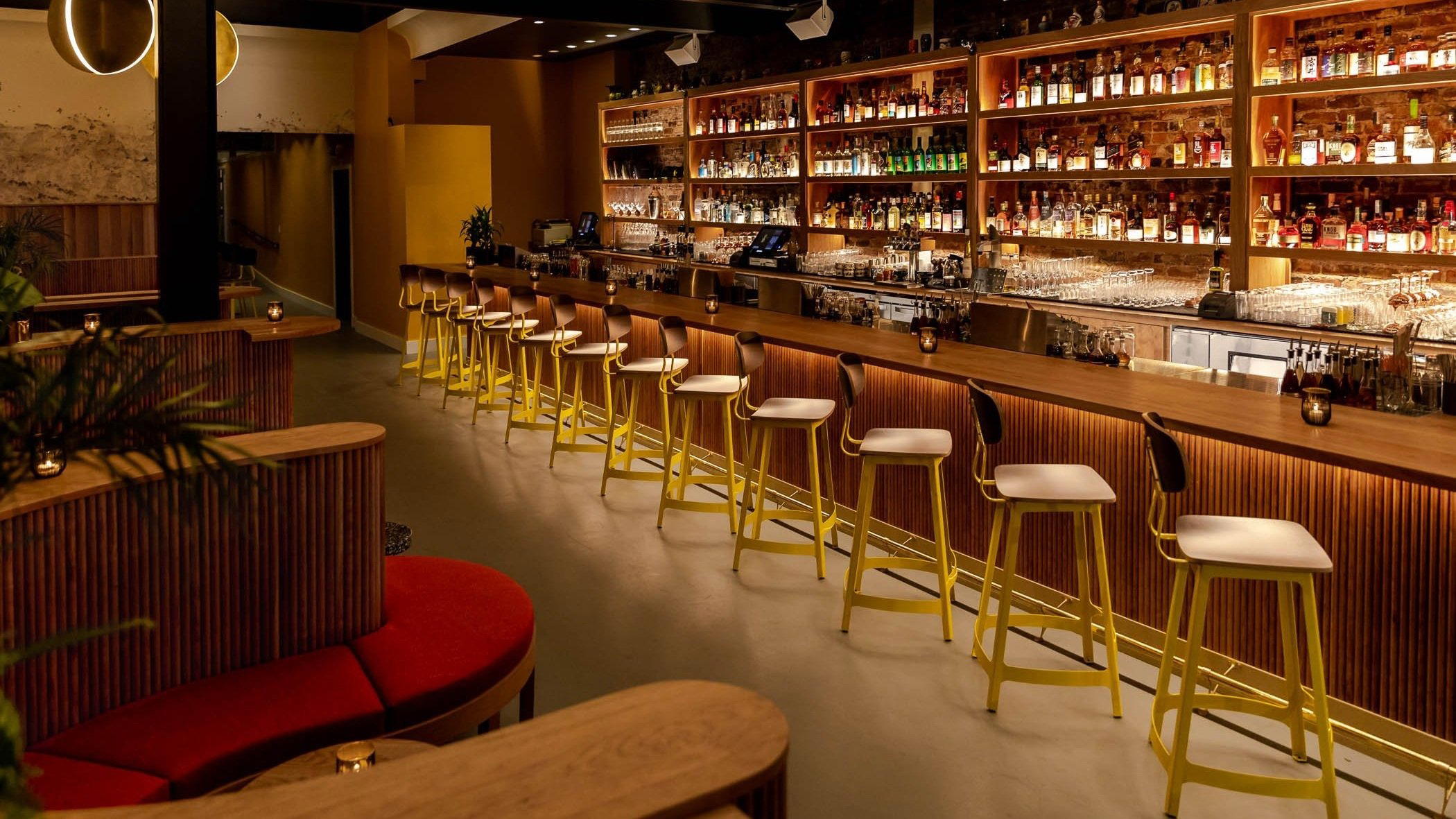
Bars in San Francisco
All bars in San Francisco →
Hotels in San Francisco
All hotels in San Francisco →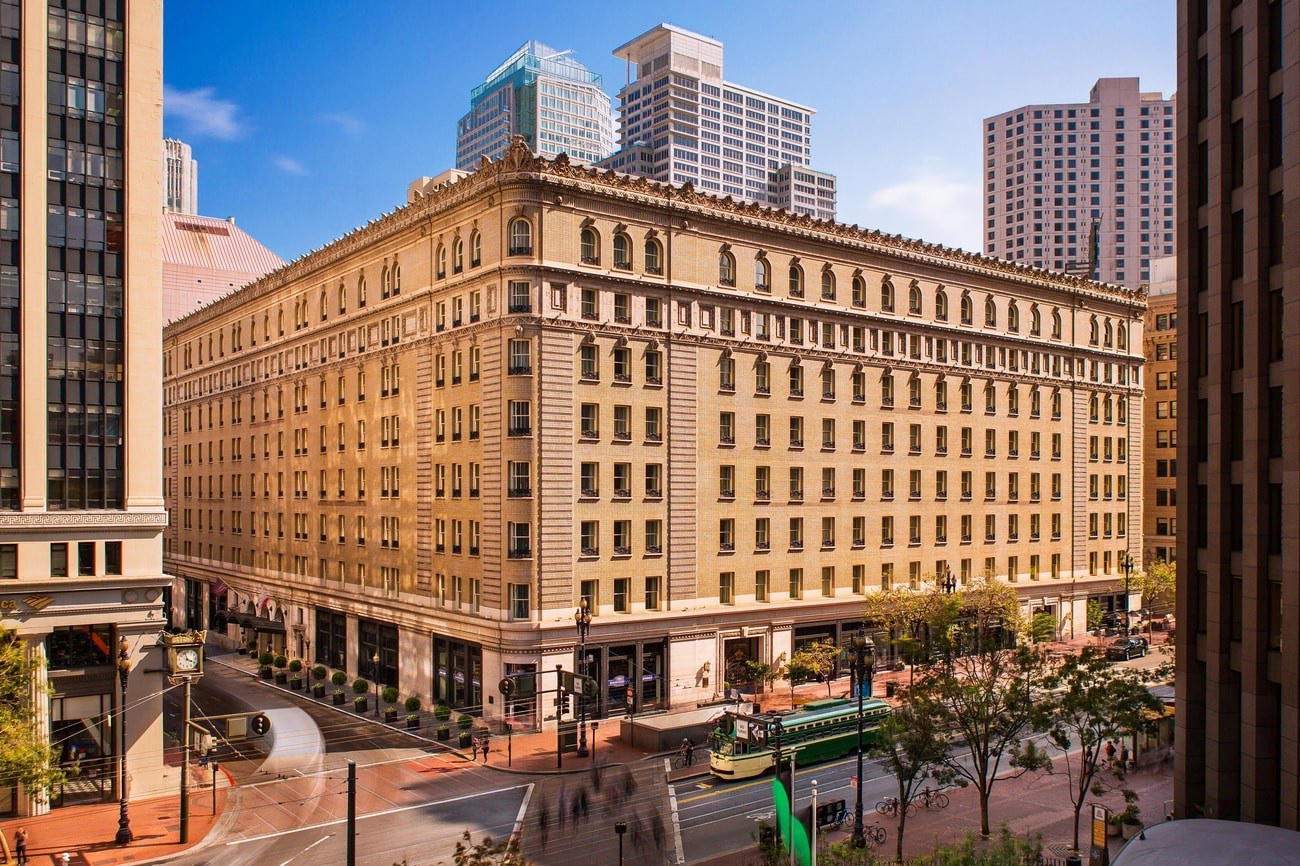

Details
- Casual
- Casual Hangout
- Family
- Beer Program
- A La Carte
- Beer Program
- Vegetarian Friendly
Casual family-friendly atmosphere with focus on comfort food like pizzas and burgers.