Specia
On Ámsterdam in Hipódromo Condesa, Specia occupies one of Mexico City's more architecturally considered dining rooms, where the physical space frames the meal as deliberately as the kitchen does. The address places it within a neighbourhood that has become a reference point for the capital's mid-tier creative dining scene, sitting a tier below destination restaurants like Pujol and Quintonil but operating with comparable seriousness of intent.
 Discover on Pearl
Pearl is the En Primeur Club membership app — saves, bookings, and concierge access live there. Same editors, same standards.
- Address
- Ámsterdam 241, Hipódromo Condesa, Cuauhtémoc, 06100 Ciudad de México, CDMX, Mexico
- Phone
- +525555649576
- Website
- specia.mx
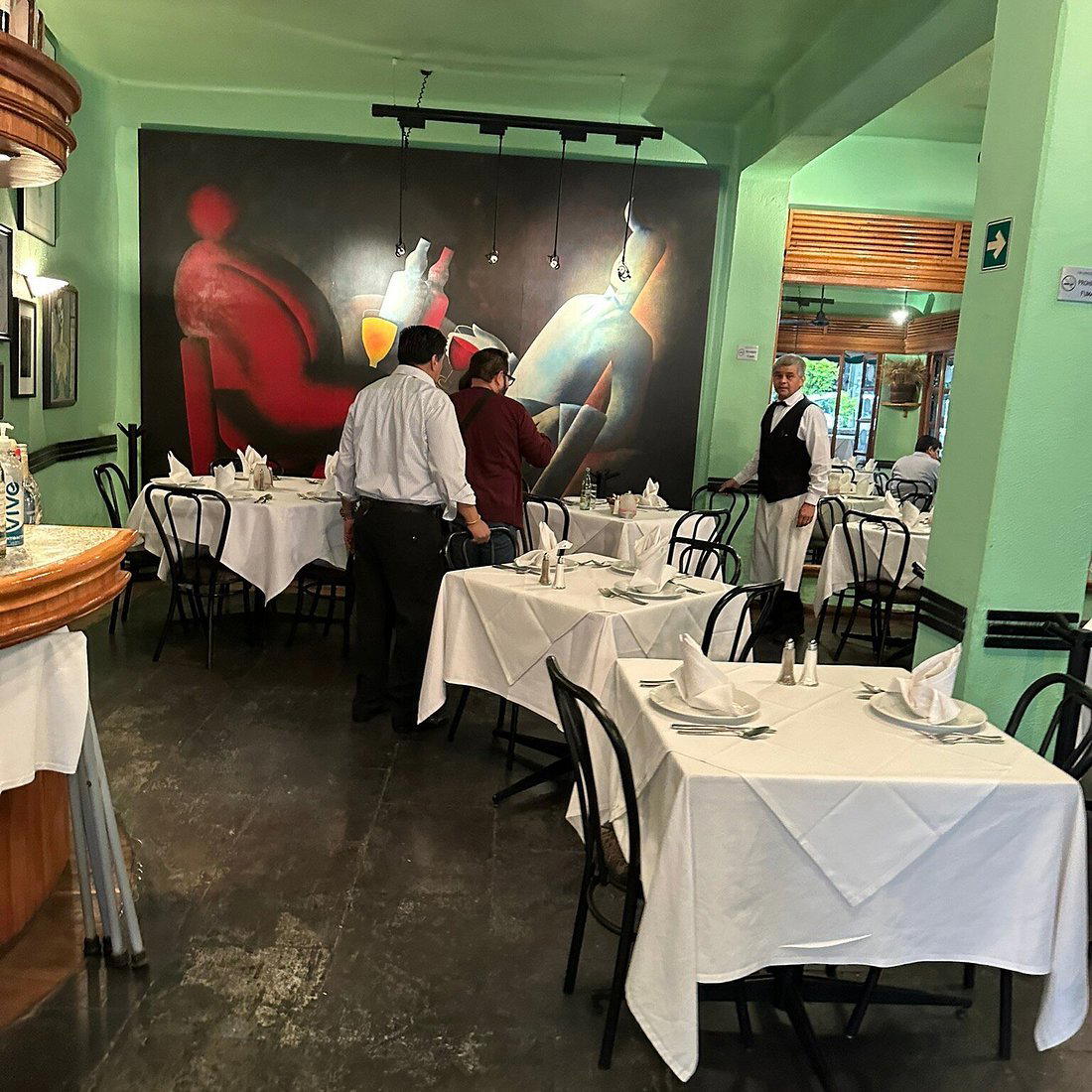
A Room That Does the Work
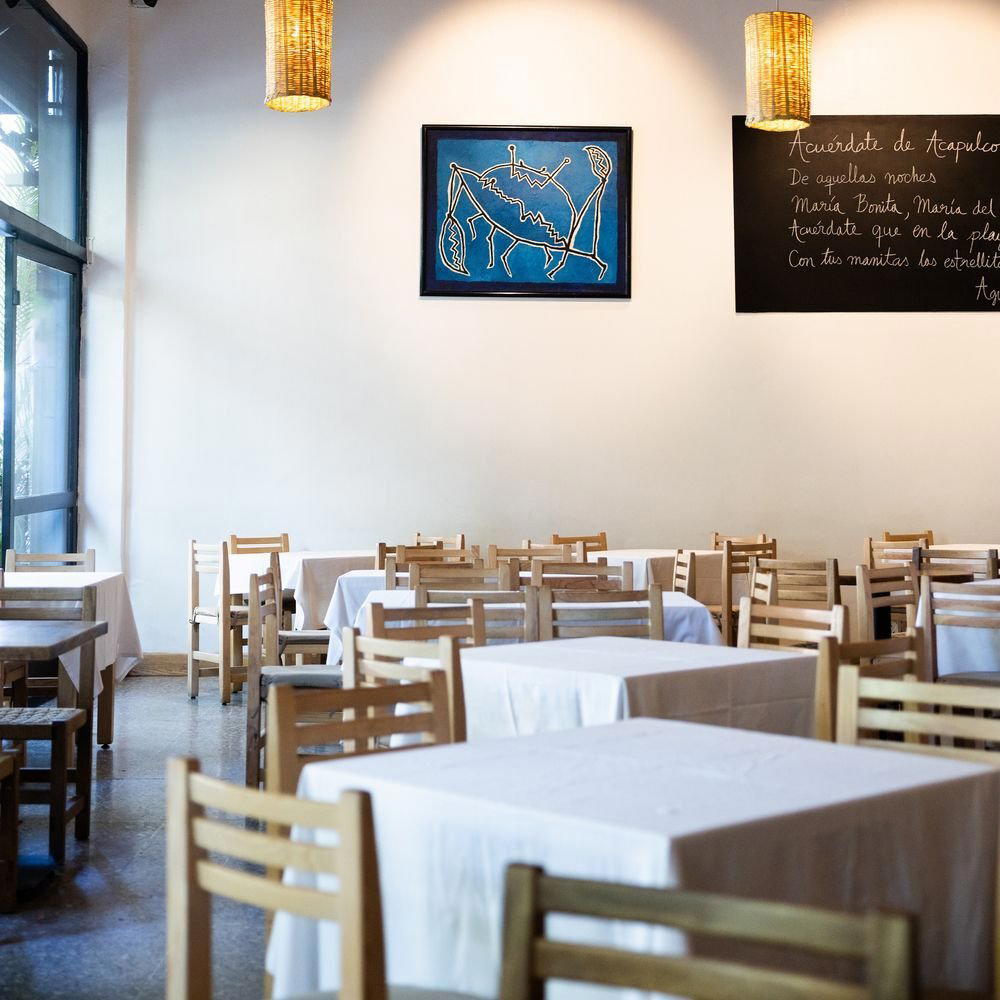
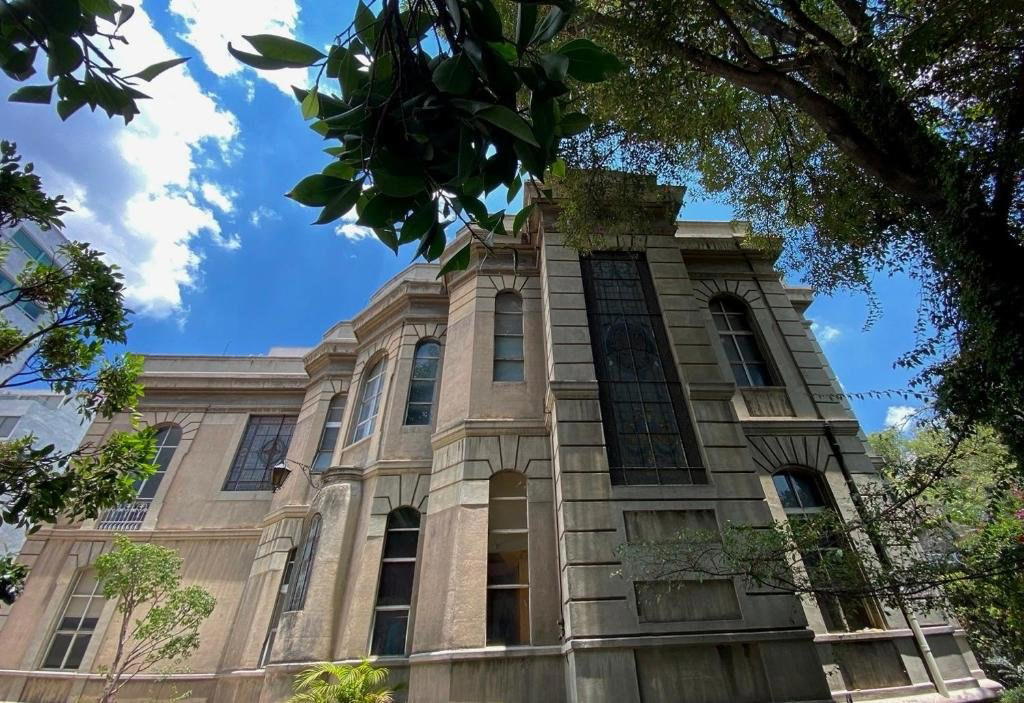
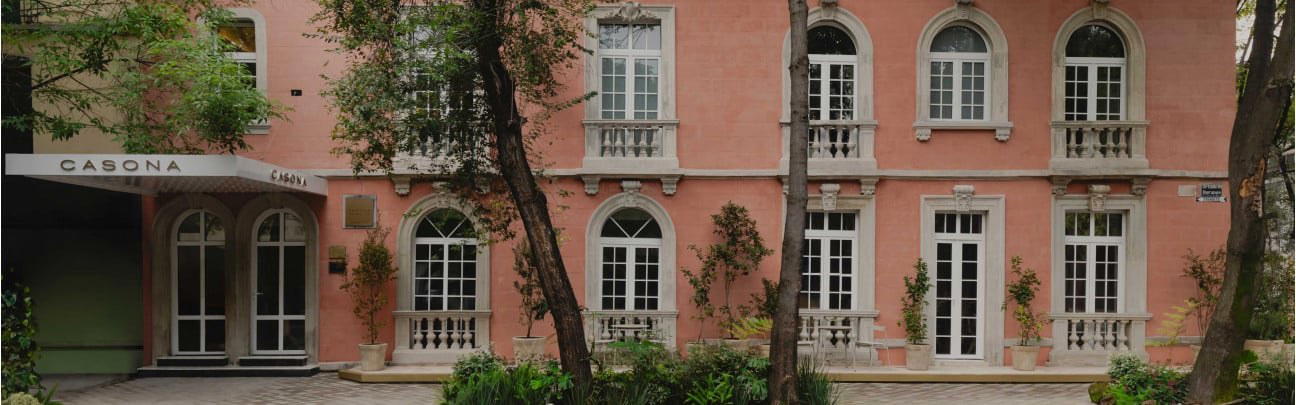
Ámsterdam is not a street that asks for your attention quietly. The oval boulevard that rings the Hipódromo Condesa traces one of the neighbourhood's defining geometries, and the buildings along it carry the low-slung, early-twentieth-century character that makes Condesa feel distinct from the glass-tower ambitions of Polanco or the stripped-back industrial registers of Roma Norte. Specia, at number 241, sits inside that physical logic. Before a dish arrives, the space itself communicates something about the kind of restaurant this is: an address that takes its surroundings seriously without using them as decoration.
Interior architecture in Mexico City's mid-range creative dining tier has shifted considerably over the past decade. Where the early 2010s saw a lot of exposed brick and Edison-bulb shorthand, the more considered rooms that have opened since tend to work with natural light, material layering, and a proportional relationship between table count and square footage that actually allows conversation. Specia belongs to this later cohort. The physical container signals intention: this is a room designed to hold a meal rather than to photograph as a backdrop for one.
Condesa as Context
The neighbourhood framing matters more than it might at first seem. Hipódromo Condesa has functioned for several years as one of Mexico City's most active incubator zones for mid-tier creative restaurants, the tier that sits between casual neighbourhood eating and the tasting-menu destination circuit anchored by addresses like Pujol and Quintonil. The area's density of independent operators, its walkable scale, and its relatively lower rents compared to Polanco have historically made it a place where chefs can run serious programs without the overhead pressure that pushes restaurants toward high-volume covers or premium pricing.
That structural context matters when placing Specia. The Ámsterdam address is not accidental. It locates the restaurant within a competitive set that includes Rosetta in nearby Roma Norte and Em further into the city's creative dining fabric. These are restaurants that operate with culinary seriousness and physical care at a price register below the top-tier tasting-menu circuit. Specia, by address and apparent intent, positions itself in that same cohort.
What the Space Signals About the Kitchen
In Mexico City's more attentive dining rooms, the relationship between physical design and kitchen philosophy tends to be legible. Restaurants that invest in the quality of their space typically signal a parallel investment in the quality of what comes out of the kitchen. This is not a rule without exceptions, but it holds across enough of the city's better addresses to be a useful heuristic. At Sud 777 in Pedregal, the garden setting frames a kitchen committed to Mexican ingredients with European technique. At Rosetta in Roma, a repurposed colonial house contains a menu that treats Italian creative cooking as a serious discipline. The physical container and the culinary program tend to rhyme.
Specia on Ámsterdam follows that pattern. A considered room in a neighbourhood with genuine dining credibility, on a boulevard that carries architectural weight, implies a kitchen that is doing something worth the address. The editorial case rests on structural evidence: location, neighbourhood position, and the physical signals of a room that was built with care.
The Broader Mexican Creative Scene
Mexico City's restaurant culture has become a reference point for the wider Mexican fine and creative dining scene, and understanding Specia means understanding where it sits in that larger picture. The capital concentrates talent and ambition in ways that make it different from the regional scenes in Guadalajara, where Alcalde has become a benchmark, or Oaxaca, where Levadura de Olla works within a very specific ingredient and tradition logic, or Monterrey, where KOLI Cocina de Origen and Pangea represent a northern register distinct from the capital's sensibility.
Beyond the city, Mexico's coastal and agricultural regions have developed their own serious programs: Animalón in Valle de Guadalupe operates within Baja's wine-country dining logic, HA' in Playa del Carmen and Le Chique in Puerto Morelos bring technical ambition to the Caribbean coast, and Olivea in Ensenada anchors a farm-to-table format in Baja's produce-rich environment. Huniik in Mérida works with Yucatecan ingredients in a contemporary idiom. Lunario in El Porvenir represents another Baja wine-country voice. What Mexico City does that these regional scenes cannot easily replicate is concentrate the full range of the country's culinary ambition into a single urban grid, which makes the mid-tier creative restaurants in neighbourhoods like Condesa doing work that matters at a national level. Internationally, the technical seriousness that defines the capital's leading rooms finds parallels in programs like Le Bernardin or Atomix in New York, where precision and restraint define the frame.
For a broader orientation to the city's dining geography, the EP Club Mexico City guide maps the full range of the capital's options across neighbourhood and price tier.
Planning Your Visit
The Ámsterdam address is walkable from multiple Condesa and Roma Norte reference points, and the boulevard's oval layout makes orientation direct. Reservations: Contact the restaurant directly; given the neighbourhood's dining density and the typical demand for mid-tier creative addresses in Condesa, booking ahead, particularly for weekend evenings, is advisable rather than optional. Dress: Condesa's dining culture runs smart-casual; the neighbourhood does not enforce formality but rewards some consideration for a room of this register. Budget: Specia sits in a price tier aligned with mid-range dining in Condesa. Getting there: The Hipódromo Condesa is served by multiple microbús routes and is accessible from the Chilpancingo and Patriotismo metro stations, with the Ámsterdam oval also reachable on foot from Roma Norte.
Peers in This Market
Comparable venues nearby, for context on price, style, and recognition.
| Venue | Cuisine | Price | Notes |
|---|---|---|---|
| SpeciaThis venue — the venue you are viewing | Polish | $$$ | |
| BARRIO NORTE | Uruguayan Steakhouse | $$$ | Del Bosque |
| Belforno | Modern Italian Wood-Fired | $$$ | Hipodromo de la Condesa |
| La Imperial Nápoles | Traditional Mexican Cantina | $$$ | Ampl Napoles |
| Kolobok | Authentic Russian | $$ | Santa Maria la Ribera |
| Xeul | Contemporary Korean BBQ & Fine Dining | $$$ | Miguel Hidalgo |
Continue exploring
More in Mexico City
Restaurants in Mexico City
Browse all →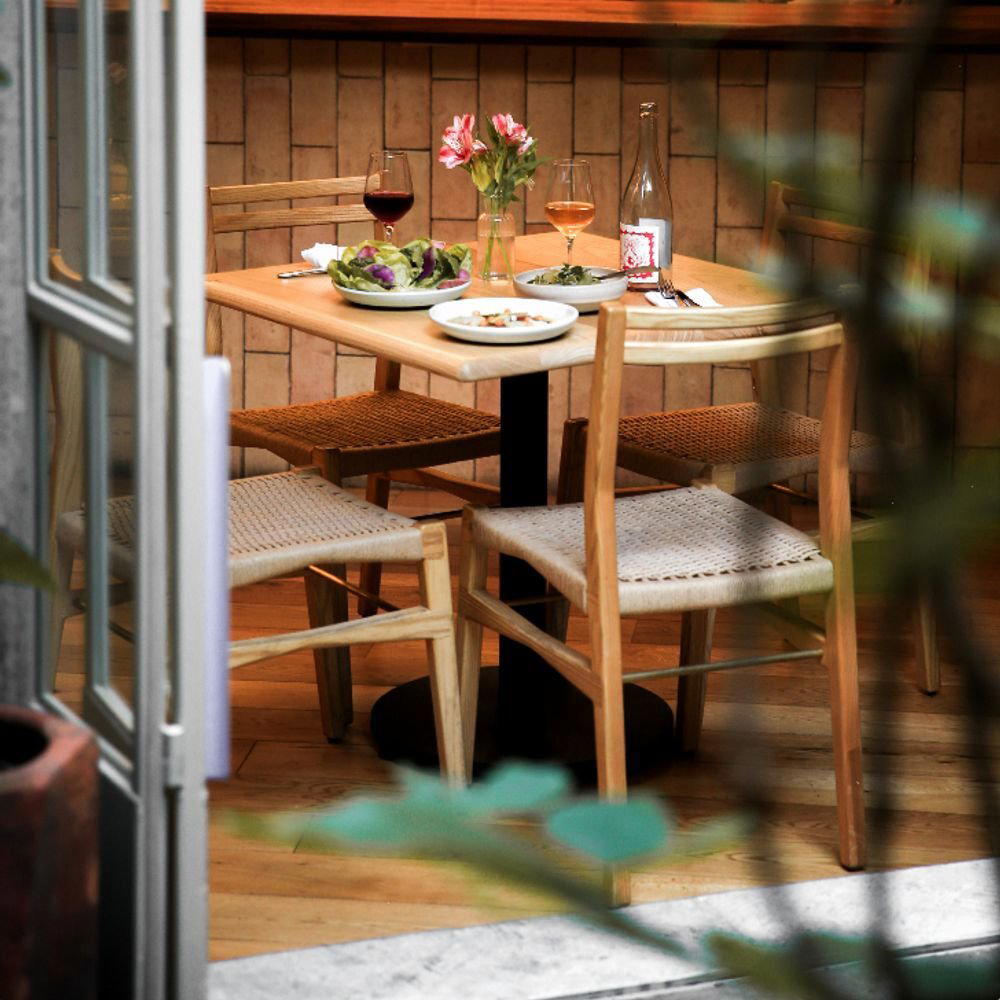
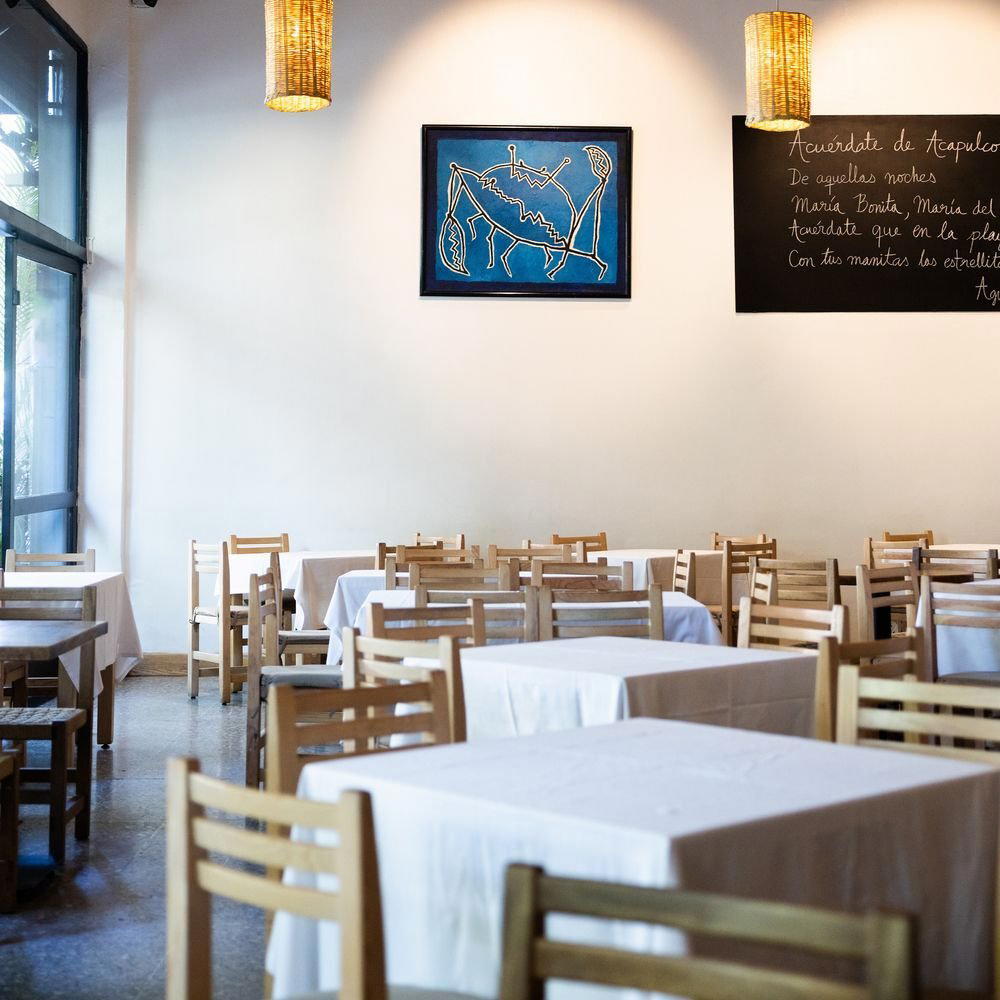
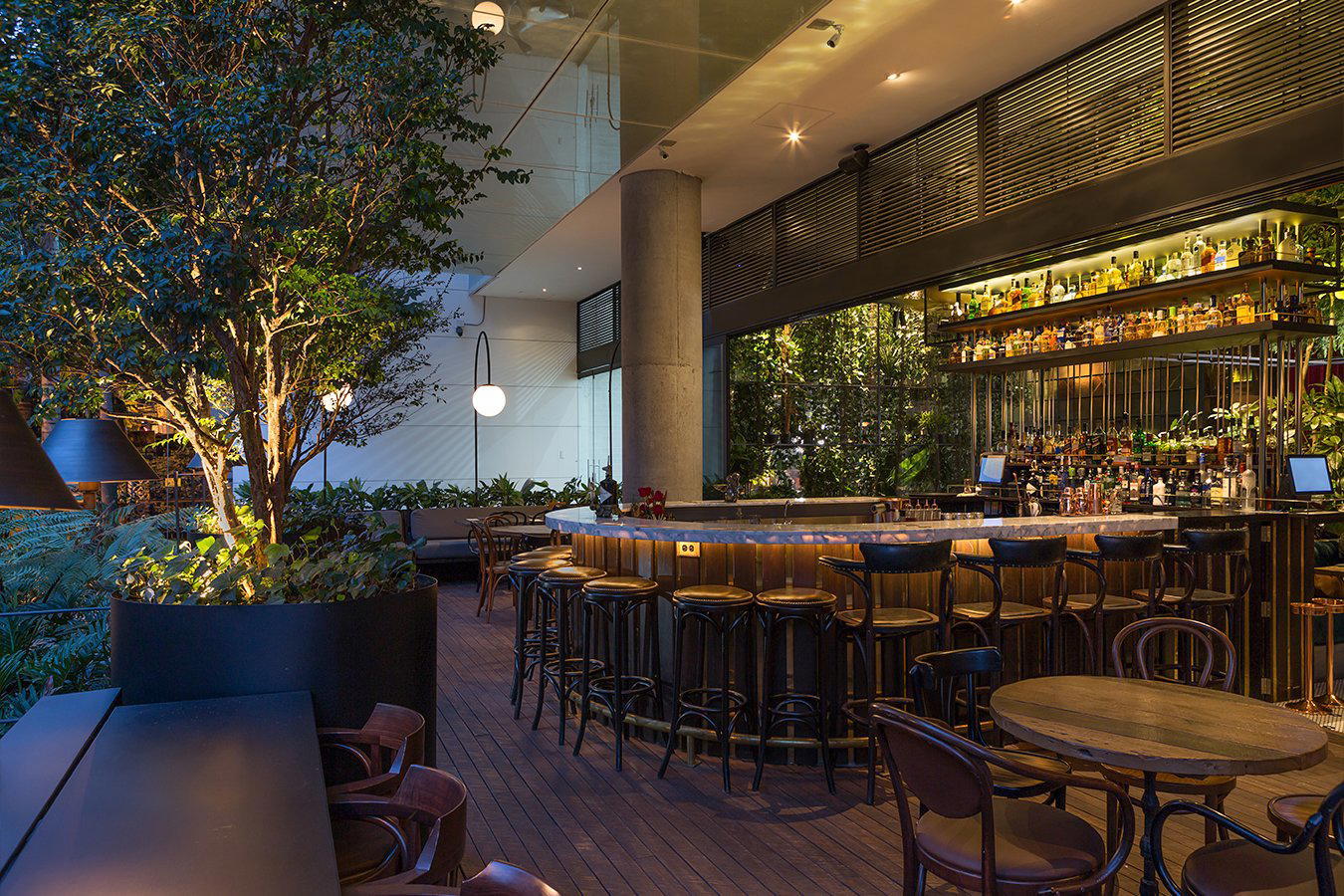
Bars in Mexico City
Browse all →

At a Glance
- Cozy
- Elegant
- Intimate
- Classic
- Date Night
- Special Occasion
- Standalone
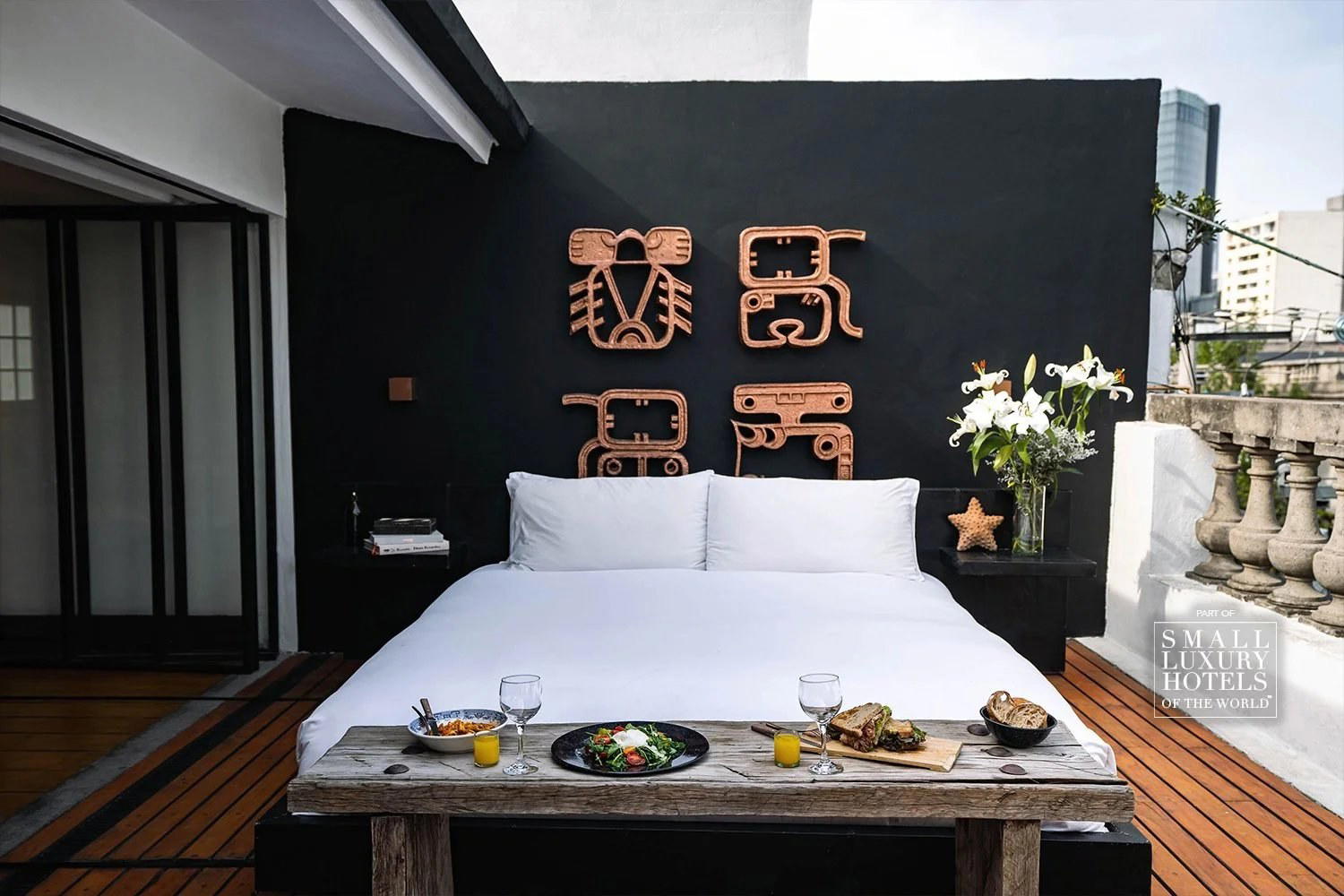
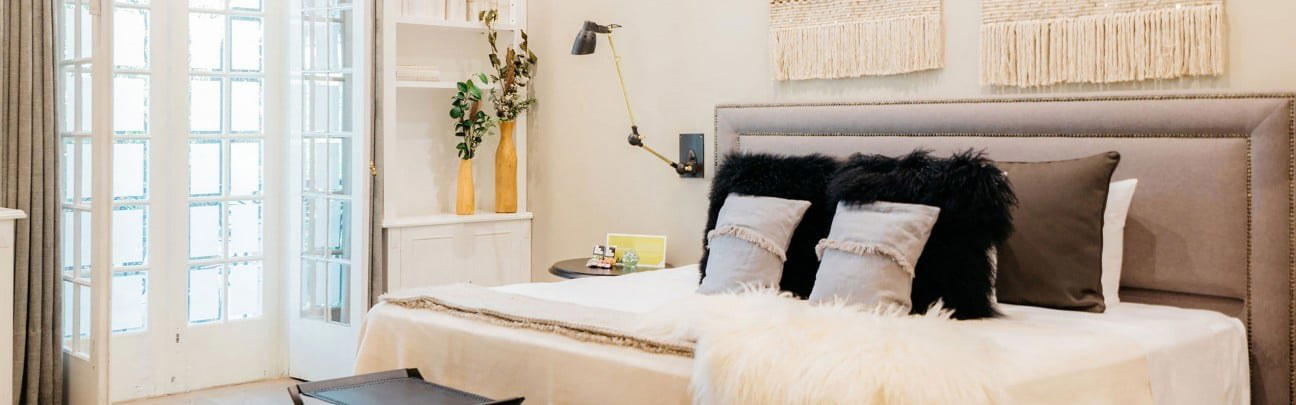
Cozy and quiet atmosphere with white tablecloths, intimate setting, and characteristic Polish music.